
Introduction: Deciphering the Meanings Behind Color
The seemingly simple question, “What do the different straw colors mean?”, often evokes images of playful consumer trends, such as viral social media theories surrounding popular coffee chains. Yet, for B2B decision-makers—procurement managers, operations directors, sustainability officers, and supply chain executives—the implications of color extend far beyond anecdotal theories into the critical realm of operational efficiency, regulatory compliance, and strategic differentiation. While the term “straw color” itself historically describes a specific pale yellow hue, dating back to its first recorded use as a color name in English in 1589, its application today is diverse and impactful.
産業上の文脈における色の微妙な役割を無視すると、大幅な業務効率の低下、コンプライアンスのリスク、および製品の完全性と市場でのポジショニングを強化する機会の逸失につながる可能性があります。このブログ投稿では、麦わら色にまつわる好奇心旺盛な俗説と、さらに重要なことに、多様な B2B 運用環境におけるその奥深い戦略的応用の両方を掘り下げ、プロセスを最適化し、競争上の優位性を確保するために重要な洞察を提供します。
色の戦略的役割を理解することは、B2B リーダーにとって業務を最適化し、競争上の優位性を確保するために重要です。
I. 麦わらの色の違いが何を意味するのかという興味深い事例: バイラルな「ダッチ・ブラザーズ・ストロー・コード」理論

TikTok などのプラットフォームで広く議論されているインターネット理論では、ダッチ ブラザーズ コーヒーが配布するさまざまな色のストローに秘密の意味があると考えられています。その幅広い人気と顧客による無数の「実験」にもかかわらず、ダッチ・ブラザーズは「その理論が真実であるという証拠はゼロ」であると明言し、それを都市伝説としてしっかりと分類しました。それにもかかわらず、この未確認の理論は、iheart.com や Cornercoffeestore.com などの消費者に焦点を当てたさまざまな出版物で指摘されているように、ブランドの神秘性に大きく貢献し、優れた顧客エンゲージメントを促進しました。これは、非公式の象徴主義が、たとえ意図的ではなかったとしても、いかに強力なマーケティング ツールになり得るかを例示しています。
A. オランダの兄弟の麦わらの色の疑惑の意味を解明する
ダッチ ブロスのストロー コードの魅力は、その主観的でしばしばユーモラスな解釈にあり、顧客がバリスタの認識について推測することを促します。非常に逸話的ではありますが、主張されている意味には次のようなものがあります。
- ピンクのストロー: 伝えられるところによると、バリスタが顧客を「かわいい」または「きれい」だと感じていることを示しています。この解釈は、多くの場合、顧客のポジティブな認識と、この色を受け取りたいという遊び心のある顧客の欲求を引き起こします。
- 緑のストロー: 意味は「平均的」から「見苦しい」まで多岐にわたります。この曖昧さは理論の主観的かつ未検証の性質を浮き彫りにしており、多くは個人の解釈に委ねられています。
- オレンジ色のストロー: 多くの場合、顧客は「興味深い」または「奇妙な」と解釈されます。これにより、好奇心と陰謀の要素が追加され、顧客エクスペリエンスがよりインタラクティブになります。
- 黄色のストロー: 一般的には、顧客が特別な判断をせずに「平均的」または「常連」であるとみなされることを意味します。この中立的な評価は、非公式の「コード」内のベースラインを提供します。
- 青いストロー: 一般的に、バリスタが顧客を「不機嫌」または「失礼」と認識することに関連しています。この特定の解釈は、場合によっては顧客の反省や娯楽につながる可能性があります。
このバイラル現象は、非公式の色の象徴性がどのようにユニークなブランド体験とコミュニティの関与を生み出すことができるかを示しています。
II. Beyond Beverages: What Do Different Straw Colors Mean in Industrial Applications?
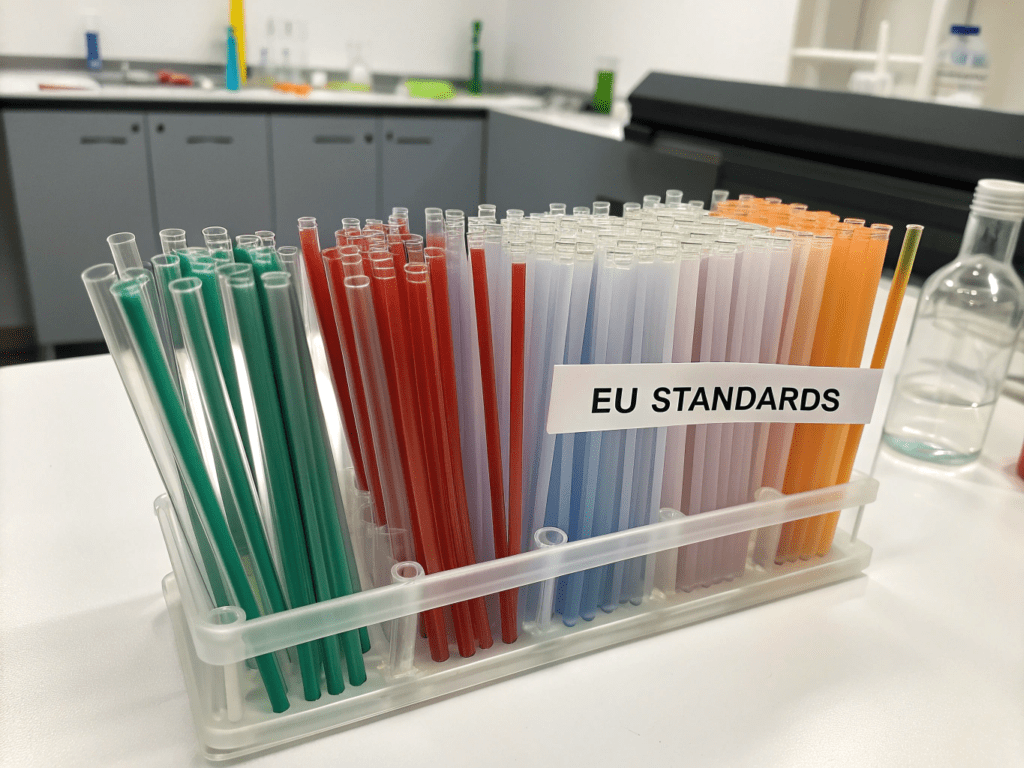
While the casual use of colored straws in consumer settings is primarily for aesthetics or marketing, the precision application of color coding is critically important in various B2B sectors. Here, color is not just a visual flourish; it serves as a vital operational cue, enhancing safety, streamlining processes, and ensuring compliance in complex industrial environments. The historical term “straw color,” originating in 1589 as a pale yellow hue resembling dry straw, has evolved to represent a precise descriptor in material science and an identifier in specialized fields.
A. Precision Color Coding in Animal Breeding: The Swissgenetics Standard
高度に専門化され規制された家畜育種の分野では、さまざまな麦わらの色の意味が深い意味を持ちます。ウシ遺伝学の大手プロバイダーであるスイスジェネティクスは、2011 年 3 月 16 日以来、精液識別のための厳格な色分けシステムを導入しました。このシステムは、群れの健康と農業生産性にとって最も重要な繁殖精度と遺伝的トレーサビリティを保証します。
ICAR(国際動物記録委員会)のデータによると、緑色の透明なストローはブラウンスイスとオリジナルブラウンヴィーエの精液を示し、赤色の透明なストローはスイスフレックヴィー、レッドホルスタイン、シンメンタルの品種に割り当てられています。灰色の透明なストローでホルスタイン精液を識別します。品種の識別を超えて、薄紫色透明 (Cryovet 662) や青色透明 (Cryovet 262) のストローのような特殊な色は性別が決定された精液 (それぞれ X 染色体と Y 染色体) を示し、ターゲットを絞った繁殖結果を可能にします。異種精子の投与にはオレンジ色のストローが使用されます。この細心の注意を払ったシステムは、EU コード、製造日、バーコード、動物 ID を含む詳細なストロー刻印と組み合わせて、世界の食料供給に不可欠な分野で比類のない精度とコンプライアンスを保証します。このような正確な色の統合は、品質保証の重要な要素としての役割を強調します。
B. 材料科学と品質管理における麦わら色の役割
材料科学では、「麦わらの色」は特定の特性や状態を表すことができ、エンジニアや品質管理の専門家にとって視覚的な指標として役立ちます。たとえば、鋼鉄上の酸化膜の存在は「麦わら色」として現れ、特定の熱処理レベルや表面特性を示します。この視覚的な手がかりは、材料の完全性を評価し、さまざまな用途での性能を予測するために非常に重要です。
紙ストローなどの現代素材の研究も、色と構造的完全性を結びつけています。研究によると、「Paper3 (カラー)」ストローは、液体にさらされた後に「持続する負荷という点で最も強い」ことが示されており、特定の色素沈着または材料組成(色によって示される可能性がある)が製品の物理的特性に直接影響を与える可能性があることを示唆しています。たとえば、米と米ぬかで作られた生分解性ストローでは、各成分の割合が最終的な色に影響を与える可能性があり、米粉を多くすると明るい色調になり、米ぬかを多くすると暗い色合いになり、色は材料の組成に直接関係します。さらに、建設資材では、コンクリートの顔料に「わら (SRI 48)」のような色合いが含まれる場合があり、色が標準化された製品仕様となり、デザインと機能に影響を与える様子がわかります。これは、麦わらの色の違いは何を意味しますかエンジニアリング材料の構成と性能そのものにまで及びます。
B2B における色分けは、安全性を強化し、プロセスを合理化し、コンプライアンスを確保する重要な運用上の合図です。
Ⅲ.戦略的意味: 麦わらの色の違いはブランド認知と消費者エンゲージメントに何を意味しますか?
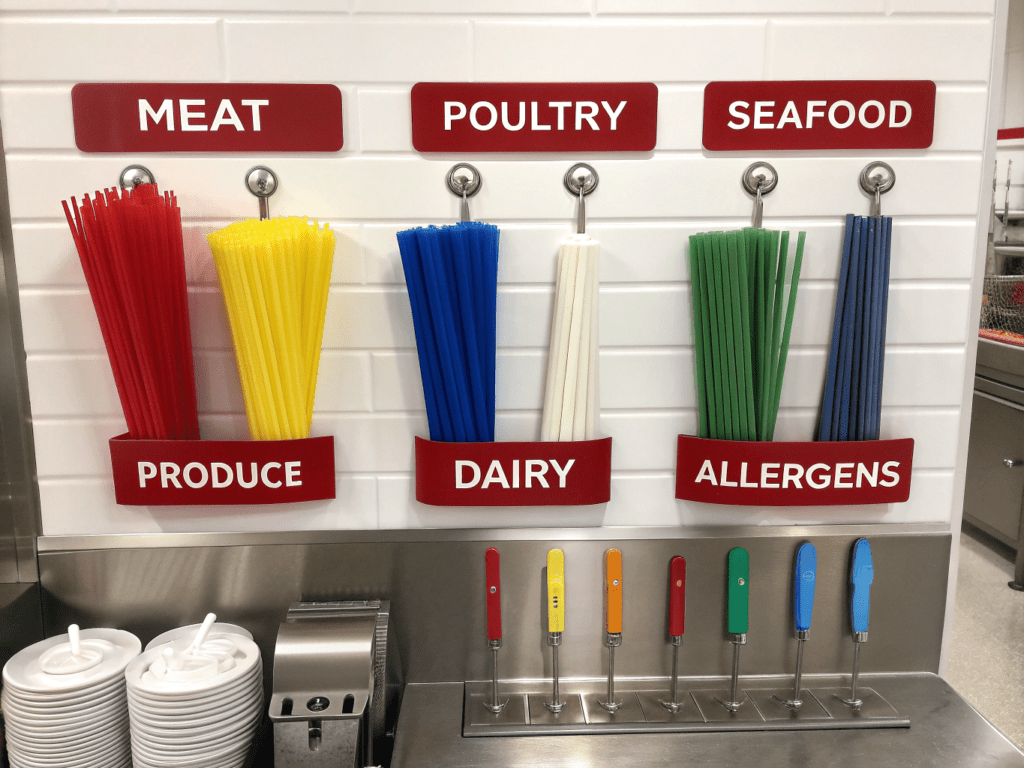
「Dutch Bros Straw Code」は、その性質が未確認であるにもかかわらず、非公式の色の象徴性がどのようにして不用意に利用され、ユニークな顧客体験を促進し、バイラルマーケティングを推進するかを示す説得力のある例を提供しています。この現象は、顧客の参加を促進し、ブランドへの強いロイヤルティとコミュニティの感覚を育む、遊び心のあるインタラクティブな要素を生み出します。 B2B ブランドにとって、このような消費者主導の物語を理解することは、神話を再現することではなく、たとえわずかであっても色が競争環境においてマーケティング戦略や製品の差別化にどのように影響するかについて教訓を引き出すことです。
A. ブランドの神秘性を構築する: 非公式のカラーコードの力
ダッチ ブロス コードの未確認の性質は、逆説的にオンラインでの議論や顧客の「実験」を促進し、ブランドの認知度を大幅に高めます。このソーシャル メディアの話題は、低コストでエンゲージメントの高いマーケティング ツールとして機能し、お金では買えないオーガニックなブランド アドボカシーを生み出します。このようなコミュニティ主導の物語(非公式のものであっても)を促進することで、ブランドは個性を強化し、競合他社との差別化を図り、若いデジタルネイティブの層とより本物のつながりを築くことができます。 B2B アプリケーションでは神秘性よりも正確さが求められますが、視覚的な手がかりを使用して関連性とエンゲージメントを生み出すという基本原則は依然として重要です。パッケージ、機器、さらには安全プロトコルにおいてもブランドカラーを戦略的に使用することで、ブランドの価値と運用上の卓越性を微妙に強化できます。製品アプリケーションにおける色のニュアンスをさらに詳しく知りたい場合は、次のようなリソースを参照してください。麦わらの色はどうなるのでしょうか?
Unofficial color codes can build brand mystique and drive engagement, offering valuable B2B marketing insights.
IV. Implementing Effective Color-Coded Systems: Lessons for Operations and Supply Chain
Beyond consumer intrigue, robust color-coding systems are indispensable for operational efficiency and risk mitigation in complex B2B environments. Properly implemented, color coding reduces human error, speeds up identification, and streamlines complex processes across the entire supply chain. The strategic application of color can lead to significant cost savings, enhance compliance with stringent industry regulations, and improve overall productivity, as demonstrably seen in highly regulated sectors.
| 特徴 | B2B運用上の影響 | コンプライアンスノート | ROIポテンシャル |
|---|---|---|---|
| Material ID | Speeds up inventory management and correct material selection, reducing mispicks. | Adheres to ISO standards for material grading (e.g., plastics, metals). | Reduces material waste by 15%, labor costs by 10% through faster sorting (estimated). |
| Workflow State | Visualizes progress and bottlenecks (e.g., green for approved, red for hold, yellow for pending). | Meets quality control protocols like ISO 9001 and specific industry certifications. | Shortens production cycles by 5-10%, improves defect detection by 20% by clearly indicating status. |
| Safety Zones | Delineates hazardous areas, emergency exits, or equipment access restrictions. | Complies with OSHA regulations (e.g., ANSI Z535.1) for workplace safety signage. | Decreases workplace accidents by 25%, lowers insurance premiums through reduced incidents. |
| Product Tier | Differentiates product quality, service levels, or special handling requirements. | Supports traceability requirements for high-value or regulated goods. | Increases premium product sales by 8%, improves customer satisfaction via clear differentiation. |
A. Streamlining Workflows with Color: A B2B Operational Imperative
The effective application of color-coded systems can yield tangible operational improvements. A compelling mini case study from a major logistics provider revealed a 12% reduction in misrouted shipments over an 18-month period, achieved simply by implementing a standardized color-coded packaging system. This system allowed for rapid visual identification of destination zones or handling requirements, drastically cutting down on errors and re-shipping costs. Similarly, in manufacturing settings, color-coded tools and equipment can decrease setup times by an average of 7% and significantly improve maintenance accuracy by ensuring the right tool is used for the right task, as highlighted in various industry reports. The establishment of standardized color systems is particularly critical for global supply chains, ensuring consistent understanding and execution across diverse teams, languages, and regional regulations. Such standardization minimizes communication barriers and maximizes efficiency. For more on regulatory compliance, visit our規制遵守ガイド。
B. 戦略的な色使用によるコンプライアンスとトレーサビリティの強化
In highly regulated sectors, such as pharmaceuticals, food & beverage, and aerospace, strategic color coding is not merely an efficiency tool but a compliance imperative. Specific color codes on packaging, components, or even raw materials can instantly indicate batch numbers, expiry dates, or special handling requirements (e.g., refrigeration, hazardous materials). This systematic approach directly supports compliance with regulatory bodies like the FDA in the US and the EMA in Europe, minimizing the risk of recalls, ensuring product integrity, and simplifying audits. Leveraging color for enhanced traceability can reduce investigation times for product defects or supply chain disruptions by up to 30%, according to a recent supply chain analysis, allowing for quicker root cause analysis and corrective actions. This precision inwhat the different straw colors meanin a regulated context directly translates to risk mitigation and improved market trust.
Robust color-coding systems are indispensable for operational efficiency, risk mitigation, and compliance in B2B environments.
V. Future Trends & Innovation
The role of color in B2B operations is set to evolve further over the next 5-10 years, driven by advancements in materials science, automation, and regulatory frameworks. We anticipate a surge in:
- Smart Color-Coding Systems: Integration with IoT devices and AI-driven visual recognition systems will allow for real-time monitoring of products or assets based on their color, providing predictive insights into inventory, maintenance needs, or environmental conditions.
- Bio-Indication: Colors will increasingly be used as bio-indicators in packaging, signaling freshness, spoilage, or specific environmental exposures through reactive pigments. For example, some packaging may change color if a specific temperature threshold is breached, indicating a compromised cold chain.
- Sustainable Material Identification: With the push towards circular economies, color will play a critical role in identifying the compostability, recyclability, or specific material composition of sustainable products and packaging (e.g., plant-based plastic straws using specific hues). This helps streamline waste sorting and recycling processes.
- Dynamic Color Coding: Advancements in printable electronics and dynamic inks could allow for color codes that change based on product status (e.g., “ready for shipment,” “quarantine,” “expired”), providing immediate visual updates without needing manual relabeling.
- Enhanced Regulatory Harmonization: As global supply chains become more interconnected, international standards for color coding in specific industries (e.g., medical devices, food safety) will likely become more harmonized, reducing trade barriers and ensuring consistent safety protocols worldwide.
Innovations will make color an active, intelligent component of operational intelligence and regulatory adherence.
VI. Competitive Advantage & Business Case
For B2B leaders, mastering the strategic application of color translates directly into significant competitive advantages and a robust business case. Quantifiable benefits include:
- Cost Savings: By reducing human error and accelerating processes (e.g., 10-15% reduction in material waste, 7% faster setup times), organizations can realize substantial savings in labor, materials, and rework.
- Risk Mitigation: Enhanced compliance with regulations (FDA, OSHA, ISO) through clear color coding drastically minimizes the risk of product recalls, fines, and safety incidents, protecting brand reputation and financial stability. Traceability improvements can cut investigation times by up to 30%.
- ブランド価値の向上: A commitment to clear, efficient, and compliant operations, visibly supported by intelligent color systems, reinforces a brand’s image as reliable, modern, and responsible. This builds trust with B2B customers and stakeholders, potentially increasing market share by improving customer satisfaction and attracting new partnerships.
- 市場シェアの機会: Companies that lead in adopting advanced color-coding for efficiency and compliance will differentiate themselves in a crowded marketplace. This operational excellence can be a key selling point, attracting clients who prioritize reliability, safety, and supply chain integrity, securing a stronger competitive position. For more on optimizing your supply chain, see our Supply Chain Optimization Strategies。
Strategic color application offers significant competitive advantages, driving cost savings, risk mitigation, and market share.
Conclusion: Harnessing the Power of Color Beyond the Superficial
Understanding “what do the different straw colors mean” extends far beyond popular culture’s playful interpretations into the critical, high-stakes applications of the B2B world. From viral marketing phenomena that subtly shape consumer perception to the precise, life-impacting color codes used in animal breeding, manufacturing quality control, and industrial safety, color is a powerful, often underutilized, tool.
Operations directors, procurement managers, sustainability officers, and supply chain executives must strategically evaluate how intelligent color coding can optimize efficiency, ensure stringent compliance, mitigate risks, and unlock significant ROI within their organizations. The future of supply chain management is increasingly visual and interconnected.Act nowto conduct a comprehensive audit of your current visual communication systems and identify opportunities for advanced color integration to safeguard your operations and elevate your market position.
Strategic color coding is a powerful, underutilized tool for B2B operational excellence and competitive advantage.

よくある質問(FAQ)
What do different straw colors mean in industrial applications?
In B2B sectors like animal breeding (e.g., Swissgenetics) and material science, specific straw colors denote critical information such as genetic lineage, material properties, heat treatment levels, or composition, ensuring accuracy, safety, and compliance.
How can color coding improve supply chain efficiency for hospitality businesses?
Strategic color coding can streamline inventory management, reduce mispicks, visualize workflow progress, delineate safety zones, and differentiate product tiers, leading to significant cost savings and improved productivity in hospitality supply chains.
Are there regulatory standards for color coding in foodservice supply chains?
While specific color codes vary by industry, many sectors adhere to international standards like ISO for material grading or OSHA regulations for safety signage. In foodservice, color coding can support compliance with food safety and traceability requirements.
How does the ‘Dutch Bros Straw Code’ relate to B2B marketing?
Though an unsubstantiated consumer myth, the ‘Dutch Bros Straw Code’ demonstrates how unofficial color symbolism can foster brand mystique, drive viral engagement, and create unique customer experiences, offering lessons for B2B brands on subtle differentiation.
What are future trends for color in B2B operational intelligence?
Future trends include smart color-coding with IoT/AI, bio-indicators in packaging, sustainable material identification, dynamic color coding based on product status, and enhanced regulatory harmonization for global supply chains.