I. The Plastic Straw Hangover: Why We Needed a Change
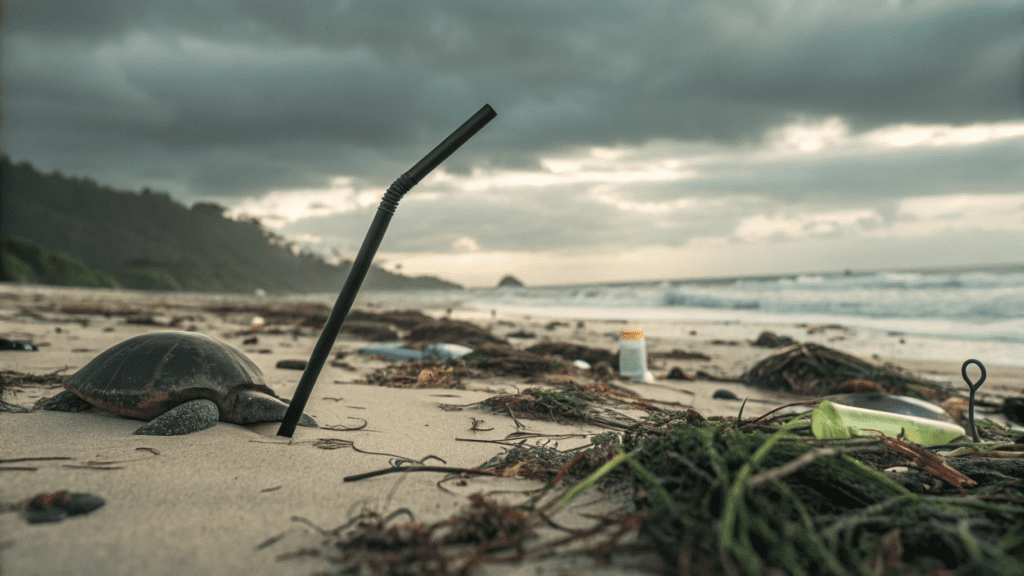
Ah, the ubiquitous plastic straw. Remember those days? Ubiquitous, convenient, a veritable symbol of carefree consumption. They were everywhere – fast food joints, fancy cocktail bars, even lurking in the depths of your kitchen drawer. Cheap and seemingly harmless, these slender tubes facilitated our sipping pleasure. Yet, their legacy is far from pleasurable, lingering for centuries in landfills and our oceans.
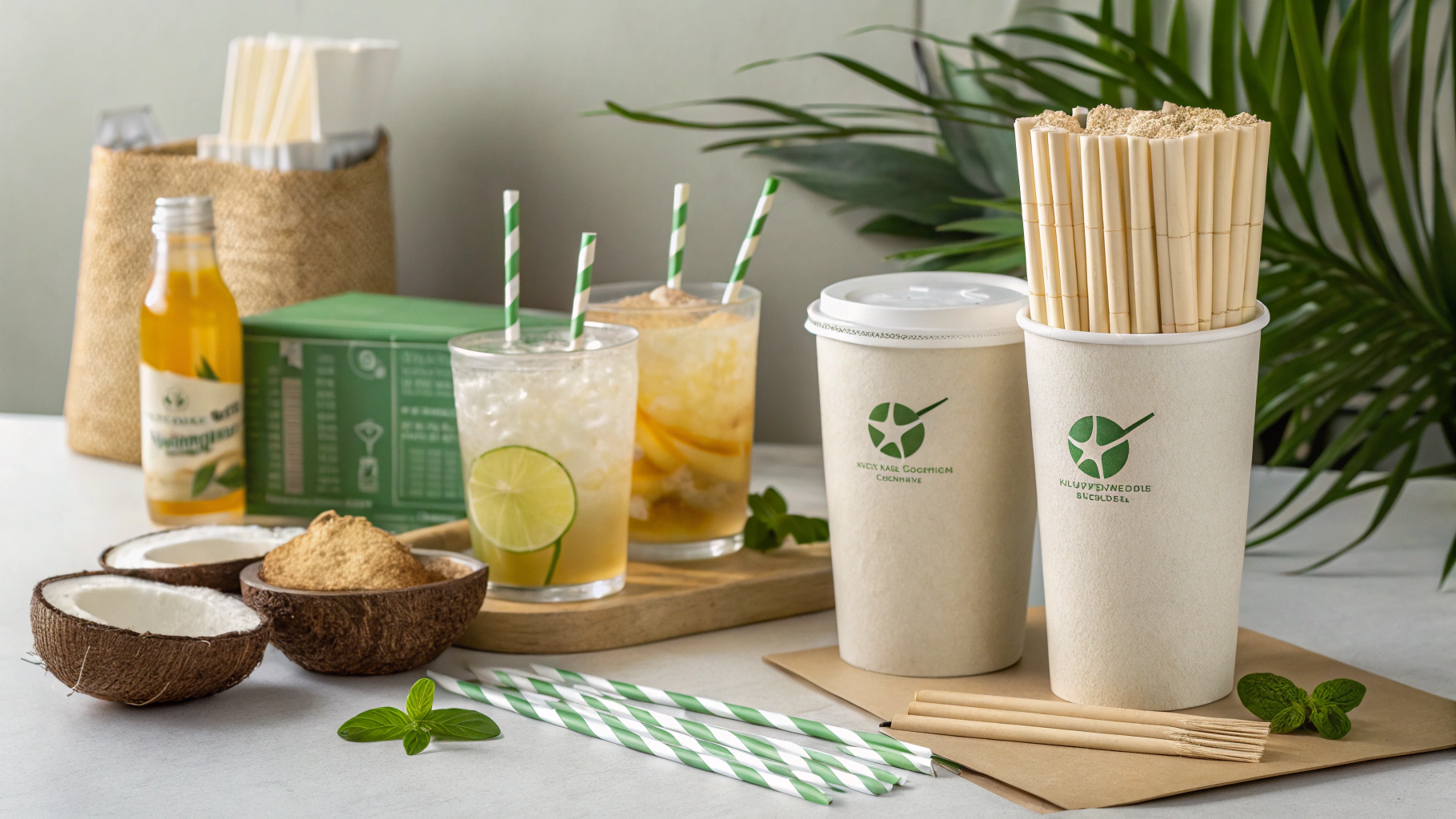
Enter the eco-heroes: compostable straws! What sorcery are these magical tubes, you ask?
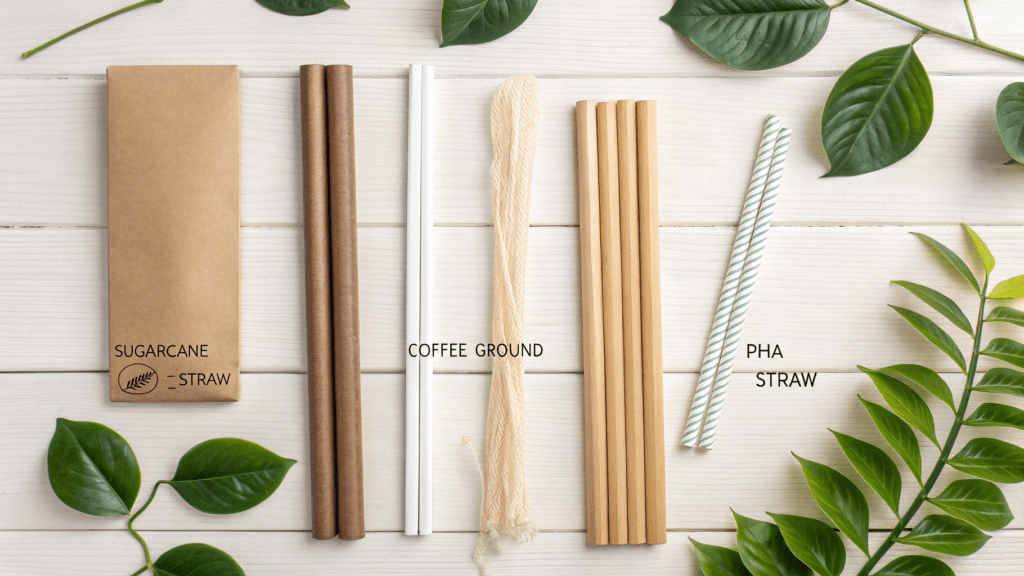
They’renotпластик прежде всего! Вместо этого они происходят из царства растений: кукуруза, сахарный тростник, пшеница, бамбук, даже скромная кофейная гуща подходит для этой цели. Но настоящее волшебство заключается в их Большом Обещании: разлагаться обратно на природные элементы – воду, CO2 и старую добрую грязь – в контролируемой среде предприятий по компостированию, не оставляя после себя никаких следов микропластика. Мы говорим о разложении в течение недель или месяцев, а не столетий.
And remember this rule of thumb: “Compostable” reigns supreme over “biodegradable.” The former adheres to stringent standards, ensuring a true vanishing act under specific conditions. The latter? Well, let’s just say its promises are often as flimsy as a…soggy straw.
II. A Twisted History: How Did We Get Here?
The history of the straw is longer, and stranger, than you might imagine.
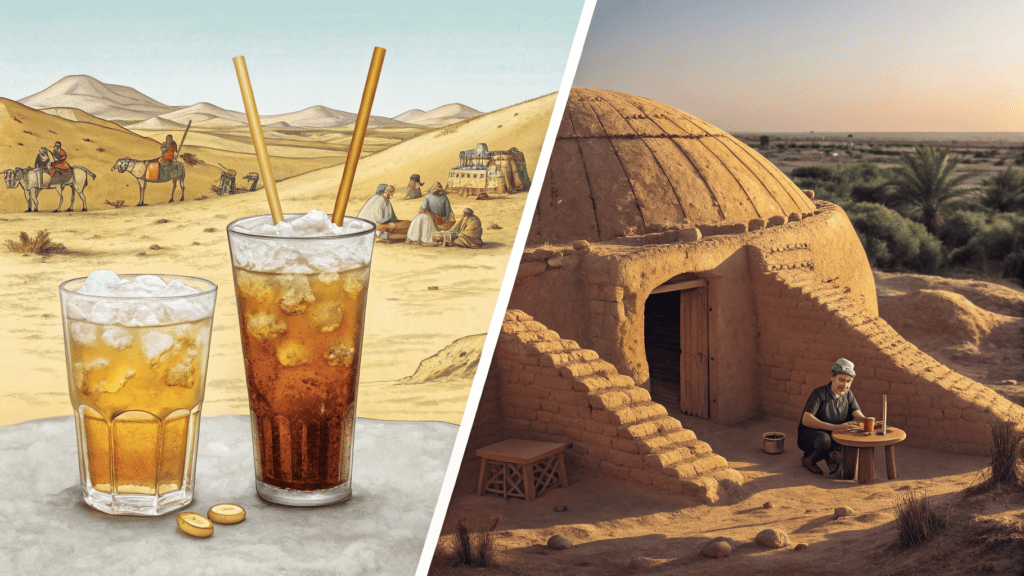
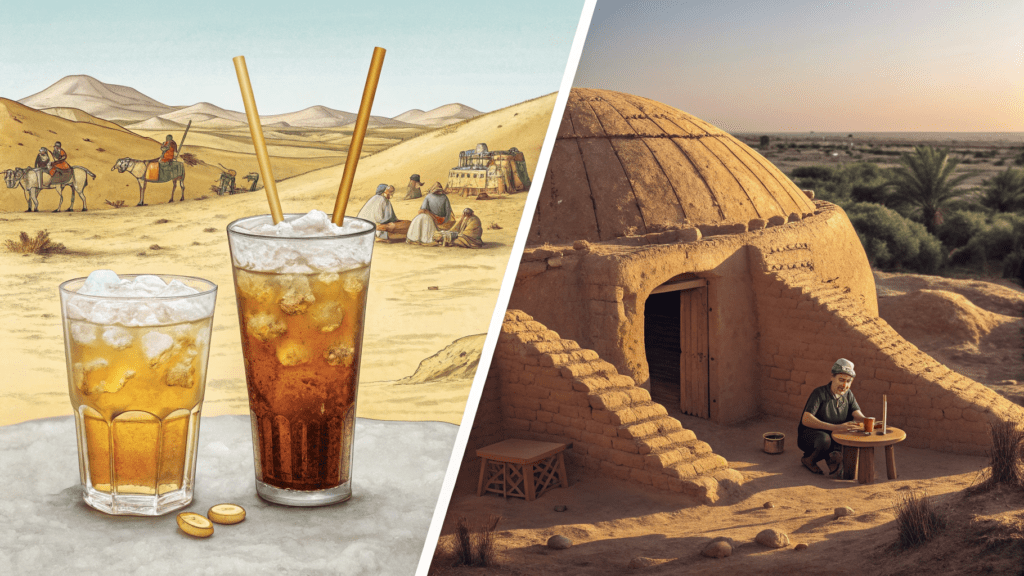
Believe it or not, our ancestors were sipping through tubes some 5,000 years ago. The Sumerians, those clever Mesopotamians, used golden straws to partake in their communal beer drinking. Imagine the parties! Reeds, bamboo, and even ornate metal “bombillas” – used for sipping fancy teas – followed.
Fast forward to the 1800s, and we encounter the “Soggy Rye Era.” Common straws were then made of rye grass. Cheap? Yes. Palatable? Not so much. Prone to rapid disintegration? Absolutely. A revolution in reverse, perhaps?
Enter paper to the rescue (round one!). In 1888, Marvin Stone patented the first modern paper straw, cunningly waxed to resist the dreaded sogginess. Then came the bendy straw in 1937, a testament to human ingenuity (or perhaps laziness?).
But alas, the plastic takeover was nigh. Post-World War II, the age of cheap plastic dawned. Durable, flavor-neutral, and amenable to mass production, plastic swept all before it. Paper straws all but vanished. It was the plastic age, and straws were its kings (or queens).
Then came the turtle. The infamous 2015 viral video of a sea turtle, its nostril violated by a plastic straw, served as a brutal wake-up call. Suddenly, convenience left a bitter taste.
Thus began the “Straw Wars.” Public outrage and environmental campaigns ignited a global movement. Paper straws (round two!) staged a comeback, but the specter of sogginess lingered. The search for something better was on.
III. The State of the Sip: What’s the Buzz About Today?
What does the modern consumer think of this straw saga?
Well, peoplelovethe idea of being eco-conscious. Consumers increasingly demonstrate a willingness to pay a premium and champion businesses that forsake plastic. For brands, embracing sustainability is not merely virtuous; it’s savvy.
But let’s address the elephant in the room: the “soggy straw” complaint. Nobody, and I meannobody, relishes the experience of a straw collapsing mid-drink. This is the primary grievance, particularly leveled against certain paper iterations. Whispers of peculiar tastes also circulate.
And then there’s the “compostable” conundrum. It sounds promising, yet where do these straws actually end up? Access to industrial composting facilities remains uneven, leading to…
How do restaurants respond to this changing landscape?
Consumer demand, burgeoning anti-plastic legislation (Seattle, DC, et al.), and a genuine yearning for sustainability are driving the switch.
However, the transition is not without its trials:
There’s the cost shock. Compostable straws often command a higher price than their plastic predecessors.
There’s performance anxiety. Will customers grumble? Will multiple straws be required per beverage?
And, of course, the composting conundrum (revisited!). If the local waste disposal system lacks composting capabilities, is the switch truly beneficial?
The solutions? Establishments are venturing beyond paper, experimenting with sugarcane, PHA (the “plastic-like but compostable” marvel), agave, and even pasta! The “straw upon request” policy is also gaining traction.
IV. Stirring the Pot: The Controversies Around Compostable Straws
The path to sustainable sipping is fraught with complexities and potential pitfalls.
Is itreallycompostable, or just a clever marketing ploy? Many PLA straws necessitate specialized industrial facilities that remain scarce. If relegated to a conventional landfill, their impact is minimal.
А еще есть фиаско PFAS с «вечным химикатом». Приготовьтесь: некоторые бумажные и растительные соломинки содержат ПФАС — стойкие и потенциально вредные химические вещества. Ирония ощутима, не так ли?
Самая серьезная проблема заключается в недостатке инфраструктуры. Без широкого доступа к надлежащим установкам для компостирования даже самые благородные намерения могут иметь неприятные последствия. Эти соломинки могут даже загрязнить обычные потоки переработки или компостирования, если их неправильно сортировать.
Мы вовлечены в постоянное перетягивание каната между производительностью и принципами. Отдаем ли мы предпочтение долговечности над устойчивостью или наоборот?
Finally, there is the question of “Food vs. Straws?”. The utilization of crops like corn or sugarcane for disposable items raises ethical considerations.
V. Sipping into Tomorrow: What’s Next for Straws?
Innovation is the watchword of the future.
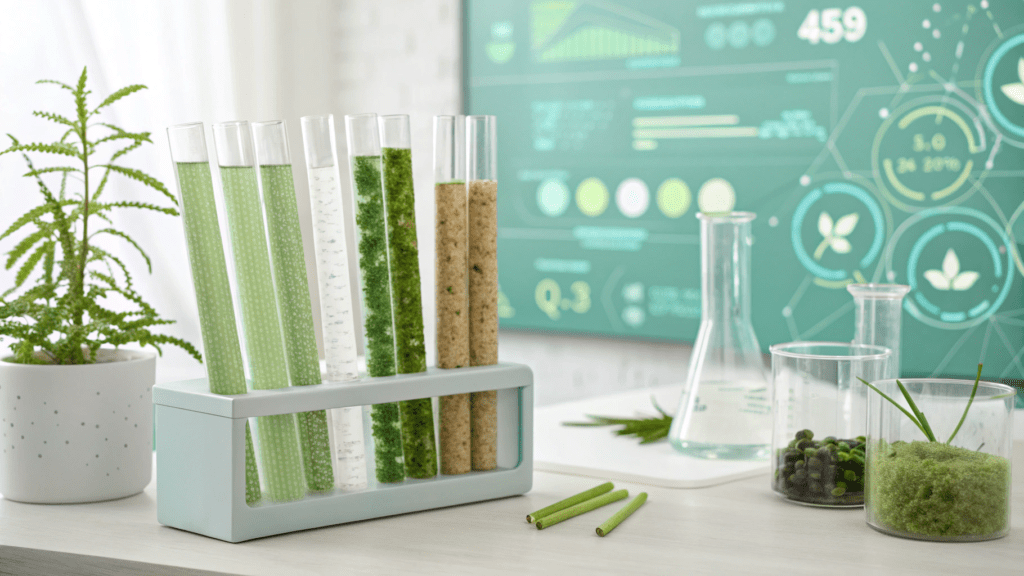
Consider limestone-based straws (Biodolomer). Remarkable stability, rigidity, heat resistance, and zero microplastic shedding!
Or bacterial cellulose and seaweed straws. Sturdier than paper, requiring no composting (in certain cases), and potentially even edible! (Though perhaps refrain from snacking for now.)
PHA is poised for its moment. This material truly shines, decomposing in home compost, industrial facilities, soil, and even marine environments! It mimics the feel and function of plastic without the guilt.
And let’s not forget the next-gen paper. Thicker, enhanced coatings (plant-derived!), natural adhesives – paper straws are undergoing a serious upgrade.
The focus is shifting towards materials that decompose readily and universally, without the need for specialized industrial plants.
As demand surges, expect prices to decline, making eco-straws more accessible to all.
Ultimately, the aspiration is to transcend single-use items altogether – perhaps through redesigned “sip” lids or a greater emphasis on reusable alternatives.
VI. The Final Sip: Making Every Drop Count
The quest for the perfect eco-friendly straw is an ongoing saga, a tapestry woven from innovation, consumer behavior, industry challenges, and infrastructural requirements. But one truth remains clear: the reign of the disposable plastic straw is, thankfully, coming to an end. By staying informed, making conscientious choices, and supporting businesses and policies that champion genuine sustainability, we can ensure that every sip we take nourishes, rather than harms, our planet.