Мировой рынок напитков находится под пристальным вниманием из-за его зависимости от одноразового пластика. По мере развития потребительских предпочтений быстрый рост популярности пузырькового чая привел к увеличению спроса на его характерные широкие пластиковые соломинки, необходимые для употребления жемчуга тапиоки. Однако в отрасли сохраняется критическое заблуждение: убеждение, что эти пластиковые соломинки боба подлежат вторичной переработке. Суровая реальность такова, что большинство пластиковых соломинок боба, несмотря на то, что они технически изготовлены из перерабатываемых полимеров, не перерабатываются эффективно с помощью существующей инфраструктуры переработки.
Этот системный сбой создает серьезные операционные и репутационные проблемы для предприятий, работающих в секторах напитков и общественного питания. Помимо воздействия на окружающую среду, отсутствие активного участия в устойчивых практиках закупок может привести к несоблюдению ужесточающихся правил, увеличению затрат на утилизацию отходов и снижению имиджа бренда среди все более заботящихся об экологии потребителей. Игнорирование этой проблемы означает риск доступа к рынку, подрыв доверия клиентов и долгосрочную жизнеспособность бизнеса.Проактивные устойчивые закупки имеют решающее значение для предприятий по производству напитков, поскольку позволяют избежать рисков и улучшить имидж бренда.
Неперерабатываемая реальность пластиковых соломинок Боба: проблема цепочки поставок
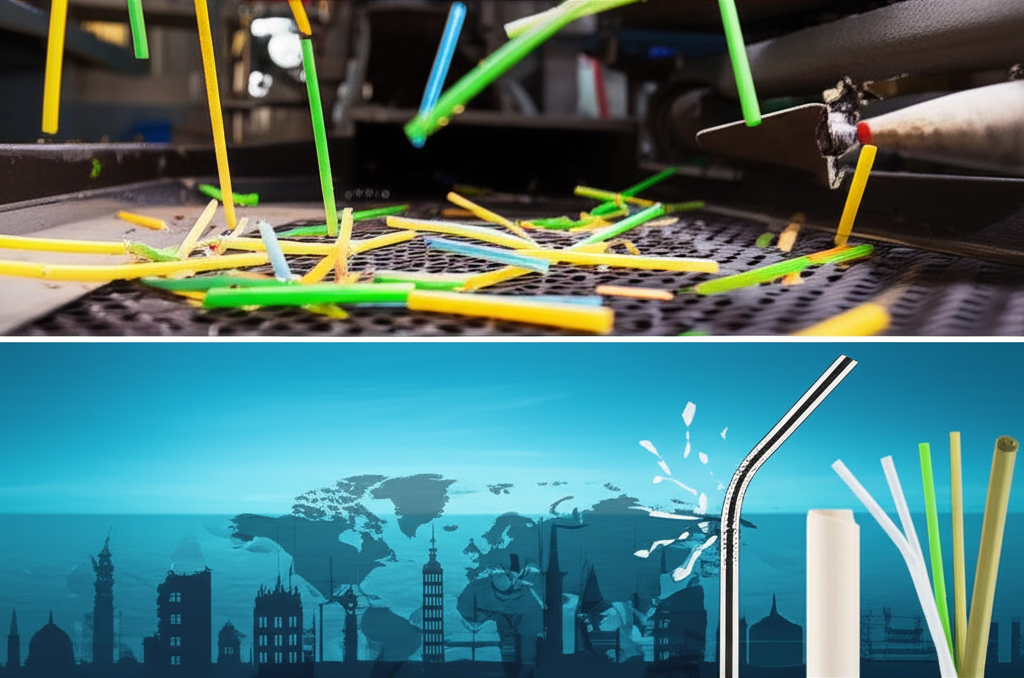
Пластиковые соломинки боба, обычно изготавливаемые из полиэтилена (ПЭ) или полипропилена (ПП), действительно изготавливаются из полимеров, которые технически пригодны для вторичной переработки. Тем не менее, их путь через поток переработки чреват системными сбоями. Основная проблема заключается в их физических характеристиках: их небольшой размер и легкий вес, даже при диаметре 12 мм и более, позволяющем разместить жемчуг тапиоки, заставляют их проскальзывать через сложную сетку автоматизированных систем сортировки мусора. Вместо сортировки для переработки их часто отправляют на свалки или, что еще хуже, загрязняют ценные потоки переработки.
Этот механический отказ усугубляется тем, что остаточный сахар и содержимое напитка, прилипающие к внутренней части использованных соломинок, еще больше усложняют процесс переработки. Это липкое загрязнение снижает качество переработанного материала, делая его менее подходящим для повторной переработки и часто приводящим к его бракованию. Экономическая целесообразность сбора и переработки таких легких, часто загрязненных предметов также крайне низка: соломинка весит менее грамма. Такая низкая экономическая ценность лишает переработчиков стимулов инвестировать в специализированное оборудование или ручной труд, необходимый для эффективной обработки отходов.
Почему стандартные системы переработки не помогают пластиковым соломинкам Boba
Основная причина, по которой стандартные системы переработки не справляются с пластиковыми соломинками боба, во многом механическая. Большая часть оборудования на современных предприятиях по переработке отходов предназначена для эффективной сортировки более крупных и тяжелых предметов. Маленькие, тонкие или неправильной формы пластмассы, включая соломинки, часто проваливаются через сита, обходят оптические сортировщики или запутываются в машинах, вызывая засоры и дорогостоящие простои. Когда это происходит, они обычно попадают в общий поток отходов и в конечном итоге попадают на свалки или в мусоросжигательные заводы.
Местные муниципальные рекомендации по переработке мусора также существенно различаются, создавая запутанную ситуацию как для бизнеса, так и для потребителей. Например, в то время как программы переработки в Лос-Анджелесе могут принимать пластиковые соломинки, программы Денвера этого не делают, что подчеркивает фрагментированный характер инфраструктуры переработки в разных регионах. Это несоответствие означает, что стандартизированный подход к утилизации пластиковых соломинок практически невозможен для национальных или международных сетей по продаже напитков без значительных локальных корректировок. Кроме того, общий низкий рыночный спрос на вторсырье этого конкретного типа (часто низкосортный полипропилен) означает, что даже если соломинка пройдет через сортировку, она все равно может быть сожжена или выброшена на свалку из-за отсутствия полезности для конечного рынка.Маленькие, загрязненные пластиковые соломинки для боба часто обходят системы переработки из-за механической и экономической неэффективности.
Escalating Environmental Impact & Regulatory Pressure on Single-Use Plastics
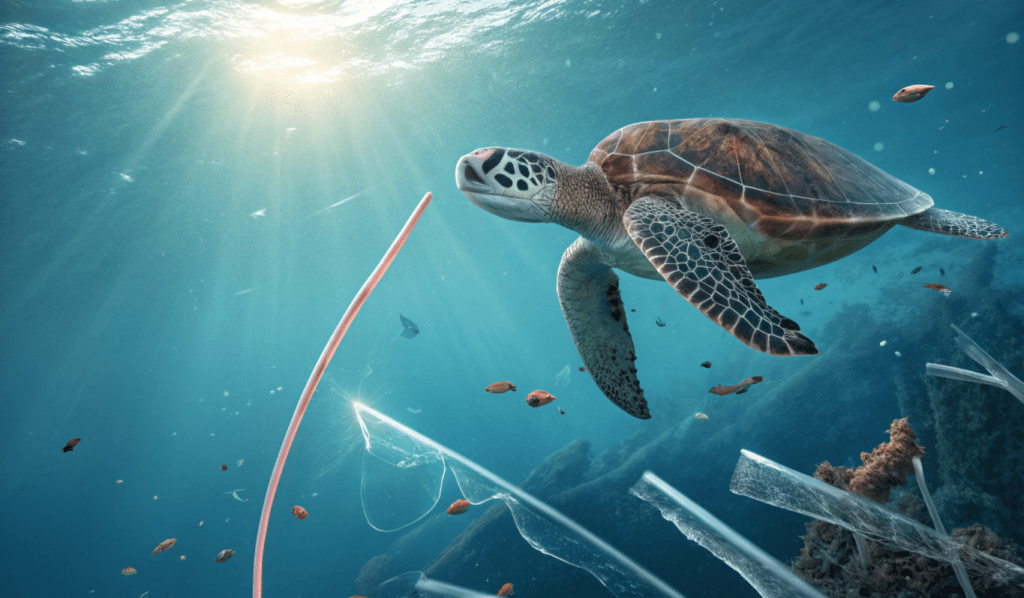
Экологические последствия постоянного использования пластиковых соломинок являются глубокими и далеко идущими. Пластиковые соломинки на нефтяной основе не подвергаются биологическому разложению; вместо этого им требуются сотни лет, чтобы разложиться, постепенно распадаясь на все более мелкие кусочки. Эта фрагментация приводит к повсеместной проблеме загрязнения микропластиком: ежегодно в океаны попадает около 8 миллионов тонн пластика. Эти микропластики проникают в источники воды, почву и глобальную пищевую цепочку, воздействуя на экосистемы, морскую жизнь и создавая потенциальные, но все еще возникающие угрозы для здоровья человека. Более того, вредные химические вещества, такие как бисфенол А (BPA), могут вымываться из разлагающегося пластика в окружающую среду, создавая еще один уровень токсичной нагрузки.
Глобальные сдвиги в сторону запрета и сокращения использования пластиковых соломинок
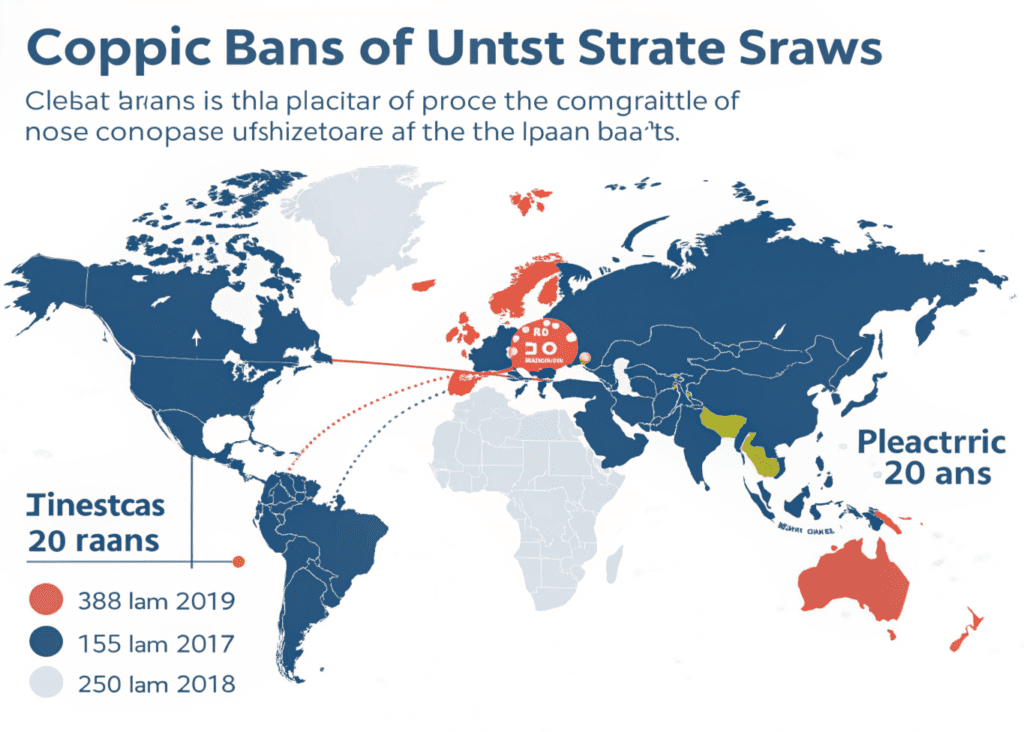
Правительства во всем мире начали признавать серьезный вред окружающей среде, наносимый одноразовыми пластиковыми трубочками, переводя это понимание в конкретные меры регулирования. Сиэтл лидировал в США, введя запрет на пластиковые трубочки в январе 2018 года, за ним быстро последовали другие крупные города, такие как Сан-Франциско и Портленд. Эта внутренняя тенденция отражается в прочном международном законодательстве. Европейский Союз, например, в 2021 году ввел полный запрет на одноразовый пластик, сигнализируя о сильной и необратимой тенденции в сфере регулирования, которая влияет на глобальные цепочки поставок.
Помимо ЕС, страны Азии также проводят важную политику. Таиланд принял дорожную карту по управлению пластиковыми отходами на 2020-2030 годы, целью которой является сокращение пластиковых отходов на 0,78 миллиона тонн в год и экономия 3,9 миллиардов бат на затратах на утилизацию отходов. Эта амбициозная дорожная карта включает запрет на пластиковые трубочки, чашки и пакеты. Аналогичным образом, правительство штата Селангор в Малайзии 1 июля 2019 года ввело запрет на пластиковые трубочки во всех ресторанах. Эти глобальные изменения демонстрируют четкую, необратимую траекторию к отказу от одноразового пластика, оказывая огромное давление на предприятия, чтобы они адаптировались или столкнулись со значительными рисками соблюдения требований и ограничениями доступа к рынкам.Глобальные правила быстро смещаются в сторону запрета одноразового пластика, что вынуждает предприятия переходить на устойчивые альтернативы.
Операционные препятствия: переход от пластиковых соломинок Боба к устойчивым альтернативам
Отказ от обычных пластиковых трубочек представляет собой уникальный набор операционных препятствий для бизнеса, особенно в динамично развивающемся секторе пузырькового чая. Предприятия общественного питания часто сообщают о повышении затрат при переходе от традиционных недорогих пластиковых соломинок к альтернативным материалам. Более того, многие существующие бизнес-модели, особенно те, которые в значительной степени зависят от напитков «с собой», глубоко интегрированы с компонентами одноразовой упаковки, что затрудняет плавный переход.
Особенно острой проблемой при производстве пузырькового чая является поиск альтернативных соломинок, достаточно прочных, чтобы надежно проколоть запечатанные пластиковые стаканчики и вместить уникальную текстуру и размер жемчужин тапиоки. В отличие от стандартных соломинок для напитков, соломинки боба требуют большего диаметра (обычно 12 мм или более) и достаточной жесткости, с которой с трудом могут сравниться многие экологически чистые альтернативы. Обеспечение постоянной удовлетворенности клиентов во время этого перехода имеет первостепенное значение, поскольку исторические исследования показывают, что примерно 85% пользователей изначально предпочитали традиционные пластиковые соломинки. Хотя 76% готовы использовать альтернативы многократного использования, первоначальная кривая внедрения может представлять собой проблему для качества обслуживания клиентов.
Выбор маркировки «компостируемые» и «биоразлагаемые» для экологически чистых альтернатив соломе Боба
Ландшафт экологически чистых альтернатив соломе сложен и часто отмечен неоднозначной маркировкой. Для групп по закупкам и эксплуатации крайне важно понимать разницу между «компостируемыми» и «биоразлагаемыми», чтобы избежать ошибок. «Компостируемые» соломинки, обычно изготавливаемые из материалов растительного происхождения, таких как полимолочная кислота (PLA) из кукурузного пластика или полигидроксиалканоат (PHA) из семян канолы/сои, предназначены для разложения на богатые питательными веществами органические вещества. Однако такое разложение обычно требует особых условий промышленного компостирования, характеризующихся высокой температурой и микробной активностью, которые не всегда доступны.
Важно отметить, что эти альтернативные пластмассы часто считаются загрязнителями в традиционных потоках переработки пластмасс. Смешивание компостируемых соломинок с обычным пластиком может привести к нарушению работы оборудования по переработке отходов, что приведет к неэффективности работы и, в конечном итоге, к снижению качества перерабатываемых материалов. Неправильная маркировка или непонимание могут привести к тому, что эти «экологичные» варианты по-прежнему окажутся на свалках. В то время как некоторые передовые соломинки PHA предлагают многообещающее решение, поскольку они разлагаются в морской среде и разрушаются даже в океанской среде, большинство компостируемых материалов требуют специальных способов утилизации, которые еще не получили широкого распространения. Чтобы глубже изучить варианты устойчивого развития вашего бизнеса, изучитесоломинки для чая boba оптом.Понимание того, «компостируемый» или «биоразлагаемый» имеет жизненно важное значение для выбора эффективных и совместимых альтернатив соломинки боба.
Практический пример: адаптация Ванкувера к правилам использования пластиковой соломинки
Город Ванкувер, Британская Колумбия, представляет собой яркий пример успешного поэтапного соблюдения правил использования одноразового пластика. Постановление о пластиковых трубочках, вступившее в силу 22 апреля 2020 года, существенно повлияло на бизнес по производству напитков по всему городу. Признавая уникальные операционные проблемы, с которыми сталкиваются продавцы пузырькового чая из-за необходимости в специализированных соломинках, город мудро предоставил освобождение сроком на один год, с апреля 2020 года по апрель 2021 года. Такая нормативная предусмотрительность предоставила заведениям пузырькового чая достаточно времени для исследования, поиска и интеграции надежных альтернативных решений для соломинок в свои цепочки поставок и модели обслуживания клиентов.
По состоянию на 22 апреля 2021 года все продавцы пузырькового чая в Ванкувере были обязаны соблюдать запрет, продемонстрировав, что при адекватном планировании и нормативной поддержке предприятия могут успешно перейти к устойчивым практикам без ущерба для своих основных предложений. Этот практический пример подчеркивает важность упреждающего подхода к изменениям в законодательстве и вовлечению заинтересованных сторон. В нем также подчеркивается, что некоторые подзаконные акты, такие как Ванкуверский, требуют предоставления гибких пластиковых трубочек по запросу для обеспечения доступности, обеспечивая инклюзивность в переходный период.Поэтапный запрет на использование пластиковых трубочек в Ванкувере демонстрирует успешную адаптацию отрасли при активном планировании и нормативной поддержке.
Сравнительная таблица: устойчивые альтернативы соломе Боба для B2B
Выбор подходящей устойчивой альтернативы соломе боба требует тщательной оценки эксплуатационного воздействия, соответствия требованиям и рентабельности инвестиций. Ниже приведено сравнение распространенных вариантов:
| Особенность | Операционное влияние B2B | Примечание о соответствии | Потенциал рентабельности инвестиций |
|---|---|---|---|
| Бумажные трубочки | Склонен к сырости, что влияет на качество питья; требуются надежные варианты, не содержащие PFAS. | В целом соответствует запрету на одноразовый пластик; часто компостируемый. | Более низкая первоначальная стоимость, чем у других альтернатив; повышает устойчивость бренда. |
| ПЛА соломинки | Для правильного разложения требуется специальное промышленное оборудование для компостирования. | Не принимается при традиционной переработке пластика; может загрязнять ручьи. | Более высокая стоимость, чем у пластика; усиливает зеленое изображение при правильном компостировании. |
| Нержавеющая сталь | Прочный, многоразовый; требуется собственная или сторонняя инфраструктура уборки для обедов; не может легко проколоть пломбы. | Высокое соответствие нормам, ориентированным на повторное использование; значительно сокращает количество одноразовых отходов. | Высокая первоначальная стоимость; значительная долгосрочная экономия на обедах; сильная привлекательность для клиентов. |
| Соломинки PHA | Биоразлагаемые, включая варианты, разлагаемые в морской среде; некоторые разлагаются в домашнем компосте. | Высокий потенциал соответствия развивающимся правилам; избегает свалки. | Более высокая стоимость, чем у PLA; сильная дифференциация экологических брендов; премиальное предложение. |
| Бамбуковые соломинки | Прочный, но может быть слишком узким для жемчуга боба; может сохранять остатки и требует тщательной очистки. | Соответствует запретам на одноразовое использование; природный, возобновляемый ресурс. | Умеренная стоимость; обращение к экологически сознательным потребителям; требует контроля качества. |
Для предприятий, ищущих надежного партнера в этом переходном процессе, может оказаться полезным поиск специализированных поставщиков альтернативных соломинок для боба. Найдите больше вариантов дляэкологически чистые соломинки для питья boba B2B.Оцените устойчивые альтернативы соломы боба на основе эксплуатационного воздействия, соблюдения требований и рентабельности инвестиций для обоснованных закупок.
Стратегические императивы для устойчивых закупок и операций соломы Боба
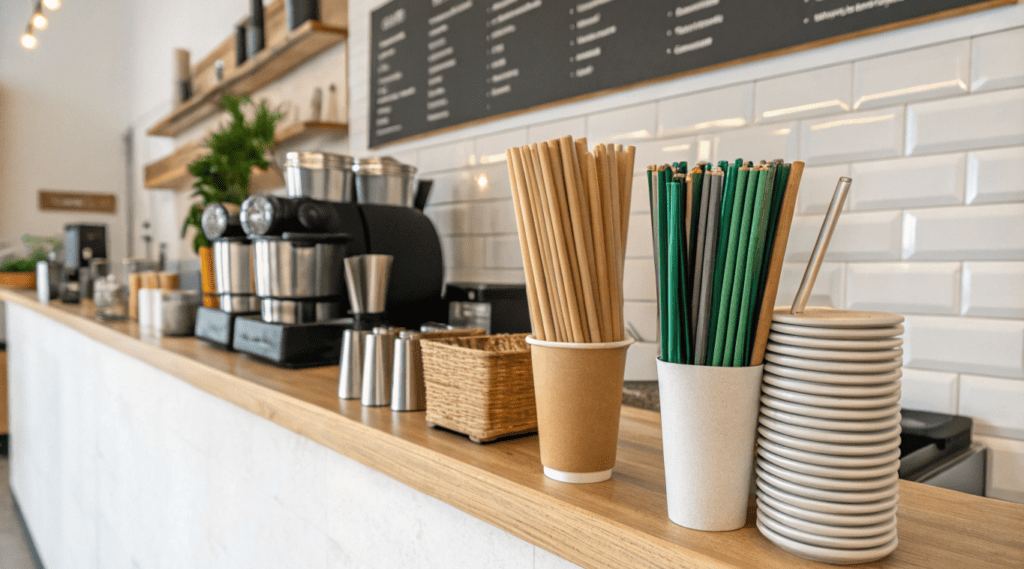
Для руководителей цепочек поставок и менеджеров по закупкам отказ от пластиковых соломинок боба выходит за рамки простого соблюдения требований; это представляет собой стратегический императив для обеспечения будущей позиции на рынке и капитала бренда. Основополагающим принципом этого перехода является строгое принятие иерархии «Сокращение, повторное использование, переработка», отдавая приоритет сокращению отходов у источника и разрабатывая системы, обеспечивающие цикличность. Это означает, что необходимо поставить под сомнение необходимость одноразовых предметов там, где жизнеспособны альтернативы многоразового использования, особенно для обедов.
Важнейшим шагом является проведение комплексной оценки жизненного цикла (LCA) альтернативных материалов. Хотя это и противоречит здравому смыслу, некоторые анализы жизненного цикла указывают на то, что традиционные соломинки из полипропилена (ПП) иногда могут демонстрировать меньший потенциал глобального потепления, чем даже соломинки из нержавеющей стали, если рассматривать весь их жизненный цикл, включая производство и окончание срока службы. Это подчеркивает сложность и необходимость принятия решений на основе данных, а не полагаться на предполагаемые «зеленые» варианты. Команды по закупкам должны активно и стратегически взаимодействовать с поставщиками для разработки и обеспечения инновационных, соответствующих требованиям альтернатив соломинки боба, которые соответствуют как экологическим стандартам, так и эксплуатационным требованиям, таким как прочность на прокол и устойчивость к сырости. Например, такие компании, как PMI Packaging Sdn Bhd в Малайзии, производят кукурузный крахмал и соломинки из PLA с 2016 года и исследуют такие материалы, как отходы масличной пальмы и тапиока, для поиска будущих решений.
Инвестирование в качественное просвещение потребителей также имеет жизненно важное значение. В то время как 85% потребителей исторически предпочитали пластиковые соломинки, 76% теперь открыты для многоразовых альтернатив, что указывает на значительный сдвиг в готовности. Обучение клиентов правильному обращению с новыми материалами и долгосрочным преимуществам многоразовых вариантов может способствовать внедрению и укреплению лояльности к бренду. Более того, предприятия должны помнить о потребностях доступности, поскольку некоторые правила, такие как постановление Ванкувера, по-прежнему требуют предоставления гибких пластиковых трубочек по запросу для людей с ограниченными возможностями. Такой сбалансированный подход обеспечивает как экологическую ответственность, так и социальную справедливость. Чтобы получить более подробное представление о вариантах оптовых закупок, посетитесоломка боба оптом.Стратегические закупки устойчивых соломинок боба требуют ОЖЦ, взаимодействия с поставщиками и обучения потребителей для лидерства на рынке.
Future Trends & Innovation
Траектория развития устойчивой упаковки напитков в ближайшие 5–10 лет указывает на радикальные инновации и ужесточение нормативной базы. Ожидайте дальнейшего глобального расширения запрета на одноразовый пластик, распространяющегося не только на соломинки, но и на другие упаковочные компоненты. Запрет ЕС в 2021 году и дорожная карта Таиланда на 2020-2030 годы, направленная на повсеместное сокращение и запрет пластиковых изделий до 2026 года, являются предвестниками этого глобального движения. Стратегии закупок должны предвидеть эти законодательные изменения, а не просто реагировать на них.
Инновации в области материаловедения приведут к появлению новых поколений действительно устойчивых альтернатив. Ожидайте увидеть более широкое внедрение современных биопластиков, таких как разлагаемый в морских условиях PHA, который предлагает настоящее решение по окончании срока службы даже в сложных условиях. Исследования новых возобновляемых растительных ресурсов, таких как тапиока и сельскохозяйственных отходов, таких как мякоть плодов масличной пальмы, вероятно, дадут коммерчески жизнеспособные решения. Кроме того, с января 2025 года концепция «интегрированной упаковки», в которой соломинки являются частью основного контейнера для напитков (например, коробок для сока), также сталкивается с запретами в таких регионах, как Новый Южный Уэльс, Австралия, что подталкивает к еще более фундаментальным изменениям в дизайне. Акцент будет выходить за рамки просто «компостируемости» и переходить к материалам, которые действительно биоразлагаемы в различных природных средах или к материалам, которые могут быть эффективно переработаны в замкнутом цикле в продукты с высокой добавленной стоимостью. В будущих закупках приоритет будет отдан материалам с прозрачными LCA, которые демонстрируют минимальное воздействие на окружающую среду на протяжении всего своего жизненного цикла, отдавая предпочтение продуктам с высоким содержанием переработанного сырья, где использование пластика остается неизбежным.Будущие тенденции указывают на более строгие запреты на пластик и инновационные биопластики, что требует активной стратегии закупок.
Competitive Advantage & Business Case
Переход на экологичные соломинки боба — это не просто затраты на ведение бизнеса; это прекрасная возможность для конкурентной дифференциации и создания долгосрочной стоимости. Измеримые преимущества включают значительное снижение рисков, связанных с растущими штрафами за соблюдение требований и ущербом для репутации бренда. Активно внедряя устойчивые решения, предприятия могут избежать существенных штрафов, связанных с запретом на пластик, и обойти потенциальные ограничения доступа к рынкам в регионах, которые становятся все более экологически сознательными. Например, страны, реализующие дорожные карты по сокращению пластиковых отходов, такие как Таиланд, прогнозируют миллиардную ежегодную экономию за счет сокращения управления отходами, и эта выгода может быть частично реализована предприятиями, минимизирующими выбросы отходов.
Более того, этот сдвиг обеспечивает мощный рост стоимости бренда. Потребители, особенно молодые люди, все чаще принимают решения о покупке, основываясь на экологических аспектах компании. Бизнес, который поддерживает действительно устойчивые методы, такие как предложение по-настоящему экологически чистых соломинок для боба, может значительно улучшить восприятие своего бренда, повысить лояльность клиентов и даже захватить большую долю рынка среди экологически сознательных потребителей. Такая проактивная позиция превращает потенциальное бремя соблюдения требований в явное конкурентное преимущество, позиционируя бренд как лидера в области устойчивого развития и инноваций на переполненном рынке напитков.Использование экологически чистых соломинок боба обеспечивает конкурентное преимущество за счет снижения рисков, продвижения бренда и увеличения доли рынка.
Заключение: новаторское будущее без пластика для Бобы
Широко распространенное мнение о том, что пластиковые соломинки боба подлежат вторичной переработке, во многом является заблуждением, имеющим серьезные экологические и эксплуатационные последствия для бизнеса. Отказ от этих проблемных одноразовых пластиков больше не является просто вариантом; это стратегический императив, обусловленный меняющимися ожиданиями потребителей и строгими глобальными правилами. Активное внедрение действительно устойчивых альтернатив в сочетании с глубоким пониманием нюансов различий между «компостируемыми» и «биоразлагаемыми» материалами имеет решающее значение для долгосрочной жизнеспособности.
ТрансформироватьТеперь ваша цепочка поставок будет соответствовать требованиям устойчивого развития, снизить нормативные риски и значительно улучшить экологическую политику вашего бренда. Закрепите свое лидерство на рынке в устойчивой экономике производства напитков, используя сегодня по-настоящему экологически чистые решения из соломинок боба.Воспользуйтесь экологически безопасными решениями из соломинок боба прямо сейчас, чтобы повысить эффективность управления брендом и обеспечить лидерство на рынке.
Часто задаваемые вопросы
Действительно ли пластиковые соломинки боба подлежат вторичной переработке в стандартных муниципальных системах?
Нет, несмотря на то, что они изготовлены из перерабатываемых полимеров, таких как полиэтилен или полипропилен, их небольшой размер и легкий вес приводят к тому, что они проваливаются через сортировочное оборудование, часто оказываясь на свалках или загрязняя другие потоки переработки.
Каково основное воздействие пластиковых соломинок боба на окружающую среду?
Пластиковые соломинки боба способствуют загрязнению микропластиком, на разрушение которого уходят сотни лет и которое проникает в экосистемы, морскую жизнь и, возможно, в пищевую цепочку, при этом вредные химические вещества вымываются в окружающую среду.
С какими операционными проблемами сталкиваются предприятия по производству пузырькового чая при переходе на экологически чистые соломинки?
Проблемы включают в себя увеличение затрат, поиск альтернатив, достаточно прочных, чтобы проколоть запечатанные чашки и разместить жемчуг тапиоки, а также обеспечение удовлетворенности клиентов во время перехода.
В чем разница между «компостируемыми» и «биоразлагаемыми» соломинками?
«Компостируемые» соломинки требуют определенных условий промышленного компостирования для разложения, тогда как «биоразлагаемые» соломинки разлагаются естественным путем в различных средах, хотя скорость и условия сильно различаются.
Как предприятия могут обеспечить соблюдение развивающихся правил использования пластиковых соломинок?
Проактивные исследования, стратегический поиск совместимых альтернатив, проведение оценок жизненного цикла и взаимодействие с поставщиками имеют решающее значение для адаптации к изменениям в регулировании и закрепления позиций на рынке.