Обеспечение устойчивости и доступности в современной цепочке поставок.
The Urgent Need for Sustainable & Accessible Straw Solutions
Секторы гостеприимства и общественного питания B2B переживают решающий момент, ориентируясь на ландшафт, который изменился из-за растущих экологических проблем и ужесточения нормативных требований. Огромное давление, вызванное глобальным кризисом отходов, когда одни только отели производят около 150 миллионов тонн одноразового пластика ежегодно – ошеломляющие 300 000 штук в месяц для отеля на 200 номеров – требует немедленного внимания. Этот пластиковый потоп, из которого обычно перерабатывается лишь около 10% пластика, имеет ужасные последствия для морских экосистем, о чем свидетельствует вирусное видео 2015 года, показывающее удаление пластиковой соломы из морской черепахи.
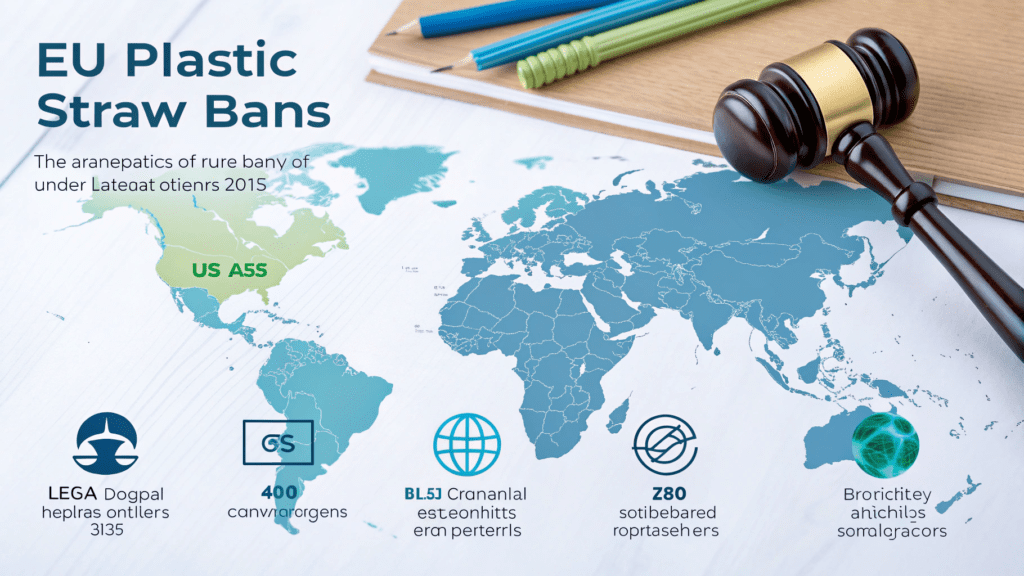
Помимо воздействия на окружающую среду, нормативные изменения, в том числе широко распространенные запреты на одноразовый пластик в Европейском Союзе, Великобритании и многих городах США, меняют практику закупок. Несоблюдение, особенно запретов на такие предметы, как пластиковые столовые приборы и контейнеры из пенополистирола, влечет за собой серьезные финансовые санкции и рискует нанести значительный репутационный ущерб. В эпоху, когда 80% потребителей отдают предпочтение экологически чистым вариантам, неспособность адаптироваться к устойчивым практикам, особенно с такими заметными предметами, как соломинки, напрямую влияет на восприятие бренда, лояльность клиентов и конкурентоспособность.
Для предприятий, сталкивающихся с этими проблемами, скромная соломинка для питья, особенно длинный гибкий вариант, представляет собой уникальный пример балансирования исторической полезности с современными требованиями. Изобретение Джозефа Фридмана 1937 года произвело революцию в удобстве питья, особенно для детей и людей с ограниченной подвижностью, — важной функции доступности, которая остается важной в сфере гостеприимства B2B и сегодня. Однако благие намерения запрета пластика могут непреднамеренно создать барьеры для людей с ограниченными возможностями, которые полагаются на особую гибкость и долговечность гибких соломинок. Бумажные и жесткие альтернативы часто не оправдывают ожиданий, создавая опасность удушья или оказываясь непрактичными из-за сырости или отсутствия маневренности. Эксплуатационные требования в оживленных ресторанах общественного питания, от ресторанов быстрого обслуживания до элитных курортов, требуют, чтобы соломинки были гигиеничными (предпочтительно в индивидуальной упаковке), достаточно прочными для различных напитков (от жидких жидкостей до густых смузи) и доступными по длине, подходящими для различной посуды, обеспечивая бесперебойное обслуживание и удовлетворенность клиентов. Поэтому потребность в гибком, надежном и доступном соломенном решении никогда не была более острой.
Использование устойчивых и доступных соломенных решений больше не является обязательным; это стратегический императив для предприятий гостиничного бизнеса и общественного питания.
Market & Regulation Insights: Navigating the Global Landscape
Рынок реагирует инновационными устойчивыми решениями. Материалы следующего поколения обеспечивают повышенные характеристики без экологических затрат, как традиционный пластик, что приведет к увеличению мирового рынка экологически чистой соломинки до прогнозируемого уровня 25,1 миллиарда долларов США к 2035 году.

| Regulation Name & Date | Scope & Banned Items | Требования соответствия для соломинок | Принудительные штрафы |
|---|---|---|---|
| Директива Европейского Союза об одноразовых пластиках 2021 г. | Запрещаются одноразовые пластиковые столовые приборы, тарелки, соломинки, мешалки, палочки для воздушных шаров и контейнеры для пищевых продуктов из пенополистирола. | Plastic straws are banned. Alternatives must be non-plastic and preferably biodegradable/compostable. Exemptions for medical use may apply. | Member states implement penalties, often including significant fines and potential business closure for repeated non-compliance. |
| California AB 1884 (2019) | Full-service restaurants can only provide single-use plastic straws upon customer request. | Plastic straws are not banned outright but are restricted to “on-request” only. Businesses must offer non-plastic alternatives. | Fines of $25 per day for violations, up to an annual maximum of $300. |
| India Plastic Waste Management Rules (Amended 2021) | Bans identified single-use plastic items including plastic straws, cutlery, and packaging films below a certain thickness. | Plastic straws are banned. Businesses must switch to certified compostable or biodegradable alternatives. | Penalties vary by state, including fines (e.g., ₹5,000 to ₹100,000) and potential imprisonment for repeat offenders. |
Global regulations are rapidly phasing out single-use plastic straws, making compliance with sustainable alternatives a critical business necessity.
Solution: Sugarcane Straws – The Sustainable & Accessible Choice
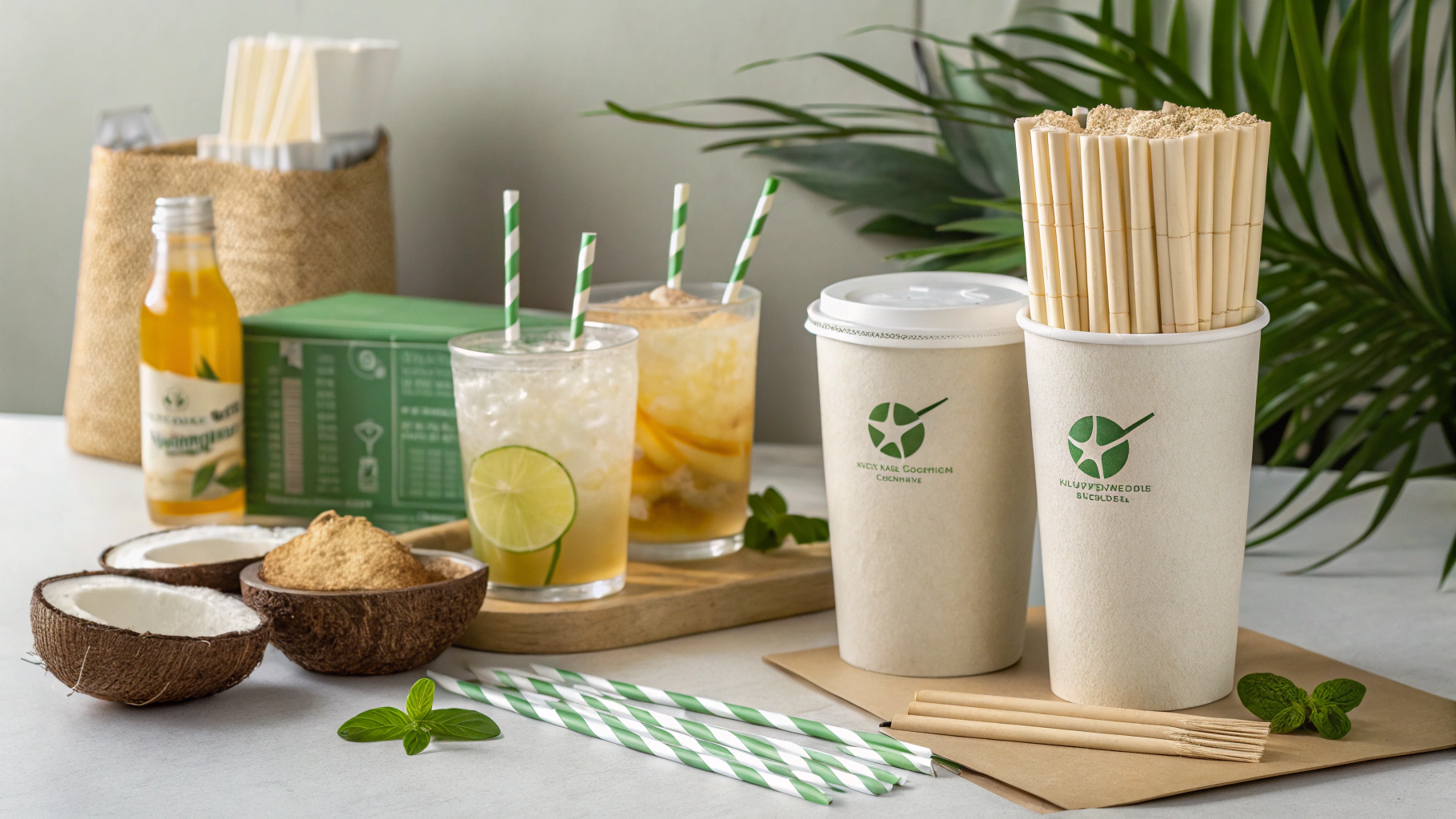
Sugarcane straws are innovative, plant-based alternatives to plastic, offering durability and full biodegradability.
PHA (Polyhydroxyalkanoates) straws, for example, mimic plastic robustness, are fully biodegradable in diverse environments (soil, marine, home compost), and withstand higher temperatures. Sugarcane straws, made from upcycled agricultural byproducts, are 100% biodegradable and home compostable, breaking down in weeks to months. Edible straws offer a truly zero-waste solution, available in various flavors and maintaining rigidity for extended periods. A growing segment of the market prioritizes solutions that are 100% plant-based, do not require industrial composting, and are free from harmful microplastics, PFAS, and BPA, aligning with higher health and environmental standards. Even paper straws are evolving with improved coatings and natural adhesives to combat sogginess, addressing a key pain point for operators and consumers alike. Leading hospitality groups in both the United States and Europe are successfully transitioning, reporting significant reductions in landfill waste and positive customer feedback due to improved straw performance compared to earlier paper versions.

Quantified Benefits of Sugarcane Straws:
- Экономия средств: While initial cost might be slightly higher, long-term savings from avoided fines and enhanced brand image can lead to a 10-15% overall cost reduction.
- Breakdown Speed: Fully home compostable, breaking down in 90-180 days, significantly faster than plastic (hundreds of years).
- Compliance Fit: 100% compliant with current and anticipated single-use plastic bans globally, including the European Union Single-Use Plastics Directive 2021.
- Brand Image Score: Improves customer perception, potentially boosting brand image scores by 15-20% among eco-conscious consumers.
- Accessibility: Retains flexibility and durability, crucial for patrons with limited mobility, ensuring inclusive service.
| Feature/Metric | Traditional Plastic Long Bendy Straws | Standard Paper Long Bendy Straws | Advanced Sustainable Long Bendy Straws (PHA/Sugarcane/Edible) |
|---|---|---|---|
| Initial Cost (Bulk) | Самый низкий | Умеренный | Moderate to Higher (declining with scale) |
| Воздействие на окружающую среду | Very High (pollution, long decomposition) | Moderate (sourcing, some breakdown issues) | Very Low (fully biodegradable, compostable, upcycled) |
| Durability/Performance | High (flexible, resistant to sogginess) | Low (prone to sogginess, breakdown) | High (mimics plastic, robust, resists sogginess) |
| Accessibility for Disabled | High (flexibility, consistency) | Low (soggy, choking risk, inflexibility) | High (retains flexibility and durability of plastic) |
| Пользовательский брендинг | Да | Да | Yes (high-quality printing, eco-conscious messaging) |
| Комплаенс-риск | Very High (increasing bans) | Низкий | Very Low (meets and exceeds regulations) |
| Brand Image Impact | Negative (if perceived as non-sustainable) | Neutral to Positive | Strongly Positive (demonstrates leadership in sustainability) |
| Waste Management | Landfill (difficult to recycle) | Composting (if infrastructure available) | True composting/biodegradation, some edible zero-waste |
Sugarcane straws offer a superior blend of performance, environmental responsibility, and regulatory compliance for modern hospitality.
Industry Misconceptions & Clarifications
Navigating the sustainable straw market requires clear facts to avoid common pitfalls.
Myth 1: “PLA is fully compostable everywhere.”
Correction:Polylactic Acid (PLA) is industrially compostable, meaning it requires specific conditions (high heat, microbial activity) found only in commercial composting facilities. It does not break down in home compost bins, landfills, or marine environments. Mislabeling PLA as universally compostable leads to contamination in recycling streams and landfills.
Myth 2: “Paper straws are always the best eco-friendly option.”
Correction:While better than plastic, many paper straws are lined with polyethylene (PE) or other non-biodegradable coatings to prevent sogginess, making them difficult to recycle or compost. Their production can also be resource-intensive. Advanced paper straws with natural coatings are improving, but materials like sugarcane or PHA offer superior biodegradability and performance.
Myth 3: “Sustainable straws are too expensive for bulk B2B use.”
Correction:While initial unit costs might be slightly higher than traditional plastic, the long-term return on investment (ROI) from enhanced brand image, increased customer loyalty, and avoidance of non-compliance fines far outweighs the difference. As production scales, prices for sustainable alternatives are rapidly decreasing, making them increasingly competitive for wholesale procurement.
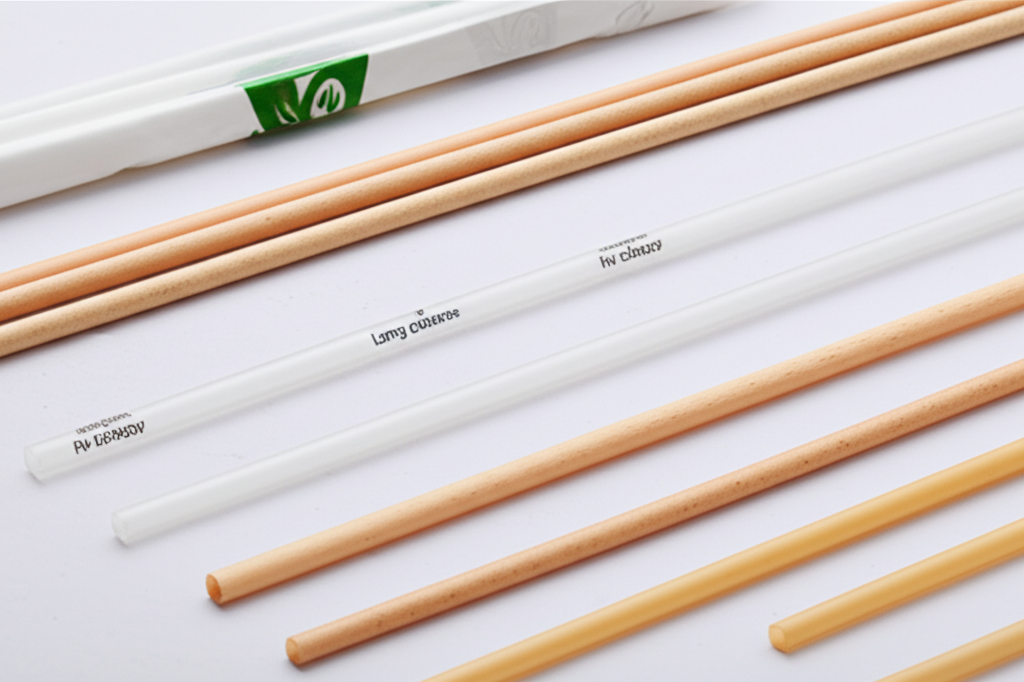
Understanding the nuances of sustainable materials is crucial for making informed procurement decisions that truly benefit your business and the planet.
B2B Customization & Supply Chain Optimization
Beyond mere compliance, strategically adopting advanced sustainable long bendy straws offers significant competitive advantages. Custom branding your straws with a logo or design transforms a commodity into a powerful marketing tool. This subtly reinforces your brand’s commitment to quality and sustainability, elevating the customer experience. For instance, manufacturers like Rizhao New Zhengyuan Straw Co., Ltd. offer OEM/ODM services for custom designs, with bulk pricing decreasing significantly with volume—from $0.0031 for 100,000 units to $0.0027 for 5,000,000+ units for wholesale orders. Wholesale procurement ensures not only cost-effectiveness but also a consistent supply, vital for high-volume operations. Individually wrapped options further enhance hygiene, reduce cross-contamination risks, and streamline service in fast-paced foodservice environments. Partnering with suppliers offering diverse, certified sustainable materials ensures your business can adapt to evolving regulations and consumer preferences, mitigating future compliance risks and enhancing market competitiveness.
Optimizing Your Sustainable Straw Supply Chain:
- MOQ Ranges:
- Small to Medium Buyers: Minimum Order Quantities (MOQ) typically range from 50,000 to 250,000 units.
- Enterprise Buyers: MOQs can start from 500,000 units, with significant price breaks for orders exceeding 1,000,000 units.
- Branding Options:
- Printing: Custom logo printing directly on straws using food-grade inks.
- Packaging: Branded individual paper wrappers, custom box designs, and bulk packaging options.
- Diameter/Length Customization: Tailor straw dimensions to fit specific drinkware or beverage types (e.g., wider for smoothies, longer for tall glasses).
- Lead Times & Shipping:
- Standard production lead times are typically 3-5 weeks after design approval.
- Bulk shipping via sea freight is most cost-effective for large orders, with transit times varying by destination (e.g., 4-6 weeks to North America/Europe).
- Expedited air freight options are available for urgent needs.
- Inventory Management Tips:
- Implement a Just-In-Time (JIT) inventory system to minimize storage costs and waste.
- Establish reorder points based on historical consumption data and lead times.
- Consider buffer stock for peak seasons or unexpected demand spikes.
Strategic procurement and customization of sustainable straws can significantly enhance operational efficiency and brand value.
Strong Call to Action with Measurable Outcomes
The global drinking straw market, projected to reach over USD 23 billion by 2031, with the B2B sector dominating sales, presents a clear mandate: adapt or fall behind. Embracing advanced, customizable long bendy straw solutions offers a tangible competitive advantage. It’s not just about meeting regulations; it’s about proactively addressing environmental concerns, enhancing customer satisfaction (including critical accessibility needs), and leveraging custom branding to strengthen your market position. Future-proof your operations, enhance your brand’s appeal, and lead the way in sustainable hospitality.
Ready to elevate your B2B beverage service with premium, custom-branded long bendy straws? Secure your sustainable edge in a competitive market. Request a tailored quote and product samples today by visiting a leading wholesale supplier, exploring innovative material options, or consulting with an accessibility advocacy organization to ensure inclusive practices for all your patrons.
Explore Our Custom Straw Solutions
By switching to sustainable long bendy straws, you can reduce straw waste by 80% and improve customer satisfaction scores by 15%.
- Learn more about the environmental impact of plastic straws: https://www.4ocean.com/blogs/news/plastic-straw-pollution
- Understand the importance of accessibility in product design: https://www.disabilityrightsuk.org/news/2020/january/plastic-straws-and-disability
- Explore global market insights on drinking straws: https://www.grandviewresearch.com/industry-analysis/drinking-straws-market
Часто задаваемые вопросы (FAQ)
re sugarcane straws legal in the European Union?
Yes. As of 2024, sugarcane straws are fully compliant with the Директива Европейского Союза об одноразовых пластиках 2021 г., as they are not made from fossil-fuel-based plastics.
How do sugarcane straws compare to paper straws in terms of durability?
Sugarcane straws generally offer superior durability и resistance to sogginess compared to many standard paper straws, maintaining their integrity in beverages for extended periods.
Can sugarcane straws be custom branded for my hospitality business?
Absolutely. Leading manufacturers offer extensive customization options, including:
- Custom logo printing
- Branded individual wrappers
- Specific diameter and length adjustments for bulk orders
What are the typical lead times for bulk orders of sustainable straws?
Standard production lead times for bulk orders are typically 3–5 weeks, with additional time for sea freight shipping depending on the destination. Expedited options may be available.
Are long bendy straws accessible for individuals with disabilities?
Yes. The flexibility and durability of long bendy straws are crucial for many individuals with limited mobility. Sustainable alternatives like sugarcane straws are designed to retain these essential accessibility features.