

What Are Biodegradable Straws Made Of?
Navigating the Complexities of Sustainable Sourcing: Why Your Straw Choice Matters
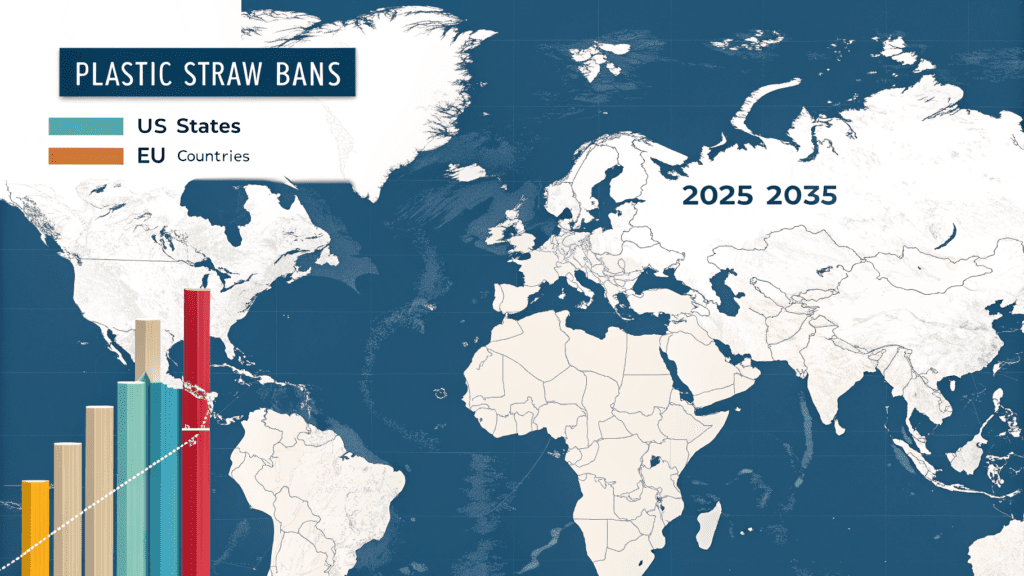
The global surge in plastic waste, particularly from single-use items, presents a critical challenge for businesses worldwide. Beyond environmental impact, this escalating crisis profoundly affects corporate social responsibility and necessitates rigorous environmental compliance. Procurement managers, operations directors, and sustainability officers are now under immense pressure to rapidly re-evaluate their sourcing strategies. Increasing regulatory pressures, including outright bans on plastic straws in many regions across Europe and the US, are compelling an urgent shift away from conventional plastics.
The inherent challenge lies in distinguishing genuinely effective and sustainable biodegradable straw solutions amidst a crowded market filled with often superficial “plastic-free” claims. It’s no longer enough to simply swap materials; a deeper understanding of the nuanced science behind true biodegradability and its tangible business implications for your brand and bottom line is essential. Your choice of straw is no longer merely a small detail; it’s a visible statement of your commitment to sustainability.
Beyond Plastic: Decoding the Landscape of Biodegradable Straw Materials
The eco-friendly straw market is experiencing rapid evolution, projected to grow significantly from an estimated $12.3 billion in 2025 to nearly $25.1 billion by 2035. This dramatic expansion signals a permanent shift in consumer expectations and regulatory frameworks, making informed procurement more critical than ever. Businesses that fail to adapt risk not only reputational damage but also financial penalties for non-compliance with escalating single-use plastic bans, such as the EU Single-Use Plastics Directive which has heavily influenced European markets, and various state-level bans seen in the U.S. (National Geographic on Plastic Bans).
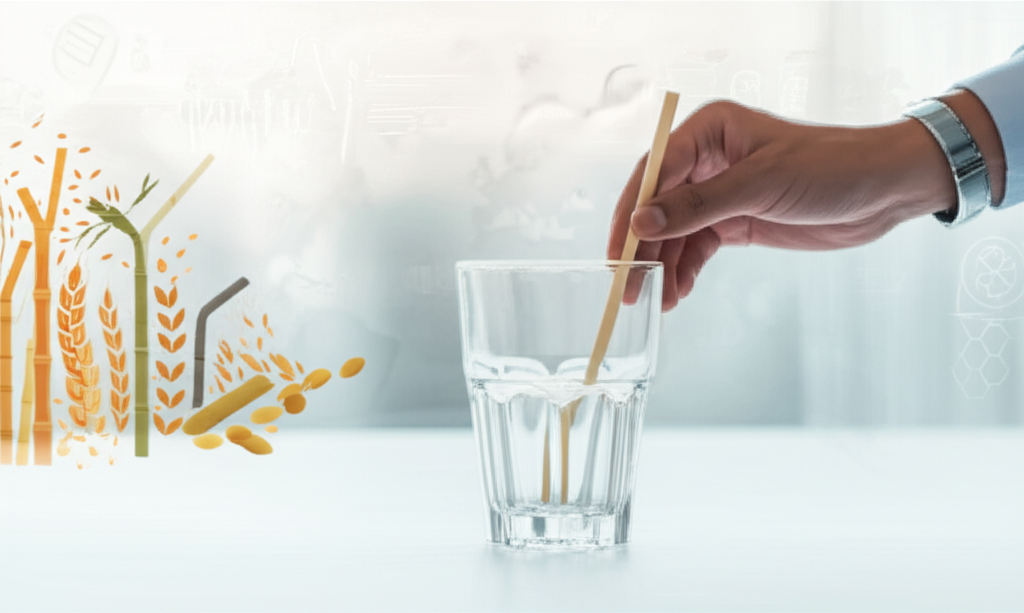
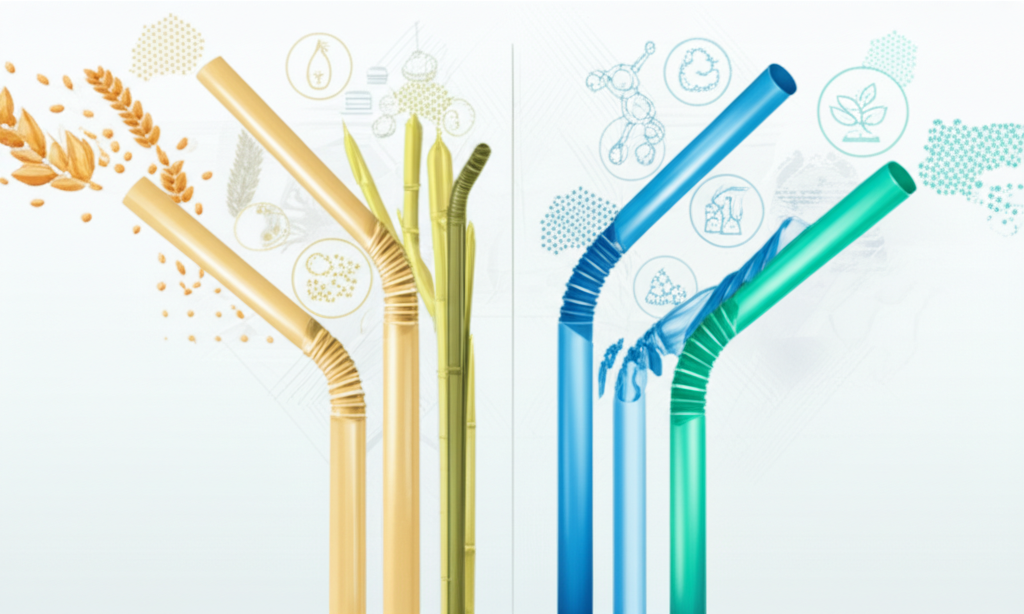
A strategic overview reveals two primary categories of biodegradable straw materials: Plant-Fiber Based and Advanced Bioplastic-Based options. It is crucial to understand that not all “biodegradable” materials perform equally across diverse real-world disposal environments. Some require specific industrial composting facilities, while others degrade naturally in soil or marine settings. Without this understanding, a seemingly “green” choice could still contribute to environmental issues, forming microplastics or persisting longer than anticipated. A deep dive into the specific composition, performance characteristics, and disposal requirements of each material type is paramount for making informed, responsible B2B purchasing decisions that truly align with your sustainability goals. Leveraging early adoption of genuinely sustainable straw solutions can serve as a powerful competitive advantage, demonstrating an authentic commitment to environmental stewardship. For comprehensive insights into optimizing your procurement, explore our sustainable sourcing solutions.
A Strategic Material Buyer’s Guide: Unpacking Key Biodegradable Options
Selecting the right biodegradable straw involves more than just checking a “plastic-free” box. It requires a comprehensive analysis of materials available for commercial and institutional applications, addressing common performance concerns such as sogginess, heat resistance, and potential chemical leaching (e.g., PFAS, which have been a significant concern in certain paper straw coatings, as highlighted by research into “forever chemicals”). The critical role of disposal infrastructure and robust certifications (like EN 13432 for industrial compostability) cannot be overstated in validating sustainability claims and ensuring true end-of-life benefits.
Plant-Fiber Based Straws: Natural & Renewable Solutions
These options leverage natural, renewable resources, often agricultural byproducts:
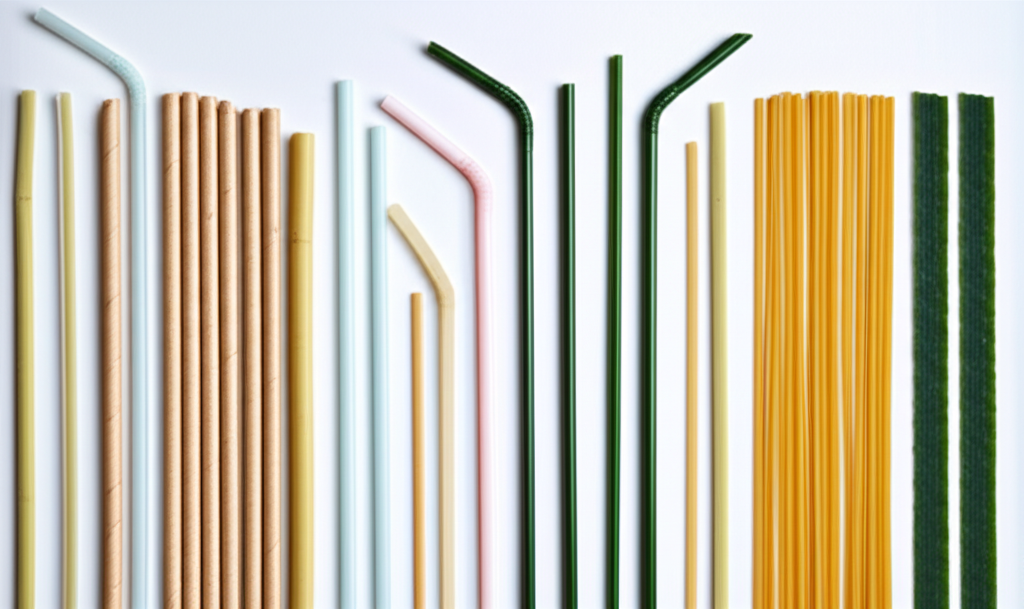
- Paper Straws: Typically made from sustainably sourced wood fibers, some varieties are coated with wax or even PFAS to enhance durability. While widely available and biodegradable, their performance can vary significantly, especially in hot liquids where they may soften quickly.
- Bamboo Straws: Crafted from bamboo stalks, these are highly durable, water-resistant, and heat-resistant. Ideal for reusable programs in hospitality settings, they offer a natural, premium aesthetic.
- Wheat Straw & Rice Straws: Cost-effective solutions utilizing agricultural byproducts, these straws offer unique properties. Wheat straw straws are naturally gluten-free and sturdy. Rice straws, often bound with tapioca, are 100% natural and even edible, though they may soften after a few hours in liquid.
- Seaweed & Pasta Straws: Innovative and rapidly degrading, seaweed straws (from alginate) offer excellent hygrostability and can withstand various beverage types, some even being edible. Pasta straws, made from durum wheat, are a fun, edible choice for cold beverages, generally lasting 40-60 minutes without sogginess, though not suitable for hot drinks or gluten-intolerant consumers.
Bioplastic Innovations: Bridging Performance with Planet-Friendliness
These materials offer the feel and functionality of traditional plastics with improved biodegradability:
- PLA (Polylactide) Straws: Mimicking traditional plastic in feel and appearance, PLA straws are derived from fermented plant starches like corn or sugarcane. While biodegradable, they typically require industrial composting facilities (at temperatures of 56-60°C) to decompose effectively; in landfills or natural environments, they can persist for years. Modified PLA can offer improved heat resistance up to 90°C.
- PHA (Polyhydroxyalkanoates) Straws: Representing a cutting-edge solution, PHA straws are synthesized by microorganisms from renewable resources. They offer full biodegradability across diverse environments, including soil, marine, home, and industrial compost settings, without leaving microplastic residues. PHA also boasts superior temperature resistance, up to 100°C, making it a versatile premium choice for all beverage types.
- Other Emerging Bioplastics and Hybrid Materials: Research continues into materials like PBS (Polybutylene Succinate) and Bacterial Cellulose, aiming to deliver enhanced durability and rapid natural degradation, pushing the boundaries of truly sustainable solutions.
Comparative Analysis: Choosing the Right Biodegradable Straw for Your Business
| Material Type | Key Composition | Durability/Sogginess | Heat Resistance | Ideal Use Case | Decomposition Environment | Key Buyer Consideration |
|---|---|---|---|---|---|---|
| Paper Straws | Wood pulp, sometimes wax/PFAS | Moderate (can soften) | Low (softens in hot) | Single-use, cold beverages | Biodegradable, but often requires specific conditions for full breakdown of coatings | PFAS concerns, user experience, true compostability if coated |
| Bamboo Straws | Natural bamboo stalks | High (reusable) | High | Reusable programs, all beverage types | Natural biodegradation (slower) | Cleaning & drying requirements for reusability |
| PLA Straws | Corn/Sugarcane starch | High | Low (<45°C) for standard; improved for modified PLA | Cold beverages | Industrial composting (essential) | Access to industrial composting infrastructure |
| PHA Straws | Microorganism fermentation of sugars/oils | High | High (up to 100°C) | All beverage types, premium choice | Marine, soil, home & industrial compost | Leading edge of true biodegradability, higher cost |
| Wheat Straw Straws | Wheat plant stems | Moderate (sturdy) | Moderate | Cold/warm beverages, bubble tea | Natural biodegradation | Cost-effective, agricultural byproduct, naturally gluten-free |
| Rice Straws | Rice grains, tapioca starch | Moderate (softens over hours) | Low (boiling water) | Cold/warm beverages | Natural biodegradation (rapid), edible | Shorter lifespan in liquids, unique edible option |
| Seaweed Straws | Alginate from seaweed | High (excellent hygrostability) | High | All beverage types, innovative | Rapid natural biodegradation (water) | Emerging technology, potential subtle salty flavor |
| Pasta Straws | Durum wheat, water | Moderate (soggy in hot) | Low | Cold beverages, single-use, fun | Natural biodegradation (edible) | Gluten intolerance, hot liquid limitations |
Your Next Step Towards a Greener Operation: Strategic Sourcing for Biodegradable Straws
Informed material selection is paramount for sustainable procurement, ensuring both environmental integrity and business viability. The long-term return on investment (ROI) of choosing the right biodegradable solutions extends far beyond compliance; it includes enhanced brand reputation, reduced waste management costs, and future-proofing your operations against evolving regulations in both the US and European markets.
Ready to elevate your sustainable sourcing strategy and make choices that truly matter? Schedule a complimentary 30-minute material consultation with our experts to assess your specific operational needs and align with the most effective biodegradable straw solutions for your business. For a deeper dive into tailored solutions, visit our solutions page on momoio.com. You can also request a customized sample kit tailored to your business, allowing you to experience the performance and quality of advanced biodegradable straw materials firsthand before committing. Explore our full range of innovative products and resources at momoio.com/products.