

Wholesale Market Outlook for Sustainable Foodservice Packaging: A Strategic Imperative for B2B Leaders
The landscape of foodservice packaging is undergoing a profound transformation, driven by a global push towards environmental responsibility and a circular economy. For procurement managers, operations directors, sustainability officers, and supply chain executives, understanding the Wholesale Market Outlook for Sustainable Foodservice Packaging is no longer optional—it’s critical for competitive advantage and long-term viability. This market is rapidly expanding, fueled by evolving consumer preferences, stringent regulatory frameworks, and significant material innovations. Ignoring these dynamics exposes businesses to escalating compliance risks, diminished brand reputation, and lost market share in an increasingly sustainability-conscious global economy. The urgency for strategic engagement with sustainable packaging solutions has never been higher, as inaction poses a direct threat to operational efficiency and commercial standing.
Decoding the Sustainable Foodservice Packaging Wholesale Market Boom
The sustainable foodservice packaging sector is experiencing unprecedented growth, indicating a fundamental shift in industry priorities and consumer expectations. This boom is a direct response to global environmental challenges and a growing awareness of the lifecycle impact of packaging materials.
- Robust Market Size & Projections: The global sustainable foodservice packaging market, valued at approximately USD 63.21 billion in 2024, is projected to soar to USD 117.2 billion by 2034, demonstrating a robust Compound Annual Growth Rate (CAGR) of 6.37% from 2025-2034. Other analyses concur, with projections showing the market reaching USD 107.3 billion by 2033 at a 6.08% CAGR from 2023. This trajectory underscores a sustained, decade-long expansion, creating both opportunities and pressures for wholesale buyers to adapt and innovate their procurement strategies.
- Regulatory Impetus & Compliance: Governments worldwide are implementing stringent measures to curb packaging waste and promote circularity, directly impacting wholesale sourcing. A prime example is India’s nationwide ban on single-use plastics implemented in July 2022, which compelled immediate shifts in procurement and supply chain strategies for businesses operating in or serving the Indian market. Similarly, the EU’s Single-Use Plastics Directive (SUPD) and the comprehensive Packaging and Packaging Waste Regulation (PPWR) are mandating higher reuse targets and restricting certain single-use plastic items, thereby fundamentally reshaping the European market for foodservice packaging. Across North America, several U.S. states and Canadian provinces have enacted their own bans and restrictions, pushing businesses to pivot towards sustainable alternatives. These escalating regulatory pressures make proactive adoption of sustainable packaging not just a preference, but a compliance imperative to avoid penalties and secure market access.
- Consumer Demand & Brand Value: The power of consumer preference is undeniable and increasingly dictates market trends. A staggering 74% of global consumers are willing to pay more for sustainable packaging, with 83% expressing concern about single-use plastics. This heightened environmental consciousness, particularly among younger demographics—with 90% of 18-24 year olds showing a strong inclination towards sustainability—translates directly into purchasing decisions and brand loyalty. Embracing sustainable options significantly enhances brand image, builds trust with environmentally conscious consumers, and has been shown to boost customer retention by up to 20%, transforming an operational cost into a formidable competitive differentiator. For procurement managers, this represents a strategic opportunity to align with evolving consumer values and build enduring brand equity.
- Material Innovation & Technological Advancement: The market is seeing a surge in advanced materials and processing technologies that offer viable alternatives to traditional plastics. These innovations include plant-based plastics (such as Polylactic Acid or PLA) derived from renewable resources, molded fiber from sugarcane (bagasse), resilient bamboo, innovative algae-based packaging, and even intriguing mushroom mycelium packaging. Such materials are designed to be renewable, biodegradable, recyclable, or compostable, continually improving in performance, cost-effectiveness, and scalability. These advancements are making sustainable packaging solutions increasingly attractive and practical for wholesale adoption, offering diverse options to meet specific foodservice requirements while minimizing environmental impact.

The sustainable foodservice packaging market is booming, driven by consumer demand, regulations, and material innovation.
Leading Sustainable Packaging Types Reshaping Wholesale
The wholesale market is increasingly prioritizing materials that are renewable, biodegradable, recyclable, or compostable, with specific types dominating the transition due to their performance characteristics, environmental profiles, and growing scalability.
- Paper & Paperboard Dominance: Paper-based solutions, including boxes and cartons, held an estimated 42% market share in 2025 within the broader sustainable packaging market. This segment, valued at USD 8.0 billion in 2023, is projected to reach USD 22.1 billion by 2032 due to their widespread recyclability, cost-effectiveness, and environmental neutrality. Corrugated boxes, in particular, lead in the foodservice sector for their protective qualities during transport. The versatility and established recycling infrastructure for paper and paperboard make them a cornerstone of sustainable foodservice packaging, adaptable for a wide range of applications from takeout containers to bulk food transport. For more insights into material advantages, consider the broader context of green packaging.
- Biodegradable & Compostable Solutions: Materials like PLA-based containers, bagasse (sugarcane by-product), and other plant-based fibers are gaining significant traction, especially for applications within closed systems like Quick Service Restaurants (QSRs) or event venues. These materials offer the critical benefit of returning nutrients to the soil when industrially composted, aligning with circular economy principles. The global biodegradable packaging market alone, which includes a substantial foodservice component, was valued at USD 87.1 billion in 2022 and is projected to reach USD 164.6 billion by 2029, exhibiting a CAGR of 9.5%. This growth underscores the increasing demand for end-of-life solutions that minimize landfill waste, provided adequate composting infrastructure is available.
- The Rise of Reusable Packaging: A significant trend, particularly relevant for B2B logistics and a growing number of B2C models, is the shift towards reusable packaging. The global reusable packaging market is projected to exceed USD 214.3 billion by 2032. This includes applications like reusable plastic containers (RPCs) used in supply chains for fresh produce and other food items, emphasizing robust circular economy principles. This model fundamentally reduces waste at the source and offers significant long-term cost savings, albeit requiring sophisticated reverse logistics and sanitation processes to manage the return and cleaning of containers. It represents a fundamental shift away from disposable mentality towards a circular economic model.
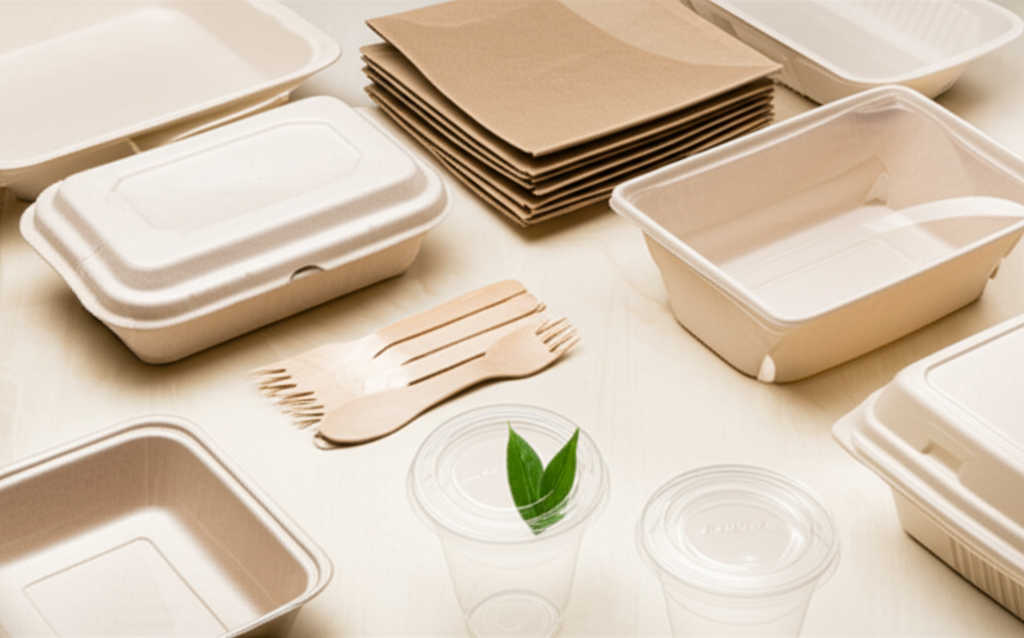
Paper, biodegradable, and reusable packaging are leading the sustainable wholesale market transformation.
Strategic Regional Growth Hotspots in Sustainable Foodservice Packaging
Regional market dynamics highlight varying growth rates and adoption drivers, crucial for wholesale strategic planning and global supply chain optimization. Understanding these differences allows B2B leaders to tailor their strategies for maximum impact.
- North America’s Leading Role: North America currently holds the largest market share in sustainable foodservice packaging, valued at USD 10.0 billion in 2023 and projected to reach USD 25.0 billion by 2032. This robust growth is driven by high consumer awareness regarding environmental issues, coupled with favorable government policies and increasing regulatory actions aimed at reducing plastic waste across states and provinces. The rapid growth of food delivery services and a strong consumer demand for eco-friendly products further fuel this expansion, making it a key region for sustainable packaging investment and innovation.
- Asia-Pacific’s Rapid Expansion: The Asia-Pacific region is projected to exhibit the highest CAGR of approximately 7% between 2024-2029, cementing its position as the fastest-growing market for sustainable foodservice packaging. This rapid acceleration is fueled by immense population growth, rapid urbanization, increasing demand for foodservice outlets, and evolving consumer preferences in countries like China and India. Government initiatives to curb plastic pollution, such as India’s nationwide single-use plastic ban, are also significant catalysts, driving innovations and adoption across the region. The market in Asia-Pacific is estimated to reach an impressive $160 billion by 2027, making it a critical focus for global suppliers.
- Europe’s Regulatory-Driven Market: Europe represents a significant USD 68 billion market for sustainable packaging, propelled by stringent regulatory frameworks like the EU’s Packaging and Packaging Waste Regulation (PPWR) and the overarching Circular Economy Action Plan (CEAP). These regulations, combined with strong consumer awareness and a cultural inclination towards environmental stewardship, push European businesses to prioritize sustainable sourcing. This regulatory landscape demands that businesses serving the European market meticulously plan their packaging strategies to ensure compliance and avoid costly penalties. Paper packaging, for instance, already accounts for 45% of Europe’s total packaging consumption, highlighting the region’s early and sustained commitment to fiber-based solutions.

North America leads, Asia-Pacific rapidly expands, and Europe is driven by strong regulatory frameworks.
Navigating Challenges in Sustainable Foodservice Packaging Adoption
Despite the positive outlook and clear benefits, the transition to sustainable packaging presents specific challenges for wholesale buyers, particularly those managing large-scale procurement and complex supply chains. Overcoming these hurdles is essential for a successful and profitable shift towards greener operations.
- Cost Disparity & Supply Chain Hurdles: Sustainable packaging materials often incur higher upfront costs compared to conventional alternatives. This disparity is primarily due to several factors: nascent supply chains, which lack the economies of scale enjoyed by established plastic production; the advanced research and development required for innovative materials; and specialized manufacturing processes that may be less optimized for mass production. Furthermore, securing consistent, high-volume supply of certified sustainable materials can be challenging, necessitating careful supplier selection and strategic partnerships to mitigate supply chain risks. For wholesale buyers, understanding these cost implications and factoring them into long-term ROI calculations is crucial, recognizing that initial higher costs can lead to greater long-term value through compliance and brand enhancement. A deeper understanding of the pros and cons of traditional plastic packaging can illuminate the motivations behind these shifts.
- Infrastructure & Consumer Education Gaps: The effectiveness of compostable packaging, a key sustainable solution, is often hindered by the lack of widespread commercial composting facilities. Without proper industrial infrastructure, even certified compostable materials may end up in landfills, negating their intended environmental benefits. This issue is compounded by a critical need for consumer education on proper disposal methods. Misinformation or lack of clear labeling can lead to contamination of recycling streams, rendering otherwise recyclable materials unusable. Addressing these infrastructure and education gaps requires collaborative efforts across the industry, from manufacturers and distributors to municipalities and end-users, to truly close the loop on sustainable packaging. Without adequate infrastructure, even the most innovative sustainable products struggle to achieve their full environmental potential.
Challenges include higher costs, supply chain complexities, and inadequate composting infrastructure and education.
Strategic Implications for Wholesale Buyers: Maximizing ROI with Sustainable Packaging
For B2B stakeholders, aligning with sustainable foodservice packaging trends offers significant competitive advantages and long-term value, extending beyond mere compliance to encompass cost savings, enhanced brand reputation, and market leadership. Strategic procurement involves a holistic assessment of available materials against operational impact, regulatory alignment, and potential for cost savings or revenue generation.
Evaluating Sustainable Packaging Options for ROI
Strategic procurement involves assessing materials like compostable fibers or recycled content plastics against their operational impact, regulatory alignment, and potential for generating cost savings or new revenue streams.
| Feature | B2B Operational Impact | Compliance Note | ROI Potential |
|---|---|---|---|
| Molded Fiber | Lightweight, stackable for efficient storage; excellent insulation for hot/cold. | Biodegradable, often home compostable (check certifications like BPI). | Reduced landfill fees, enhanced brand image, potential for premium pricing. |
| PLA (Compostable Plastic) | Clear, strong, ideal for cold items; requires industrial composting. | Meets industrial compostability standards (e.g., ASTM D6400, EN 13432). | Access to eco-conscious market segments, lower carbon footprint. |
| Recycled Content Paperboard | Versatile for hot/cold applications; excellent printability for branding. | High recyclability, meets FSC/SFI standards for responsible sourcing. | Reduced virgin material costs, strong sustainability narrative. |
| Reusable Container Systems | Requires robust reverse logistics, washing, and sanitation infrastructure. | Supports circular economy mandates (e.g., EU CEAP, PPWR reuse targets). | Significant cost savings over time (reduced disposables), premium brand positioning, increased customer loyalty. |
Case Study: Driving Sustainability in a Major Foodservice Chain
A prominent global foodservice chain (mirroring commitments by industry giants like McDonald’s or Starbucks to achieve 100% recyclable or compostable packaging by 2025-2030) significantly invested in developing custom molded fiber containers for their takeaway coffee. This strategic shift not only reduced their reliance on virgin plastic by over 60% but also resonated deeply with environmentally conscious customers, leading to a demonstrable 3% increase in customer loyalty and reinforcing their sustainability leadership. This move reflects a broader industry trend of major brands making significant investments, like Nestle’s CHF 250 million sustainable packaging venture fund, dedicated to backing cutting-edge sustainable packaging technologies and startups. Such large-scale commitments from market leaders signal a clear direction for the entire wholesale supply chain. Furthermore, understanding the top food packaging companies in the UK can offer insights into the types of partners driving these innovations.
Strategic procurement of sustainable packaging offers competitive advantages and long-term value for B2B stakeholders.
The Future of Wholesale Sustainable Foodservice Packaging
The trajectory of sustainable foodservice packaging points towards a highly integrated and environmentally conscious supply chain, driven by both policy and continuous innovation.
- Circular Economy & Policy Influence: The guiding principle of a “New Plastics Economy,” championed by organizations like the World Economic Forum and the Ellen MacArthur Foundation, emphasizes designing out waste and pollution, keeping products and materials in use, and regenerating natural systems. This framework directly influences wholesale sourcing decisions, pushing for materials that can be effectively collected, sorted, and reprocessed. Policy initiatives, such as the EU’s comprehensive Circular Economy Action Plan, are setting ambitious targets for packaging reuse and recycling, further accelerating this shift and creating new demands on the wholesale market to facilitate closed-loop systems.
- Continuous Innovation & Collaboration: The industry’s future is defined by relentless innovation and robust collaboration. Industry bodies like the Foodservice Packaging Institute (FPI) and the European Paper Packaging Alliance (EPPA) are actively promoting advancements in materials and advocating for science-based policies that support sustainable solutions. The FPI’s 2025 “State of the Industry Report” highlights an industry stabilizing with cautious optimism, continually pushing towards even more efficient and eco-friendly foodservice packaging solutions. This collaborative spirit, coupled with investments in new technologies like advanced barrier coatings for paper or innovative bio-based polymers, ensures a continuous stream of improved sustainable options for wholesale buyers.
The future involves a circular economy, driven by policy and continuous innovation and collaboration.
Conclusion
The wholesale market outlook for sustainable foodservice packaging is undeniably strong, presenting a clear strategic imperative for B2B decision-makers. By proactively embracing innovative, biodegradable foodservice containers and compostable foodservice solutions, and by investing in robust, transparent supply chains, businesses can secure a formidable competitive edge. This proactive approach allows organizations to meet rapidly evolving regulatory demands, appeal to a growing segment of environmentally conscious consumers, and mitigate long-term operational and reputational risks. The shift towards sustainable packaging is not just a trend; it is a fundamental transformation of the industry, offering substantial opportunities for those who lead the way.
Act now to audit your current packaging portfolio and partner with suppliers offering certified sustainable solutions that align with your organizational goals and the demands of tomorrow’s market. Secure your competitive advantage and contribute to a more sustainable future.
Frequently Asked Questions
Why is sustainable foodservice packaging crucial for hospitality businesses?▼
Sustainable packaging helps hospitality businesses meet evolving regulatory demands, satisfy eco-conscious consumer preferences, enhance brand reputation, and potentially reduce long-term operational costs by minimizing waste and improving efficiency.
What are the primary types of sustainable foodservice packaging available wholesale?▼
Key types include paper and paperboard products, biodegradable and compostable solutions like PLA and bagasse, and increasingly, reusable container systems for closed-loop supply chains.
How do global regulations impact wholesale sustainable packaging procurement?▼
Regulations like the EU’s SUPD and PPWR, and national bans in countries like India, mandate shifts away from single-use plastics, compelling wholesale buyers to source compliant, sustainable alternatives to avoid penalties and ensure market access.
What are the main challenges in adopting sustainable foodservice packaging?▼
Challenges include higher upfront costs compared to conventional plastics, nascent supply chains, and the lack of widespread commercial composting infrastructure and consumer education for proper disposal.
Can switching to sustainable packaging improve customer loyalty for restaurants and cafes?▼
Yes, studies show that a significant percentage of consumers are willing to pay more for sustainable packaging, and embracing eco-friendly options can boost customer retention by up to 20%, enhancing brand loyalty.