

Quick answer: Sugarcane straws can be a good alternative to plastic straws for many cafes and restaurants: they are made from sugarcane fiber, they are not paper, and operators often use them where they want a disposable plastic-straw alternative. Whether they are right for you depends on taste in your beverages, how you store them, and whether you have a composting route. The practical way to decide is to test samples in your own drinks. See what sugarcane straws are or request samples.
Disposable plastics are one of the biggest contributors to current global plastic pollution. They cannot be completely degraded, and even after hundreds of years, they only break down into small plastic fragments. These fragments either pollute our groundwater or float in the ocean where they are swallowed by marine life and get back into the human body, with significant health effects. If you’ve been looking for an environmentally friendly alternative, sugarcane straws are a great choice.
As a supplier with years of experience in sugarcane straws, Momoio knows a lot about alternatives to plastic straws. because we have done research on them. So here, would like to take a look at sugarcane straws – what they are, how they are used, their advantages and disadvantages.
What are Sugarcane straws?

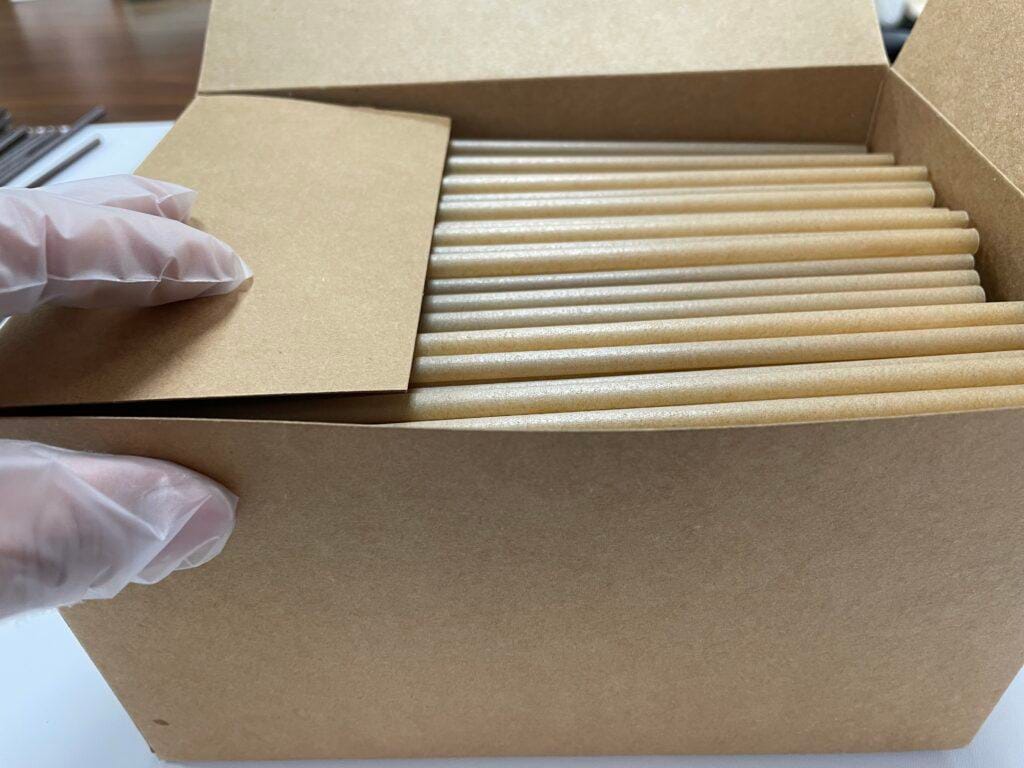
Sugarcane straws are straws made from sugarcane pulp along with other plant fibers. Many sugarcane straw formulations do not contain polylactide (PLA); whether a product is certified for industrial or home composting depends on its own certificate. They feel closer to plastic straws than paper straws do and can be used for cold and hot beverages. Heat tolerance depends on the formulation, wall thickness and drink temperature, so check the product’s test data and try samples in your own hot drinks before ordering. Sugar cane fibers are waste, so reusing them as straws allows you to use what would otherwise go to waste. Once you’re done with the straw, you just throw it away or toss it on your compost pile. Very eco-friendly and not harmful to the environment. There’s no guilt in using them, and Sugarcane straws are one of the best alternatives to plastic straws I’ve ever seen.
What’s The Sugarcane Pros And Cons?

Pros Of Sugarcane Straws
- They’re cheap
- Unlike metal, glass, and bamboo straws, bagasse straws are quite affordable. They cost only slightly more than paper straws, which is a great price. Retail packs are generally inexpensive; for wholesale pricing, request a quote for your size and quantity.
- Won’t get soggy
- Sugarcane straws are made for cold and hot beverages and generally hold their shape longer than paper straws; confirm hot-drink performance with samples.
- You can just throw them away
- There’s no denying that there are some convenience benefits to using and throwing away products. It’s nice to know that once you’re done with a straw, you can throw it in the trash without any regrets. Our straws will slowly disintegrate and won’t harm any animals.
- You don’t need to wash them
- Unlike reusable straws, you don’t have to worry about cleaning them. As mentioned before, you can throw them away. There’s no need to take home wet straws in a wet bag, no need to clean them in a restaurant bathroom with a little straw cleaner, and no need to worry about not cleaning them enough for next time.
- They don’t harm the environment
- Bagasse straws use mostly natural products, so they are sustainable and don’t have a huge impact. Throw them in the garbage and they will be sent to a landfill where they will decay after a while. There is no harm to our groundwater or marine life.
Cons Of Sugarcane Straws
They are not a perfect substitute in every setting. Unused stock should be kept cool and dry; a compostable claim only helps if you have a real composting route; and you should confirm food-contact and compostability documents for the exact product you buy. Performance can also vary by drink, so a short sample trial is worth doing before a large order.

To protect our home, please use one less plastic straw and one more bagasse straw.
If you would like an updated inquiry, free samples or more detailed product information, please contact 1@momoio.com Contact: Ching Chiang
Frequently Asked Questions
Are sugarcane straws good?
They are a good fit for many foodservice uses, especially if you want a non-paper disposable straw. They are not automatically the best choice in every drink or every waste system. Trial them, and read the tradeoffs below.
Are sugarcane straws safe to use with food and drinks?
Treat safety as a document-and-trial question, not a slogan. Ask for the current food-contact documents that apply to the exact SKU and market, and test the straw in your beverages. Request those details and samples.
Do they get soggy like paper straws?
Sugarcane straws are generally more resistant to softening than paper straws, but performance still depends on the drink, the time in the cup, and storage conditions. Test them in your own menu, and keep unused stock dry. See storage guidance and taste notes.
What are the main drawbacks?
They need dry storage; composting only happens if a suitable facility or home-compost route actually exists; and any compostability or food-contact claim should be backed by documents for that SKU. Those are the practical cons, even when the straw performs well in the cup.
Want to see if sugarcane straws work for your drinks?
MOMOIO is a B2B packaging supplier; products are made by partner factories. In-stock standard straws start from 100 pcs; custom straws and other products are quoted per project. Free samples are available — quantity and freight are confirmed when you enquire.