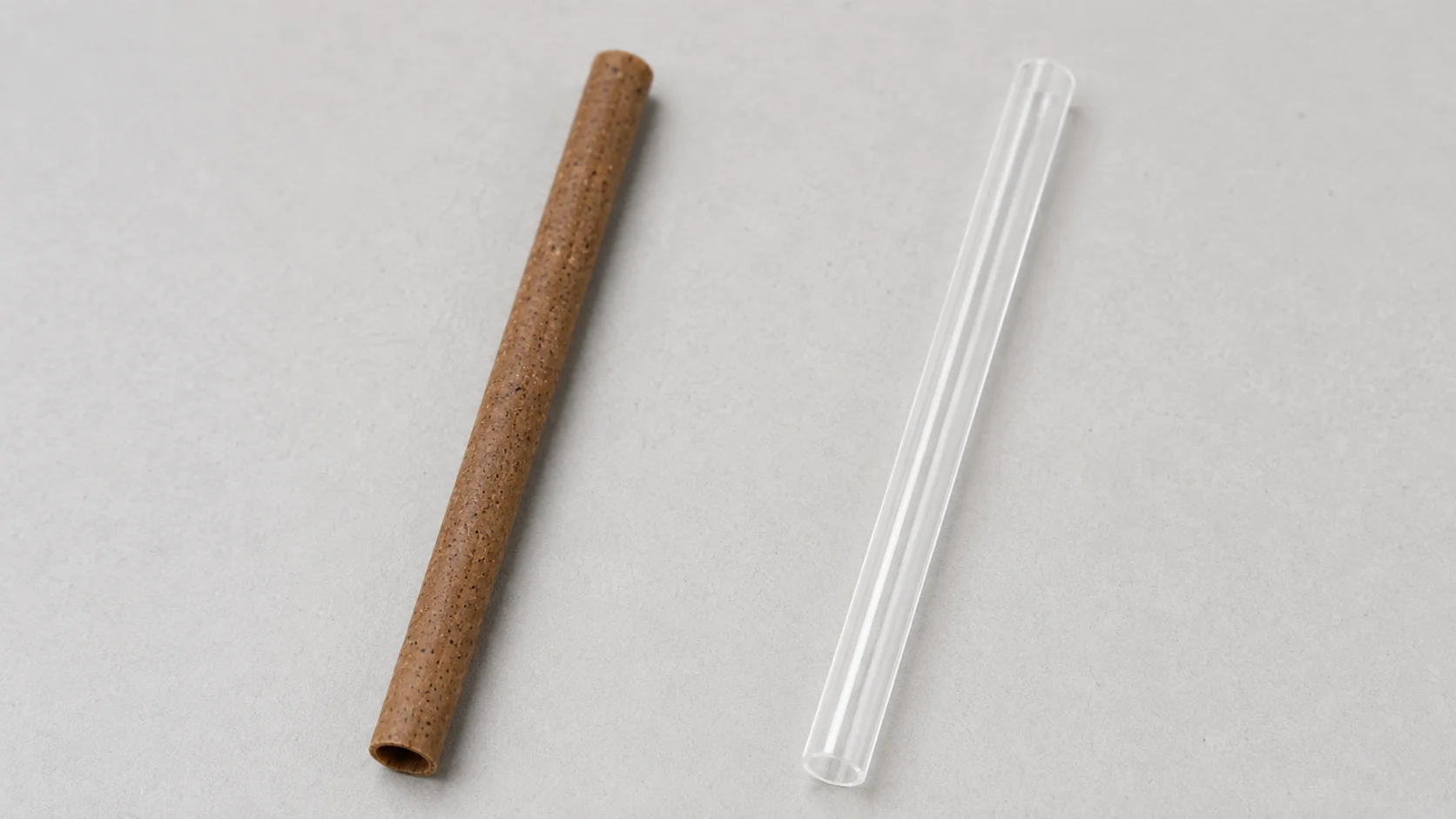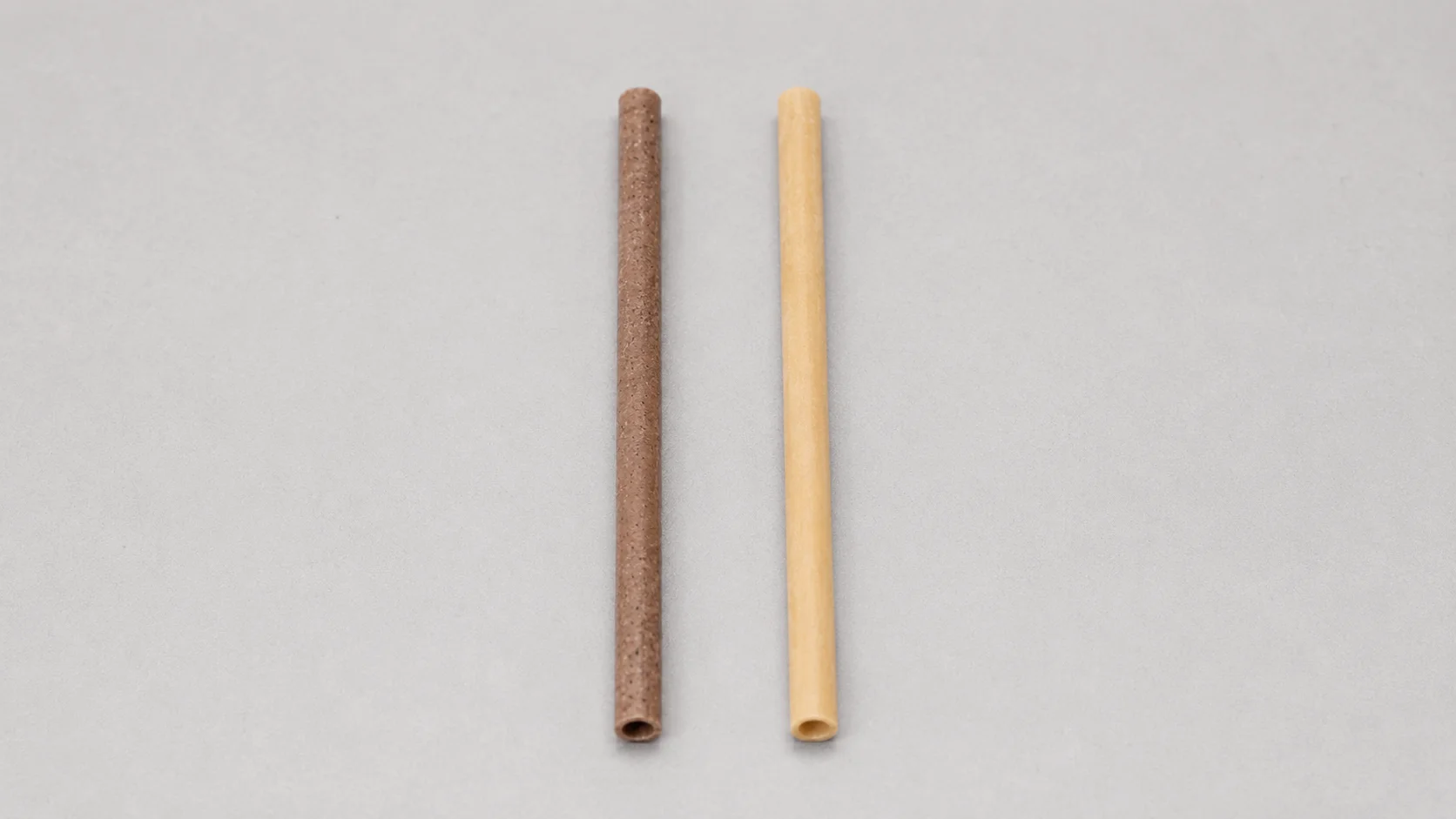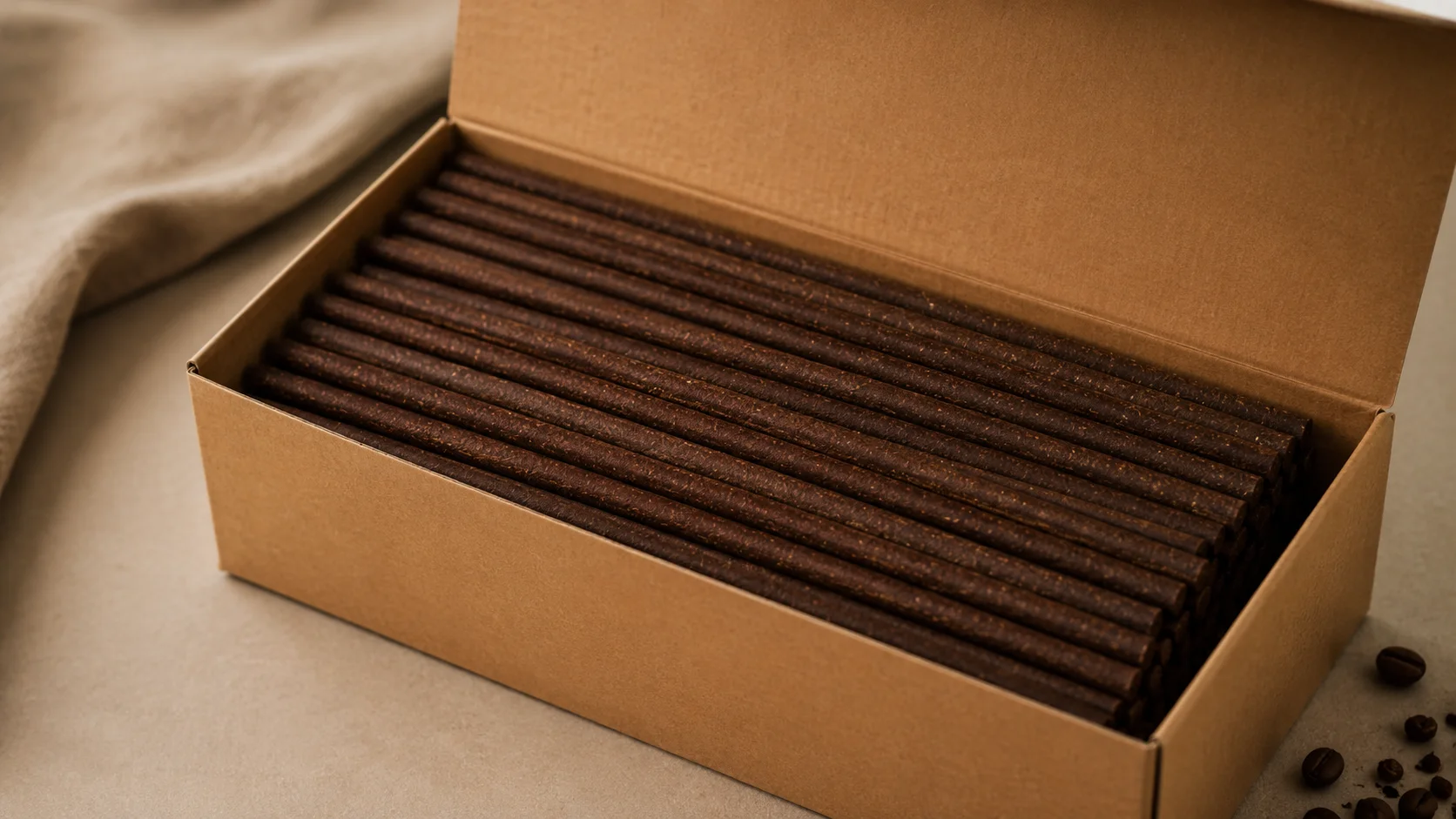
እውነትን እየራቁ: ዋጋ ያላቸው እንጆሪዎች በጣም በቀላሉ የሚቀሩ ናቸው?
The global push to curb plastic pollution has thrust “compostable” alternatives into the spotlight, particularly for high-volume consumables like drinking straws. However, a lingering skepticism pervades boardrooms and procurement offices: do these seemingly eco-friendly options genuinely decompose as promised, or are they merely another form of greenwashing? For procurement managers, operations directors, sustainability officers, and supply chain executives in the hospitality & foodservice industries, this question isn’t academic; it’s a critical operational and commercial imperative.
የእውነተኛ ብስባሽነት ልዩነቶችን ችላ ማለት ጉልህ የሆነ የአሠራር እና የንግድ ውጤቶች ያስከትላል። ከ2021 ጀምሮ ተግባራዊ የሆነው የአውሮፓ ህብረት ነጠላ አጠቃቀም የፕላስቲክ መመሪያ (2019/904) እንደ EN13432 ያሉ ጥብቅ መመዘኛዎችን ለአማራጮች ማክበርን በማስገደድ ከ2021 ጀምሮ በስራ ላይ የዋለው የፕላስቲክ ገለባ በብቃት አግዷል። በተመሳሳይ፣ እንደ ሳን ፍራንሲስኮ (ጥር 2020) እና ኒው ዮርክ ሲቲ (ኖቬምበር 2021) ያሉ ቁልፍ የአሜሪካ ገበያዎች BPI ወይም TÜV AUSTRIA የተረጋገጠ ብስባሽ የምግብ እቃዎችን ወይም የፕላስቲክ ገለባ አጠቃቀምን የሚገድቡ ደንቦችን አውጥተዋል። አለማክበር ከፍተኛ ቅጣቶችን፣ የአቅርቦት ሰንሰለቶችን እና የአቅርቦት ሰንሰለቶችን መቆራረጥ እና ከጊዜ ወደ ጊዜ ሥነ-ምህዳራዊ ንቃተ-ህሊና ባለው የሸማቾች መሠረት መካከል የተበላሸ የምርት ስምን ያስከትላል። ይህ መጣጥፍ በሳይንስ፣ በእውቅና ማረጋገጫዎች እና በተጨባጭ የሚበሰብሱ ገለባዎች ተግባራዊ ተፅእኖዎችን በጥልቀት ያጠናል፣ ይህም ለB2B ውሳኔ ሰጪዎች በመረጃ ላይ የተመሰረተ ከፍተኛ ልወጣ ምርጫዎችን ለማድረግ የሚያስፈልጋቸውን ግልጽነት ይሰጣል።
ቅጣቶችን ለማስወገድ እና የምርት ስምን ለማሻሻል እውነተኛ ብስባሽነትን መረዳት ለእንግዶች እና ለምግብ አገልግሎት ንግዶች ወሳኝ ነው።
ሊበሰብሱ የሚችሉ ገለባዎችን መረዳት፡ ለB2B የመፍትሄዎች ስፔክትረም
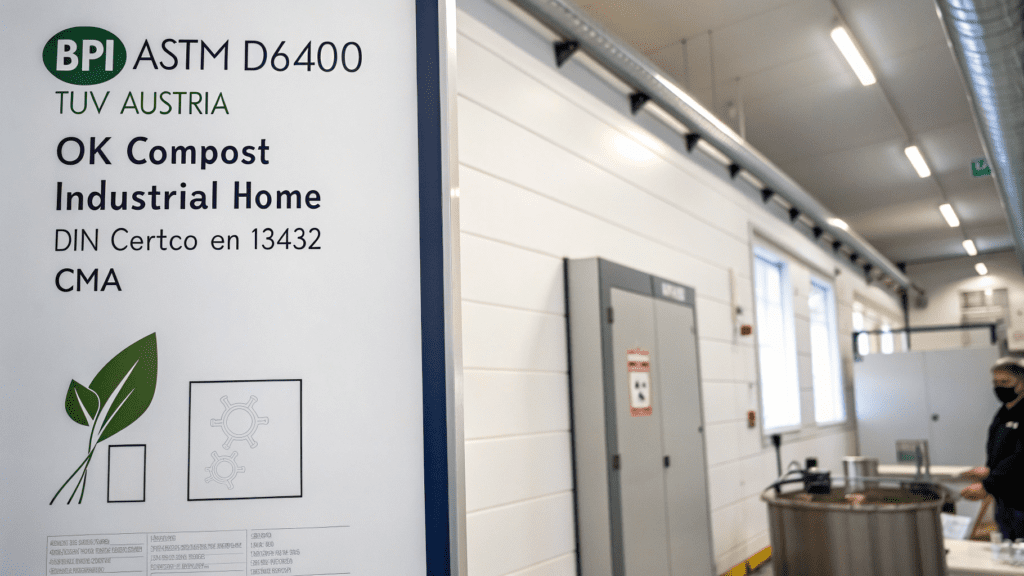
በኢንዱስትሪ ማዳበሪያ ፋሲሊቲ ውስጥ የሚበሰብሱ ገለባዎች የመበስበስ ሂደት.
"ማዳበሪያ" የሚለው ቃል ብዙውን ጊዜ "ባዮዲዳዳዳድ" ከሚለው ጋር ይደባለቃል, ነገር ግን ልዩነቱ ለ B2B አፕሊኬሽኖች ወሳኝ ነው. ሊበሰብሱ የሚችሉ ገለባዎች በልዩ ሁኔታ ወደ ኦርጋኒክ ቁስ፣ ውሃ እና ካርቦን ዳይኦክሳይድ እንዲከፋፈሉ በተወሰነ የጊዜ ገደብ ውስጥ በልዩ ሁኔታዎች እና መርዛማ ቅሪቶችን ሳይተዉ ተዘጋጅተዋል። ይህ ከአጠቃላይ የ"ባዮሎጂካል" የይገባኛል ጥያቄዎች በጣም የራቀ ነው፣ ይህም ብዙውን ጊዜ ለሙሉ መበስበስ የተመሰከረላቸው መመዘኛዎች ስለሌላቸው እና አሁንም የማይክሮፕላስቲክ ብክለትን ሊያስከትል ወይም ለመበላሸት የተወሰነ ጊዜ ሊወስድ ይችላል።
እውነተኛ ብስባሽነትን መግለጽ፡- ከ‹‹biodegradadable›› መለያዎች ባሻገር
እውነተኛ ብስባሽነት የሚተዳደር፣ ቁጥጥር የሚደረግበት ሂደትን ያመለክታል። እነዚህ ገለባዎች ወደ ተፈጥሯዊ ዑደት ሙሉ በሙሉ እንዲዋሃዱ እና ጠቃሚ የአፈር ማሻሻያ እንዲሆኑ ተደርገዋል። መበስበሱ በተለምዶ ከሳምንታት እስከ ጥቂት ወራት ባለው ጊዜ ውስጥ በፕሮፌሽናል ማዳበሪያ አካባቢዎች ይከሰታል፣ ከተለመዱት ፕላስቲኮች በተለየ መልኩ ለዘመናት ሊቆዩ ከሚችሉት፣ ወደ ስነ-ምህዳሮች ዘልቀው ወደሚገቡ ጎጂ ማይክሮፕላስቲኮች ይከፋፈላሉ። የመርዛማ ቅሪቶች አለመኖር ለድርድር የማይቀርብ የምስክር ወረቀት መስፈርት ነው, ይህም የመጨረሻው ምርት ለአካባቢው ደህንነቱ የተጠበቀ መሆኑን ያረጋግጣል.
ድርብ መንገዶች፡ የኢንዱስትሪ እና የቤት ኮምፖስት ገለባ
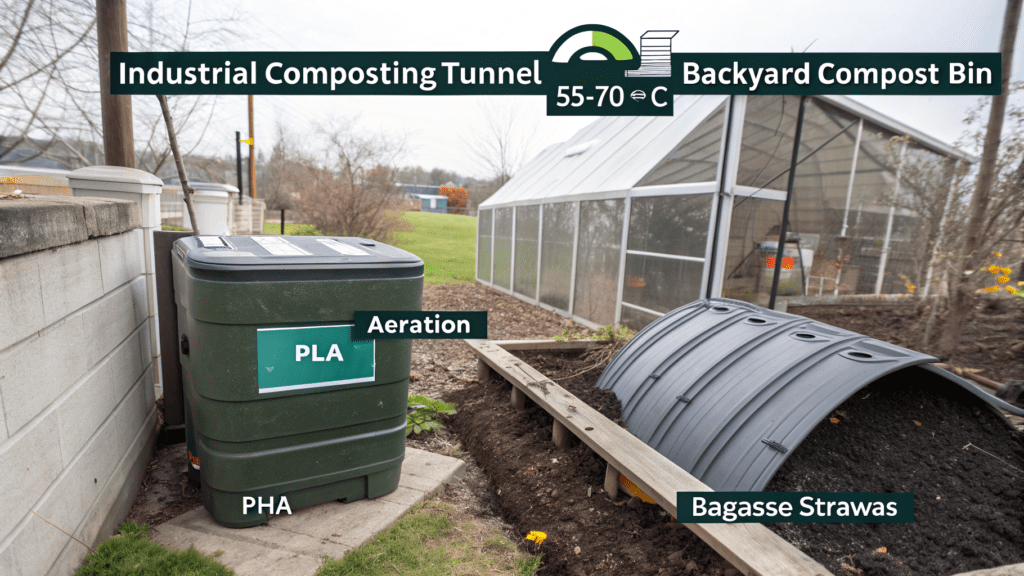
ውጤታማ የቆሻሻ አያያዝ እና መስተንግዶ እና የምግብ አገልግሎትን ለማክበር ልዩ የማዳበሪያ መንገድን መረዳት በጣም አስፈላጊ ነው።
- የኢንዱስትሪ ማዳበሪያ; ይህ መንገድ ትክክለኛ ከፍተኛ ሙቀትን (በተለይ 55-70°C/131-160°F)፣ ቁጥጥር የሚደረግለት የእርጥበት መጠን እና ጥሩ የአየር አየርን የሚጠብቁ ልዩ መገልገያዎችን ይጠቀማል። እነዚህ ሁኔታዎች መበስበስን ያፋጥናሉ, ይህም ገለባዎች ከጥቂት ሳምንታት እስከ ጥቂት ወራት ውስጥ እንዲሰበሩ ያስችላቸዋል. እንደ ፖሊላቲክ አሲድ (PLA) ያሉ ቁሳቁሶች ከፍተኛ የሙቀት መጠንን ለመበስበስ ስለሚያሟሉ እነዚህን የኢንዱስትሪ ሁኔታዎች ይፈልጋሉ። በኢንዱስትሪ የሚበሰብሰው ገለባ በቤት ውስጥ ብስባሽ ማጠራቀሚያ ውስጥ ካለቀ ወይም ደግሞ በቆሻሻ መጣያ ውስጥ ካለቀ፣ እንደታሰበው ላይበሰብስ ይችላል፣ ይህም የአለም ሙቀት መጨመር አቅሙን እስከ ስድስት እጥፍ ይጨምራል።
- የቤት ማዳበሪያ; ለጓሮ ብስባሽ ማጠራቀሚያዎች ወይም ክምር የተነደፈ፣ የቤት ብስባሽ ገለባ በዝቅተኛ እና በተለዋዋጭ የሙቀት መጠን (ከ50-65°C / 122-149°F አካባቢ) ይሰራሉ። የመበስበስ ሂደታቸው ቀርፋፋ ነው፣በተለምዶ ከ6 እስከ 12 ወራት ይወስዳል፣ እንደየአካባቢው ሁኔታ። ቁሳቁስ ብዙውን ጊዜ የከረጢት (የሸንኮራ አገዳ ፋይበር) እና አንዳንድ የላቁ PHA (Polyhydroxyalkanoates) ቀመሮችን ያጠቃልላሉ፣ ይህም የኢንዱስትሪ ተቋማትን ከፍተኛ ሙቀት ሳያስፈልጋቸው ለመሰባበር ችሎታቸው ነው።
ለማዳበሪያ ገለባ የተለመዱ ቁሳቁሶች የሸንኮራ አገዳ ከረጢት፣ የበቆሎ ስታርች (PLA)፣ PHA እና የእንጨት ብስባሽ ናቸው። እያንዳንዳቸው የተለያዩ ፍላጎቶችን እና የማዳበሪያ መስፈርቶችን የሚያሟሉ ልዩ ባህሪያትን ያቀርባል.
ሊበሰብሱ የሚችሉ ገለባዎች በአስተማማኝ ሁኔታ እንዲበሰብሱ የተፈጠሩ ናቸው፣ ከአጠቃላይ ባዮግራዳዳዴድ የይገባኛል ጥያቄዎች በተለየ።
ሰርተፊኬቶችን ማሰስ፡ ለኮምፖስት ገለባዎች እውነተኛ ተገዢነትን ማረጋገጥ
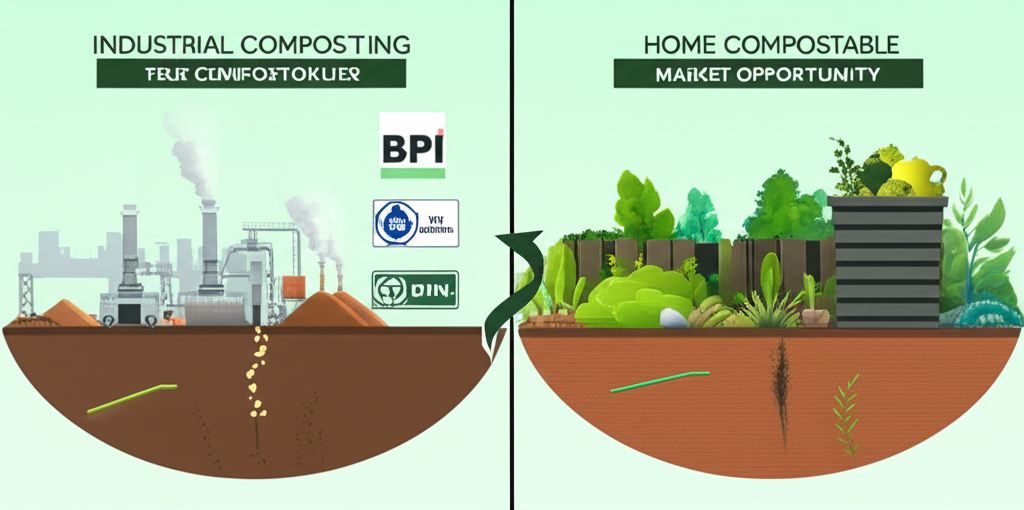
ለማዳበሪያ ገለባ ቁልፍ ማረጋገጫ አርማዎች።
ለ B2B ውሳኔ ሰጪዎች በእንግዳ ተቀባይነት እና በምግብ አገልግሎት ፣ በማዳበሪያ ምርቶች መልክዓ ምድራዊ አቀማመጥ ላይ ማሰስ ከመልካም ዓላማዎች በላይ ይጠይቃል ። እውቅና ማረጋገጫዎችን እና ክልላዊ ግዴታዎችን ማክበርን ይጠይቃል። እነዚህ የምስክር ወረቀቶች በዘላቂው የማሸጊያ ገበያ ላይ የመተማመን መሰረት ናቸው።
Decoding Compostable Straws Certifications: BPI, TÜV AUSTRIA, & DIN-CERTCO
እውነተኛ ብስባሽ ምርቶችን ከማሳሳት "አረንጓዴ ማጠቢያ" የይገባኛል ጥያቄዎችን ለመለየት በገለልተኛ የምስክር ወረቀት አካላት ላይ መተማመን አስፈላጊ ነው.
- ቢፒአይ (ባዮደራዳዳድ ምርቶች ኢንስቲትዩት)፡- ግንባር ቀደም የሰሜን አሜሪካ የምስክር ወረቀት አካል፣ BPI በ ASTM D6400 ደረጃዎች መሰረት የኢንዱስትሪ ብስባሽነትን ያረጋግጣል። ምርቶች በስድስት ወራት ውስጥ ቢያንስ 90% መበታተን አለባቸው እና በ12 ሳምንታት ውስጥ በበቂ ሁኔታ መበታተን አለባቸው BPI ሰርተፍኬት ለማግኘት፣ ይህም በንግድ ማዳበሪያ ፋብሪካዎች ውስጥ መርዛማ ቀሪዎችን ሳይተዉ በብቃት መፈራረሳቸውን ያረጋግጣል።
- ቱቭ አውስትራሊያ፡ ይህ ታዋቂ የአውሮፓ ሰርተፍኬት አካል "OK compost Industrial" (መገናኘት EN 13432 ወይም ASTM D6400) እና "OK compost HOME" የምስክር ወረቀቶችን ይሰጣል። እንደ NF T51-800 ያሉ መመዘኛዎችን በማክበር በጓሮ ማዳበሪያ አካባቢዎች ውስጥ ሊበላሹ የሚችሉ ምርቶችን ለሚፈልጉ የ"OK compost HOME" የምስክር ወረቀት በተለይ ጠቃሚ ነው።
- DIN-CERTCO፡ ታዋቂው የጀርመን እና የአውሮፓ የምስክር ወረቀት አካል DIN-CERTCO ከአውሮፓ ደረጃ EN 13432 ለኢንዱስትሪ ብስባሽነት መከበሩን የሚያመለክት ምልክት ይሰጣል። እንዲሁም ለቤት ማዳበሪያ "DIN Tested - Garden Compotable" የምስክር ወረቀት ይሰጣሉ.
- የአውስትራሊያ ባዮፕላስቲክ ማህበር (ABA) የዘር ማርክ፡ በአውስትራሊያ እና በኒውዚላንድ እውቅና ያገኘው ይህ የምስክር ወረቀት ለእነዚያ ገበያዎች የሚበሰብሱ ምርቶችን ያረጋግጣል።
- ኮምፖስት ማኑፋክቸሪንግ አሊያንስ (ሲኤምኤ)፡- በዩኤስ ውስጥ፣ሲኤምኤ የ ASTM D6400 ወይም D6868 መመዘኛዎችን የሚያሟሉ መሆናቸውን በማረጋገጥ ለንግድ የሚበሰብሱ ምርቶችን በጠንካራ የላብራቶሪ እና የመስክ ሙከራዎች ያረጋግጣል።
እነዚህ የምስክር ወረቀቶች የመረጡት ገለባ በደህና እንደሚበሰብስ ፣ማይክሮፕላስቲክ ፣ሄቪ ብረታ ብረት ወይም ሌሎች መርዛማ ኬሚካሎች ሳይቀሩ ለአፈር መበልፀግ አስተዋፅዖ እንዳያደርጉ ያረጋግጣሉ።
የቁጥጥር ተገዢነት እና የክልል ግዴታዎች (የፕላስቲክ እገዳዎች)
ዓለም አቀፋዊ የቁጥጥር አካባቢ በፍጥነት እያደገ ነው፣ በአንድ ጊዜ ጥቅም ላይ የሚውሉ ፕላስቲኮችን የመገደብ ግልጽ አዝማሚያ ያለው፣ መስተንግዶ እና የምግብ አገልግሎት አቅርቦት ሰንሰለቶችን በቀጥታ ይጎዳል።
- የአውሮፓ ህብረት ነጠላ አጠቃቀም ፕላስቲክ መመሪያ (2019/904)፡ ከ2021 ጀምሮ በሥራ ላይ የዋለው ይህ መመሪያ የፕላስቲክ ገለባዎችን ውጤታማ በሆነ መንገድ አግዷል፣ ይህም ማንኛውንም ፕላስቲክ ከያዙ “ባዮ-ምንጭ” ወይም “ቤት ኮምፖስትብል” የሚል ምልክት የተደረገባቸውን ጨምሮ። ይህ አማራጮች EN13432ን እንዲያከብሩ ያዛል፣ ይህም የንግድ ድርጅቶችን የገበያ ተደራሽነት ለማስቀጠል ወደተመሰከረላቸው ብስባሽ አማራጮች ይገፋፋል።
- የአሜሪካ ከተማ እና የግዛት ግዴታዎች፡- በዩናይትድ ስቴትስ ውስጥ የፌደራል እገዳ ባይኖርም, በርካታ የክልል እና የማዘጋጃ ቤት መንግስታት ጥብቅ ደንቦችን ተግባራዊ አድርገዋል. ሳን ፍራንሲስኮ፣ ከጃንዋሪ 2020 ጀምሮ BPI ወይም TÜV AUSTRIA የተረጋገጠ ብስባሽ የምግብ ዕቃዎችን ይፈልጋል። የኒውዮርክ ከተማ፣ ከኖቬምበር 2021 ጀምሮ፣ ብስባሽ የፕላስቲክ ገለባ የሚፈቅደው በግቢው አጠቃቀም እና በትክክለኛ ኦርጋኒክ ስብስብ ብቻ ነው። እነዚህ አካባቢያዊ የፕላስቲክ እገዳዎች ጥንቃቄ የተሞላበት የግዥ ስልቶችን የሚፈልግ ውስብስብ የታዛዥነት ገጽታ መፍጠር።
የንግድ ድርጅቶች የተሟሉ ምርቶችን በንቃት መፈለግ ያለባቸውን የተጣጣሙ ስጋቶች ለማስቀረት እና ከነዚህ ጥብቅ ደንቦች ጋር በማጣጣም በተለያዩ ገበያዎች ላይ እንከን የለሽ ስራዎችን ማረጋገጥ አለባቸው።
እንደ BPI እና TÜV AUSTRIA ያሉ የምስክር ወረቀቶች የአለም አቀፍ የፕላስቲክ እገዳዎችን መከበራቸውን ለማረጋገጥ አስፈላጊ ናቸው።
ከሀይፕ ባሻገር፡ ሊበሰብሱ የሚችሉ ገለባዎች የአካባቢ እኩልነት
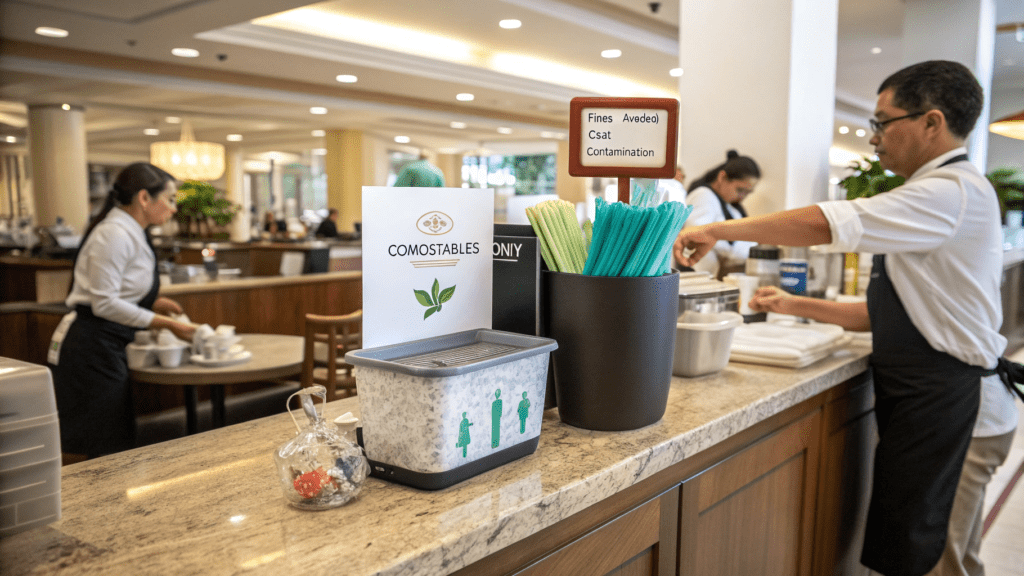
በመጠጥ ውስጥ የሸንኮራ አገዳ እና የወረቀት ገለባ ዘላቂነት ማወዳደር.
የማዳበሪያ ገለባ ጽንሰ-ሀሳብ በባህሪው ማራኪ ቢሆንም፣ ወደ ቁሳዊ ሳይንስ፣ እምቅ ብክለት እና የቆሻሻ መሠረተ ልማቶች ጠለቅ ብለው መግባታቸው ለእንግዶች እና ለምግብ አገልግሎት የበለጠ የተዛባ የአካባቢ መገለጫ ያሳያል።
የቁሳቁሶች ጉዳይ፡ የቅንብር እና የመቆየት ተግዳሮቶች
የቁሳቁስ ምርጫ የገለባውን የአካባቢ አሻራ እና ከፍተኛ መጠን ባለው ቅንጅቶች ውስጥ ያለውን የአሠራር አፈፃፀም በእጅጉ ይጎዳል።
- የሸንኮራ አገዳ Bagasse እና PHA፡ እነዚህ ቁሳቁሶች ለሁለቱም ሙቅ እና ቀዝቃዛ መጠጦች የላቀ ጥንካሬ ይሰጣሉ, ይህም ለተለያዩ የምግብ አገልግሎት ፍላጎቶች ተስማሚ ያደርጋቸዋል. የሸንኮራ አገዳ የከረጢት ገለባ ጠንካራ እና ገለልተኛ ጣዕም ያቀርባል, ተፈጥሯዊ ስሜት ለሚፈልጉ ደንበኞች ይማርካል. PHA ፣በተለይ ፣ በባህር ውስጥ ባዮዲግራዳድነት ጎልቶ ይታያል ፣ይህ ማለት በውቅያኖስ አከባቢዎች ውስጥ እንኳን ሊፈርስ ይችላል ፣ይህም በአግባቡ ካልተያዘ አስፈላጊ አደጋን ያስከትላል።
- የወረቀት ጭነት በሰፊው የሚገኝ እና ወጪ ቆጣቢ ቢሆንም፣ የወረቀት ገለባ በታሪክ የመቆየት ፈተናዎችን አቅርቧል። በአቻ የተገመገመ ጥናት እንደሚያመለክተው የወረቀት ገለባ ከ 30 ደቂቃ ባነሰ ፈሳሽ ውስጥ ከ70-90% የመጨመቂያ ጥንካሬያቸውን ሊያጡ እና 30% የሚሆነውን ክብደታቸውን ይወስዳሉ። ይህ ወደ ደካማ የደንበኛ ልምድ ሊያመራ እና ደንበኞች ብዙ ገለባ ሊጠይቁ ስለሚችሉ አጠቃላይ የገለባ ፍጆታን ሊጨምር ይችላል።
- PLA (ፖሊላቲክ አሲድ)፡- የPLA ገለባዎች ባህላዊ የፕላስቲክ ስሜትን ይኮርጃሉ፣ ይህም ለተጠቃሚዎች ቀዝቃዛ መጠጦችን ለመቀበል ጠንካራ ነጥብ ነው። ነገር ግን፣ በኢንዱስትሪ ማዳበሪያ ፋሲሊቲዎች ላይ መተማመናቸው ተገቢ ያልሆነ አወጋገድ የአካባቢ ጥቅሞቻቸውን ሊቀንስ ይችላል።
የተደበቀው ስጋት፡- PFAS በ “ኢኮ-ተስማሚ” ኮምፖስት ገለባ (PFAS)
በእንግዳ መስተንግዶ ውስጥ ለ B2B ገዢዎች አሳሳቢው ጉዳይ የፐር እና ፖሊፍሎሮአልኪል ንጥረነገሮች (PFAS) በአንዳንድ “ኢኮ-ተስማሚ” ገለባዎች ውስጥ መኖራቸው ነው። ለውሃ እና ቅባት መቋቋም የሚውሉት እነዚህ "ለዘላለም ኬሚካሎች" ከፍተኛ የጤና እና የአካባቢ አደጋዎችን ያስከትላሉ።
- በአቻ-የተገመገመ መጽሔት ላይ የታተመ ጥናት ኬሞስፌር ፒኤፍኤኤስን በ36 ከ38 የተፈተኑ የወረቀት እና የቀርከሃ ገለባ ብራንዶች፣ ከተለመዱት ምልክቶች ጋር ፐርፍሎሮቡታኖይክ አሲድ፣ ፐርፍሎሮኦክታኖይክ አሲድ እና ፐርፍሎሮሄክሳኖይክ አሲድ ተገኘ። ከእነዚህ ውስጥ አንዱ የሆነው PFOA ከ2020 ጀምሮ በዓለም አቀፍ ደረጃ ታግዷል።
- እነዚህ ኬሚካሎች ከተለያዩ የሰው ልጅ የጤና ችግሮች ጋር የተሳሰሩ ናቸው፡ ከእነዚህም መካከል የተዳከሙ የበሽታ መቋቋም ምላሾች፣ የታይሮይድ በሽታ እና የተወሰኑ ካንሰሮችን ጨምሮ። ለሺህ አመታት በአካባቢ ውስጥ ይቆያሉ, ይህም PFAS ን ለያዙ ምርቶች "ባዮሎጂያዊ" የግብይት ጥያቄዎችን በጣም አሳሳች በማድረግ ነው.
- የአካባቢ ሳይንቲስቶች እንደ ዶ/ር ቲሞ ግሮፈን ከአንትወርፕ ዩኒቨርሲቲ፣ እንደ አይዝጌ ብረት ገለባ ያሉ እንደገና ጥቅም ላይ ሊውሉ የሚችሉ አማራጮችን መጠቀም ወይም በአንድ ጊዜ ጥቅም ላይ የሚውሉ ገለባዎችን ሙሉ በሙሉ ለማስወገድ ይመክራሉ። ፒኤፍኤኤስ ስጋቶች. ለእውነተኛ ዘላቂነት ላደረጉ ንግዶች፣ ከPFAS-ነጻ ብስባሽ ገለባ ማግኘት በጣም አስፈላጊ ነው።
Waste Infrastructure & Lifecycle Impact: A Holistic View
የማዳበሪያ ገለባ እውነተኛው የአካባቢ ጥቅማጥቅም በትክክለኛ የህይወት ዘመን አያያዝ ላይ በተለይም ከፍተኛ መጠን ላለው የእንግዳ ተቀባይነት ቆሻሻ ጅረቶች ላይ የተንጠለጠለ ነው።
- የማስወገጃ ተግዳሮቶች፡- ቀደም ሲል እንደተገለፀው በቆሻሻ ማጠራቀሚያዎች ውስጥ የሚበሰብሱ ገለባዎችን በአግባቡ መጣል በአናይሮቢክ መበስበስ ምክንያት የአለም ሙቀት መጨመር አቅማቸውን እስከ ስድስት እጥፍ ይጨምራል። ይህ አስቸኳይ የመስፋፋት ፍላጎትን ያጎላል የኢንዱስትሪ ማዳበሪያ መሠረተ ልማት እና ግልጽ መለያ ደረጃዎች.
- አጠቃላይ ግምገማ፡ በተለያዩ የገለባ ዓይነቶች ላይ ለአካባቢ ተጽእኖ ቀዳሚ አስተዋፅዖ አድራጊው ብዙውን ጊዜ የመኖ ማምረቻ ደረጃ መሆኑን ጥናቶች ያመለክታሉ። ሆኖም ፣ እድገቶች ይህንን እየቀነሱ ናቸው። ለምሳሌ፣ አንትሮፖጅኒክ ሚቴንን ከማዞር የሚመነጩ PHA ገለባዎች ኔት-አሉታዊ የአለም ሙቀት መጨመር አቅምን ማሳካት እንደሚችሉ አሳይተዋል፣ ይህም የቁሳቁስ ፈጠራን ከዘላቂ ምንጭነት ጋር በማጣመር።
የቁሳቁስ ምርጫ፣ የPFAS መገኘት እና ትክክለኛው የማስወገጃ መሠረተ ልማት የማዳበሪያ ገለባ የአካባቢ ጥቅሞችን በእጅጉ ይነካል።
ስልታዊ ጉዲፈቻ፡ በB2B ኦፕሬሽኖች ውስጥ ከሚበሰብሱ ገለባዎች ጋር የመንዳት እሴት
በእንግዳ መስተንግዶ እና በምግብ አገልግሎት ውስጥ ወደፊት ለማሰብ ለሚሰሩ ንግዶች፣ የተመሰከረላቸው ብስባሽ ገለባዎችን መቀበል ስለማክበር ብቻ አይደለም። የምርት ስም እሴትን የሚያሻሽል፣ ስጋትን የሚቀንስ እና እያደገ ያለውን የገበያ እድል የሚይዝ ስልታዊ እርምጃ ነው።
እያደገ ያለው ገበያ፡- ዘላቂ የግዥ እድሎችን መጠቀም
ዓለም አቀፉ የማዳበሪያ ገለባ ገበያ ጠንካራ ዕድገት እያስመዘገበ ሲሆን ይህም በሸማቾች እና በድርጅቶች ቅድሚያ የሚሰጣቸውን ጉልህ ለውጥ ያሳያል። ገበያው እ.ኤ.አ. በ2025 ከ1.9 ቢሊዮን ዶላር ወደ 3.8 ቢሊዮን ዶላር በ2035 እንደሚያድግ ተተነበየ ፣ ይህም የ 7.1% አጠቃላይ የዕድገት መጠን (CAGR) ያሳያል። በ2024፣ ሽያጮች 1.8 ቢሊዮን ዶላር ነበር።
የምግብ አገልግሎት ክፍሉ በ2025 የ52.8% የገበያ ድርሻን በማዘዝ ይህንን ማስፋፊያ ለመምራት ተዘጋጅቷል።ይህ እድገት በቀጥታ የሚመራው በሬስቶራንቶች፣ፈጣን አገልግሎት ሰጪ ሬስቶራንቶች (QSRs)፣ሆቴሎች እና ካፌዎች ውስጥ ካሉ ዋና ተዋናዮች የዘላቂነት ቁርጠኝነትን በመጨመር የሸማቾችን የኢኮ-ተስማሚ የመመገቢያ ተሞክሮዎች ፍላጎት በመጨመር ነው። የወረቀት ገለባዎች እንደ ምርጫው ቁሳቁስ የበላይ ይሆናሉ ተብሎ የሚጠበቅ ቢሆንም (የገበያው 44.3 በመቶው በ2025)፣ ትኩረቱ ከጊዜ ወደ ጊዜ እየጨመረ በመጣው ከፍተኛ አፈጻጸም ባላቸው የተመሰከረላቸው አማራጮች ላይ ሲሆን ይህም በአካባቢያዊ ተስፋዎቻቸው ላይ በእውነት ላይ ነው። ይህ ለንግድ ድርጅቶች ግዥዎቻቸውን ከተሻሻሉ የገበያ ፍላጎቶች ጋር ለማስማማት ዋና እድልን ይወክላል። የመስተንግዶ ንግድዎ አማራጮችን ለማሰስ ይህንን መመሪያ ይመልከቱBPI ብስባሽ ገለባ ለ መስተንግዶ ተገዢነት እና ROI.
B2B Operational Impact & ROI Considerations
ትክክለኛውን ብስባሽ ገለባ መምረጥ የቁሳቁስ ባህሪያትን ከተግባራዊ እውነታዎች እና ROI ለ መስተንግዶ እና ለምግብ አገልግሎት ማመጣጠን ያካትታል።
| ባህሪይ | B2B የሥራ አፈፃፀም ተፅእኖ | የማስታወሻ ማስታወሻ | ሮይ አቅም |
|---|---|---|---|
| የቁሳቁስ ዘላቂነት (ለምሳሌ፣ የሸንኮራ አገዳ ባጋሴ) | ለሞቅ / ቀዝቃዛ መጠጦች የደንበኞችን እርካታ ያረጋግጣል, ቅሬታዎችን ይቀንሳል እና በካፌዎች እና ሆቴሎች ውስጥ የበርካታ ገለባ ፍላጎቶችን ይቀንሳል. | ለተረጋገጡ የማዳበሪያ ምርቶች የአፈጻጸም የሚጠበቁትን ያሟላል። | የገለባ ፍጆታ ቀንሷል፣ የተሻሻለ የደንበኛ ልምድ፣ የተሻሻለ የምርት ግንዛቤ፣ ወደ ተደጋጋሚ ንግድ ያመራል። |
| የተረጋገጠ ብስባሽነት (ለምሳሌ፡ BPI) | ከቆሻሻ አያያዝ ግቦች ጋር በማጣጣም በኢንዱስትሪ ማዳበሪያ ፋሲሊቲዎች ላይ ተገቢውን ብልሽት ያረጋግጣል። | የአውሮፓ ህብረትን፣ የአሜሪካ ከተማን እና ሌሎች የክልል የፕላስቲክ እገዳዎችን ለማክበር አስፈላጊ። ቅጣትን ያስወግዳል። | የቁጥጥር ቅጣቶችን ማስወገድ, የተሻሻለ የምርት ስም ስም, ጥብቅ የመቆየት ግዴታዎች ያላቸው ገበያዎችን ማግኘት. |
| PFAS-ነጻ ዋስትና | የደንበኞችን እና የሰራተኞችን ጤና ይጠብቃል፣ ከምግብ አገልግሎት ውስጥ ከኬሚካል ነፃ የሆኑ ምርቶች እያደገ ከሚሄደው የተጠቃሚዎች ፍላጎት ጋር ይጣጣማል። | አዳዲስ የጤና እና የአካባቢ ደንቦችን ለማሟላት ወሳኝ; የወደፊት እዳዎችን ይከላከላል. | የተቀነሰ የህግ እና መልካም ስም ስጋቶች፣ የሸማቾች እምነት መጨመር፣ በጤና-ተኮር ገበያ ውስጥ ተወዳዳሪነት ያለው ልዩነት። |
| የአቅርቦት ሰንሰለት ማሻሻያ (MOQ፣ ሎጂስቲክስ) | ከፍተኛ መጠን ላለው የእንግዳ ተቀባይነት ስራዎች ቀጣይነት ያለው ተገኝነት እና ቀልጣፋ አቅርቦትን ያረጋግጣል። | የአቅራቢ ስምምነቶችን እና የመላኪያ መርሃ ግብሮችን ማክበር. | የተቀነሰ የዕቃዎች ወጪ፣ አነስተኛ አክሲዮኖች፣ የተሻሻለ የአሠራር ቅልጥፍና እና አስተማማኝ የምርት ፍሰት። |
ለመስተንግዶ ንግዶች፣ አነስተኛ የትዕዛዝ መጠኖችን (MOQ) እና ሎጂስቲክስን መረዳት ቅልጥፍና ያለው የአቅርቦት ሰንሰለት አስተዳደር ወሳኝ ነው። አብዛኛዎቹ አቅራቢዎች ከትናንሽ ካፌዎች እስከ ትላልቅ የሆቴል ሰንሰለቶች ድረስ የተለያዩ የንግድ መጠኖችን ለማስተናገድ ተለዋዋጭ MOQs ይሰጣሉ። ለዘላቂነት ያለዎትን ቁርጠኝነት ለማጠናከር እንደ ብጁ አርማዎች ወይም ቀለሞች ያሉ የምርት ስያሜ አማራጮች ብዙ ጊዜ ይገኛሉ። ስለ የቁጥጥር ተገዢነት፣ MOQ እና ብራንዲንግ ሙሉ ዝርዝሮችን ለማግኘት፣ በዘላቂ የማሸጊያ መፍትሄዎች ላይ ያለውን አጠቃላይ የውስጥ ሀብታችንን ይመልከቱ።
የተመሰከረላቸው ብስባሽ ጭድ ስልታዊ ጉዲፈቻ የምርት ስም እሴትን ያሻሽላል እና የተግባር ስጋቶችን ይቀንሳል።
Real-World Sustainability: Mini Case Study & Best Practices
መሪ ድርጅቶች በስራቸው ውስጥ የማዳበሪያ ገለባ መፍትሄዎችን መቀበል ያለውን ተግባራዊ ጥቅማጥቅሞችን ከወዲሁ እያሳዩ ነው።
- ኬይሰር ፐርማንቴ፡ ይህ ግዙፍ የጤና አጠባበቅ ድርጅት በተቋማቱ ውስጥ ሊበሰብሱ የሚችሉ ገለባዎችን በመተግበር ለዘላቂነት ትልቅ ቁርጠኝነት አድርጓል። ይህ ውሳኔ በአካባቢ ጥበቃ እና በማህበረሰብ ደህንነት መካከል ያለውን ግንኙነት በመገንዘብ በአካባቢ ጥበቃ ላይ ባለው ሁለንተናዊ እይታ ተመርቷል.
- በምግብዎ ይደሰቱ; ቦን አፔቲ እንደ ዋና የምግብ ቤት አስተዳደር ኩባንያ በሴፕቴምበር 2019 ከ1,000 በሚበልጡ ካፌዎች ውስጥ የፕላስቲክ ገለባዎችን እና ቀስቃሾችን ለመከልከል ቆርጦ እርምጃ ወሰደ። ይህ ተነሳሽነት በተለያዩ ስራዎች ላይ ሊመዘኑ የሚችሉ ዘላቂ ተግባራትን ከላይ እስከ ታች ያለውን ቁርጠኝነት አሳይቷል።
- ስታርባክ እንደ ስታርባክስ ያሉ አለምአቀፍ የምርት ስሞች ሊበሰብሱ የሚችሉ ገለባዎችን ጨምሮ ዘላቂ የማሸግ ስራዎችን ቢተገበሩም ጉዟቸው ሁለቱንም ስኬት እና ፈተናዎችን አጉልቶ ያሳያል። በ 89.5% የሸማቾች ግንዛቤ ዘላቂ ማሸግ, ዓላማው ግልጽ ነው. ነገር ግን፣ 67.6% ተጠቃሚዎች ብቻ ስለ “አረንጓዴ ማሸጊያ አነሳሽነት” እንደሚያውቁ ገልጸዋል፣ ይህም በችግር ወይም ግልጽ የሆነ የማስወገጃ መመሪያ ባለመኖሩ ብዙ ጊዜ ንቁ ተሳትፎ ላይ ክፍተት እንዳለ ያሳያል። ይህ ዘላቂ ምርቶች የአካባቢ ተፅእኖን ከፍ ለማድረግ ሁሉን አቀፍ የግንኙነት እና ተደራሽ ማስወገጃ መሠረተ ልማት አስፈላጊነትን ያጎላል። ይህንን ፈረቃ ለማሰስ ለሚፈልጉ ካፌዎች እና ሬስቶራንቶች ግብዓቶች በርተዋል። ለቡና ሱቆች ብስባሽ ገለባዎች የተበጀ ግንዛቤዎችን መስጠት ይችላል።
እነዚህ ምሳሌዎች ዘላቂነት ያለው ዓላማ ጠንካራ ቢሆንም፣ የተሳካ ትግበራ የቁሳቁስ ንብረቶችን፣ የሸማቾችን ባህሪ እና ጠንካራ የቆሻሻ አያያዝ መሠረተ ልማትን በጥንቃቄ መመርመር እንደሚያስፈልግ ያሳያሉ።
መሪ ኩባንያዎች ስኬታማ የማዳበሪያ ገለባ ጉዲፈቻ ቁሳዊ፣ ባህሪ እና የመሰረተ ልማት አሰላለፍ እንደሚያስፈልግ ያሳያሉ።
እየተሻሻለ የመጣው የመሬት ገጽታ፡ ወደፊት በሚበሰብሱ ገለባ ውስጥ ያሉ ፈጠራዎች
የማዳበሪያ ማቴሪያሎች መስክ የአዳዲስ ፈጠራዎች መናኸሪያ ነው, ያለማቋረጥ ያሉትን ውስንነቶች ለማሸነፍ እና የበለጠ ዘላቂ, ከፍተኛ አፈፃፀም መፍትሄዎችን ያቀርባል. የሚቀጥሉት 5-10 ዓመታት በቁሳቁስ፣ በሂደት እና በመስተንግዶ እና ለምግብ አገልግሎት የቁጥጥር ማዕቀፎች አብዮታዊ እድገቶችን ቃል ገብተዋል።
Pioneering Materials & Technologies (innovation)
የብስባሽ ገለባ የወደፊት እጣ ፈንታ እጅግ በጣም ጥሩ በሆነ የቁስ ሳይንስ እየተቀረጸ ነው።
- ባክቴሪያ ሴሉሎስ; አዳዲስ ጥናቶች የባክቴሪያ ሴሉሎስን እንደ ጨዋታ መለወጫ ይጠቁማሉ። ስኳርን በሚመገቡ ባክቴሪያ የሚመረተው እነዚህ ገለባዎች ፕላስቲክን የመሰለ ጥንካሬን በዝቅተኛ ወጪዎች ይሰጣሉ እና በሚያስደንቅ ሁኔታ ባህላዊ ሳያስፈልጋቸው ሊበላሹ ይችላሉ የኢንዱስትሪ ማዳበሪያ. የሚበሉ ሲሆኑ፣ ዋና ጥቅማቸው በጠንካራ አፈፃፀም እና በአካባቢያዊ መገለጫቸው ላይ ነው።
- ከPLA-ነጻ ፈጠራዎች፡- ቀደምት የPLA ቀመሮች (በተለይ በኢንዱስትሪ ማዳበሪያ ላይ ያላቸውን እምነት) ውስንነት በመገንዘብ ኩባንያዎች ለአዳዲስ መፍትሄዎች ብዙ ኢንቨስት እያደረጉ ነው። ሱላፓክ ሊሚትድ፣ የፊንላንድ ዘላቂ ማሸጊያ ፈጠራ ፈጣሪ፣ በ2023 ከPLA-ነጻ ኮምፖስታልብልብልብልብልብልብልብልብልብልብልብልብልብልብልብ የሚችሉ ገለባ ቴክኖሎጂዎችን ለማዳበር፣ የማይክሮፕላስቲክ ስጋቶችን በቀጥታ ለመፍታት እና የማስወገጃ አማራጮችን ለማስፋት 15 ሚሊዮን ዩሮ አግኝቷል።
- የሚበሉ ገለባዎች; ከባክቴሪያ ሴሉሎስ ባሻገር፣ እንደ ፓስታ ወይም ሩዝ ካሉ ቁሳቁሶች የሚበሉ ገለባዎች ልብ ወለድ፣ በእውነት ዜሮ-ቆሻሻ መፍትሄ ይሰጣሉ። እነዚህ የተሟላ ባዮሎጂካል ውድቀትን በማረጋገጥ ልዩ የደንበኛ ተሞክሮ ይሰጣሉ።
- የተሻሻሉ መከላከያ ሽፋኖች; ወደፊት ፈጠራ ከፍተኛ የእርጥበት እና የሙቀት መቋቋም በሚሰጡ የላቁ፣ በእውነት ብስባሽ ሽፋኖች ላይ ያተኩራል።
ተግዳሮቶችን ማሸነፍ፡ ወጪ፣ አፈጻጸም እና አወጋገድ (የኢንዱስትሪ ማዳበሪያ)
ቁልፍ ተግዳሮቶችን መፍታት በሚቀጥለው ትውልድ የሚበሰብሱ ገለባዎችን በB2B መቼቶች በስፋት መቀበሉ ዋና ጉዳይ ነው።
- የወጪ ተወዳዳሪነት; የቴክኖሎጂ እድገቶች የምርት ወጪን ለመቀነስ በቀጣይነት እየሰሩ ናቸው፣ ይህም የተመሰከረላቸው የማዳበሪያ ገለባዎች ከባህላዊ ፕላስቲኮች ጋር ተወዳዳሪ እንዲሆኑ ያደርጋል። የምጣኔ ሀብት እና የተሻሻለ የማኑፋክቸሪንግ ቅልጥፍና ወሳኝ ሚና ይጫወታሉ።
- ወጥነት ያለው አፈጻጸም፡ በተለያዩ ሙቅ እና ቀዝቃዛ መጠጦች ላይ ወጥነት ያለው አፈጻጸምን ማረጋገጥ ለቁሳዊ ሳይንስ ፈጠራ ቀጣይነት ያለው ትኩረት ሆኖ ይቆያል፣ ይህም የመጠጥ ምርጫ ምንም ይሁን ምን የደንበኞችን እርካታ ያረጋግጣል።
- መሠረተ ልማትን ማስፋፋት; በጣም ወሳኙ ፈተና በመስፋፋት ላይ ነው። የኢንዱስትሪ ማዳበሪያ መሠረተ ልማት በዓለም አቀፍ ደረጃ. እነዚህ ምርቶች ሙሉ የአካባቢ ጥቅሞቻቸውን እንዲገነዘቡ ትክክለኛው የህይወት መጨረሻ መሰብሰብ እና ማቀነባበር በሁሉም ቦታ መሆን አለበት። ይህንን ወሳኝ መሠረተ ልማት ለማልማት የቁጥጥር ማበረታቻዎች እና የመንግስት-የግል ሽርክናዎች ወሳኝ ይሆናሉ።

ወደፊት በማዳበሪያ ገለባ ውስጥ የሚደረጉ ፈጠራዎች ለተሻለ አፈጻጸም፣ ዝቅተኛ ወጭ እና ሰፊ የማስወገጃ አማራጮችን ይፈልጋሉ።
Competitive Advantage & Business Case: Elevate Your Brand with Certified Compostable Straws
በአካባቢ ንቃተ-ህሊና እና ጥብቅ ደንቦች በተገለፀው ዘመን፣ የተመሰከረላቸው የማዳበሪያ ገለባዎችን መቀበል ከሃላፊነት ምርጫ በላይ ነው - ለእንግዶች እና ለምግብ አገልግሎት ንግዶች ኃይለኛ ስትራቴጂካዊ መለያ ነው።
ወደ የተረጋገጡ ብስባሽ መፍትሄዎች በንቃት በመሸጋገር ንግድዎ ጉልህ ጥቅሞችን ሊለካ ይችላል፡-
- የዋጋ ቁጠባዎች በቁልፍ ገበያዎች ውስጥ ነጠላ ጥቅም ላይ የሚውሉ የፕላስቲክ እገዳዎችን ካለማክበር ጋር ተያይዞ የሚደርሰውን ከባድ የገንዘብ ቅጣት እና ቅጣቶች አደጋን ይቀንሱ። ሊከሰቱ የሚችሉ የህግ ወጪዎችን እና የስራ መቋረጥን ያስወግዱ።
- የአደጋ ቅነሳ፡ የምርት ስምዎን ከስም ጥፋት እና ከፕላስቲክ ብክለት ጋር ከተገናኘ የሸማቾች ምላሽ ይጠብቁ። ስለ አካባቢ ጉዳዮች የህዝብ ግንዛቤ ከመቼውም ጊዜ በላይ ነው፣ እና የተሳሳቱ እርምጃዎች የምርት ስም ታማኝነትን በእጅጉ ሊጎዱ ይችላሉ።
- የምርት ስም ዋጋ ከፍ ማድረግ፡ በፍጥነት እያደገ ያለውን የስነ-ምህዳር ንቃተ-ህሊና የሸማቾችን ክፍል በመሳብ የድርጅትዎን ማህበራዊ ሃላፊነት (CSR) መገለጫ እና የምርት ምስል ያሳድጉ። ጥናቶች እንደሚያሳዩት ለዘላቂነት ጠንካራ ቁርጠኝነት የግዢ ውሳኔዎችን ሊያበረታታ እና የደንበኞችን ቅስቀሳ ሊያሳድግ ይችላል።
- የገቢያ ድርሻ ዕድል ከጊዜ ወደ ጊዜ ዘላቂነትን በሚገመግም ገበያ ውስጥ የውድድር ደረጃን ይያዙ። የሸማቾች ምርጫዎች ሲቀየሩ እና ደንቦች እየጠበቡ ሲሄዱ፣ በተረጋገጡ የስነ-ምህዳር-ተግባቢ አሰራሮችን የሚመሩ ንግዶች እያደገ ካለው የስነ-ምህዳር-ተስማሚ ገለባ ገበያ ትልቅ ድርሻ ለመያዝ ተቀምጠዋል። እ.ኤ.አ. በ2025 ከ1.9 ቢሊዮን ዶላር ወደ 3.8 ቢሊዮን ዶላር በ2035 ከነበረው የዓለማቀፉ የማዳበሪያ ገለባ ገበያ ዕድገት ይህንን ሰፊ ዕድል በግልፅ ያሳያል።
ይህ ስልታዊ አሰላለፍ ተገዢነትን ከሸክም ወደ ጠንካራ የእድገት እና የገበያ አመራር ይለውጠዋል።
የተመሰከረላቸው ብስባሽ ገለባዎችን መቀበል ከፍተኛ ወጪ ቆጣቢ፣ ስጋትን መቀነስ እና የምርት ስም ዋጋን ከፍ ያደርጋል።
ማጠቃለያ፡ የምርት ስምዎን በተረጋገጡ ብስባሽ ገለባ ከፍ ያድርጉት
“የሚበሰብሱ ገለባዎች በእርግጥ ማዳበሪያ ናቸው?” የሚለው ጥያቄ። ጥብቅ የእውቅና ማረጋገጫዎችን እስካከበሩ ድረስ “አዎ” የሚል ምላሽ ሊሰጥ ይችላል። በእንግዶች እና በምግብ አገልግሎት ውስጥ ለB2B ውሳኔ ሰጪዎች፣ እነዚህን የተረጋገጡ አማራጮችን መቀበል የአካባቢ ምልክት ብቻ ሳይሆን ለወደፊት የማጣራት ስራዎች፣ ስጋቶችን ለመቅረፍ እና በፍጥነት በሚሻሻል ገበያ ውስጥ ተወዳዳሪ ጥቅምን ለማግኘት ወሳኝ እርምጃ ነው። እንደ የ PFAS ብክለት እና የመሠረተ ልማት ክፍተቶች ያሉ ተግዳሮቶች ቢቀጥሉም፣ ቀጣይነት ያለው ፈጠራ እና ጥብቅ የዕውቅና ማረጋገጫ ደረጃዎች ግልጽ የሆነ ወደፊት መንገድ ይሰጣሉ።
እርግጠኛ አለመሆን የዘላቂነት ግቦችዎን እንዲያደናቅፍ አይፍቀዱ።ከአለምአቀፍ ዘላቂነት አስፈላጊነት ጋር ለማጣጣም እና ለንግድዎ እና ለፕላኔታችን አወንታዊ፣ ሊለካ የሚችል ለውጥ ለማምጣት ዛሬ በተመሰከረላቸው ብስባሽ ገለባ ላይ ኢንቨስት ያድርጉ።
የተመሰከረላቸው ብስባሽ ገለባዎች ለወደፊቱ ማረጋገጫ መስተንግዶ እና የምግብ አገልግሎት ስራዎች ስልታዊ ኢንቨስትመንት ናቸው።
ተዘውትረው የሚጠየቁ ጥያቄዎች (ተዘውትረው የሚጠየቁ ጥያቄዎች)
በእንግዳ መስተንግዶ እና በምግብ አገልግሎት መስጫ ቦታዎች ውስጥ የሚበሰብሱ ገለባዎች በእርግጥ ማዳበሪያ ናቸው?
አዎ፣ የተመሰከረላቸው ብስባሽ ገለባዎች በልዩ ሁኔታዎች ውስጥ መርዛማ ቅሪት ሳይኖራቸው ወደ ኦርጋኒክ ቁስ አካል በመከፋፈል በእውነት ማዳበሪያ ናቸው። ለመስተንግዶ እና ለምግብ አገልግሎት, ሙሉ ለሙሉ መበስበስ ብዙውን ጊዜ የኢንዱስትሪ ማዳበሪያ ያስፈልጋል.
ለ B2B አጠቃቀም በኢንዱስትሪ እና በቤት ውስጥ ሊበሰብሱ የሚችሉ ገለባዎች መካከል ያለው ልዩነት ምንድነው?
የኢንዱስትሪ ብስባሽ ገለባዎች በፍጥነት (ከሳምንት እስከ ወራቶች) ለመሰባበር ከፍተኛ ሙቀት ያላቸው የንግድ ተቋማትን ይፈልጋሉ። በቤት ውስጥ የሚበሰብሱ ገለባዎች በዝግታ (ከ6-12 ወራት) ዝቅተኛ, ተለዋዋጭ የሙቀት መጠን, ለጓሮ ማጠራቀሚያዎች ተስማሚ ናቸው. B2B ስራዎች በተለምዶ በኢንዱስትሪ የተመሰከረላቸው አማራጮች ያስፈልጋቸዋል።
'ለሥነ-ምህዳር ተስማሚ' የሚበሰብሱ ገለባዎች ጎጂ የ PFAS ኬሚካሎች አላቸው?
አንዳንድ የወረቀት እና የቀርከሃ ገለባዎች PFAS 'ለዘላለም ኬሚካሎች' የውሃ መቋቋምን እንደያዙ ተገኝተዋል። እውነተኛ ዘላቂነትን ለማረጋገጥ እና የጤና/አካባቢያዊ ስጋቶችን ለማስወገድ ንግዶች ከPFAS-ነጻ ማዳበሪያ ገለባዎችን ማመንጨት አለባቸው።
የተመሰከረላቸው ብስባሽ ገለባዎችን መቀበል የእኔን መስተንግዶ ንግድ ROI እንዴት ሊጠቅም ይችላል?
የተመሰከረላቸው ብስባሽ ገለባዎችን መቀበል ከፕላስቲክ እገዳዎች የሚመጣ ቅጣትን ይቀንሳል፣ በሥነ-ምህዳር-ንቃት ሸማቾች መካከል የምርት ስምን ያሳድጋል እና በማደግ ላይ ባለው ዘላቂ የማሸጊያ ዘርፍ ውስጥ የገበያ ድርሻን ይይዛል፣ ይህም ወደ ከፍተኛ የረጅም ጊዜ ROI ይመራል።
የግዥ አስተዳዳሪዎች ብስባሽ ገለባ ሲገዙ ምን የምስክር ወረቀቶችን መፈለግ አለባቸው?
የግዥ ስራ አስኪያጆች ትክክለኛ የማዳበሪያነት እና የታዛዥነትን ለማረጋገጥ እንደ BPI (ASTM D6400)፣ TÜV AUSTRIA (EN 13432፣ NF T51-800)፣ DIN-CERTCO (EN 13432)፣ ABA Seeding Mark እና Compost Manufacturing Alliance (CMA) ያሉ የምስክር ወረቀቶችን መፈለግ አለባቸው።