ቡናማ ቀለም ቀዳዳዎች-ዘላቂ ለሆኑ የ Cipling መፍትሔዎች የ B2B መመሪያ
የአካባቢን ንቃተ-ህሊና በማደግ እና ከጊዜ ወደ ጊዜ ጥብቅ የቁጥጥር ማዕቀፎች በተገለጸው ዘመን፣ ባህላዊው ነጠላ ጥቅም ላይ የሚውል የፕላስቲክ ገለባ ዘላቂ ያልሆኑ ልማዶች ምልክት ሆኗል። ለግዢ አስተዳዳሪዎች፣ ኦፕሬሽን ዳይሬክተሮች፣ የዘላቂነት ኦፊሰሮች እና የአቅርቦት ሰንሰለት አስፈፃሚዎች ከተለመዱት ፕላስቲኮች መውጣት እንዲሁ አዝማሚያ ብቻ አይደለም። የንግድ ግዴታ ነው። በየቀኑ በሚሊዮኖች የሚቆጠሩ የፕላስቲክ ገለባዎች ጥቅም ላይ በሚውሉበት ጊዜ ለዘመናት ለዘለቀው የባህር እና የቆሻሻ መጣያ ቆሻሻ ከፍተኛ አስተዋፅዖ በማበርከት፣ የንግድ ድርጅቶችን መላመድ ባለመቻላቸው የሚያስከትላቸው ጉዳቶች እጅግ በጣም ብዙ ናቸው። ሸማቾች፣ አሁን ከመቼውም ጊዜ በበለጠ፣ የኮርፖሬት አካባቢ ኃላፊነትን እየመረመሩ ነው፣ ይህም ዘላቂ ምንጭ ማግኘት ለብራንድ ታማኝነት እና የገበያ ልዩነት ወሳኝ ምክንያት በማድረግ ነው። ይህንን የአመለካከት ለውጥን ችላ ማለት በአውሮፓ ህብረት 2025 ማሸግ እና ማሸግ የቆሻሻ አያያዝ ደንብ (PPWR) ወይም በተለያዩ የስቴት ደረጃ እገዳዎች ወደ መሳሰሉት የቁጥጥር ቅጣቶች ብቻ ሳይሆን በዩኤስኤ ላይ ተጨባጭ የሆነ የምርት እምነት መሸርሸር እና የውድድር ጠርዝንም ያስከትላል። ወደ ሥነ-ምህዳር ተስማሚ አማራጮች የሚሸጋገርበት ጊዜ እየቀረበ ብቻ አይደለም; በሁሉም የአቅርቦት ሰንሰለቶችዎ ውስጥ ንቁ፣ በመረጃ ላይ የተመሰረተ አቀራረብን የሚጠይቅ፣ እስከ ትንሹ ዝርዝር ድረስ እንደ መጠጥ ገለባ የሚጠይቅ ነው።
ከጥንታዊ የሱመር ሸምበቆዎች ቢራ ለማጣራት ጥቅም ላይ የዋለው የመጠጥ ገለባ ጉዞ በ20ኛው ክፍለ ዘመን በየቦታው ወደነበሩት የፕላስቲክ ቱቦዎች፣ በቁሳዊ ፍልስፍና ውስጥ ትልቅ ቦታ እንዳለው ያሳያል። ቀደምት ገለባዎች እንደ ወርቅ፣ የከበሩ ድንጋዮች እና ክፍት ሸምበቆዎች ካሉ የተፈጥሮ ቁሶች የተሠሩ ሲሆኑ፣ እ.ኤ.አ. በ1800ዎቹ የአጃው የሳር ገለባ ተወዳጅነት ታይቷል፣ በተመጣጣኝ ዋጋ የሚታወቁት፣ ነገር ግን ጨካኝ የመሆን እና የሳር አበባን የመቀየር ዝንባሌ ነበረው። ይህ የተግባር ጉድለት አሜሪካዊው ፈጣሪ ማርቪን ሲ ስቶን በ1888 የመጀመሪያውን ዘመናዊ የወረቀት ገለባ የፈጠራ ባለቤትነት እንዲሰጥ አድርጎታል፣ ይህም በጅምላ ወደተመረቱ አማራጮች ጉልህ እርምጃ ነው። ይሁን እንጂ በ20ኛው መቶ ዘመን አጋማሽ ላይ በዝቅተኛ ዋጋ፣ በጥንካሬ እና በተለዋዋጭነታቸው የሚወደሱ የፕላስቲክ ገለባዎች የበላይነት አስከትሏል—ይህም ከታዳሽ ሀብቶች ወደ ዘይት ላይ የተመሰረቱና ነጠላ ጥቅም ላይ የሚውሉ ምርቶች ግልጽ ነው። ይህ የተስፋፋው ጉዲፈቻ፣ ከሁለተኛው የዓለም ጦርነት በኋላ ባለው የማኑፋክቸሪንግ ቅልጥፍና ተገፋፍቷል፣ በመጨረሻም ለዘመናዊው የአካባቢ ቀውስ መድረክ አዘጋጅቷል።
እ.ኤ.አ. በ2018 አካባቢ የተቀሰቀሰው አስነዋሪ “የገለባ ጦርነቶች”፣ በቫይረስ የፕላስቲክ ብክለት ምስል ተጨምሯል፣ የአለምን የአማራጭ ፍላጎት አበረታቷል። ገና፣ የ"ኢኮ-ተስማሚ" የመፍትሄ ሃሳቦች የመጀመርያው ሞገድ ያለ ተግዳሮቶች አልነበሩም። ቀደምት የወረቀት ገለባዎች፣ በደንብ የታሰቡ ቢሆኑም፣ ብዙ ጊዜ የተጠቃሚ ልምድ ያጥራሉ፣ በፍጥነት ጨለመ፣ የመጠጥ ጣዕሙን ይቀይራሉ፣ እና ደስ የማይል ሸካራነት አላቸው። ሌላው የተለመደ አማራጭ፣ ፖሊላክቲክ አሲድ (PLA) ገለባ፣ እንደ የበቆሎ ስታርች፣ ካኖላ አኩሪ አተር፣ ወይም ሸንኮራ አገዳ ካሉ ታዳሽ ሀብቶች ከሚመነጩ ባዮፕላስቲክ የተሰሩ ገለባዎች የራሱን ውስብስብ ነገሮች አቅርቧል። እንደ ብስባሽ ሆኖ ለገበያ ሲቀርብ፣ PLA በተለምዶ ልዩ የሆኑ የኢንዱስትሪ ማዳበሪያ ፋሲሊቲዎችን በብቃት ለማፍረስ ይፈልጋል፣ ይህም የመሠረተ ልማት አውታሮች በቀላሉ በማይገኙበት ጊዜ የማስወገድ ችግር ይፈጥራል። በተጨማሪም፣ በአንዳንድ የወረቀት ገለባዎች ውስጥ PFAS (የፐር እና ፖሊፍሎሮአልኪል ንጥረነገሮች) ወይም “ዘላለም ኬሚካሎች” በተገኘበት ወቅት ከፍተኛ ውዝግብ ተፈጠረ። ለውሃ መከላከያነት የሚያገለግሉት እነዚህ ኬሚካሎች በአካባቢ ውስጥ ዘላቂ እና የጤና አደጋዎችን የሚሸከሙ በመሆናቸው የዘላቂነትን መነሻ ያበላሻሉ። ከቁሳዊ ሳይንስ ባሻገር፣ የፕላስቲክ ገለባ እገዳ እንቅስቃሴ የአካል ጉዳተኞችን ፍላጎት ሙሉ በሙሉ ባለማስተናገድ ህጋዊ ትችት ገጥሞታል ፣ይህም ብዙውን ጊዜ በአስተማማኝ እና ገለልተኛ መጠጥ ለመጠጣት በገለባ ላይ የሚተማመኑ ሲሆን ይህም በአካባቢያዊ ግቦች እና ተደራሽነት መካከል ያለውን ውስብስብ ሚዛን ያሳያል። ለንግድ ድርጅቶች፣ ይህንን የተሻሻለ መልክዓ ምድር ማሰስ ማለት በአካባቢ ጥበቃ ላይ ብቻ ሳይሆን በአስተማማኝ ሁኔታ የሚሠሩ፣ ወጪ ቆጣቢ ሆነው የሚቆዩ እና ለሁሉም ደንበኞች ተቀባይነት ያለው የተጠቃሚ ተሞክሮ የሚያቀርቡ መፍትሄዎችን መፈለግ ማለት ነው።
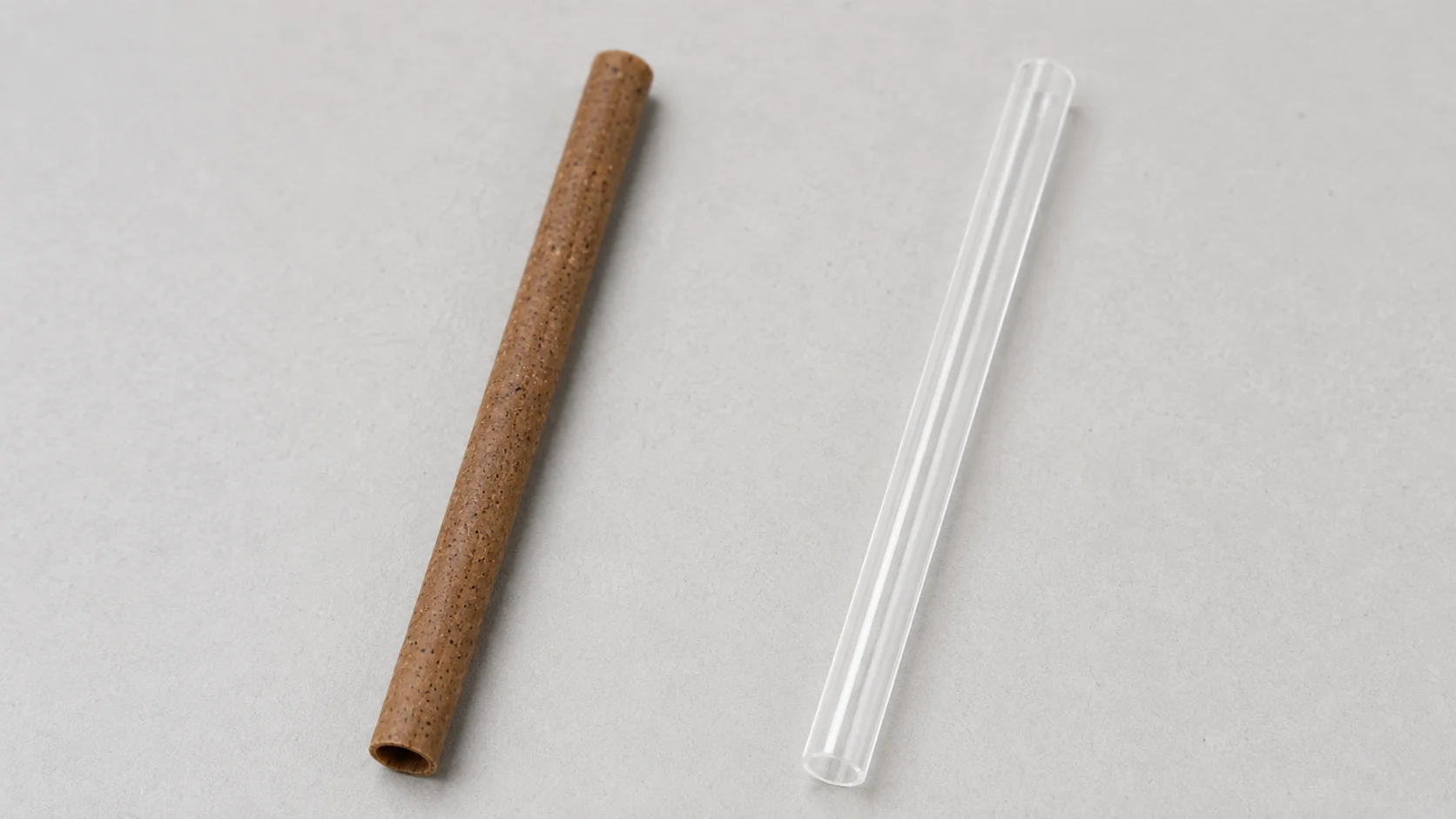
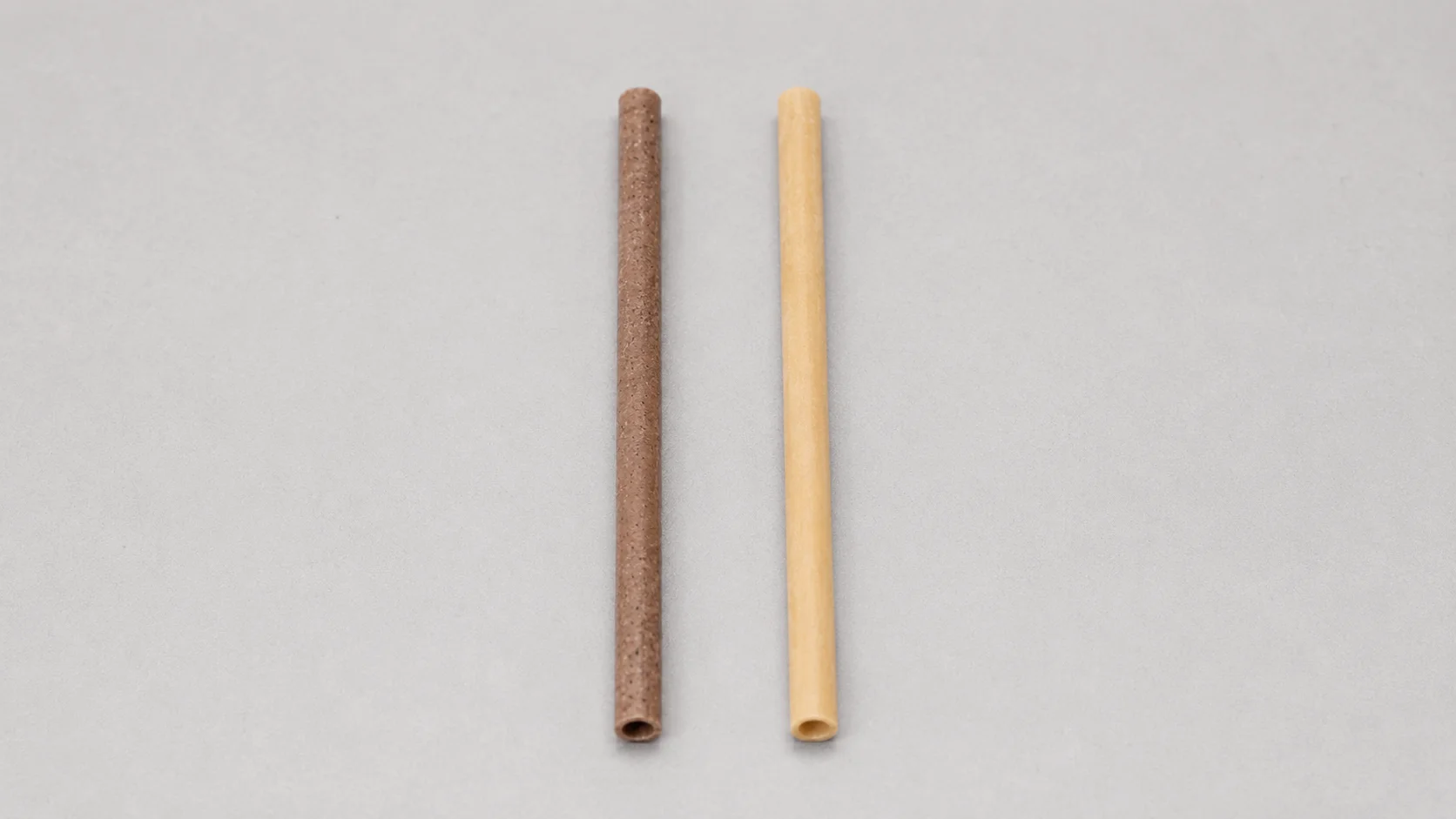
“ቡናማ ገለባ” የሚለው ቃል ለዚህ አዲስ ትውልድ ቀጣይነት ያለው አማራጭ አጭር መግለጫ ሆኖ ቀርቧል፣ ብዙውን ጊዜ ምድራዊ ቀለማቸውን ከተፈጥሯዊ ፣ያልተጣራ ስብስባቸው ይመነጫሉ። እነዚህ አጠቃላይ "ኢኮ-ተስማሚ" አማራጮች አይደሉም; ጥብቅ አፈጻጸምን እና የአካባቢ መመዘኛዎችን ለማሟላት የተነደፉ የተለያዩ የቁሳዊ ሳይንስ ፈጠራዎችን ይወክላሉ።
የዛሬውን ግንባር ቀደም ቡናማ ገለባ መፍትሄዎችን ወደሚያስችሉት ልዩ ጥንቅሮች እንመርምር፡-
- Sugarcane Fibers (Bagasse) & PLA Blends: እነዚህ ገለባዎች የግብርና ቆሻሻን (bagasse፣ ከሸንኮራ አገዳ የሚገኘውን ፋይብሮስ ቅሪት) ከPLA ጋር ያገባሉ፣ ይህም ጠንካራ፣ ለገበያ የሚበሰብሰውን ምርት ይፈጥራሉ። ለስላሳ እና ለስላሳ ሳይሆኑ ሙቅ እና ቀዝቃዛ መጠጦች ውስጥ ታማኝነትን በመጠበቅ ይታወቃሉ ፣ ይህም ጠንካራ እና ለስላሳ የተጠቃሚ ተሞክሮ ይሰጣል።
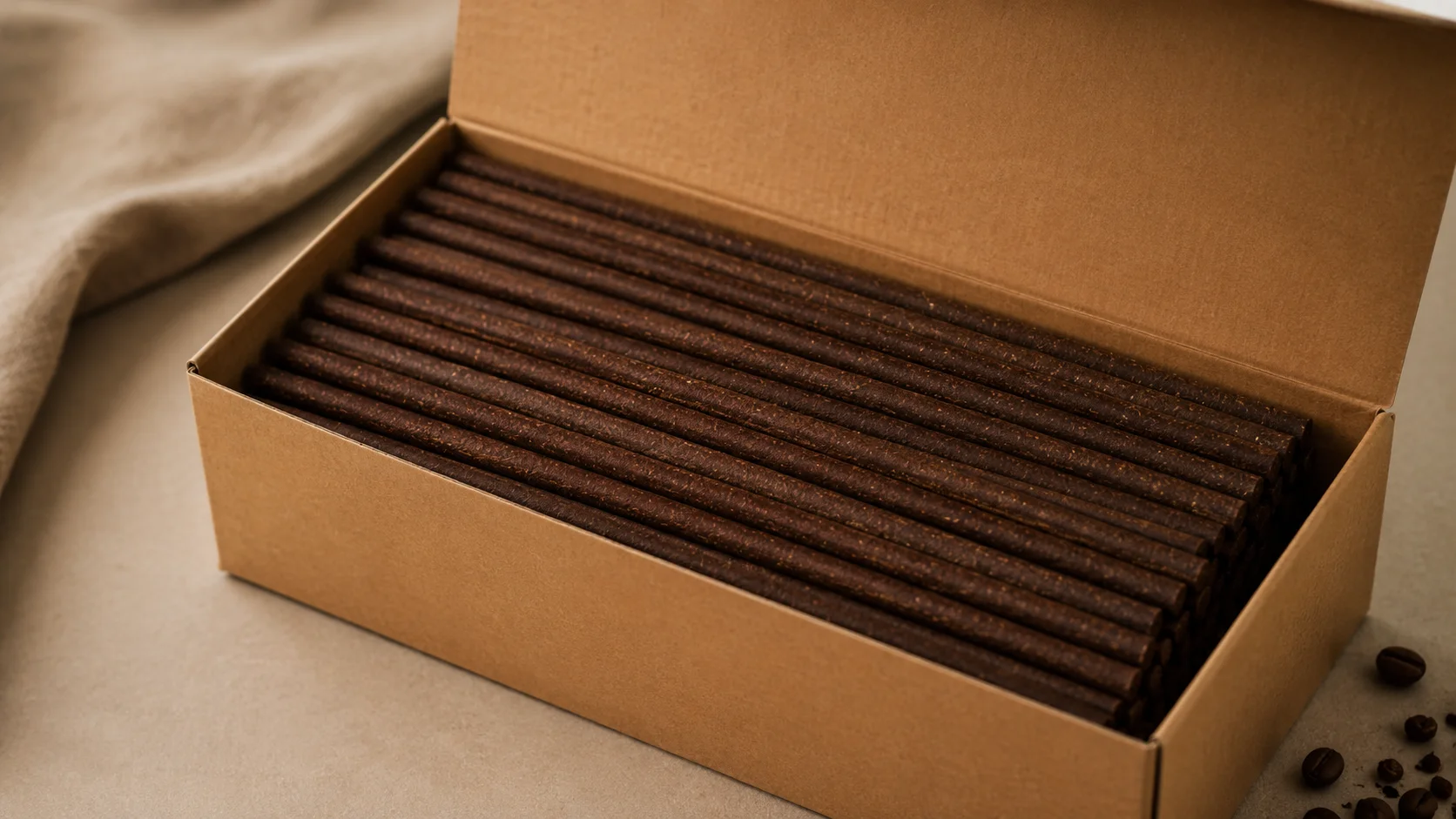
- Reprocessed Coffee Grounds & PLA: እውነተኛ ፈጠራ ያለው የብስክሌት አሰራር፣ እነዚህ ገለባዎች የቡና ቆሻሻን ከPLA ጋር ያዋህዳሉ። ከሸንኮራ አገዳ ውህዶች ጋር ተመሳሳይ ጥንካሬ እና ብስባሽነት ይሰጣሉ፣ ይህም ልዩ ሸካራነት እና ለሥነ-ምህዳር-ታወቁ ብራንዶች እና ልዩ ተቋማት ይግባኝ ይሰጣሉ።
- ክራፍት ብራውን ወረቀት; ክላሲክ፣ ተፈጥሯዊ ምርጫ፣ እነዚህ ገለባዎች በተለምዶ የሚሠሩት ከኤፍዲኤ ከተፈቀደ፣ የምግብ ደረጃ ክራፍት ወረቀት ነው። ብዙውን ጊዜ ቀለም-ነጻ እና መርዛማ-ነጻ, እነሱ 100% ባዮግራፊ እና ብስባሽ ናቸው. አንዳንድ ቀደምት ስሪቶች ከረዥም ጊዜ ጋር ሲታገሉ, ዘመናዊ የ kraft paper straws የተሻሻሉ ሽፋኖች (ለምሳሌ, ተፈጥሯዊ ንብ) የእርጥበት መቋቋምን ይጨምራሉ.
- Agave Fibers; ከቴኪላ እና ከሜዝካል ምርት የሚገኘውን የቆሻሻ ፋይበር መጠቀም አጋቭ ገለባ ጠንካራ ዘላቂ መፍትሄ ይሰጣል። አንዳንድ የአጋቭ ገለባዎች የመሬት ሙሌት-ሊበላሽ የሚችሉ፣ ከአንድ እስከ ሶስት አመት ባለው ጊዜ ውስጥ የሚበላሹ ናቸው፣ ይህም የህይወት መጨረሻን የሚስብ መገለጫ ነው።
- Wheat Straw & Rye Grass: እነዚህ በጣም ቀላሉን፣ በጣም ተፈጥሯዊ የሆነውን የገለባ ቅርጽ ይወክላሉ-ትክክለኛው የእፅዋት ግንድ። የስንዴ ገለባ፣ የመሰብሰብ ውጤት፣ በተፈጥሮው ቡናማ፣ ቀጭን እና ሙሉ በሙሉ ሊበላሽ የሚችል ነው። የአጃ ሳር ገለባ በታሪክ ታዋቂ ቢሆንም፣ ከረዥም ጊዜ ጥምቀት በኋላ እርጥብ ሊሆኑ ይችላሉ።
- Wood Pulp & Vinegar: ሌላው ባዮ-ተኮር ፈጠራ፣ እነዚህ ገለባዎች በሁለቱም ንጹህ ውሃ እና አፈር ውስጥ ሙሉ ለሙሉ ባዮዲድራዳዲቢሊቲ የተነደፉ ናቸው። እነሱ ብዙውን ጊዜ ከግሉተን-ነጻ እና ከ PFAS ወይም ከከባድ ብረቶች ነፃ ናቸው ፣ ይህም ሰፊ የአካባቢ ተፅእኖን ያነጣጠሩ ናቸው።
- ፖሊሃይድሮክሳይካኖት (PHA): እንደ ጫፉ ጫፍ በእጽዋት ላይ የተመሰረተ ቴርሞፕላስቲክ፣ PHA (ብዙውን ጊዜ ከተመረተው የካኖላ ዘይት ወይም የበቆሎ ስታርች የተገኘ) የሚቀጥለውን ትውልድ የሚበላሹ ቁሳቁሶችን ይወክላል። የ PHA ገለባዎች በሚያስደንቅ ሁኔታ እንደ ባህላዊ የፕላስቲክ ገለባ እንዲመስሉ እና እንዲሰማቸው የተነደፉ ናቸው፣ ይህም የላቀ ዘላቂነት እና የታወቀ የተጠቃሚ ተሞክሮ ለአካባቢ ተስማሚ እና ብዙ ጊዜ ከግሉተን-ነጻ ናቸው።
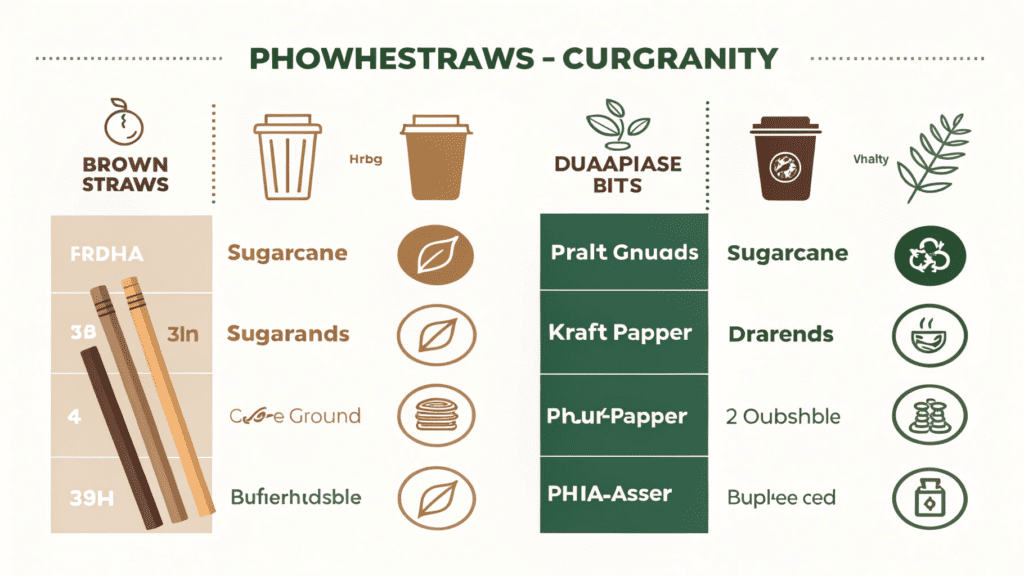
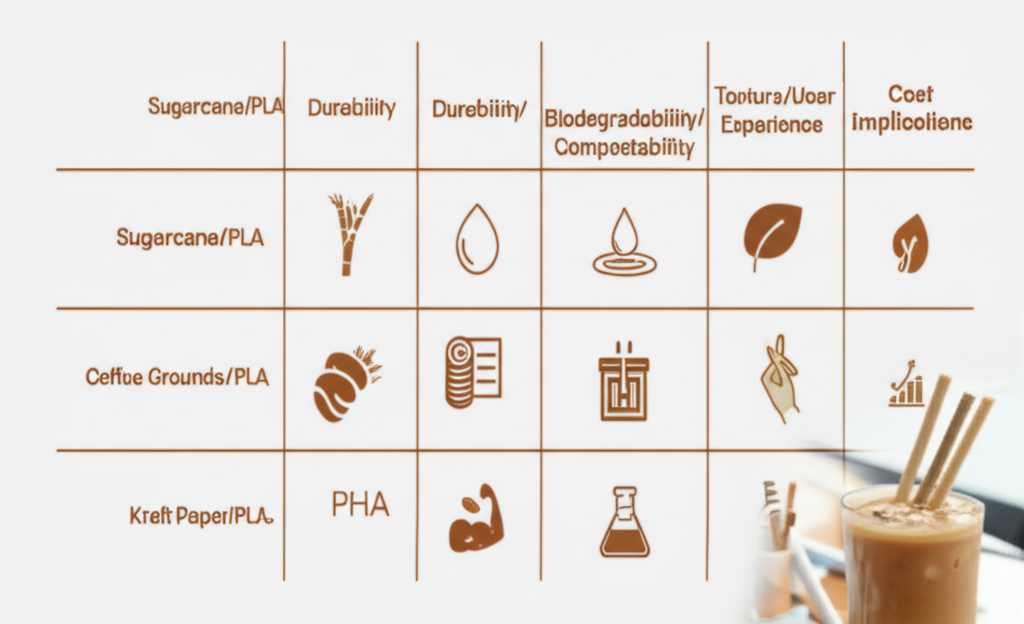
የግዥ ውሳኔውን ለማቃለል፣ ይህን አፈጻጸም እና ዘላቂነት ማትሪክስ ለታዋቂ ቡናማ ገለባ ቁሶች አስቡበት፡-
| የቁስ ዓይነት | ቁልፍ ቅንብር | በፈሳሽ ውስጥ ዘላቂነት (ሙቅ/ቀዝቃዛ) | ባዮዴራዳዴሽን / ብስባሽነት | ሸካራነት/የተጠቃሚ ልምድ | የወጪ እንድምታ (አንጻራዊ) | ተስማሚ መተግበሪያዎች |
|---|---|---|---|---|---|---|
| ሸንኮራ አገዳ/PLA | ባጋሴ፣ ፒኤልኤ | ከፍተኛ | የንግድ ኮምፖስትብል | ለስላሳ ፣ ጠንካራ | መካከለኛ-ከፍታ | ምግብ ቤቶች፣ ካፌዎች፣ ፈጣን አገልግሎት |
| የቡና ሜዳዎች/PLA | የቡና ሜዳ፣ PLA | ከፍተኛ | የንግድ ኮምፖስትብል | ልዩ ፣ ጠንካራ | መካከለኛ-ከፍታ | ልዩ የቡና መሸጫ ሱቆች፣ ኢኮ-ንቁ ብራንዶች |
| ክራፍት ወረቀት | ኤፍዲኤ የተፈቀደ ወረቀት | መጠነኛ (ማለስለስ ይችላል) | ሊበላሽ የሚችል፣ ሊበሰብስ የሚችል | ወረቀት መሰል | ዝቅተኛ-መካከለኛ | አጠቃላይ የምግብ አገልግሎት ፣ ዝግጅቶች |
| PHA | በእፅዋት ላይ የተመሰረተ ቴርሞፕላስቲክ | ከፍተኛ | ብስባሽ / ባዮግራድድ | እንደ ፕላስቲክ | ከፍተኛ | ከፍተኛ መጠን፣ ፕሪሚየም ብራንዶች፣ ዘላቂ ፍላጎቶች |
ለአንድ ጊዜ ጥቅም ላይ ከሚውሉ ፕላስቲኮች የራቀ ዓለም አቀፍ ምሰሶን በማንፀባረቅ ለሥነ-ምህዳር ተስማሚ የሆኑ ገለባዎች ገበያ ጉልህ በሆነ ሁኔታ ለመስፋፋት ተዘጋጅቷል። ትንበያዎች እንደሚያመለክቱት የአለም ኢኮ ተስማሚ የገለባ ገበያ እ.ኤ.አ. በ2025 ከ12.3 ቢሊዮን ዶላር በ2035 ወደ 25.1 ቢሊዮን ዶላር የሚጠጋ ፣ ይህም የ 7.3% ዓመታዊ የእድገት መጠን (CAGR) ያሳያል። የወረቀት ገለባዎች በአሁኑ ጊዜ በሰፊው ተቀባይነት እና የቁጥጥር ግፊቶች ምክንያት በባዮዲዳዳዴድ ክፍል ውስጥ ትልቁን የገበያ ድርሻ ሲይዙ ፣ እንደ ተብራሩት ያሉ ተክሎችን መሠረት ያደረጉ አማራጮች በፍጥነት መሬት እያገኙ ነው። እንደ Aardvark Straws፣ Bygreen፣ EQUO፣ Phade እና Earth Smart ያሉ መሪ ፈጣሪዎች በዚህ የዝግመተ ለውጥ ግንባር ቀደም ሆነው በምርምር እና ልማት ላይ ከፍተኛ መዋዕለ ንዋይ በማፍሰስ ያለፉትን ውስንነቶች ለመቅረፍ፣ ዘላቂነትን ለማጎልበት፣ የምርት ወጪን ለመቀነስ እና የህይወት መጨረሻ መፍትሄዎችን በማሻሻል በእውነት ቤት የሚበሰብሱ አማራጮችን እና የላቀ የውሃ መከላከያ ሽፋንን ጨምሮ። የቁጥጥር አካባቢው፣ በተለይም የአውሮፓ ህብረት ከPPWR ጋር ያለው ንቁ አቋም እና እየጨመረ ያለው የስቴት ደረጃ እገዳዎች በመላው ዩኤስ፣ ይህን ሽግግር በማፋጠን እና ዘላቂነት ያለው ምንጭ ኃላፊነት የሚሰማው የንግድ ገጽታ ለድርድር የማይቀርብ እንዲሆን በማድረግ እንደ ሃይለኛ ማበረታቻ ሆኖ ያገለግላል።
ተገዢነትን ከማሳካት ባለፈ፣ በስትራቴጂካዊ ቡናማ ገለባ መቀበል ለንግድዎ ትልቅ ጥቅም ይሰጣል።
በመጀመሪያ ደረጃ, በከፍተኛ ሁኔታ ይጨምራልየምርት ምስል እና የሸማቾች እምነት. ስራዎችዎን ከአካባቢያዊ እሴቶች ጋር ማመጣጠን እየጨመረ ካለው የስነ-ምህዳር-ንቃት የሸማቾች መሰረት ጋር በጥልቅ ያስተጋባል። ሁለተኛ, አንድ ኃይለኛ ይሰጣልተወዳዳሪ ልዩነት. በተጨናነቀ ገበያ ውስጥ፣ በአቅርቦት ሰንሰለትዎ በኩል ለዘለቄታው ያለውን ተጨባጭ ቁርጠኝነት ማሳየት እርስዎን ልዩ ያደርጋችኋል፣ አዳዲስ ደንበኞችን ይስባል እና እንደ ወደፊት አስተሳሰብ መሪ አቋምዎን ያጠናክራል። አንድ መላምታዊ ምሳሌን እንመልከት፡- “አረንጓዴ ቢትስ” የተባለ አንድ ትልቅ የአውሮፓ ሬስቶራንት ቡድን 500 ቦታዎችን በሙሉ ወደ ሸንኮራ አገዳ-ፋይበር ቡናማ ገለባ ተሸጋገረ። በስድስት ወራት ውስጥ፣ ከዘላቂነት ተነሳሽነት ጋር በተገናኘ የ15% አዎንታዊ የደንበኛ ግብረመልስ መጨመሩን እና በዒላማቸው የስነ ሕዝብ አወቃቀር መካከል 5% ከፍ ከፍ ማለቱን ሪፖርት አድርገዋል፣ ይህም በብራንድ እና በታችኛው መስመር ላይ ያለውን ቀጥተኛ ተጽእኖ አሳይቷል። በሶስተኛ ደረጃ ፣የተለያዩ ቁሳቁሶች ንፅፅርን መረዳቱ አስተዋፅኦ ያደርጋልየአሠራር ቅልጥፍና. የመደርደሪያውን ህይወት፣ የማከማቻ መስፈርቶችን እና ምርጥ አወጋገድ ዘዴዎችን ማወቅ ለእያንዳንዱ አይነት ቡናማ ገለባ እንከን የለሽ ውህደቱን አሁን ካለው የስራ ፍሰት እና የቆሻሻ አያያዝ ስርዓቶች ጋር መቀላቀልን ያረጋግጣል። በመጨረሻም፣ ከዕፅዋት የተቀመሙ ቡናማ ገለባዎችን በመምረጥ፣ ንግድዎ በንቃት አስተዋጽኦ ያደርጋል ሀክብ ኢኮኖሚውስን በሆኑ ቅሪተ አካላት ላይ ጥገኛነትን በመቀነስ፣ ብክነትን በመቀነስ እና ታዳሽ ሀብቶችን በመደገፍ የድርጅትዎን ማህበራዊ ሃላፊነት መገለጫ ያጠናክራል።

ብዙ ዘላቂ የሆኑ የገለባ አማራጮችን ማሰስ ለድርጅትዎ ልዩ ፍላጎቶች የተዘጋጀ ዘዴያዊ አካሄድን ይጠይቃል።
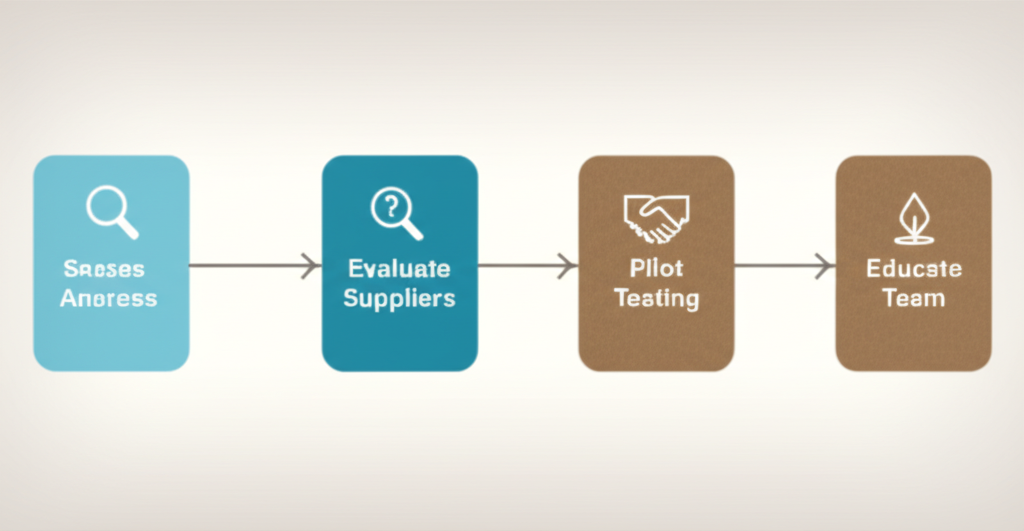
ቀጣዩ እርምጃዎ በመረጃ ላይ የተመሰረተ ውሳኔ አሰጣጥ እና ስልታዊ ትግበራ ላይ ማተኮር አለበት።
- የእርስዎን ልዩ ፍላጎቶች ይገምግሙ፡ የእርስዎን የአሠራር መስፈርቶች በመገምገም ይጀምሩ። የሚፈለገውን የገለባ መጠን፣ የሚቀርቡትን መጠጦች አይነት (ሙቅ/ቀዝቃዛ፣ ወፍራም/ቀጭን)፣ የሚፈለገውን የመደርደሪያ ህይወት እና በወሳኝ ሁኔታ አሁን ያለዎትን የቆሻሻ አያያዝ እና አወጋገድ አቅም ግምት ውስጥ ያስገቡ። ለኢንዱስትሪ ማዳበሪያ ፋሲሊቲዎች አሎት ወይንስ በቤት ውስጥ የሚበሰብሱ ወይም ሊበላሹ የሚችሉ አማራጮችን ይፈልጋሉ?
- የአቅርቦት አቅርቦቶችን ይገምግሙ፡- ከዋጋ በላይ ይመልከቱ። በቁሳቁስ አቅርቦት ላይ ግልጽነት የሚያቀርቡ፣ ተዛማጅ ሰርተፊኬቶች (ለምሳሌ BPI Compotable፣ FDA-approved፣ PFAS-free) እና ለሥነ ምግባራዊ የምርት ልምዶች ግልጽ ቁርጠኝነትን ለሚያሳዩ አቅራቢዎች ቅድሚያ ይስጧቸው። ከጥሬ ዕቃ እስከ ህይወት ፍጻሜ ድረስ ስለ ምርቶቻቸው ሙሉ የሕይወት ዑደት ይጠይቁ።
- የአብራሪ ሙከራ፡- ከሙሉ ልኬት በፊት፣ በስራዎ ውስጥ የተመረጡ የገለባ አማራጮችን አነስተኛ ሙከራዎችን ይተግብሩ። ይህ የገሃዱ ዓለም አፈጻጸምን ለመለካት፣ የተጠቃሚውን ልምድ በተለያዩ የመጠጥ ዓይነቶች ለመገምገም እና ያልተጠበቁ የአሠራር ተግዳሮቶችን ለመለየት ያስችላል። ከሁለቱም ሰራተኞችዎ እና ደንበኞችዎ ግብረመልስ ይሰብስቡ.
- ቡድንዎን እና ደንበኞችዎን ያስተምሩ፡- ግልጽነት ቁልፍ ነው። ሰራተኞችዎን በአዲሶቹ ገለባዎች ጥቅሞች፣ በአግባቡ አወጋገድ እና የደንበኛ ጥያቄዎችን እንዴት እንደሚፈቱ ያሠለጥኑ። ለዘለቄታው ያለዎትን ቁርጠኝነት ለደንበኞችዎ በመደብር ውስጥ በምልክት ምልክቶች፣ በምናሌ ማስታወሻዎች ወይም በዲጂታል ቻናሎች በኩል በግልፅ ያሳውቁ፣ ይህም የመረጡትን አወንታዊ የአካባቢ ተፅእኖ በማሳየት።
- ከባለሙያዎች ጋር ያማክሩ፡- ለተወሳሰቡ የአቅርቦት ሰንሰለቶች ወይም የተወሰኑ የቁጥጥር ተግዳሮቶች፣ ከዘላቂ የማሸጊያ አማካሪዎች ወይም ከኢንዱስትሪ ማህበራት ጋር መሳተፍን ያስቡበት። የእነርሱ እውቀታቸው ብጁ ምክሮችን ሊሰጥ፣ ጥሩ መፍትሄዎችን መለየት እና የግዥ ስልትዎ ጠንካራ እና ለወደፊት የተረጋገጠ መሆኑን ማረጋገጥ ይችላል።

የመጠጥ ገለባ ምርጫ ትንሽ ሊመስል ይችላል፣ ነገር ግን ከዘመናዊ ሸማቾች እና ተቆጣጣሪዎች ጋር በጥልቅ የሚስማማ ዘላቂነት ያለው ጉልህ ቁርጠኝነት ያንፀባርቃል። ስልታዊ፣ በመረጃ የተደገፈ ወደ የላቀ ቡናማ ገለባ መፍትሄ በማሸጋገር ንግድዎ የቁጥጥር ስጋቶችን ሊቀንስ፣ የአካባቢ አሻራውን በእጅጉ ሊቀንሰው እና የምርት እሴቱን ከፍ ሊያደርግ ይችላል። ይህ ንቁ አቋም በማደግ ላይ ካለው የስነ-ምህዳር ገበያ ትልቅ ድርሻ ለመያዝ፣ ወደ የረጅም ጊዜ ወጪ ቁጠባዎች፣ የተሻሻለ የደንበኛ ታማኝነት እና ጠንካራ የውድድር ቦታን ለመያዝ አሳማኝ እድል ይሰጣል። ጊዜ ያለፈባቸው ቁሳቁሶች ለቀጣይ ዘላቂነት ያለዎትን ቁርጠኝነት እንዲያዳክሙ አይፍቀዱ። መልካም ስምዎን ለማስጠበቅ እና አዲስ የእድገት እድሎችን ለመክፈት አሁኑኑ እርምጃ ይውሰዱ።
ምላሽ ሰጪነት ቅድመ እይታ
ይህ ገጽ ከተለያዩ የስክሪን መጠኖች ጋር እንዴት እንደሚስማማ ይመልከቱ።DesktopTabletMobile
ተደጋግሞ የሚነሱ ጥያቄዎች
ቡናማ ገለባዎች ከምን የተሠሩ ናቸው?
ቡናማ ገለባዎች በተለምዶ ከተለያዩ ኢኮ-ተስማሚ እና ባዮዲዳዳዴድ ቁሳቁሶች የተሠሩ ናቸው ከፕላስቲክ ሌላ አማራጭ። የተለመዱ ጥንቅሮች የሸንኮራ አገዳ ፋይበር (bagasse) ከPLA ጋር ተቀላቅለው፣ በድጋሚ የተሰራ የቡና እርሻ ከPLA፣ FDA የተፈቀደለት kraft paper፣ agave fibers፣ የስንዴ ገለባ፣ የእንጨት ብስባሽ እና ኮምጣጤ፣ እና እንደ PHA ያሉ የላቀ ተክል-ተኮር ቴርሞፕላስቲክን ያካትታሉ። እነዚህ ቁሳቁሶች ብዙውን ጊዜ ገለባዎቹ ተፈጥሯዊ ቡናማ ቀለማቸውን ይሰጣሉ.
ቡናማ ገለባ በእውነት ለአካባቢ ተስማሚ ናቸው?
አዎ፣ ቡናማ ገለባዎች በአጠቃላይ ከተለምዷዊ የፕላስቲክ ገለባዎች የበለጠ ለሥነ-ምህዳር ተስማሚ እንዲሆኑ የተነደፉ ናቸው። እነሱ ከታዳሽ ሀብቶች የተሠሩ እና የፕላስቲክ ብክነትን በመቀነስ ባዮዴግሬድ ወይም ብስባሽ ለማድረግ የታቀዱ ናቸው። ይሁን እንጂ እውነተኛ የአካባቢያቸው ተፅእኖ በእቃው ላይ የተመሰረተ ነው (አንዳንዶቹ የኢንዱስትሪ ማዳበሪያ ያስፈልጋቸዋል, ሌሎች በተፈጥሮ አከባቢዎች ባዮዲግሬድ) እና ትክክለኛ የማስወገጃ ዘዴዎች. ፈጠራዎች አፈጻጸማቸውን እና የባዮዲድራድድነታቸውን በተከታታይ እያሻሻሉ ነው።
ለ B2B ግዥ በተለያዩ ቡናማ ገለባ ቁሶች መካከል ያለው ቁልፍ ልዩነት ምንድን ነው?
ቁልፍ ልዩነቶቹ በስብሰባቸው፣ በሙቅ/ቀዝቃዛ ፈሳሾች ውስጥ የመቆየት ችሎታ፣ የተወሰኑ የባዮዲድራድቢሊቲ/የማዳበሪያ መስፈርቶች፣ ሸካራነት፣ አንጻራዊ ዋጋ እና ተስማሚ አፕሊኬሽኖች ናቸው። ለምሳሌ፣ ሸንኮራ አገዳ/PLA እና PHA ከፕላስቲክ ጋር የሚመሳሰል ከፍተኛ ጥንካሬ ይሰጣሉ፣ kraft paper ደግሞ ሊለሰልስ ይችላል። እንደ የስንዴ ገለባ ያሉ ቁሳቁሶች ሙሉ በሙሉ ሊበላሹ የሚችሉ ናቸው፣ ነገር ግን በPLA ላይ የተመሰረቱ ገለባዎች ብዙውን ጊዜ የንግድ ማዳበሪያ ፋሲሊቲዎችን ይፈልጋሉ። ንግዶች እነዚህን ነገሮች ከልዩ የስራ ፍላጎታቸው እና ከቆሻሻ አያያዝ አቅማቸው አንጻር መገምገም አለባቸው።
ደንቦች ዘላቂነት ያለው ገለባ ምርጫ ላይ ተጽእኖ የሚያሳድሩት እንዴት ነው?
እንደ የአውሮፓ ህብረት 2025 የማሸጊያ እና የማሸጊያ ቆሻሻ አያያዝ ደንብ (PPWR) እና በዩኤስኤ ውስጥ ያሉ የተለያዩ የስቴት ደረጃ እገዳዎች ነጠላ ጥቅም ላይ የሚውሉ ፕላስቲኮች ያሉ ከጊዜ ወደ ጊዜ እየጨመሩ ያሉ ህጎች የንግድ ድርጅቶች ወደ ዘላቂ የገለባ አማራጮች እንዲሸጋገሩ ዋና ነጂ ናቸው። አለመታዘዝ ወደ ከፍተኛ ቅጣቶች እና መልካም ስም መጥፋት ሊያስከትል ይችላል. እነዚህ ደንቦች የገበያውን ሽግግር እንደ ቡናማ ገለባ ያሉ ለአካባቢ ተስማሚ አማራጮችን ያፋጥኑታል፣ ይህም ዘላቂ ግዥን ለንግድ አስፈላጊ ያደርገዋል።
ለንግድ ስራ ወደ ቡናማ ገለባ መቀየር ምን ጥቅሞች አሉት?
ወደ ቡናማ ገለባ መቀየር በርካታ ስልታዊ ጥቅሞችን ይሰጣል፡ የተሻሻለ የምርት ስም ምስል እና የሸማቾች እምነት፣ በተጨናነቀ ገበያ ውስጥ ተወዳዳሪነት ያለው ልዩነት፣ በመረጃ በተደገፈ የቁሳቁስ ምርጫ የተሻሻለ የአሠራር ቅልጥፍና እና ለክብ ኢኮኖሚው ተጨባጭ አስተዋፅዖ። ይህ ሽግግር ለሥነ-ምህዳር ጠንቅቀው ለሚያውቁ ሸማቾች በሚስብበት ጊዜ የቁጥጥር እና መልካም ስም አደጋዎችን ለመቀነስ ይረዳል፣ ይህም የገበያ ድርሻ መጨመር እና የረጅም ጊዜ ወጪ ቆጣቢ ሊሆን ይችላል።