Decoding McDonald’s Straw Strategy: A B2B Guide to Biodegradable Packaging in Hospitality & Foodservice

A B2B Guide for Procurement, Operations, and Sustainability Leaders in Hospitality & Foodservice
የፕላስቲክ ብክለትን ለመግታት ያለው ዓለም አቀፋዊ አስፈላጊነት በየዘርፉ ላሉ ኢንተርፕራይዞች ወሳኝ ፈተና ሆኗል። በግዢ፣ ኦፕሬሽን እና የአቅርቦት ሰንሰለት አስተዳደር ውስጥ ለB2B ውሳኔ ሰጪዎችhospitality & foodservice industriesይህ የአካባቢ ተስማሚ ብቻ አይደለም; ከፍተኛ የስራ እና የንግድ ፈተናን ይወክላል። የቁጥጥር ግፊቶች፣ የሸማቾች ተስፋዎች እና ተጨባጭ ወጪዎች የቆሻሻ ጅረቶችን በአግባቡ አለመቆጣጠር የአቅርቦት ሰንሰለት ስልቶችን በመቅረጽ ላይ ናቸው። ታዋቂ የንግድ ምልክቶች፣ በከፍተኛ ክትትል፣ እራሳቸውን በዚህ ሽግግር ግንባር ቀደም ሆነው ያገኟቸዋል፣ ብዙውን ጊዜ ያልታወቁ ውሃዎችን ይጓዛሉ። ማክዶናልድ፣ ዓለም አቀፍ ፈጣን አገልግሎት ቤሄሞት፣ በዚህ የዘላቂነት ጉዞ ውስጥ አስገዳጅ፣ ውስብስብ ቢሆንም፣ የጉዳይ ጥናት ያቀርባል።
በሴፕቴምበር 2018 ማክዶናልድ ዩኬ እና አየርላንድ ወደ 1.8 ሚሊዮን የሚጠጋ ዕለታዊ የፕላስቲክ ገለባ በወረቀት አማራጮች እንዲተኩ በማድረግ ጉልህ የሆነ የአሠራር ለውጥ ጀመሩ። ይህ ውሳኔ በተናጥል አልተደረገም; ለከፍተኛ የህዝብ ግፊት ቀጥተኛ ምላሽ ነበር፣በተለይም ወደ ግማሽ ሚሊዮን የሚጠጉ ፊርማዎችን (Change.org፣ 2018) የሰበሰበ የህዝብ አቤቱታ፣ ከዩናይትድ ኪንግደም መንግስት ለጠቅላላ የፕላስቲክ እገዳዎች (DEFRA፣ 2018) እየቀረበ ካለው እቅድ ጋር ተዳምሮ። ይህ ስልታዊ ምሶሶ የማክዶናልድ አጠቃላይ የ"ስኬል ለበጎ" ተነሳሽነት የማዕዘን ድንጋይ፣ በ2025 በአለም አቀፍ ስራዎቹ 100% ዘላቂነት ያለው ማሸጊያን ያለመ ድፍረት የተሞላበት ቁርጠኝነት ፈጠረ (ማክዶናልድ ኮርፖሬት፣ 2018)። ምኞቱ ግልጽ ነበር፡ ለአካባቢ ጥበቃ አዲስ የኢንዱስትሪ መለኪያ ማዘጋጀት።
የመስተንግዶ እና የምግብ አገልግሎት ዘርፎች የማክዶናልድ ጉዞን ወሳኝ የመማሪያ ተሞክሮ በማድረግ ዘላቂ ልምዶችን እንዲወስዱ ከፍተኛ ጫና ይደርስባቸዋል።
ግሎባል ግፋ ለቀጣይ ገለባ፡ የማክዶናልድ የመጀመሪያ ፈረቃ
በዓለም ዙሪያ ያሉ የምርት ስሞች የአካባቢ ዱካቸውን በተለይም ነጠላ ጥቅም ላይ የሚውሉትን ፕላስቲኮችን በተመለከተ ከፍተኛ ጫና እያጋጠማቸው ነው። በየቦታው የሚገኝ የምቾት ምልክት የሆነው የፕላስቲክ ገለባ በቆሻሻ ማጠራቀሚያዎች እና ውቅያኖሶች ውስጥ በመስፋፋቱ ለአካባቢ ጥበቃ እንቅስቃሴ የመብረቅ ዘንግ ሆነ። ውስጥ ለትልቅ ኢንተርፕራይዞችመስተንግዶ እና የምግብ አገልግሎትእንቅስቃሴ-አልባነት ጉልህ የንግድ እና መልካም ስም አደጋዎችን ያስከትላል። ከዩናይትድ ኪንግደም ባሻገር፣ ማክዶናልድ ካናዳ፣ ለምሳሌ፣ በ2021 መገባደጃ ላይ ወደ ወረቀት ገለባ ተሸጋግሯል፣ አንድ ስትራቴጂያዊ እርምጃ በግምት 300 ቶን ፕላስቲክን ከስርዓታቸው ለማስወገድ ታቅዷል። እነዚህ ተነሳሽነቶች የበለጠ ለአካባቢ ተስማሚ ማሸጊያ መፍትሄዎች ሰፋ ያለ የኢንዱስትሪ እንቅስቃሴን ያንፀባርቃሉ።
ወረቀትን ማቀፍ፡ የአካባቢ ፍላጎት ከስራ እውነታ ጋር
ወደ ወረቀት ገለባ የተደረገው የመጀመሪያ ሽግግር ግልጽ በሆነ የአካባቢ ጥበቃ ትእዛዝ ላይ የተመሠረተ ነበር፡ የፕላስቲክ ብክነትን በእጅጉ ለመቀነስ እና የዱር አራዊትን ከብክለት ለመጠበቅ። ማክዶናልድ የወረቀት ገለባውን በኩራት ያገኘው እንደ ትራንስሴንድ ፓኬጅ እና ሁህታማኪ ካሉ አቅራቢዎች በFSC ከተመሰከረላቸው አቅራቢዎች ሲሆን ይህም ኃላፊነት ላለው የደን ልማት ያለውን ቁርጠኝነት በማጉላት ነው። በዩናይትድ ኪንግደም ቀደምት የደንበኞች ሙከራዎች አዎንታዊ ግብረመልሶችን እንዳገኙ ተዘግቧል። ይህ የመጀመሪያ ደረጃ የምርት ስም እርምጃ ከሕዝብ ስሜት ጋር በማጣጣም ረገድ ያለውን ኃይል አጽንዖት ሰጥቷል። ነገር ግን፣ ብዙ የB2B መሪዎች እንደሚረዱት፣ የማንኛውም የአሠራር ፈረቃ እውነተኛ ፈተና ከመጀመሪያው ሐሳብ ባሻገር፣ ውስብስብ በሆኑ የአፈጻጸም እውነታዎች እና የረጅም ጊዜ አዋጭነት ላይ ነው።

የመጀመሪያዎቹ ዘላቂ የማሸግ ጥረቶች፣ በደንብ የታሰቡ ቢሆኑም፣ በገሃዱ ዓለም መስተንግዶ አካባቢዎች ብዙውን ጊዜ ያልተጠበቁ የአሠራር ችግሮች ያጋጥሟቸዋል።
በዘላቂ እሽግ ውስጥ ያሉ ያልተጠበቁ እሾህዎች፡- የማክዶናልድ ባዮግራዳዳብልድ ገለባ ፈተና
በMcDonald's paper straws ዙሪያ ያለው ትረካ በኦገስት 2019 ላይ ያልተጠበቀ ለውጥ ወሰደ። ምንም እንኳን የመጀመሪያ አድናቆት ቢኖርም ማክዶናልድ በዩናይትድ ኪንግደም እና አየርላንድ ውስጥ ብዙ የተሰበከ የወረቀት ገለባ በእውነቱ በቀላሉ እንደገና ጥቅም ላይ ሊውል የማይችል መሆኑን አምኗል። ተግባራቸውን ለማሻሻል የታለመው የንድፍ ማሻሻያ - በመጠጦች ውስጥ መበታተንን ለመከላከል ውፍረት መጨመር - ለነባር የቆሻሻ መፍትሄ አቅራቢዎች በብቃት እንዳይሰሩ በጣም ጠንካራ አድርጓቸዋል. ይህ ማለት በሚያስገርም ሁኔታ እነዚህ "ኢኮ-ተስማሚ" አማራጮች ብዙውን ጊዜ ወደ አጠቃላይ የቆሻሻ ጅረቶች ይዛወራሉ, በተደጋጋሚ ጊዜ እንደገና ጥቅም ላይ ከመዋላቸው ይልቅ ወደ ማቃጠያ ተቋማት ይገቡ ነበር. ይህ ማክዶናልድ ቀደም ሲል “100 በመቶ እንደገና ጥቅም ላይ ሊውል ይችላል” ብሎ ከገለጸው እነሱ ከተተኩት የፕላስቲክ ገለባ ጋር በእጅጉ ተቃራኒ ነበር። ይህ መገለጥ በግዥ እና በኦፕሬሽን ቡድኖች ውስጥ ወሳኝ ፈተናን አስቀምጧልመስተንግዶ እና የምግብ አገልግሎትበቁሳዊ ሳይንስ፣ በቆሻሻ መሠረተ ልማት እና በታላቅ ዘላቂነት ይገባኛል ጥያቄዎች መካከል ያለው ብዙ ጊዜ የተወሳሰበ መስተጋብር።
Customer Experience & Brand Reputation: Beyond the Initial Switch
ከእንደገና ጥቅም ላይ ከዋለ ውዝግብ ባሻገር፣ የወረቀት ገለባዎች ተግባራዊ እውነታ በፍጥነት የደንበኞችን ቅሬታ በሰፊው ብቅ አለ። ሸማቾች ከመጠጥ መሃከል መበታተን ጀምሮ የማይፈለግ ጣዕም እስከ መስጠት ድረስ ያሉ ጉዳዮችን ሪፖርት አድርገዋል፣ በተለይም እንደ ወተት ሼክ ካሉ ወፍራም መጠጦች። ከ51,000 በላይ ፊርማዎችን የሰበሰበውን የፕላስቲክ ገለባ ወደነበረበት ለመመለስ በዩኬ ባቀረበው አቤቱታ ላይ ብስጭቱ በቀላሉ የሚታይ ነበር። ይህ ህዝባዊ ተቃውሞ ለB2B ውሳኔ ሰጪዎች ጠቃሚ ትምህርት አጽንኦት ሰጥቷል፡ የዘላቂነት ተነሳሽነቶች፣ ምንም እንኳን በደንብ የታሰቡ ቢሆኑም፣ ዋና የምርት ተግባራትን ወይም የደንበኛ ልምድን ማበላሸት የለባቸውም። በአካባቢ ጥቅም እና በተግባራዊ አጠቃቀም መካከል ያለው የንግድ ልውውጥ ለብራንድ ስም እና ለደንበኛ ታማኝነት ትልቅ ስጋት ፈጥሯል። ተመሳሳይ ፈረቃዎችን ለሚገመግሙ ኩባንያዎችሆቴሎች፣ ካፌዎች ወይም አየር መንገዶች፣ የ McDonald's ልምድ የአካባቢ ተፅእኖ ግምገማዎችን ብቻ ሳይሆን አጠቃላይ የተግባር ሙከራን እና ተጨባጭ የደንበኛ ጥበቃ አስተዳደርን አስፈላጊነት ያጎላል።
ለዘላቂነት የደንበኞችን ልምድ ማበላሸት በተወዳዳሪ የመስተንግዶ ገበያዎች የምርት ስም ስምን በእጅጉ ይጎዳል።
ውስብስብ ነገሮችን ማሰስ፡ ከ McDonald's Straw Journey ለB2B ግዥ የተወሰዱ ትምህርቶች
ማክዶናልድ የወረቀት ገለባውን እንደገና ጥቅም ላይ ማዋል ያለው ተግዳሮት “ሰፋ ያለ የኢንዱስትሪ ጉዳይ” መሆኑን አምኗል፣ ይህም በዋነኝነት አስፈላጊው የመልሶ ጥቅም ላይ ማዋል መሠረተ ልማት በመዘግየቱ ነው። ይህ ለ B2B ግዥ እና የአቅርቦት ሰንሰለት ሥራ አስፈፃሚዎች ወሳኝ አስፈላጊነትን ያጎላልመስተንግዶ እና የምግብ አገልግሎትእውነተኛ ዘላቂነት ከግዢው ቦታ በላይ ይዘልቃል. ከምርት የሕይወት ዑደቶች፣ ከጥሬ ዕቃ መፈልፈያ እስከ የመጨረሻው አወጋገድ ድረስ አጠቃላይ፣ ከጫፍ እስከ ጫፍ ያለውን አመለካከት ይፈልጋል። ኩባንያዎች ባለማወቅ አዲስ የቆሻሻ አያያዝ ችግሮችን ከመፍጠር ለመዳን "የህይወት መጨረሻ" መፍትሄዎችን ለ "ኢኮ ተስማሚ" አማራጮችን ጨምሮ ሙሉውን የእሴት ሰንሰለት መመርመር አለባቸው.
ዘላቂ የቁሳቁስ ሽግግሮች ተግባራዊ ተፅእኖዎች (የአቅርቦት ሰንሰለት ዘላቂነት)
ለግዢ ቡድኖች፣ የ McDonald's ጉዳይ በዘላቂ የቁሳቁስ ሽግግር ውስጥ ያሉ በርካታ ወሳኝ የአሰራር ተግዳሮቶችን አጉልቶ ያሳያል። በመጀመሪያ፣ የአዳዲስ ቁሳቁሶችን ትክክለኛ መልሶ ጥቅም ላይ ማዋል እና አወጋገድ መንገዶችን ማረጋገጥ ውስብስብ ስራ ነው፣ ከቆሻሻ አያያዝ አቅራቢዎች ጋር ከመጀመሪያዎቹ የቁሳቁስ ዲዛይን እና ምንጮች ጥልቅ ትብብርን የሚጠይቅ ነው። ያለዚህ አርቆ አሳቢነት፣ ግዥ ሳይታሰብ አረንጓዴ በሚመስል መልኩ፣ በአሠራር ዘላቂነት የሌላቸው መፍትሄዎችን ሊሰጥ ይችላል። በሁለተኛ ደረጃ፣ አዲስ የማሸጊያ አፈጻጸም ከሸማቾች የሚጠበቁትን ማሟላቱን ወይም ማለፉን ማረጋገጥ የምርት ስም ታማኝነትን ለመጠበቅ እና ውድ የደንበኞችን አገልግሎት ጉዳዮችን ለማስወገድ አስፈላጊ ነው። የወረቀት ገለባ መበታተን ተግባራዊነት ያለ ንግድ መዘዞች በዘላቂነት መሠዊያ ላይ ሊሠዋ እንደማይችል እንደ ትልቅ ማስታወሻ ሆኖ አገልግሏል። በመጨረሻም፣ ኩባንያዎች ጠንካራ የአቅርቦት ሰንሰለት ዘላቂነት ግምገማዎችን ማዳበር አለባቸው፣ ከቁሳዊ ማረጋገጫዎች ባለፈ አጠቃላይ የአዳዲስ መፍትሄዎችን አጠቃላይ ሥነ-ምህዳራዊ እና ተግባራዊ አሻራዎች መገምገም አለባቸው። እንደ ማክበር ያሉ የመታዘዝን ውስብስብ ነገሮች መረዳትሊበላሽ የሚችል ገለባ ማስመጣት ማክበር፣ እንከን የለሽ የገበያ መግቢያ እና በተለያዩ የቁጥጥር አካባቢዎች ለሚሰሩ ስራዎች ወሳኝ ነው።
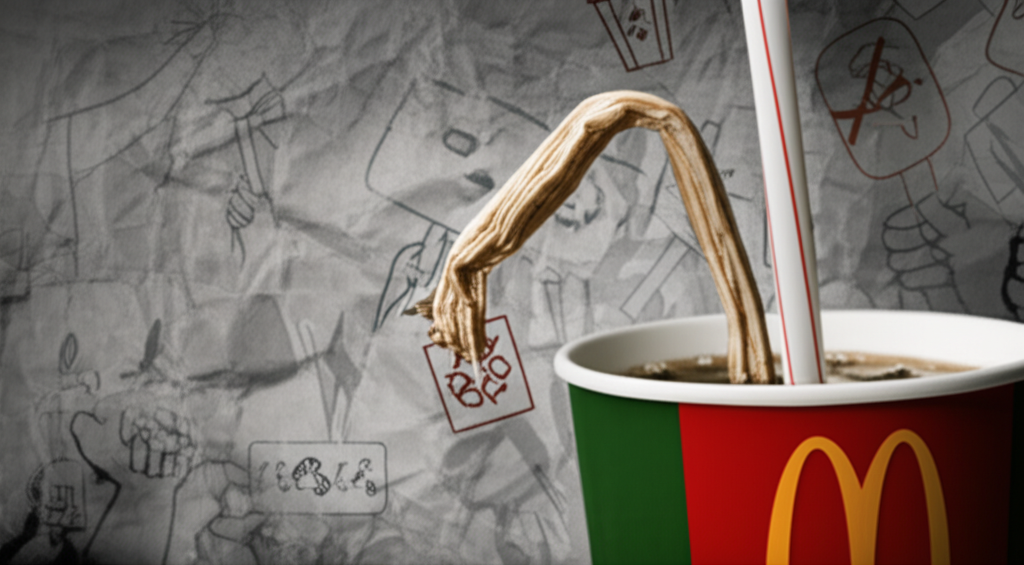
ሁለንተናዊ የአቅርቦት ሰንሰለት ምዘና ዘላቂነት ያለው ቁሳቁስ የአካባቢያዊ እና የተግባር ጥቅማጥቅሞችን ለማረጋገጥ በጣም አስፈላጊ ነው።
ስልታዊ ጠቀሜታዎች፡ የ McDonald's Biodegradable Straw ልምድ ንግዶችን ያስተምራል
የMcDonald's straw ጉዞ ለB2B ውሳኔ ሰጪዎች ከራሳቸው ዘላቂነት ሽግግር ጋር ለሚታገሉ በዋጋ ሊተመን የማይችል ስልታዊ ትምህርቶችን ይሰጣል። የአካባቢን ምኞቶች በተጨባጭ እውነታዎች እና በኢኮኖሚያዊ አዋጭነት የሚያስተካክል ሁለገብ አቀራረብ አስፈላጊነትን ያበራል.
በማደግ ላይ ያሉ ዘላቂ እሽግ መፍትሄዎች (የክብ ኢኮኖሚ ተነሳሽነት)
ማክዶናልድ በዘላቂነት ጥረቶቹ ውስጥ ቋሚ አይደለም። ኩባንያው ቀጣይነት ባለው መልኩ እያደገ የመጣውን የማሸጊያ ዘላቂነት ገጽታ ለመፍታት አዳዲስ ቁሳቁሶችን እና አቀራረቦችን ይመረምራል። ጉልህ ምሳሌ የሚሆነው በአንዳንድ ክልሎች የተሞከረውን እንደ ኮምፖስታብል ሴሉሎስ አሲቴት ገለባ ያሉ አዳዲስ ቁሶችን ማሰስ ነው። ይህ ለግዢ ቡድኖች ግልጽ የሆነ ወደፊት የሚሄድበትን መንገድ ያጎላልመስተንግዶ እና የምግብ አገልግሎትቀጣይነት ያለው ቁሳዊ ፈጠራ ወሳኝ ነው። በክብ ኢኮኖሚ ላይ ያለው ስትራቴጂያዊ ትኩረት በ McDonald's ግሎባል ማሸግ ግቦች በ 2025 ከዋና ዋና የእንግዳ ማሸግ 100% ታዳሽ፣ እንደገና ጥቅም ላይ ሊውሉ ወይም ከተረጋገጡ ምንጮች ላይ ያነጣጠረ ነው። በ2023 መገባደጃ ላይ፣ ኩባንያው ከዚህ ታላቅ ኢላማ 86.7 በመቶውን በማሳካት ከፍተኛ መሻሻል አሳይቷል። በተጨማሪም ማክዶናልድ የላስቲክ መጫወቻዎችን ከፍተኛ የአካባቢ ተፅእኖ በመገንዘብ በ Happy Meal መጫወቻዎች ውስጥ ድንግል ቅሪተ አካል ላይ የተመሰረቱ ፕላስቲኮችን በአስደናቂ ሁኔታ በ63.7% ለመቀነስ ከ2018 ጀምሮ በ2025 መጨረሻ ላይ 90% ቅናሽ ለማድረግ ግብ በማግኘቱ ማክዶናልድ አጥብቆ ሰርቷል።
ከገለባ ባሻገር፡ የማክዶናልድ ሰፊ ዘላቂነት ቁርጠኝነት
የገለባ ሳጋ፣ በጣም የሚታይ ቢሆንም፣ የማክዶናልድ ሰፊ ዘላቂነት አጀንዳ አንድ ገጽታ ብቻ ነው። በኖቬምበር 2019 የተጀመረው የ"Better M" እቅድ የፕላስቲክ አጠቃቀምን ለመቀነስ እና በመላው አውሮፓ እንደገና ጥቅም ላይ እንዲውል ለማድረግ ያላቸውን ቁርጠኝነት ያሳያል። የዚህ ተነሳሽነት ጉልህ ስኬት የፕላስቲክ ክዳን ከ McFlurrys መወገድ ነው, ይህም በየዓመቱ 1,200 ቶን ፕላስቲክ እንዲቆጥብ አድርጓል. ከቁሳዊ ምርጫዎች ባሻገር የመሰረተ ልማት ዝርጋታ ቁልፍ ነው። እ.ኤ.አ. በ 2023 ከ 88.3% በላይ የሚሆኑት የማክዶናልድ ምግብ ቤቶች የላቀ የቆሻሻ አያያዝ መሠረተ ልማት ባለባቸው ክልሎች ውስጥ የሚሰሩ የማክዶናልድ ሬስቶራንቶች እንደገና ጥቅም ላይ እንዲውሉ ወይም ለማሸግ አማራጮችን አቅርበዋል ። የኩባንያው ንቁ ተሳትፎ እንደ ReSource: Plastic እና Bioplastic Feedstock Alliance ባሉ የኢንዱስትሪ-አቀፍ ትብብርዎች ውስጥ ያለው ንቁ ተሳትፎ የስርዓት ተግዳሮቶች የጋራ የኢንዱስትሪ መፍትሄዎችን እንደሚያስፈልጋቸው እውቅና ይሰጣል።
ለዘላቂ የአቅርቦት ሰንሰለቶች ወደፊት የሚሄድ መንገድ
ወደ እውነተኛ ዘላቂነት ያለው የአቅርቦት ሰንሰለት ጉዞ ቀጣይነት ያለው እና ንቁ፣ ሊላመድ የሚችል ስትራቴጂ ይፈልጋል። ዘላቂ በሆኑ ቁሳቁሶች እና በቆሻሻ ማቀነባበሪያ ቴክኖሎጂዎች ውስጥ ቀጣይነት ያለው ፈጠራ በጣም አስፈላጊ ነው. የማክዶናልድ ጉዳይ ቁልጭ አድርጎ ያሳያል በእንደገና ጥቅም ላይ ማዋል እና ማዳበሪያ መሠረተ ልማት ላይ ያለ ተጓዳኝ እድገቶች፣ በጣም የታሰቡ የቁሳቁስ መቀየሪያዎች እንኳን ከአካባቢያዊ ግቦቻቸው በታች ሊወድቁ ይችላሉ። ይህ የጋራ የመሠረተ ልማት ተግዳሮቶችን ለመፍታት እና ክብ ኢኮኖሚን የሚደግፉ የፖሊሲ ለውጦችን ለመቅረፍ ኢንዱስትሪ አቀፍ ትብብርን ይጠይቃል። ዘላቂነትን እንደ ተገዢነት መስፈርት ብቻ ሳይሆን እንደ ዋና የንግድ ስራ ስትራቴጂ ማዋሃድ ጥልቅ የረጅም ጊዜ የውድድር ጥቅም ይሰጣል። በዚህ ቦታ የሚመሩ ንግዶች አደጋዎችን ከማቃለል በተጨማሪ አዳዲስ የገበያ እድሎችን ይከፍታሉ እና የምርት ስም እኩልነትን ያሳድጋሉ። የ ስልታዊ ምርጫለመስተንግዶ እና ለምግብ አገልግሎት የባህር ውስጥ ሊበላሹ የሚችሉ ገለባዎችኩባንያዎች በተለይም በባህር ዳርቻ ወይም ለአካባቢ ጥበቃ ጠንቃቃ በሆኑ ክልሎች ውስጥ አመራር ማሳየት የሚችሉበት አንዱ አካባቢ ነው።
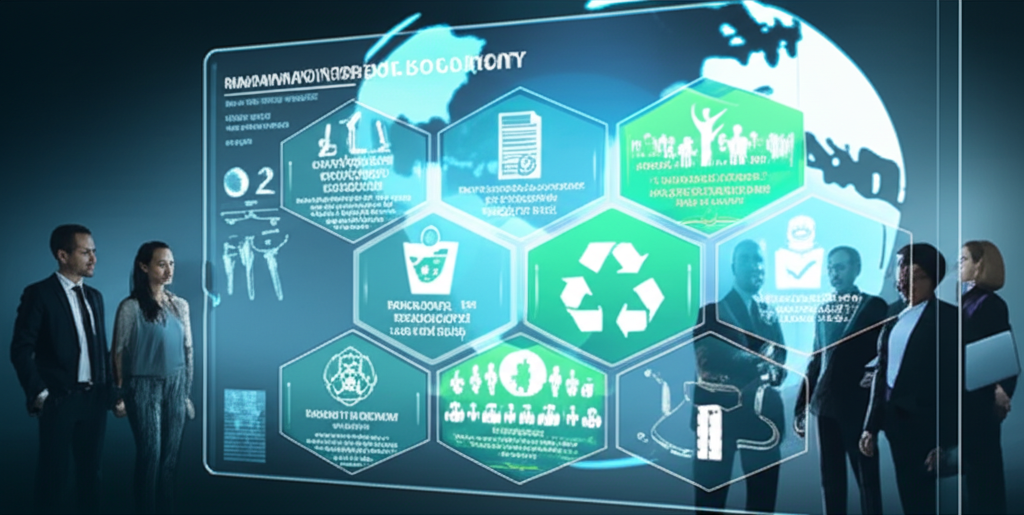
የክብ ኢኮኖሚ አቀራረብን መቀበል ለረጅም ጊዜ ዘላቂነት እና በእንግዶች አቅርቦት ሰንሰለቶች ውስጥ ተወዳዳሪ ጥቅም ለማግኘት ወሳኝ ነው።
Competitive Advantage & Business Case
ለግዢ አስተዳዳሪዎች፣ ኦፕሬሽን ዳይሬክተሮች እና ዘላቂነት ኦፊሰሮች በ ውስጥመስተንግዶ እና የምግብ አገልግሎት፣ የ McDonald's ልምድ ለዘላቂ ማሸጊያ የሚሆን አስገዳጅ የንግድ ሥራ ለመገንባት ግልጽ የሆነ ንድፍ ያቀርባል። ሊገመቱ የሚችሉ ጥቅማጥቅሞች ከአልትሪዝም በጣም የራቁ ናቸው፡-
- የአደጋ ቅነሳ፡ ዘላቂነት ያለው ማሸጊያን በንቃት መቀበል እንደ መጪው የፕላስቲክ እገዳዎች እና የተራዘመ የአምራች ሃላፊነት (EPR) ደንቦች ያሉ የቁጥጥር ስጋቶችን በእጅጉ ይቀንሳል፣ ይህም በመላው አውሮፓ ህብረት እና ሰሜን አሜሪካ እየጨመረ ነው። አለማክበር ከፍተኛ ቅጣቶችን እና የስራ መቋረጥን ሊያስከትል ይችላል። በተጨማሪም፣ እንደገና ጥቅም ላይ ሊውሉ በማይችሉ የወረቀት ገለባዎች ዙሪያ ካለው አሉታዊ ምላሽ ጋር እንደታየው፣ ከከባድ የምርት ስም መጥፋት እና የገበያ ድርሻን ሊሸረሽሩ ከሚችሉ የሸማቾች ቦይኮት ይከላከላል።
- የዋጋ ቁጠባዎች ለአዳዲስ እቃዎች ወይም መሰረተ ልማቶች የመጀመሪያ መዋዕለ ንዋይ ማፍሰስ ሊያስፈልግ ቢችልም, በእውነቱ ክብ ቅርጽ ያላቸው መፍትሄዎች በተቀነሰ የቆሻሻ አወጋገድ ክፍያዎች, በተመቻቸ ሎጂስቲክስ እና እንደገና ጥቅም ላይ ከዋሉ ቁሳቁሶች የገቢ ምንጮችን በመጠቀም የረጅም ጊዜ ወጪ ቆጣቢነትን ያስገኛል. ጥልቅ የአቅራቢዎችን ማጣራት እና የህይወት ዑደት ትንተናን ጨምሮ ጠንካራ የአቅርቦት ሰንሰለት ግልፅነት ኢንቬስትመንት እንዲሁም የረጅም ጊዜ የአደጋ አያያዝ እና ወጪ ማመቻቸት ወሳኝ አካል ሆኖ ያገለግላል።
- Brand Value Uplift & Market Share Opportunity: ለአካባቢ ጥበቃ እውነተኛ ቁርጠኝነትን የሚያሳዩ ኩባንያዎች ከጊዜ ወደ ጊዜ ሥነ ምህዳራዊ ጠንቃቃ ከሆኑ ሸማቾች እና ከ B2B ደንበኞች ጋር በጠንካራ ሁኔታ ያስተጋባሉ። ጥናቱ በተከታታይ እንደሚያሳየው ሸማቾች ለዘላቂ ምርቶች ፕሪሚየም ለመክፈል ፈቃደኞች መሆናቸውን እና ንግዶች በአጋርነታቸው ለESG (አካባቢያዊ፣ ማህበራዊ እና አስተዳደር) አፈፃፀም ቅድሚያ እየሰጡ ነው። ግልጽ፣ የተረጋገጠ ዘላቂነት ያለው የእሽግ ስልት የምርት ስምን ይለያል፣ የተገነዘበውን ዋጋ ያሳድጋል፣ እና የገበያ ድርሻን ከትንሽ ወደፊት ከሚያስቡ ተወዳዳሪዎች ይይዛል። ከሸማቾች ግንዛቤ ባሻገር፣ የተሻሻለ የESG ሪፖርት እና ተገቢ ትጋት የባለሀብቶችን መስፈርቶች ያሟላሉ፣ ይህም ተጨማሪ ካፒታል ሊስብ ይችላል።
- ተግባራዊ የመቋቋም ችሎታ; በላቁ የቆሻሻ አወጋገድ መፍትሄዎች ላይ መዋዕለ ንዋይ ማፍሰስ የበለጠ ተከላካይ የአቅርቦት ሰንሰለት ይገነባል፣ ለቁሳዊ እጥረት ተጋላጭነት ያነሰ፣ በቅሪተ አካል ነዳጅ ላይ የተመሰረተ የፕላስቲኮች የዋጋ ተለዋዋጭነት ወይም ድንገተኛ የቁጥጥር ለውጦች። ይህ የአሠራር ቅልጥፍና በተለዋዋጭ ዓለም አቀፍ ገበያ ውስጥ ጉልህ የሆነ ተወዳዳሪ ልዩነት ነው።
የማክዶናልድ ጉዞ እንደ ኃይለኛ ማሳሰቢያ ሆኖ የሚያገለግለው የ"ባዮዲዳዳዴድ" ወይም "ዘላቂ" እሽግ እውነተኛው ዋጋ በተጨባጭ የህይወት መጨረሻ መንገዱ እና በተጠቃሚዎች ዘንድ ባለው ተቀባይነት ላይ ነው። ለዘላቂ ማሸጊያዎች ሁሉን አቀፍ አቀራረብን ቅድሚያ የሚሰጡ ንግዶች የተቆጣጣሪዎችን እና የሸማቾችን ፍላጎት ብቻ ሳይሆን በፍጥነት በማደግ ላይ ባለው ገበያ ውስጥም ከፍተኛ የውድድር ደረጃ ያገኛሉ። ስለ ቁሳዊ አፈጻጸም ያላቸውን ግንዛቤ ለማሳደግ ለሚፈልጉ ሁሉን አቀፍ ማማከርብስባሽ እና ባዮግራዳዳድ ገለባ B2B መመሪያለተለየ የአሠራር አውድ ጥሩውን መፍትሔ ለመምረጥ በዋጋ ሊተመን የማይችል ግንዛቤዎችን መስጠት ይችላል።
ዘላቂነት ያለው ማሸግ የአደጋ ቅነሳን፣ ወጪ ቆጣቢነትን እና የተሻሻለ የምርት ስም ዋጋን ጨምሮ ከፍተኛ ተወዳዳሪ ጥቅሞችን ይሰጣል።
ማጠቃለያ
የማክዶናልድ በከፍተኛ ሁኔታ የሚታየው ወደ "ባዮዲዳዳዳድ" የወረቀት ገለባ ለውጥ ለ B2B ውሳኔ ሰጪዎች ኃይለኛ እና ባለ ብዙ ሽፋን የጉዳይ ጥናት ያቀርባልመስተንግዶ እና የምግብ አገልግሎት. በሚያስደንቅ የአካባቢ ግቦች እና ጉልህ የህዝብ ግፊት እየተመሩ፣ የድጋሚ ጥቅም ላይ ማዋል እና የደንበኛ እርካታ ተግባራዊ እውነታዎች ከፍተኛ መሰናክሎችን አቅርበዋል። ይህ ልምድ በማያሻማ መልኩ እውነተኛ ዘላቂነት ከቀላል የቁሳቁስ ምርጫ በላይ እንደሚዘልቅ፣ ስለ ምርቱ የህይወት ዑደት አጠቃላይ እይታን፣ ጠንካራ የቆሻሻ አወጋገድ መሠረተ ልማትን የሚጠይቅ እና በአሰራር ታማኝነት ላይ የማያወላውል ትኩረትን የሚጠይቅ መሆኑን በማያሻማ ሁኔታ አፅንዖት ይሰጣል። ከዚህ አለምአቀፍ የምርት ስም ጉዞ የተማሩት ትምህርቶች ውስብስብ የሆነውን ዘላቂ ማሸጊያዎችን ለመምራት ለሚተጉ ማንኛውም ድርጅት ወሳኝ ናቸው።
እውነተኛ ዘላቂነት የቁሳቁስ ምርጫን ከመሠረተ ልማት እና ከተግባራዊ እውነታዎች ጋር በማጣመር ሁለንተናዊ አቀራረብን ይጠይቃል።
ቀጣይነት ያለው የማሸጊያ ስትራቴጂዎን ለማሻሻል ዝግጁ ነዎት?
ይገምግሙየአሁኑ የማሸጊያ ስልቶችዎ እናመተባበርከኤክስፐርት አቅርቦት ሰንሰለት አጋሮች ጋር ሁለቱንም የአካባቢያዊ ግዴታዎች እና የፍጆታ ፍላጎቶችን የሚያሟሉ ክብ እና ጠንካራ መፍትሄዎችን ተግባራዊ ለማድረግ።ዛሬ ስልታዊ ምክክር ይጠይቁ
የማሸጊያ ስራዎችዎን ከቁጥጥር ለውጦች ጋር ወደፊት ያረጋግጡ እና የገበያ ቦታዎን ይጠብቁ።
ተዘውትረው የሚጠየቁ ጥያቄዎች (ተዘውትረው የሚጠየቁ ጥያቄዎች)
የ McDonald's ገለባዎች በእውነት በባዮሎጂ ሊበላሹ የሚችሉ ናቸው?
ለምን የማክዶናልድ ከፕላስቲክ ወደ ወረቀት ገለባ ተለወጠ?
የማክዶናልድ ከወረቀት ገለባ ጋር በመስተንግዶ መቼቶች ውስጥ ምን ተግዳሮቶች አጋጥመውታል?
የእንግዳ ተቀባይነት ንግዶች ተመሳሳይ የገለባ ዘላቂ ወጥመዶችን እንዴት ማስወገድ ይችላሉ?