A Critical Look for Procurement Managers, Operations Directors, and Sustainability Officers in Hospitality & Foodservice
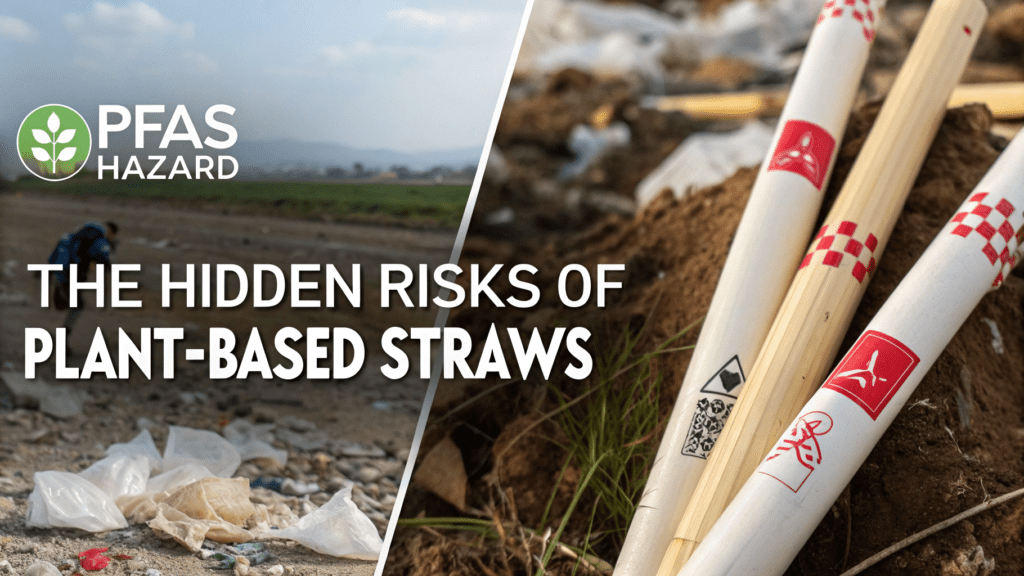
"ዘላቂ" ወደሚባሉ አማራጮች ዓለም አቀፋዊ ለውጥ የሸማቾችን ፍላጎት በማባባስ እና የአካባቢ ደንቦችን በማጥበቅ ተነሳስተው በእጽዋት ላይ የተመሰረቱ ገለባዎችን ወደ ትኩረት ትኩረት እንዲስቡ አድርጓል። ለ የግዥ አስተዳዳሪዎችበመስተንግዶ እና በምግብ አገልግሎት ኢንዱስትሪዎች ውስጥ የኦፕሬሽን ዳይሬክተሮች፣ የዘላቂነት ኦፊሰሮች እና የአቅርቦት ሰንሰለት አስፈፃሚዎች የእነዚህ “ኢኮ-ተስማሚ” አማራጮች ማራኪነት ብዙውን ጊዜ ውስብስብ እውነታን ይሸፍናል። መጀመሪያ ላይ ለፕላስቲክ ብክለት ቀላል መፍትሄ ሆኖ ሲታገል፣ ከዕፅዋት የተቀመሙ ገለባዎች እጅግ በጣም ብዙ የተደበቁ ፈተናዎችን እና ያልተጠበቁ ወጪዎችን ያስተዋውቃሉ። ይህ ጥልቅ መስመጥ በአቅርቦት ሰንሰለትዎ ውስጥ ያላቸውን ሚና እንደገና መገምገም የሚጠይቁትን ወሳኝ ችግሮችን ያሳያል፣ ይህም እውነተኛ ዘላቂነት ለድርጅትዎ ምን ማለት እንደሆነ እንደገና ይገልፃል።
በእጽዋት ላይ በተመሰረቱ ገለባዎች ውስጥ "ለዘላለም ኬሚካሎች" የተስፋፋው ስጋት
The promise of a greener future clashes with an alarming truth: many plant-based straws contain Per- and Polyfluoroalkyl Substances (PFAS) “ለዘላለም ኬሚካሎች” በመባል ይታወቃሉ። እነዚህ ውህዶች በውሃ መከላከያ ባህሪያቸው የተከበሩ ናቸው, ይህም ለወረቀት እና ለቀርከሃ ገለባ ተስማሚ የሚመስሉ ናቸው. ነገር ግን፣ የእነሱ ጽናት ጉልህ የሆነ የአካባቢ እና የጤና አደጋዎችን ያስከትላል፣ ይህም የምርት ስምዎን እና የታችኛው መስመርዎን በእጅጉ ሊጎዳ ይችላል።
በእጽዋት ላይ በተመሰረቱ ገለባዎች ውስጥ የ PFAS ብክለትን መፈተሽ
የቅርብ ጊዜ ምርምር የእነዚህ ምርቶች "አረንጓዴ" ማረጋገጫዎች ላይ ረዥም ጥላ ይጥላል. በ2021 የፍሎሪዳ ዩኒቨርሲቲ ሴሚናል ጥናት በ*Chemosphere* ውስጥ የታተመ፣ በቀጥታ ከአማዞን በተገኘ ከ36ቱ ባዮዴራዳዳዴብልብልብልብልቅ ከገለባ ብራንዶች ውስጥ ሊታወቅ የሚችል ፒኤፍኤኤስ አግኝቷል። ይህንን አሳሳቢነት የበለጠ የሚያጠናክረው፣ በ*Food Additives and Contaminants* ላይ የተደረገ አጠቃላይ የቤልጂየም ጥናት PFAS 90% የወረቀት ገለባ ብራንዶች እና 80% የቀርከሃ ገለባ ብራንዶች ላይ ተመርምሯል። እነዚህ ግኝቶች የሚያመለክቱት የስርዓት ጉዳይ እንጂ የተገለሉ ክስተቶች አይደሉም።
የ PFAS መጋለጥ የጤና አንድምታዎች በደንብ የተመዘገቡ እና ከባድ ናቸው። ብሔራዊ የጤና ተቋማት (እ.ኤ.አ.)NIH.gov) PFASን የታይሮይድ በሽታን፣ የጉበት መጎዳትን፣ የኮሌስትሮል መጠን መጨመርን፣ የኩላሊት ካንሰርን እና የዘር ካንሰርን ጨምሮ ከተለያዩ አሉታዊ ውጤቶች ጋር ያገናኛል። ከአንድ ገለባ የተናጠል መጋለጥ እዚህ ግባ የማይባል ቢመስልም እነዚህ ኬሚካሎች በጊዜ ሂደት በሰው አካል ውስጥ ይከማቻሉ፣ ይህም ለህብረተሰብ ጤና አሳሳቢነት እየጨመረ ለሚሄደው የኬሚካላዊ ሸክም አስተዋፅዖ ያበረክታሉ፣ እና በተጨማሪም የሸማቾች “ደህንነታቸው የተጠበቀ” ተብለው በሚታሰቡ ምርቶች ላይ እምነት አላቸው።
የቁጥጥር ቁጥጥር እና የግዥ ተገዢነት ስጋቶች
የ PFAS ኬሚካሎች ዘላቂ ተፈጥሮ በቀላሉ አይቀንሱም ፣ ይህም የረጅም ጊዜ የአካባቢ እና የሰዎች ጤና አደጋዎችን ያስከትላል። በአለም አቀፍ ደረጃ የቁጥጥር አካላት ከጊዜ ወደ ጊዜ እየጨመረ መጥቷል. ለምሳሌ፣ PFOA፣ የተለመደ የ PFAS አይነት፣ ከ2020 ጀምሮ በአለም አቀፍ ደረጃ ታግዷል በከባድ የአካባቢ እና የጤና ችግሮች። ይህ እየተሻሻለ የመጣው የቁጥጥር ገጽታ ለማንኛውም B2B አካል ተክል ላይ የተመሰረቱ አማራጮችን በማግኘቱ ምክንያት ጥብቅ የአቅርቦት ሰንሰለትን ያስገድዳል።
Beyond direct compliance fines, the association with “forever chemicals” can inflict irreparable damage on corporate sustainability image and consumer trust. In an era of heightened environmental awareness and corporate accountability, a greenwashing scandal or public outcry over PFAS contamination can erode brand value, alienate environmentally conscious customers, and lead to significant market share losses. Procurement leaders must recognize that the hidden cost of PFAS extends far beyond the unit price of a straw.

ብዙ ከዕፅዋት የተቀመሙ ገለባዎች ጎጂ PFAS “ለዘላለም ኬሚካሎች” ይይዛሉ፣ ይህም ለእንግዶች መስተንግዶ ንግዶች ጉልህ የሆነ የምርት ስም እና ተገዢነት አደጋዎችን ይፈጥራል።
የባዮዴድራድነት ቅዠት፡ ለምን በእፅዋት ላይ የተመሰረቱ ገለባዎች ሁልጊዜ አይጠፉም።
"በእፅዋት ላይ የተመሰረተ" የሚለው ቃል ብዙውን ጊዜ ያለ ምንም ጥረት ወደ ተፈጥሮ የመበስበስ ምስሎችን ያመጣል. ነገር ግን፣ ለብዙ እፅዋት ላይ የተመሰረቱ ገለባዎች፣ በተለይም ከፖሊላቲክ አሲድ (የተሰራ)PLA), this biodegradability is largely an illusion without specific, often unavailable, conditions.
The Industrial Composting Conundrum & Compostable Straw Challenges
እንደ የበቆሎ ወይም የሸንኮራ አገዳ ካሉ ከተመረቱ የእፅዋት ስታርችሎች የተገኙ የPLA ገለባዎች በእርግጥ ብስባሽ ናቸው - ነገር ግን በጣም ልዩ በሆነው ከፍተኛ ሙቀት ባለው የኢንዱስትሪ ማዳበሪያ ሁኔታዎች ውስጥ ብቻ ነው፣በተለምዶ ለብዙ ቀናት 140°F (60°C) የሙቀት መጠን የሚያስፈልገው፣ ከቁጥጥር ውጪ የሆነ ማይክሮባይት አካባቢ። እነዚህ ትክክለኛ መቼቶች ከሌሉ፣ በጥቂት የቆሻሻ አያያዝ ተቋማት ውስጥ የተለመደ፣ PLA ሊቀጥል ይችላል።
If PLA straws enter a landfill without industrial composting, they can linger for 100 to 1,000 years, slowly releasing potent methane gas, a greenhouse gas significantly more damaging than CO2. The infrastructure gap for effective bioplastic disposal is vast: according to the Sustainable Packaging Coalition, only about 15% of composting facilities in the U.S. accept bioplastics. This means the vast majority of “compostable” straws end up in landfills, negating their intended environmental benefit. The French Agency for Food, Environmental and Occupational Health & Safety (ANSES) has explicitly stated that biobased products may not degrade effectively in home compost and could even release pollutants, further complicating proper disposal.
የቁጥጥር አሻሚነት እና የቆሻሻ ፍሳሽ ብክለት
ግልጽ ያልሆኑ እና ብዙ ጊዜ አሳሳች መለያዎች እንደ "ባዮዲዳዳዳዴድ" ለኦፕሬሽን ቡድኖች እና ለዋና ሸማቾች ትልቅ ውዥንብር ይፈጥራል፣ ይህም ወደ የተሳሳተ የቆሻሻ አወጋገድ ይመራል። “ኮምፖስት” PLA ገለባዎች በባህላዊ የፕላስቲክ ሪሳይክል ማጠራቀሚያዎች ውስጥ በስህተት ሲቀመጡ፣ ብክለት ይሆናሉ፣ ይህም አጠቃላይ የመልሶ ጥቅም ላይ መዋልን ይጎዳል። PLA በኬሚካል ከተለመዱት ፔትሮሊየም ላይ ከተመሰረቱ ፕላስቲኮች የተለየ፣ ከነሱ ጋር እንደገና ጥቅም ላይ ሊውል አይችልም፣ ይህም አጠቃላይ የመልሶ ጥቅም ላይ መዋል ጥረቶችን የሚያደናቅፍ እና ለቆሻሻ አያያዝ የስራ ማስኬጃ ወጪዎችን ይጨምራል።
ይህ ፈተና ቀጥተኛ የፖሊሲ ምላሾችን አስገኝቷል። ለምሳሌ ፈረንሣይ በ2021 በአንድ ጊዜ ጥቅም ላይ የሚውሉ የፕላስቲክ መመሪያዎች (SUPD) ሕጉ አንዳንድ ሊጣሉ የሚችሉ ባዮ-ተኮር ገለባዎችን አግዳለች፣ ምክንያቱ በትክክል ያልተሟሉ መበላሸታቸው እና በባዮሎጂ የተደገፉ ቢሆኑም እንኳ ብክለትን የመልቀቅ አቅም ስላላቸው ነው። ይህ የቁጥጥር ቅድመ ሁኔታ በገሃዱ ዓለም በቆሻሻ ጅረቶች ውስጥ እንደ ማስታወቂያ በማይሰሩ ቁሳቁሶች ላይ የመተማመንን አደጋ ያጎላል።
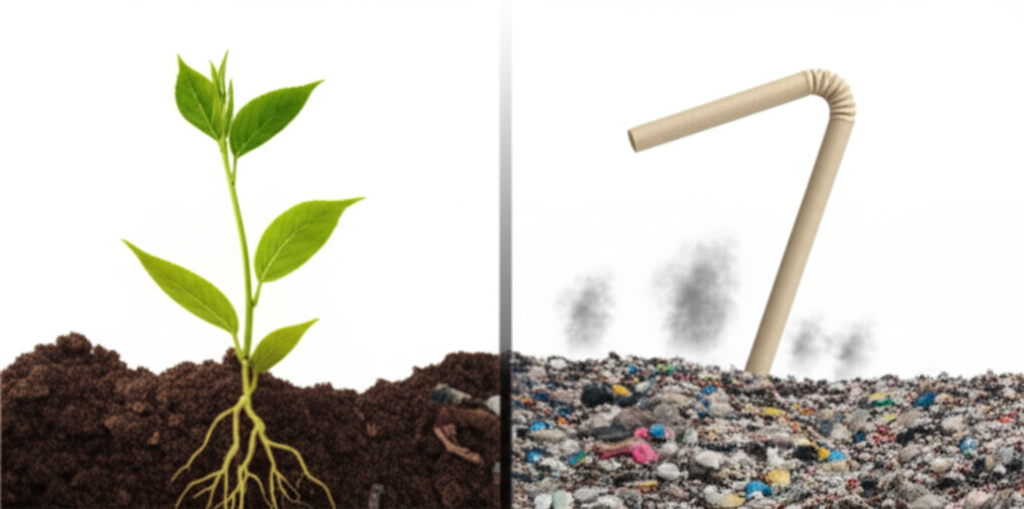
ብዙ "ኮምፖስት" በተክሎች ላይ የተመሰረቱ ገለባዎች የተወሰኑ የኢንዱስትሪ ተቋማትን ይፈልጋሉ, ብዙውን ጊዜ ወደ ቆሻሻ ማጠራቀሚያዎች እና እንደገና ጥቅም ላይ የሚውሉ ጅረቶችን ይበክላሉ.
Operational Hurdles & Customer Dissatisfaction with Plant-Based Straws
ከአካባቢያዊ እና ከቁጥጥር ጉዳዮች ባሻገር፣ ከዕፅዋት የተቀመሙ ገለባዎች ብዙውን ጊዜ በመሠረታዊ የአሠራር እና የደንበኛ ልምድ መለኪያዎች ላይ ይጎድላሉ፣ ይህም ለ B2B ኢንተርፕራይዞች በእንግዳ ተቀባይነት እና በምግብ አገልግሎት ላይ ተጨባጭ የንግድ ችግሮችን ይፈጥራል።
የአፈጻጸም ጉድለቶች የተጠቃሚውን ልምድ ላይ ተጽእኖ ያሳድራሉ
የደንበኛ እርካታ ከሁሉም በላይ ነው። እንደ አለመታደል ሆኖ በእጽዋት ላይ የተመሰረቱ ገለባዎች ብዙ ጊዜ ያዝናሉ። የወረቀት ገለባ በፍጥነት እንዲበላሽ፣ ረግረጋማ እና ጥቅም ላይ የማይውል፣በተለይ በሙቅ ወይም በአልኮል መጠጦች ውስጥ፣ ወደ አስፈሪው “አስፈሪ ሲፕ” ይመራል። ይህ በቀጥታ የተጠቃሚውን ልምድ ይነካል እና በመጠጥ አቅራቢው ላይ በደንብ ሊያንፀባርቅ ይችላል። የ PLA ገለባዎች፣ መጀመሪያ ላይ የበለጠ ረጅም ጊዜ የሚቆዩ ሲሆኑ፣ ብዙ ጊዜ ተሰባሪ፣ ለመሰባበር የተጋለጡ እና ስለታም አደገኛ ጠርዞችን ሊፈጥሩ ይችላሉ፣ ይህም የደህንነት ስጋት ይፈጥራል። በተጨማሪም፣ ብዙ ተጠቃሚዎች ያልተፈለገ “የወረቀት ጣዕም” ወይም የመጠጥ ጣዕሙን ስውር ለውጥ ያመለክታሉ፣ ይህም የመጠጡን ጥራት ይቀንሳል።
ለ B2B የአቅርቦት ሰንሰለት እና የወጪ አንድምታ
ወደ ተክል-ተኮር ገለባ የሚደረግ ሽግግርም ከፍተኛ የገንዘብ እና የሎጂስቲክስ አንድምታዎችን ይይዛል። ከባህላዊ የፕላስቲክ ገለባ ለመግዛት በአጠቃላይ በጣም ውድ ናቸው. ለምሳሌ፣ በእጽዋት ላይ የተመሰረተ የፕላስቲን ገለባ እያንዳንዳቸው ወደ $0.24 ሊፈጅ ይችላል፣ ይህም ለባህላዊ የፕላስቲክ ገለባ በግምት $0.052 ጋር ሲነጻጸር ከፍተኛ ጭማሪ ነው። ይህ ልዩነት በቀጥታ ትርፋማነትን ይነካል፣ በተለይም እንደ QSRs ወይም የሆቴል ሰንሰለቶች ከፍተኛ መጠን ላላቸው ስራዎች።
Scaling the production of consistent, high-performing plant-based alternatives remains a challenge for manufacturers, leading to potential supply chain instability. For operations directors, managing diverse material types (e.g., paper, PLA, various emerging bio-alternatives) adds layers of logistical complexity to inventory, storage, and waste segregation protocols, increasing operational overheads and the risk of mismanagement.
Plant-based straws often disappoint customers with sogginess or breakage, increasing costs and complicating supply chain management for businesses.
The Unseen Environmental Footprint of “Green” Plant-Based Straws
While marketed for their environmental benefits, the full lifecycle of plant-based straws reveals an often-overlooked ecological footprint that extends beyond just their disposal, impacting the broader hospitality supply chain.
Resource-Intensive Production and Chemical Leaching
The production of PLA bioplastics is inherently tied to agriculture, consuming significant land and water for crops like corn or sugarcane. This raises critical questions about food security, land use changes, and water resource depletion, especially in regions facing water stress. Similarly, the manufacturing of paper straws contributes to deforestation and demands substantial energy and water consumption, along with the use of chemical additives for wet strength and binding.
Moreover, the materials themselves are not inert. A January 2024 study in *Food Packaging and Shelf Life* revealed that 19 chemicals, including known endocrine disruptors, migrated from paper straws into soda samples, highlighting potential health and environmental risks during the product’s use phase. This chemical migration undermines the “natural” and “safe” perception often associated with plant-based products.
Microplastic Formation and Ecosystem Impact
በእጽዋት ላይ የተመሰረተ ገለባ በመጨረሻ ቢቀንስ እንኳን, ሂደቱ አሁንም የአካባቢን ጉዳት ሊያስከትል ይችላል. በትክክል ካልተቀቀለ "የሚበላሹ" ተክሎች-ተኮር ቁሳቁሶች ወደ ማይክሮፕላስቲክ ሊከፋፈሉ ይችላሉ. በኒዩ እና ሌሎች ምርምር. (2024) እንደሚያመለክተው PLA ከባህላዊ ፕላስቲክ ያነሱ ማይክሮፕላስቲኮችን ሊለቅ ቢችልም፣ የነዚህ የተንሰራፋ ቅንጣቶች መለቀቅ አሳሳቢ ሆኖ ይቆያል።
These microplastics, whether from conventional plastics or poorly degraded bio-materials, pose a significant threat to marine ecosystems. They are readily ingested by marine life, leading to bioaccumulation in the food chain, which can eventually impact human health. Furthermore, the degradation of PLA can increase environmental acidity, directly harming aquatic ecosystems and exacerbating existing environmental challenges.

Plant-based straws have a hidden environmental footprint, including resource-intensive production, chemical leaching, and microplastic formation.
Comparison Table: Evaluating Straw Alternatives for B2B
To make truly informed decisions, B2B leaders in hospitality and foodservice must weigh the operational, compliance, and financial implications of each straw alternative.
| ባህሪይ | B2B የሥራ አፈፃፀም ተፅእኖ | የማስታወሻ ማስታወሻ | ሮይ አቅም |
|---|---|---|---|
| ባህላዊ ፕላስቲክ | Low cost, high durability, established supply chain | Increasing regulatory bans (e.g., EU Single-Use Plastics Directive) | Negative: High environmental cost, potential for future regulatory fines |
| PLA Plant-Based | Moderate cost, durability issues, requires specific disposal | “Compostable” claims often require industrial facilities (ASTM D6400) | Moderate: Perceived sustainability, but high disposal costs if infrastructure lacking |
| ወረቀት | Moderate cost, poor wet strength, inconsistent taste | Risk of PFAS contamination (90% of brands per Belgian study) | Low: Frequent customer complaints, high consumption due to sogginess |
| እንደገና ጥቅም ላይ ሊውል የሚችል (ብረት/ብርጭቆ) | High initial cost, cleaning/storage logistics | High compliance for reusability, reduces waste | High: Long-term cost savings, strong brand sustainability image |
| Emerging Bio-alternatives | Variable performance, limited scalability, higher cost | Evolving standards; requires robust third-party certification (BPI, CMA) | High: Potential for true circularity, strong brand differentiation |
Evaluating straw alternatives requires weighing operational impact, compliance, and ROI, considering hidden costs and true sustainability.
Mini Case Study: The Restaurant Chain’s Sustainable Straw Pivot
በ2023 100% ከፕላስቲክ-ነጻ ስራዎችን ለማሳካት የሚያስችል ትልቅ የፈጣን አገልግሎት ሬስቶራንት (QSR) ሰንሰለት ስርዓትን ወደ ወረቀት ገለባ ከማሸጋገር ጀምሮ ታላቅ ጉዞ ጀምሯል። የመጀመርያው አላማ ከሸማቾች ከሚጠበቁት ዘላቂነት ጋር ማስማማት እና የፕላስቲክ ብክነትን መቀነስ ነበር።
However, the pivot quickly encountered unforeseen challenges. Within three months of the transition, the chain experienced a significant 15% decrease in positive beverage reviews, with consumer feedback overwhelmingly citing “soggy straws” and an unwelcome alteration to drink taste. This directly impacted customer satisfaction and loyalty. Operationally, the situation worsened. Customers frequently needed multiple soggy straws per drink, leading to an unforeseen increase in procurement volume and inflated expenses. Furthermore, the complexities of managing waste for “compostable” PLA cups and paper straws, which often ended up in general waste due to lack of industrial composting access, inflated overall operational expenses by an additional 10%.
The chain was forced into a strategic re-evaluation, acknowledging the gap between sustainable intent and practical execution. They are now actively exploring certified PFAS-free options and investing heavily in comprehensive consumer education campaigns on proper disposal to mitigate ongoing reputational and operational damage. This highlights a crucial lesson: “green” claims must be backed by real-world performance and disposal infrastructure.
A QSR chain’s shift to paper straws led to decreased satisfaction and increased costs, highlighting the need for practical sustainable solutions.
Navigating the Future: Strategic Alternatives to Problematic Plant-Based Straws
The complexities of current plant-based straw options necessitate a proactive, strategic approach for B2B leaders in hospitality and foodservice. The future of sustainable packaging lies not just in what materials are used, but how they are sourced, certified, and managed across their entire lifecycle.
Prioritizing Truly Sustainable Sourcing and Certification
For procurement and sustainability officers, the imperative is clear: demand transparency and rigorous third-party certifications. Insist on explicit PFAS-free certifications from suppliers. Verify industrial compostability claims with reputable certifications such as those from the Biodegradable Products Institute (BPI) or TÜV Austria’s “OK Compost” labels, ensuring products genuinely break down in appropriate facilities. Partner with manufacturers who offer full lifecycle transparency and provide third-party verified environmental impact data. Staying ahead of evolving global regulations, such as China’s GB/T 41008-2021 standards for biodegradable straws implemented in June 2022, is crucial for maintaining market access and avoiding future compliance headaches.
Embracing Reduction and Reusable Solutions
True sustainability often begins with reduction. Businesses should proactively encourage customers to “skip the straw” when unnecessary or to bring their own reusable options. For in-house dining settings, explore scalable reusable straw programs using durable, easy-to-clean materials like stainless steel or glass, focusing on robust cleaning and sanitization protocols. While initial investment and logistical adjustments are required, reusable solutions offer significant long-term cost savings and bolster a strong brand sustainability image. Furthermore, strategic investment in research and development for next-generation bio-based materials with proven, verifiable biodegradability in diverse environments will be key to unlocking genuinely eco-friendly single-use options.
Future sustainability demands transparent sourcing, third-party certifications, reduction strategies, and exploring reusable or truly biodegradable alternatives.
Conclusion: Rethinking “Green” for True Sustainability
The journey toward sustainable packaging is undeniably complex, and the narrative around plant-based straws, despite their well-intentioned origins, reveals significant challenges. For B2B decision-makers in procurement, operations, and supply chain within hospitality and foodservice, understanding the pervasive issues of PFAS contamination, the misleading nature of biodegradability claims, and the tangible operational impacts is paramount. This knowledge is not merely academic; it is critical to avoiding greenwashing, ensuring regulatory compliance, and safeguarding brand reputation.
True environmental responsibility and a future-proof supply chain demand materials that are genuinely eco-friendly, operationally efficient, and unequivocally safe. The time for a superficial embrace of “green” labels is over. It’s time for materials that deliver on their promise.
True sustainability requires moving beyond superficial “green” claims to genuinely eco-friendly, efficient, and safe supply chain solutions.
ተዘውትረው የሚጠየቁ ጥያቄዎች (ተዘውትረው የሚጠየቁ ጥያቄዎች)
Do plant-based straws contain ‘forever chemicals’ (PFAS)?
Yes, recent studies, including a 2023 Belgian study, found PFAS in up to 90% of paper and 80% of bamboo straw brands, posing environmental and health risks for hospitality operations.
Are ‘compostable’ plant-based straws truly biodegradable in all settings?
No, most plant-based straws like PLA require specific high-temperature industrial composting facilities to degrade, which are only available in about 15% of U.S. facilities, often ending up in landfills.
How do plant-based straws impact customer satisfaction in foodservice?
Paper straws often become soggy quickly, and PLA straws can be brittle or impart a ‘papery taste,’ leading to decreased beverage reviews and customer dissatisfaction in QSRs and cafes.
What are the hidden costs of switching to plant-based straws for B2B buyers?
Beyond higher unit costs (e.g., $0.24 for PLA vs. $0.052 for plastic), hidden costs include increased procurement due to sogginess, waste management complexities, and potential brand damage from greenwashing claims.
What sustainable alternatives should hospitality businesses consider instead of problematic plant-based straws?
Prioritize PFAS-free, third-party certified options, embrace reduction strategies like ‘skip the straw,’ and explore scalable reusable straw programs for in-house dining to ensure true sustainability.