APAC ን መጓዝ የ APAac Ward እገዳዎችን ማሰስ-ከአስመጪዎች ጋር ወደ ገበያው ለመቀጠል የሚያስችል ስልታዊ መመሪያ
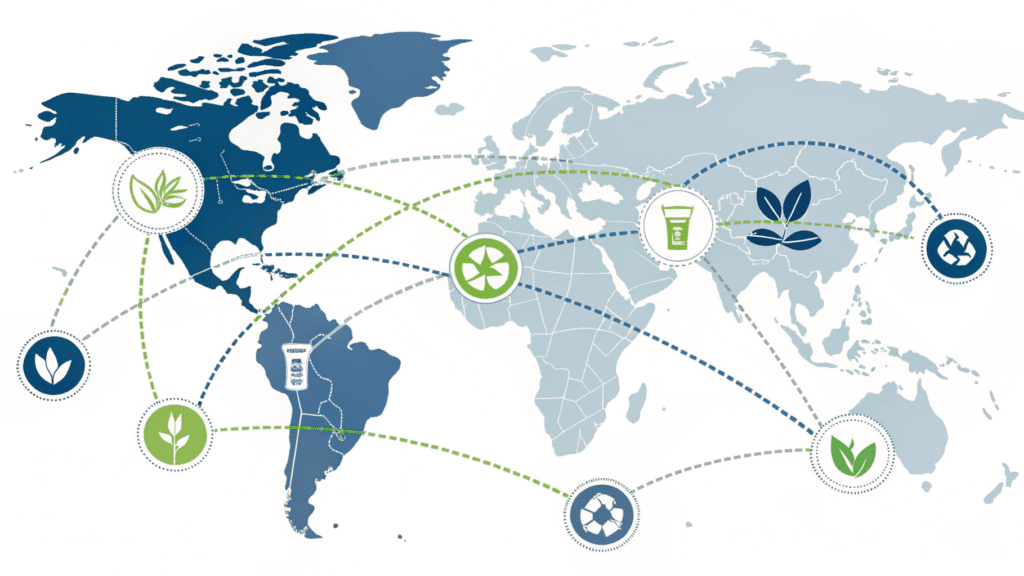
የኤዥያ-ፓሲፊክ (ኤፒኤሲ) ክልል በአካባቢ ጥበቃ ፖሊሲ እና በገበያ ዝግመተ ለውጥ ውስጥ ወሳኝ ወቅት ላይ ይገኛል። በአስቸኳይ ዓለም አቀፋዊ የፕላስቲክ ቀውስ በመመራት ፈጣን የቁጥጥር ምላሾች በAPAC ውስጥ እየተስፋፉ ነው፣ ነጠላ ጥቅም ላይ የሚውሉ የፕላስቲክ (SUP) እቃዎችን በቀጥታ ያነጣጠሩ፣ ገለባ እንደ ዋና ትኩረት። ይህ የሕግ አውጭ ዕድገት ከውጭ በሚገቡ ምርቶች ላይ ለሚመሠረቱ ንግዶች የገበያ ተለዋዋጭነትን በጥልቅ በመቅረጽ ላይ ነው፣ ይህም ትልቅ ፈተናዎችን እና ወደር የለሽ እድሎችን ይፈጥራል።
በ2021 ኤፒኤሲ ከግማሽ በላይ የሚሆነውን የዓለም የፕላስቲክ ቆሻሻ በማመንጨት በሚያስደንቅ ሁኔታ 200 ሚሊዮን ቶን የለውጡ አጣዳፊነት አይካድም። በየእለቱ ወደ 120,000 የሚጠጉ ግለሰቦች ወደ ከተማ ማእከላት የሚሰደዱበት ፈጣን የከተሞች መስፋፋት የከፋ የአካባቢ ሸክም ከፍተኛ የስራ እና የንግድ ተፅእኖ አለው። በ APAC ክልል ውስጥ ያለው የፕላስቲክ ብክለት ብቻ በዓመት 1.3 ቢሊዮን ዶላር በቱሪዝም፣ በአሳ ማጥመድ እና በማጓጓዣ ኢንዱስትሪዎች ላይ ለሚደርሰው ጉዳት ኢኮኖሚያዊ ወጪን እንደሚያመጣ ይገመታል። ለአስመጪዎች፣ ስለእነዚህ ፈረቃዎች ጥልቅ እና ንቁ ግንዛቤ ስለማክበር ብቻ አይደለም። የገበያ ድርሻን ለማስቀጠል፣ ትርፋማነትን ለመጠበቅ እና በፍጥነት በሚለዋወጥ የመሬት ገጽታ ላይ የማይበገር የአቅርቦት ሰንሰለት ለመገንባት ወሳኝ ነው።
በAPAC ውስጥ ያለው የመቀየሪያ ተቆጣጣሪ የመሬት ገጽታ፡ የAPAC ገለባ እገዳዎችን መንዳት
በAPAC ውስጥ ያሉ መንግስታት እና መንግሥታዊ ድርጅቶች ገለባ ጨምሮ ነጠላ ጥቅም ላይ የሚውሉ የፕላስቲክ ምርቶችን ለመከልከል ወይም ለመገደብ ጠንካራ ፖሊሲዎችን እና ዘመቻዎችን በንቃት በመተግበር ላይ ናቸው። ይህ የተንሰራፋ የህግ አውጭ ግፊት የአማራጭ እቃዎች ፍላጎት እየጨመረ ከመምጣቱ ጀርባ ያለው ቀዳሚ መሪ ሲሆን አስመጪዎች የእነርሱን ምንጭ እና የምርት ፖርትፎሊዮ በመሠረታዊነት እንዲገመግሙ ያስገድዳቸዋል. በወሳኝ ሁኔታ፣ ስለ ተወሰኑ የሀገር-ደረጃ ደንቦች እና ብዙ ጊዜ የሚተገበሩ ውጤታማ ቀናትን በጥንቃቄ ማወቅ የአቅርቦት ሰንሰለት መስተጓጎሎችን አስቀድሞ ለማስወገድ፣ ውድ ቅጣቶችን ለማስወገድ እና የተግባርን ቀጣይነት ለመጠበቅ በጣም አስፈላጊ ነው።
በAPAC ውስጥ ያለው የቁጥጥር ሂደት በዋና ዓለም አቀፍ ክስተቶች ጉልህ ተጽዕኖ አሳድሯል። እ.ኤ.አ. በ 2018 የተተገበረው የቻይና “ብሔራዊ ሰይፍ” ፖሊሲ ፕላስቲክን ጨምሮ 24 ዓይነት ደረቅ ቆሻሻዎችን ወደ ሀገር ውስጥ እንዳይገባ ከልክሏል። ይህ ከባድ እርምጃ በአለም አቀፍ ደረጃ ተስተጋብቷል፣ የፕላስቲክ ቆሻሻ ጅረቶችን ወደ ሌሎች ደቡብ ምስራቅ እስያ ሀገራት ማለትም ኢንዶኔዥያ፣ ማሌዥያ፣ ቬትናም፣ ህንድ፣ ታይዋን እና ታይላንድን በማዞር ነበር። ይህ ለውጥ፣ መጀመሪያ ላይ በእነዚህ ተቀባይ አገሮች በቂ መሠረተ ልማት ባለመኖሩ የአካባቢ ተግዳሮቶችን እየፈጠረ ሳለ፣ በመጨረሻ የራሳቸውን ጥብቅ የገቢ ቁጥጥር እና የአገር ውስጥ SUP እገዳዎችን እንዲያወጡ አነሳስቷቸዋል። ለምሳሌ፣ ታይላንድ እ.ኤ.አ. በ 2025 ወደ ሀገር ውስጥ የሚገቡ የፕላስቲክ ቁራጮች ላይ የተከማቸ እገዳ አቅዳለች፣ ይህም ፍፁም ክልከላ ላይ ያበቃል፣ ይህም አስመጪዎች የሀገር ውስጥ ወይም ታዛዥ ክልላዊ የአቅርቦት ሰንሰለቶችን መጠበቅ እንዳለባቸው የበለጠ አጽንኦት ይሰጣል።

ክልላዊ ሞመንተም፡ ከአንድ አጠቃቀም ፕላስቲኮች (SUPs) ባሻገር
በAPAC ውስጥ ያለው የቁጥጥር ግፊት ከፕላስቲክ ገለባዎች በጣም የተራዘመ ሲሆን ይህም ለአካባቢ ጥበቃ ሰፋ ያለ ቁርጠኝነት ያሳያል። ቁልፍ ሀገራት ትልቅ ግቦችን አውጥተው አጠቃላይ የድርጊት መርሃ ግብሮችን በመተግበር ላይ ይገኛሉ፡-
- ኢንዶኔዥያ እ.ኤ.አ. በ 2025 የባህር ውስጥ የፕላስቲክ ፍርስራሾችን በ 70% ለመቀነስ ያለመ ትልቅ ሀገራዊ የድርጊት መርሃ ግብር አለው ። ይህ ቁርጠኝነት በአካባቢያዊ ተነሳሽነት የተደገፈ ነው ፣ ለምሳሌ ጃካርታ የፕላስቲክ ከረጢቶችን መከልከሉ ፣ ይህም በ 2021 የፍጆታ ፍጆታ 42 በመቶ ቀንሷል።
- ቻይና እ.ኤ.አ. በ2021 መገባደጃ ላይ በሀገር አቀፍ ደረጃ በመመገቢያ ኢንዱስትሪው ውስጥ የሚጣሉ የፕላስቲክ ገለባዎችን መጠቀም የተከለከለ ሲሆን ሰፋ ያለ የፕላስቲክ እገዳው እስከ 2025 ድረስ በደረጃ መጀመሩን ቀጥሏል።
- ሕንድ እ.ኤ.አ. በ 2022 በሀገር አቀፍ ደረጃ ነጠላ ጥቅም ላይ የሚውሉ ፕላስቲኮች ላይ እገዳን ተግባራዊ አድርጓል። ይህ እርምጃ ከፍተኛ ለውጥ ፈጥሯል፣ በተለይም ዝቅተኛ ህዳግ እና አነስተኛ ጥቅል ለስላሳ መጠጦች የታዘዙ አማራጮች ዋጋ በመጨመሩ ምክንያት ትርፋማነትን ፈጥሯል።
- ማሌዥያ እ.ኤ.አ. በ 2018 የፕላስቲክ ገለባ እገዳ ጥሏል እና ከ 2018 እስከ 2030 ዜሮ ነጠላ ጥቅም ላይ የሚውል ፕላስቲክን ለማግኘት የሚያስችል አጠቃላይ ፍኖተ ካርታ አውጥቷል።
- የ ፊሊፕንሲ የተወካዮች ምክር ቤት ገለባ እና ማንቆርቆሪያን ጨምሮ በተለያዩ ነጠላ ጥቅም ላይ በሚውሉ የፕላስቲክ ምርቶች ላይ እገዳ አጽድቋል፣ ምንም እንኳን በዚህ ስያሜ ላይ የመንግስት ቀጥተኛ እርምጃ እስካሁን ሙሉ በሙሉ ተግባራዊ ባይሆንም ።
- ስንጋፖር phased out plastic straws from over 270 food and beverage (F&B) outlets by July 2019, with many businesses proactively removing them or providing them only upon request.
- ደቡብ ኮሪያ ከፕላስቲክ ገለባ እገዳው ጋር ተግዳሮቶች አጋጥመውታል፣ መንግሥት የማስታወቂያ ጊዜውን ላልተወሰነ ጊዜ በማራዘሙ፣ አማራጮች ላይ ኢንቨስት ያደረጉ የአገር ውስጥ የወረቀት ገለባ አምራቾች ላይ ተጽዕኖ ያሳድራል።
- የቬትናም በዘላቂ ፍጆታ እና ምርት ላይ ያለው ብሔራዊ የድርጊት መርሃ ግብር ለኢኮ ተስማሚ ማሸጊያዎችን በአቅርቦት ሰንሰለት ውስጥ በማዋሃድ፣ በአከፋፋዮች፣ ቸርቻሪዎች እና አቅራቢዎች መካከል ትብብርን በማጎልበት SUPsን በመገደብ ላይ ያተኮረ ነው።
እነዚህ ክልላዊ ተነሳሽነቶች ግልጽ የሆነ የማይቀለበስ አዝማሚያ ያሳያሉ፡ የፕላስቲክ ገለባ በፍጥነት በAPAC ገበያ ውስጥ ጊዜ ያለፈበት ምርት እየሆነ ነው፣ ይህም ለአስመጪዎች ንቁ መላመድ ስልታዊ ግዴታ ነው።
የተራዘመ የአምራች ሃላፊነት (EPR) መርሃግብሮች፡ የቁጥጥር አስፈላጊነት
ከተከለከሉ እገዳዎች ባሻገር፣ የተራዘመ የአምራች ኃላፊነት (EPR) እቅዶች በAPAC ላይ ጉልህ መነቃቃትን እያገኙ ነው፣ ይህም ቆሻሻን ለመጠቅለል የኮርፖሬት ተጠያቂነትን በመሠረታዊ መልኩ በመቅረጽ ላይ ነው። የEPR ዕቅዶች ኩባንያዎችን -የብራንድ ባለቤቶችን፣ ቸርቻሪዎችን፣ አከፋፋዮችን እና አስመጪዎችን ጨምሮ - ለምርታቸው እና ማሸጊያው የህይወት ዘመን አስተዳደር በገንዘብ ተጠያቂ ያደርጋሉ። በአውሮፓ እና አሜሪካ የተለመዱ ሲሆኑ፣ እነዚህ እቅዶች በAPAC ውስጥ በአንፃራዊነት አዲስ ሲሆኑ፣ የንግድ ድርጅቶች አመታዊ የማሸጊያ ፍጆታቸውን እንዲዘግቡ እና ብክነትን በኃላፊነት መያዙን እንዲያረጋግጡ ያስገድዳቸዋል፣ ብዙውን ጊዜ አስቀድሞ በተገለጹ የመቀነስ ግቦች። አለማክበር ከፍተኛ ቅጣት እና ህጋዊ መዘዝ ሊያስከትል ይችላል፣ ይህም ለአስመጪዎች ሌላ ውስብስብነት ይጨምራል።
በAPAC ውስጥ የሚታወቁ የ EPR እድገቶች የሚከተሉትን ያካትታሉ:
- ማሌዥያ በ2026 ሙሉ ትግበራ ታቅዶ ከበጎ ፍቃደኝነት ወደ አስገዳጅ የEPR ፖሊሲዎች እየተሸጋገረ ነው።
- የ ፊሊፕንሲ' እ.ኤ.አ. የ 2022 የኢፒአር ህግ ኩባንያዎች ከ 20% ጀምሮ እስከ ዲሴምበር 31 ቀን 2023 ድረስ እየጨመረ የመጣውን የፕላስቲክ ማሸጊያ ቆሻሻዎች በመቶኛ እንዲያገግሙ ያዛል እና በ 2028 መጨረሻ ወደ 80% ያድጋል።
- ስንጋፖር ከኤፕሪል 2025 ጀምሮ በቅድሚያ የታሸጉ የመጠጥ መያዣዎች (ፕላስቲክ እና ብረታ ብረት) የተቀማጭ ገንዘብ መመለሻ መርሃ ግብር ለማስተዋወቅ ተቀምጧል።
እነዚህ እየተሻሻሉ ያሉ የኢ.ፒ.አር ማዕቀፎች አስመጪዎች የሸቀጦችን ፍሰት ማስተዳደር ብቻ ሳይሆን አጠቃላይ የማሸጊያውን የህይወት ዑደት እንዲያጤኑ እና ወደ ዘላቂ ምንጭነት እና የምርት ዲዛይን እንዲገፉ ይጠይቃሉ።አስመጪዎች መስተጓጎልን ለማስወገድ እና የገበያ ድርሻን ለመጠበቅ የAPAC ደንቦችን አስቀድሞ መረዳት ወሳኝ ነው።
የገበያ ተለዋዋጭነት፡ ለምን ዘላቂ አማራጮች አስመጪዎች ወደፊት እንዲቀጥሉ ወሳኝ ናቸው
የፕላስቲክ ብክለትን በተመለከተ ጥብቅ ደንቦች እና የተገልጋዮች ግንዛቤ መጨመር ከዚህ በፊት ታይቶ የማይታወቅ በAPAC ውስጥ ለአካባቢ ተስማሚ ምርቶች ፍላጎት እየፈጠረ ነው። ይህ ለውጥ በጣም ጥሩ አዝማሚያ ብቻ አይደለም; ዋናው ክስተት ነው። አስደናቂው 80% ሸማቾች ለአካባቢ ተስማሚ የሆኑ ምርቶችን በንቃት ይመርጣሉ ፣ ይህም ዘላቂ ምንጭን ከCSR ተነሳሽነት ወደ ወሳኝ የገበያ ልዩነት ይለውጣል። የምግብ አገልግሎት፣ ተቋማዊ እና የቤተሰብ ሴክተሮች ዘላቂ አማራጮችን በፍጥነት እየወሰዱ ነው፣ ይህም ለነባር አስመጪዎች ይህንን ለውጥ ለመጠቀም እና ከፍተኛ የውድድር ጥቅም ለማግኘት ትልቅ እድል ይፈጥራል።
የኢኮ ተስማሚ ማሸጊያ ፍላጎት፡ የ$124.36 ቢሊዮን ዕድል
የዚህ ፈረቃ የኢኮኖሚ ደረጃ በጣም አስደናቂ ነው። የ APAC ኢኮ-ተስማሚ የማሸጊያ ገበያው በ2030 124.36 ቢሊዮን ዶላር ይደርሳል ተብሎ ይጠበቃል።ይህም እድገት በዚህ ሴክተር በዓለም አቀፍ ደረጃ በጣም ፈጣን እድገት ያለው ገበያ ሆኖ በመገኘቱ፣በሚጠበቀው CAGR 11.21% እ.ኤ.አ.
ይህንን ከፍተኛ ፍላጎት የሚያባብሱ ቁልፍ ነጂዎች የሚከተሉትን ያካትታሉ:
- ፈጣን የከተማ መስፋፋት; በየቀኑ ወደ 120,000 የሚጠጉ አዳዲስ የከተማ ነዋሪዎች ባሉበት፣ ጥቅጥቅ ያሉ የከተማ ማዕከሎች የፕላስቲክ ፍጆታ እና ቆሻሻን በማመንጨት በተመሳሳይ ጊዜ ምቹ እና ዘላቂነት ያለው የመጠቅለያ ፍላጎት እያሳደጉ ነው።
- የኢ-ኮሜርስ እድገት፡- ወደ 2030 በ12.89% CAGR እየፈጠነ ያለው የኢ-ኮሜርስ ዘርፍ፣ በማሸጊያ ላይ በእጅጉ የተመካ ነው። ይህ ከመጓጓዣ ጋር የተያያዙ ቆሻሻዎችን እና የካርበን ዱካዎችን ለመቀነስ ለቀላል፣ ቀልጣፋ እና ዘላቂ መፍትሄዎች ከፍተኛ ጫና ይፈጥራል።
- የድርጅት ዘላቂነት ግዴታዎች፡- ዋና ዋና ኮርፖሬሽኖች ዘላቂነትን ወደ ዋና ስልታቸው እየከተቱ ነው። ለምሳሌ፣ፔፕሲኮ በ2025 98% እንደገና ጥቅም ላይ ሊውል የሚችል፣ ብስባሽ ወይም እንደገና ጥቅም ላይ ሊውል የሚችል ማሸጊያን ይፈልጋል፣ ይህም አስመጪዎችን ጨምሮ ለአቅርቦት ሰንሰለት አጋሮቻቸው ግልጽ አቅጣጫ ያሳያል።
ይህ የምክንያቶች ውዥንብር ወደ ሥነ-ምህዳር-ተስማሚ ማሸጊያዎች የሚደረገው ጉዞ ጠንካራ፣ የረዥም ጊዜ የገበያ አዝማሚያ እንጂ ጊዜያዊ ፋሽን አለመሆኑን አጉልቶ ያሳያል።
ለዘላቂ የገለባ አማራጮች አስፈላጊነት
የፕላስቲክ ገለባዎች ሰፊ እገዳዎች ስለሚጋፈጡ አስመጪዎች ወደ ተለያዩ ዘላቂ አማራጮች ፖርትፎሊዮ ማምራት አለባቸው። እያንዳንዱ ቁሳቁስ ልዩ ጥቅሞችን እና ጥቅሞችን ይሰጣል-
- የወረቀት ጭነት የወረቀት ገለባ ገበያው በባዮዲዳዴራዳድነት እና በዋጋ ቆጣቢነቱ ምክንያት ለላቀ ዕድገት ታቅዷል። ፈጠራዎች የተለመዱ የሸማቾች ምርጫን በማስተናገድ መታጠፍ የሚችሉ አማራጮችን ያካትታሉ።
- ከዕፅዋት የተቀመሙ ገለባዎች (PLA፣ PHA): እንደ የበቆሎ ስታርች ወይም ሸንኮራ አገዳ ካሉ ታዳሽ ሀብቶች የተሰሩ እነዚህ ገለባዎች ባህላዊ የፕላስቲክ ስሜትን ይኮርጃሉ። ከ 2010 ጀምሮ በዓለም አቀፍ ደረጃ ባዮ-ተኮር ፕላስቲኮች በእጥፍ ጨምረዋል ፣ በ 2023 ከተመረቱት 2.18 ሚሊዮን ቶን ቶን ውስጥ ግማሽ ያህሉ ለማሸጊያነት ያገለግላሉ ። ነገር ግን፣ ብዙ የPLA አማራጮች ለትክክለኛው መበስበስ የኢንዱስትሪ ማዳበሪያ ፋሲሊቲዎችን ይፈልጋሉ፣ ይህም አሁንም በብዙ APAC ውስጥ የተገደበ ነው።
- እንደገና ጥቅም ላይ ሊውሉ የሚችሉ አማራጮች (ብረት፣ ብርጭቆ፣ ሲሊኮን) እነዚህ ለንግዶች ከፍተኛ የረጅም ጊዜ ወጪ ቁጠባ ያቀርባሉ እና በጣም ዘላቂ ናቸው። የብረት ገለባ (ለምሳሌ, አይዝጌ ብረት) ለማጽዳት ቀላል ነው, የሲሊኮን ገለባዎች ተለዋዋጭ እና ለልጆች ተስማሚ ናቸው.
- አዳዲስ ፈጠራዎች፡- ገበያው ለምግብነት የሚውሉ ገለባ (100% ከዕፅዋት የተቀመመ፣ ልዩ የሸማች ልምድን በማቅረብ)፣ የሳር ገለባ (ከስንዴ ተክል ግንድ፣ ርካሽ እና ባዮግራፊድ) እና የሳር ወይም የባህር አረም ገለባዎችን ጨምሮ በ"ከፍተኛ ማዳበሪያ" እና በባህር ውስጥ ሊበላሹ በሚችሉ አማራጮች ላይ አስደሳች እድገቶችን እያየ ነው።
አስመጪዎች እነዚህን አማራጮች በሚመርጡበት ጊዜ የአካባቢን ተፅእኖ፣ ኢኮኖሚያዊ አዋጭነት፣ ማህበራዊ ተቀባይነትን እና የተወሰኑ የክልል ቁጥጥር መስፈርቶችን ለባዮዴራዳላይዜሽን ወይም ለማዳበሪያነት በጥንቃቄ መገምገም አለባቸው።
ወጪ እና ጥራት እውነታዎች አስመጪ
ወደ ዘላቂ ገለባ የሚደረገው ሽግግር አስፈላጊ ቢሆንም፣ አስመጪዎች በጥንቃቄ ሊቆጣጠሩት ከሚገባቸው የተለየ ወጪ እና የጥራት እውነታዎች ጋር ይመጣል። ዘላቂነት ያለው ገለባ በተለምዶ ነውለማምረት 3-4 ጊዜ የበለጠ ውድከተለምዷዊ የፕላስቲክ መሰሎቻቸው ይልቅ. በህንድ የ2022 የሱፕ እገዳን ተከትሎ እንደታየው ይህ ከፍተኛ የዋጋ ጭማሪ እንደ ትናንሽ ማሸጊያዎች (ለምሳሌ 100-330ml ለስላሳ መጠጦች) ያሉ ዝቅተኛ ህዳግ እና ከፍተኛ መጠን ያላቸውን ምርቶች በተመጣጣኝ ሁኔታ ሊጎዳ ይችላል።
ከዋጋ ባሻገር አፈጻጸም ወሳኝ ነገር ነው። ቀደምት ትውልዶች ለምሳሌ የወረቀት ገለባዎች ብዙውን ጊዜ የመቆየት ችግር ይደርስባቸው ነበር, ከ 70% እስከ 90% የሚሆነውን የመጭመቂያ ጥንካሬያቸውን ከ 30 ደቂቃዎች ባነሰ ፈሳሽ ውስጥ በማጣት እና 30% የሚሆነውን ክብደታቸውን ይወስዳሉ. እንደነዚህ ያሉ የአፈፃፀም ውስንነቶች አሉታዊ የደንበኞችን ልምድ እና የፍጆታ መጠንን ይጨምራሉ. ነገር ግን፣ የውሃ መከላከያ ሽፋን፣ የቁሳቁስ ውህደቶች እና ዘላቂ ዲዛይኖች መሻሻሎች ያለማቋረጥ ተግባራዊነት እና የስነ-ምህዳር-ተስማሚ አማራጮችን ግምት ውስጥ በማስገባት ቀደም ሲል የጥራት ስጋቶችን በመቀነስ ላይ ናቸው። ሰፊ ጉዲፈቻ እና የደንበኛ እርካታን ለማረጋገጥ አስመጪዎች የወጪ-ተወዳዳሪነትን እና የምርት ጥራትን እና አፈጻጸምን ከመጠበቅ ጋር ማመጣጠን አለባቸው።አስመጪዎች እየጨመረ ያለውን ፍላጎት ለማሟላት እና ተወዳዳሪ ጥቅም ለማግኘት ዘላቂ አማራጮች ወሳኝ ናቸው።
አስመጪዎች የAPAC ገለባ እገዳዎችን ለማሰስ ስልታዊ ጠቀሜታዎች
በማደግ ላይ ባለው የኤፒኤሲ ገለባ እገዳዎች መካከል ለመበልጸግ፣ ስኬታማ አስመጪዎች ከመታዘዝ ባለፈ በንቃት ከቁጥጥር ለውጦች እና ከሸማቾች ምርጫዎች ጋር መላመድ አለባቸው። ጠንካራ፣ የተለያዩ የአቅርቦት ሰንሰለቶችን መገንባት እና የክብ ኢኮኖሚ መርሆዎችን መቀበል አማራጭ ሳይሆን ለረጅም ጊዜ ስኬት እና ተወዳዳሪ ጥቅም ወሳኝ ነው።
የአቅርቦት ሰንሰለት የመቋቋም አቅም እና ልዩነት
እንደ ኮቪድ-19 ወረርሽኝ ባሉ ዓለም አቀፍ መስተጓጎሎች የተጋለጡት ተጋላጭነቶች ለጠንካራ የአቅርቦት ሰንሰለት የመቋቋም አስፈላጊነት አጽንኦት ሰጥተዋል። በAPAC ውስጥ ላሉ አስመጪዎች፣ ይህ ወደ ስልታዊ ማስተካከያዎች ይተረጎማል፡-
- የአካባቢ ምንጭ፡ በአንድ ሀገር ወይም ክልል ውስጥ ያሉ ምንጮችን ቅድሚያ መስጠት ሽርክናዎችን ያጠናክራል ፣ የመሪነት ጊዜን ይቀንሳል እና ከአለም አቀፍ የንግድ ውስብስብ ችግሮች ጋር ተያይዘው የሚመጡ አደጋዎችን ይቀንሳል ፣ ያልተጠበቁ የማስመጣት እገዳዎችን ጨምሮ። ለምሳሌ፣ ታይላንድ በ2025 ወደ ሀገር ውስጥ የሚገቡ የፕላስቲክ ቁራጮች ላይ የተራዘመ እገዳ ተጨማሪ የሀገር ውስጥ ወይም ክልላዊ ታዛዥ ዘላቂ ምርት አስፈላጊነትን ያጎላል።
- የአቅርቦት ምንጮችን ይለያዩ፡ በነጠላ የውድቀት ነጥቦች ላይ ያለውን ጥገኝነት ለመቀነስ ወይም በፍጥነት የሚለዋወጡ ደንቦች ባሉባቸው ክልሎች፣ አስመጪዎች በጠንካራ እና ዘላቂ ዘላቂ ምርት የሚታወቁ በርካታ ክልሎችን በማካተት የአቅርቦት ምንጫቸውን በስትራቴጂ ማባዛት አለባቸው።
- ከዋጋ ሰንሰለቱ ባሻገር ይተባበሩ፡ ከአምራቾች፣ ከጥሬ ዕቃ አቅራቢዎች እና ከቆሻሻ አያያዝ ኩባንያዎች ጋር በዋጋ ሰንሰለቱ ውስጥ መተባበር አስፈላጊ ነው። እንዲህ ያለው ትብብር ቀጣይነት ያለው ፈጠራን ማፋጠን፣ የፕላስቲክ ብክለት ተግዳሮቶችን በብቃት ለመፍታት እና ቀጣይነት ያለው የታዘዙ አማራጮች አቅርቦትን ማረጋገጥ ይችላል።
ተገቢ ትጋት እና ለሚያሟሉ አስመጪዎች የምስክር ወረቀት
ገበያው ወደ አዲስ እቃዎች ሲሸጋገር፣ ጥብቅ የሆነ ጥንቃቄ ማድረግ አስፈላጊ ይሆናል። አስመጪዎች ጥብቅ ክልላዊ እና ሀገራዊ ደረጃዎችን የሚያሟሉ መሆናቸውን በማረጋገጥ ለአካባቢ ጥበቃ ተስማሚ ቁሳቁሶች ደህንነት እና ጥራት የአቅራቢዎችን የምስክር ወረቀት ማረጋገጥ አለባቸው። ለምሳሌ፡-የጃፓን አወንታዊ ለምግብ ግንኙነት እንደገና ጥቅም ላይ የዋሉ ሙጫዎች ዝርዝር በሰኔ 2025 ተግባራዊ ይሆናል።, አስመጪዎች ምርቶቻቸው እነዚህን አዳዲስ የቁሳቁስ ደህንነት መመሪያዎችን እንዲያከብሩ ይጠይቃል. ጥብቅ የደህንነት እርምጃዎችን፣ የሙከራ ፕሮቶኮሎችን እና የመከታተያ መስፈርቶችን ጨምሮ ለምግብ ግንኙነት ፕላስቲኮች ብሔራዊ መመሪያዎችን ማክበር የገበያ ተደራሽነትን ጉዳዮችን ለማስወገድ እና የምርት ስምን ለመጠበቅ ወሳኝ ነው። በመረጃ አቅርቦት እና የቁሳቁስ ስብጥር ውስጥ ግልፅነት በሁለቱም ተቆጣጣሪዎች እና ሸማቾች የበለጠ ይጠበቃል።
የክብ ኢኮኖሚ APAC ሞዴልን መቀበል
ከአንድ አጠቃቀም ፍጆታ ወጥቶ ወደ ክብ ኢኮኖሚ ሞዴል መሄድ ንግዶችን ለረጅም ጊዜ ስኬት የሚያስቀምጥ መሰረታዊ ለውጥ ነው። የተባበሩት መንግስታት ከ 2018 ጀምሮ ለፕላስቲክ ክብ ኢኮኖሚ ቅድሚያ ሰጥቷል, ይህም ዓለም አቀፋዊ ጠቀሜታውን አጽንኦት ሰጥቷል. ለአስመጪዎች ይህ የሚከተሉትን ያጠቃልላል
- የምርት ድጋሚ ንድፍ ከመጀመሪያው ጀምሮ እንደገና ጥቅም ላይ በሚውሉ እና እንደገና ጥቅም ላይ በሚውሉ ምርቶች ዲዛይን ላይ ማተኮር። ይህ ማለት በቀላሉ ወደ ምርት ዑደት ውስጥ ሊገቡ የሚችሉ ቁሳቁሶችን መምረጥ, ብክነትን እና የሃብት መሟጠጥን ይቀንሳል.
- አላስፈላጊ ነገሮችን ማስወገድ እና ከመጠን በላይ ማሸግ; ወሳኝ እርምጃ የማሸጊያ ንድፎችን በማቀላጠፍ እና ከመጠን በላይ ክፍሎችን በማስወገድ አጠቃላይ የፕላስቲክ ቆሻሻን መቀነስ ነው. ይህ ከአካባቢያዊ ግቦች ጋር የሚጣጣም ብቻ ሳይሆን በቁሳቁስ እና በሎጅስቲክስ ላይ ወጪ ቆጣቢነትን ያመጣል.
- እንደገና ጥቅም ላይ የሚውሉ ስርዓቶችን ማስተዋወቅ; የሚቻል ከሆነ አስመጪዎች እንደገና ጥቅም ላይ የሚውሉትን የንግድ ሞዴሎችን መመርመር እና ማስተዋወቅ አለባቸው። ይህ ለረጅም ጊዜ የሚቆዩ፣ እንደገና ጥቅም ላይ ሊውሉ የሚችሉ ዕቃዎችን ማቅረብ ወይም መልሶ መውሰድ እና መሙላት ፕሮግራሞች ላይ ከአጋሮች ጋር መተባበርን፣ ለእውነተኛ ዝግ ዑደት ስርዓት አስተዋፅዖ ማድረግን ሊያካትት ይችላል።
እነዚህ ስልታዊ ግዴታዎች ከፍተኛ የፊት ኢንቨስትመንት እና የረዥም ጊዜ እይታን ይጠይቃሉ ነገር ግን በማደግ ላይ ባለው የAPAC ገበያ ውስጥ ለዘላቂ የንግድ ስራዎች አስፈላጊ ናቸው።ጠንካራ የአቅርቦት ሰንሰለቶችን መገንባት እና ክብነትን መቀበል አስመጪዎች በAPAC ውስጥ ላሳዩት የረጅም ጊዜ ስኬት ወሳኝ ናቸው።
የጉዳይ ጥናት፡ በ APAC የገለባ እገዳዎች ፊት ላይ ንቁ መላመድ
የአለም አቀፍ የምግብ አገልግሎት ግዙፍ ድርጅቶች ለፕላስቲክ ገለባ እገዳዎች የሚሰጡት ምላሽ በAPAC ውስጥ ተመሳሳይ ፈረቃዎችን ለሚጓዙ አስመጪዎች እንደ ኃይለኛ የእውነተኛ ዓለም ምሳሌዎች ሆነው ያገለግላሉ። እነዚህ ኩባንያዎች፣ ከፍተኛ የሸማች እና የቁጥጥር ጫና የሚገጥማቸው፣ ቀደምት መላመድ ያስገኘውን ተጨባጭ ውጤት እና በሰፊ የአቅርቦት ሰንሰለታቸው ላይ የሚያሳድረውን ተጽዕኖ ያሳያሉ።

የስታርባክስ እና የማክዶናልድ ግሎባል ቁርጠኝነት (2018-2025)፡
በአስደናቂ እንቅስቃሴ ፣ስታርባክስ በ2020 በዓለም አቀፍ ደረጃ ካሉት 28,000 መደብሮች ውስጥ ነጠላ ጥቅም ላይ የሚውሉ የፕላስቲክ ገለባዎችን ማስወገድን አስታውቋል።. ይህ ተነሳሽነት ፈጠራ የሌላቸውን ክዳን ማቅረብ ወይም ወደ ተለዋጭ እቃዎች መሸጋገርን ያካትታል፣ ይህም በአለምአቀፍ የአቅራቢዎች አውታረመረብ መላመድ ላይ ተጽእኖ ማሳደር ነው። በአካባቢያዊ ሃላፊነት እና በተጠቃሚዎች ምርጫ የተመራው ይህ ውሳኔ አንድ ዋና ተጫዋች ጉልህ የገበያ ፈረቃዎችን እንዴት እንደሚያንቀሳቅስ አሳይቷል።
በተመሳሳይ፣ማክዶናልድ'sየተለያዩ የፕላስቲክ ገለባ አማራጮችን በንቃት እየሞከረ ሲሆን 100% የሚሆነው የእንግዳ ማሸጊያው በ 2025 ከታዳሽ ፣ እንደገና ጥቅም ላይ ሊውል ወይም ከተመሰከረላቸው ቁሳቁሶች እንዲገኝ ትልቅ ግብ አውጥቷል።
በጃፓን እ.ኤ.አ.የደመና ሉህዋና የሬስቶራንት ሰንሰለት ኦፕሬተር በ2020 ከ "Gusto" ምግብ ቤቶቹ ጀምሮ በ2020 ከገበያዎቹ ሁሉ የሚጣሉ የፕላስቲክ ገለባዎችን በማገድ ትልቅ እርምጃ ወስዷል። ይህ በታዋቂ የክልል ተጫዋች የወሰደው እርምጃ በአንድ ጊዜ ጥቅም ላይ የሚውሉ ፕላስቲኮችን የመቀየር ሂደትን ያሳያል።
እነዚህ በዋና የምግብ አገልግሎት ተጫዋቾች የሚወሰዱ እርምጃዎች ለአስመጪዎች ወሳኝ ትምህርትን ያመለክታሉ፡ የገበያ ፍላጎት በፍጥነት ይቀየራል፣ እና አቅራቢዎችን ማላመድ ጠቃሚ ብቻ አይደለም - መጠነ ሰፊ ሽርክናዎችን እና የገበያ አግባብነትን ለመጠበቅ አስፈላጊ ነው። እነዚህ ቁርጠኝነት ፈጣንና ከፍተኛ መጠን ያለው ታዛዥ እና ከፍተኛ ጥራት ያለው ዘላቂነት ያለው የገለባ አማራጮችን በመፍጠር አስመጪዎችን ሽግግሩን እንዲመሩ ያበረታታል።ዋና ዋና የምግብ አገልግሎት ብራንዶች ከገለባ እገዳዎች ጋር ቅድመ መላመድ ለገበያ አግባብነት አስፈላጊ መሆኑን ያሳያሉ።
የንጽጽር ሰንጠረዥ፡ ስልታዊ የገለባ አማራጮች አስመጪዎች
ትክክለኛውን የገለባ አማራጭ መምረጥ ለአስመጪዎች ወሳኝ ውሳኔ ነው, አፈጻጸምን, ወጪን እና ተገዢነትን ማመጣጠን. የሚከተለው ሠንጠረዥ የስትራቴጂክ አማራጮችን ንጽጽር ያቀርባል፡-
| ባህሪይ | B2B የሥራ አፈፃፀም ተፅእኖ | የማስታወሻ ማስታወሻ | ሮይ አቅም |
|---|---|---|---|
| የወረቀት አውታሮች | ሰፊ ተገኝነት ፣ ዝቅተኛ የመጀመሪያ ወጪ; የመቆየት ጉዳዮች (በ 30 ደቂቃ ውስጥ 70-90% ጥንካሬ ማጣት, 30% ፈሳሽ መሳብ). | ሊበላሽ የሚችል; የ PFAS (በፐር- እና ፖሊፍሎሮአልኪል ንጥረ ነገሮች) ይዘት እና የአካባቢ ማዳበሪያ ደንቦችን ያረጋግጡ። | መካከለኛ; ከፍተኛ መጠን ያለው ሽያጭ, ነገር ግን ዝቅተኛ ግምት ያለው እሴት, በአፈፃፀም ምክንያት ከፍተኛ የፍጆታ መጠን. |
| የብረት ጭረቶች | ከፍተኛ የቅድሚያ ወጪ; እንደገና ጥቅም ላይ እንዲውል የጽዳት እና የማከማቻ መሠረተ ልማት ያስፈልገዋል; የእቃዎች አስተዳደር. | እንደገና ጥቅም ላይ ሊውል የሚችል, በጣም ዘላቂ; በአጠቃላይ በሁሉም ክልሎች ለረጅም ጊዜ ጥቅም ላይ የሚውል. | ከፍተኛ; እንደገና ጥቅም ላይ የሚውሉ ፕሮግራሞችን ተግባራዊ ማድረግ ለሚችሉ ንግዶች ከፍተኛ የረጅም ጊዜ ወጪ ቁጠባዎች; ፕሪሚየም ገበያ ይግባኝ. |
| PLA/PHA ገለባ | ከባህላዊ ፕላስቲክ ጋር ተመሳሳይ ስሜት; ለትክክለኛው መበላሸት ልዩ የኢንዱስትሪ ማዳበሪያ ፋሲሊቲዎችን ይፈልጋል። | ሊበላሽ የሚችል፣ ግን የኢንዱስትሪ ማዳበሪያ መሠረተ ልማት በAPAC ውስጥ የተገደበ ነው፣ ይህም የማስወገድ ችግሮችን ይፈጥራል። | መካከለኛ; ለሥነ-ምህዳር-ንቃት ሸማቾችን ይስባል፣ ነገር ግን እውነተኛ ክብነት በመሠረተ ልማት ላይ የተመሰረተ ነው። |
| የቀርከሃ ገለባ | ተፈጥሯዊ ውበት, እንደገና ጥቅም ላይ ሊውል የሚችል / ባዮሎጂያዊ; ጥራት በአቅራቢዎች መካከል በከፍተኛ ሁኔታ ሊለያይ ይችላል; የመበታተን አቅም. | ባዮሎጂካል, ተፈጥሯዊ ምርት; ዘላቂነት ያለው የማምረት ልምዶችን እና ለድጋሚ ጥቅም ላይ የሚውል ትክክለኛ ንፅህናን ያረጋግጡ። | መካከለኛ; ከተፈጥሮ ቁሳቁሶች ጋር የተሳሰረ ልዩ የምርት ስም አቀማመጥ ፣ ምቹ የገበያ ይግባኝ ። |
| የሚበሉ ገለባዎች | ልዩ የሸማች ልምድ; የድህረ-ሸማቾች ቆሻሻን ሙሉ በሙሉ ያስወግዳል; በአሁኑ ጊዜ ከፍተኛ ወጪ. | 100% በዕፅዋት ላይ የተመሰረተ, ሃይፐር-ኮምፖስት, የባህር ውስጥ መበላሸት; በአጠቃላይ ከአብዛኞቹ ጥብቅ እገዳዎች ጋር ይጣጣማል. | ከፍተኛ; ጠንካራ የምርት መለያ እና ፈጠራ መሪ; የድህረ-ሸማቾች ቆሻሻ አያያዝን ያስወግዳል. |
አስመጪዎች የተለያዩ የደንበኛ ፍላጎቶችን እና የክልል የቁጥጥር ልዩነቶችን ለማሟላት የባለብዙ-ቁሳቁሶች ስልትን ግምት ውስጥ ማስገባት አለባቸው.ትክክለኛውን የገለባ አማራጭ መምረጥ አፈጻጸምን፣ ወጪን እና የአስመጪዎችን ታዛዥነት ሚዛን ይጠብቃል።
ተግዳሮቶችን ማሸነፍ እና ለአስመጪዎች እድሎችን ማስፋት
የገለባ እገዳዎች በፍጥነት መተግበሩ እና ሰፋ ያሉ የፕላስቲክ ደንቦች ለአስመጪዎች ግልጽ የሆኑ ተግዳሮቶችን ቢያቀርቡም፣ በተመሳሳይ ጊዜ ለተለዋዋጭ ተጫዋቾች ጉልህ የሆኑ አዳዲስ የገበያ እድሎችን ይከፍታል። በዘላቂው የገለባ ገበያ ውስጥ ያሉ ቀደምት አንቀሳቃሾች ከዋና ደንበኞች ጋር ጠንካራ እና የረጅም ጊዜ ግንኙነቶችን መመስረት እና ከፍተኛ ተወዳዳሪነት ሊያገኙ ይችላሉ። የፋይናንሺያል አንድምታውን በተሳካ ሁኔታ ማሰስ እና ወሳኝ የመሠረተ ልማት ክፍተቶችን ለመፍታት ስልታዊ እቅድ ማውጣት፣ የትብብር ሽርክና እና በአጭር ጊዜ ትርፍ ላይ የረጅም ጊዜ ራዕይ ላይ ቁርጠኝነትን ይጠይቃል።

የመሠረተ ልማት ክፍተቶችን እና የውሂብ ገደቦችን መፍታት
በ APAC ውስጥ በጣም ጉልህ ከሆኑ የስርዓት ተግዳሮቶች አንዱ ነው።ጠንካራ የቆሻሻ አያያዝ መሠረተ ልማት አለመኖርለመሰብሰብ፣ ለመደርደር እና እንደገና ጥቅም ላይ ለማዋል በተለይም እንደ ህንድ እና ኢንዶኔዥያ ባሉ አዳዲስ ገበያዎች። ይህ ጉድለት ማለት አንድ ምርት በቴክኒካል መልሶ ጥቅም ላይ ሊውል የሚችል ቢሆንም፣ በቂ ባልሆኑ ስርዓቶች ምክንያት ወደ ቆሻሻ ማጠራቀሚያዎች ወይም የውሃ መንገዶችን ሊበክል ይችላል ማለት ነው። ብዙ ነጠላ ጥቅም ላይ የሚውሉ ፕላስቲኮች፣ ገለባዎችን ጨምሮ፣ በነባር ስርዓቶች በብቃት ለመሰብሰብ በጣም ትንሽ ናቸው፣ ወይም በቀላሉ ከቆሻሻ ማጠራቀሚያዎች ወደ ውቅያኖስ ውስጥ ይገባሉ።
ከዚህም በተጨማሪ እ.ኤ.አ.የፕላስቲክ እገዳዎች ኢኮኖሚያዊ እና ማህበራዊ ተፅእኖ ላይ የተገደበ መረጃበማስረጃ ላይ የተመሰረተ ፖሊሲ ማውጣትን ይከለክላል። ፖሊሲ አውጪዎች የሸማቾች ባህሪ፣ የኢንዱስትሪ መላመድ ወጪዎች፣ ወይም የአካባቢ ጥቅማጥቅሞች አጠቃላይ መረጃ (ለምሳሌ በባህር ውስጥ የማይክሮ ፕላስቲክን ወደ ውስጥ ማስገባት) በጣም አነስተኛ በሚሆንበት ጊዜ ሙሉ ተፅእኖዎችን ለመለካት ወይም የተሻሉ ጣልቃገብነቶችን ለመንደፍ ይታገላሉ። መደበኛ ያልሆነ የቆሻሻ አወጋገድ ስርጭት፣ በተለይም ዝቅተኛ ዋጋ ላላቸው ተጣጣፊ ፕላስቲኮች እንደ ከረጢቶች፣ ክትትልን የበለጠ ያወሳስበዋል እና ለደካማ ኦፊሴላዊ የመልሶ ጥቅም ዋጋ አስተዋፅዖ ያደርጋል። እነዚህን የመሠረተ ልማት አውታሮች እና የመረጃ ክፍተቶችን ለመፍታት ከመንግስት፣ ከኢንዱስትሪ እና ከሲቪል ማህበረሰብ ከፍተኛ ኢንቨስትመንት እና የተቀናጀ ጥረት ይጠይቃል።
የፋይናንስ አንድምታ እና ኢንቨስትመንት
ወደ ዘላቂ አማራጮች የሚደረግ ሽግግር ጉልህ የሆነ የፋይናንስ አንድምታዎችን ይይዛል። ቀደም ሲል እንደተገለጸው ዘላቂነት ያለው ገለባ ከባህላዊ ፕላስቲክ ከ 3-4 እጥፍ የበለጠ ውድ ነው. ይህ የዋጋ ጭማሪ በተለይ ለጅምላ ገበያ ምርቶች ቀጭን ህዳጎች በቀላሉ የሚዋጥ አይደለም። ለምሳሌ በህንድ ውስጥ የፕላስቲክ ገለባ እገዳው ለስላሳ መጠጦች ኢንዱስትሪው ላይ ከፍተኛ ተጽዕኖ አሳድሯል, በተለይም የትንሽ ማሸጊያዎች (100ml-330ml) ሽያጭ በ 2021 ከጠቅላላው ለስላሳ መጠጥ 35.1% አስተዋጽኦ አድርጓል.
ሆኖም ይህ ፈተና በአንድ ጊዜ ለኢንቨስትመንት አሳማኝ ጉዳይ ይፈጥራል።የመንግስት ድጋፍ፣ ድጎማዎችን እና ማበረታቻዎችን ጨምሮ፣ ወሳኝ ሚና ሊጫወቱ ይችላሉ።in promoting technological innovation and fostering the development of new, more affordable plastic straw substitutes and manufacturing capacities domestically. For importers, this may mean strategic investments in R&D partnerships, supply chain localization, or even direct manufacturing capabilities to reduce reliance on more expensive imported sustainable alternatives. Embracing sustainable practices can also lead to long-term cost savings through reduced waste disposal fees, improved resource efficiency, and enhanced brand value that commands premium pricing or secures preferential partnerships.አስመጪዎች የመሰረተ ልማት ክፍተቶችን በመፍታት እና በዘላቂ አማራጮች ላይ ስልታዊ ኢንቨስት በማድረግ ፈተናዎችን ማሸነፍ ይችላሉ።
ማጠቃለያ፡ በተሻሻለው APAC ገበያ ውስጥ ንቁ አቀማመጥ
የ APAC ገለባ እገዳዎች የመሬት ገጽታ ፈጣን እና የማይቀለበስ ለውጥ በማካሄድ ላይ ነው፣ ይህም ከጊዜ ወደ ጊዜ ጥብቅ በሆኑ የአካባቢ ጥበቃ ደንቦች እና በተጠቃሚዎች ዘላቂነት ያለው አማራጭ ፍላጎት መጨመር ነው። ይህ ተለዋዋጭ አካባቢ ለአስመጪዎች ግልጽ የሆነ ትእዛዝ ይሰጣል፡ ንቁ መላመድ ከአሁን በኋላ ምርጫ ሳይሆን ለረጅም ጊዜ አዋጭነት እና ስኬት የግድ አስፈላጊ ነው።
አስመጪዎች የአቅርቦት ሰንሰለቶቻቸውን በስትራቴጂካዊ መንገድ የሚያስተካክሉ፣ የምርት አቅርቦቶቻቸውን ከሥነ-ምህዳር ተስማሚ በሆኑ አማራጮች ለማሰራጨት ቅድሚያ የሚሰጡ እና የክብ ኢኮኖሚ መርሆችን ሙሉ በሙሉ የሚቀበሉ የተሻሻለ ደንቦችን መከታታቸዉን ከማረጋገጥ ባለፈ ጉልህ የሆነ አስተማማኝ የውድድር ጥቅም ያስገኛል። ይህ የስትራቴጂክ ሽግግር አደጋዎችን ለመቀነስ፣ አዳዲስ የገበያ እድሎችን ለመክፈት፣ የምርት ስምን ለማጎልበት እና በማደግ ላይ ባለው እና ከጊዜ ወደ ጊዜ እየጨመረ በመጣው ኢኮ-ተኮር የኤፒኤሲ ገበያ ውስጥ ዘላቂ ትርፋማነትን ለማረጋገጥ ወሳኝ ነው።አስመጪዎች በAPAC እየተሻሻለ ባለው ኢኮ-ማሰብ ገበያ ውስጥ እንዲበለጽጉ ቀዳሚ መላመድ እና ልዩነት ወሳኝ ናቸው።
ሽግግሩን ለመምራት ዝግጁ ነዎት?
የአሁኑን የአቅርቦት ሰንሰለት ይገምግሙ እና በAPAC's eco-conscious market ውስጥ ያለውን ለውጥ ለመምራት ከዘላቂ አምራቾች ጋር ይተባበሩ። ጥልቅ ግንዛቤዎችን ለማግኘት አጠቃላይ መመሪያዎቻችንን ያስሱ፡-
Reusable Straw Solutions for Bars & Nightclubsየአውሮፓ ህብረት ነጠላ አጠቃቀም ፕላስቲክ መመሪያን ማሰስለዘላቂ ቦባ ገለባ አማራጮች መመሪያ
ተዘውትረው የሚጠየቁ ጥያቄዎች (FAQs)
የAPAC ገለባ እገዳዎች የእኔን የማስመጣት ኮንትራቶች እንዴት ተጽዕኖ ያሳድራሉ?
ከፍተኛ መጠን ላለው የምግብ አገልግሎት ስራዎች በጣም ወጪ ቆጣቢ ዘላቂነት ያለው የገለባ አማራጮች ምንድናቸው?
አስመጪዎች ዘላቂነት ያለው የገለባ አማራጮቻቸው የክልል የብዝሃ ሕይወት ደረጃዎችን ማሟላታቸውን እንዴት ማረጋገጥ ይችላሉ?
ጥብቅ ጥንቃቄ ማድረግ አስፈላጊ ነው. የአቅራቢዎችን የምስክር ወረቀቶች (ለምሳሌ ለኢንዱስትሪ ማዳበሪያ ወይም የባህር መራቆት) ያረጋግጡ እና ለተወሰኑ የሀገር-ደረጃ መስፈርቶች እና የሙከራ ፕሮቶኮሎች የአካባቢ ተቆጣጣሪ አካላትን ያማክሩ።
የተራዘመ የአምራች ሃላፊነት (EPR) ምንድን ነው እና በAPAC ውስጥ አስመጪዎችን እንዴት ይጎዳል?
በAPAC ውስጥ ወደ ዘላቂ ማሸግ ለሚሸጋገሩ አስመጪዎች የመንግስት ማበረታቻዎች ወይም ድጎማዎች አሉ?