ግሪንውን ተስፋ ማሰስ: - የባትሪ ስታግነት ለ B2B ክወናዎችዎ በእውነት የተዋጣ ናቸው?
A Guide for Procurement Managers, Operations Directors, and Sustainability Officers in Hospitality & Foodservice
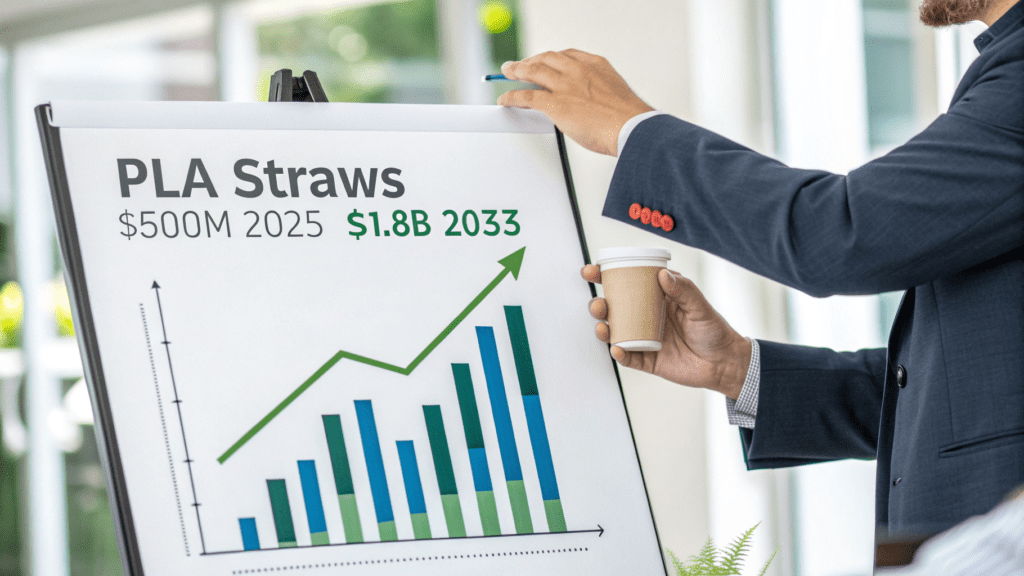
ዓለም አቀፋዊ ወደ ዘላቂነት ያለው ለውጥ ፖሊላቲክ አሲድ (PLA) ገለባዎችን ከባህላዊ ፕላስቲኮች ለሥነ-ምህዳር ተስማሚ አማራጭ አድርጎ ወደ ትኩረት ትኩረት እንዲስብ አድርጓል። ለግዢ አስተዳዳሪዎች፣ ኦፕሬሽን ዳይሬክተሮች እና የዘላቂነት መኮንኖች ይህ ሁለቱንም ትልቅ እድል እና ውስብስብ ፈተናን ይሰጣል። የPLA ሊበላሹ የሚችሉ ገለባዎች ገበያ ብቻ በ2025 ከ 500 ሚሊዮን ዶላር በግምት ወደ 1.8 ቢሊዮን ዶላር በ2033 ያድጋል ተብሎ ይገመታል፣ ይህም የአካባቢ ደንቦችን እና የሸማቾችን ፍላጎት በመጨመር ነው፣ ከ 70% በላይ ሸማቾች ለአካባቢ ተስማሚ አማራጮችን የሚጠቀሙ ንግዶችን ይመርጣሉ። ነገር ግን፣ የPLAን ብስባሽነት እውነተኛ ተፈጥሮ መረዳት ከሁሉም በላይ ነው። በቁሳቁስ ምርጫ እና በቆሻሻ አያያዝ ላይ ያሉ ስህተቶች ወደ ከባድ የመታዘዝ አደጋዎች፣ የምርት ስም ዝና እና የአሰራር ቅልጥፍና ማጣት፣ አረንጓዴ ተነሳሽነት ወደ ውድ ተጠያቂነት ሊቀይሩ ይችላሉ።
የPLAን እውነተኛ ብስባሽነት መረዳት የመስተንግዶ እና የምግብ አገልግሎት ንግዶችን የመታዘዝ አደጋዎችን እና መልካም ስም መጎዳትን ለማስወገድ ወሳኝ ነው።
የ PLA Straws ምንድን ናቸው፣ እና ለምን ሃይፕ?
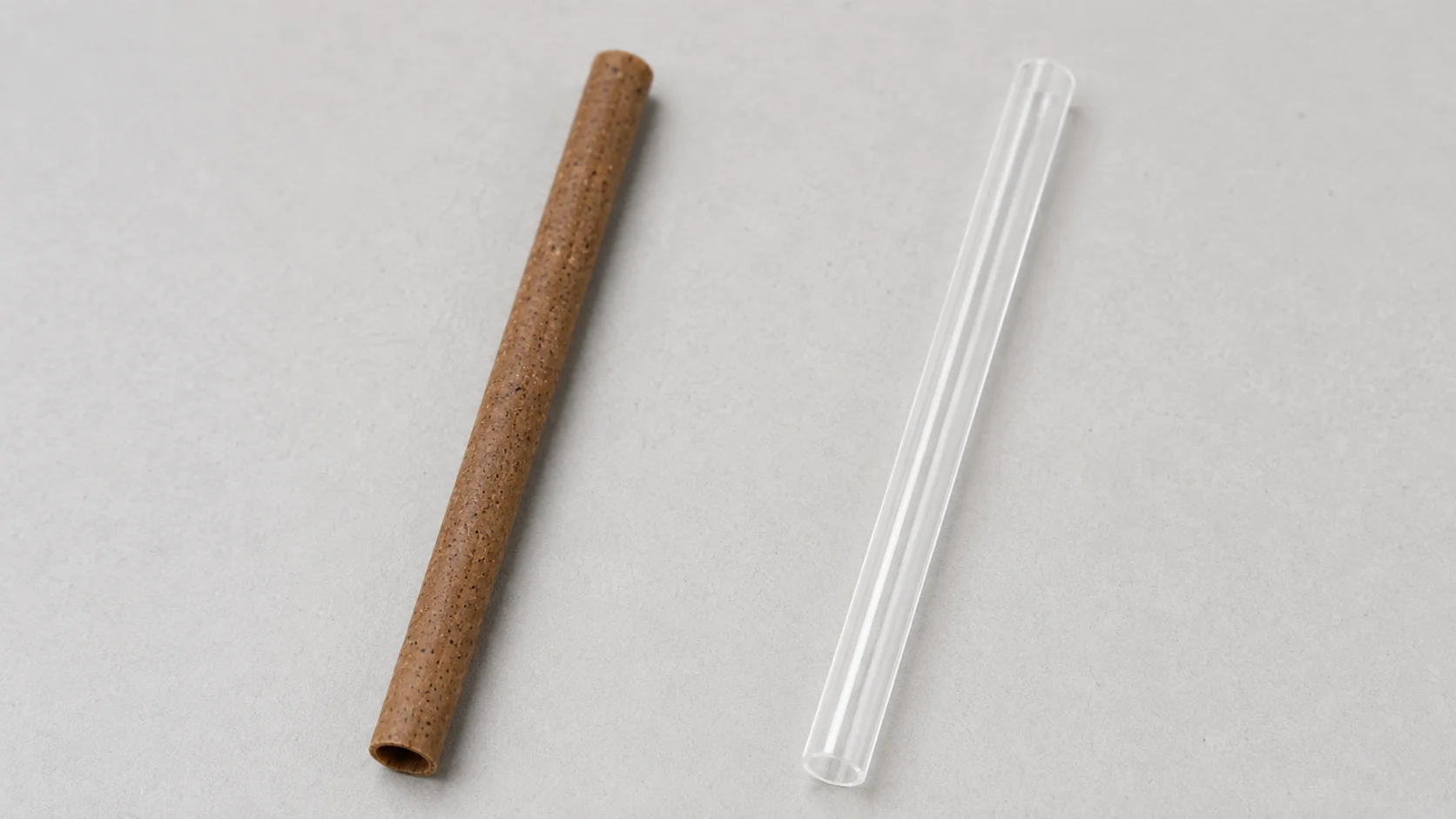
የPLA ገለባ የባዮፕላስቲክ አይነት ነው፣በተለምዶ ከተመረቱ የእፅዋት ስታርችሎች እንደ በቆሎ፣ሸንኮራ አገዳ፣ካሳቫ፣ወይም የሸንኮራ beet pulp. ይህ ከዕፅዋት የተቀመመ መነሻ የይግባኝነታቸው ወሳኝ አካል ነው፣ ምክንያቱም ምርታቸው ከመደበኛው ፕላስቲኮች ጋር ሲነፃፀር በግምት 68% ያነሰ የቅሪተ አካል ሃብቶችን ስለሚጠቀም ከኮርፖሬት የካርበን አሻራ ቅነሳ ግቦች ጋር በቀጥታ ይጣጣማል። የባህላዊ የፕላስቲክ ገለባዎችን ገጽታ፣ ስሜት እና ጥንካሬ ለመኮረጅ የተነደፈ፣ PLA እንደ “ባዮዳዳዳዳዳድ፣ ኢኮ-ተስማሚ እና ብስባሽ” እየተሸጠ የሚታወቅ የተጠቃሚ ተሞክሮ ይሰጣል። ይህ የሚታሰበው የአካባቢ ጥቅም እያደገ የመጣውን የሸማቾችን የዘላቂ አሠራር ፍላጎት ለማሟላት ለሚጥሩ ንግዶች ማራኪ መፍትሄ ያደርጋቸዋል።
ከዕፅዋት ስታርችስ የተሠሩ የPLA ገለባዎች የቅሪተ አካል የነዳጅ ጥገኛነትን በሚቀንስበት ጊዜ የታወቀ የተጠቃሚ ተሞክሮ ይሰጣሉ።
የ"ኮምፖስትብል" ልዩነት፡ የPLA Straws መስፈርቶችን መረዳት
የተስፋፋው ግብይት ቢሆንም፣ ለPLA ገለባ “ኮምፖስት” የሚለው ቃል ከወሳኝ ሁኔታዎች ጋር አብሮ ይመጣል። በተለያዩ አከባቢዎች ውስጥ በተፈጥሮ ከሚበላሹት ከእውነተኛ ባዮሚካላዊ ቁሶች በተለየ፣ የ PLA መበስበስ ቁጥጥር በሚደረግበት ሁኔታ ላይ በጣም ጥገኛ ነው። ይህ ልዩነት ለ B2B ውሳኔ ሰጪዎች የአካባቢ ተጽኖአቸውን እና የቁጥጥር ተገዢነታቸውን ለመገምገም ወሳኝ ነው።
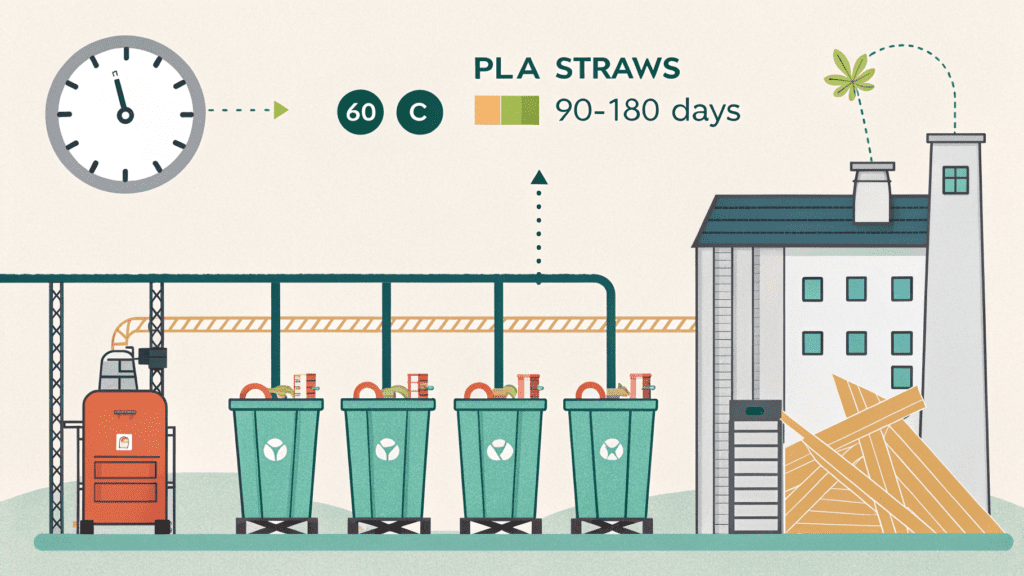
የኢንደስትሪ ማዳበሪያ አስፈላጊነት፡ የሙቀት መጠኖች እና የጊዜ ክፈፎች ለPLA Straws
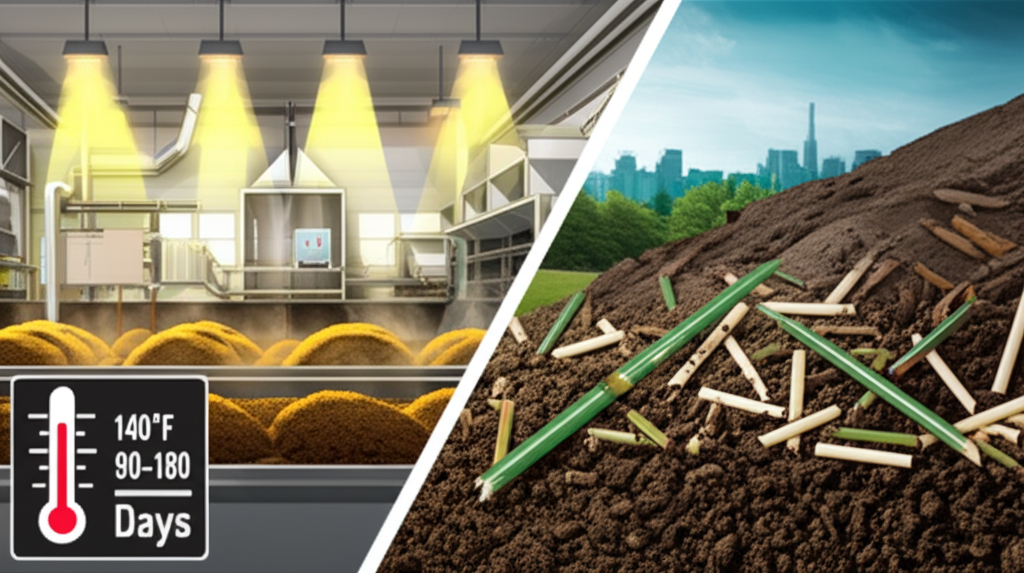
የ PLA ገለባዎች ውጤታማ በሆነ መልኩ እንዲሰበሩ በማያሻማ መልኩ የኢንዱስትሪ ማዳበሪያ ፋሲሊቲዎችን ይፈልጋሉ። እነዚህ ልዩ አካባቢዎች ቢያንስ ለ10 ተከታታይ ቀናት ዘላቂ የሆነ ከፍተኛ ሙቀት፣ በተለይም ከ140 ዲግሪ ፋራናይት (60 ዲግሪ ሴልሺየስ) በላይ ይጠብቃሉ። በእነዚህ ተስማሚ፣ ቁጥጥር የሚደረግባቸው ሁኔታዎች፣ የ PLA ገለባዎች በአጠቃላይ ከ90 እስከ 180 ቀናት ውስጥ ወደ ውሃ፣ ካርቦን ዳይኦክሳይድ እና ኦርጋኒክ ቁስ አካል መበስበስ የተነደፉ ናቸው። እንደ EN ISO 14855-1:2012 የአውሮፓ ስታንዳርድን በመጠቀም በእኩያ የተገመገመ ጥናት PLA እነዚህን ጥብቅ ሁኔታዎች ሲያጋጥመው በ90 ቀናት ውስጥ የማዳበስ ችሎታ እንዳለው ያረጋግጣሉ፣ የ CO2 ትውልድን እንደ ባዮዳይዳሽን አመላካች ነው።
The Home Composting & Landfill Limitations of PLA Straws
የPLA ማዳበሪያ ውጤታማነት ከኢንዱስትሪ ሁኔታዎች ውጭ በከፍተኛ ሁኔታ ይለወጣል። የPLA ገለባዎች በአጠቃላይ በቤት ማዳበሪያ ገንዳዎች ወይም በጓሮ ውስጥ አይበሰብሱም ምክንያቱም እነዚህ አካባቢዎች በቀላሉ ዘላቂ የሆነ ከፍተኛ ሙቀት እና ለመበላሸታቸው አስፈላጊ የሆኑ ተህዋሲያን ተህዋሲያን እንቅስቃሴ ስለሌላቸው። ይበልጥ ወሳኝ በሆነ መልኩ፣ የ PLA ገለባዎች በቆሻሻ ማጠራቀሚያዎች ወይም እንደ ውቅያኖሶች ባሉ የተፈጥሮ አካባቢዎች ውስጥ የሚጨርሱ ከሆነ፣ እንደ ባህላዊ ፕላስቲኮች ተመሳሳይ ባህሪ ያላቸው በመቶዎች ወይም በሺዎች ለሚቆጠሩ ዓመታት ሊቆዩ ይችላሉ። ጥናቶች በግልጽ እንደሚያሳዩት የ PLA ገለባዎች በውቅያኖስ ውሃ ውስጥ በቀላሉ የማይበላሹ ሲሆን ይህም በባህር ውስጥ የዱር እንስሳት ላይ ከተለመደው የፕላስቲክ ብክለት ጋር ተመሳሳይ ነው.
የPLA Straws የምስክር ወረቀት ደረጃዎች፡ BPI፣ EN 13432 እና ASTM D6400
የኢንደስትሪ ብስባሽነትን በእውነት ለማረጋገጥ እና “አረንጓዴ እጥበት” ስጋቶችን ለማቃለል፣ ንግዶች ለተረጋገጡ የPLA ምርቶች ቅድሚያ መስጠት አለባቸው። እንደ BPI (Biodegradable Products Institute) በሰሜን አሜሪካ ወይም የTÜV ኦስትሪያ "OK ኮምፖስት ኢንዱስትሪ" ያሉ ታዋቂ የምስክር ወረቀቶች ምርቶች ጥብቅ ደረጃዎችን እንደሚያሟሉ ያረጋግጣሉ። እነዚህ የምስክር ወረቀቶች እንደ ASTM D6400 (ሰሜን አሜሪካ) እና EN 13432 (አውሮፓ) ካሉ አለምአቀፍ መመዘኛዎች ጋር ይጣጣማሉ፣ እነዚህም ምርቶች በተወሰነ የጊዜ ገደብ ውስጥ መርዛማ ቀሪዎችን ሳይተዉ ወደ ኦርጋኒክ ቁስ እንዲከፋፈሉ ያስገድዳሉ። የየአውሮፓ ህብረት ነጠላ አጠቃቀም ፕላስቲክ መመሪያ (2019/904)ከ 2021 ጀምሮ በሥራ ላይ የዋለ፣ ያልተረጋገጡ ነጠላ ጥቅም ላይ የሚውሉ የፕላስቲክ ገለባዎችን ይከለክላል፣ ምንም እንኳን “ባዮ-ምንጭ” ቢሆንም፣ የተመሰከረላቸው ብስባሽ ጭድ ለአውሮፓ ገበያ ተደራሽነት ምርጫ ያደርገዋል። በመመሪያችን ውስጥ በጥልቀት እንደተዳሰሰው እነዚህን ልዩነቶች መረዳት ለግዢ እና ዘላቂነት ቡድኖች ወሳኝ ነው።ብስባሽ እና ባዮግራድድድ ገለባ.
የPLA ገለባ ለትክክለኛ መፈራረስ የኢንዱስትሪ ማዳበሪያ ፋሲሊቲዎችን እና እንደ BPI ወይም EN 13432 ያሉ ልዩ የምስክር ወረቀቶችን ይፈልጋሉ።

የPLA Straws ተግባራዊ ተግዳሮቶች እና የአካባቢ የተሳሳቱ አመለካከቶች
የአካባቢ ጥቅማ ጥቅሞች ቢኖራቸውም፣ የPLA ገለባዎችን አሁን ካለው የቆሻሻ አያያዝ ስርዓቶች ጋር ማጣመር ለንግድ ስራ ትልቅ እንቅፋት ይፈጥራል። እነዚህ ተግዳሮቶች ብዙውን ጊዜ የሚመነጩት ከ PLA ልዩ አካላዊ ባህሪያት እና አሁን ባለው የመሠረተ ልማት ውሱንነት ነው፣ ይህም በአግባቡ ካልተቀረፈ ወደ ኦፕሬሽን ውስብስብነት እና የአካባቢ ቅልጥፍናዎች ይመራል።
ከPLA Straws ጋር እንደገና ጥቅም ላይ በሚውሉ ዥረቶች ላይ የብክለት አደጋዎች
ለንግዶች ዋና ዋና የስራ ማስኬጃ ራስ ምታት በ PLA ገለባ በእንደገና ጥቅም ላይ በሚውሉ ዥረቶች ላይ ያለው የብክለት አደጋ ነው። የፕላስቲኮች ገለባ ከሌሎች የተለመዱ የፕላስቲክ ዓይነቶች ለምሳሌ PET (polyethylene terephthalate) ወይም HDPE (ከፍተኛ መጠን ያለው ፖሊ polyethylene) ከርብ ዳር መልሶ ጥቅም ላይ ማዋል አይቻልም። ይህ የሆነበት ምክንያት የ PLA ዝቅተኛ የማቅለጫ ሙቀት ነው, እሱም ከተቀላቀለ, እንደገና ጥቅም ላይ ሊውሉ የሚችሉ ፕላስቲኮችን በሙሉ ስለሚበክለው, ብዙውን ጊዜ የማይሸጥ እና ለቆሻሻ ማጠራቀሚያ የሚሆን ነው. ብዙ ማዘጋጃ ቤቶች እና መልሶ ጥቅም ላይ የሚውሉ መገልገያዎች በቀላሉ PLAን አይቀበሉም, ብክለት ብለው ይሰይሙ, ስለዚህ ትክክለኛውን አወጋገድ ያወሳስበዋል እና የቆሻሻ አያያዝ ወጪዎችን ይጨምራሉ.
የመሠረተ ልማት ክፍተቱ፡ በዩኤስ ውስጥ የተገደበ የኢንዱስትሪ ማዳበሪያ ፋሲሊቲዎች
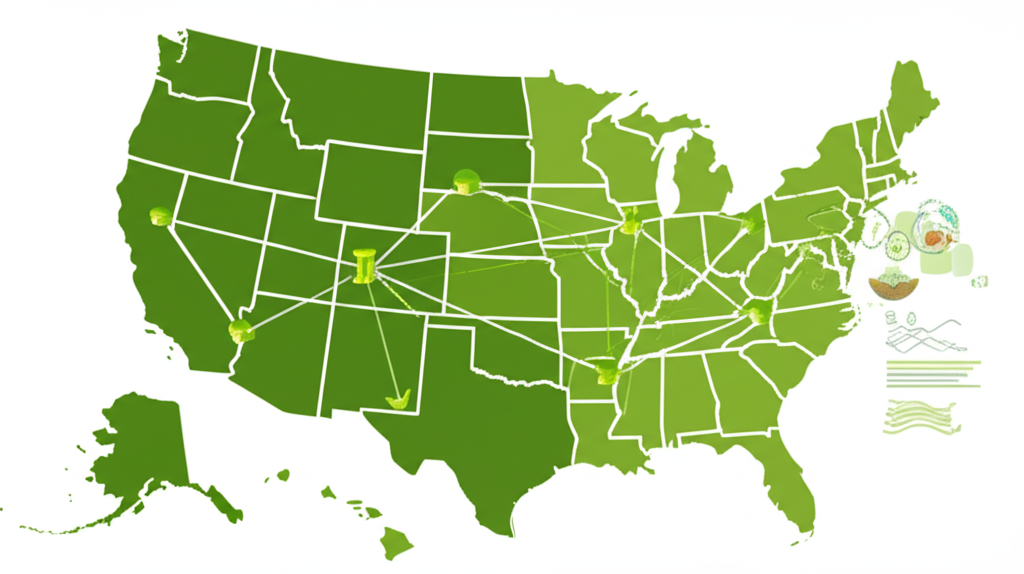
ውጤታማ የ PLA ማዳበሪያን ለመፍጠር ጉልህ የሆነ የስርዓተ-ነገር እንቅፋት ተገቢ የሆኑ መገልገያዎች እጥረት ነው። የ PLA ቴክኒካዊ ብስባሽነት ቢኖረውም, ለማቀነባበር አስፈላጊው መሠረተ ልማት በጣም ይጎድላል. እ.ኤ.አ. ከጃንዋሪ 2023 ጀምሮ በአሜሪካ ውስጥ ካሉት 47,000 የማዳበሪያ ፋብሪካዎች ውስጥ 49 ያህሉ ብቻ የማዳበሪያ የፕላስቲክ ቁሳቁሶችን የሚቀበሉ ሲሆን ይህም በአብዛኛው በዌስት ኮስት ላይ ነው። ይህ ግልጽ የሆነ የመሠረተ ልማት ክፍተት ማለት አብዛኛው የPLA ገለባ ምንም እንኳን በንድፈ ሃሳብ ደረጃ “ማዳበሪያ” ቢሆኑም በመጨረሻ የአካባቢን ዓላማ ወደ ጎን በመተው ወደ ቆሻሻ መጣያ ውስጥ ገብተዋል። በBPI የተመሰከረላቸው የማዳበሪያ ምርቶችን በብቃት ለማስተዳደር ለሚፈልጉ ንግዶች፣ ይህንን የመሠረተ ልማት ፈተና መረዳት እና ማሰስ ወሳኝ ነው፣ በእኛ ውስጥ በዝርዝር እንደተገለጸውለዘላቂ የቆሻሻ አያያዝ B2B መጫወቻ መጽሐፍ.
"አረንጓዴ እጥበት" ስጋቶች እና ሚቴን ልቀቶች ከPLA Straws
የPLA ገለባዎችን በስፋት “ባዮሚዳዳዳዳድ” ወይም “ኢኮ-ተስማሚ” ያለ ግልጽ፣ ትክክለኛ የማስወገጃ መመሪያ ለ“አረንጓዴ እጥበት” ስጋቶች ከፍተኛ አስተዋጽኦ ያደርጋል። እንደ PLA ያሉ ባዮፕላስቲክዎች በአናይሮቢክ የቆሻሻ ማጠራቀሚያ ሁኔታዎች ውስጥ ሲጨርሱ - ኦክስጅን እጥረት ባለበት - አሁንም በ 20 ዓመታት ጊዜ ውስጥ ከካርቦን ዳይኦክሳይድ የበለጠ ተፅእኖ ያለው ሚቴን የተባለውን ኃይለኛ የሙቀት አማቂ ጋዝ ሊለቁ ይችላሉ። ይህ አያዎ (ፓራዶክስ) ለማቅረብ የታቀዱትን የአካባቢያዊ ጥቅሞችን ያዳክማል። በዩኤስ ውስጥ እንደ “ባዮፕላስቲክ” ወይም “ኮምፖስት” ምርቶች ያሉ ደረጃቸውን የጠበቁ የፌደራል ህጎች አለመኖራቸው ይህንን ውዥንብር የበለጠ ያባብሰዋል፣ለንግዶች እና ሸማቾች በእውነት በመረጃ የተደገፈ፣አካባቢያዊ ኃላፊነት የሚሰማቸው ምርጫዎችን ለማድረግ ፈታኝ ያደርገዋል።
የPLA ገለባ በድጋሚ ጥቅም ላይ በማዋል የብክለት አደጋዎችን ያስከትላሉ እና የመሠረተ ልማት ክፍተቶችን ያጋጥማቸዋል፣ ይህም ወደ “አረንጓዴ እጥበት” ስጋቶች እና የሚቴን ልቀት ያስከትላል።
የገበያ ተለዋዋጭነት፡ የPLA Strawsን ጨምሮ የዘላቂ ገለባ ፍላጎት እያደገ ነው።
የዘላቂ አማራጮች ፍላጎት እየጨመረ የመጣው የ B2B ገበያን መልሶ የሚቀርፅ ኃይለኛ ኃይል ነው ፣ ይህም ሁለቱንም ጠቃሚ እድሎች እና ለንግድ ድርጅቶች ተወዳዳሪ ግፊቶችን ያሳያል። ኩባንያዎች ተለዋዋጭ የቁጥጥር ፍላጎቶችን ለማሟላት ብቻ ሳይሆን የምርት ስምቸውን በጥልቅ ለማሳደግ እና የደንበኛ ታማኝነትን ለማጎልበት ለአካባቢ ተስማሚ አማራጮችን እየጠቀሙ ነው።
ለባዮፕላስቲክ ገለባ የአለም አቀፍ ገበያ እድገት እና የቁጥጥር ጅራት ንፋስ
የአለም ኢኮ-ተስማሚ የስትሮው ገበያ እ.ኤ.አ. በ2025 ከ12.3 ቢሊዮን ዶላር ወደ 25.1 ቢሊዮን ዶላር የሚጠጋ በ2035፣ በጠንካራ ውህድ አመታዊ የዕድገት ተመን (CAGR) በ7.3 በመቶ ያድጋል ተብሎ ይጠበቃል። በዚህ እያደገ ባለው ዘርፍ የPLA ሊበላሽ የሚችል የገለባ ገበያ በ2025 በ500 ሚሊዮን ዶላር ይገመታል እና በ2033 1.8 ቢሊዮን ዶላር ይደርሳል ተብሎ ተተንብዮአል፣ ይህም አስደናቂ 15% CAGR ያሳያል። ይህ ፈጣን መስፋፋት በ2021 ተግባራዊ በሆነው እንደ የአውሮፓ ህብረት ነጠላ አጠቃቀም ፕላስቲኮች መመሪያ እና በአሜሪካ የስቴት ደረጃ ነጠላ ጥቅም ላይ የሚውሉ ፕላስቲኮችን በመሳሰሉ ጥብቅ ደንቦች በከፍተኛ ሁኔታ ተጠናክሯል። እነዚህ የህግ አውጭ ትዕዛዞች በምግብ አገልግሎት እና በእንግዳ መስተንግዶ ዘርፎች ያሉ የንግድ ድርጅቶች ዘላቂ አማራጮችን እንዲከተሉ ያስገድዳቸዋል፣ ይህም ታዛዥ እና የተረጋገጡ አማራጮችን የንግድ ስራ አስፈላጊ ያደርገዋል።
B2B ዕድሎች ለግዢ አስተዳዳሪዎች በPLA ገለባ ገበያ
አስተዋይ የግዥ አስተዳዳሪዎች፣ PLAን ጨምሮ ለዘላቂ ገለባዎች ገበያ እየሰፋ ያለው ግልጽ እድሎችን ይሰጣል። እየጨመረ የመጣውን የምግብ አገልግሎት እና መስተንግዶ ዘርፎች በድርጅት ማህበራዊ ኃላፊነት ተነሳሽነት እና በጠንካራ የሸማቾች ምርጫ ለሥነ-ምህዳር ንቃተ ህሊና ያላቸው ምርቶች ፍላጎትን ለመጠቀም ከፍተኛ አቅም አለ። በ1996 የተቋቋመው እንደ ፓንዶ ኢፒ ቴክኖሎጂ ያሉ ግንባር ቀደም አቅራቢዎች ከዋና ፈጣን አገልግሎት ሬስቶራንት (QSR) እና ፈጣን-ተንቀሳቃሽ የሸማቾች እቃዎች (ኤፍኤምሲጂ) ኩባንያዎች በዓለም አቀፍ ደረጃ፣ Nestlé እና Yum!ን ጨምሮ ሽርክና ፈጥረዋል፣ ይህም የገበያውን አዋጭነት እና መጠን ያሳያል። የተረጋገጠ የ PLA ገለባ መቀበል የቁጥጥር ተገዢነትን ማረጋገጥ ብቻ ሳይሆን የምርት ስም አቀማመጥን በእጅጉ ያሻሽላል፣ ኢኮ-ንቃተ ህሊና ያላቸውን ደንበኞች በመሳብ እና በማቆየት ብዙ ጊዜ ለዘላቂ ተግባራት ለሚሰሩ ንግዶች ፕሪሚየም ለመክፈል ፈቃደኛ ይሆናሉ።
ዘላቂው የገለባ ገበያ በፍጥነት እያደገ ነው፣ ይህም የምርት ስምን ለማሻሻል እና ተገዢነትን ለማረጋገጥ ለግዥ አስተዳዳሪዎች B2B እድሎችን ይሰጣል።
የኢኮ-ተስማሚ ገለባ አማራጮችን ማወዳደር
በጣም ጥሩውን የገለባ አማራጭ መምረጥ የተግባራዊ ተፅእኖ፣ የታዛዥነት ታሳቢዎች እና በኢንቨስትመንት ላይ ሊመጣ የሚችለውን አጠቃላይ ግምገማ ይጠይቃል። ገበያው የተለያዩ የቁሳቁስ ዓይነቶችን ያቀርባል, እያንዳንዱም ልዩ ጥቅሞች እና ገደቦች አሉት.
| ባህሪይ | B2B የሥራ አፈፃፀም ተፅእኖ | የማስታወሻ ማስታወሻ | ሮይ አቅም |
|---|---|---|---|
| የፕላስ ጭስ | ለኢንዱስትሪ ማዳበሪያ የተለየ የቆሻሻ ጅረቶች ያስፈልጉ; በተሳሳተ መንገድ ከተደረደሩ ብክለትን እንደገና ጥቅም ላይ የማዋል ከፍተኛ አቅም. ለከፍተኛ ሙቀት ስሜታዊ ፣ በሙቅ ፈሳሾች ሊለሰልስ ይችላል። | BPI/EN 13432 የኢንደስትሪ ብስባሽነት ማረጋገጫ ለትክክለኛ የአካባቢ ጥበቃ ጥያቄዎች እና የቁጥጥር ተገዢነት አስፈላጊ ነው። | የነዳጅ ነዳጅ ጥገኛን ይቀንሳል (-68%); የምርት ስም ማሻሻል; ብዙውን ጊዜ ከባህላዊ ፕላስቲክ የበለጠ የመነሻ ዋጋ ፣ ግን ከአንዳንድ የላቀ ባዮፕላስቲክ ያነሰ። አለማክበር በቅጣት ላይ ወጪ ቁጠባ. |
| PHA Straws | በልዩ መሠረተ ልማት ላይ ያለውን ሸክም በመቀነስ የቤት እና የባህር ብስባሽነትን ጨምሮ ሰፋ ያሉ የማስወገጃ አማራጮችን ይስጡ። ለዋና ምርት አቀማመጥ እምቅ. | ለቤት፣ ለንግድ እና ለባህር መበላሸት (ለምሳሌ TÜV AUSTRIA OK ኮምፖስት HOME/MARINE)፣ የበለጠ ሁለገብ የአካባቢ ተገዢነት መንገዶችን የሚሰጥ። | በሰፊ የመበላሸት አቅሞች እና የመሬት መሙላት አደጋ በመቀነሱ ምክንያት ጠንካራ የረጅም ጊዜ ዘላቂነት ROI። ከPLA የበለጠ የመነሻ ዋጋ ሊኖረው ይችላል ነገር ግን የተሻሻሉ የኢኮ ምስክርነቶችን እና የገበያ ልዩነትን ያቀርባል። |
| የወረቀት አውታሮች | በሰፊው ተቀባይነት ያላቸው እና የተለመዱ የማስወገጃ ዘዴዎች; በተለየ ሁኔታ ካልተሸፈነ በስተቀር ለስላሳነት የተጋለጠ። | በአጠቃላይ ከፕላስቲክ እገዳዎች ጋር የሚጣጣም; ባዮዴራዳዴሽን፣ ብስባሽነት እና በአስፈላጊ ሁኔታ ከPFAS-ነጻ ሁኔታን የሚያረጋግጡ የምስክር ወረቀቶችን ያረጋግጡ። | ከአብዛኛዎቹ ባዮፕላስቲክ ዝቅተኛ የመጀመሪያ ዋጋ; በኢንዱስትሪ ማዳበሪያ ውስጥ ፈጣን ብልሽት (በተለምዶ ከ30-60 ቀናት); ከፍተኛ የሸማቾች መተዋወቅ. አፈፃፀሙ ደካማ ከሆነ (ለምሳሌ ፣ ጨዋነት) ለአሉታዊ የደንበኛ ተሞክሮ ሊሆን ይችላል። |
| የሸንኮራ አገዳ ቦርሳ | የሚበረክት፣ ውሃ የማይበላሽ፣ እና በአጠቃላይ መዋቅራዊ ታማኝነትን በጥሩ ሁኔታ ይጠብቃል። ብዙውን ጊዜ በቤት ውስጥ ወይም በኢንዱስትሪ ተቋማት ውስጥ ማዳበሪያ። | ብዙውን ጊዜ የቤት ውስጥ ብስባሽ እና በኢንዱስትሪ ሊበሰብስ የሚችል፣ ከሰፋፊ ዘላቂነት ግቦች እና ከተለያዩ የማስወገጃ ሁኔታዎች ጋር የሚስማማ። | የግብርና ምርትን ወደላይ በመጨመሩ ምክንያት ጠንካራ ኢኮ ተስማሚ ምስል; ውጤታማ አፈፃፀም; ከሌሎች ማዳበሪያ አማራጮች ጋር ተወዳዳሪ ዋጋ. ለብራንድ እሴት ጥሩ እና የአፈጻጸም ቅሬታዎችን ያስወግዳል። |
| እንደገና ጥቅም ላይ ሊውል የሚችል (ብረት/ብርጭቆ) | እጥበት፣ ንፅህና አጠባበቅ፣ ማከማቻ እና የእቃ ዝርዝር አስተዳደርን ጨምሮ ከፍተኛ የስራ ማስኬጃ ወጪዎችን ይፈልጋል። ከፍተኛ የፊት ኢንቨስትመንት. | ቆሻሻን ወደ ዜሮ የሚጠጋ ይቀንሳል፣ በጣም ጥብቅ የሆነውን የዘላቂነት ግዳጆችን በማሟላት እና ክብ ኢኮኖሚን ያሳድጋል። | ከፍተኛ የረጅም ጊዜ ROI በድጋሚ አጠቃቀም፣ ተደጋጋሚ የገለባ ግዥ ወጪዎችን በማስወገድ። በጣም ጠንካራ የምርት ስም ቁርጠኝነት እና ለጥልቅ የሸማች ታማኝነት። ከግቢ ውጪ ለመጠቀም የሸማች ግዢ ያስፈልገዋል። |
PHA Straws፡ የሚቀጥለው ትውልድ ባዮፕላስቲክ አማራጭ
PHA (Polyhydroxyalkanoate) ገለባ፣ ብዙውን ጊዜ እንደ ካኖላ ዘይት ካሉ ታዳሽ ምንጮች የተገኘ፣ በባዮዲድራዳዴሽን ረገድ በPLA ላይ ከፍተኛ እድገትን ይወክላል። በተለይ በወራት ውስጥ የንግድ ማዳበሪያ ፋሲሊቲዎችን፣ የቤት ብስባሽ ማጠራቀሚያዎችን እና የባህር ላይ ቅንጅቶችን ጨምሮ በተለያዩ አካባቢዎች ለመፈራረስ የተነደፉ ናቸው። ይህ ሰፋ ያለ የመበላሸት መገለጫ ከPLA ጋር የተያያዙ ብዙ የመሠረተ ልማት ውስንነቶችን ይመለከታል፣ ይህም የበለጠ ዓለም አቀፋዊ አዋጭ የሆነ የህይወት መጨረሻ መፍትሄን ይሰጣል። እንደ Good Start Packaging ያሉ ኩባንያዎች የኋለኛውን ፈጣን እና የበለጠ ሁለገብ ብስባሽነት ለB2B ደንበኞቻቸው እንደ ቁልፍ ልዩነት በመገንዘብ ከPLA ወደ PHA ገለባዎች ተለውጠዋል።
ሌሎች ብስባሽ ገለባ ቁሶች፡ ወረቀት፣ ሸንኮራ አገዳ እና ሌሎችም።
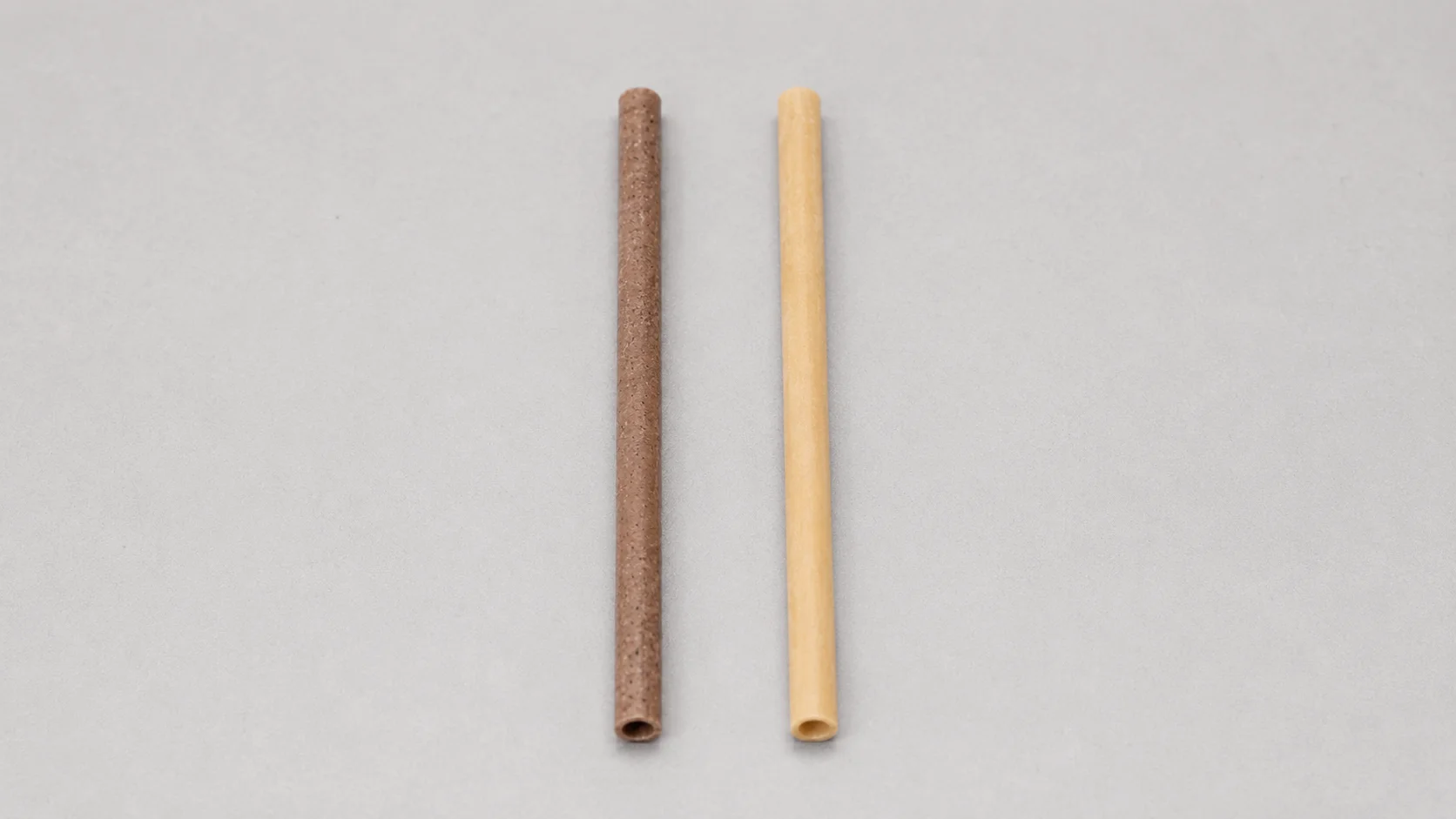
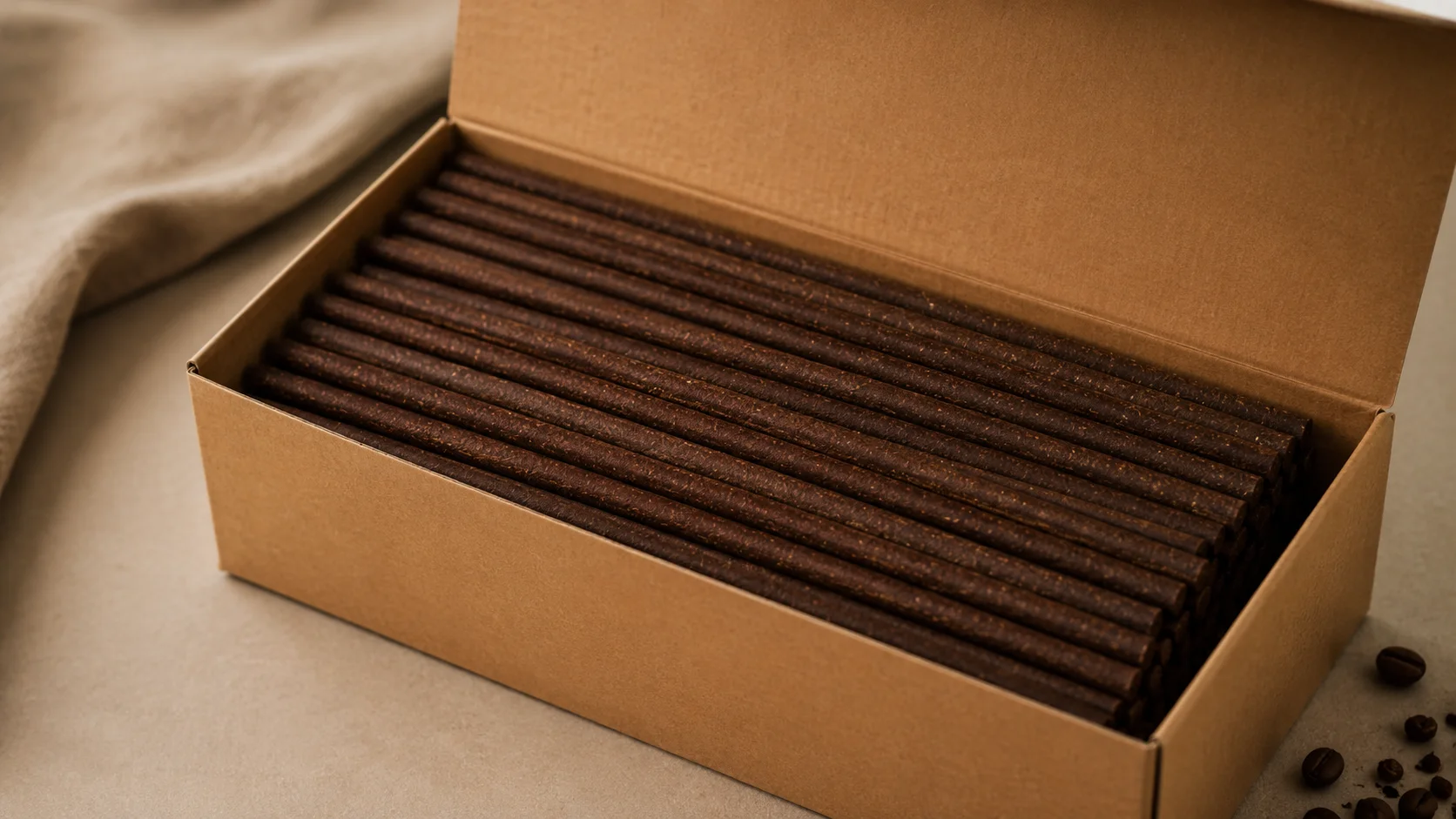
ከ PLA እና PHA ባሻገር፣ ገበያው ሌሎች በርካታ አስገዳጅ የማዳበሪያ ገለባ ቁሳቁሶችን ያቀርባል። የወረቀት ገለባ በ2025 ከፍተኛ የሆነ የ44.3% የገበያ ድርሻን እንደሚይዝ የተተነበየ፣ በተንሰራፋው ተደራሽነታቸው፣ በአንፃራዊ ወጪ ቆጣቢነታቸው፣ እና ሙሉ ባዮዲዳዳዳዴሽን እና ብስባሽ ሊሆኑ የሚችሉ ዋና አማራጮች ናቸው። ነገር ግን፣ በላቀ፣ ለምግብ-አስተማማኝ በሆኑ ሽፋኖች ካልታከሙ በስተቀር፣ አፈጻጸማቸው ሊለያይ ይችላል። የሸንኮራ አገዳ ከረጢት ገለባ፣ ከሸንኮራ አገዳ ማቀነባበሪያ ፋይበር ተረፈ ምርት፣ ዘላቂ፣ ውሃ የማይበላሽ እና ሁለገብ አማራጭ ይሰጣል፣ ይህም በቤት እና በኢንዱስትሪ ሁኔታዎች ውስጥ ማዳበሪያ ነው። እየመጡ ያሉት አማራጮች ከሩዝ፣ ከስንዴ፣ ከፓስታ (ሊበላ የሚችል)፣ አጋቭ እና የቡና እርባታ የተሰሩ ገለባዎች፣ እያንዳንዳቸው ልዩ ባህሪያትን እና የአካባቢ ጥቅማጥቅሞችን ያቀርባሉ። የተለያዩ ቁሳቁሶች እንዴት እንደሚመደቡ አጠቃላይ እይታ ለማግኘት የእኛን መመሪያ ይመልከቱBPI Compotable vs. Biodegradable.
የ PHA ገለባዎች ከPLA የበለጠ ወራዳነትን ይሰጣሉ፣ ወረቀት እና ሸንኮራ አገዳ ደግሞ ሌሎች ሊበሰብሱ የሚችሉ አማራጮችን ይሰጣሉ።
የጉዳይ ጥናት፡ ጥሩ ጅምር ማሸግ ወደ በእውነት ሊበሰብሱ የሚችሉ የPHA ገለባዎች ሽግግር
በስነ-ምህዳር-ተስማሚ የምግብ አገልግሎት ኢንዱስትሪ ውስጥ ወሳኝ ስልታዊ እርምጃ፣ ጥሩ ጅምር ፓኬጅንግ፣ ታዋቂ የዘላቂ ምርቶች አቅራቢ፣ የ PLA ገለባ አቅርቦቱን ለ PHA (polyhydroxyalkanoate) ገለባ ድጋፍ ለማድረግ ወስኗል። ይህ ጉልህ ሽግግር ባለፉት ሶስት ዓመታት ውስጥ የታየ፣ የPLA ተግባራዊ ውስንነቶችን በጠራ አይን በመገምገም ቀጥተኛ ተነሳሽነት ነው። PLA በቴክኒካል በኢንዱስትሪ የሚበሰብሰው ቢሆንም፣ በብዙ ክልሎች ተደራሽ የንግድ ማዳበሪያ መሠረተ ልማት አለመኖሩ የጥሩ ጅምር ማሸጊያ የPLA ምርቶች ብዙ ጊዜ ወደ ቆሻሻ መጣያ ውስጥ ይገቡ ነበር።
በእውነተኛ ሁኔታዎች እና በእውነተኛው ዓለም አወጋገድ መካከል ያለውን ይህን ወሳኝ ክፍተት በመገንዘብ ኩባንያው የበለጠ እውነተኛ ዘላቂ መፍትሄ ለማግኘት ፈልጎ ነበር። PHA ገለባ በአንጻሩ የተረጋገጠ የቤት ማዳበሪያ እና የባህር መራቆት ያለው የላቀ የአካባቢ መገለጫ አቅርቧል፣ ይህም ጠንካራ የህይወት ፍጻሜ መፍትሄን በአነስተኛ የኢንዱስትሪ ተቋማት ላይ ያልተመሰረተ ነው። ይህ በኢንዱስትሪ መሪ የተደረገው ንቁ እና ግልፅ ለውጥ ለዘላቂ ግዥዎች ጥብቅ የሆነ ትጋትን አስፈላጊነት አጉልቶ ያሳያል። ለ PLA አወጋገድ ተግዳሮቶች በቀጥታ ምላሽ የሚሰጥ እና የበለጠ ዓለም አቀፋዊ አዋጭ እና በእውነት ማዳበሪያ አማራጭን በማስቀደም የምርት አቅርቦቶቹን ለእውነተኛ የአካባቢ ተፅእኖ ካለው ጥልቅ ቁርጠኝነት ጋር በማጣጣም የንግድ ሥራን ያጎላል።
ጥሩ ጅምር ማሸግ ከ PLA ወደ PHA ገለባ የተሸጋገረው በPHA የላቀ፣ የበለጠ ሁለገብ ማዳበሪያ እና ሰፊ የመሠረተ ልማት ተኳኋኝነት ነው።
ለ B2B ውሳኔ ሰጪዎች ስልታዊ ግምት
ለግዢ አስተዳዳሪዎች፣ ኦፕሬሽን ዳይሬክተሮች እና የዘላቂነት ኦፊሰሮች ዘላቂነት ያለው ገለባ መልክዓ ምድርን ማሰስ ከመለያ ንባብ ያለፈ ነው። የምርትን አጠቃላይ የሕይወት ዑደት፣ ከምንጩ እስከ መጨረሻው የሕይወት ፍጻሜ ድረስ የሚያጤን ስልታዊ፣ ሁሉን አቀፍ አቀራረብን ይፈልጋል። ትክክለኛ የአካባቢ ተፅእኖን ለማረጋገጥ እና የአሰራር ስጋቶችን በብቃት ለማቃለል የማስወገድ እውነታዎችን እና የመሠረተ ልማት ውስንነቶችን መረዳት በጣም አስፈላጊ ነው።
ለPLA Straws ከ"ኮምፖስት" መለያ በላይ ያለው ትጋት
በኃላፊነት ግዥ ውስጥ የመጀመሪያው እርምጃ ጥብቅ ጥንቃቄ ማድረግ ነው. በቀላሉ "ኮምፖስት" የሚለውን ቃል ማየት በቂ አይደለም. ውሳኔ ሰጪዎች ምርቶች ጥብቅ የኢንዱስትሪ ማዳበሪያ መስፈርቶችን የሚያሟሉ መሆናቸውን ለማረጋገጥ እንደ BPI (የባዮዴራዳድ ምርቶች ኢንስቲትዩት) ወይም TÜV AUSTRIA "OK ኮምፖስት ኢንዱስትሪ" ያሉ የምስክር ወረቀቶችን በንቃት ማረጋገጥ አለባቸው። በተጨማሪም፣ ስለ አካባቢያዊ የማዳበሪያ መሠረተ ልማት አቅርቦት ወሳኝ ግንዛቤ በጣም አስፈላጊ ነው። በአሁኑ ጊዜ ባዮፕላስቲክን የሚቀበሉ በግምት 15% የሚሆኑ የአሜሪካ የማዳበሪያ ፋሲሊቲዎች፣ ብዙ "የማዳበሪያ" እቃዎች፣ የPLA ገለባዎችን ጨምሮ፣ ለዘመናት ሊቆዩ ወደሚችሉበት የቆሻሻ መጣያ ቦታ ይዛወራሉ። የ"አረንጓዴ እጥበት" ወጥመዶችን ለማስወገድ የቁሳቁስ ቅንብርን፣ የህይወት መጨረሻ መመሪያዎችን እና በጥሩ ሁኔታ ከንግድ ማዳበሪያ ተቋማት ጋር አጋርነት ማረጋገጫን በተመለከተ ግልፅ መረጃ መስጠት ለሚችሉ ግልፅ አቅራቢዎች ቅድሚያ ይስጡ።
ለPLA Straws እና ሌሎች ባዮፕላስቲክ የቆሻሻ አያያዝን ማመቻቸት
ውጤታማ የቆሻሻ አያያዝ የ PLA እና ሌሎች ባዮፕላስቲክ አካባቢያዊ ጥቅሞችን ለመገንዘብ ሊንችፒን ነው። የPLA ገለባዎች ባህላዊ የድጋሚ ጥቅም ላይ መዋል ጅረቶችን እንዳይበክሉ ንግዶች ግልጽ፣ የማያሻማ የውስጥ መደርደር ፕሮቶኮሎችን መተግበር አለባቸው። እንደ ፒኢቲ ካሉ የተለመዱ ፕላስቲኮች ጋር ሲነፃፀር የPLA ዝቅተኛ የማቅለጫ ሙቀት መጠን ሲታይ፣ ኮምሚንግ ማድረግ አጠቃላይ የድጋሚ ጥቅም ላይ የሚውሉ ስብስቦችን ከጥቅም ውጭ ያደርጋቸዋል። ስለዚህ ለማዳበሪያ ቁሳቁሶች ልዩ የመሰብሰቢያ ገንዳዎችን ማዘጋጀት አስፈላጊ ነው. ከውስጣዊ ፕሮቶኮሎች ባሻገር፣ ቢዝነሶች ከንግድ ኮምፖስትንግ ፋሲሊቲዎች ወይም ከቆሻሻ አያያዝ አቅራቢዎች ጋር በመተባበር ባዮፕላስቲኮችን ለመቆጣጠር ልዩ ዝግጅት ማድረግ አለባቸው። እንደዚህ አይነት መሠረተ ልማት ለሌላቸው ክልሎች፣ እንደ PHA ያሉ የላቁ ባዮፕላስቲኮችን ማሰስ፣ የቤት እና የባህር መራቆትን ጨምሮ የበለጠ ተለዋዋጭ የማስወገጃ አማራጮችን የሚያቀርቡ፣ ስትራቴጂያዊ የግድ ይሆናል።
የምርት ስም ዝናን ማሳደግ እና ከዘላቂ ገለባዎች ጋር መጣጣምን
የምር ዘላቂነት ያለው የገለባ መፍትሄዎችን በንቃት መቀበል የምርት ስምን ለማበልጸግ እና የቁጥጥር ተገዢነትን ለማረጋገጥ የሚያስችል ሃይለኛ መሳሪያ ነው። ስለ ዘላቂ ምርጫዎችዎ ከደንበኞችዎ ጋር በግልፅ ይነጋገሩ እና ለትክክለኛው አወጋገድ ግልፅ መመሪያዎችን ያቅርቡ ፣ እምነትን ያሳድጉ እና ከሥነ-ምህዳር ጠንቃቃ ሸማቾች እሴቶች ጋር ይጣጣማሉ። ይህ ቁርጠኝነት ለባለሀብቶች ግንኙነት እና ለገቢያ አቀማመጥ ከጊዜ ወደ ጊዜ አስፈላጊ ለሆኑት ሰፊ የድርጅት ማህበራዊ ኃላፊነት (CSR) እና የአካባቢ፣ ማህበራዊ እና አስተዳደር (ESG) ግቦች በቀጥታ አስተዋፅዖ ያደርጋል። እንደ ሚያሟሉ ያሉ የተረጋገጡ ማዳበሪያ መፍትሄዎችን በንቃት በመቀበልአስትስ ዲ6400ለኢንዱስትሪ ብስባሽነት መመዘኛ፣ ንግዶች እንደ የአውሮፓ ህብረት ነጠላ አጠቃቀም ፕላስቲኮች መመሪያ እና የተለያዩ የዩኤስ የስቴት ደረጃ እገዳዎች ፣ የቅጣት አደጋን በመቀነስ እና እራሳቸውን እንደ ኢንዱስትሪ መሪዎች ያሉ ማደግ ደንቦችን መከበራቸውን ማረጋገጥ ይችላሉ።
B2B ውሳኔ ሰጪዎች ተገቢውን ጥንቃቄ ማድረግ፣ የቆሻሻ አወጋገድን ማመቻቸት እና የምርት ስምን በተረጋገጠ ዘላቂነት ባለው የገለባ ምርጫዎች ማሳደግ አለባቸው።
Future Trends & Innovation
ቀጣይነት ያለው የገለባ መልክዓ ምድራዊ አቀማመጥ ተለዋዋጭ ነው, ቀጣይነት ባለው ፈጠራ እና በማደግ ላይ ባሉ የቁጥጥር ግፊቶች. ከ5-10 ዓመታት ወደፊት ስንመለከት፣ በዚህ ቦታ የB2B ግዥን እንደገና የሚወስኑ በርካታ ቁልፍ አዝማሚያዎችን እንጠብቃለን።
- በእውነቱ ሊበላሹ የሚችሉ ቁሶች መነሳት; በልዩ የኢንደስትሪ ተቋማት ላይ ከመተማመን በዘለለ እውነተኛ ሰፊ የመበላሸት መገለጫዎች ወዳለው ቁሳቁስ የተፋጠነ ለውጥ ይኖራል። ፒኤችኤ እና ሌሎች የቤት ውስጥ ማዳበሪያ፣ አፈር እና የባህር አካባቢ መበስበስ የሚችሉ ባዮፕላስቲክስ ተጨማሪ ጉዲፈቻ ያያሉ።
- በ AI የሚነዳ የቁስ ሳይንስ፡ አርቴፊሻል ኢንተለጀንስ በምርምር እና በልማት ውስጥ የለውጥ ሚና ይጫወታል ፣ አዳዲስ ከፍተኛ አፈፃፀም ያላቸውን ባዮ-ተኮር ፖሊመሮችን በፍጥነት በመለየት እና በማመቻቸት የበለጠ ዘላቂ እና ቀልጣፋ ቁሶችን ማግኘትን ያፋጥናል።
- Advanced Performance & Functionality: ፈጠራዎች እንደ ብስጭት፣ ስብራት እና የሙቀት ትብነት ያሉ ታሪካዊ የአፈጻጸም ጉዳዮችን ያሸንፋሉ። ከባህላዊ ፕላስቲኮች በጥንካሬ፣ የሙቀት መቋቋም (እስከ 90°C/194°F ለሞቅ መጠጦች) እና የተጠቃሚ ልምድን ከመሳሰሉት ወይም ከዛም በላይ የሆኑ ብስባሽ ገለባዎችን እናያለን።
- ክብ ኢኮኖሚ ውህደት፡ ኢንዱስትሪው በዝግ ዑደት ላይ ያተኩራል፣የግብርና ምርቶችን እና ቆሻሻ ጅረቶችን በቀጥታ ከገለባ ምርት ጋር በማቀናጀት። ይህ ከባህር አረም፣ ከቡና እርሻ እና ከግብርና ቅሪት የተሰሩ ገለባዎችን ማምረትን ይጨምራል፣ ይህም ለበለጠ ክብ ኢኮኖሚ አስተዋፅዖ ያደርጋል።
- Standardization & Transparency: የላቀ የቁጥጥር ግልጽነት እና ደረጃውን የጠበቀ የግምገማ መመዘኛዎች ለባዮዲድራዳቢሊቲ እና ለማዳበሪያነት በስፋት መቀበል “አረንጓዴ እጥበት”ን ይቀንሳል እና እውነተኛ የአካባቢ ተጠያቂነትን ያዳብራል። ይህ የግዥ ውሳኔዎችን የበለጠ ግልጽ እና የበለጠ ተፅዕኖ ያሳድጋል።
- Localized Solutions & Infrastructure Expansion: በክልል ኢንደስትሪ ማዳበሪያ ፋሲሊቲዎች ላይ ኢንቨስትመንቱ ያድጋል፣በተማከለ የማዳበሪያ መፍትሄዎች ተሟልቶ፣የማዳበሪያ ቁሶችን በአግባቡ አወጋገድ ለተለያዩ ጂኦግራፊዎች ተደራሽ እና ኢኮኖሚያዊ ጠቀሜታ ይኖረዋል።
እነዚህ አዝማሚያዎች የአቅርቦት ሰንሰለቶችን ይቀርፃሉ እና ለእውነተኛ የአካባቢ አመራር ለሚተጉ ንግዶች አዲስ መንገዶችን ይሰጣሉ።
ቀጣይነት ባለው ገለባ ላይ ያሉ የወደፊት አዝማሚያዎች በእውነት ሊበላሹ የሚችሉ ቁሳቁሶችን፣ በ AI የሚመራ ፈጠራ፣ የተሻሻለ አፈጻጸም እና የክብ ኢኮኖሚ ውህደትን ያካትታሉ።
Competitive Advantage & Business Case
ለB2B ውሳኔ ሰጪዎች፣ ወደ እውነተኛ ብስባሽ ገለባ የሚደረገው ሽግግር የወጪ ማዕከል ብቻ አይደለም። ተጨባጭ የውድድር ጥቅሞችን እና አሳማኝ የንግድ ሥራን የሚያቀርብ ስልታዊ ኢንቨስትመንት ነው።
ሊለካ የሚችል ተፅዕኖ፡
- የአደጋ ቅነሳ፡ ከጠንካራ የእውቅና ማረጋገጫዎች (ለምሳሌ BPI፣ EN 13432) ጋር በማጣጣም እና በአግባቡ መወገድን በማረጋገጥ፣ ንግዶች በነጠላ ጥቅም ላይ የሚውሉ የፕላስቲክ እገዳዎችን አለማክበር አደጋን ሙሉ ለሙሉ ማስወገድ ይችላሉ። በትኩረት ማክበር ለወደፊት - ስራዎችዎን ጥብቅ በሆነ የቁጥጥር ገጽታ ላይ ያረጋግጣል።
- የምርት ስም ዋጋ ከፍ ማድረግ፡ የተመሰከረላቸው፣ በእውነት የሚበሰብሱ መፍትሄዎችን መቀበል የምርት ስምዎን እንደ የአካባቢ አስተዳዳሪነት በከፍተኛ ሁኔታ ያሳድጋል። ይህ ለአካባቢ ተስማሚ ንግዶች ቅድሚያ ከሚሰጡ ከ70% በላይ ሸማቾች ጋር በጥልቀት ያስተጋባል።
- የገቢያ ድርሻ ዕድል በ2035 የአለም ኢኮ-ተስማሚ ገለባ ገበያ ወደ 25.1 ቢሊዮን ዶላር ሲቃረብ፣ ቀደምት እና ትክክለኛ ጉዲፈቻ ንግዶች በዚህ ሰፊ ክፍል ውስጥ ትልቅ ድርሻ እንዲይዙ ያስችላቸዋል። ለአካባቢ ጥበቃ የሚያውቁ ሸማቾችን በመጠየቅ እና ተመሳሳይ አስተሳሰብ ካላቸው አቅራቢዎች ጋር በመተባበር ኩባንያዎች ጊዜ ያለፈባቸው እና የማያሟሉ መፍትሄዎችን የሙጥኝ ካሉ ተወዳዳሪዎችን ሊበልጡ ይችላሉ።
- በተቀነሰ ቆሻሻ አማካኝነት የአሠራር ቅልጥፍና; የመጀመርያ ወጪዎች ከፍተኛ ሊሆኑ ቢችሉም፣ ለማዳበሪያ የሚውሉ ቁሳቁሶች ቀልጣፋ የቆሻሻ አያያዝ ሥርዓቶች ቆሻሻን ከቆሻሻ ማጠራቀሚያዎች በማዞር፣ የቆሻሻ ማጠራቀሚያ ክፍያዎችን በመቀነስ እና የቆሻሻ ጅረቶችን በማቀላጠፍ የረጅም ጊዜ ወጪ ቆጣቢነትን ያስከትላሉ።
- ባለሀብት ይግባኝ፡ ጠንካራ የESG (አካባቢያዊ፣ ማህበራዊ እና አስተዳደር) አፈጻጸም፣ በተረጋገጡ ዘላቂነት ውጥኖች የሚመራ፣ በማህበራዊ ኃላፊነት የሚሰማቸው ኢንቨስተሮችን ይስባል። ለትክክለኛ ብስባሽነት ግልጽ ቁርጠኝነት ማሳየት የድርጅትዎን የኢንቨስትመንት መገለጫ እና የካፒታል ተደራሽነት ማሻሻል ይችላል።
በጥንቃቄ በመገምገም እና በእውነቱ ሊበሰብሱ በሚችሉ አማራጮች ላይ ኢንቨስት በማድረግ፣ ንግድዎ ከታዛዥነት ብቻ ያልፋል፣ ከፍተኛ የገበያ ድርሻን ይከፍታል፣ የምርት ስም ፍትሃዊነትን ያጠናክራል፣ እና ቀጣይነት ያለው እና ትርፋማ የሆነ የወደፊት ዋስትናን ያረጋግጣል።
በእውነቱ ሊበሰብሱ በሚችሉ ገለባዎች ላይ መዋዕለ ንዋይ ማፍሰስ B2B ንግዶች ስጋትን የመቀነስ፣ የምርት ስም ከፍ ለማድረግ፣ የገበያ ድርሻ እድገትን እና የባለሃብቶችን ይግባኝ ያቀርባል።
ማጠቃለያ
የ PLA ገለባዎች በዘላቂ የማሸጊያ ፈጠራ ውስጥ አንድ ትርጉም ያለው እርምጃ ወደፊት ያመለክታሉ። ነገር ግን፣ እውነተኛ ማዳበሪያነታቸው በጣም ከተወሰኑ የኢንዱስትሪ ሁኔታዎች እና ከጠንካራ መሠረተ ልማት ጋር የተቆራኘ ነው፣ ይህም በአብዛኛው ጉልህ በሆነ መልኩ ያልዳበረ ነው። አስተዋይ የB2B ውሳኔ ሰጭዎች—የግዥ አስተዳዳሪዎች፣ ኦፕሬሽን ዳይሬክተሮች እና የዘላቂነት ኦፊሰሮች—ይህንን ውስብስብነት ማሰስ ከመልካም አላማዎች የበለጠ ነገርን ይጠይቃል። ጥብቅ ትጋትን፣ የቆሻሻ አወጋገድ ስትራቴጂካዊ አቀራረብን፣ እና ለግልጽነት፣ ለተረጋገጠ ዘላቂነት የማያወላውል ቁርጠኝነትን ይጠይቃል። በቁሳቁስ መካከል ያለውን ወሳኝ ልዩነት በመረዳት እና እንደ PHA ያሉ እውነተኛ ሁለገብ አማራጮችን በመመርመር፣ ንግድዎ ወደፊት ወደ እውነተኛ የአካባቢ ሃላፊነት በመተማመን፣ በአንድ ጊዜ የአሰራር ቅልጥፍናን በማጎልበት እና የምርት ስምዎን በስነ-ምህዳር-ንቃት ውስጥ በመምራት ሊሸጋገር ይችላል።
የአቅርቦት ሰንሰለትዎን ዘላቂ የወደፊት ደህንነት ለመጠበቅ አሁኑኑ እርምጃ ይውሰዱ። ትክክለኛ የአካባቢ ተፅእኖን ለማረጋገጥ ከተመሰከረላቸው የማዳበሪያ ገለባ አቅራቢዎች ጋር በመመካከር የቆሻሻ አያያዝ ስትራቴጂዎን ዛሬ ይገምግሙ!
እውነተኛ ብስባሽነት ለB2B ንግዶች ትክክለኛ የአካባቢ ኃላፊነትን ለማሳካት ጥብቅ ትጋት እና ስልታዊ የቆሻሻ አያያዝን ይጠይቃል።
ተዘውትረው የሚጠየቁ ጥያቄዎች (FAQs)
ጥ፡ የPLA ገለባዎች በእውነቱ በተለመደው ሆቴል ወይም ሬስቶራንት ቆሻሻ መጣያ ውስጥ ይሰበራሉ?
መ፡ አይ፣ የPLA ገለባ በብቃት ለመፈራረስ ልዩ የሆነ የኢንዱስትሪ ማዳበሪያ ፋሲሊቲ ከፍተኛ ሙቀት (ከ140°F በላይ) ያስፈልጋቸዋል። በመደበኛ የቆሻሻ ማጠራቀሚያ ሁኔታዎች ወይም በተለመደው የንግድ ቆሻሻ ማጠራቀሚያዎች ውስጥ አይበሰብሱም, እንደ ባህላዊ ፕላስቲኮች.
ጥ፡- የ PLA ገለባ በምግብ አገልግሎት ኦፕሬሽን ውስጥ ያሉትን የመልሶ መጠቀሚያ ዥረቶችን ሊበክል ይችላል?
መ: አዎ፣ በፍጹም። PLA እንደ PET ወይም HDPE ካሉ የተለመዱ ፕላስቲኮች ያነሰ የማቅለጫ ነጥብ አለው። የ PLA ገለባዎች በፕላስቲክ ድጋሚ ጥቅም ላይ ከዋሉ፣ ሙሉውን ስብስብ ሊበክሉት ይችላሉ፣ ይህም ለዳግም ጥቅም ላይ ሊውል አይችልም እና ወደ ቆሻሻ ማጠራቀሚያ ይቀይሩት።
ጥ፡- የግዥ አስተዳዳሪዎች ለB2B ፍላጎታቸው ብስባሽ ገለባ ሲያወጡ ምን ማረጋገጫዎችን መፈለግ አለባቸው?
መ፡ የግዥ አስተዳዳሪዎች በሰሜን አሜሪካ እንደ BPI (Biodegradable Products Institute) ባሉ ታዋቂ ድርጅቶች ወይም በTÜV ኦስትሪያ “እሺ ኮምፖስት ኢንዱስትሪያል” የተመሰከረላቸው ገለባ ቅድሚያ መስጠት አለባቸው። እነዚህ የምስክር ወረቀቶች ምርቱ እንደ ASTM D6400 ወይም EN 13432 ያሉ ጥብቅ የኢንዱስትሪ ማዳበሪያ ደረጃዎችን ማሟላቱን ያረጋግጣሉ።
ጥ: በእውነቱ በኢንዱስትሪ ማዳበሪያ መገልገያዎች ላይ የማይመሠረቱ የማዳበሪያ ገለባ አማራጮች አሉ?
መ: አዎ፣ PHA (Polyhydroxyalkanoate) ገለባ የቤት ማዳበሪያ እና የባህር ውስጥ ቅንጅቶችን ጨምሮ በተለያዩ አካባቢዎች ሊፈርስ የሚችል ቀጣይ ትውልድ ባዮፕላስቲክ ነው። እንደ የሸንኮራ አገዳ ከረጢት ገለባ ያሉ ሌሎች አማራጮችም ሰፋ ያለ የማዳበሪያነት መገለጫዎችን ይሰጣሉ።
ጥ፡ የኢንደስትሪ ማዳበሪያ በአገር ውስጥ በቀላሉ የማይገኝ ከሆነ የእንግዳ ተቀባይነት ንግድ የPLA ገለባዎች በትክክል መወገድን እንዴት ማረጋገጥ ይችላል?
መ: የኢንዱስትሪ ማዳበሪያ የማይገኝ ከሆነ እንደ PHA ገለባዎች የቤት ወይም የባህር ብስባሽነት ወደሚሰጡ አማራጮች ለመሸጋገር ያስቡበት። በአማራጭ፣ ባዮፕላስቲክን ወደተገቢው መገልገያዎች ማጓጓዝ ከሚችሉ ልዩ የቆሻሻ አያያዝ ኩባንያዎች ጋር ይተባበሩ፣ ወይም የመሰረተ ልማት ዝርጋታዎችን ለማዳበር የሀገር ውስጥ ተነሳሽነትን ያስሱ።