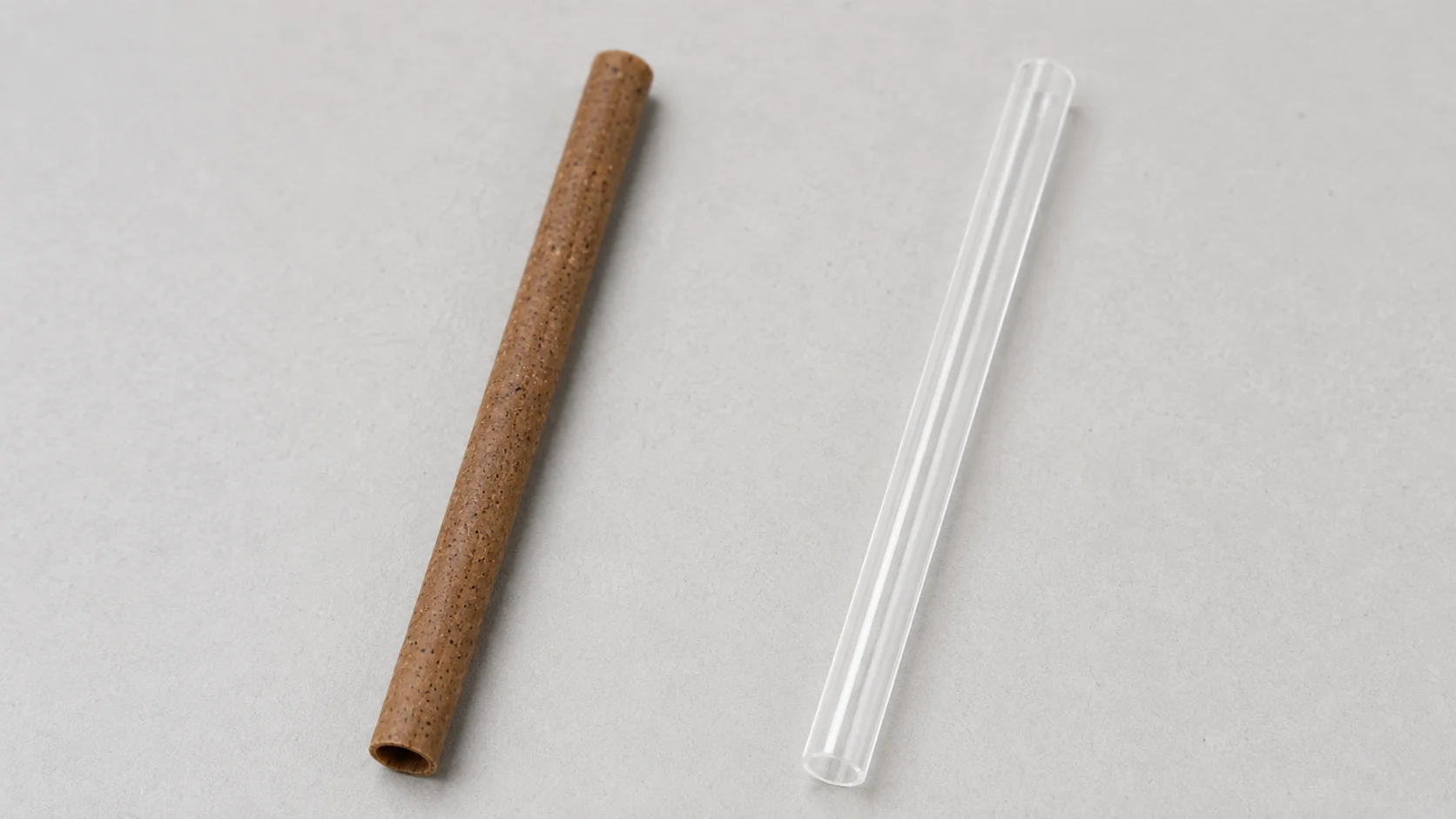
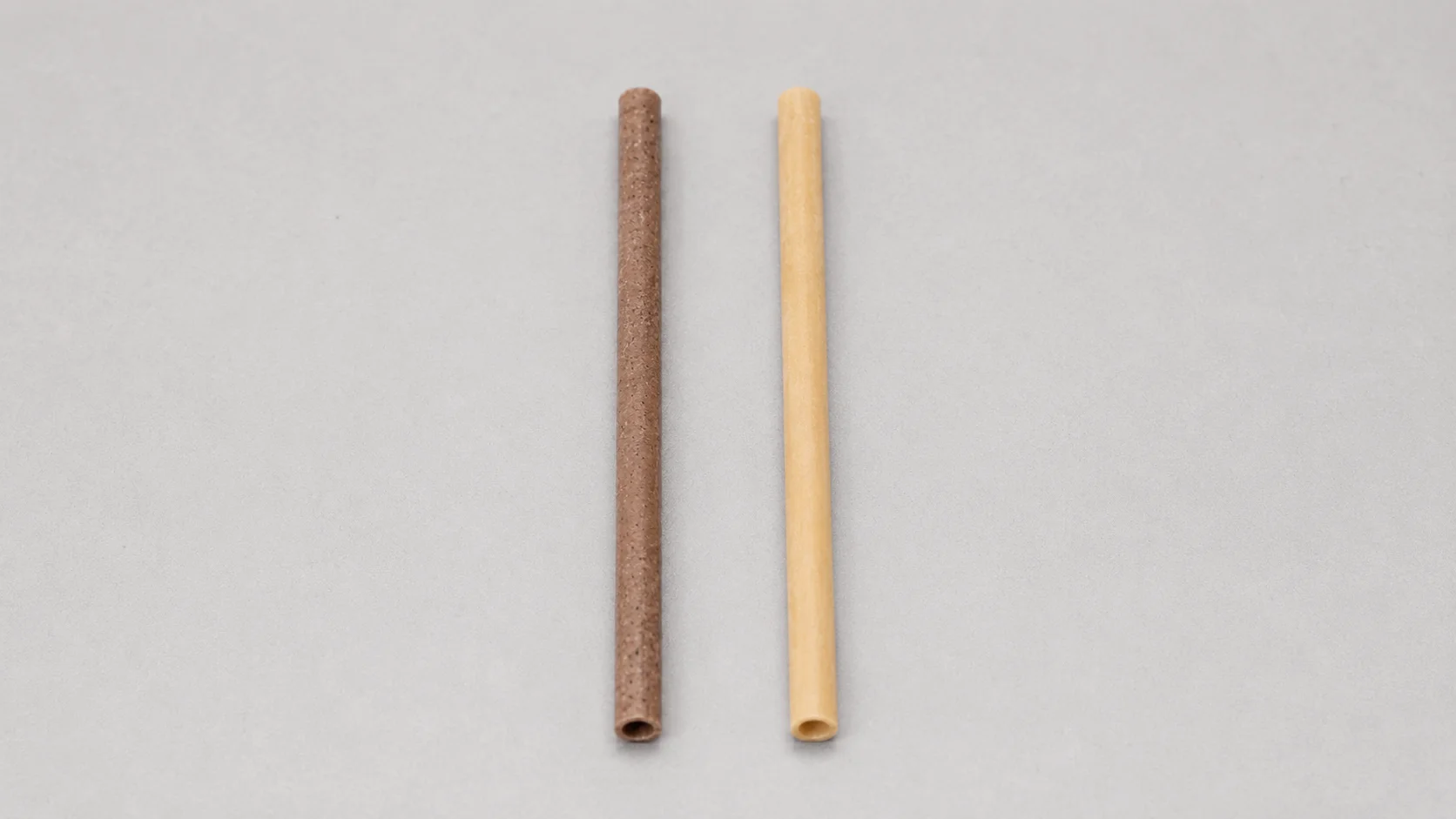
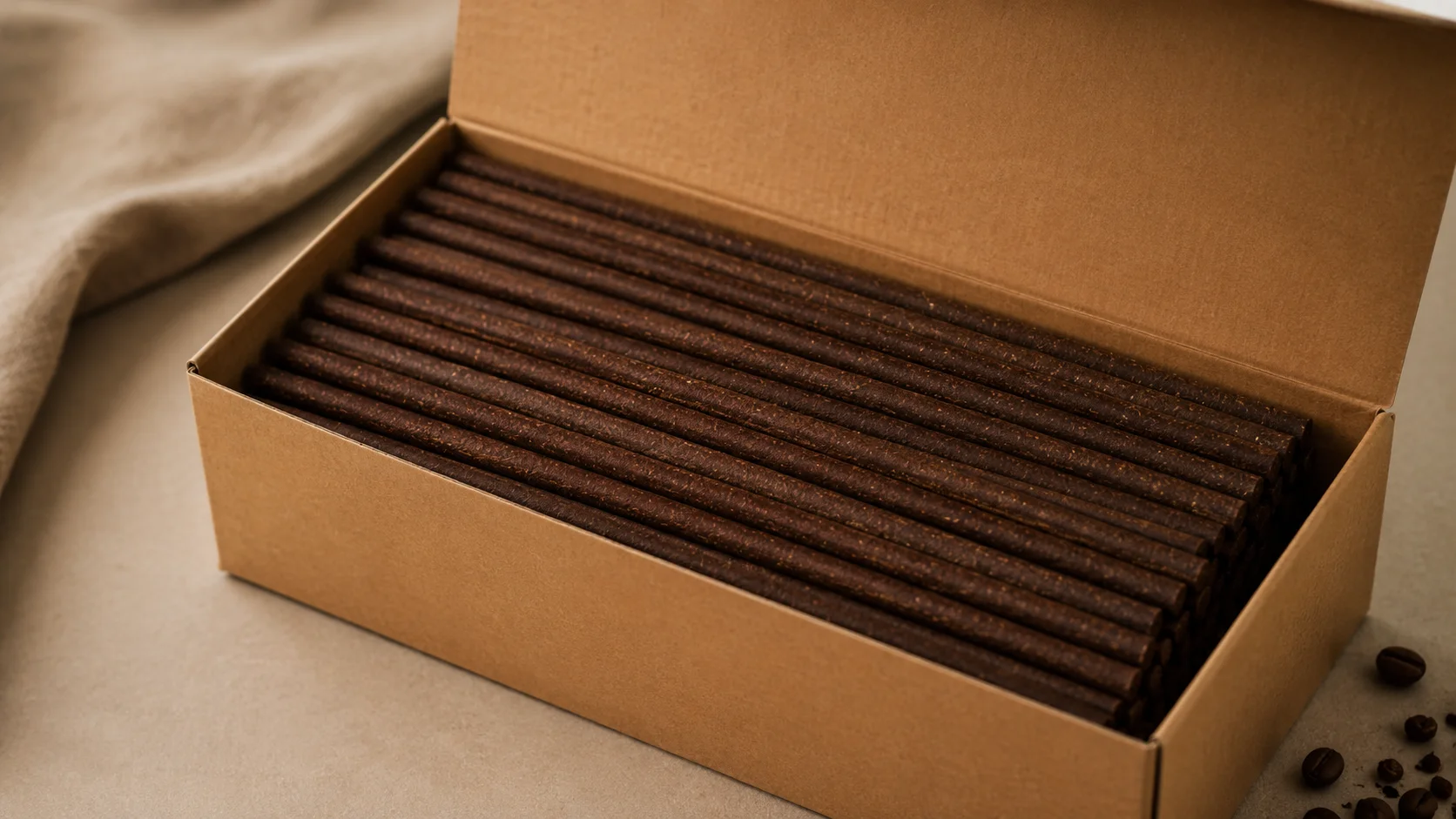
የተደበቀ እውነት: - የንግድ ሥራዎ የመጠጥ እጆች ናቸው?
በንግዱ ዓለም ቅልጥፍና፣ ተገዢነት እና መልካም ስም ቀዳሚ ናቸው። እያንዳንዱ ውሳኔ፣ ከአቅርቦት ሰንሰለት ሎጅስቲክስ እስከ ደንበኛ ፊት ዝርዝሮች፣ የምርት ስምዎን ያንፀባርቃል። አንድ ትንሽ የሚመስል ነገር፣ ትሑት የመጠጥ ገለባ፣ ከቀላል ምቾት ወደ ውስብስብ ዘላቂነት ፈተና ተለውጧል። ብዙ ቢዝነሶች የሚሠሩት አንድ ዕቃ “እንደገና ጥቅም ላይ ሊውል ይችላል” ወይም በቀላሉ ወረቀት ከመሰለ፣ ቢን ከነካ በኋላ በራስ-ሰር ሁለተኛ ሕይወት ያገኛል በሚል ግምት ነው። ይህ የተለመደ የተሳሳተ ግንዛቤ ግን ሳያውቁት ወደ ቆሻሻ ማጠራቀሚያ እና የአካባቢ ብክለት አስተዋጽዖ ወደሚያደርጉ ንግዶች ይመራል፣ ይህም የስራ ወጪያቸውን፣ የምርት ስም ምስልን እና የቁጥጥር አቋማቸውን በቀጥታ ይነካል።
እውነታው ግራ የተጋባ ነው፣ እና ለግዢ አስተዳዳሪዎች፣ ኦፕሬሽን ዳይሬክተሮች፣ የዘላቂነት ኦፊሰሮች እና የአቅርቦት ሰንሰለት ስራ አስፈፃሚዎች፣ ይህንን እውነት መረዳቱ ከአሁን በኋላ አማራጭ አይደለም - ይህ ከፍተኛ ዋጋ ያለው ግዴታ ነው። ዩናይትድ ስቴትስ ብቻ በየቀኑ በግምት 500 ሚሊዮን የሚገመቱ የፕላስቲክ መጠጦችን ትበላለች፣ ይህ መጠን ትኩረት ካልሰጠበት፣ በእኛ ውቅያኖሶች ውስጥ ያለው ፕላስቲክ በ2050 ዓ.ም ከዓሣ ሊበልጥ ለሚችል ዓለም አቀፍ ቀውስ አስተዋፅዖ ያደርጋል። የንግድ አደጋ ነው። በአውሮፓ ውስጥ እያደጉ ካሉ የቁጥጥር ግፊቶች ጀምሮ የሸማቾች ፍላጎት እያደገ ለኢኮ-ንቃት ልምምዶች፣ ስለ መጠጥ ገለባ የሚወስዷቸው ምርጫዎች የገበያ ቦታዎን እና የረጅም ጊዜ አዋጭነትዎን በቀጥታ ይነካሉ። ይህ አጠቃላይ መመሪያ የገለባ ቁሳቁሶችን ይለያል፣ እውነተኛ መልሶ ጥቅም ላይ ማዋልን ያሳያል፣ አዋጭ ዘላቂ አማራጮችን ያቀርባል፣ እና ድርጅትዎ ይህንን አሳሳቢ ጉዳይ ለመዳሰስ ሊወስዳቸው የሚችላቸውን ስልታዊ እርምጃዎች ይዘረዝራል።
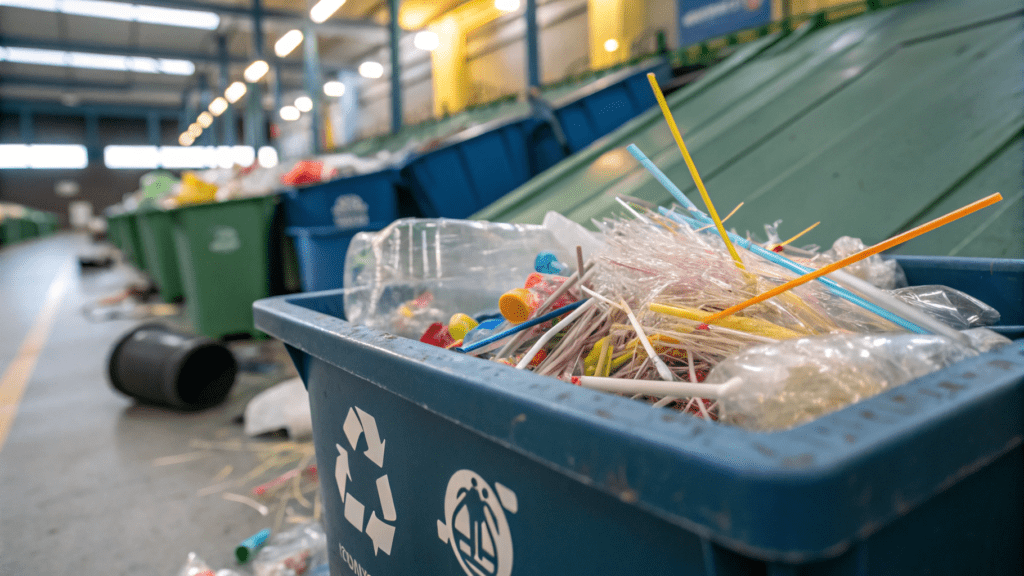
የማይታየው የቆሻሻ ጅረት፡ ለምንድነው ብዙዎቹ የመጠጥ ገለባዎች ሁለተኛ ህይወት አያገኙም።
የተጣለ የመጠጥ ገለባ ከደንበኛዎ እጅ ከወጣ በኋላ የሚደረገው ጉዞ ብዙ ጊዜ በችግሮች የተሞላ ነው፣በዋነኛነት በአብዛኛዎቹ አውቶሜትድ የመልሶ አጠቃቀም ስርዓቶች ላይ ባለው መሠረታዊ ጉድለት፡ መጠን እና ክብደት። እንደ ጠርሙሶች እና ጣሳዎች ያሉ ትላልቅ እና ከባድ ዕቃዎችን ለመደርደር ለተነደፉት ማሽነሪዎች የፕላስቲክ እና ብዙ የወረቀት ገለባ በቀላሉ በጣም ትንሽ እና ቀላል ናቸው። ስክሪንን በመደርደር ብዙ ጊዜ ይወድቃሉ፣ እንደ አጠቃላይ ቆሻሻ ወይም ደግሞ ይባስ ብሎ ሌሎች እንደገና ጥቅም ላይ ሊውሉ የሚችሉ ቁሳቁሶችን በመበከል የጠቅላላውን ስብስብ ጥራት ያዋርዳሉ። ይህ "የተበከለ" ችግር ውጤታማ መልሶ ጥቅም ላይ እንዲውል ትልቅ እንቅፋት ነው።
ወደ ቁሳዊ-ተኮር ተግዳሮቶች በጥልቀት መመርመር ለምን እንደገና ጥቅም ላይ ሊውል የሚችልበት መንገድ በጣም ቀላል እንዳልሆነ ያሳያል።
- የፕላስቲክ ጭረቶች;ምንም እንኳን ከ polypropylene (በ # 5 የተለጠፈ የፕላስቲክ አይነት) የተሰራ ቢሆንም, አብዛኛዎቹ የፕላስቲክ ገለባዎች ናቸውአይደለምበመላው ዩናይትድ ስቴትስ እና አውሮፓ ውስጥ ከዳርቻው እንደገና ጥቅም ላይ በሚውሉ ፕሮግራሞች ተቀባይነት አግኝቷል። በቴክኒካል እንደገና ጥቅም ላይ ሊውሉ የሚችሉ ልዩ፣ ብዙ ጊዜ ልዩ በሆኑ ፋሲሊቲዎች ውስጥ ቢሆኑም፣ መጠናቸው ለብዙ የማዘጋጃ ቤት መልሶ ጥቅም ላይ የሚውሉ እፅዋት ኢኮኖሚያዊ ሸክም ያደርጋቸዋል። በተጨማሪም የፕላስቲክ ገለባዎች በመደበኛነት ከመጠጥ ውስጥ በሚወጡ ፈሳሽ የተበከሉ ናቸው, ይህም ሊደረደሩ ቢችሉም እንኳ ለማቀነባበር ተስማሚ አይደሉም. ይህ እውነታ እንደ ሎስ አንጀለስ ያሉ አንዳንድ ከተሞች እንዳይነፍስ በታሸገ ከረጢት ውስጥ እንዲያስቀምጡ ሀሳብ ሊሰጡ ይችላሉ፣ሌሎችም እንደ ዴንቨር ሙሉ በሙሉ እምቢ ይላሉ።
- የወረቀት ጭነትብዙውን ጊዜ እንደ ዘላቂ አማራጭ የታወጀው, የወረቀት ገለባዎች ከራሳቸው ስብስብ እንደገና ጥቅም ላይ የሚውሉ ውስብስብ ነገሮች ጋር ይመጣሉ. ብዙዎቹ በፕላስቲክ ወይም በውሃ መከላከያ ኤጀንቶች ተሸፍነዋል እና እንደገና ጥቅም ላይ ለማዋል የሚያስፈልገውን የወረቀት ማፍለቅ ሂደትን የሚያደናቅፉ ማጣበቂያዎችን ይጠቀማሉ። ልክ እንደ ፕላስቲክ አቻዎቻቸው፣ ለምግብ እና ለመጠጥ ብክለት የተጋለጡ ናቸው፣ ይህ ደግሞ እንደገና ጥቅም ላይ ሊውል የሚችል ወረቀት ሙሉ በሙሉ ያበላሻል። ከታዳሽ ሀብቶች የተሠሩ ቢሆኑም እውነተኛ የአካባቢ ጥቅማቸው ብዙውን ጊዜ በማዳበሪያነት ላይ ነው። ይሁን እንጂ ይህ በአብዛኛው ለቤት ማዳበሪያ ተስማሚ ስላልሆነ የኢንዱስትሪ ማዳበሪያ ፋሲሊቲዎችን ማግኘት ላይ የተንጠለጠለ ነው.
- Metal & Silicone Straws:እነዚህ እንደገና ጥቅም ላይ ሊውሉ የሚችሉ አማራጮች በቆሻሻ ቅነሳ ሂደት ውስጥ ትልቅ እርምጃን ያመለክታሉ። የብረታ ብረት ገለባ (በተለምዶ አይዝጌ ብረት) ለየት ያለ ረጅም ጊዜ የሚቆይ እና 100% እንደገና ጥቅም ላይ ሊውል የሚችል ሲሆን የሲሊኮን ገለባ እንዲሁ እንደገና ጥቅም ላይ ሊውል የሚችል እና እንደገና ጥቅም ላይ ሊውል ይችላል። ማስጠንቀቂያው? በመደበኛ የማዘጋጃ ቤት መልሶ ጥቅም ላይ የሚውሉ ማጠራቀሚያዎች ሁለቱም በተለምዶ ተቀባይነት የላቸውም። በትክክል መሰራታቸውን ለማረጋገጥ ብዙ ጊዜ ልዩ የመሰብሰብ ወይም የመመለስ ፕሮግራሞችን ይፈልጋሉ።
የዚህ የማይታየው የቆሻሻ ፍሳሽ መዘዞች እጅግ በጣም ብዙ፣ ከፍተኛ የአካባቢ ጉዳት እና ቀጥተኛ የንግድ ወጪዎችን ያጠቃልላል። የአለም ብክለት ቀውስ በአንድ ጊዜ ጥቅም ላይ በሚውሉ ፕላስቲኮች ላይ ከፍተኛ ተጽዕኖ ያሳድራል. በውቅያኖስ ጽዳት ውስጥ ከሚገኙት ምርጥ አስር ነገሮች መካከል የፕላስቲክ ገለባ በተከታታይ ይመደባል ፣ይህም የባህር ላይ ህይወትን በሚያስደነግጥ መረጃ ይጎዳል፡ በግምት 71% የሚገመቱ የባህር ወፎች እና 30% ኤሊዎች በሆዳቸው ውስጥ ፕላስቲኮች ይገኛሉ፣ይህም ወደ ውስጥ ለሚገቡት 50% ሞት ያስከትላል። እነዚህ ፕላስቲኮች biodegrade አይደለም; እንደ PCBs፣ DDT እና PAH ያሉ አደገኛ ብክለትን በመምጠጥ ለዘመናት የሚቆዩ ተንኮለኛ ማይክሮፕላስቲኮችን ይከፋፈላሉ። እነዚህ መርዛማ ንጥረነገሮች የምግብ ሰንሰለቱን ማስተላለፍ ይችላሉ, ይህም በሰው እራት ሰሌዳዎች ላይ ሊጨርሱ ይችላሉ, የኢንዶሮኒክ መቆራረጥ እና ካንሰርን የሚያስከትሉ ሚውቴሽን አደጋዎችን ይፈጥራሉ.
ለንግድ ድርጅቶች፣ አክሲዮኑ ከአካባቢ ጥበቃ በላይ ይዘልቃል። የምርት ስም ስጋት ተጨባጭ ነው፣ ሸማቾች እና ተሟጋች ቡድኖች (እንደ “የመጨረሻው የፕላስቲክ ገለባ እንቅስቃሴ”) ከጊዜ ወደ ጊዜ የቆሻሻ አወጋገድ ልማዶችን እየመረመሩ ነው። ከ2023 ጀምሮ በአውሮፓ ህብረት ውስጥ ነጠላ ጥቅም ላይ የሚውሉ ፕላስቲኮች ላይ አጠቃላይ እገዳ እና ዩናይትድ ኪንግደም ከኦክቶበር 2020 ጀምሮ በፕላስቲክ ገለባ ላይ እገዳ መጣሉ (በተለየ ነፃነቶች) ያሉ እያደጉ ያሉ ህጎችን አለማክበር ወደ ቅጣቶች እና አሉታዊ የህዝብ ግንዛቤን ያስከትላል። እንደ ሲያትል ያሉ ከተሞች እገዳዎችን አስበዋል፣ እና ካሊፎርኒያ የመርጦ የመግባት ህጎችን አስተዋውቋል። እንደገና ጥቅም ላይ ሊውሉ ከማይችሉ ዕቃዎች ጋር የተያያዙ የሥራ ማስኬጃ እና የቆሻሻ አወጋገድ ወጪዎችም እያደጉ ናቸው፣ ይህም እውነተኛ ዘላቂ ግዥን የፋይናንስ አስፈላጊነት ያደርገዋል። በዚህ ተለዋዋጭ መልክዓ ምድር ውስጥ ትክክለኛውን ምርጫ ለማድረግ የሚፈልጉ የንግድ ድርጅቶች እነዚህን ዘርፈ ብዙ ተጽእኖዎች ግምት ውስጥ ማስገባት አለባቸው. ለንግድዎ ገለባ ዘላቂ ምርጫዎችን ስለማድረግ የበለጠ ይረዱhttps://momoio.com/recyclable-straws-b2b-right-choice/.
Strategic Choices: A Business’s Guide to Sustainable Straw Solutions
Navigating the complex landscape of straw materials requires a strategic approach. The global drinking straw market, valued at USD 15.3 billion in 2023, is projected to reach USD 35.7 billion by 2035, driven largely by sustainability concerns and stringent regulatory pressures. This growth underscores an urgent need for businesses to pivot towards genuinely eco-conscious solutions. Understanding the pros, cons, and true environmental impact of each option is crucial for making informed procurement decisions that align with both ecological responsibility and business objectives.
Here’s a comparison to help your business evaluate its options:
| ባህሪይ | B2B ተፅእኖ | ተገዢነት ስጋት | ሮይ አቅም |
|---|---|---|---|
| Traditional Plastic (Polypropylene #5) | Low upfront cost, widespread availability, familiar for customers. | High:Subject to outright bans in EU/UK, ‘upon request’ laws in US. Significant reputational damage and potential fines. | Negative:Escalating disposal costs, severe brand reputation erosion, potential for fines. |
| የወረቀት አውታሮች | Renewable resource, customizable, can be biodegradable/compostable (if certified). | Moderate:Often better for industrial composting, requiring specific infrastructure. Risk of sogginess affecting customer experience. McDonald’s UK faced issues with paper straws being too thick for existing recycling infrastructure, diverting them to energy production instead of recycling. | Variable:ከፕላስቲክ ከፍ ያለ የንጥል ዋጋ፣ ጥራቱ ደካማ ከሆነ የደንበኞችን እርካታ ሊያሳጣ ይችላል። የማስወገጃ ወጪዎች በአካባቢው ማዳበሪያ ተደራሽነት ላይ ይመረኮዛሉ. |
| የብረት ገለባ (ለምሳሌ፣ አይዝጌ ብረት) | በጣም የሚበረክት፣ እንደገና ጥቅም ላይ ሊውል የሚችል፣ ለቤት ውስጥ መመገቢያ የባለሙያ ውበት፣ ረጅም የህይወት ዘመን። | ዝቅተኛ፡እንደገና ጥቅም ላይ የሚውሉ አማራጮች በደንቦች የተወደዱ ናቸው። የውስጥ የጽዳት ፕሮቶኮሎችን ይፈልጋል። | High:እንደገና ጥቅም ላይ በማዋል ጉልህ የሆነ የረጅም ጊዜ ወጪ ቁጠባ። ለአካባቢ ተስማሚ የሆነ የምርት ስም ምስልን ያሻሽላል። የመጀመሪያ ኢንቨስትመንት በጊዜ ሂደት ተመልሷል። |
| የሲሊኮን ገለባ | እንደገና ጥቅም ላይ ሊውል የሚችል፣ ተለዋዋጭ፣ ለስላሳ፣ ለረጅም ጊዜ የሚቆይ፣ ለተለያዩ የደንበኞች ፍላጎቶች (ለምሳሌ፣ ልጆች) ተስማሚ። | ዝቅተኛ፡ከብረት ጋር ተመሳሳይነት ያለው, እንደገና ጥቅም ላይ ሊውል የሚችል አማራጭ በደንብ ይቆጠራል. | High:ለረጅም ጊዜ ጥቅም ላይ ማዋል ከፍተኛ ቁጠባ ያስገኛል. የምርት ስም አወንታዊ ግንዛቤ። ማጽዳትን ይጠይቃል. |
| PLA (ፖሊላቲክ አሲድ) ገለባ | ከዕፅዋት የተቀመመ, ባዮግራፊ, ማዳበሪያ. ለሥነ-ምህዳር-አወቁ ሸማቾች ይግባኝ. | Moderate:በስፋት የማይገኝ ልዩ የኢንዱስትሪ ማዳበሪያ ሁኔታዎች (ከፍተኛ ሙቀት) ያስፈልገዋል። በፕላስቲክ ሊሳሳት ይችላል, ይህም ወደ ተገቢ ያልሆነ መጣል ይመራዋል. | Variable:ከፕላስቲክ የበለጠ ዋጋ. ROI ለንግድ ማዳበሪያ በአካባቢው መሠረተ ልማት ላይ በእጅጉ ይወሰናል. |
| ብቅ ብቅ ብቅ ብቅ ብቅ ብቅ ብቅ ብቅ ብቅ ብቅ ብቅ ብቅ ብቅ ብቅ ብቅ ብቅ ብቅ ብቅ ብቅ ብቅ ብቅ ብቅ ብቅ ብቅ ብቅ ብቅ ብቅ ብቅ ብቅ ብቅ ብቅ ብቅ ብቅ ብቅ ብቅ ብቅ ብቅ ብቅ ብቅ ብቅ ብቅ ብቅ ብቅ ብቅ ብቅ ብቅ ብቅ ብቅ ብቅ ብቅ ብቅ ብቅ ብቅ ብቅ ብቅ ብቅ ብቅ ብቅ ብቅ ብቅ ብቅ ብቅ ብቅ ብቅ ብቅ ብቅ ብቅ ብቅ ብቅ ብቅ ብቅ ብቅ ብቅ ብቅ ብቅ ብቅ ብቅ ማለት (ስንዴ, የቀርከሃ, ሩዝ, ሸንኮራ አገዳ, ፓስታ, የባህር አረም) | ሙሉ በሙሉ ሊበላሽ የሚችል፣ ፈጠራ ያለው፣ የዜሮ ቆሻሻ አቅም፣ ጠንካራ የምርት ታሪክ። ስንዴ እና የሸንኮራ አገዳ ገለባ ብዙውን ጊዜ በቤት ውስጥ ማዳበሪያዎች ናቸው. | ዝቅተኛ፡በተፈጥሮ እንዲፈርስ የተነደፈ። የተረጋገጠ ከሆነ በትንሹ ወደ ምንም አላስፈላጊ ስጋቶች። | Variable:ወጪዎች ከፍተኛ ሊሆኑ ይችላሉ. ዘላቂነት፣ የጣዕም መስተጋብር እና ተገኝነት እንደ ቁሳቁስ ይለያያል። ጠንካራ አዎንታዊ የምርት ስም ማህበር። |

የኢንዱስትሪ ግንዛቤዎች፡ እየተሻሻለ የመጣውን የገለባ ገበያ እና የወደፊት እድገቶችን ማሰስ
ገበያው ትልቅ ለውጥ እያመጣ ነው። የሕግ አውጭ ለውጦች በተለይም በአውሮፓ እና በእንግሊዝ ውስጥ በአንድ ጊዜ ጥቅም ላይ የሚውሉ ፕላስቲኮች ላይ አጠቃላይ እገዳዎች በፕላስቲክ ገለባ አምራቾች ላይ ከፍተኛ ተጽዕኖ አሳድረዋል እና ዘላቂ አማራጮችን እንዲፈልጉ አድርጓል። በዩኤስ ውስጥ፣ ቁጥራቸው እየጨመረ የመጣ ከተሞች እና ግዛቶች “በተጠየቁ ጊዜ ገለባ” ፖሊሲዎችን ወይም ግልጽ እገዳዎችን በመተግበር ላይ ናቸው። ዋና ዋና ምርቶች እየመሩ ናቸው; ለምሳሌ ስታርባክስ እና ቦን አፔቲት የፕላስቲክ ገለባዎችን ለማስወገድ ቁርጠኞች መሆናቸው ሙሉ ለሙሉ ማጥፋት ለትላልቅ ስራዎች አዋጭ ስልት መሆኑን በማሳየት ነው።
የሸማቾች ፍላጎት ኃይለኛ አነቃቂ ነው፣ የዳሰሳ ጥናቶች ያለማቋረጥ ለሥነ-ምህዳር ንቃት ምርቶች ፕሪሚየም ለመክፈል ፈቃደኛ መሆናቸውን ያሳያሉ። ይህ ለዘላቂነት በእውነት ቃል ለሚገቡ ንግዶች ትልቅ የገበያ ድርሻ እድል ይሰጣል።
ከ5-10 ዓመታትን ወደፊት ስንመለከት ፣የፈጠራ አድማሱ ብሩህ ነው። የቁሳቁስ ሳይንስ በፍጥነት እየገሰገሰ ነው፣ ይህም የወረቀት ገለባ ዘላቂነት መሻሻሎችን (sogginessን በመቀነስ) እና እንደ PHA (polyhydroxyalkanoates) ያሉ አዳዲስ እፅዋትን መሰረት ያደረጉ ፖሊመሮች እንዲፈጠሩ ያደርጋል፣ እነዚህም የተሻሻለ ባዮዲድራዳቢሊቲ ናቸው። ከሩዝ፣ ከፓስታ ወይም ከባህር አረም የተሰሩ ልብ ወለድ ገለባ መፍትሄዎች እንደ የመጨረሻው የዜሮ ቆሻሻ አማራጭ ከፍተኛ ፍላጎት እያገኙ ነው። በቤይ ፕላስቲኮች ማሽነሪ ጄሰን ፎርጋሽ የተሰራውን እንደ ልዩ የገለባ ቆራጮች ያሉ 'እንደገና ጥቅም ላይ የማይውል' የፕላስቲክ ገለባ ፈተናን ለመፍታት አዳዲስ መፍትሄዎች አሉ። እነዚህ ሲስተሞች ዓላማቸው ያገለገሉ ፖሊፕፐሊንሊን ገለባዎችን ወደ ፔልት መጠን ያላቸውን ቁርጥራጮች በማቀነባበር በቀላሉ በተለዩ መገልገያዎች እንደገና ጥቅም ላይ እንዲውል ማድረግ፣ ይህም እገዳዎች በሌሉባቸው የፕላስቲክ ገለባዎች የህይወት መስመርን ሊሰጡ ይችላሉ።
However, challenges remain. The higher production costs for many alternatives and the necessity for robust composting or specialized recycling infrastructure are critical factors for widespread adoption. Businesses must carefully assess their local waste management capabilities to ensure their chosen “sustainable” straw truly lives up to its promise. For a deeper dive into making the right choice for your business, explorehttps://momoio.com/recyclable-straws-b2b-right-choice/.

Implementing Sustainable Practices: Actionable Steps for Your Business
ወደ ዘላቂ የገለባ ልምዶች መሸጋገር አንድን ቁሳቁስ በሌላ መተካት ብቻ አይደለም; ስለ ቆሻሻ አያያዝ እና የድርጅት ሃላፊነት አጠቃላይ አቀራረብ ነው። ንግድዎ ሊወስዳቸው የሚችሉ እርምጃዎች እነኚሁና፡
- የ"መጀመሪያ ይቀንሱ" ትእዛዝ፡ የገለባ አጠቃቀምን መቀነስ፡ በጣም ተፅዕኖ ያለው እርምጃ ፍላጎትን መቀነስ ነው። “በተጠየቀ ጊዜ ገለባ” ፖሊሲን መተግበር ቆሻሻን ለመቀነስ ቀላሉ እና አፋጣኝ መንገድ ነው፣ ነጠላ ጥቅም ላይ የሚውሉ ዕቃዎችን አላስፈላጊ ስርጭትን ይከላከላል። የበለጠ መሄድ ለሚችሉ ንግዶች፣ እንደ Starbucks እና McDonald's (በዩኬ ውስጥ) ያሉ ዋና ዋና ብራንዶች በተሳካ ሁኔታ ስላከናወኗቸው ገለባዎችን ሙሉ በሙሉ ማስወገድን መመርመር የአካባቢ ምስክርነቶችዎን በከፍተኛ ሁኔታ ያጠናክራል እና ስራዎችን ያቀላጥፋል።
- Informed Sourcing: Choosing the Right Sustainable Alternative:
- Assess Your Business Needs:Consider your specific environment – a bustling café might prioritize different features than a fine-dining restaurant or a hotel. Evaluate factors like drink types, average consumption time, and customer demographics.
- Verify Local Infrastructure:This is critical. Before investing in compostable or specialized recyclable straws,alwaysconsult with your local waste disposal contractor. Many only accept dry, clean paper and card, and commercial composting facilities for PLA or other plant-based materials are not universally available. A straw that is “compostable” but ends up in a landfill is no better than plastic.
- Partner with Certified Suppliers:በግዥዎ ላይ ግልጽነት እና ታማኝነት ያረጋግጡ። የባዮዴራዳዴሽን፣ ብስባሽነት ወይም የስነምግባር ምንጮችን የይገባኛል ጥያቄዎች የሚያረጋግጡ የምስክር ወረቀቶችን ይፈልጉ። ይህ ተገቢ ትጋት የምርት ስምዎን ይከላከላል እና የእርስዎ ኢንቨስትመንት በእውነት ዘላቂነትን እንደሚደግፍ ያረጋግጣል።
- ማስተማር እና ማብቃት፡ የውስጥ እና የውጭ ግንኙነት፡
- የሰራተኞች ስልጠና;ሰራተኞችዎን ስለ አዲሱ የገለባ ፖሊሲዎችዎ፣ ስለሚጠቀሙባቸው ቁሳቁሶች እና ስለ ትክክለኛው የማስወገጃ ዘዴዎች አጠቃላይ እውቀትን ያስታጥቁ። ሰራተኞች ለዘላቂነት ግንባር ቀደም ጠበቃዎችዎ ናቸው።
- የደንበኛ ተሳትፎ፡በቀላሉ በሚታዩ የምልክት ምልክቶች፣ በምናሌ ማስታወሻዎች እና በሰራተኞች መስተጋብር ዘላቂነት ያለው የገለባ ፖሊሲዎችዎን ለደንበኞች ማሳወቅ። አብራራለምንገለባዎችን በትክክል በመጣል ፈረቃውን እና እንዴት መሳተፍ እንደሚችሉ አድርገሃል። ይህ ያስተምራል ብቻ ሳይሆን የምርት ስምዎን ቁርጠኝነት ያጠናክራል።
- ቀልጣፋ እና መላመድ፡የዘላቂው የማሸጊያ ገጽታ ተለዋዋጭ ነው።
- የቁጥጥር ለውጦችን ይቆጣጠሩ፡በገለባ ግዥዎ እና አወጋገድዎ ላይ ተጽእኖ ሊያሳድሩ የሚችሉ አዳዲስ አካባቢያዊ፣ ሀገራዊ እና አለምአቀፍ ህጎችን ይከታተሉ።
- ቀጣይነት ያለው መሻሻልን መቀበል;አዳዲስ፣ የበለጠ ዘላቂ ቴክኖሎጂዎች እና ቁሳቁሶች ሲገኙ ለመቀበል ክፍት ይሁኑ። የባዮዳዳዳዳድ እና ብስባሽ እቃዎች ገበያው በየጊዜው እያደገ ነው, ይህም የበለጠ ውጤታማ መፍትሄዎችን ለማግኘት እድሎችን ያቀርባል. በመጎብኘት ለንግድዎ ቀጣይነት ያለው ምርጫዎችን እንዴት እንደሚያደርጉ ይወቁhttps://momoio.com/recyclable-straws-b2b-right-choice/.
Making truly sustainable choices for drinking straws is no longer a peripheral concern; it’s a fundamental business imperative. Understanding the intricate realities of straw recyclability, moving beyond surface-level claims, and actively implementing well-researched alternatives positions your business not just for compliance, but as a leader in corporate social responsibility. By evaluating your current practices, engaging your teams, and making informed shifts, you can mitigate significant operational risks, enhance brand value, and unlock market share opportunities among an increasingly eco-conscious consumer base. This proactive approach will not only secure your business’s future but also contribute meaningfully to a healthier planet. Your next step begins with genuine inquiry and decisive action toward a more sustainable and responsible future.
ተደጋግሞ የሚነሱ ጥያቄዎች
Are plastic drinking straws truly recyclable in standard business recycling programs?
Short answer: In practice, no.
- Sorting limitations: Straws are small/light and fall through MRF (materials recovery facility) screens, so they’re rarely captured with #5 plastics.
- Contamination: Beverage residue and mixed materials make them uneconomical to process at curbside.
- Result: Most end up as residual waste or contamination, even if technically “recyclable.” Collection via specialty programs is required for meaningful recovery.
B2B takeaway: Treat single-use plastic straws as non-recyclable at curbside unless you have a verified specialty recycler and a closed-loop collection system.
What are the most sustainable alternatives to plastic straws for businesses?
- Reduce / “upon request”: The most impactful and lowest-cost option; often cuts straw use by 50–80%.
- Reusable in-house: Stainless steel, silicone, or glass. Highest durability and best lifecycle impact when cleaning SOPs are in place.
- Fiber-based single-use: Paper (high-quality wet-strength), wheat, የሸንኮራ አገዳ ፋይበር, bamboo. Prefer home-compostable or rapid biodegradation in ambient conditions.
- Compostable biopolymers: PLA/PHA where commercial composting exists; verify acceptance with local haulers/composters.
B2B checklist: Match the option to use case (dine-in vs. takeaway), verify local end-of-life (recycling/composting), and request certifications (e.g., በ 13432,, አስትስ ዲ6400,, ቢፒአይ,, እሺ ብስባሽ HOME).
How do regulatory changes impact a business’s choice of drinking straws?
- EU/UK bans: Single-use plastic straws are broadly banned (with narrow exemptions), pushing businesses to reusables or certified fiber-based options.
- US patchwork: State/city rules (e.g., “straws upon request,” local bans) plus EPR (extended producer responsibility) trends increase compliance risk and fees.
- Green claims: Tightening rules on environmental marketing require substantiated, specific claims and valid third-party certifications.
B2B takeaway: Standardize on a globally compliant portfolio (reusable + certified compostable/fiber) and maintain a regulatory tracker per market.
What are the key challenges in recycling paper straws?
- Wet-strength resins/liners: Plastic coatings and certain adhesives reduce fiber recovery during pulping.
- Food contamination: Beverage residue downgrades paper quality and can cause bale rejection.
- Small format: Like plastics, small paper items can bypass screens at MRFs.
Better path: ተጠቀም unlined, high-grade paper designed for fiber recovery, or prefer home/industrial compostable options where composting access is confirmed.
What is the environmental and business impact of continuing to use non-recyclable straws?
- Environmental: Increased litter, marine ingestion/entanglement, and microplastics persistence.
- Financial: Rising disposal fees, contamination penalties, and inefficiencies in waste streams.
- Compliance & brand: Fines/penalties where bans apply; negative customer sentiment and ESG scores.
B2B takeaway: Moving to “request-only,” reusables, and verified compostables typically lowers total cost of ownership over time and improves brand equity.