የተደበቀው እውነት፡ የንግድ መጠጥ ገለባ እንደገና ጥቅም ላይ ሊውል ይችላል?
በአካባቢ ጥበቃ ዙሪያ ያለው ዓለም አቀፋዊ ውይይት ወሳኝ የሆነ የመገለጫ ደረጃ ላይ ደርሷል፣ ይህም የንግድ ሥራቸውን እያንዳንዱን ገጽታ እንደገና እንዲያስቡ ከዚህ በፊት ታይቶ የማይታወቅ ጫና በመፍጠር። ለግዢ አስተዳዳሪዎች፣ ኦፕሬሽን ዳይሬክተሮች፣ የዘላቂነት ኦፊሰሮች እና የአቅርቦት ሰንሰለት ሥራ አስፈፃሚዎች፣ የመጠጥ ገለባ ትንሽ የሚመስለው ውሳኔ አሁን ትልቅ ክብደት አለው፣ ይህም የምርት ስምን ስም፣ ተገዢነትን እና በመጨረሻም ትርፋማነትን ይነካል። በየቦታው የሚገኙ ነጠላ ጥቅም ላይ የሚውሉ የፕላስቲክ ገለባዎች በፍጥነት እያሽቆለቆሉ ነው፣ በኃይለኛ የቁጥጥር ማዕበል እና የሸማቾች ፍላጎቶች እየተሻሻለ ነው። ከባህር ኤሊ የአፍንጫ ቀዳዳ የተወገደ የፕላስቲክ ገለባ የቫይራል 2015 ቪዲዮን አስታውስ? ያ ወሳኝ ወቅት እንቅስቃሴን አንቀሳቅሷል፣ እነዚህ ትናንሽ የፕላስቲክ ቱቦዎች ለመበስበስ እስከ 200 ዓመታት የሚፈጅባቸው፣ ለውቅያኖስ ብክለት ከፍተኛ አስተዋፅዖ የሚያደርጉ መሆናቸውን አጉልቶ ያሳያል። ይህንን ለውጥ ችላ ያሉ የንግድ ድርጅቶች ህዝባዊ ተቃውሞን ብቻ ሳይሆን በቀጥታ ወደ መጨረሻቸው የመምታት አደጋ በቅጣት፣ የደንበኛ ታማኝነት መቀነስ እና ከጊዜ ወደ ጊዜ እየጨመረ በሄደው ኢኮ-ንቃት ገበያ ላይ የተበላሸ የምርት ስም ምስል ነው።
Navigating this transition, however, is far from straightforward. The initial wave of eco-friendly, non-bendable straw alternatives introduced its own set of operational pitfalls and customer experience challenges. Many first-generation paper straws quickly became soggy, disintegrated prematurely, or imparted an unpleasant taste, leading to widespread consumer dissatisfaction. Stainless steel straws, while durable, often carry a metallic taste or become uncomfortably hot with certain beverages. More critically, the shift has ignited a significant controversy around accessibility. For millions of individuals with disabilities, chronic illnesses, or mobility issues, the flexibility, softness, and disposability of traditional plastic straws are not merely conveniences but necessities for safe and independent hydration. Rigid alternatives like metal, glass, or bamboo can pose severe injury risks, including chipped teeth or lacerations, especially for those with tremors or involuntary movements—a tragic incident involving a metal straw even resulted in a fatality. Paper and pasta straws, when degrading, can become choking hazards. This “eco-ableism” critique underscores the complex balance between environmental goals and inclusive customer service, creating a major compliance and ethical dilemma for procurement teams. Furthermore, the environmental impact of some alternatives isn’t always clear-cut. While plant-based PLA straws offer a plastic-like feel, they often require commercial composting facilities to break down effectively, facilities that are not universally available, leading to these alternatives still ending up in landfills. The energy and water consumption during the production of certain alternatives also raise questions about their true lifecycle carbon footprint compared to plastic. As Europe emerges as an innovation hub for next-generation eco-friendly solutions and US consumer preferences, especially among millennials and Gen Z, rapidly shift towards plant-based options, understanding these nuances is paramount for strategic decision-making.
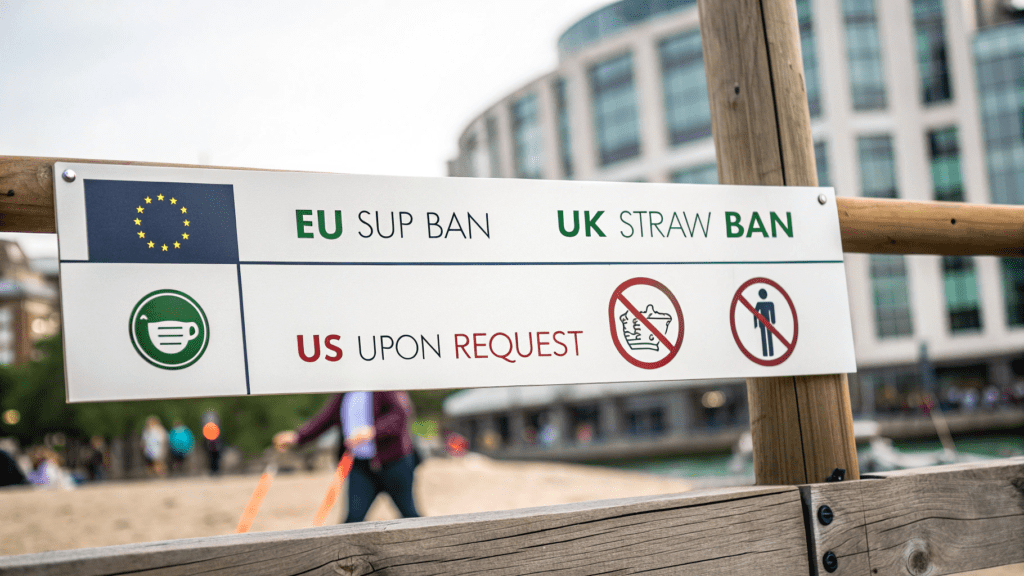
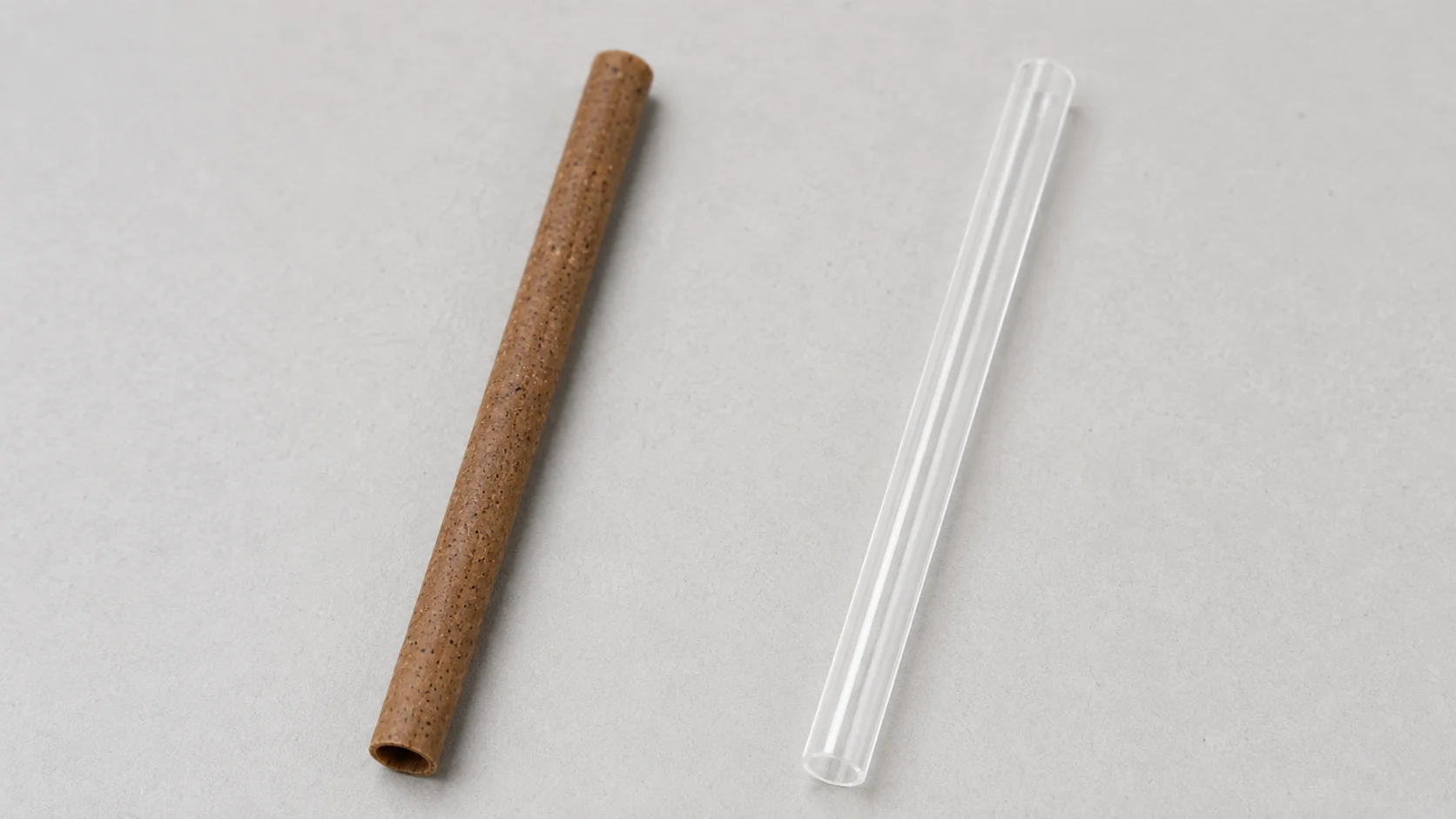
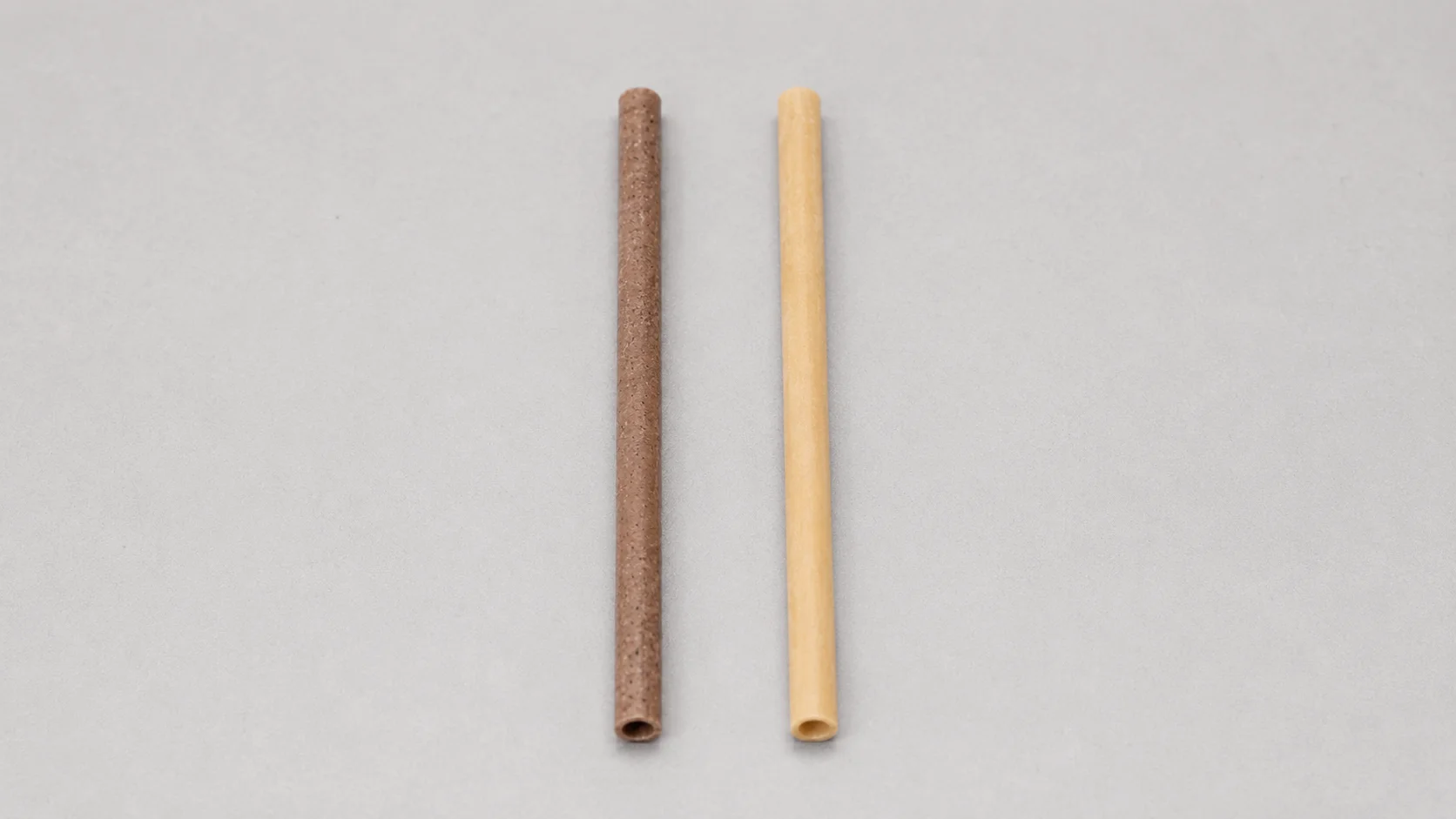
መልካም ዜናው ኢንዱስትሪው በፍጥነት እያደገ ነው፣ በቁሳዊ ሳይንስ ግኝቶች እና እነዚህን ውስብስብ ችግሮች ለመፍታት ባለው ቁርጠኝነት የሚመራ ነው። ፈጠራዎች ሁለቱንም አፈፃፀም እና ዘላቂነት ወደሚያቀርቡ ወደ ቀጣዩ ትውልድ የማይታጠፍ የገለባ መፍትሄዎችን እየመሩ ነው። የምርምር መሐንዲሶች ከግብርና ሰብል ቅሪት የላቁ የምግብ ደረጃ ሽፋን ያላቸው የወረቀት ገለባዎችን በማዘጋጀት ዘላቂነትን በማጎልበት እና መጨናነቅን በመከላከል ላይ ሲሆኑ፣ ሌሎች ፈጠራዎች ደግሞ እንደ ፖሊቡቲሊን ሱኩሲኔት (PBS) ከሴሉሎስ ናኖክሪስታሎች ጋር የመቋቋም አቅምን ለማሻሻል እና የውቅያኖስ ባዮዳዳራዳዴሽንን ለማሻሻል ባዮዲዳዳዳዴብልብልብልብልብልብልብልብልብልብልብልብልብልብታን። ከወረቀት ባሻገር፣ ገበያው እንደ PLA እና ሌሎች ከአጋቭ ፋይበር፣ ድርቆሽ፣ ሸንኮራ አገዳ፣ ፓስታ፣ እና የደረቀ የኮኮናት ቅጠሎች የተገኙ እንደ ተክል ላይ የተመሰረቱ ፖሊመሮች እየጨመረ መጥቷል። እነዚህ ቁሳቁሶች የአካባቢ ተፅእኖን በሚቀንሱበት ጊዜ ብዙውን ጊዜ የበለጠ አስደሳች የተጠቃሚ ተሞክሮ ይሰጣሉ። እንደገና ጥቅም ላይ ሊውሉ የሚችሉ አማራጮችን በሚያስቡበት ጊዜ አምራቾች ለአይዝጌ ብረት ፣ መስታወት እና ሲሊኮን ዲዛይኖችን በማጣራት በ ergonomic ማሻሻያዎች ላይ በማተኮር እና ከፍተኛ መጠን ላላቸው እና ብዙ ጥቅም ላይ የሚውሉ አካባቢዎችን ለማፅዳት ቀላልነት ላይ ያተኩራሉ ፣ ይህም የረጅም ጊዜ አጠቃላይ የባለቤትነት ወጪን ይቀንሳል። የቀርከሃ፣ የረዥም ጊዜ ዘላቂነት ያለው ቁሳቁስ፣ ከመሳሰሉት መፍትሄዎች ጋር ፈጠራን እያየ ነው።የታሸገ የቀርከሃ ፋይበር ሰልፍየኢኮ ምስክርነቶችን በመጠበቅ የመተጣጠፍ ፍላጎቶችን ለመፍታት ብቅ ማለት።
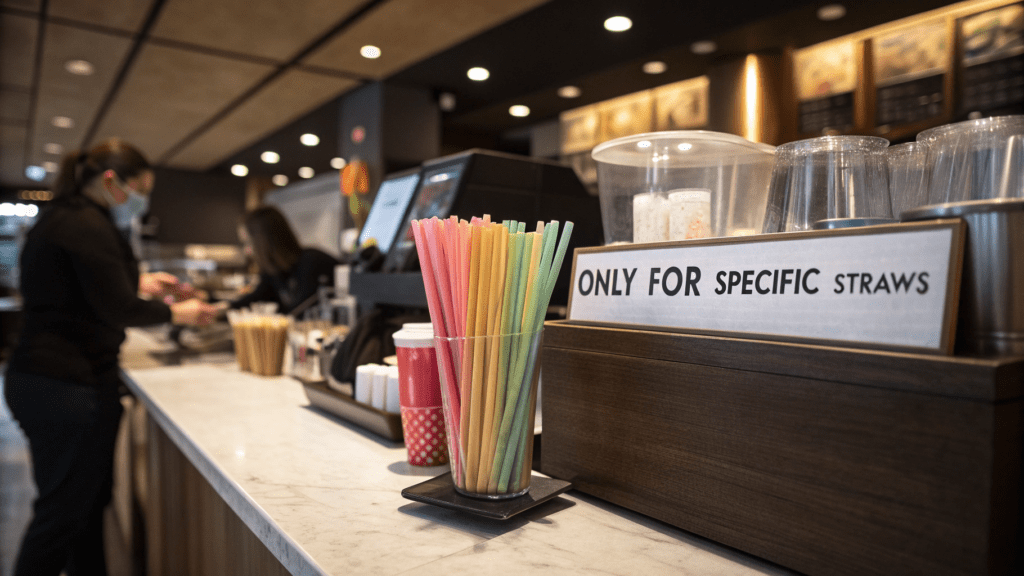
የማይታጠፍ የገለባ ቁሶች የB2B ንጽጽር መመሪያ
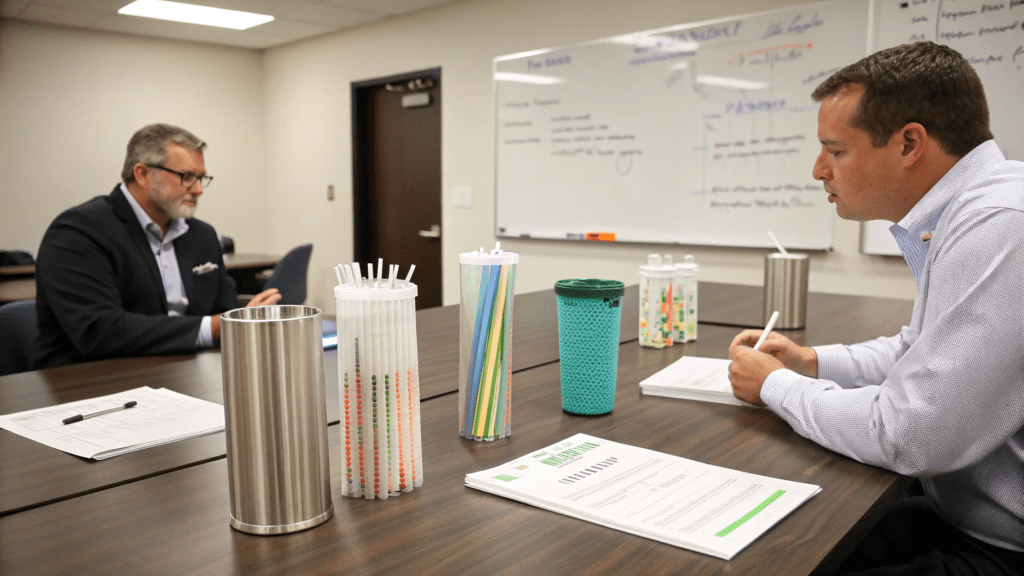
ይህንን የተለያየ መልክዓ ምድር ለማሰስ፣ ስልታዊ ምንጭ እና ምርጫ ሂደት ወሳኝ ነው። ውሳኔ ሰጪዎች ቁሳቁሶችን በዋጋ ብቻ ሳይሆን በአፈጻጸም፣ ደህንነት እና ከአሰራር መሠረተ ልማት እና የምርት እሴቶቻቸው ጋር መገምገም አለባቸው።
| ባህሪይ | B2B ተፅእኖ | ተገዢነት ስጋት | ሮይ አቅም |
|---|---|---|---|
| የወረቀት አውታሮች | በሰፊው የሚገኝ፣ የምርት ስም ያለው፣ ነጠላ-አጠቃቀም ምቹ። | ሽፋኖች ላይ በመመስረት ይለያያል; የደንበኛ እርካታ ማጣት እምቅ. | ዝቅተኛ የመነሻ ዋጋ ፣ ከፍተኛ የምርት ስም ከዘላቂነት ጋር; ከፍተኛ የመልሶ ማዘዣ ተመኖች ስጋት። |
| የፕላስ ጭስ | ፕላስቲክ የሚመስል ስሜት፣ ነጠላ ጥቅም፣ ከታዳሽ ሀብቶች የተገኘ። | Requires specific industrial composting infrastructure, not widely available. | Depends on local composting; reduced landfill fees if properly disposed; higher unit cost. |
| የቀርከሃ ገለባ | Natural aesthetic, reusable, compostable (if untreated). | Inconsistent quality can lead to splinters; hygiene for reuse. | Good for premium branding; high cleaning costs for reusable;innovations like bendable bamboo fiber strawsenhance utility. |
| አይዝጌ ብረት | Highly durable, premium feel, reusable for high-end service. | Injury risk for vulnerable populations; temperature conductivity. | High upfront cost offset by longevity; reduced waste management costs. |
| የመስታወት ገለባ | Elegant, taste-neutral, reusable. | Fragile; high injury risk; requires careful handling. | High upfront cost; reduced waste; suitable for controlled, high-end environments. |
| የሚበሉ ገለባዎች | ዜሮ ብክነት፣ አዲስ የደንበኛ ልምድ፣ የግብይት ይግባኝ | ፈሳሽ ይቀንሳል, ጣዕሙን ይለውጣል; ሊከሰት የሚችል የመታፈን አደጋ. | ከፍተኛ የክፍል ዋጋ; ጠንካራ የምርት መለያ; የተገደበ መጠጥ ተኳሃኝነት. |
እንደ Starbucks እና McDonald's ያሉ መሪ ብሄራዊ ሰንሰለቶች አስቀድመው ቅድመ ሁኔታዎችን እያስቀመጡ ነው። በዲሴምበር 2024፣ Starbucks ለፈጠራ እና ለአካባቢ ተስማሚ አማራጮች ያለውን ቁርጠኝነት በማሳየት በጃፓን አረንጓዴ ፕላኔት™ ገለባ ማቅረብ ጀመረ። እንዲህ ያሉት ሽግግሮች ስለ ተገዢነት ብቻ አይደሉም; እነሱ የገበያ ድርሻን ስለማስጠበቅ እና ከደንበኛ ሸማቾች ወጪ ጋር መጣጣም ናቸው። በ2025 ከ12.3 ቢሊዮን ዶላር ወደ 25.1 ቢሊዮን ዶላር የሚጠጋው በ2035 ከነበረው ከ12.3 ቢሊዮን ዶላር የሚገመተው፣ በ 7.3% CAGR በጠንካራ ሁኔታ በማደግ ላይ ያለው ዓለም አቀፍ ኢኮ-ተስማሚ የስትሮውስ ገበያ ከፍተኛ ዕድገት ለማምጣት ታቅዷል። ይህ እድገት የሚካሄደው በመንግስት ደንቦች ነው, ለምሳሌ ነጠላ ጥቅም ላይ የሚውሉ ፕላስቲኮች እገዳዎች መጨመር እና "በጥያቄ ላይ ያለ ገለባ" ፖሊሲዎችን በስፋት መቀበል, ይህም በአካባቢያዊ ግቦች እና በተደራሽነት ፍላጎቶች መካከል ተጨባጭ ሚዛን ያመጣል.
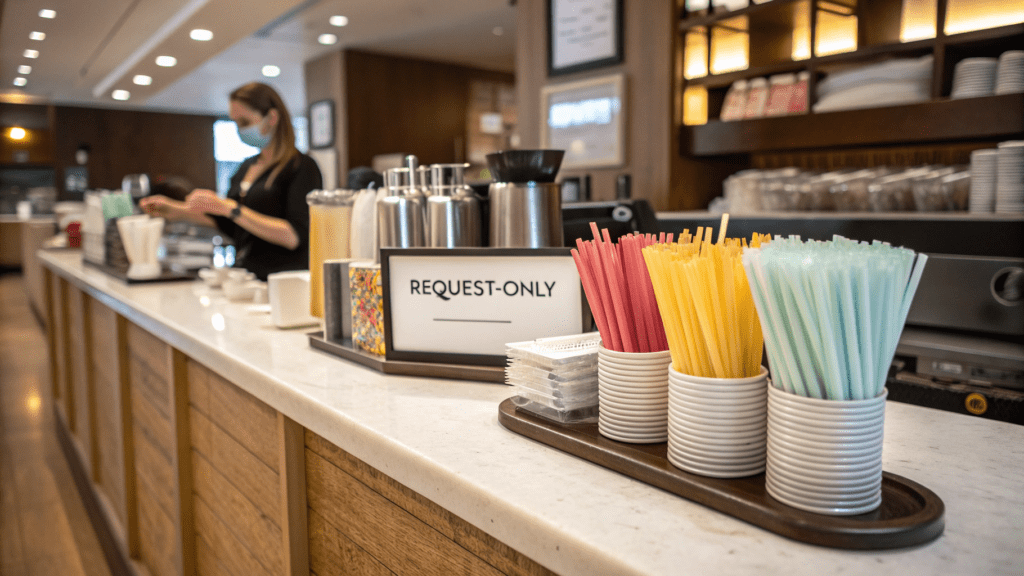
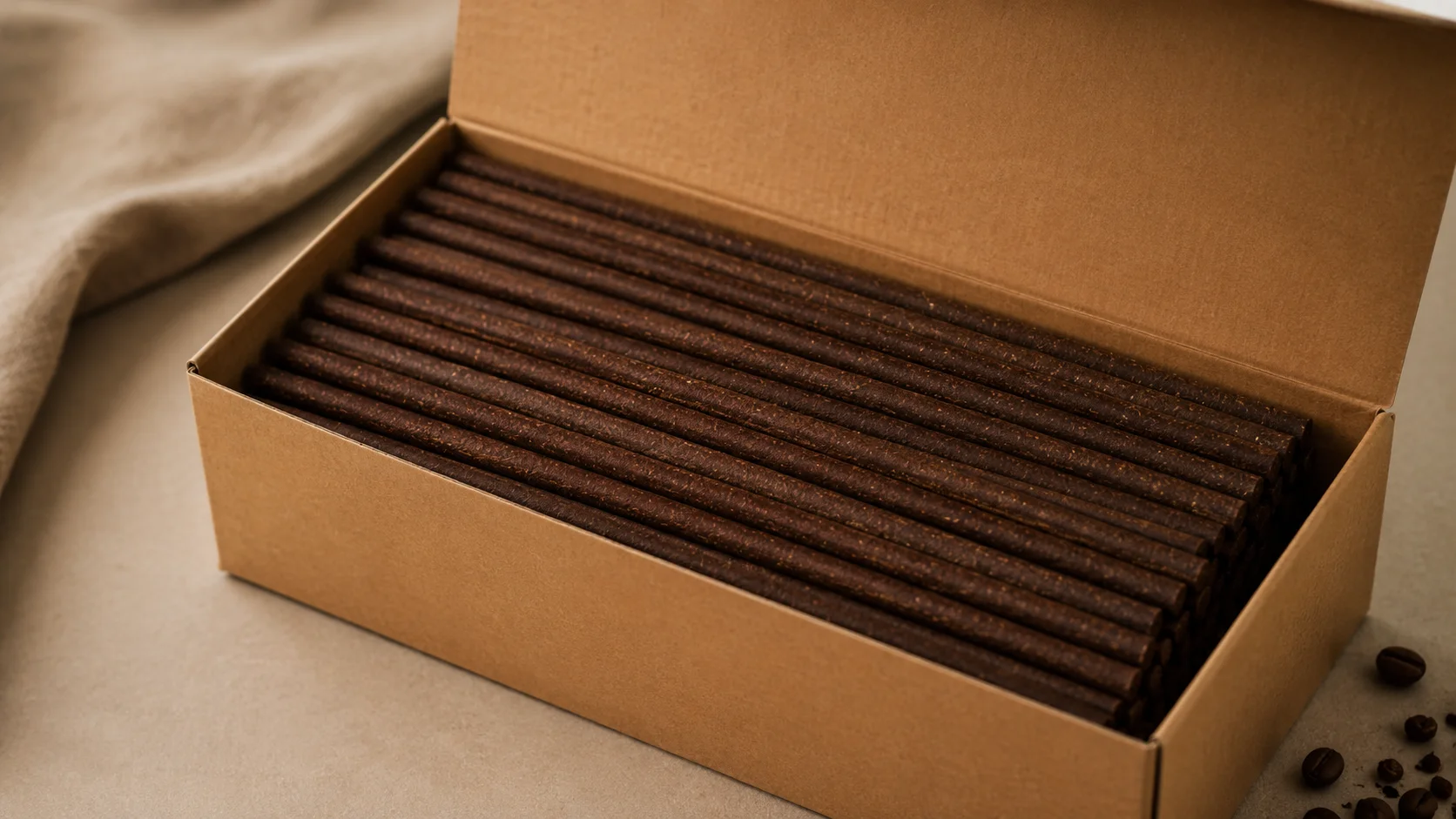
የቴክኖሎጂ እድገቶች የምርት መልክዓ ምድሩንም እየቀየሩ ነው። ለአካባቢ ተስማሚ ገለባዎች የማምረቻ ሂደቶችን ከትክክለኛ ቁሳቁስ ምርጫ እስከ መቅረጽ፣ ብክነትን በእጅጉ በመቀነስ እና ውጤታማነትን ለመጨመር በ AI የተጎላበቱ ስርዓቶች እየተዘረጉ ነው። እንደ በቆሎ ቀጣይ ያሉ ኩባንያዎች በጁላይ 2025 ከቆሎ ስታርች የተሰሩ መርዛማ ያልሆኑ እና ሊበላሹ የሚችሉ ገለባዎችን እና በጁን 2025 ዳኒመር ሳይንቲፊክን በማግኘት የባዮፕላስቲክ አቅርቦቱን ያስፋፋው Teknor Apex የኢንዱስትሪውን ፈጣን ፈጠራ በምሳሌነት ያሳያሉ። ሰሜን አሜሪካ እ.ኤ.አ. በ 2025 ከጠቅላላው ገቢ 30.0% ጋር ዓለም አቀፍ ኢኮ-ተስማሚ ገበያን ትመራለች ተብሎ ይጠበቃል ፣ ዩኤስኤ ብቻ ከ 2025 እስከ 2035 7.5% CAGR ታገኛለች ፣ አውሮፓ ለቀጣይ ትውልድ መፍትሄዎችን ለማዘጋጀት ወሳኝ ማዕከል ሆናለች። ፈጠራዎች በሚቀጥሉበት ጊዜ ዘላቂ፣ ወጪ ቆጣቢ እና ተለዋዋጭ ባዮግራዳዳዴድ ገለባ በመፍጠር ላይ በማተኮር፣ መጪው ጊዜ ዘላቂ ምርጫዎችን ሰፋ ያለ ድርድር ይሰጣል። ለምሳሌ፣ የግብርና ቆሻሻን ወደ ዘላቂ፣ ነጠላ ጥቅም ላይ የሚውሉ ምርቶችን በማዘጋጀት ረገድ የተደረጉ እድገቶችየታሸገ የቀርከሃ ፋይበር ሰልፍሁለቱንም ዘላቂነት እና ተግባራዊነት የሚያቀርቡ, ገበያውን እንደገና ለመቅረጽ ዝግጁ ናቸው. ይህ ቀጣይነት ያለው ቁሳዊ ፍለጋ አስፈላጊ ነው።

Charting a future-proof course for your organization’s straw program requires a methodical approach. Begin with a comprehensive internal audit to assess your specific operational needs, customer demographics, and existing waste management infrastructure. This will illuminate the most viable material options and identify potential accessibility gaps. Next, pilot new materials in controlled environments, gathering actionable feedback from both staff and customers. This iterative process allows for informed adjustments before large-scale adoption, mitigating risks of widespread dissatisfaction. Develop clear, transparent communication strategies, internally and externally, to educate consumers about your sustainability initiatives and demonstrate your commitment to inclusivity by explaining “straws on request” policies. Partnering with innovative and reliable suppliers, like those highlighted in the industry insights, who are committed to quality, consistency, and ongoing R&D in sustainable materials, is also paramount.
ኃላፊነት በተሞላበት የመጠጥ አገልግሎት ውስጥ መንገድ መምራት ማለት ከተዛማጅነት በላይ መሄድ ማለት ነው። ፕላኔታችንን የሚጠብቅ ብቻ ሳይሆን የምርት ስምዎን የሚጠብቅ እና ሁሉንም ደንበኛዎችዎን የሚያገለግል ስልታዊ፣ በመረጃ የተደገፈ እና የማይታጠፉ ገለባዎች ላይ አካታች አቀራረብን ይፈልጋል። አደጋን ለመቀነስ፣ በብቃት ግዥ እና ቆሻሻን በመቀነስ ከፍተኛ ወጪ ቁጠባዎችን ለመገንዘብ፣ እና የምርት ስምዎን እሴት ለማጉላት ፈጠራን አሁኑኑ ይቀበሉ። ኢንተርፕራይዝዎን በማደግ ላይ ባለው ዓለም አቀፍ ኢኮኖሚ ውስጥ ወደፊት አሳቢ መሪ አድርጎ የሚያስቀምጥ ዘላቂ የሆነ የገለባ ስትራቴጂን በንቃት በመከተል የገበያ ድርሻዎን ያስጠብቁ።
ተደጋግሞ የሚነሱ ጥያቄዎች
በB2B ውስጥ የማይታጠፍ ገለባ ለመውሰድ ዋና አሽከርካሪዎች ምንድናቸው?
በB2B ውስጥ የማይታጠፍ ገለባ ለመውሰድ ዋና አሽከርካሪዎች ምንድናቸው?
ዋናዎቹ አሽከርካሪዎች ለአካባቢ ተስማሚ ስራዎች ግፊት መጨመር፣ አለምአቀፍ የቁጥጥር ቁጥጥር ከአንድ ጊዜ ጥቅም ላይ ከሚውሉ ፕላስቲኮች፣ የኮርፖሬት ማህበራዊ ሃላፊነት ግቦች እና የሸማቾች ፍላጎቶችን ማሻሻል ያካትታሉ። ዘላቂ የማይታጠፍ ገለባ መቀበል የምርት ስምን ያጎለብታል፣ ተገዢነትን ያረጋግጣል፣ እና የውድድር ጥቅም ያስገኛል።
ቀደምት ኢኮ-ተስማሚ የገለባ አማራጮች ጋር የተያያዙ ዋና ዋና ተግዳሮቶች ምንድን ናቸው?
ቀደምት ኢኮ-ተስማሚ የገለባ አማራጮች ጋር የተያያዙ ዋና ዋና ተግዳሮቶች ምንድን ናቸው?
ቀደምት አማራጮች ብዙውን ጊዜ እንደ ደረቅ ወረቀት፣ የብረት ጣዕም ወይም ያለጊዜው መበላሸት ባሉ የአሠራር ችግሮች ይሠቃዩ ነበር። ጠንከር ያለ ቁሳቁስ የአካል ጉዳት አደጋዎችን ሊያስከትል ስለሚችል ለአካል ጉዳተኞች ተደራሽነትን ማረጋገጥ ትልቅ ፈተና ነው። እንደ PLA ገለባ ልዩ የንግድ ማዳበሪያ አስፈላጊነት እና አጠቃላይ የካርበን የምርት መጠን ያሉ የተደበቁ የአካባቢ ወጪዎችም አሉ።
የማይታጠፉ ገለባዎች ለአካል ጉዳተኞች ተደራሽነት እንዴት ተጽዕኖ ያሳድራሉ?
የማይታጠፉ ገለባዎች ለአካል ጉዳተኞች ተደራሽነት እንዴት ተጽዕኖ ያሳድራሉ?
ብዙ አካል ጉዳተኞች ለደህንነት እና ገለልተኛ መጠጥ በባህላዊ የፕላስቲክ ገለባዎች ተለዋዋጭነት እና ልስላሴ ላይ ይተማመናሉ። እንደ ብረት፣ መስታወት ወይም ጠንካራ የቀርከሃ ያሉ የማይታጠፉ አማራጮች መንቀጥቀጥ ወይም ያለፈቃድ እንቅስቃሴ ላለባቸው ሰዎች ከባድ የአካል ጉዳት አደጋዎችን (ለምሳሌ፣ የተቆራረጡ ጥርሶች፣ ቁርጠት) ሊያስከትሉ ይችላሉ፣ ይህም ወደ “ኢኮ-ቢሊዝም” ስጋቶች ያመራል። አንዳንድ ንግዶች የአካባቢን ግቦች ከተደራሽነት ጋር ለማመጣጠን የ"በጥያቄ ገለባ" ፖሊሲዎችን ይከተላሉ።
በሚቀጥለው ትውልድ የማይታጠፍ ገለባ ጥቅም ላይ የሚውሉት ቁልፍ ቁሶች ምንድን ናቸው?
በሚቀጥለው ትውልድ የማይታጠፍ ገለባ ጥቅም ላይ የሚውሉት ቁልፍ ቁሶች ምንድን ናቸው?
የሚቀጥለው ትውልድ የማይታጠፍ ገለባ እንደ ረጅም ወረቀት በፈጠራ ሽፋን ፣ በእፅዋት ላይ የተመሰረቱ ፖሊመሮች (ለምሳሌ ፣ PLA ፣ አጋቭ ፣ ድርቆሽ ፣ ሸንኮራ አገዳ ፣ ፓስታ) እና እንደ የኮኮናት ቅጠሎች ያሉ ከእርሻ ቆሻሻ የተገኙ ቁሶችን ይጠቀማሉ። የተጣሩ ድጋሚ ጥቅም ላይ ሊውሉ የሚችሉ አማራጮች አይዝጌ ብረት፣ መስታወት እና ሲሊኮን ያካትታሉ፣ እንደ መታጠፊያ የቀርከሃ ፋይበር ገለባ ያሉ ቀጣይ ፈጠራዎች።
ለሥነ-ምህዳር ተስማሚ ገለባዎች የታቀደው የገበያ ዕድገት ምን ያህል ነው?
ለሥነ-ምህዳር ተስማሚ ገለባዎች የታቀደው የገበያ ዕድገት ምን ያህል ነው?
የዓለማቀፉ ሥነ-ምህዳር-ተስማሚ የስትሮውስ ገበያ በ2025 ወደ 12.3 ቢሊዮን ዶላር እና በ2035 ወደ 25.1 ቢሊዮን ዶላር እንደሚደርስ ይገመታል፣ ይህም የ7.3 በመቶ ዓመታዊ የዕድገት መጠን (CAGR) ያሳያል ተብሎ ይጠበቃል። አውሮፓ እንደ ቁልፍ የፈጠራ ማዕከል በመሆን ሰሜን አሜሪካ ይህንን ገበያ ይመራል ተብሎ ይጠበቃል።