الحتمية الإستراتيجية: اختيار أفضل نوع من القش لعمليات B2B الواعية للبيئة

A comprehensive guide for procurement managers, operations directors, and sustainability officers in hospitality & foodservice.
In an era of escalating environmental awareness and stricter regulations, businesses face increasing pressure to adopt sustainable practices. Traditional plastic straws, a symbol of single-use convenience, are now a focal point for environmental scrutiny. Annually, the U.S. alone consumes an estimated 500 million disposable drinking straws, contributing significantly to landfill waste and marine pollution. For procurement managers, operations directors, and sustainability officers, navigating the myriad of alternatives to identify the best type of straw for the environment is no longer a niche concern but a strategic necessity. This guide provides a data-driven overview to help your organization make informed decisions that align with sustainability goals and operational realities.
الحاجة الملحة لبدائل القش المستدامة في عمليات B2B
وصلت أزمة التلوث البلاستيكي العالمية إلى منعطف حرج، مما دفع إلى اتخاذ إجراءات فورية عبر الصناعات. مع ما يقدر بنحو 500 مليون من القش القابل للتصرف الذي يتم استهلاكه يوميًا في الولايات المتحدة وحدها، فإن الحجم الهائل للنفايات البلاستيكية ذات الاستخدام الواحد يتطلب استجابة شاملة من الشركات. إن هذا العبء البيئي المتصاعد ليس مجرد مشكلة بيئية؛ ولها تأثيرات تشغيلية وتجارية عميقة.
ويتطلب المشهد التنظيمي المتطور إجراء تحولات استباقية. تنفذ الحكومات في جميع أنحاء العالم، وخاصة في الاتحاد الأوروبي والولايات المتحدة، الحظر والقيود على المواد البلاستيكية ذات الاستخدام الواحد، بما في ذلك القش. يمكن أن يؤدي عدم الامتثال إلى غرامات كبيرة، وتعطيل سلاسل التوريد، والإضرار بالوصول إلى الأسواق. وبعيداً عن التفويضات القانونية، فإن مبادرات المسؤولية الاجتماعية للشركات وطلب المستهلكين المتزايد على الخيارات الصديقة للبيئة تشكل أهمية بالغة. يفضل المستهلكون المعاصرون وعملاء B2B بشكل متزايد العلامات التجارية التي تظهر التزامًا حقيقيًا بالاستدامة، وتؤثر على قرارات الشراء والولاء للعلامة التجارية. وبالتالي فإن اعتماد بدائل القش المستدامة التي أثبتت جدواها يعزز سمعة العلامة التجارية، ويعزز مكانة السوق، ويخفف من المخاطر التنظيمية المستقبلية، مما يحول تحدي الامتثال إلى ميزة تنافسية.
إن الاعتماد الاستباقي للقش المستدام يخفف من المخاطر ويعزز سمعة العلامة التجارية لشركات الضيافة والخدمات الغذائية.
فهم تأثير دورة الحياة: ما بعد التخلص من أفضل أنواع القش
يتطلب تحديد النوع "الأفضل" من القش المناسب للبيئة إجراء تقييم شامل لدورة الحياة (LCA)، وتقييم كل مرحلة بدءًا من استخراج المواد الخام وحتى نهاية العمر. إن التركيز فقط على التخلص من النفايات يتجاهل التأثيرات البيئية الحرجة عند المنبع وأثناء الإنتاج. على سبيل المثال، في حين يُنظر إليها في كثير من الأحيان على أنها أقل استدامة، تشير بعض التحليلات إلى أن القش البلاستيكي التقليدي يمكن، في سياقات معينة، أن يكون له مساهمة أقل في تغير المناخ من الورق أو البدائل البلاستيكية الحيوية عند النظر في دورة إنتاجها بأكملها. ومع ذلك، فإن المساهمة الكبيرة للبلاستيك في استمرار القمامة والتلوث بالبلاستيك الدقيق، تفوقها بشكل كبير، والتي لا تزال مصدر قلق شديد على المدى الطويل للنظم البيئية وصحة الإنسان.
A thorough LCA considers energy use, water consumption, and greenhouse gas emissions associated with the cultivation, manufacturing, packaging, and transportation of each straw material. For example, the production of plant-based materials, while renewable, can involve significant land and water use, along with associated agricultural emissions. The global supply chain further complicates the picture, with transportation adding to the carbon footprint. Understanding these multifaceted impacts is crucial for decision-makers seeking truly sustainable solutions that minimize environmental harm across the entire product lifecycle, not just at disposal.
A comprehensive Life Cycle Assessment is crucial for identifying truly sustainable straw solutions for B2B operations.
Reusable Straws: The Long-Term ROI for Eco-Conscious Businesses
Reusable options often offer the greatest long-term environmental benefit when used consistently and efficiently. While their initial cost may be higher per unit than single-use alternatives, this investment is offset by a dramatic reduction in waste and repeated utility over time. For businesses with in-house dining operations, or those implementing closed-loop systems, reusable straws can significantly reduce procurement frequency and supply chain complexity associated with single-use disposables. The key to maximizing their environmental and economic ROI lies in robust cleaning processes and high utilization rates.
Stainless Steel Straws: Durability Meets Sustainability
Stainless steel straws are highly durable, designed for repeated use over many years, and are 100% recyclable at the end of their lifespan. Their robust nature makes them ideal for high-volume operations where longevity is critical. They are easy to clean and sterilize, a crucial factor for hygiene in commercial settings. However, it’s important to note that a significant portion—approximately 85%—of their annual environmental impact (around 0.169 kg CO2 eq) is attributed to the energy and water consumption involved in dishwashing. Therefore, optimizing cleaning infrastructure and staff training for efficient hygiene practices is essential to maximize their environmental benefits.
Bamboo Straws: Natural Choice, Operational Considerations for Sustainable Straw Alternatives
Made from naturally antibacterial, fast-growing bamboo, these straws represent a highly sustainable resource. They are biodegradable and compostable, offering a minimal environmental footprint at end-of-life. This natural material does not conduct heat, making them safe for both hot and cold beverages. However, operational considerations include the need for proper drying to prevent mold growth, and for longevity, they may require hand-washing rather than commercial dishwashers. Concerns also exist regarding potential chemical treatments during processing and the water intensity involved in large-scale bamboo cultivation.
Glass and Silicone Straws: Practicality and Reuse Potential
الشفاطات الزجاجية، المصنوعة عادةً من زجاج البورسليكات المتين، غير سامة وقابلة لإعادة الاستخدام وتوفر رؤية واضحة لضمان النظافة. يمكن أن تكون هذه الشفافية ميزة كبيرة في خدمة الطعام، مما يسمح للموظفين بالتحقق بسرعة من النظافة. تم تصميم قش السيليكون، على الرغم من أنه من البلاستيك من الناحية الفنية، لاستخدامات متعددة، مما يوفر المرونة والمتانة والمظهر الجانبي المناسب للأطفال، مما يجعلها مناسبة لمجموعة متنوعة من الإعدادات. تعتبر كل من الشفاطات الزجاجية والسيليكون آمنة للاستخدام في غسالة الأطباق بشكل عام، مما يبسط عملية التنظيف للعمليات التجارية. في حين أن الزجاج يمكن أن يكون هشًا وعرضة للكسر إذا سقط، فإن السيليكون قوي؛ ومع ذلك، فإن السيليكون قابل لإعادة التدوير ولكنه غير قابل للتحلل.
توفر الشفاطات القابلة لإعادة الاستخدام فوائد بيئية واقتصادية طويلة المدى للضيافة والخدمات الغذائية، خاصة مع التنظيف الفعال.
القش القابل للتحلل الحيوي للاستخدام مرة واحدة: الموازنة بين الراحة والأثر البيئي للحصول على أفضل نوع من القش
For takeout, events, or situations where the logistics of reuse are impractical, single-use biodegradable straws offer a necessary alternative. The focus here must be on true biodegradability and compostability, backed by robust, independent certifications. Businesses should exercise caution to avoid “greenwashing” claims and verify product performance in real-world conditions. For these alternatives to deliver their full environmental benefit, access to appropriate waste management infrastructure, such as industrial composting facilities, is often required.
Wheat Straws: A Leading Contender for Low Environmental Impact
يتم تصنيع قش القمح من النفايات الزراعية (على وجه التحديد، سيقان نباتات القمح)، وذلك باستخدام منتج ثانوي بكفاءة كان من الممكن التخلص منه. وهذا يجعلها خيارًا مستدامًا للغاية للاستخدام الفردي. تشير الأبحاث إلى أنها تتمتع بأقل تأثير بيئي إجمالي بين خيارات الاستخدام الفردي، مع مساهمة في تغير المناخ تبلغ حوالي 0.0568 كجم من مكافئ ثاني أكسيد الكربون سنويًا. فهي قابلة للتحول إلى سماد منزلي وقابلة للتحلل بشكل طبيعي، وتعود إلى الأرض دون الحاجة إلى منشآت صناعية. توفر قش القمح ملمسًا طبيعيًا، وهي متينة وتصمد جيدًا في المشروبات الساخنة والباردة دون أن تصبح مشبعة.
قش PHA: الجيل التالي من القش القابل للتحلل من أجل البيئة
PHA (polyhydroxyalkanoate) straws, such as the award-winning “phade” straw from WinCup, represent a significant leap in sustainable single-use solutions. Made from canola oil, these straws are completely plastic-free and designed to be marine and soil biodegradable. They are certified both home and industrial compostable by leading bodies like TÜV AUSTRIA and BPI (Biodegradable Products Institute). This innovative material mimics the “feel and quality” of traditional plastic, effectively addressing common drawbacks associated with alternatives like paper straws. WinCup’s “phade” straw notably won the 2020 Innovation in Bioplastics Award and the 2021 Innovation in Foodservice Award for Sustainability Solutions, underlining their industry recognition. More information on certified compostable materials can be found at this internal resource:https://momoio.com/certified-compostable-straw-materials-hospitality-foodservice/.
القش الورقي: تحديات الامتثال والأداء
يتم اعتماد المصاصات الورقية على نطاق واسع نظرًا لقابليتها للتحلل البيولوجي وقابليتها للتحلل، وعادةً ما تتحلل خلال 2-6 أسابيع مقارنة بقرون بالنسبة للبلاستيك التقليدي. أنها مصنوعة من الموارد المتجددة. ومع ذلك، يتمثل التحدي الشائع في ميلها إلى أن تصبح مشبعة بالرطوبة مع الاستخدام لفترة طويلة، مما قد يؤثر بشكل كبير على تجربة العملاء. ولمعالجة مخاوف الجودة والامتثال، أنشأت صناعة الاتحاد الأوروبي "ميثاق الثقة" في 12 أبريل 2021، والذي يحدد معايير جودة القش الورقي ويضمن الامتثال للمتطلبات التنظيمية. يجب أن تكون الشركات يقظة، حيث وجد أن بعض الشفاطات الورقية تحتوي على PFAS ("المواد الكيميائية الأبدية") أو قد يكون لها تأثيرات مناخية أعلى في إنتاجها مقارنة بالبلاستيك، وفقًا لبعض تحليلات دورة الحياة.
PLA, Sugarcane, and Agave Straws: Decoding Bioplastic and Plant-Based Biodegradable Straws
- PLA (حمض البوليلاكتيك) القش: These are bioplastics derived from fermented plant starches like corn, sugarcane, or cassava. While they resemble traditional plastic and are biodegradable, they typically require industrial composting facilities to break down effectively. Their environmental benefits are highly dependent on proper disposal infrastructure, and some studies indicate they can have higher climate impacts than petroleum-based plastics if not properly composted.
- قصب السكر (تفل قصب السكر): Made from the fibrous residue left after sugarcane is crushed (bagasse), these straws utilize agricultural waste efficiently. They are home compostable and are noted for their sturdiness, withstanding high temperatures (up to 90°C) without softening.
- قش الصبار: Derived from the waste fibers of the agave plant, these straws are sturdy, long-lasting, and show significant biodegradability, breaking down considerably in landfills within six months. They are a byproduct of tequila production, contributing to reduced agricultural waste.
Single-use biodegradable straws offer convenience, but require careful selection and proper disposal infrastructure for B2B use.
Strategic Evaluation of Straw Alternatives for B2B Procurement
Selecting the right straw involves balancing environmental impact with operational realities and compliance requirements. Below is a strategic evaluation for B2B procurement:
| ميزة | التأثير التشغيلي B2B | ملاحظة الامتثال | إمكانات العائد على الاستثمار |
|---|---|---|---|
| البلاستيك التقليدي | Low unit cost, widely available, durable for use. | Subject to bans/restrictions, high environmental risk. | Negative long-term environmental ROI due to externalities. |
| الفولاذ المقاوم للصدأ | High upfront cost, requires rigorous cleaning process. | No specific compliance beyond hygiene. | High long-term ROI if use volume is consistent and cleaning efficient. |
| قمح | Low unit cost, single-use, excellent biodegradability. | Naturally compliant, minimal regulatory hurdles. | Good short-term ROI for single-use needs, low environmental footprint. |
| PHA (e.g., phade) | Unit cost higher than plastic, similar feel to plastic. | BPI & TÜV AUSTRIA certified compostable/biodegradable. | Strong ROI for sustainability goals, enhances brand image, mitigates future plastic bans. |
| ورق | Moderate unit cost, potential for sogginess issues. | Compliance with EU “Charter of Trust” and local standards. | Mixed ROI due to performance issues; short-term compliance solution. |
| قصب السكر (تفل قصب السكر) | Moderate unit cost, sturdy, handles hot/cold. | Home compostable, agricultural waste utilization. | Good ROI for eco-friendly disposable option, supports circular economy. |
Strategic evaluation of straw alternatives is key for B2B procurement to balance impact, operations, and compliance.
Case Study: WinCup’s “phade” Straw Adoption by Major Venues

Leading the charge in sustainable solutions,WinCup’s “phade” straws, made from Danimer Scientific’s Nodax PHA material, exemplify successful B2B adoption. These straws are certified by TÜV AUSTRIA and BPI for industrial and home compostability, as well as marine biodegradability, directly addressing key environmental concerns. Phade straws are notable for maintaining the “feel and quality” of traditional plastic, a crucial factor in overcoming common user experience issues often associated with alternatives like paper. This innovation has been widely recognized, including the prestigious 2020 Innovation in Bioplastics Award from the Plastics Industry Association.
Critically, major venues such as Yankee Stadium, SoFi Stadium, Mercedes-Benz Stadium, and Gillette Stadium have integrated “phade” straws into their high-volume operations. This demonstrates a viable path for large-scale B2B procurement, proving that it’s possible to meet significant demand while adhering to rigorous sustainability commitments and FDA food contact safety regulations for cold drinks. The widespread adoption by such prominent venues showcases the material’s reliability and scalability, providing a clear blueprint for other organizations seeking to transition away from traditional plastics.
Major venues adopting PHA straws demonstrate scalability and reliability for B2B sustainable procurement.
Regulatory Landscape and Certification for Selecting the Best Type of Straw
The regulatory landscape surrounding single-use plastics is rapidly evolving, demanding vigilance from B2B decision-makers. Key to navigating this environment are certifications, which serve as crucial benchmarks for environmental claims. Look for marks from reputable third-party certifying bodies such asBPI (Biodegradable Products Institute),توف النمسا، وDIN-CERTCO. These certifications verify that products meet specific ASTM (American Society for Testing and Materials) or European standards for decomposition in industrial composting facilities. For home compostable or marine biodegradable claims, additional specific certifications from these bodies are essential.
The European Union’s industry initiative, the “Charter of Trust,” established in April 2021 by 360° Foodservice, sets clear compliance standards for paper straws, helping businesses ensure the quality and regulatory adherence of their paper straw procurements. Beyond biodegradability, ensuring FDA food contact safety is absolutely essential for any straw material intended for use with beverages, safeguarding public health and preventing recalls. Staying abreast of these certifications and regulatory initiatives is not just about compliance, but about proactively positioning your business for long-term sustainability and market acceptance.
Navigating the evolving regulatory landscape requires vigilance and reliance on reputable third-party certifications for B2B straw procurement.
Future Trends & Innovation in Straw Materials
The drive for sustainability continues to fuel significant innovation in straw materials, shaping the future of B2B procurement over the next 5-10 years. Beyond the established alternatives, emerging materials promise even lower environmental footprints and enhanced performance.
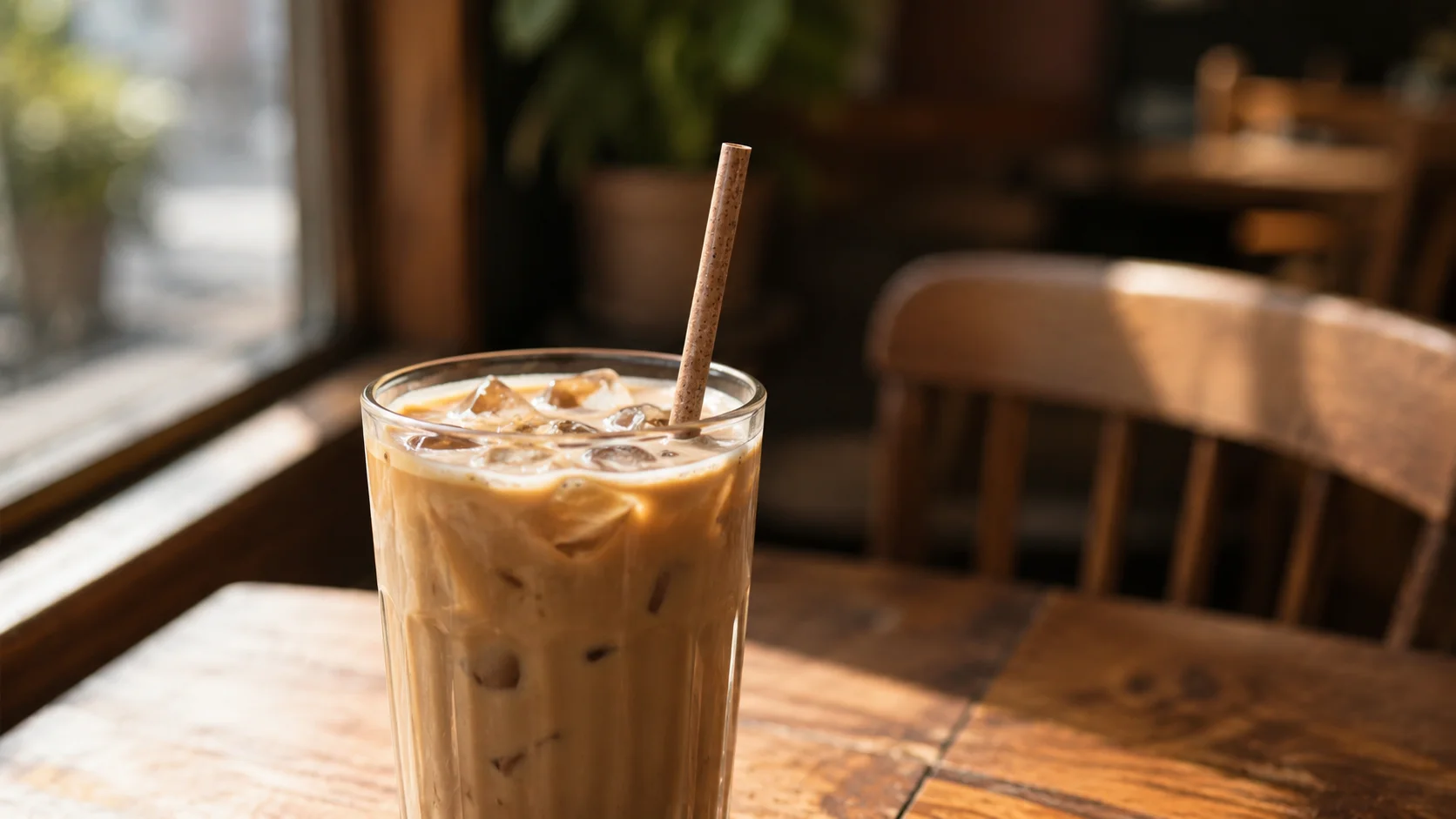
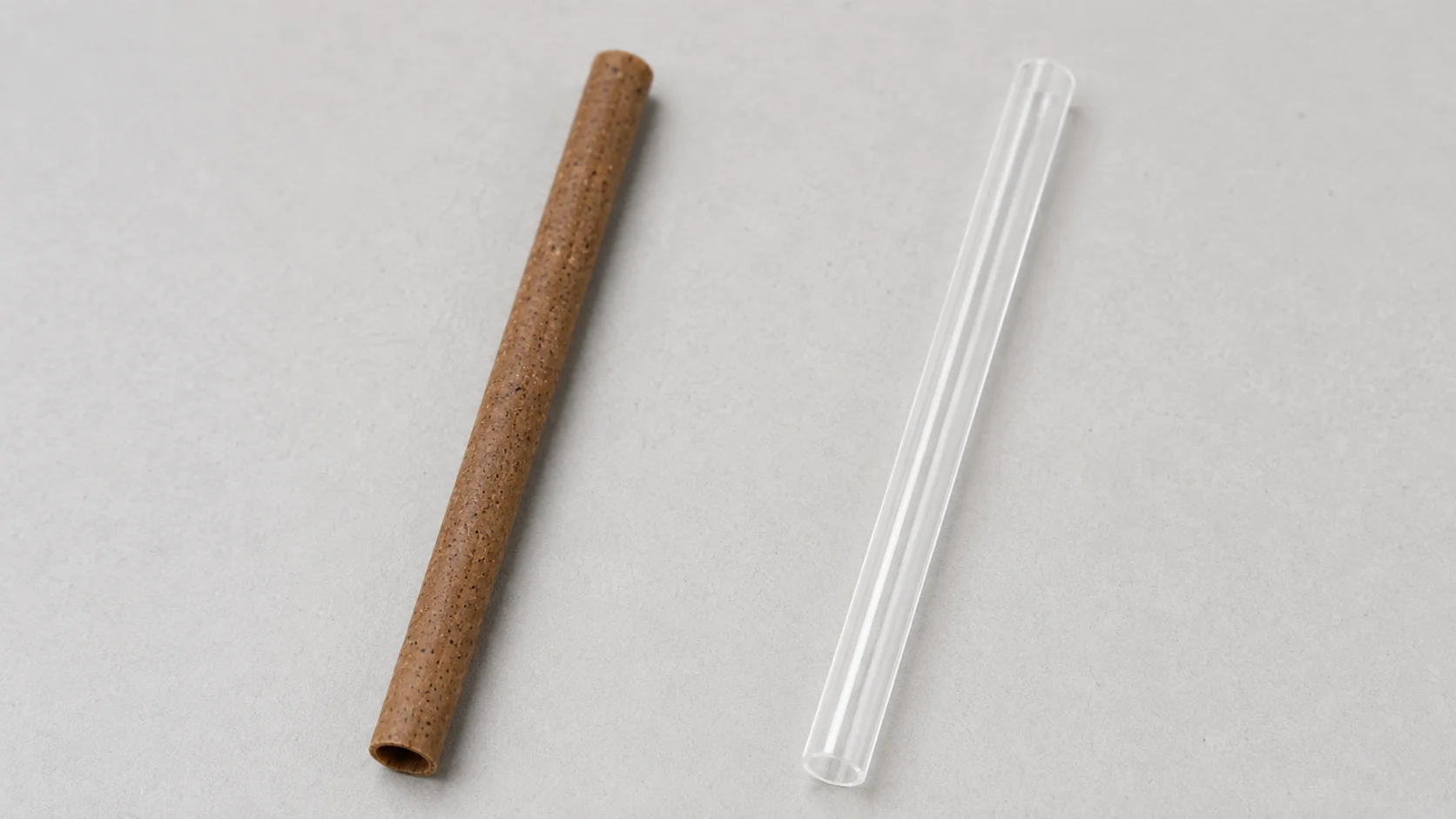
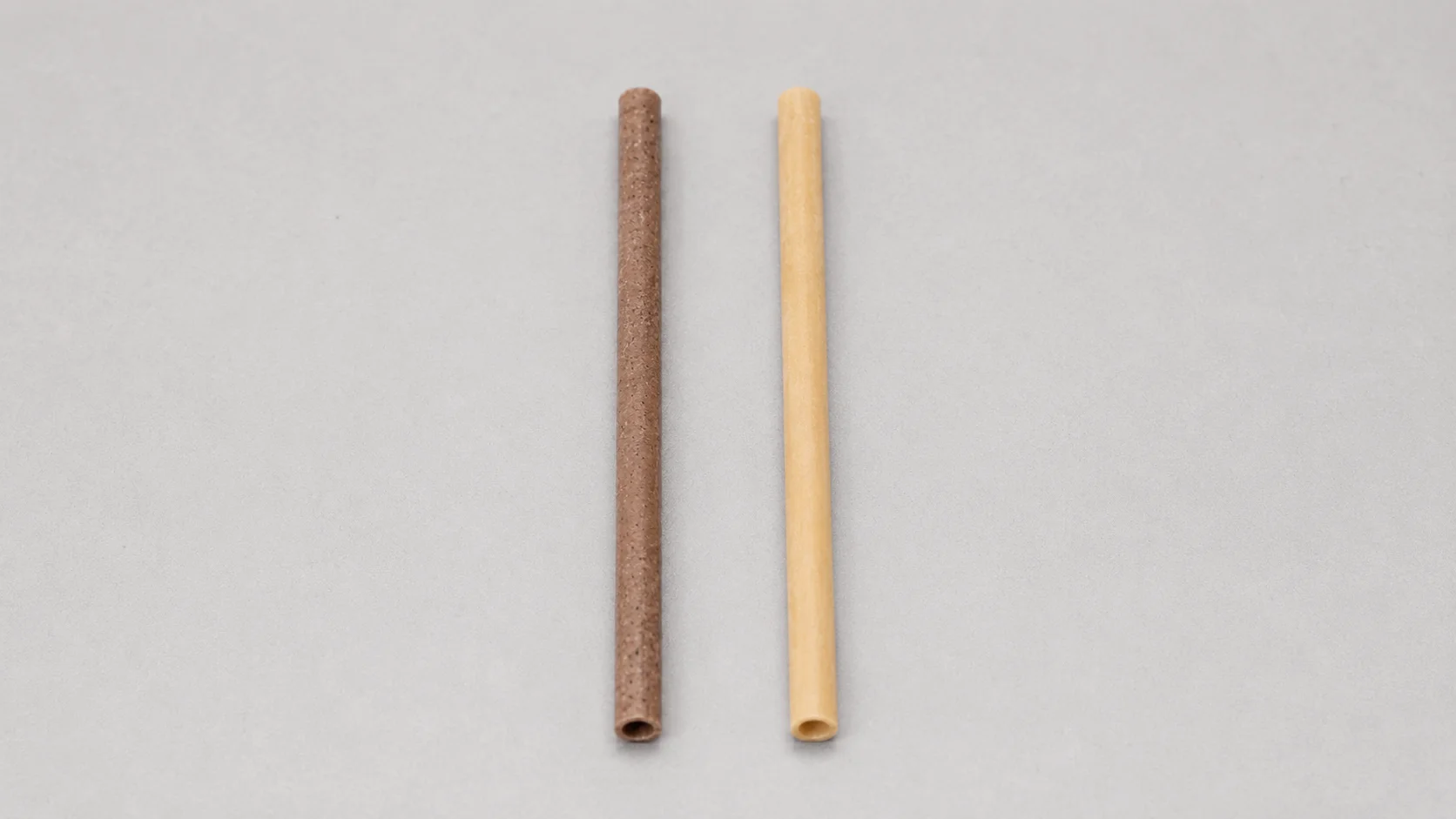
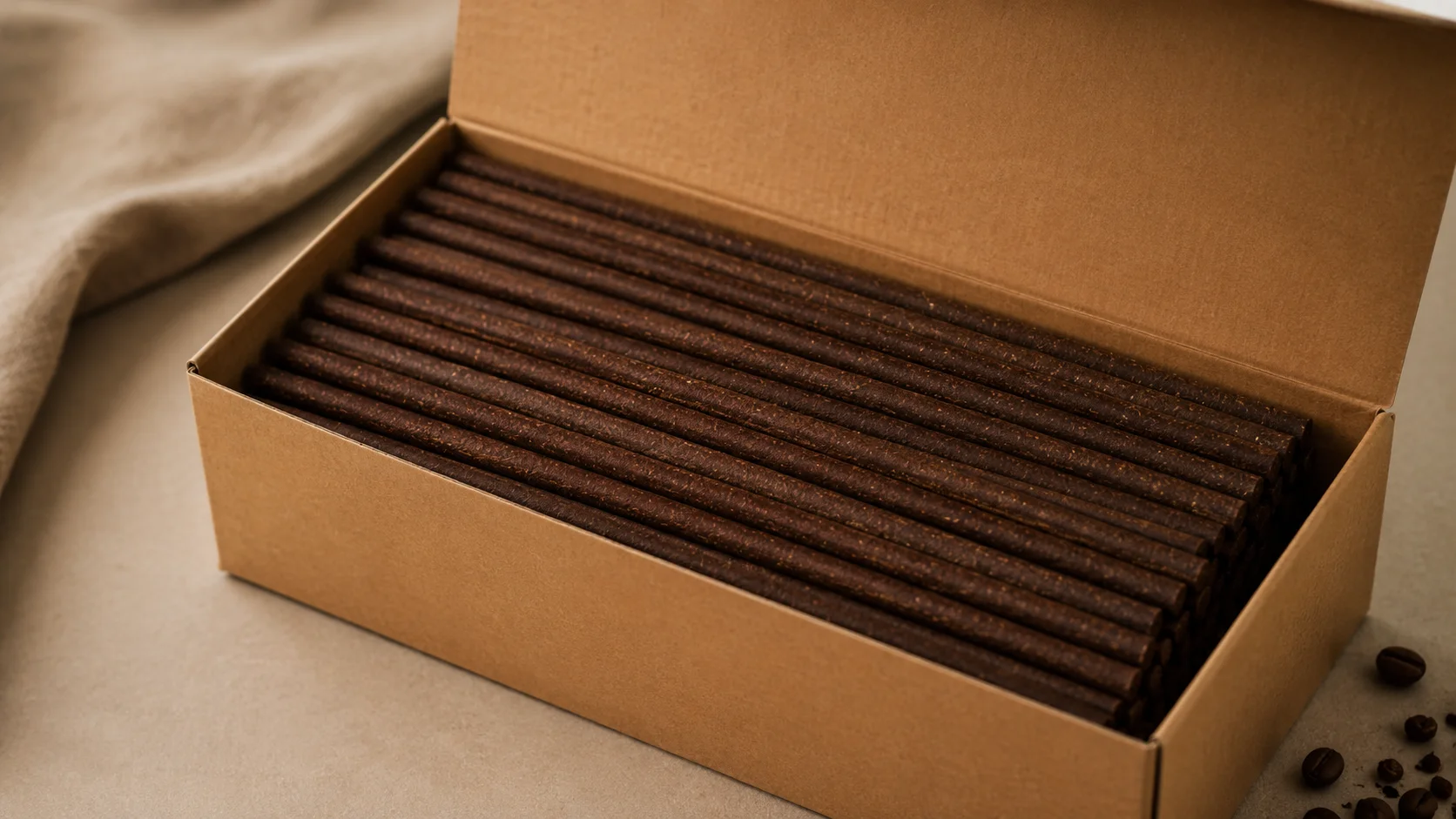
One key trend is the development ofseaweed-based straws, which offer rapid biodegradability and are sourced from a highly renewable resource that requires no land or freshwater. Similarly, straws made fromavocado pitsleverage agricultural waste, providing another compostable, plant-based option. We are also seeing the rise ofالقش الصالح للأكل, crafted from materials like fruit fibers or rice, which eliminate waste entirely by being consumable after use. Evenقش القهوة المطحونةare gaining traction, offering a unique aesthetic and repurposing industrial waste.
Regulatory pressures are expected to intensify, with a global push towards circular economy principles and extended producer responsibility. This will likely lead to more stringent requirements for biodegradability, compostability, and the elimination of harmful additives like PFAS. Businesses that invest in research and development, or partner with suppliers innovating in these areas, will be best positioned to meet future market demands and regulatory shifts. These advancements not only solve environmental problems but also open doors for brand differentiation and new product offerings. The landscape of sustainable materials is continually reshaping, pushing the boundaries of what’s possible for eco-conscious businesses. Learn more about materials reshaping the straw industry athttps://momoio.com/materials-reshaping-straw-industry-b2b/.
Emerging straw materials and intensifying regulations will reshape B2B procurement, driving innovation and brand differentiation.
Competitive Advantage & Business Case for Sustainable Straws
Investing in the best type of straw for the environment is not merely an expense; it is a strategic business decision that delivers quantifiable returns and significant competitive advantage.
- Cost Savings & Operational Efficiency: While initial unit costs for some sustainable alternatives might be higher, long-term cost savings accrue from reduced waste disposal fees, minimized regulatory fines, and potentially lower supply chain complexity, particularly with reusable options. For instance, selecting wheat straws with a low climate impact of 0.0568 kg CO2 eq/year can contribute to your overall emissions reduction targets, potentially saving on future carbon taxes or offsetting costs.
- تخفيف المخاطر: Proactively adopting sustainable straws insulates your business from unforeseen plastic bans and evolving environmental regulations. This foresight ensures uninterrupted market access and avoids costly last-minute operational overhauls.
- Brand Value Uplift & Consumer Loyalty: Aligning with environmental values significantly enhances brand perception among increasingly eco-conscious consumers and B2B partners. This boosts brand loyalty, attracts new customers, and reinforces your reputation as a responsible industry leader. Early adopters of certified, high-performance sustainable solutions like PHA straws can capture significant market share by appealing to this growing segment.
- Talent Attraction & Retention: A strong sustainability ethos can also improve employee morale and make your organization a more attractive employer for top talent, who increasingly prioritize companies with strong environmental, social, and governance (ESG) commitments.
Ultimately, this strategic shift transforms a regulatory burden into a powerful driver of innovation, market differentiation, and long-term financial resilience.
Sustainable straw adoption offers significant competitive advantages, including cost savings, risk mitigation, and enhanced brand value.
Optimize Your Procurement Strategy Today
Evaluate your operational needs, consult certification standards, and invest in straw alternatives that deliver proven environmental benefits and operational efficiency.Request a Comprehensive Consultation Today
Secure your market leadership in an eco-conscious economy.
الأسئلة المتداولة (الأسئلة الشائعة)
What are the primary environmental benefits of switching to sustainable straws in hospitality?
Switching to sustainable straws significantly reduces plastic waste, mitigates marine pollution, lowers carbon footprint, and supports circular economy principles. For hospitality, this enhances brand image and aligns with growing consumer demand for eco-friendly practices.
How do regulatory changes impact B2B procurement of straws in the EU and US?
Both the EU and many US states/cities are implementing bans or restrictions on single-use plastics, including straws. This necessitates B2B businesses to proactively source certified compostable or reusable alternatives to avoid fines, ensure compliance, and maintain market access.
What are the key operational considerations for hospitality businesses adopting reusable straws?
Operational considerations include establishing robust cleaning and sanitization protocols, managing inventory, training staff on handling and collection, and assessing the energy/water consumption of dishwashing. High utilization rates are crucial for maximizing ROI.
Are “biodegradable” straws truly environmentally friendly, especially for foodservice takeout?
The term “biodegradable” can be misleading. For true environmental benefit, look for straws certified as “compostable” (e.g., BPI, TÜV AUSTRIA) which break down in industrial composting facilities. For takeout, ensure local waste infrastructure supports these materials.
How can procurement managers assess the ROI of sustainable straw alternatives?
Assess ROI by considering not just unit cost, but also reduced waste disposal fees, avoided regulatory fines, enhanced brand value leading to increased customer loyalty, and potential for attracting top talent. Factor in the full life cycle impact and operational efficiencies.