

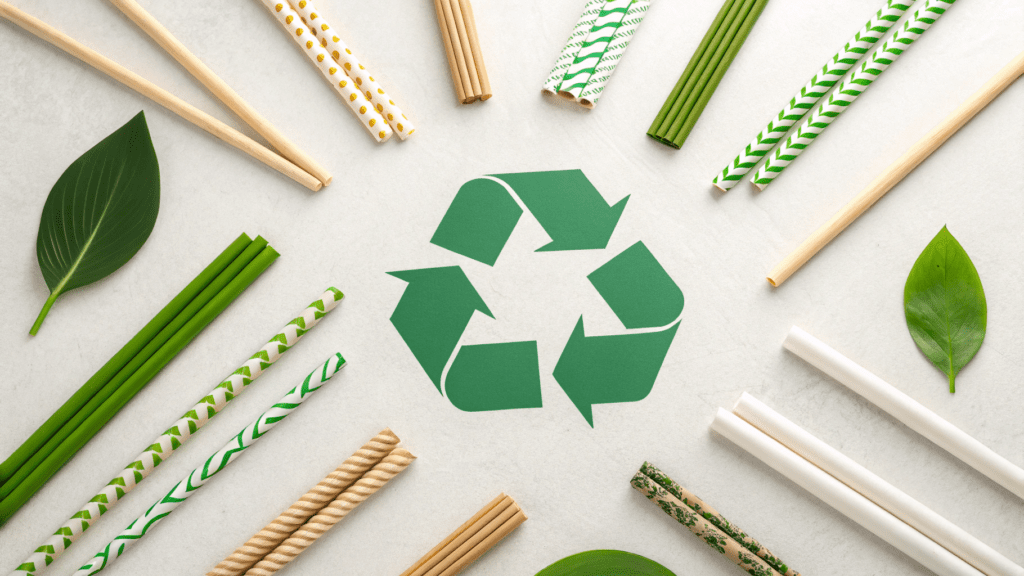
The global tide of environmental consciousness has rapidly transformed the landscape for businesses worldwide, particularly concerning single-use plastics. Procurement managers, operations directors, sustainability officers, and supply chain executives are no strangers to the mounting pressure, epitomized by sweeping bans on plastic straws – from the European Union’s ambitious Single-Use Plastics Directive to a patchwork of state-level restrictions across the US. This regulatory shift, coupled with an increasingly eco-aware consumer base, has spurred a rapid pivot towards “biodegradable” alternatives. However, the journey from traditional plastic to genuine sustainability is fraught with complexities, hidden pitfalls, and critical considerations that extend far beyond a simple product swap. Businesses that fail to grasp these nuances risk not only operational inefficiencies and compliance penalties but also significant reputational damage and the erosion of customer trust. Navigating this evolving market demands a strategic roadmap, moving beyond surface-level green claims to make truly informed choices that align with commercial goals, mitigate risks, and deliver measurable environmental impact. The global eco-friendly straws market, projected to reach a staggering USD 25.1 billion by 2035, growing at a robust 7.3% CAGR, presents both an imperative and an unprecedented opportunity for industry leaders.
The very terms used to describe eco-friendly alternatives – “biodegradable,” “compostable,” and “marine-degradable” – are often used interchangeably, leading to widespread confusion among B2B buyers. For decision-makers, a precise understanding is paramount. “Biodegradable” simply means a material can break down naturally, but crucially, it doesn’t specify how long it takes or under what conditions. “Compostable” is a more stringent claim, implying that a material will break down into nutrient-rich organic matter, but it typically requires specific conditions. “Industrial compostable” materials, like many Polylactic Acid (PLA) straws, demand high temperatures (often 60 degrees Celsius for 10 consecutive days) and controlled humidity found only in specialized facilities. Without these conditions, they can persist in landfills for hundreds, even thousands, of years, much like conventional plastics, and contribute to methane emissions. “Home compostable” is the gold standard for accessible decomposition, breaking down in a backyard compost pile. “Marine-degradable” specifically refers to materials designed to decompose in ocean environments, addressing a critical source of pollution.
To appreciate the current dilemma, it helps to glance back at the history of drinking tubes. From ancient Mesopotamian golden straws to 1800s rye grass, convenience has always been a driver. Marvin C. Stone’s 1888 invention of the paraffin-waxed paper straw provided a cleaner, more palatable solution, which dominated until the mid-20th century. The advent of cheap, durable plastic then sidelined paper, leading to decades of ubiquitous, problematic plastic waste. The 21st-century resurgence of sustainable options is directly linked to an undeniable global outcry over ocean plastic pollution and microplastic proliferation. Today’s B2B market offers a diverse array of materials. These include plant-based polymers like PLA, Polyhydroxyalkanoates (PHA), and Cellulose Diacetate (CDA; typically a cellulose ester). Natural fibers like paper, bamboo, wheat stems, agave, and grass provide alternative textures and aesthetics. Emerging innovations are pushing boundaries further with seaweed, rice, tapioca-based edible straws, and bacterial cellulose, each promising unique benefits and challenges. Understanding the specific material science behind these options is crucial for informed procurement and responsible disposal, a topic we explore in depth in our guide to Biodegradable Straw Materials, Manufacturing, and Disposal for B2B.

For businesses, the shift to biodegradable straws is rarely a seamless transition. Beyond the sticker shock, operational headaches and compliance risks can quickly emerge. Performance and practicality issues are top of the list: the notorious “soggy straw” dilemma plagues many paper alternatives, dissolving prematurely in beverages, altering taste, or failing to withstand thick drinks like smoothies. This directly impacts customer experience and brand perception. Operational staff also face new challenges related to storage requirements, shelf-life, and ease of use. The cost factor is undeniably a major hurdle; biodegradable straws are generally more expensive to procure than their plastic predecessors. While the global compostable straws market is projected to reach USD 3.8 billion by 2035 from USD 1.9 billion in 2025, driven by demand, these higher material and production costs often translate to slimmer profit margins for businesses, necessitating careful cost mitigation strategies without compromising sustainability commitments.
Perhaps the most significant challenge lies in navigating the minefield of “greenwashing.” The PLA paradox is a prime example: marketed as biodegradable or compostable, PLA straws often require specialized industrial composting facilities to break down effectively, as previously noted. When these straws end up in standard landfills, they can take centuries to decompose and contribute to methane gas emissions, a potent greenhouse gas. This disconnect between marketing claims and real-world disposal capabilities creates a significant risk of misleading consumers and undermining genuine sustainability efforts. Another alarming concern is the presence of “forever chemicals,” or poly- and perfluoroalkyl substances (PFAS), in some paper and bamboo straws. A 2023 study, for instance, revealed that 18 out of 20 brands of paper and bamboo straws tested in Europe contained these persistent and potentially toxic chemicals, which are used for water-repellent coatings or can be contaminants. This finding raises serious doubts about the environmental benefits and health safety of these alternatives, demonstrating that not all “eco-friendly” options are created equal. Businesses must scrutinize their supply chains rigorously to avoid inadvertently introducing these harmful substances. For more on navigating these complex regulatory and material compliance issues, refer to our article on Biodegradable Straws Import Compliance.

Moreover, the push to ban plastic straws has, at times, overlooked the critical needs of individuals with disabilities, chronic illnesses, or health issues who often rely on the flexibility, durability, and safety of plastic straws for independent drinking. Many biodegradable or reusable alternatives fall short in meeting these specific needs, posing risks such as injury from sharp edges (metal/glass), choking hazards, allergic reactions, or difficulties with cleaning and sterilization. Addressing accessibility and inclusivity must be an integral part of any responsible procurement strategy, ensuring that sustainable choices do not inadvertently create barriers. Advocacy groups like the Center for Disability Rights highlight the importance of inclusive solutions, urging businesses and policymakers to consider diverse needs. To understand more about PFAS and their implications, explore reports from scientific organizations like the American Chemical Society.
Crafting a genuinely sustainable straw strategy for your business demands a deep dive into available options, weighing their advantages, disadvantages, and real-world disposal requirements. The choices are expanding, and understanding their nuances is key for procurement managers and sustainability leads:
| Material Type | Key Advantages (B2B Focus) | Key Disadvantages (B2B Focus) | Best Use Cases (B2B Focus) | Disposal Requirements (Real-world impact) |
|---|---|---|---|---|
| Paper | Widely available, strong “eco-friendly” perception, diverse designs, cost-effective among alternatives. | Prone to sogginess, can alter taste, variable durability, potential PFAS. | Quick-service beverages, cold drinks, short-duration use. | Industrial composting preferred (30-60 days), otherwise landfill. Check for PFAS content. |
| PLA | Similar feel to plastic, clear options available, plant-based. | Requires industrial composting (60°C for 10 days), long-term landfill persistence, greenwashing risk. | Cold beverages, where plastic-like feel is desired and industrial composting access exists. | Industrial composting only; otherwise, acts like conventional plastic in landfills/environment. |
| PHA/CDA | Home compostable, faster degradation (including marine), made from renewable resources, strong future potential. | Newer technology, potentially higher cost, limited availability, less established supply chain. | Premium brands, specialized eco-initiatives, venues with home composting or marine-conscious disposal. | Home compostable, some marine-degradable (8-20 months). |
| Bamboo/Wheat/Agave | Natural, rustic aesthetic, renewable, often reusable (bamboo). | Variable durability, can impart taste, not always uniform, cleaning issues for reusable. | Upscale casual dining, eco-themed establishments, events with natural branding. | Composting (variable depending on processing), or landfill if not properly processed. |
| Edible/Seaweed | Zero-waste potential, novelty factor, enhances customer experience. | Limited shelf life, specific storage, can alter taste, higher cost, not suitable for all drinks. | Specialty cafes, unique events, dessert shops, limited-time promotions. | Consumable (ideal), otherwise food waste composting/landfill. |
| Reusable (Metal/Glass/Silicone) | Ultimate sustainability, premium feel (metal/glass), flexible (silicone). | Operational complexities (washing, sterilization, storage), breakage risk (glass), accessibility issues for some. | High-end restaurants, corporate offices, where customers are encouraged to bring their own. | Recycling (metal/glass), specialized recycling (silicone), or long-term reuse. |

The market for eco-friendly straws is not just growing; it’s rapidly innovating. The global compostable straws market alone is projected to nearly double from USD 1.9 billion in 2025 to USD 3.8 billion by 2035, demonstrating a robust 7.1% CAGR. Paper straws are expected to maintain their dominance, holding an estimated 44.3% share of the compostable market by 2025 due to their established eco-friendliness and widespread availability. This expansion is directly fueled by increasing regulatory restrictions on single-use plastics, such as the comprehensive EU Single-Use Plastics Directive, which has set a precedent for global policy. US state-level bans also continue to evolve, creating a complex but opportunity-rich regulatory landscape.
Businesses must also recognize the powerful influence of shifting consumer demands. Environmentally conscious generations like Millennials and Gen Z are not only prioritizing sustainability but are increasingly willing to pay a premium for eco-friendly products and services. Aligning with these values can significantly enhance brand reputation, foster customer loyalty, and even open new market segments. For instance, a quick-service restaurant chain that successfully transitions to durable, truly compostable straws, like those made from advanced PHA, often sees positive customer feedback and improved brand perception, reinforcing their commitment to sustainability. Such a move transcends mere compliance, contributing to a stronger, more valued brand.
Looking 5-10 years ahead, the future of biodegradable straws will be defined by continuous innovation. Researchers are developing groundbreaking solutions such as bacterial cellulose straws, which promise to be stronger than paper, cost-comparable to plastic, and capable of breaking down without industrial composting. Other advancements include faster-degrading bioplastics like cellulose diacetate (CDA) and polyhydroxyalkanoates (PHA), with studies suggesting disintegration in marine environments within 8 to 20 months, particularly when foamed. Novel plant-based materials like seaweed and edible straws will also gain traction, pushing towards genuinely zero-waste solutions. However, the critical challenge of limited industrial composting infrastructure persists. Businesses must factor this gap into their waste management strategies, exploring partnerships with specialized facilities where available, or prioritizing truly home-compostable or marine-degradable options. Embracing these advanced materials and transparent disposal methods is central to B2B sustainability with biodegradable plastic straws.

Charting a course towards genuine sustainability requires a proactive, strategic approach rather than reactive purchasing. First, conduct a comprehensive needs assessment to align your straw choices with specific beverage types, operational flow, target customer demographics, and regional regulations. Are you serving hot or cold drinks? Smoothies or sparkling water? Your answers will dictate durability and material needs. Next, vet your suppliers thoroughly. Demand clear certifications from reputable bodies (e.g., BPI for compostable, TÜV Austria for marine-degradable) and insist on full transparency regarding material composition, manufacturing processes, and explicit disposal guidelines. This is your defense against greenwashing and PFAS contamination.
Develop a holistic waste management strategy. This means partnering with local waste management providers who can genuinely process your chosen biodegradable materials, educating your staff on proper sorting, and clearly communicating disposal instructions to your customers. Without effective end-of-life solutions, even the most “eco-friendly” straw can become a landfill problem. Always consider the full product lifecycle, evaluating not just biodegradability, but also resource extraction, the manufacturing carbon footprint, and transportation logistics. Finally, embrace continuous improvement and innovation. The market is evolving rapidly; stay informed about emerging technologies, pilot new materials, and be prepared to adapt your strategy as regulations tighten and more truly sustainable options become viable.
Don’t let the complexities of biodegradable straws paralyze your progress towards environmental responsibility. Seize this moment to lead with integrity: strategically evaluate, responsibly procure, and transparently dispose. By implementing a robust, data-driven sustainability strategy now, your business can significantly mitigate compliance risks, achieve substantial cost savings through optimized waste streams, and dramatically uplift your brand value, securing a leading market share in an increasingly conscious economy.