By Your Sustainability Content Strategist

Compelling Industry Problem Introduction
يشهد مشهد تغليف الخدمات الغذائية تحولًا عميقًا، مدفوعًا بتصاعد التفويضات البيئية وتغير تفضيلات المستهلكين. بالنسبة لمديري المشتريات، ومديري العمليات، ومسؤولي الاستدامة، والمديرين التنفيذيين لسلسلة التوريد، فإن التكيف مع هذا الواقع الجديد ليس مجرد ممارسة للامتثال ولكنه ضرورة استراتيجية. من المتوقع أن ترتفع قيمة سوق التعبئة والتغليف القابلة للتسميد العالمي، والتي تبلغ قيمتها 55.53 مليار دولار أمريكي في عام 2024، إلى 89.85 مليار دولار أمريكي بحلول عام 2032، مما يدل على معدل نمو سنوي مركب قوي بنسبة 6.20٪ (CAGR) (Grand View Research، 2024). ويشير هذا النمو المتسارع إلى وجود طلب واضح في السوق على البدائل الصديقة للبيئة.
يقوم المستهلكون بفحص أوراق اعتماد الاستدامة للعلامات التجارية التي يدعمونها؛ كشفت دراسة استقصائية متعددة البلدان أن 86% من المشاركين يعترفون بتغير المناخ وأنهم على استعداد لدفع ما متوسطه 9.7% أكثر مقابل المنتجات المستدامة (NielsenIQ, 2023). إن تجاهل هذا الاتجاه ينطوي على مخاطر تشغيلية وتجارية كبيرة، بدءًا من تآكل الولاء للعلامة التجارية إلى فرض عقوبات في ظل اللوائح البيئية المشددة. يوضح هذا الدليل الشامل ما إذا كانت الحلول القابلة للتحلل والمعتمدة من BPI تلبي المعايير المطلوبة لسلامة الميكروويف، والكفاءة التشغيلية، والمسؤولية البيئية، مما يمكّن صناع القرار في مجال B2B من اتخاذ خيارات مستنيرة.
يعد تبني التغليف الآمن للاستخدام في الميكروويف والمعتمد من BPI أمرًا ضروريًا للخدمات الغذائية لتلبية المتطلبات المتطورة وتخفيف المخاطر.
Understanding BPI Certification: The Gold Standard for Compostability
At the heart of reliable compostable packaging lies rigorous certification. Theمعهد المنتجات القابلة للتحلل الحيوي (BPI)تقدم برنامج التحقق الرائد من طرف ثالث في أمريكا الشمالية للمنتجات القابلة للتحلل. تضمن شهادة BPI أن المنتجات تتوافق بشكل صارم مع معايير ASTM D6400 أو D6868، والتي تنص على أن العناصر ستحقق تفككًا بنسبة 90% في غضون 12 أسبوعًا و90% من التحلل البيولوجي في غضون 180 يومًا في منشآت التسميد الصناعية. يضمن هذا الاختبار الدقيق أن المنتجات المعتمدة من BPI تتحلل إلى كتلة حيوية غير سامة وماء وثاني أكسيد الكربون، دون ترك بقايا ضارة أو مواد بلاستيكية دقيقة.
Crucially, addressing significant chemical concerns, BPI has proactively evolved its standards. As of January 1, 2020, BPI prohibits intentionally added PFAS (per- and polyfluoroalkyl substances) in certified products, with a strict limit of less than 100ppm total fluorine. This commitment to eliminating “forever chemicals” from the supply chain sets a vital benchmark for environmental and human health safety in compostable packaging.
BPI certification guarantees rigorous compostability standards, including the absence of intentionally added PFAS.
Unpacking “Microwave Safe” for BPI Certified Compostable Packaging
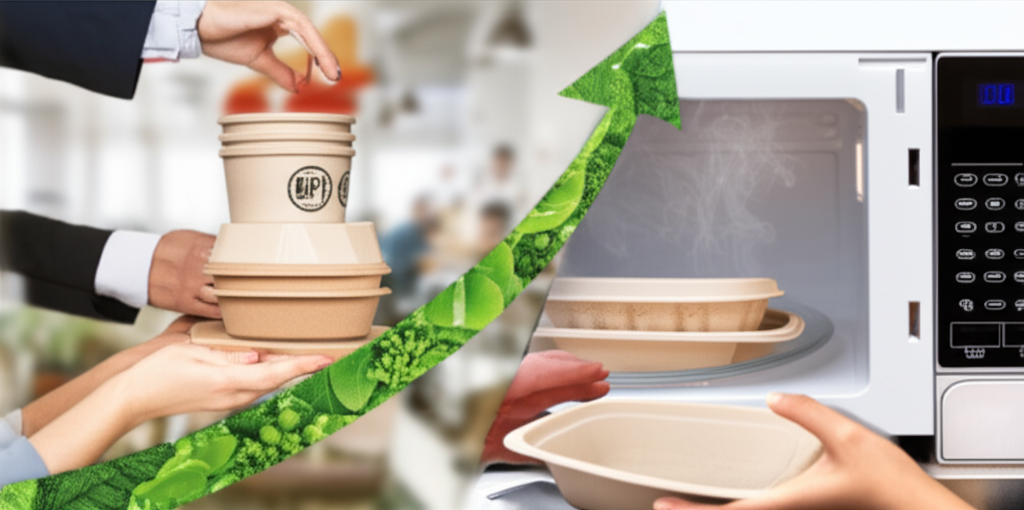
While BPI certification is the benchmark for compostability, a product’s “microwave-safe” status depends primarily on its material composition and specific design. It’s imperative for B2B buyers to understand these distinctions to ensure both operational suitability and safety.
Material Matters for Microwave Safety:
- Sugarcane Bagasse & Plant Fibers: تحظى المواد مثل تفل قصب السكر (منتج ثانوي لمعالجة قصب السكر) والألياف النباتية الأخرى (مثل الخيزران أو الميسكانثوس أو الذرة الرفيعة) بتقدير كبير بشكل عام لمقاومتها للحرارة. عادةً ما تكون المنتجات المصنوعة من هذه الألياف الطبيعية آمنة للاستخدام في الميكروويف، وقادرة على تحمل درجات حرارة تصل إلى 200 درجة فهرنهايت (93 درجة مئوية) لمدة 20 دقيقة تقريبًا لإعادة التسخين. تم تصميم بعض عناصر الألياف النباتية المتقدمة للتعامل مع درجات حرارة أعلى تصل إلى 450 درجة فهرنهايت، مما يجعلها آمنة للاستخدام في الميكروويف لمدة 2-3/4 دقيقة (غير مبطنة) و5-3/4 دقائق (مبطنة) من التسخين.
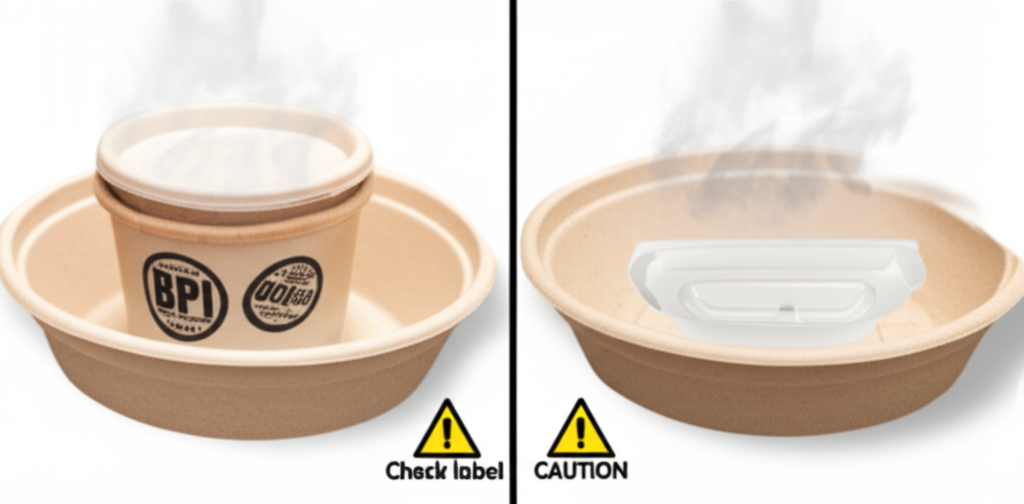
- اعتبارات PLA (حمض البوليلاكتيك): Polylactic Acid, a bioplastic derived from renewable resources like corn starch, is widely used in compostable packaging. However, standard PLA can be sensitive to high heat and may warp or melt when exposed to microwave temperatures. While some specialized “white PLA” containers are explicitly designed and certified as microwave-safe, it is crucial to always check for explicit “microwave-safe” labels or symbols on PLA products. CPLA (crystallized polylactic acid), while designed for hot foods, is generally not microwave-safe.
General Microwave Usage Guidelines:
Even with microwave-safe compostable packaging, best practices are essential. Advise your operations teams to:
- Always check for the “microwave-safe” label on the product itself. If it’s not explicitly stated, avoid microwaving.
- Use lower power settings and shorter heating intervals (e.g., 30-second to 1-minute bursts) to prevent overheating and potential deformation.
- Remove or vent lids before microwaving to prevent steam buildup and breakage.
- Avoid using for high-fat or sugary foods, as these can reach extremely high temperatures that might compromise the container’s integrity.
- Recognize that most compostable containers are designed for single use and may not withstand repeated microwave exposure or washing.
Microwave safety for compostable packaging depends on material and explicit labeling; always follow usage guidelines.
Regulatory Landscape and Compliance for Microwave Safe Compostable Packaging
Navigating the complex web of regulations is a core responsibility for supply chain and procurement leaders. BPI-certified compostable packaging, particularly those designed for microwave use, must comply with stringent food contact material regulations across key markets.
في الولايات المتحدة، تحكم إدارة الغذاء والدواء (FDA) المواد الملامسة للأغذية، مع الامتثال بموجب لائحة GMP (21 CFR 174.5) وبرنامج FCN الذي يقيم مدى ملاءمة الميكروويف. تنص اللائحة الإطارية للاتحاد الأوروبي (EC) رقم 1935/2004 وEN 13432 على السلامة للاستخدام المقصود، بما في ذلك الميكروويف، وتحظر SUPD العديد من المواد البلاستيكية التقليدية ذات الاستخدام الواحد. على المستوى الدولي، يتوافق معيار AS4736:2006 الأسترالي مع معيار EN 13432، وتروج كندا للأدوات المعتمدة القابلة للتحويل إلى سماد، وتنتقل اليابان إلى نظام "القائمة الإيجابية" بحلول يونيو 2025. وتؤكد هذه التحركات العالمية على الضرورة المتزايدة للحلول المعتمدة والآمنة القابلة للتحويل إلى سماد. للحصول على تفاصيل كاملة حول الأطر التنظيمية العالمية، راجع دليلنا الشامل حول لوائح التغليف المستدامة.Learn more about global sustainable packaging regulations.
Global regulations increasingly mandate certified compostable packaging, requiring B2B compliance for microwave-safe solutions.
B2B Operational Impact & ROI of BPI Compostable Microwave Safe Solutions
Adopting BPI-certified microwave-safe compostable packaging offers a multi-faceted return on investment for B2B operations, extending far beyond mere compliance.
- Waste Diversion & Cost Savings: يمكن أن تؤدي إعادة توجيه النفايات العضوية (بقايا الطعام والتعبئة المعتمدة القابلة للتحلل) من مدافن النفايات إلى مرافق التسميد إلى تقليل رسوم التخلص بشكل كبير. بالنسبة لشركات التسميد، غالبًا ما تمثل إزالة الملوثات غير القابلة للتحلل ما يقرب من 17% من نفقات التشغيل. من خلال تمكين مجاري النفايات النظيفة، يمكن للشركات المساهمة في كفاءة التكلفة في البنية التحتية للسماد، مما قد يقلل من تكاليف نقل النفايات الخاصة بهم على المدى الطويل. إن تبني استراتيجية شاملة ومستدامة لإدارة النفايات يمكن أن يزيد من إطلاق هذه المدخرات. لمزيد من الأفكار، راجع دليلنا الخاص بالتعامل مع الشركات (B2B) حول الإدارة المستدامة للنفايات. اقرأ دليل B2B الخاص بنا حول الإدارة المستدامة للنفايات.
- Enhanced Brand Reputation & ESG Commitment: In an era of heightened corporate social responsibility, adopting BPI-certified compostable packaging signals a strong commitment to environmental, social, and governance (ESG) principles. This proactive stance enhances brand reputation, builds trust with consumers and stakeholders, and can lead to higher brand valuation growth for companies with strong sustainability positioning.
- Meeting Mandates & Regulatory Compliance: Forward-thinking businesses are not waiting for mandates; they are preparing for them. California’s groundbreaking SB 54, for instance, requires all packaging to be recyclable or compostable by 2032. Proactive adoption of certified solutions ensures compliance with current and impending regulations, mitigating future risks and potential penalties.
- Capturing Consumer Preference: Consumer demand is a powerful market force. Over 60% of diners actively check for compostable or recyclable takeout materials, and 7 in 10 diners are more likely to purchase from establishments that use sustainable packaging. Providing convenient, microwave-safe, and genuinely compostable options directly addresses this growing preference, boosting customer satisfaction and loyalty. Understanding the nuances of “compostable” versus “biodegradable” is critical for clear communication with your customers and internal teams. Learn more about this distinction in our sustainability guide: Explore the compostable vs. biodegradable distinction.
| ميزة | التأثير التشغيلي B2B | ملاحظة الامتثال | إمكانات العائد على الاستثمار |
|---|---|---|---|
| شهادة بي بي آي | Streamlines waste sorting for foodservice operations. | Meets ASTM D6400/D6868; PFAS-free since 2020. | Reduces landfill costs, boosts brand loyalty. |
| Microwave Safety | Supports convenient reheating of grab-and-go meals. | Requires “microwave-safe” labeling on product. | Enhances customer satisfaction and service offerings. |
| Plant-Based Materials | Reduces reliance on fossil fuels in supply chain. | USDA Biobased certification for renewable content. | Appeals to eco-conscious consumers, lowers carbon footprint. |
| Durability (e.g., Bagasse) | Minimizes leaks and breakage during transport and use. | Ensures food safety and product integrity under heat. | Prevents product loss, reduces customer complaints. |
BPI-certified microwave-safe packaging offers significant ROI through waste reduction, brand enhancement, and compliance.
Case Studies: Leading the Charge in Sustainable Microwaveable Packaging

Real-world applications underscore the viability and impact of BPI-certified microwave-safe solutions. Forward-thinking companies are not just adopting these materials but innovating to push their boundaries.
- Good Natured Products Inc.: This North American leader has successfully launched BPI-certified microwavable to-go containers. Made from an impressive 97% plant-based materials, these containers are engineered for durability and leak resistance, performing comparably to traditional plastic counterparts. Their success demonstrates that high-performance, commercially viable, and affordable plant-based microwaveable packaging is achievable through dedicated development and a commitment to sustainability. As Paul Antoniadis, CEO of good natured Products Inc., emphasized in a BNN Bloomberg interview, these products ensure “your customers can heat up their grub in peace knowing there’s nothing nasty leaching into it!”
- W-Cycle’s SupraPulp™: A remarkable innovation in the field, SupraPulp™ is a patented material derived primarily from sugarcane bagasse, with potential for other feedstocks like reed, wood, and banana leaves. Developed in part to address an Israeli government challenge for hot and greasy food trays in schools, SupraPulp™ is fully compostable and boasts an extraordinary temperature resistance, withstanding conditions from -40°C to 270°C (-40°F to 518°F). This material’s ability to be both liquid and oil-proof, preventing wetting by oily and moist foods, showcases the advanced engineering now possible in sustainable, microwave-safe packaging.
These examples highlight that the industry is moving beyond basic compostability to deliver solutions that meet the rigorous demands of modern foodservice operations, from freezer to microwave.
Case studies demonstrate the viability and high performance of BPI-certified microwave-safe packaging in foodservice.
Future Outlook and Trends in BPI Compostable Microwave Packaging
The trajectory for BPI-certified compostable microwave packaging is one of accelerating innovation and market expansion over the next 5-10 years.
- Market Projections: The broader compostable packaging market is projected to reach USD 232.47 billion by 2034, growing at a robust CAGR of 8.4%. This indicates a clear long-term growth opportunity for businesses positioned in this space.
- Advanced Materials & Design: وسوف تستمر الابتكارات في التركيز على تحسين الأداء. توقع اعتمادًا واسع النطاق للبلاستيك الحيوي PHA (Polyhydroxyalkanoates)، القابل للتحلل بيولوجيًا بالكامل حتى في البيئات البحرية، مما يوفر مقاومة فائقة للرطوبة ومتانة. علاوة على ذلك، فإن آليات التنفيس الذاتي المتكاملة، التي ظهرت بالفعل في عبوات الميكروويف، ستصبح معيارًا للخيارات القابلة للتحويل إلى سماد. ستطلق هذه الصمامات المدمجة أو النقاط الضعيفة المصممة مسبقًا البخار تلقائيًا، مما يمنع الانفجار ويضمن طهي الطعام بشكل متساوٍ دون تدخل يدوي. كما تلوح في الأفق مواد جديدة مثل السليلوز النانوي والطلاءات الصالحة للأكل، مما يعد بتغليف أخف وأقوى وأكثر صداقة للبيئة.
- مشهد تنظيمي أكثر صرامة: وسوف تصبح البيئة التنظيمية صارمة على نحو متزايد. من المتوقع أن تقوم المزيد من الولايات الأمريكية والسلطات القضائية الدولية بتفويض التغليف المعتمد القابل للتسميد وتنفيذ متطلبات وضع العلامات الواضحة لمكافحة "الغسل الأخضر" وإرباك المستهلك. يعد معيار SB 54 في كاليفورنيا مجرد مثال واحد، ومن المرجح أن تصبح شهادة BPI إلزامية لتغليف الخدمات الغذائية في سبع ولايات إضافية بحلول عام 2026. وسوف تعمل هذه الدفعة التنظيمية على تسريع اعتمادها في الوقت الذي تسعى فيه الشركات إلى الامتثال.
- توسيع البنية التحتية: يعتمد نجاح التغليف القابل للتسميد بشكل كبير على البنية التحتية القوية للسماد. تشمل الاتجاهات المستقبلية بذل المزيد من الجهود التعاونية بين الشركات المصنعة للتغليف وشركات التسميد والبلديات لتوسيع مرافق التسميد الصناعي. تعمل برامج مثل Composting Consortium بنشاط على بناء خارطة طريق للاستثمار في التقنيات والبنية التحتية، وسد الفجوة بين توفر المنتج والمعالجة المناسبة لنهاية العمر.
- ما وراء PFAS: نحو حلول خالية من المواد الكيميائية حقًا: في حين أن BPI قد اتخذت بالفعل خطوة مهمة من خلال حظر إضافة PFAS عمدا، فإن المستقبل سيشهد تركيزا أكبر على المطالبات "الخالية من" عبر مجموعة واسعة من المواد الكيميائية المثيرة للقلق. سيصبح هذا الالتزام بمواد أكثر أمانًا توقعًا قياسيًا، مدفوعًا بطلب المستهلكين ومجموعة متزايدة من الأبحاث الخاضعة لمراجعة النظراء حول انتقال المواد الكيميائية من التعبئة والتغليف إلى الغذاء.
يعد مستقبل عبوات الميكروويف القابلة للتحلل من BPI بالابتكار واللوائح الأكثر صرامة ونمو البنية التحتية.
التحديات التي تواجه اعتماد B2B على نطاق أوسع
على الرغم من التوقعات الواعدة، يجب معالجة العديد من التحديات المهمة من أجل اعتماد الأعمال التجارية على نطاق أوسع لتغليف الميكروويف القابل للتحلل والمعتمد من BPI:
- فجوات البنية التحتية: لا يزال هناك عائق حاسم يتمثل في البنية التحتية التجارية المحدودة للسماد. في الوقت الحالي، تقبل حوالي 10% فقط من منشآت التسميد في الولايات المتحدة بقايا الطعام، والتي تعتبر ضرورية لمعالجة معظم العبوات القابلة للتسميد. وهذا يعني أنه حتى المنتجات المعتمدة غالبًا ما ينتهي بها الأمر في مدافن النفايات إذا لم تكن خيارات التسميد الإقليمية متاحة، مما ينفي الفوائد البيئية المقصودة منها.
- ارتباك المستهلك: ويشكل ارتباك المستهلكين على نطاق واسع عقبة رئيسية. إن العلامات المضللة، وعدم وجود تمييز واضح بين المواد البلاستيكية "القابلة للتحلل"، و"القابلة للتحلل"، والمواد البلاستيكية التقليدية، وعدم كفاية التعليم تسبب تلوثًا كبيرًا في كل من مسارات التسميد وإعادة التدوير. وهذا يجبر شركات التسميد على تخصيص موارد كبيرة (تصل إلى 17% من نفقات التشغيل) لإزالة الملوثات، مما يؤدي في بعض الأحيان إلى تحويل الأحمال بأكملها إلى مدافن النفايات.
- Cost & Scalability: التكلفة الأولية المرتفعة للمواد القابلة للتحلل وعمليات التصنيع مقارنة بالبلاستيك التقليدي يمكن أن تمنع الشركات، وخاصة الشركات الصغيرة. وفي حين تعمل الابتكارات على خفض التكاليف، فإن تحقيق تكافؤ التكلفة وتوسيع نطاق الإنتاج لتلبية الطلب الشامل في السوق لا يزال يشكل تحديا.
- مخاوف الهجرة الكيميائية (سياق التغليف العام): في حين أن BPI تتناول PFAS على وجه التحديد، تشير بعض الأبحاث التي راجعها النظراء إلى مخاطر انتقال المواد الكيميائية على نطاق أوسع من المواد البلاستيكية عند تعرضها لظروف الموجات الدقيقة. أظهرت الدراسات أن تسخين الميكروويف يمكن أن يؤدي إلى هجرة العديد من المواد المضافة عن قصد أو عن غير قصد (IAS/NIAS) وحتى المواد البلاستيكية الدقيقة من عام حاويات المواد الغذائية البلاستيكية في الغذاء. في حين أن شهادة BPI الصارمة للمواد القابلة للتحلل تهدف إلى التخفيف من المخاوف الكيميائية، يجب على الصناعة الابتكار المستمر وتوفير الشفافية بشأن جميع مكونات المواد لبناء الثقة الكاملة بين المشترين من الشركات فيما يتعلق بالسلامة العامة للأغذية في ظل ظروف الميكروويف.
تعد البنية التحتية، وارتباك المستهلك، والتكلفة، والهجرة الكيميائية من التحديات الرئيسية التي تواجه تبني الأعمال بين الشركات على نطاق أوسع.
Competitive Advantage & Business Case
بالنسبة لصانعي القرار في مجال B2B، يمثل الانتقال إلى التغليف القابل للتحلل الآمن للاستخدام في الميكروويف والمعتمد من BPI ميزة تنافسية واضحة وحالة عمل قوية.
- Quantifiable Cost Savings & Risk Mitigation: While initial material costs might be higher, the long-term operational savings from waste diversion can be significant. By facilitating the composting of food-soiled packaging, businesses can reduce landfill disposal fees, potentially saving up to 17% on waste management expenses for operations partnered with industrial composters. Furthermore, proactive adoption mitigates the increasing compliance risks associated with single-use plastic bans and evolving PFAS regulations, protecting your brand from future penalties and public scrutiny.
- Enhanced Brand Value & Market Share Opportunity: يعد التوافق مع طلب المستهلكين المتزايد على الاستدامة بمثابة تمييز قوي. تحقق الشركات التي لديها التزامات قوية في مجال الحوكمة البيئية والاجتماعية والحوكمة نموًا أعلى في تقييم العلامة التجارية. من خلال إظهار التزامك بالممارسات الصديقة للبيئة بشكل واضح من خلال التغليف المعتمد القابل للتحلل، فإنك تجتذب المستهلكين المهتمين بالبيئة وتعزز الولاء. من المرجح أن يختار أكثر من 70% من رواد المطاعم المؤسسات التي تستخدم التغليف المستدام، مما يوفر فرصة مباشرة لحصة السوق في مشهد تنافسي. يتجاوز هذا الالتزام التسويق البسيط؛ إنه يتحدث عن القيم الأساسية للمستهلكين والشركاء المعاصرين. يسلط دليلنا التفصيلي حول شهادة BPI القابلة للتحلل في مجال الضيافة الضوء على كيفية ترجمة هذه الجهود إلى فوائد تجارية ملموسة: اكتشف فوائد شهادة BPI في مجال الضيافة.
- تبسيط العمليات: بالنسبة لعمليات الخدمات الغذائية، تعمل التعبئة والتغليف المعتمدة من BPI على تبسيط عملية فرز النفايات. يمكن جمع العناصر القابلة للتحلل المتسخة بالغذاء معًا، مما يؤدي إلى تبسيط العمليات الخلفية وتقليل تعقيدات تدريب الموظفين المرتبطة بفصل مجاري النفايات المختلفة. وتعزز هذه الكفاءة التشغيلية جدوى الأعمال.
يوفر اعتماد التغليف الآمن للاستخدام في الميكروويف والمعتمد من BPI مزايا تنافسية وتوفير في التكاليف وتعزيز قيمة العلامة التجارية.
الأسئلة المتداولة (الأسئلة الشائعة)
❓ هل جميع المنتجات القابلة للتحلل والمعتمدة من BPI آمنة للاستخدام في الميكروويف؟
لا. تعتمد سلامة الميكروويف على المادة:
- Sugarcane bagasse & plant fibers ← آمن للاستخدام في الميكروويف بشكل عام؛ يمكن التعامل مع إعادة التسخين المعتدل.
- PLA (حمض البوليلاكتيك) → حساسة للحرارة. قد تشوه أو تذوب. قد تكون الإصدارات المتخصصة فقط (على سبيل المثال، "PLA الأبيض") آمنة للاستخدام في الميكروويف.
✅ ابحث دائمًا عن ملصقات صريحة "آمنة للاستخدام في الميكروويف". قبل الاستخدام.
❓ ما هي الفوائد الرئيسية لاستخدام التغليف الآمن للاستخدام في الميكروويف والمعتمد من BPI في خدمات الطعام؟
- Waste Diversion & Cost Savings ← يقلل من رسوم مدافن النفايات من خلال تمكين النفايات العضوية + تسميد التغليف.
- Compliance & Risk Mitigation → يفي بمعايير ASTM ويتجنب العقوبات بموجب لوائح مثل California SB 54.
- ESG & Brand Reputation ← إظهار قيادة الاستدامة، وبناء ثقة المستهلك، وتحسين تصنيفات الحوكمة البيئية والاجتماعية والحوكمة.
- الكفاءة التشغيلية → يبسط عملية الفرز - يمكن أن تذهب العبوات المتسخة بالأغذية مباشرة إلى صناديق السماد.
❓ كيف تعالج المنتجات المعتمدة من BPI مخاوف PFAS؟
منذ يناير 2020، يحظر BPI وأضاف عمدا PFAS في جميع المنتجات المعتمدة.
- حد: <100 ppm total fluorine.
- النتيجة: آمن لملامسة الطعام، ويزيل "المواد الكيميائية الضارة إلى الأبد"، ويقلل من المخاطر التنظيمية.
❓ ما هي التحديات الرئيسية التي تواجه اعتماد B2B لتغليف الميكروويف القابل للتحلل؟
- البنية التحتية المحدودة للسماد ← جزء صغير فقط من المنشآت يقبل التغليف القابل للتحلل.
- ارتباك المستهلك ← يضع العديد من الأشخاص المواد القابلة للتحلل عن طريق الخطأ في صناديق إعادة التدوير، مما يؤدي إلى التلوث.
- ارتفاع التكاليف الأولية ← غالبًا ما تكلف المواد القابلة للتحويل إلى سماد أكثر من المواد البلاستيكية، على الرغم من تحسن عائد الاستثمار بمرور الوقت.
- مخاوف الهجرة الكيميائية ← البحث المستمر اللازم لضمان سلامة الأغذية في جميع ظروف الميكروويف.
توضح الأسئلة الشائعة شهادة BPI، وسلامة الميكروويف، والفوائد، وPFAS، وتحديات التبني للمشترين B2B.
الخلاصة: تبني سلامة الميكروويف القابلة للتحلل من BPI من أجل مستقبل مستدام
توفر العبوة الآمنة للاستخدام في الميكروويف والقابلة للتحلل والمعتمدة من BPI حلاً مقنعًا ومدعومًا علميًا للشركات الملتزمة بالإشراف البيئي والتميز التشغيلي. وفي حين أن التحديات في البنية التحتية وتثقيف المستهلك لا تزال قائمة، إلا أنه تتم معالجتها بشكل فعال من خلال التعاون الصناعي، واللوائح الأكثر صرامة، والابتكار المادي المستمر.
ومن خلال الاستفادة بشكل استراتيجي من المواد النباتية المتقدمة والالتزام بالشهادات المعترف بها مثل BPI، يمكن للشركات تلبية طلب المستهلكين المتزايد على المنتجات الصديقة للبيئة بثقة. لا يساعد هذا النهج الاستباقي على تحقيق الأهداف البيئية والاجتماعية والحوكمة الهامة فحسب، بل يساعد أيضًا في تمييز علامتك التجارية، والتخفيف من المخاطر التنظيمية، والمساهمة في اقتصاد أكثر دائرية. إن قرار الاستثمار في الحلول الآمنة للاستخدام في الميكروويف والمعتمدة من BPI هو استثمار في مستقبل علامتك التجارية، مما يتماشى مع الربحية والمسؤولية الكوكبية.ضع استراتيجية لمشترياتك اليوم
قم بدمج التغليف الآمن للاستخدام في الميكروويف والقابل للتحلل من BPI لتعزيز الاستدامة وضمان التميز التشغيلي وتمييز علامتك التجارية.