اكتشاف السماد المدمج: ضرورة استراتيجية لعمليات B2B المستدامة
For procurement managers, operations directors, sustainability officers, and supply chain executives in hospitality & foodservice.

بالنسبة لمديري المشتريات، ومديري العمليات، ومسؤولي الاستدامة، والمديرين التنفيذيين لسلسلة التوريد، فإن السماد عالي الجودة ليس مجرد مدخل زراعي - بل هو عنصر حاسم في العمليات المستدامة، وصحة التربة، والامتثال التنظيمي. يمكن أن يؤدي السماد دون المستوى، أو المواد التي "فسدت"، إلى اضطرابات تشغيلية كبيرة، ومخاطر الامتثال، وخسائر مالية، مما يؤثر على كل شيء بدءًا من مشاريع تنسيق الحدائق والعائدات الزراعية إلى أهداف استدامة الشركات.
إن المخاطر كبيرة. إذا تم تجاهله، فإن استخدام السماد الملوث يمكن أن يؤدي إلى تلف المحاصيل مما يقلل من الغلة بنسبة تصل إلى 80-90٪، ويستلزم إعادة العمل التشغيلي المكلف، ويفرض التزامات قانونية تتعلق باللوائح البيئية. يوفر هذا الدليل إطارًا شاملاً لـكيف تعرف إذا كان السماد سيء، وتمكين صناع القرار في مجال B2B من تحديد المشكلات، وضمان الجودة، وتخفيف المخاطر في سلاسل توريد السماد الخاصة بهم، وبالتالي حماية السلامة البيئية والجدوى التجارية.يعد ضمان جودة السماد أمرًا حيويًا لاستدامة B2B والاستقرار المالي.
التكاليف الخفية للسماد السيئ: لماذا تعتبر الجودة مهمة لعمليات B2B
يمتد التأثير المضاعف لجودة السماد الرديئة إلى ما هو أبعد من المظهر الأولي، مما يفرض تكاليف مخفية كبيرة عبر عمليات B2B. تؤكد هذه الأعباء المالية والمتعلقة بالسمعة على الضرورة الإستراتيجية لمراقبة جودة السماد بشكل صارم.
- السمية النباتية وتقليل المحصول: مصدر القلق الرئيسي هو السمية النباتية، حيث يحتوي السماد المعالج بشكل غير كامل على أحماض عضوية أو أمونيا أو مركبات أخرى سامة للنباتات. إذا لم يتم تثبيت هذه العناصر السامة للنباتات بشكل صحيح، فإنها يمكن أن تعيق نمو النبات بشدة، وتقلل من حيوية المحاصيل، وتؤدي إلى خسائر كبيرة في الغلة، مما قد يؤثر على غلة المحاصيل بنسبة تصل إلى 80-90٪. ويترجم هذا بشكل مباشر إلى خسائر كبيرة في الإيرادات الزراعية وزيادة في تكاليف إعادة الزراعة أو المعالجة.
- التلوث والنفقات التشغيلية: كثيرًا ما يؤدي السماد الملوث إلى شوائب، بما في ذلك الملوثات الفيزيائية مثل البلاستيك أو شظايا الزجاج أو السيراميك، بالإضافة إلى المخلفات الكيميائية مثل مبيدات الأعشاب الثابتة أو المبيدات الحشرية أو "المواد الكيميائية الأبدية" (PFAS). إن وجود هذه المواد غير القابلة للتحلل أو الضارة يستلزم زيادة التكاليف التشغيلية لإزالتها، والتخلص منها بشكل سليم، والأضرار المحتملة للمعدات، مما يضيف نفقات غير متوقعة إلى سلسلة التوريد.
- عدم الامتثال التنظيمي والضرر بالسمعة: يشكل السماد غير المتوافق مخاطر تنظيمية شديدة، خاصة فيما يتعلق بالمستويات المسموح بها من المعادن الثقيلة ومسببات الأمراض (مثل القولونيات البرازية والسالمونيلا). تفرض الهيئات التنظيمية، مثل وكالة حماية البيئة (40 CFR Part 503 للمواد الصلبة الحيوية) والمعايير الحكومية والدولية المختلفة، حدودًا صارمة. وقد يؤدي الفشل في تلبية هذه المعايير إلى فرض غرامات باهظة، وإجراءات قانونية، وقيود على الوصول إلى الأسواق، وإلحاق أضرار جسيمة بسمعة العلامة التجارية للشركة وثقة الجمهور، وخاصة في القطاعات التي تتمتع بتفويضات قوية للاستدامة.
- الجودة غير المتسقة وتأخير المشروع: إن تقلب جودة السماد، والذي يرجع في كثير من الأحيان إلى مدخلات المواد الخام غير المتسقة، أو نسب الكربون إلى النيتروجين غير المناسبة، أو عدم كفاية التحكم في درجة الحرارة والرطوبة أثناء الإنتاج، يؤدي إلى تعطيل الجداول الزمنية للمشروع ويتطلب تخصيص موارد إضافية للاختبار أو المعالجة أو الحصول على مواد بديلة. ويمكن لعدم القدرة على التنبؤ هذا أن يؤدي إلى تضخيم تكاليف المشروع بشكل كبير والإضرار بالكفاءة التشغيلية.
تؤدي جودة السماد الرديئة إلى تكبد تكاليف مالية وتشغيلية وتكاليف سمعة كبيرة للشركات.
How to Know if Compost is Bad: Key Indicators for Procurement & Quality Control
يبدأ تحديد نوعية السماد الرديئة بتقييم منهجي، والانتقال من الإشارات الحسية والبصرية المباشرة إلى المقاييس التحليلية الأكثر تقدمًا.
الإشارات الحسية: الروائح الكريهة والأنسجة الكريهة تشير إلى ضعف معايير جودة السماد
يجب أن تتمتع كومة السماد الصحية الناضجة برائحة مميزة وممتعة، تذكرنا بتربة الغابات الطازجة بعد المطر. يشير أي انحراف عن هذه الرائحة الترابية إلى وجود مشكلة محتملة، خاصة نقص الأكسجين (الظروف اللاهوائية).
- الروائح الكريهة:
- البيض الفاسد أو الروائح الكبريتية: هذه مؤشرات واضحة على الظروف اللاهوائية، والتي غالبًا ما تنتج عن الرطوبة الزائدة، أو الضغط الزائد، أو تقطيع الكثير من بقايا الطعام إلى قطع صغيرة. تشير هذه الروائح إلى وجود كبريتيد الهيدروجين ومنتجات ثانوية أخرى غير مرغوب فيها. وكما أكدت جامعة كاليفورنيا للزراعة والموارد الطبيعية، فإن هذه الرائحة الفاسدة تعني أن الكومة تحتاج إلى تهوية.
- رائحة الأمونيا أو السمك: وتشير هذه إلى وجود خلل في التوازن، وعادةً ما يكون هناك فائض في النيتروجين (من المواد "الخضراء" مثل قصاصات العشب أو السماد) وعدم كفاية الكربون. يمكن أن يؤدي هذا الخلل إلى فقدان النيتروجين من خلال التطاير، كما أشار LSU AgCenter.
- رائحة الزبدة الحامضة أو الخل أو الزنخة: وهذه مؤشرات أخرى على الظروف اللاهوائية، التي غالبًا ما تؤدي إلى "السماد الحامض" الذي يمكن أن يضر بصحة النبات.
- رائحة متعفنة أو عفنة بشدة: في حين أن وجود بعض الزغب الأبيض (الفطريات) أمر طبيعي، إلا أن الرائحة المتعفنة أو العفنة القوية يمكن أن تشير إلى وجود مشاكل.
- الرائحة الكيميائية: A distinct chemical smell, such as gasoline or creosote, is a serious red flag, indicating contamination from pesticides, herbicides, or other industrial chemicals, rendering the compost unusable.
- Unpleasant Textures:
- Slimy or Matted Textures: These textures point to excessive moisture and poor aeration, creating an oxygen-deprived environment that hinders proper decomposition and can foster harmful pathogens. Compost should feel moist, like a wrung-out sponge, forming a ball when squeezed but not dripping water, according to Eartheasy.com.
- Dry or Ashy Feel: Conversely, if the compost feels overly dry or dusty, it lacks sufficient moisture for microbial activity, slowing down or halting the decomposition process.
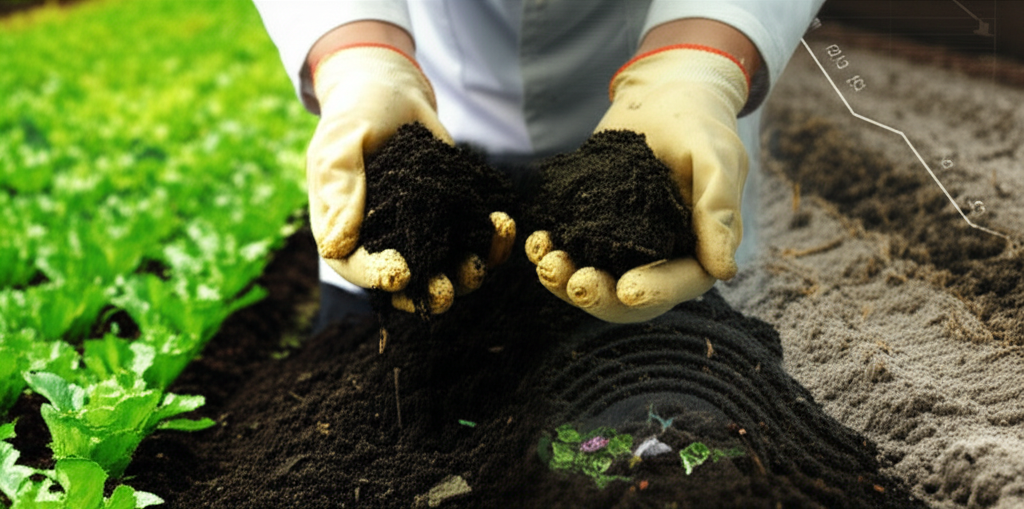
الروائح الكريهة والأنسجة الكريهة هي علامات حمراء فورية للسماد السيئ.
الإشارات المرئية: المواد غير المعترف بها والتلوث ترفع الأعلام الحمراء لمعايير جودة السماد
يوفر الفحص البصري أدلة فورية حول نضج السماد ونقائه.
- المواد غير المعترف بها: يجب أن يكون السماد النهائي بنيًا داكنًا أو أسودًا، ومتجانسًا في الملمس، ويشبه التربة الغنية. إذا ظلت بقايا الطعام المميزة، أو قطع كبيرة من المواد النباتية، أو المواد الخشبية غير المتحللة مرئية بعد فترة معقولة من التسميد، فهذا يدل على عدم اكتمال التحلل. يشير هذا إلى أن السماد قد لا يزال يحتوي على بذور حشائش أو مسببات أمراض قابلة للحياة. كما تنص "معرفة البستنة"، يجب أن يكون السماد المكتمل داكنًا وموحدًا.
- الملوثات المادية: يشير الوجود الواضح للملوثات المادية مثل البلاستيك أو شظايا الزجاج أو السيراميك أو المعادن إلى سوء فصل المصدر وعدم كفاية مراقبة الجودة أثناء عملية التسميد. تقلل هذه المواد الغريبة من فائدة السماد، ويمكن أن تلحق الضرر بمعدات التطبيق، وإذا لم تتم إزالتها، فيمكن أن تدخل المواد البلاستيكية الدقيقة أو غيرها من المواد الضارة إلى التربة. غالبًا ما تحدد المبادئ التوجيهية الصادرة عن كيانات مثل حكومة كولومبيا البريطانية حدودًا صارمة للمواد الأجنبية.
- العفن الزائد أو الوحل: في حين أن الفطريات المفيدة (الفطريات البيضاء) شائعة في السماد الصحي، إلا أن العفن الأبيض أو الأخضر أو الأسود المرئي على نطاق واسع، أو الوحل الكبير، يشير إلى الرطوبة الزائدة وعدم كفاية التهوية، مما يخلق ظروفًا مواتية لمسببات الأمراض الضارة.
- لون شاحب: يجب أن يكون السماد الناضج بني غامق إلى أسود. غالبًا ما يشير اللون الشاحب، وليس اللون الداكن الغني، إلى تحلل غير مكتمل أو خلل في نسبة الكربون إلى النيتروجين، مما يدل على أن عملية التسميد قد توقفت أو لم يتم تحسينها.

يكشف الفحص البصري عن تحلل غير كامل أو ملوثات ضارة في السماد.
ما وراء ما هو واضح: مقاييس متقدمة لتقييم جودة السماد ونضجه
في حين أن الإشارات الحسية والبصرية تعد مؤشرات أولية مفيدة، فإن صناع القرار في مجال B2B يحتاجون إلى مقاييس أكثر دقة ومدعومة بالبيانات لإجراء تقييم شامل لجودة السماد والتأكد من أنه يلبي الأداء الصارم والمتطلبات التنظيمية.
ديناميكيات درجة الحرارة: حاسمة للتحكم في مسببات الأمراض ومؤشرات نضج السماد
تعتبر درجة الحرارة مؤشرا مباشرا على النشاط الميكروبي وفعالية عملية التسميد، وخاصة فيما يتعلق بتدمير مسببات الأمراض.
- توليد الحرارة الأمثل: ينبغي أن تولد كومة السماد المتحللة حرارة، مما يحافظ بشكل مثالي على درجات الحرارة الداخلية بين 49-66 درجة مئوية. تعتبر هذه المرحلة المحبة للحرارة ضرورية لتحطيم المواد العضوية بشكل فعال، والأهم من ذلك، لقتل بذور الأعشاب ومسببات الأمراض الضارة.
- العتبات التنظيمية: تفرض الهيئات التنظيمية عتبات محددة لدرجة الحرارة لضمان الحد من مسببات الأمراض. على سبيل المثال، يفرض البرنامج العضوي الوطني التابع لوزارة الزراعة الأمريكية (NOP) درجات حرارة تتراوح بين 55-71 درجة مئوية لمدة لا تقل عن ثلاثة أيام في الأكوام الثابتة داخل الوعاء أو الهوائية. بالنسبة للتسميد في صف الرياح، يجب الحفاظ على درجة الحرارة من 55 إلى 71 درجة مئوية لمدة 15 يومًا على الأقل، مع تقليب الكومة خمس مرات على الأقل خلال هذه الفترة لضمان تسخين موحد. وهذا يضمن أن السماد آمن للاستخدام غير المقيد.
- أكوام غير نشطة: قد تكون الكومة الباردة وغير النشطة باستمرار صغيرة جدًا (الحجم المثالي عادةً لا يقل عن 3 × 3 × 3 قدم للاحتفاظ بالحرارة بكفاءة)، أو جافة جدًا، أو تفتقر إلى النيتروجين الكافي لتغذية النشاط الميكروبي، كما أوضحت مقاطعة بروم، نيويورك.
- مخاطر ارتفاع درجة الحرارة: على الرغم من أن الحرارة الزائدة مفيدة، إلا أنها قد تكون مشكلة. درجات الحرارة التي تتجاوز باستمرار 160 درجة فهرنهايت (71 درجة مئوية) يمكن أن تبدأ في قتل الكائنات الحية الدقيقة المفيدة، مما يؤدي إلى تعقيم الكومة بشكل فعال ووقف المزيد من التحلل. في الحالات القصوى، خاصة مع الأكوام الصناعية الكبيرة، يمكن أن يؤدي ارتفاع درجة الحرارة إلى احتراق تلقائي، كما أشار موقع Eartheasy.com.
تشير درجة الحرارة إلى النشاط الميكروبي، وهو أمر بالغ الأهمية للتحكم في مسببات الأمراض ونضج السماد.
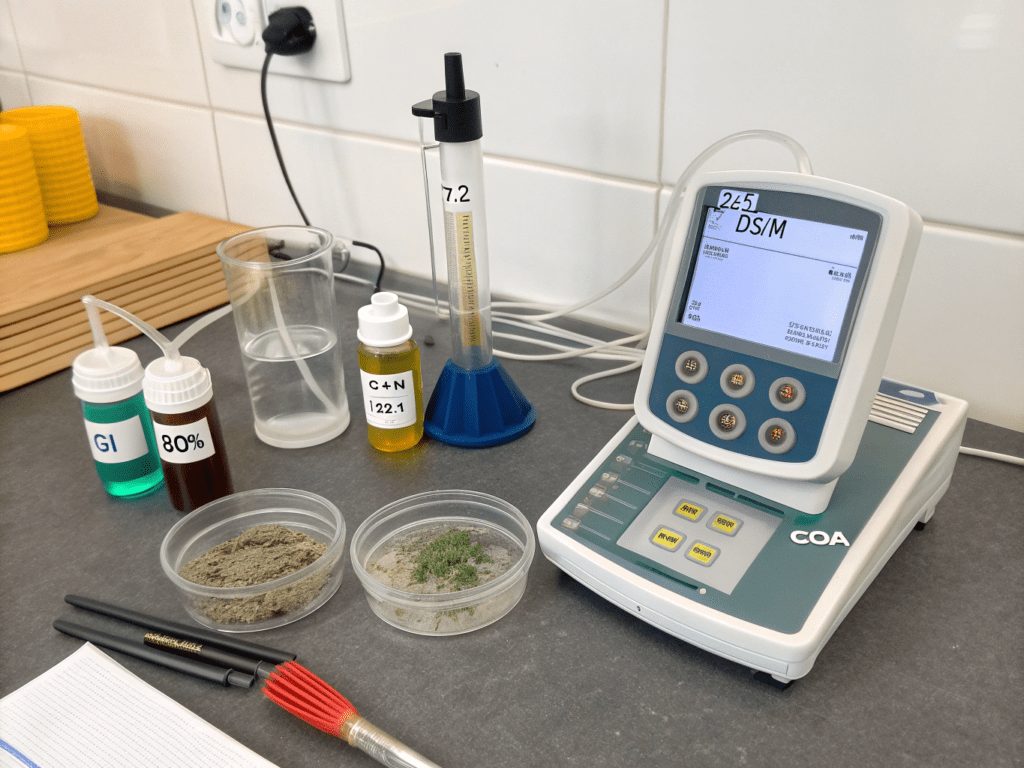
التوقيعات الكيميائية والبيولوجية: فهم نسبة C:N، ودرجة الحموضة، واختبار السمية النباتية
لإجراء تقييم شامل، توفر التحليلات الكيميائية والبيولوجية نظرة ثاقبة حول استقرار السماد، ومحتوى العناصر الغذائية، والضرر المحتمل للنباتات.
- نسبة الكربون إلى النيتروجين (C:N): هذه النسبة الأساسية تملي كفاءة التحلل الميكروبي. تتراوح نسبة C:N المثالية لمواد خام السماد عادةً بين 25:1 و40:1، والتي تستقر بعد ذلك إلى نطاق يتراوح بين 10-20:1 في السماد الناضج. وكما توضح جامعة كورنيل، فإن الحفاظ على هذا التوازن يضمن التحلل الفعال ويمنع مشاكل مثل حبس النيتروجين في التربة. قد تؤدي نسبة C:N المرتفعة في السماد النهائي إلى تجميد النيتروجين عند تطبيقه، مما يؤدي إلى توقف نمو النبات.
- مستويات الرقم الهيدروجيني: يعد الرقم الهيدروجيني للسماد مؤشرًا حاسمًا للنضج والملاءمة للاستخدام الزراعي. من الناحية المثالية، يجب أن يكون للسماد الناضج درجة حموضة تتراوح بين 6 و8.5. يمكن أن تشير القيم التي تقل باستمرار عن 6 إلى سماد سام للنباتات لم يتم علاجه بالكامل بسبب وجود أحماض عضوية غير مستقرة، وفقًا لملحق جامعة ولاية يوتا.
- تقييم السمية النباتية: يعد هذا مقياسًا مباشرًا لقدرة السماد على الإضرار بنمو النبات. يتم تقييم السمية النباتية عادة عن طريق اختبارات الإنبات، حيث تزرع البذور في السماد أو مستخلصه. يشير مؤشر الإنبات (GI) الذي يقل عن 80% إلى سمية محتملة للنباتات، وتشير القيم الأقل من 50% إلى مستوى عالٍ من السمية النباتية، كما هو مفصل في البحث الذي نشرته MDPI. غالبًا ما يُعتبر استطالة الجذر أكثر حساسية للسموم من إنبات البذور.
- محتوى الملح القابل للذوبان (الموصلية الكهربائية – EC): تقيس الموصلية الكهربائية (EC) تركيز الأملاح القابلة للذوبان، والتي يمكن أن تكون ضارة لنمو النبات، خاصة في الشتلات الحساسة أو عند استخدام السماد بمعدلات عالية. قد يتطلب السماد ذو التوصيلية الكهربائية التي تتجاوز 8 ديسيسيمنز/م (ديسيسيمنز لكل متر) استخدامًا مقيدًا أو تخفيفًا لتجنب الإضرار بالنباتات، وفقًا لما نصحت به جامعة ولاية يوتا.

تكشف الاختبارات الكيميائية والبيولوجية عن ثبات السماد ومحتوى العناصر الغذائية وسلامة النبات.
العلاقة بين الامتثال وعائد الاستثمار: لماذا يعد الاستثمار في السماد عالي الجودة أمرًا مهمًا
إن السماد عالي الجودة ليس مجرد تكلفة، بل هو استثمار استراتيجي يوفر فوائد ملموسة في مجال الأعمال بين الشركات، ويعزز الامتثال، والكفاءة التشغيلية، وتعزيز قيمة العلامة التجارية، وعائدًا كبيرًا على الاستثمار.
| ميزة | التأثير التشغيلي B2B | ملاحظة الامتثال | إمكانات العائد على الاستثمار |
|---|---|---|---|
| النضج المستمر | يقلل من تلف المحاصيل وإعادة العمل التشغيلي؛ يضمن أداءً موثوقًا. | يلبي متطلبات NOP للحد من مسببات الأمراض وبذور الأعشاب الضارة (55 درجة مئوية + لفترات محددة). | تحسين إنتاجية المحاصيل (على سبيل المثال، زيادة بنسبة 15%)، وخفض تكاليف الأسمدة الكيماوية (على سبيل المثال، تخفيض بنسبة 10%)، وتقليل إعادة التطبيق. |
| تلوث منخفض | يقلل من تلف المعدات، ويقلل من تكاليف التخلص منها، ويحسن نقاء المنتج. | يلتزم بالحدود الصارمة للمواد الغريبة (على سبيل المثال، إرشادات CCME) وعتبات المخلفات الكيميائية. | انخفاض الهدر التشغيلي، وتحسين إدراك الجمهور وأصحاب المصلحة، وتعزيز قيمة العلامة التجارية. |
| نسبة C:N المثالية | يضمن إطلاقًا ثابتًا للمغذيات، ويمنع حبس النيتروجين أو فقدانه. | يدعم خطط إدارة المغذيات ويتوافق مع لوائح صحة التربة المستدامة. | زيادة خصوبة التربة، وتقليل الحاجة إلى النيتروجين الاصطناعي الإضافي، وتحسين قوة النبات. |
| التحقق من السمية النباتية | يضمن صحة النبات ونجاح المشروع؛ يمنع استبدال النباتات المكلفة. | Achieves Germination Index (GI) > 80% for plant safety, adhering to industry best practices. | تقليل وفيات النباتات، وتسريع إنجاز مشروع تنسيق الحدائق، وخفض تكاليف المدخلات. |
دراسة حالة مصغرة: التحول الذي حققته شركة Agrify Solutions باستخدام السماد المعتمد
واجهت شركة Agrify Solutions، وهي مؤسسة زراعية واسعة النطاق تمتلك مساحات واسعة من الأراضي، مشكلات مستمرة تتمثل في انخفاض الإنتاجية وتلف المحاصيل. تنبع مشكلتهم من الحصول على سماد غير متناسق يحتوي في كثير من الأحيان على مستويات عالية من المركبات السامة للنباتات ومبيدات الأعشاب الثابتة، مما يؤثر بشكل مباشر على توقعاتهم الفصلية وأهداف الاستدامة طويلة المدى.
في الربع الثالث من عام 2023، بعد فشل المحاصيل المتعددة الذي هدد مكانتها في السوق، قامت شركة Agrify بتغيير استراتيجية الشراء الخاصة بها. لقد بدأوا شراكات مع الموردين المعتمدين من قبل برنامج ختم ضمان الاختبار (STA) التابع لمجلس التسميد الأمريكي. يضمن هذا التحول الاستراتيجي أن جميع السماد الوارد يلبي معايير النضج الصارمة المعتمدة من طرف ثالث (مع مؤشر إنبات أعلى باستمرار من 80%)، والمعادن الثقيلة، والغياب التام للمخلفات الكيميائية.
وفي غضون ستة أشهر، أعلنت شركة Agrify عن زيادة ملحوظة بنسبة 15% في حيوية المحاصيل وانخفاض بنسبة 10% في تكاليف استخدام الأسمدة الكيماوية في جميع عملياتها. ويُترجم هذا إلى عائد استثمار سنوي متوقع يبلغ 2.5 ضعف استثمارهم الأولي في السماد المعتمد المتميز. بالإضافة إلى المكاسب المالية، عزز هذا التحول بشكل كبير تقارير استدامة الشركات، مما سمح لشركة Agrify بإبراز التزامها بالمصادر المسؤولة وصحة التربة، بما يتماشى مع الطلب الاستهلاكي والتنظيمي المتزايد على السلع المنتجة عضويًا والممارسات الزراعية المستدامة.يعمل السماد عالي الجودة على تعزيز الامتثال والكفاءة التشغيلية وعائد استثمار كبير للشركات.
التنقل في مشهد السماد: معالجة التحديات المشتركة في مصادر B2B
Despite the clear benefits of high-quality compost, the industry faces several pervasive challenges that B2B buyers must navigate to secure reliable and compliant supply. Understanding these hurdles is critical for effective procurement and risk management.
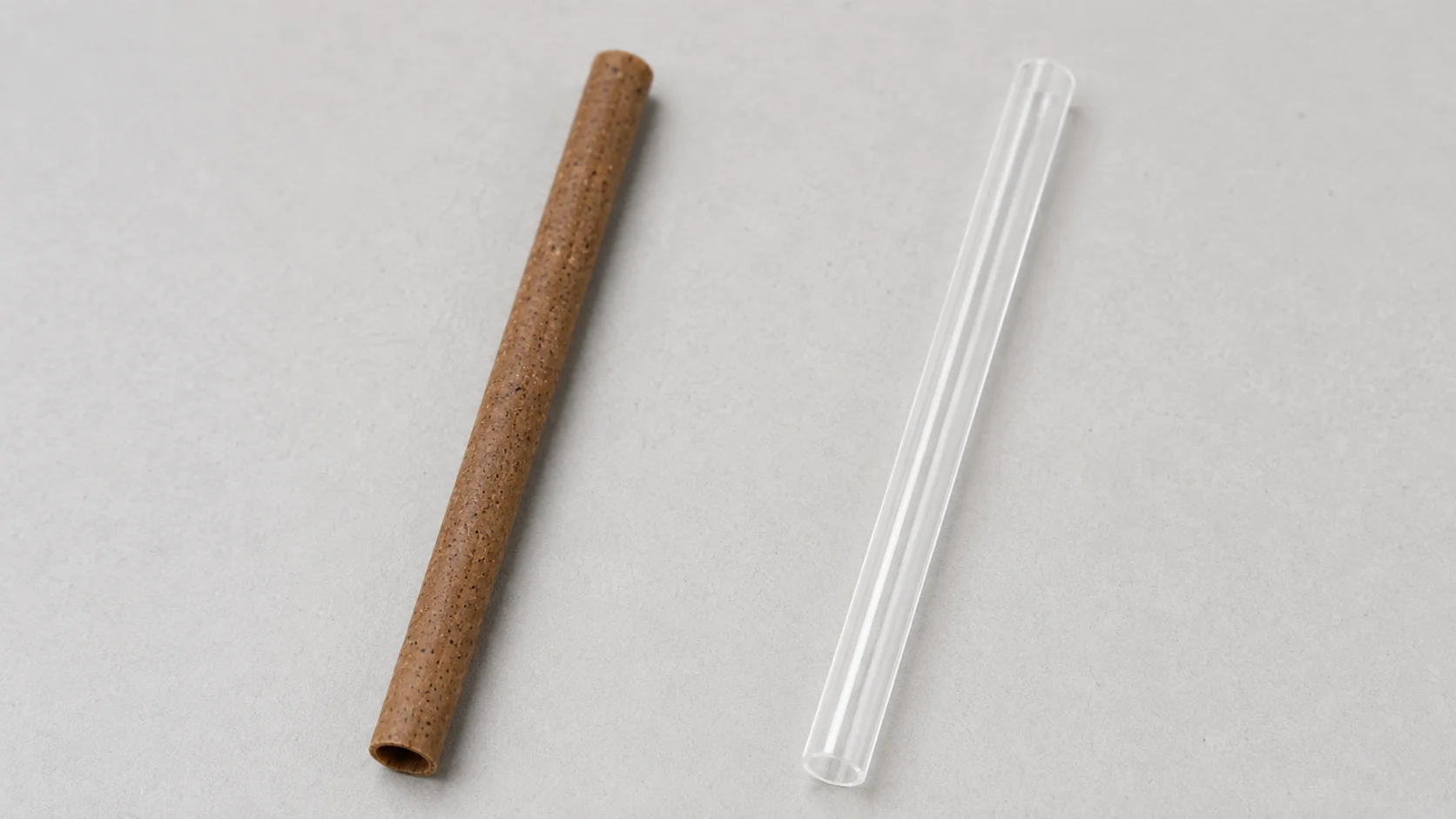
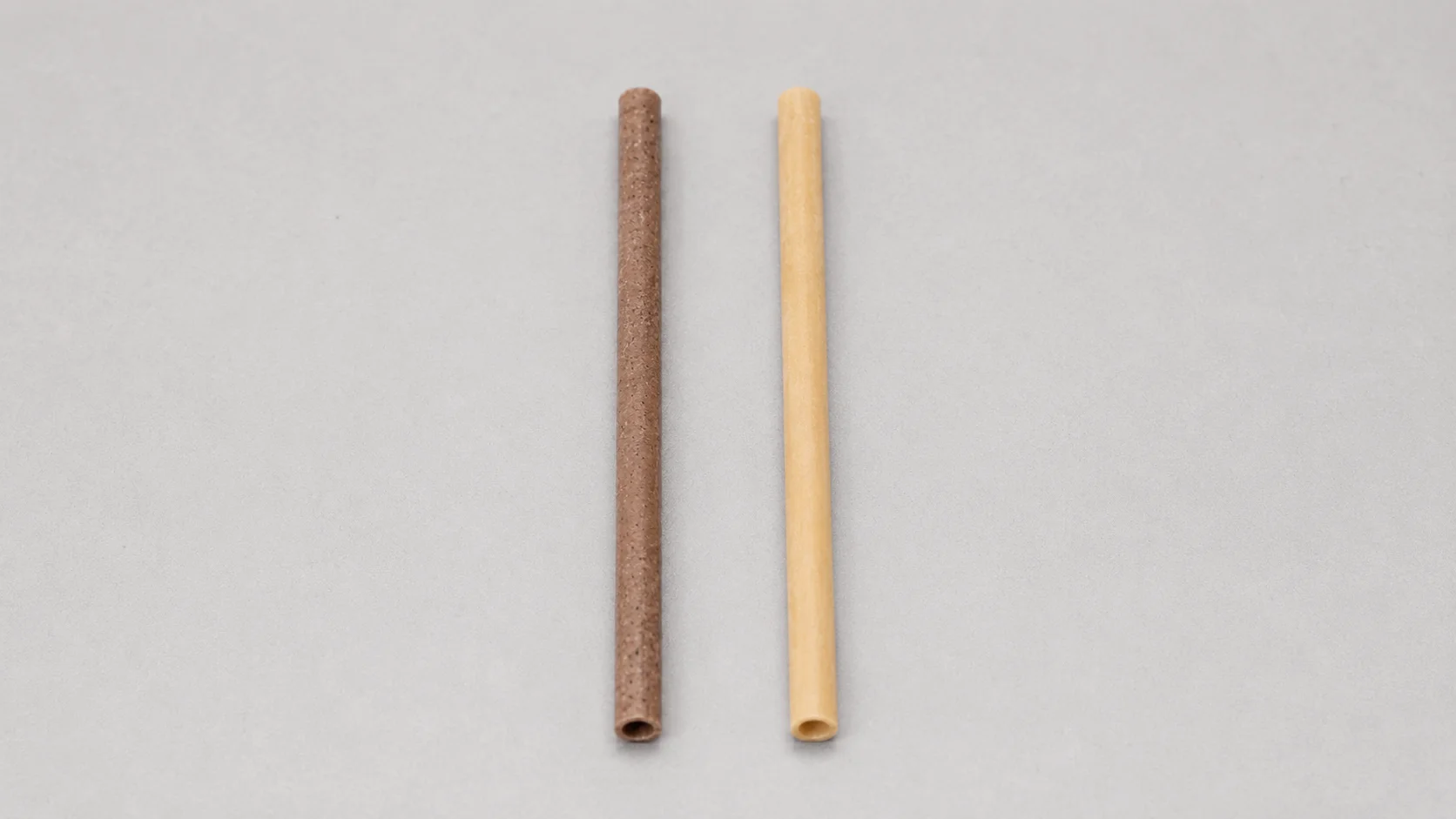
- Contamination: Contamination remains a significant barrier to compost quality. The presence of non-compostable materials like plastics, glass, and heavy metals (regulated by standards such as EPA 40 CFR Part 503 for biosolids) drastically reduces compost quality and significantly increases processing and disposal costs. The visual similarity between compostable and conventional plastics further complicates source separation, a challenge that even materials designed to be compostable, such as certified compostable straw materials بالنسبة لصناعة الخدمات الغذائية، تهدف إلى التخفيف. يعد تسلل المواد البلاستيكية الدقيقة والملوثات العضوية والمخلفات الكيميائية مثل PFAS مصدر قلق متزايد، وغالبًا ما لا تتم مراقبته بشكل روتيني بسبب التكاليف الباهظة.
- جودة السماد المتغيرة: نقطة الألم الرئيسية للمشترين في مجال B2B هي التباين المتأصل في جودة السماد. غالبًا ما ينبع هذا عدم الاتساق من عدم اتساق مدخلات المواد الأولية والعقبات التشغيلية مثل عدم كفاية إدارة الرطوبة، ونسب الكربون إلى النيتروجين غير المتوازنة، والتحكم المتقلب في درجة الحرارة. ويؤثر هذا بشكل مباشر على موثوقية وأداء السماد في التطبيقات واسعة النطاق، مما يؤدي إلى نتائج غير متوقعة ويتطلب تحليلًا إضافيًا قبل التطبيق.
- الامتثال التنظيمي المعقد: تواجه مرافق التسميد واسعة النطاق مشهدًا تنظيميًا معقدًا وصارمًا، خاصة فيما يتعلق بالانبعاثات، وإدارة المادة المرتشحة، وضمان القضاء على مسببات الأمراض وبذور الأعشاب الضارة. تسلط آراء الخبراء من منظمات مثل مجلس التسميد الأمريكي الضوء على أن التعامل مع هذه القواعد يتطلب موارد كبيرة وخبرة متخصصة، مما يؤثر على تكلفة وتوافر السماد المتوافق.
- محدودية القبول والوعي بالسوق: على الرغم من فوائده، إلا أن قبول السوق للسماد النهائي يمكن أن يكون محدودًا في بعض الأحيان. ويرجع ذلك في كثير من الأحيان إلى عدم الاتساق الملحوظ في الجودة بين المستخدمين المحتملين للزراعة والمناظر الطبيعية، إلى جانب الافتقار العام للوعي فيما يتعلق بالتطبيقات والمزايا المتنوعة للسماد عالي الجودة كتعديل للتربة. وكما لاحظت شركة Closed Loop Partners، فإن معالجة فجوات التصور هذه أمر بالغ الأهمية لتوسيع السوق.
- فجوات البنية التحتية: ولا تزال هناك فجوات كبيرة في البنية التحتية، ولا سيما فيما يتعلق بتطوير مرافق واسعة النطاق قادرة على معالجة كميات كبيرة من النفايات العضوية ونقل النفايات الغذائية لمسافات طويلة. تؤدي هذه القيود إلى خلق أوجه قصور لوجستية وتكاليف في سلسلة التوريد، مما يعيق القدرة على توسيع نطاق جهود التسميد لتلبية الطلب واسع النطاق بين الشركات.
تواجه مصادر السماد B2B تحديات مثل التلوث والجودة المتغيرة والتعقيدات التنظيمية.

تدقيق عملياتك في المستقبل: الاستفادة من التطورات في تقييم جودة السماد
تتطور صناعة التسميد بسرعة، مدفوعة بتفويضات الاستدامة والابتكار التكنولوجي والدفع العالمي نحو نماذج الاقتصاد الدائري. يمكن لصناع القرار في مجال B2B أن يثبتوا عملياتهم في المستقبل من خلال التوافق مع هذه التطورات، مما يضمن الوصول إلى منتجات وممارسات السماد المتميزة.
- نمو السوق والطلب: من المتوقع أن يصل سوق السماد العالمي إلى ما يقدر بنحو 13 مليار دولار بحلول عام 2030، لينمو بمعدل نمو سنوي مركب قوي يبلغ 7% اعتبارًا من عام 2023. ويغذي هذا الارتفاع زيادة الطلب على المنتجات العضوية، والفهم الأعمق للعيوب البيئية للأسمدة الكيماوية، والتركيز المتزايد على الإدارة المستدامة للنفايات، كما تتوقع شركة لوسينتل. يشير هذا السوق المتوسع إلى زيادة الفرص لشراء السماد عالي الجودة بين الشركات.
- التكامل التكنولوجي للتسميد الدقيق: مستقبل التسميد يكمن في الدقة. يتيح التكامل واسع النطاق لإنترنت الأشياء والذكاء الاصطناعي والأتمتة مراقبة متطورة وتحسين معلمات التسميد مثل درجة الحرارة والرطوبة والأكسجين. كما هو موضح بالتفصيل بواسطة CEBA Solutions، تؤدي هذه التطورات إلى جودة سماد أكثر اتساقًا، وانخفاض تكاليف التشغيل، ودورات تحلل أسرع، مما يجعل التسميد الصناعي أكثر كفاءة وقابلية للتطوير.
- برامج الاختبارات والشهادات الصارمة: لتلبية الطلب على السماد العضوي الموثوق وعالي الأداء، تتبنى الصناعة بشكل متزايد بروتوكولات اختبار وإصدار شهادات صارمة. توفر برامج مثل ختم ضمان الاختبار (STA) الخاص بمجلس التسميد الأمريكي، تصديقًا حاسمًا من طرف ثالث للمعايير المهمة بما في ذلك محتوى العناصر الغذائية، ودرجة الحموضة، والنضج، وسلامة مسببات الأمراض. ويمتد هذا الاتجاه إلى الشهادات المتخصصة، مثل شهادة BPI القابلة للتحلل لصناعات الضيافة والخدمات الغذائية، مما يضمن تحلل المنتجات القابلة للتحلل بشكل صحيح في المنشآت الصناعية، وبالتالي المساهمة في الحصول على سماد نهائي عالي الجودة.
- المراقبة في الوقت الحقيقي والتحليل الشامل: تسمح التطورات بالمراقبة في الوقت الفعلي وتحليل المعلمات الأكثر شمولاً (على سبيل المثال، درجة الحموضة، وEC، ونسبة C/N، ومعدل التنفس) لتتبع نضج السماد واستقراره بدقة. يعد هذا المستوى من التفاصيل أمرًا حيويًا للتطبيقات التي تتطلب سمادًا عالي الأداء، مما يوفر تحكمًا غير مسبوق في جودة المنتج النهائي.
- تكامل الاقتصاد الدائري: يتم الاعتراف بشكل متزايد بأن التسميد هو حجر الزاوية في نموذج الاقتصاد الدائري. فهو يلعب دورًا حاسمًا في استعادة الموارد من النفايات العضوية، وإعادة العناصر الغذائية القيمة إلى التربة وتقليل الاعتماد على المواد الخام. يتماشى هذا بسلاسة مع أهداف الاستدامة للشركات ويساهم في نظام زراعي أكثر مرونة وتجديدًا، كما أبرز موقع Veransa.com. إن دمج التسميد في استراتيجيات أوسع لتحويل النفايات إلى موارد، بما في ذلك الطاقة الحيوية، يزيد من أهميتها المستقبلية.
احتضان التطورات في تقييم السماد لعمليات B2B المستدامة والمثبتة في المستقبل.
الأسئلة المتداولة (الأسئلة الشائعة)
كيف يمكن لشركات الضيافة منع الحصول على السماد النباتي السام؟ ▼
يجب على شركات الضيافة إعطاء الأولوية للموردين الحاصلين على شهادات من طرف ثالث مثل برنامج STA التابع لمجلس التسميد الأمريكي، مما يضمن خضوع السماد لاختبارات صارمة للسمية النباتية قبل الشراء.
ما هي المؤشرات الرئيسية للسماد الملوث لعمليات الخدمات الغذائية؟ ▼
يجب أن تبحث عمليات الخدمات الغذائية عن الملوثات المادية مثل البلاستيك أو الزجاج، أو الروائح الكيميائية غير العادية، أو عدم وجود تحلل موحد، مما يشير إلى سوء فصل المصدر ومراقبة الجودة.
كيف تؤثر جودة السماد غير المتسقة على مشاريع تنسيق الحدائق واسعة النطاق؟ ▼
تؤدي جودة السماد غير المتسقة إلى نمو غير متوقع للنباتات، واحتمال تلف المحاصيل، وزيادة التكاليف التشغيلية لإعادة العمل أو الحصول على مواد بديلة، مما يؤدي إلى تأخير إكمال المشروع.
What is the ideal C:N ratio for mature compost? ▼
Mature compost should ideally have a Carbon-to-Nitrogen (C:N) ratio between 10:1 and 20:1, ensuring stable nutrient release without causing nitrogen lock-up in the soil.
Why is temperature monitoring crucial in industrial composting? ▼
Temperature monitoring ensures the compost reaches thermophilic temperatures (120-150°F or 49-66°C) necessary to kill pathogens and weed seeds, meeting regulatory standards for safe use.FAQs address common compost quality concerns with actionable B2B solutions.
خاتمة
Understandingكيف تعرف إذا كان السماد سيءلا تعد مجرد تفاصيل تشغيلية ولكنها ضرورة استراتيجية لكيانات B2B الملتزمة بالاستدامة والكفاءة التشغيلية والربحية على المدى الطويل. ومن خلال التعرف على المؤشرات المهمة بجدية - بدءًا من الإشارات الحسية والبصرية المباشرة وحتى التحليلات الكيميائية والبيولوجية المتقدمة - ومن خلال تبني معايير الصناعة والشهادات، يمكن للمؤسسات التخفيف من المخاطر الكبيرة بشكل استباقي.
إن الاستثمار في السماد عالي الجودة الذي تم التحقق منه لا يضمن الامتثال للوائح البيئية الصارمة بشكل متزايد فحسب، بل يفتح أيضًا فوائد تشغيلية وبيئية كبيرة، بما في ذلك إنتاجية المحاصيل المحسنة، وانخفاض تكاليف المدخلات، وتعزيز سمعة العلامة التجارية. يعمل هذا النهج الاستراتيجي على تأمين سلسلة التوريد الخاصة بك ويساهم بشكل مباشر في تحقيق أهداف الاستدامة الخاصة بشركتك. لمزيد من دمج الممارسات المستدامة في مشترياتك، فكر في استكشاف حلول مثلشفاطات قابلة للتحلل معتمدة من BPI، والتي تساهم في توفير تيار سماد أنظف ومبادرات الاقتصاد الدائري. اطلب دليلًا شاملاً لتقييم جودة السماد اليوم لتعزيز سلسلة التوريد لديك وتسريع التحول المستدام قبل أن تصبح متطلبات السوق المتطورة والضغوط التنظيمية سارية المفعول بالكامل.يعد إعطاء الأولوية للسماد عالي الجودة خطوة إستراتيجية لعمليات B2B المستدامة والربحية.