فك رموز القش البني: دليل B2B لحلول الشرب المستدامة
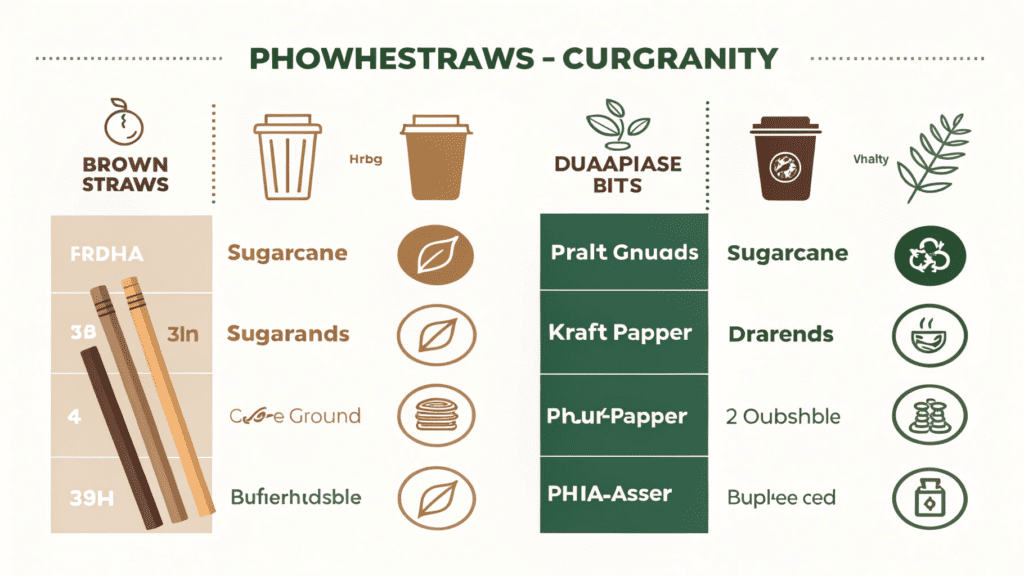
في عصر يتسم بتصاعد الوعي البيئي والأطر التنظيمية الصارمة بشكل متزايد، أصبحت القشة البلاستيكية التقليدية ذات الاستخدام الواحد رمزا للممارسات غير المستدامة. بالنسبة لمديري المشتريات، ومديري العمليات، ومسؤولي الاستدامة، والمديرين التنفيذيين لسلسلة التوريد، فإن التحول بعيدًا عن المواد البلاستيكية التقليدية ليس مجرد اتجاه؛ إنها ضرورة تجارية. مع استخدام الملايين من الشفاطات البلاستيكية يوميًا، مما يساهم بشكل كبير في النفايات البحرية ومكبات النفايات التي تستمر لعدة قرون، فإن المخاطر التشغيلية والمخاطر المتعلقة بالسمعة بالنسبة للشركات التي تفشل في التكيف هائلة. يقوم المستهلكون، الآن أكثر من أي وقت مضى، بفحص المسؤولية البيئية للشركات، مما يجعل المصادر المستدامة عاملاً حاسماً في الولاء للعلامة التجارية وتمايز السوق. إن تجاهل هذا التحول النموذجي يمكن أن يؤدي ليس فقط إلى عقوبات تنظيمية، مثل تلك التي تفرضها لائحة الاتحاد الأوروبي لإدارة نفايات التغليف والتعبئة (PPWR) لعام 2025 أو عمليات الحظر المختلفة على مستوى الدولة في جميع أنحاء الولايات المتحدة الأمريكية، ولكن أيضًا إلى تآكل ملموس في ثقة العلامة التجارية والميزة التنافسية. إن وقت التحول إلى البدائل الصديقة للبيئة لا يلوح في الأفق فحسب؛ إنه هنا يتطلب اتباع نهج استباقي ومستنير في كل جانب من جوانب سلسلة التوريد الخاصة بك، وصولاً إلى أصغر التفاصيل مثل قشة الشرب.
إن رحلة قش الشرب، من القصب السومري القديم المستخدم لتصفية البيرة إلى الأنابيب البلاستيكية المنتشرة في كل مكان في القرن العشرين، تسلط الضوء على محور عميق في الفلسفة المادية. في حين أن القش المبكر كان يُصنع من مواد طبيعية مثل الذهب والأحجار الكريمة والقصب المجوف، فقد شهد القرن التاسع عشر انتشار قش عشب الجاودار، المعروف بقدرته على تحمل التكاليف ولكنه يعاني من الميل إلى أن يصبح طريًا ويضفي طعمًا عشبيًا. أدى هذا العيب الوظيفي إلى قيام المخترع الأمريكي مارفن سي ستون بتسجيل براءة اختراع أول قش ورقي حديث في عام 1888، مما يمثل خطوة مهمة نحو البدائل ذات الإنتاج الضخم. ومع ذلك، شهد منتصف القرن العشرين هيمنة الشفاطات البلاستيكية، التي تمت الإشادة بها لتكلفتها المنخفضة، ومتانتها، ومرونتها - وهي خطوة واضحة من الموارد المتجددة إلى المنتجات المعتمدة على النفط وذات الاستخدام الواحد. وكان هذا التبني على نطاق واسع، مدفوعاً بكفاءة التصنيع في مرحلة ما بعد الحرب العالمية الثانية، سبباً في تمهيد الطريق في نهاية المطاف للأزمة البيئية الحديثة.
وكانت "حروب القش" سيئة السمعة التي اندلعت في عام 2018 تقريبا، والتي تضخمت بفِعل الصور المنتشرة للتلوث البلاستيكي، سببا في تحفيز الطلب العالمي على البدائل. ومع ذلك، فإن الموجة الأولية من الحلول "الصديقة للبيئة" لم تكن خالية من التحديات. على الرغم من أن الشفاطات الورقية المبكرة كانت حسنة النية، إلا أنها غالبًا ما فشلت في تحقيق تجربة المستخدم، وسرعان ما أصبحت مشبعة، وتغير طعم المشروبات، وامتلاك ملمس كريه. هناك بديل شائع آخر، وهو قش حمض البوليلاكتيك (PLA)، المصنوع من البلاستيك الحيوي المشتق من الموارد المتجددة مثل نشا الذرة، وبذور الصويا، أو قصب السكر، والذي قدم مجموعة من التعقيدات الخاصة به. على الرغم من تسويق PLA على أنه قابل للتحلل، إلا أنه يتطلب عادةً مرافق تسميد صناعية محددة حتى يتحلل بشكل فعال، مما يشكل تحديًا للتخلص عندما لا تكون هذه البنية التحتية متاحة بسهولة. علاوة على ذلك، نشأ جدل كبير مع اكتشاف PFAS (مواد لكل وبولي فلورو ألكيل)، أو "مواد كيميائية للأبد"، في بعض المصاصات الورقية. وهذه المواد الكيميائية المستخدمة لمقاومة الماء ثابتة في البيئة وتحمل مخاطر صحية محتملة، مما يقوض فرضية الاستدامة ذاتها. وبعيدًا عن العلوم المادية، واجهت حركة حظر القش البلاستيكي أيضًا انتقادات مشروعة لعدم تلبيتها بشكل كامل لاحتياجات الأفراد ذوي الإعاقة، الذين يعتمدون غالبًا على القش للشرب الآمن والمستقل، مما يسلط الضوء على التوازن المعقد بين الأهداف البيئية وإمكانية الوصول. بالنسبة للشركات، فإن التنقل في هذا المشهد المتطور يعني إيجاد حلول ليست مسؤولة بيئيًا فحسب، بل تعمل أيضًا بشكل موثوق، وتظل فعالة من حيث التكلفة، وتوفر تجربة مستخدم مقبولة لجميع المستفيدين.
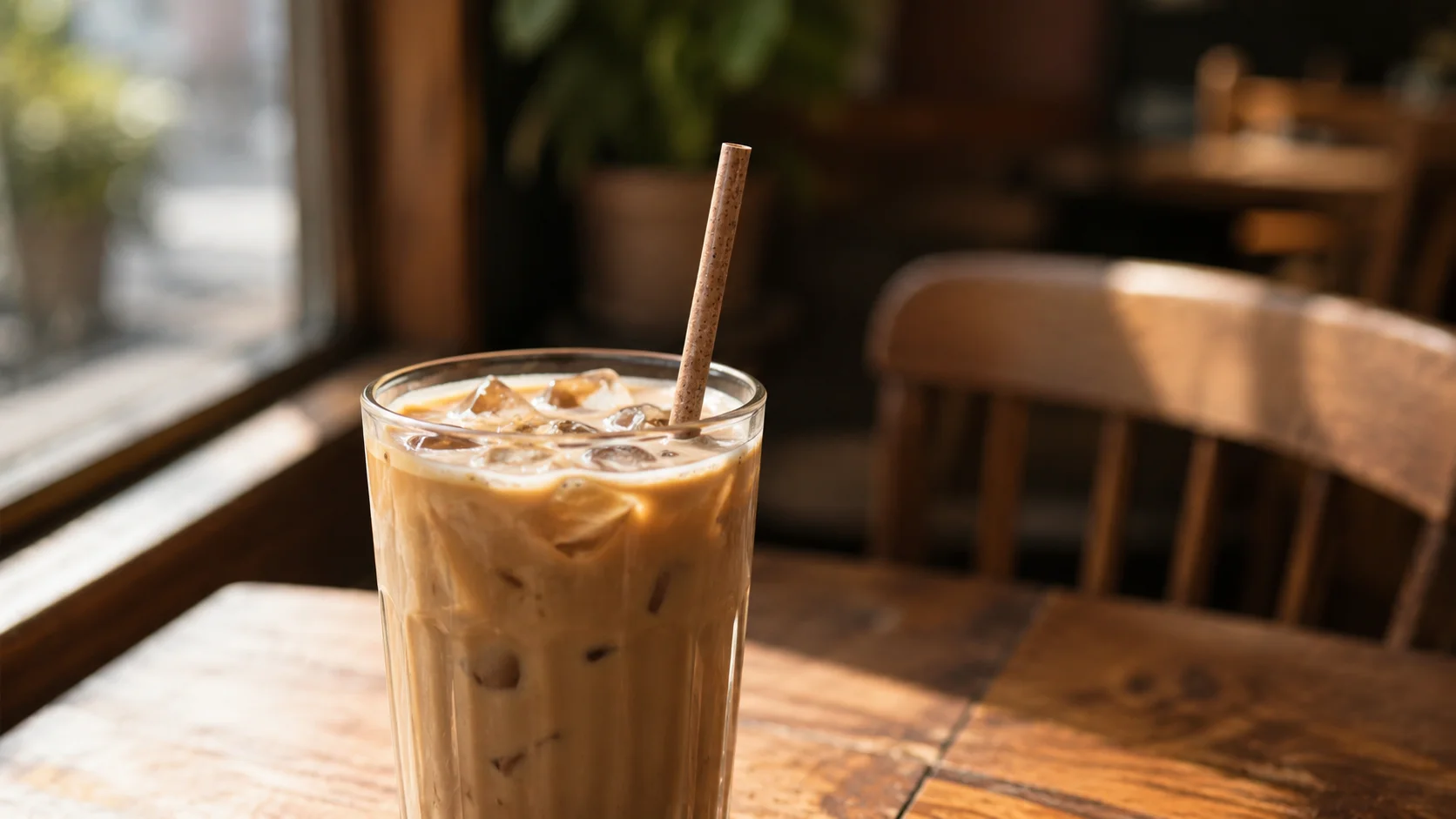
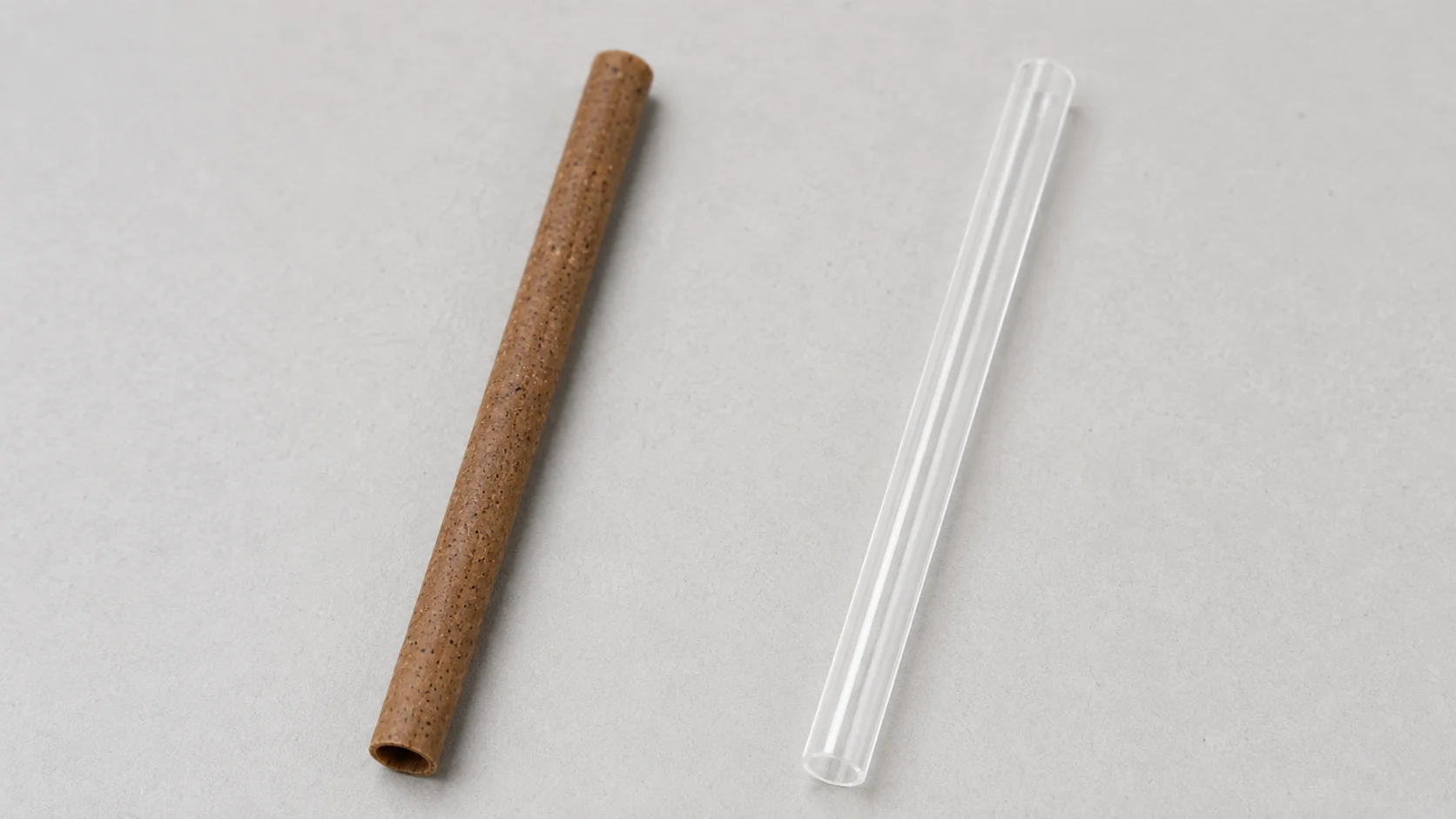
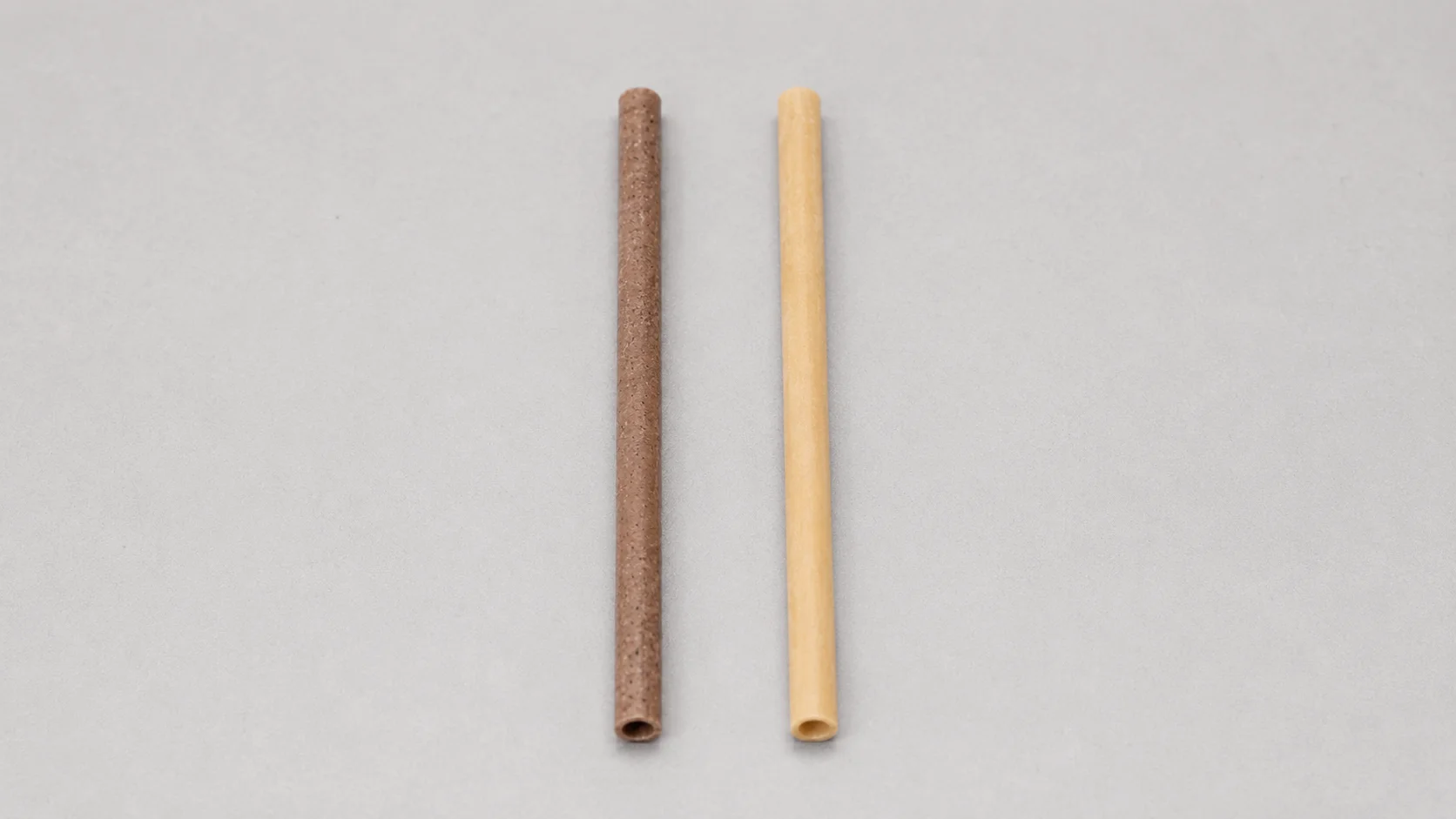
لقد ظهر مصطلح "القش البني" كاختصار لهذا الجيل الجديد من البدائل المستدامة، والتي تستمد في كثير من الأحيان لونها الترابي من تركيبتها الطبيعية غير المبيضة. هذه ليست خيارات عامة "صديقة للبيئة"؛ إنها تمثل مجموعة متنوعة من ابتكارات علوم المواد المصممة لتلبية الأداء الصارم والمعايير البيئية.
دعونا نتعمق في التركيبات المحددة التي تدعم حلول القش البني الرائدة اليوم:
- Sugarcane Fibers (Bagasse) & PLA Blends: تجمع هذه القشات بين النفايات الزراعية (تفل قصب السكر، البقايا الليفية من قصب السكر) مع PLA، مما يخلق منتجًا قويًا وقابلاً للتحلل تجاريًا. وهي معروفة بالحفاظ على السلامة في كل من المشروبات الساخنة والباردة دون أن تصبح ناعمة أو طرية، مما يوفر تجربة مستخدم قوية وسلسة.
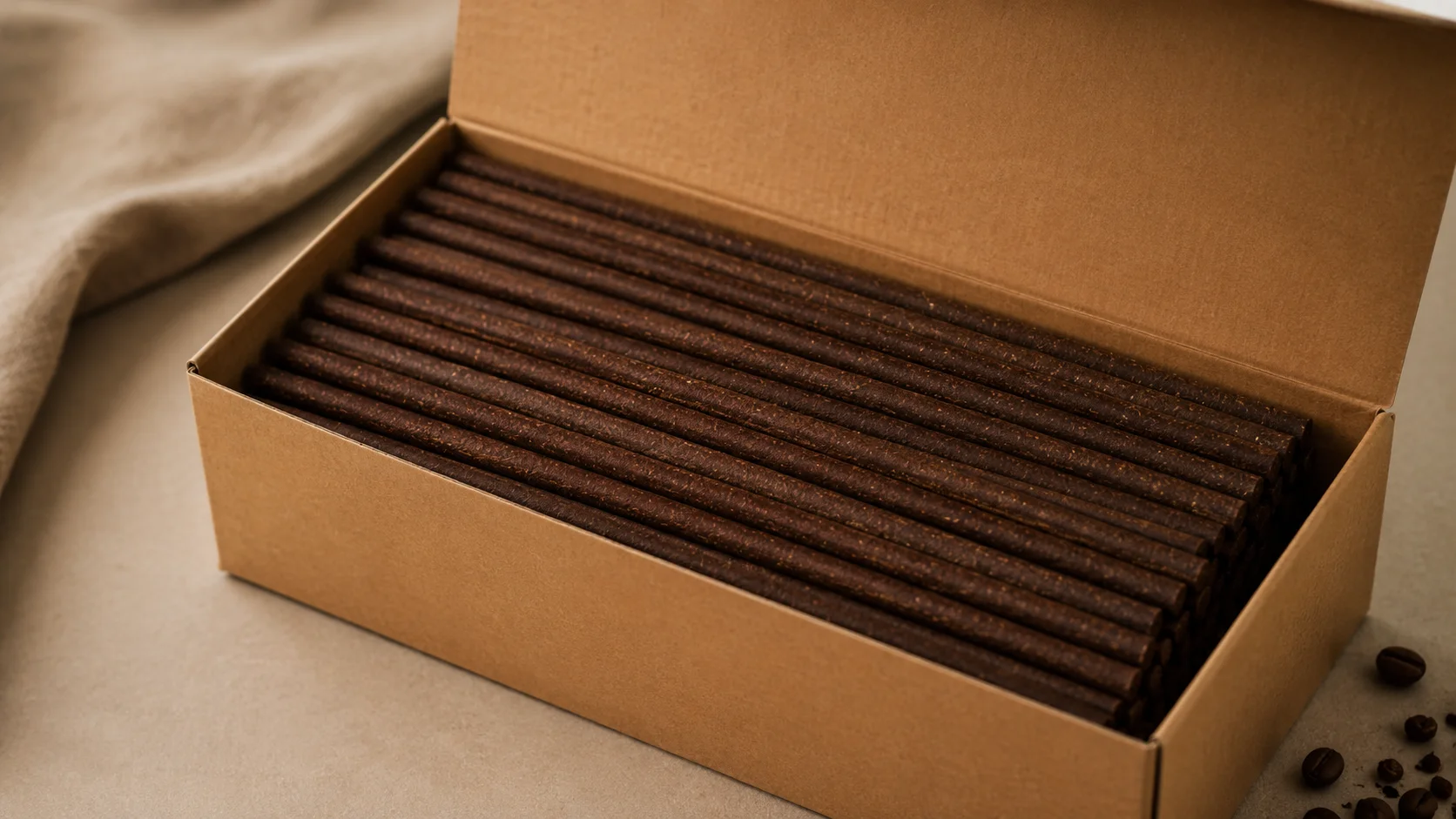
- Reprocessed Coffee Grounds & PLA: إنها طريقة مبتكرة حقًا لإعادة التدوير، حيث تجمع هذه الشفاطات بين نفايات القهوة وPLA. إنها توفر متانة وقابلية للتحول إلى سماد مماثلة لخلطات قصب السكر، مما يوفر ملمسًا فريدًا وجاذبية للعلامات التجارية والمؤسسات المتخصصة الصديقة للبيئة.
- ورق كرافت بني: خيار كلاسيكي وطبيعي، هذه الشفاطات مصنوعة عادةً من ورق كرافت صالح للطعام ومعتمد من إدارة الغذاء والدواء. غالبًا ما تكون خالية من الأصباغ والسموم، وهي قابلة للتحلل البيولوجي بنسبة 100% وقابلة للتحلل. في حين أن بعض الإصدارات المبكرة كانت تعاني من طول العمر، فإن قش ورق الكرافت الحديث يحتوي على طبقات محسنة (مثل شمع العسل الطبيعي) لتعزيز مقاومة الرطوبة.
- ألياف الصبار: الاستفادة من ألياف النفايات الناتجة عن إنتاج التكيلا والميزكال، توفر قش الصبار حلاً قويًا ومستدامًا. بعض قش الصبار معتمدة بأنها قابلة للتحلل في مدافن النفايات، وتتحلل خلال سنة إلى ثلاث سنوات، مما يوفر ملفًا مقنعًا لنهاية العمر.
- Wheat Straw & Rye Grass: تمثل هذه أبسط أشكال القش وأكثرها طبيعية، وهي سيقان النباتات الفعلية. قش القمح، وهو منتج ثانوي للحصاد، بني بشكل طبيعي، وأرق، وقابل للتحلل البيولوجي بالكامل. على الرغم من أن قش عشب الجاودار كان شائعًا تاريخيًا، إلا أنه يمكن أن يصبح رطبًا بعد غمره لفترة طويلة.
- Wood Pulp & Vinegar: ابتكار حيوي آخر، تم تصميم هذه القشات للتحلل البيولوجي الكامل في كل من المياه العذبة والتربة. غالبًا ما تكون خالية من الغلوتين وخالية من PFAS أو المعادن الثقيلة، مما يستهدف تأثيرًا بيئيًا أوسع.
- بولي هيدروكسي ألكانوات (PHA): باعتبارها مادة لدنة حرارية نباتية متطورة، فإن PHA (غالبًا ما يتم استخلاصها من زيت الكانولا المخمر أو نشا الذرة) يمثل الجيل التالي من المواد القابلة للتحلل الحيوي. تم تصميم شفاطات PHA لتبدو بمظهر وملمس رائعين مثل الشفاطات البلاستيكية التقليدية، مما يوفر متانة فائقة وتجربة مستخدم مألوفة مع كونها صديقة للبيئة وغالبًا ما تكون خالية من الغلوتين.
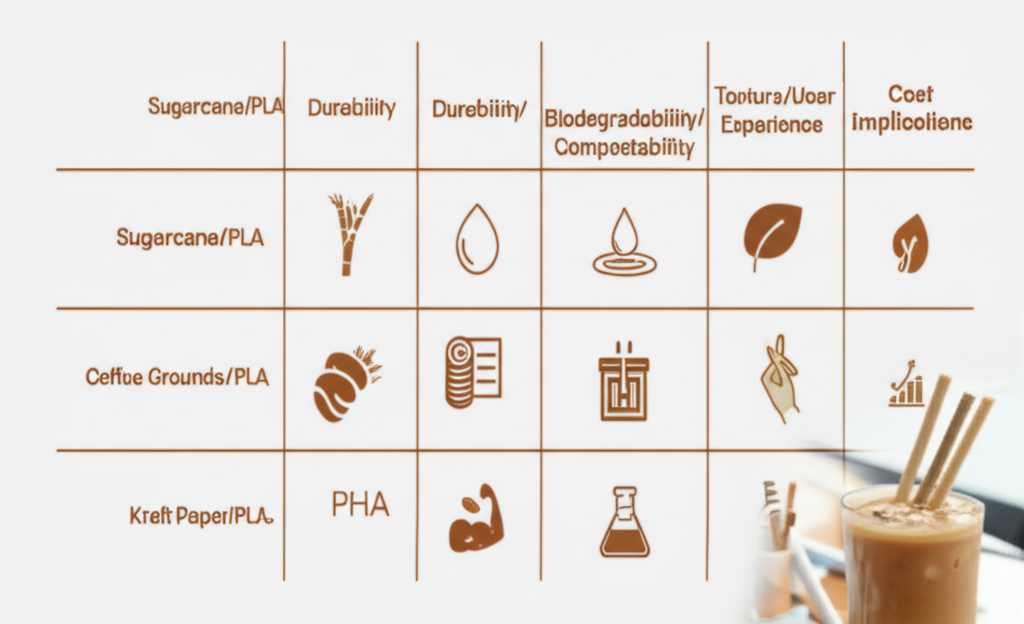
لتبسيط قرار الشراء، ضع في اعتبارك مصفوفة الأداء والاستدامة لمواد القش البني الشائعة:
| نوع المادة | التركيبة الرئيسية | المتانة في السائل (ساخن/بارد) | القابلية للتحلل الحيوي / القابلية للتسميد | الملمس/تجربة المستخدم | الآثار المترتبة على التكلفة (نسبية) | التطبيقات المثالية |
|---|---|---|---|---|---|---|
| قصب السكر/جيش التحرير الشعبى الصينى | تفل قصب السكر، جيش التحرير الشعبى الصينى | عالي | قابل للتحلل التجاري | ناعم، قوي | متوسطة عالية | مطاعم، مقاهي، خدمة سريعة |
| القهوة المطحونة/PLA | أرضيات القهوة، جيش التحرير الشعبى الصينى | عالي | قابل للتحلل التجاري | فريدة من نوعها وقوية | متوسطة عالية | مقاهي متخصصة وعلامات تجارية صديقة للبيئة |
| ورق الكرافت | ورق معتمد من إدارة الغذاء والدواء | معتدل (يمكن أن يخفف) | قابلة للتحلل البيولوجي، وقابلة للتحلل | مثل الورق | منخفض-متوسط | الخدمات الغذائية العامة، الأحداث |
| PHA | اللدائن الحرارية النباتية | عالي | قابلة للتحلل/قابلة للتحلل | تشبه البلاستيك | عالي | كميات كبيرة، علامات تجارية متميزة، احتياجات دائمة |
يستعد سوق الشفاطات الصديقة للبيئة لتوسع كبير، مما يعكس تحولًا عالميًا بعيدًا عن المواد البلاستيكية ذات الاستخدام الواحد. تشير التوقعات إلى أن سوق القش العالمي الصديق للبيئة من المقرر أن ينمو من 12.3 مليار دولار أمريكي في عام 2025 إلى ما يقرب من 25.1 مليار دولار أمريكي بحلول عام 2035، مما يدل على معدل نمو سنوي مركب قوي يبلغ 7.3%. في حين أن القش الورقي يحتفظ حاليًا بأكبر حصة سوقية ضمن القطاع القابل للتحلل الحيوي نظرًا لاعتماده على نطاق واسع والضغوط التنظيمية، فإن البدائل النباتية مثل تلك التي تم تسليط الضوء عليها تكتسب المزيد من الأرض بسرعة. ويحتل المبتكرون الرائدون مثل Aardvark Straws، وBygreen، وEQUO، وPhade، وEarth Smart مكانًا في طليعة هذا التطور، حيث يستثمرون بكثافة في البحث والتطوير للتغلب على القيود السابقة، وتعزيز المتانة، وتقليل تكاليف الإنتاج، وتحسين حلول نهاية العمر الافتراضي، بما في ذلك تطوير خيارات قابلة للتحويل إلى سماد منزلي حقًا وطلاءات مقاومة للماء متقدمة. إن البيئة التنظيمية، وخاصة الموقف الاستباقي للاتحاد الأوروبي بشأن PPWR والعدد المتزايد من عمليات الحظر على مستوى الدولة في جميع أنحاء الولايات المتحدة، تعمل كمحفز قوي، وتسريع هذا التحول وجعل المصادر المستدامة جانبًا غير قابل للتفاوض من الأعمال المسؤولة.
إلى جانب مجرد تحقيق الامتثال، فإن اعتماد الشفاطات البنية بشكل استراتيجي يوفر مزايا عميقة لشركتك.
أولا، أنه يعزز بشكل ملحوظصورة العلامة التجارية وثقة المستهلك. إن مواءمة عملياتك مع القيم البيئية يتردد صداها بعمق مع قاعدة المستهلكين المهتمين بالبيئة بشكل متزايد، مما يترجم إلى ولاء أقوى للعلامة التجارية وتصور عام إيجابي. ثانيا، أنه يوفر قويةالتمايز التنافسي. في السوق المزدحمة، فإن إظهار التزام ملموس بالاستدامة من خلال سلسلة التوريد الخاصة بك يمكن أن يميزك عن الآخرين، ويجذب عملاء جدد ويعزز مكانتك كقائد ذو تفكير تقدمي. ولنتأمل هنا مثالاً افتراضياً: قامت مجموعة مطاعم أوروبية كبرى، "جرين بايتس"، بتحويل جميع مواقعها الخمسمائة إلى استخدام القش البني المصنوع من ألياف قصب السكر. وفي غضون ستة أشهر، أبلغوا عن زيادة بنسبة 15% في تعليقات العملاء الإيجابية المتعلقة بمبادرات الاستدامة وزيادة بنسبة 5% في الأعمال المتكررة بين المجموعة السكانية المستهدفة، مما أظهر التأثير المباشر على علامتهم التجارية والنتيجة النهائية. ثالثًا، يساهم فهم الفروق الدقيقة في المواد المختلفة في ذلكالكفاءة التشغيلية. إن معرفة مدة الصلاحية ومتطلبات التخزين وطرق التخلص المثلى لكل نوع من أنواع القش البني يضمن التكامل السلس في التدفقات التشغيلية الحالية وأنظمة إدارة النفايات. أخيرًا، من خلال اختيار المصاصات البنية ذات الأصل النباتي، يساهم عملك بشكل فعال في أالاقتصاد الدائريوتقليل الاعتماد على الوقود الأحفوري المحدود، وتقليل النفايات، ودعم الموارد المتجددة، وبالتالي تعزيز ملف المسؤولية الاجتماعية لشركتك.
يتطلب التنقل بين العديد من خيارات القش المستدام اتباع نهج منهجي مصمم خصيصًا لتلبية الاحتياجات الفريدة لمؤسستك.
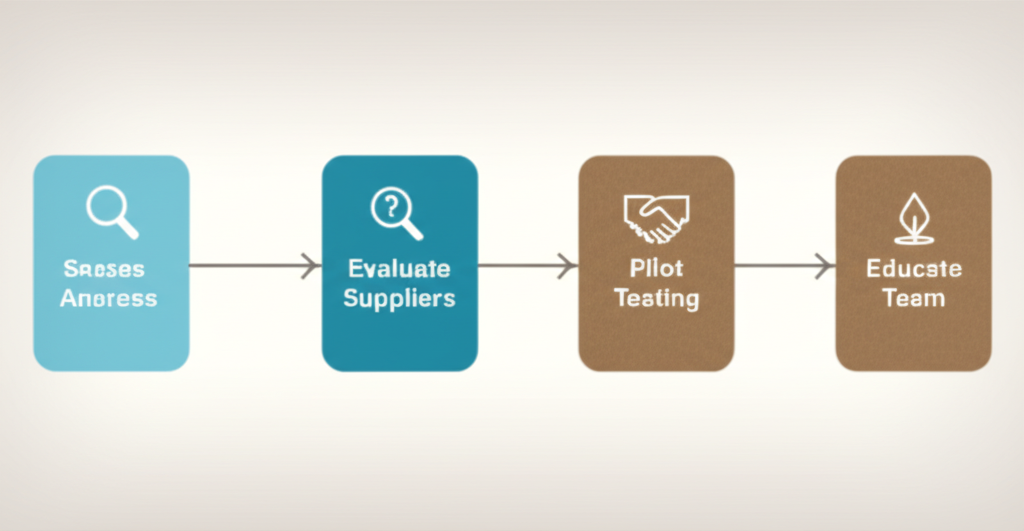
يجب أن تركز خطواتك التالية المباشرة على اتخاذ القرارات المستنيرة والتنفيذ الاستراتيجي.
- تقييم احتياجاتك الخاصة: ابدأ بتقييم متطلباتك التشغيلية. ضع في اعتبارك حجم الشفاطات المطلوبة، وأنواع المشروبات المقدمة (ساخنة/باردة، سميكة/رفيعة)، ومدة الصلاحية المطلوبة، والأهم من ذلك، قدراتك الحالية على إدارة النفايات والتخلص منها. هل لديك إمكانية الوصول إلى مرافق التسميد الصناعي، أو هل تحتاج إلى خيارات قابلة للتحلل في مدافن النفايات أو تحويلها إلى سماد؟
- تقييم عروض الموردين: انظر إلى ما هو أبعد من السعر. إعطاء الأولوية للموردين الذين يقدمون الشفافية في مصادر المواد، ويمتلكون الشهادات ذات الصلة (على سبيل المثال، BPI Compostable، ومعتمد من إدارة الغذاء والدواء الأمريكية، وخالي من PFAS)، ويُظهرون التزامًا واضحًا بممارسات الإنتاج الأخلاقية. استفسر عن دورة الحياة الكاملة لمنتجاتهم، بدءًا من المواد الخام وحتى نهاية العمر.
- الاختبار التجريبي: قبل الطرح على نطاق واسع، قم بتنفيذ تجارب على نطاق صغير لبدائل القش المختارة ضمن عملياتك. يتيح لك ذلك قياس الأداء في العالم الحقيقي، وتقييم تجربة المستخدم عبر أنواع المشروبات المختلفة، وتحديد أي تحديات تشغيلية غير متوقعة. جمع ردود الفعل من كل من موظفيك والعملاء.
- تثقيف فريقك وعملائك: الشفافية هي المفتاح. قم بتدريب موظفيك على فوائد الشفاطات الجديدة والتخلص منها بشكل سليم وكيفية الرد على استفسارات العملاء. قم بتوصيل التزامك بالاستدامة بوضوح إلى عملائك من خلال اللافتات الموجودة في المتجر، أو ملاحظات القائمة، أو القنوات الرقمية، مع تسليط الضوء على التأثير البيئي الإيجابي الذي تختاره.
- التشاور مع الخبراء: بالنسبة لسلاسل التوريد المعقدة أو التحديات التنظيمية المحددة، فكر في التعامل مع مستشاري التغليف المستدام أو جمعيات الصناعة. يمكن أن توفر خبراتهم نصائح مخصصة، وتساعد في تحديد الحلول المتخصصة، والتأكد من أن استراتيجية الشراء الخاصة بك قوية وقابلة للمستقبل.

قد يبدو اختيار قش الشرب بسيطا، ولكنه يعكس التزاما كبيرا بالاستدامة الذي يتردد صداه بعمق لدى المستهلكين والجهات التنظيمية الحديثة. من خلال إجراء انتقال استراتيجي ومستنير إلى حلول القش البني المتقدمة، يمكن لشركتك تخفيف المخاطر التنظيمية، وتقليل بصمتها البيئية بشكل كبير، ورفع قيمة علامتها التجارية. يوفر هذا الموقف الاستباقي فرصة مقنعة للحصول على حصة أكبر من السوق المتنامية الصديقة للبيئة، مما يترجم إلى وفورات في التكاليف على المدى الطويل، وتعزيز ولاء العملاء، ووضع تنافسي أقوى. لا تدع المواد القديمة تقوض التزامك بمستقبل مستدام. تصرف الآن لتأمين سمعتك وفتح فرص نمو جديدة.
معاينة الاستجابة
شاهد كيف تتكيف هذه الصفحة مع أحجام الشاشات المختلفة.DesktopTabletMobile
الأسئلة المتداولة
مما تتكون القش البني؟
عادةً ما تُصنع المصاصات البنية من مواد صديقة للبيئة وقابلة للتحلل الحيوي ويتم اختيارها كبدائل للبلاستيك. تشمل التركيبات الشائعة ألياف قصب السكر (تفل قصب السكر) الممزوجة بـ PLA، وتفل القهوة المعاد معالجته مع PLA، وورق الكرافت المعتمد من إدارة الغذاء والدواء، وألياف الصبار، وقش القمح، ولب الخشب والخل، واللدائن الحرارية النباتية المتقدمة مثل PHA. غالبًا ما تعطي هذه المواد القش لونه البني الطبيعي.
هل القش البني صديق للبيئة حقًا؟
نعم، تم تصميم الشفاطات البنية بشكل عام لتكون صديقة للبيئة أكثر من الشفاطات البلاستيكية التقليدية. إنها مصنوعة من موارد متجددة وتهدف إلى التحلل البيولوجي أو تحويلها إلى سماد، مما يقلل من النفايات البلاستيكية. ومع ذلك، فإن تأثيرها البيئي الحقيقي يعتمد على المادة (بعضها يتطلب تسميدًا صناعيًا، والبعض الآخر يتحلل بيولوجيًا في البيئات الطبيعية) وطرق التخلص المناسبة. تعمل الابتكارات باستمرار على تحسين أدائها وقابليتها للتحلل البيولوجي.
ما هي الاختلافات الرئيسية بين مواد القش البني المختلفة للمشتريات بين الشركات؟
تكمن الاختلافات الرئيسية في تكوينها، ومتانتها في السوائل الساخنة/الباردة، ومتطلبات محددة للتحلل البيولوجي/التحول إلى سماد، والملمس، والتكلفة النسبية، والتطبيقات المثالية. على سبيل المثال، يوفر قصب السكر/PLA وPHA متانة عالية تشبه البلاستيك، بينما قد يصبح ورق الكرافت أكثر ليونة. المواد مثل قش القمح قابلة للتحلل بيولوجيًا بالكامل، في حين أن القش المصنوع من جيش التحرير الشعبى الصينى غالبًا ما يتطلب مرافق تسميد تجارية. يجب على الشركات تقييم هذه العوامل في ضوء احتياجاتها التشغيلية المحددة وقدراتها على إدارة النفايات.
كيف تؤثر اللوائح على اختيار القش المستدام؟
تعد اللوائح التنظيمية الصارمة بشكل متزايد، مثل لائحة الاتحاد الأوروبي لإدارة نفايات التغليف والتعبئة (PPWR) لعام 2025 وحالات الحظر المختلفة على مستوى الدولة على المواد البلاستيكية ذات الاستخدام الواحد في الولايات المتحدة الأمريكية، هي المحرك الرئيسي للشركات للتحول إلى بدائل القش المستدامة. يمكن أن يؤدي عدم الامتثال إلى عقوبات كبيرة والإضرار بالسمعة. تعمل هذه اللوائح على تسريع تحول السوق نحو الخيارات الصديقة للبيئة مثل القش البني، مما يجعل الشراء المستدام ضرورة تجارية.
ما هي فوائد التحول إلى القش البني للشركات؟
يوفر التحول إلى القش البني مزايا استراتيجية متعددة: تعزيز صورة العلامة التجارية وثقة المستهلك، والتمايز التنافسي في سوق مزدحمة، وتحسين الكفاءة التشغيلية من خلال اختيارات المواد المستنيرة، ومساهمة ملموسة في الاقتصاد الدائري. ويساعد هذا التحول على تخفيف المخاطر التنظيمية والمخاطر المتعلقة بالسمعة مع جذب المستهلكين المهتمين بالبيئة، مما قد يؤدي إلى زيادة حصة السوق وتوفير التكاليف على المدى الطويل.