إزالة الغموض عن ألوان القش: الآثار الاستراتيجية لعمليات B2B والمصادر المستدامة
For procurement managers, operations directors, and sustainability officers in hospitality & foodservice.
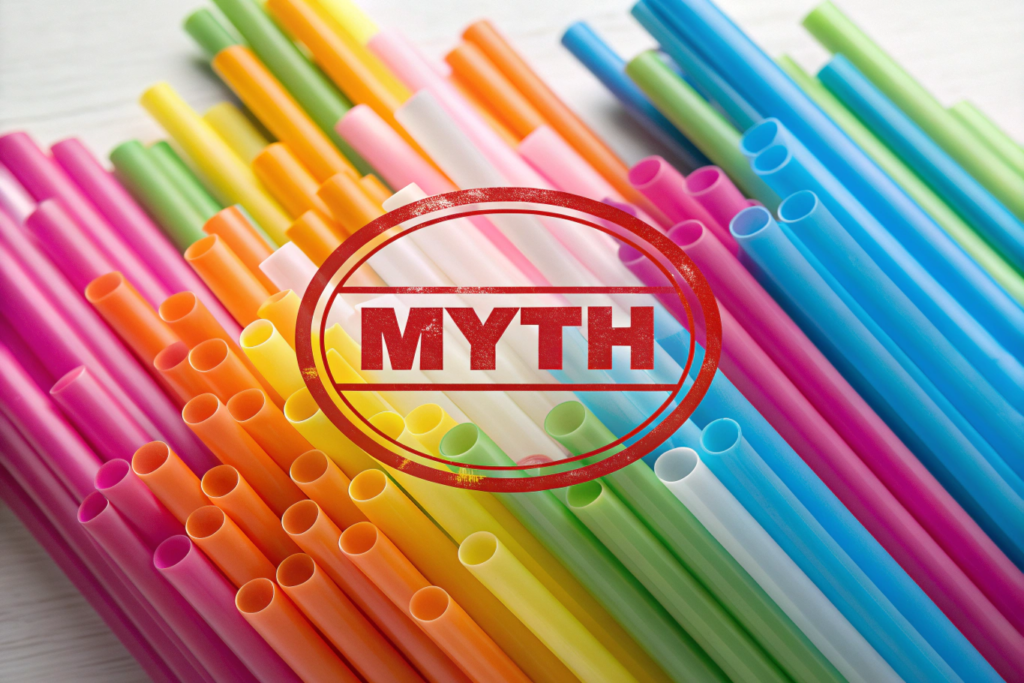
بالنسبة للعديد من المستهلكين، يستحضر موضوع "المصاصات ذات الألوان المختلفة" صورًا لنظريات وسائل التواصل الاجتماعي، ولا سيما "شفرة القش" سيئة السمعة التي شاعتها شركة Dutch Bros Coffee. تشير هذه الأسطورة الحضرية واسعة الانتشار إلى أن صانعي القهوة يستخدمون القش الملون - الوردي لـ "لطيف"، والأخضر لـ "قبيح"، والبرتقالي لـ "غامض"، والأصفر لـ "متوسط"، والأزرق لـ "غير مهذب" - لنقل رسائل سرية حول عملائهم. في حين أن هذا الفضول الذي يركز على المستهلك قد أثار مناقشات لا تعد ولا تحصى عبر الإنترنت منذ أوائل عام 2017 على منصات مثل تيك توك وإنستغرام، إلا أنه يفتقر إلى التحقق الرسمي، حيث صرح العديد من موظفي شركة Dutch Bros علنًا أنه يتم اختيار الشفاطات بشكل عشوائي.
However, for B2B decision-makers—procurement managers, operations directors, sustainability officers, and supply chain executives—the actual implications of straw colors extend far beyond internet folklore. The strategic deployment of color within operational contexts, particularly in the rapidly evolving landscape of sustainable sourcing, represents a high-stakes challenge and a significant opportunity. Ignoring the critical role of color coding in areas like compliance and safety, or failing to leverage color for brand differentiation and sustainability messaging, can lead to compliance risks, operational inefficiencies, and missed market opportunities. The true value of understanding different color straws lies not in deciphering barista opinions, but in harnessing color as a powerful tool for operational excellence and competitive advantage. To delve deeper into the nuances of straw colors and their broader impact, explore how this seemingly simple element plays a role in consumer perceptions and business strategies.
1. المفهوم الخاطئ السائد: الكشف عن ظاهرة "الشفرة القشية".
يقترح "رمز القش" الشائع على الإنترنت، والمرتبط بشكل خاص بشركة Dutch Bros Coffee، أن صانعي القهوة يستخدمون ألوان القش للتعبير عن آرائهم حول العملاء. هذه النظرية، على الرغم من تداولها على نطاق واسع على منصات مثل TikTok وInstagram منذ أوائل عام 2017، تفتقر إلى التحقق الرسمي من شركة Dutch Bros. وتتراوح المعاني المزعومة من اللون الوردي لـ "لطيف"، والأخضر لـ "قبيح/متوسط"، والبرتقالي لـ "غامض"، والأصفر لـ "متوسط/عادي"، إلى الأزرق لـ "فظ". على الرغم من انتشارها و"التجارب" القصصية التي يتقاسمها المستهلكون، صرح العديد من موظفي شركة Dutch Bros علنًا أنهم يختارون المصاصات بشكل عشوائي، مما يفضح زيف الأسطورة باعتبارها نظرية غير مثبتة عبر الإنترنت.
هذا الانبهار الذي يحركه المستهلك، على الرغم من أنه لا أساس له من الصحة، يسلط الضوء على حقيقة نفسية أعمق: الألوان تثير استجابات فورية وعميقة وتؤثر على الإدراك. في حين أن "الشفرة القشية" هي فكرة خاطئة مرحة، فإن الميل البشري الأساسي لتعيين معنى للون يحمل آثارًا عميقة على بيئات B2B حيث يكون ترميز الألوان ليس عشوائيًا على الإطلاق."الرمز القشري" هو أسطورة المستهلك، ولكن التأثير النفسي للون حقيقي بالنسبة إلى B2B.
ثانيا. ما وراء الأسطورة الحضرية: ترميز الألوان المشروع في بيئات B2B
على الرغم من وجود تفسيرات ترفيهية، إلا أن الترميز اللوني في إعدادات B2B يخدم وظائف مهمة مثل السلامة والكفاءة. في تناقض صارخ مع "القانون القشي" غريب الأطوار، فإن تطبيقات الألوان الصناعية والصحية تكون متعمدة وموحدة وغالبًا ما تكون مدفوعة بالتنظيم. توفر الألوان إشارات مرئية عالمية، وتتغلب على حواجز اللغة وتعزز الوضوح التشغيلي عبر القوى العاملة المتنوعة. وتتوافق هذه الأنظمة القوية مع أفضل ممارسات الصناعة والمبادئ التوجيهية التنظيمية التي تهدف إلى الوقاية من المخاطر، وتخفيف المخاطر، وتبسيط العمليات.
أ. ترميز ألوان خدمة الطعام: معيار للسلامة والكفاءة
In the food service sector, color coding is an indispensable practice, primarily designed to prevent cross-contamination and manage allergens, which are crucial for food safety. This practice is supported by comprehensive guidelines such as theFDA Hazard Analysis and Critical Control Points (HACCP) principles, which advocate for systematic approaches to food safety.
Common color designations for various kitchen tools and areas include:
- Red: Typically reserved for raw meats, minimizing the risk of bacterial transfer.
- Yellow: Designated for raw poultry, ensuring its segregation from other food types.
- Blue: Used for seafood, preventing cross-contamination with other proteins or allergens.
- Green: Assigned to fruits and vegetables, safeguarding fresh produce.
- White: For dairy products or cooked meats, preventing contamination from raw items.
- Purple: Increasingly adopted for allergen control, isolating tools and surfaces used for allergen-free preparations.
For B2B operations, the impact is substantial: this standardized color coding reduces the risk of foodborne illnesses, protects brand reputation from costly recalls or legal action, and significantly improves staff training efficiency in high-turnover environments. New hires can quickly understand and adhere to critical safety protocols, regardless of language proficiency, thereby maintaining consistent food safety standards across the organization.
B. Healthcare Color Coding: Enhancing Patient Safety and Waste Management
In healthcare settings, color coding is equally vital, primarily for equipment classification, patient alerts, and the critical segregation of waste. TheWorld Health Organization (WHO)strongly recommends color coding for healthcare waste disposal, recognizing its role in preventing infections, managing costs, and ensuring compliance with stringent environmental regulations.
Examples of color-coded systems in healthcare include:
- Waste Management: Red containers are used for biohazardous waste (e.g., blood-contaminated items, sharps waste), ensuring proper incineration or specialized treatment. Yellow containers are typically for infectious waste, including items used in chemotherapy or radiotherapy. Black containers are for hazardous chemical waste, and blue for non-hazardous pharmaceutical waste.
- Patient Safety Alerts: Standardized wristbands use color to communicate critical patient information, enhancing safety and preventing errors. For instance, a Red wristband universally signifies an “Allergy Alert,” while a Yellow wristband indicates “Fall Risk.” Improper use or misinterpretation of these colors can have severe, even life-threatening, impacts on patient outcomes.
For procurement and operations within healthcare, adhering to these color-coded guidelines is not just about compliance; it’s about minimizing liability, optimizing waste disposal costs, and supporting the safe, efficient delivery of patient care amidst growing workforce shortages.B2B color coding ensures safety, efficiency, and compliance in food service and healthcare.

III. The Evolution of Straws: From Ancient Utility to Modern Sustainability
The journey of straws reflects evolving material science and societal needs, dating back millennia. From humble reeds to sophisticated polymers, and now to innovative sustainable alternatives, the straw’s evolution highlights humanity’s persistent quest for convenient consumption tools.
Historical Data:يعود أول استخدام معروف لشفاطات الشرب إلى السومريين حوالي 3000 قبل الميلاد، الذين استخدموا أنابيب طويلة من الذهب أو القصب لاستهلاك البيرة، ومن المحتمل تجنب المنتجات الثانوية الصلبة. تم تسجيل براءة اختراع القش الورقي الحديث من قبل المخترع الأمريكي مارفن سي ستون في عام 1888، مدفوعًا بإحباطه من قش عشب الجاودار الذي يؤثر على طعم جلاب النعناع. في عام 1937، اخترع جوزيف فريدمان القش القابل للانحناء، مستوحى من الصعوبة التي تواجهها ابنته في الشرب من القش المستقيم. أرست هذه الابتكارات الأساس لاعتماد القش على نطاق واسع.
أ. صعود وهبوط البلاستيك: تحول مدفوع بالضرورات البيئية
بعد الحرب العالمية الثانية، أصبحت الشفاطات البلاستيكية هي المهيمنة بسبب تكلفتها المنخفضة ومتانتها وقدرتها على البقاء سليمة في السوائل إلى أجل غير مسمى. أدى ذلك إلى الإنتاج الضخم بحلول الستينيات، وبحلول الثمانينيات، شهد السوق طفرة في الشفاطات البلاستيكية الملونة والغريبة، والتي أصبحت موجودة في كل مكان في أماكن الوجبات السريعة. ومع ذلك، جلب عصر الراحة هذا عواقب بيئية غير متوقعة. أدت المخاوف العالمية المتزايدة بشأن التلوث البلاستيكي، وخاصة تأثيره المدمر على النظم البيئية البحرية، إلى تحول تنظيمي. قامت العديد من الحكومات والمنظمات في جميع أنحاء العالم بتنفيذ حظر وقيود على المواد البلاستيكية ذات الاستخدام الواحد، بما في ذلك القش، مما يشير إلى نهاية عهد البلاستيك بلا منازع. على سبيل المثال، أطلق الاتحاد الأوروبي حظرًا على المنتجات البلاستيكية ذات الاستخدام الواحد في عام 2021، بهدف تحقيق أهداف طموحة لإعادة التدوير.
B. Sustainable Straws: Color and Design in the Eco-Conscious Era
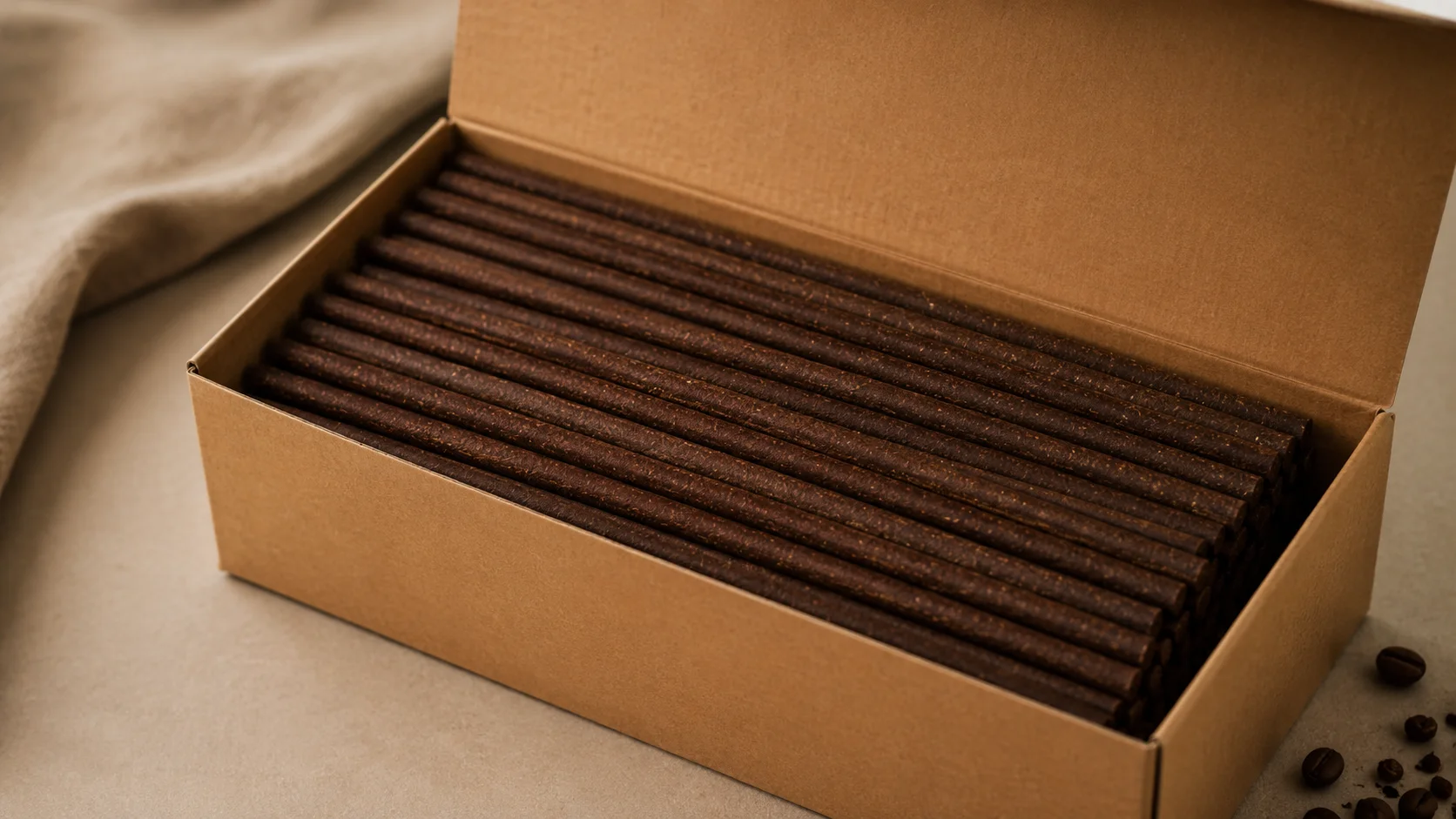
The demand for eco-friendly alternatives is now driving significant innovation in materials and aesthetic design. Sustainable straws are available in a rich palette, ranging from natural hues found in bamboo, grass, sugarcane, coffee grounds, and coconut fibers to vibrantly dyed options made from paper, PLA (plant-based polylactic acid), silicone, and rice.
This material diversity and design customization present a powerful opportunity for businesses. Brands can leverage custom printing with logos and brand-matching colors on paper straws, enhancing brand visibility while aligning with sustainability goals. For instance, PLA straws are available in various colors like pink, green, and orange, and can be BPI® certified compostable, offering both aesthetic appeal and environmental credibility. Agave straws, made from agave plant fibers, further exemplify this progress, boasting a guarantee to break down by 95% within 180 days in an active landfill.Straw evolution reflects a shift from plastic convenience to sustainable, colorful innovation.

IV. Strategic Value of Colored Straws in B2B Branding and Operations
Beyond simple utility, colored straws serve as a subtle yet powerful branding and operational tool for businesses. In an increasingly competitive market, every touchpoint with a customer or client offers an opportunity to reinforce brand identity and communicate core values.
A. Brand Recognition and Customer Experience via Color Psychology
Color psychology plays a significant role in influencing consumer perception and brand association. Studies indicate that up to 90% of a subconscious judgment about a product is formed based on color alone. Consistent use of specific colored straws reinforces brand identity and recognition, making brands memorable and instantly recognizable.
Consider theStarbucks Green Straw: The distinctive green straw is instantly recognizable, acting as a subtle yet powerful brand identifier and a status symbol for the company. This seemingly minor detail contributes to a cohesive brand experience that customers associate with Starbucks’ premium image and commitment to quality. Similarly, McDonald’s strategically uses red and yellow in its branding, including straws, to evoke excitement, appetite, happiness, and friendliness, consistently reinforcing its brand promise of fast, enjoyable food.
Custom or strategically colored straws elevate the customer experience, fostering loyalty and encouraging repeat business. They transform a mundane item into a part of the brand narrative, making the consumption experience more memorable and shareable, especially in an age dominated by social media visual content.
B. Driving Sustainability and Market Differentiation with Strategic Color Choices
Adopting eco-friendly colored straws signals a brand’s commitment to sustainability, attracting environmentally conscious consumers who actively seek out and support green businesses. This alignment with growing consumer values can translate directly into market share gains and enhanced brand equity.
The market trend unequivocally points towards sustainability. The global straw market is projected to reach USD 24.26 billion by 2030, growing at a Compound Annual Growth Rate (CAGR) of approximately 6.18% from 2025 to 2030. Within this, the paper straw market alone is projected to reach USD 6.17 billion by 2030, with a remarkable CAGR of 16.30% from 2025-2034. Businesses that proactively transition to sustainable, often colorful, alternatives are not just complying with future regulations; they are tapping into a rapidly expanding market segment. Companies can further differentiate themselves by offering custom colors or unique designs in sustainable materials, turning an operational necessity into a competitive advantage. This strategic approach to procurement can position a brand as an industry leader in both innovation and corporate responsibility.Colored straws offer powerful branding and sustainability differentiation for B2B operations.
V. Comparison of Sustainable Straw Options for B2B Procurement
Selecting the right straw involves balancing operational needs, compliance, and sustainability goals. The table below outlines key considerations for B2B procurement professionals evaluating sustainable straw options:
| ميزة | التأثير التشغيلي B2B | ملاحظة الامتثال | إمكانات العائد على الاستثمار |
|---|---|---|---|
| القش الورق | Readily biodegradable; may soften with extended use. | FSC certified supports sustainable sourcing. | Reduced plastic waste, meets ban regulations, attracts eco-consumers. |
| جيش التحرير الشعبى الصينى (النباتي) | Biodegradable in industrial compost; requires specific disposal. | BPI® certified compostable aligns with green initiatives. | Enhanced brand image, potential for premium pricing for sustainable offerings. |
| الفولاذ المقاوم للصدأ | Highly durable, reusable; requires cleaning infrastructure. | Compliance with reusability goals; long-term asset. | Significant long-term cost savings over disposable options, strong eco-friendly perception. |
| Sugarcane/Agave Fiber | Natural, compostable; unique texture, natural aesthetic. | OK Home Compostable (sugarcane); agave straws break down 95% in 180 days in landfill. | Brand differentiation, appeals to natural/organic markets, reduced environmental footprint. |
Choosing sustainable straws balances operational needs, compliance, and ROI for B2B procurement.

VI. Overcoming Challenges in the Colored Straw Supply Chain
The widespread shift towards sustainable and colored straws introduces new complexities for procurement and supply chain management. While the benefits are clear, navigating these challenges requires foresight and robust strategies.
A. Procurement Challenges and Market Volatility
One significant manufacturing challenge lies in achieving consistent color quality across batches, especially with natural or plant-based materials. These materials often possess varying physical properties, making pigment dispersion and uniform coloration more difficult than with traditional plastics. A critical compliance hurdle involves ensuring food-grade pigments do not leach into beverages. This necessitates stringent testing and unwavering adherence to international regulations such as those from the FDA in the US and equivalent bodies in the EU.
Furthermore, supply chain volatility for new raw materials can significantly impact availability and pricing, leading to production delays and cost overruns. Original Equipment Manufacturers (OEMs) have historically been hesitant to switch from stable, well-understood plastics to natural materials with less predictable physical properties, creating inertia in the supply chain. Accurate demand forecasting for specific colored sustainable straws is also critical, as misjudging consumer preference for a particular hue can lead to excess inventory or costly stockouts.
B. The Future Outlook: Innovation and Responsible Sourcing
Despite these challenges, the market for sustainable straws is robustly driven by persistent consumer and regulatory demand for eco-friendly solutions. Innovation is rampant, with market leaders pushing the boundaries of material science and design. Companies like FinalStraw, holding an estimated 14-18% share in the reusable market, have launched innovations such as integrated self-cleaning rods and compact, self-dispensing cases. Klean Kanteen, with an estimated 12-16% share, has introduced reusable straw kits with steel cores, silicone tips, and color-coded sets with antimicrobial finishes.
For discerning B2B buyers, this translates into a strategic opportunity. Prioritizing suppliers with proven traceability and robust quality control for colored sustainable straws is paramount. This ensures not only compliance with evolving regulations but also the delivery of a consistent, high-quality product that enhances brand image and supports long-term sustainability goals. The future of colored straws lies in embracing these innovations, overcoming manufacturing hurdles with collaborative R&D, and committing to genuinely responsible sourcing practices that benefit both business and planet.Navigating sustainable straw supply chain challenges requires foresight, innovation, and responsible sourcing.
Conclusion: Harnessing the Power of Color for Sustainable B2B Advantage
While the whimsical “straw code” may capture consumer imagination, the strategic application of different color straws within a B2B context offers tangible benefits from enhanced food safety and healthcare compliance to potent brand differentiation and sustainability alignment. Forward-thinking procurement and operations leaders must evaluate new material innovations and partner with suppliers capable of delivering high-quality, compliant, and responsibly sourced sustainable straws. This proactive approach will drive operational excellence, mitigate regulatory risks, enhance brand perception, and secure long-term market leadership in an increasingly eco-conscious global economy. Request a compliance-ready sustainable straw sample pack today to secure your market advantage before Q3 regulatory shifts take full effect.
Request Your Sustainable Straw Sample Pack Today!
الأسئلة المتداولة
Do different colored straws have secret meanings at Dutch Bros Coffee?
No, the popular ‘straw code’ theory linked to Dutch Bros Coffee is an urban legend. Dutch Bros employees have publicly stated that straw colors are selected randomly, and there is no official validation for the alleged secret meanings.
How is color coding used in B2B food service operations?
In B2B food service, color coding is crucial for preventing cross-contamination and managing allergens. For example, red is for raw meats, yellow for raw poultry, blue for seafood, green for fruits/vegetables, white for dairy/cooked meats, and purple for allergen control. This enhances safety and training efficiency.
What are the benefits of using sustainable colored straws for hospitality businesses?
Sustainable colored straws enhance brand recognition, align with eco-conscious consumer values, and differentiate businesses in the market. They also help comply with single-use plastic regulations and reduce environmental footprint, leading to market share gains.
What are the main challenges in the supply chain for colored sustainable straws?
Challenges include achieving consistent color quality with natural materials, ensuring food-grade pigments don’t leach, managing supply chain volatility for new raw materials, and accurate demand forecasting for specific hues. Overcoming these requires robust R&D and responsible sourcing.
How can procurement managers ensure compliance when sourcing colored straws?
Procurement managers should prioritize suppliers with proven traceability and robust quality control. This ensures food-grade pigments meet international regulations (e.g., FDA, EU standards) and that materials like PLA are BPI® certified compostable, aligning with green initiatives.