إن التحول بعيداً عن المواد البلاستيكية ذات الاستخدام الواحد ليس مجرد اتجاه بيئي؛ إنها ضرورة عمل حاسمة لإعادة تشكيل استراتيجيات الشراء والاستراتيجيات التشغيلية العالمية. ويواجه مديرو المشتريات، ومديرو العمليات، ومسؤولو الاستدامة في جميع أنحاء الولايات المتحدة وأوروبا ضغوطا متزايدة لتبني حلول أكثر مراعاة للبيئة، وخاصة بالنسبة للمواد الاستهلاكية ذات الحجم الكبير مثل قش الشرب. إن المخاطر كبيرة: فتجاهل هذا التحول لن يعرض الشركات لخطر عدم الامتثال التنظيمي فحسب، بل وأيضاً التآكل الكبير في ثقة العلامة التجارية وحصتها في السوق. ومن المتوقع أن يتضاعف سوق القش العالمي الصديق للبيئة، الذي يقدر بحوالي 12.3 مليار دولار أمريكي في عام 2025، إلى 25.1 مليار دولار أمريكي بحلول عام 2035، مما يؤكد حدوث تحول لا رجعة فيه. هذا لا يتعلق فقط بتفضيل المستهلك؛ يتعلق الأمر بالتنقل في مشهد معقد من التشريعات المتطورة، ومرونة سلسلة التوريد، وإعادة تعريف عميقة للمسؤولية الاجتماعية للشركات. تواجه الشركات التي تفشل في التكيف اختناقات تشغيلية، وغرامات عقابية، وعيوب تجارية كبيرة في سوق واعية بشكل متزايد حيث يفضل 80٪ من المستهلكين الخيارات الصديقة للبيئة.
إن الرحلة نحو الاحتساء المستدام لها تاريخ طويل، ومع ذلك فإن الحاجة الملحة للبدائل "الصديقة للبيئة" هي ظاهرة حديثة نسبيا. لآلاف السنين، كان القش يُصنع من مواد طبيعية - من الذهب السومري وأنابيب اللازورد في 3000 قبل الميلاد إلى عشب الجاودار في القرن التاسع عشر. ومع ذلك، شهدت الستينيات صعودًا واسع النطاق للشفاطات البلاستيكية المتينة وغير المكلفة، والتي حلت محل أسلافها من الورق (التي حصل مارفن ستون على براءة اختراعها لأول مرة في عام 1888) لتصبح منتشرة في كل مكان. وقد جاءت هذه الراحة بتكلفة بيئية هائلة، مما أدى إلى تحويل أداة بسيطة إلى رمز للتلوث العالمي. غالبًا ما تعود نقطة التحول في الوعي العام إلى مقطع فيديو واسع الانتشار عام 2015 يصور إزالة القش البلاستيكي من فتحة أنف سلحفاة بحرية، مما أشعل حركة "القش المناهض للبلاستيك" ودفع المناقشات حول النفايات البلاستيكية البحرية إلى الاتجاه السائد.

واليوم، تُرجمت هذه الصرخة العالمية إلى إجراءات تنظيمية ملموسة. على سبيل المثال، حظر توجيه المواد البلاستيكية ذات الاستخدام الواحد الصادر عن الاتحاد الأوروبي بشكل فعال الشفاطات البلاستيكية وغيرها من المواد ذات الاستخدام الواحد منذ عام 2021، مما أجبر الشركات في جميع أنحاء الدول الأعضاء على تغيير استراتيجيات الشراء الخاصة بها. (مصدر:المفوضية الأوروبية). وفي الولايات المتحدة، قامت ولايات ومدن مختلفة، مثل سياتل (التي حظرتها في عام 2018) وكاليفورنيا (التي طبقت مبدأ "القش عند الطلب" في عام 2019)، بقيود مماثلة. هذا الضغط التشريعي، جنبًا إلى جنب مع الوعي البيئي المتزايد للمستهلك، يعني أن مديري المشتريات لم يعد بإمكانهم النظر إلى القش المستدام كعرض متخصص ولكن كعنصر أساسي في الامتثال التشغيلي وتجربة العملاء. ويمتد التحدي إلى ما هو أبعد من مجرد إيجاد بديل؛ فهو يتضمن فهم تأثير دورة الحياة الحقيقية للبدائل والمواءمة مع مبادرات الحد من النفايات والاقتصاد الدائري على نطاق أوسع. يؤثر هذا التحول على كل شيء بدءًا من لوجستيات سلسلة التوريد وحتى إدراك التزام العلامة التجارية بالاستدامة، مما يؤثر على ما إذا كان يُنظر إلى الشركة على أنها قائد مسؤول أو متخلف. للتعمق أكثر في المشهد المادي المستدام الأوسع، واستكشاف تطبيقات متنوعة مثلحلول التعبئة والتغليف الصديقة للبيئةيمكن أن تقدم رؤى قيمة للمبادرات الخضراء الشاملة.
الخيارات الإستراتيجية للعمليات المستدامة: الغوص العميق في القش الصديق للبيئة
وبالانتقال إلى ما هو أبعد من التعرف على المشكلة، فإن الخطوة التالية الحاسمة بالنسبة للشركات هي الاختيار الاستراتيجي للحلول التي تتوافق مع احتياجاتها التشغيلية وقيم العلامة التجارية وأهداف الاستدامة طويلة المدى. يقدم السوق الآن مجموعة متنوعة من شفاطات الشرب الصديقة للبيئة، ولكل منها مزايا واعتبارات مميزة.
Single-Use Biodegradable & Compostable Options
بالنسبة للعديد من الشركات، لا سيما في مجال الخدمات الغذائية ذات الحجم الكبير، تظل الخيارات القابلة للتحلل الحيوي والقابلة للتحويل إلى سماد ذات الاستخدام الواحد ضرورية.
- القش الورق: مصنوعة من موارد متجددة، ويمكن للإصدارات عالية الجودة الآن مقاومة التبلل لفترات طويلة بفضل الطلاءات المتقدمة. فهي متاحة على نطاق واسع وتوفر تخصيصًا ممتازًا للعلامات التجارية. تم تصميم العديد من المصاصات الورقية لتتحلل خلال 2-6 أسابيع. ومع ذلك، يمكن أن يكون إنتاجها كثيف الاستخدام للموارد، ويتطلب قدرًا كبيرًا من الماء والخشب، وقد يكون له بصمة كربونية أعلى من البلاستيك التقليدي. ومن الأهمية بمكان أن هناك جدلاً كبيراً يحيط بالوجود المحتمل لمادة "المواد الكيميائية الأبدية" (PFAS) في العديد من قش الورق والخيزران، المستخدمة لتحسين المتانة، والتي يمكن أن تعيق التحلل وتشكل مخاطر صحية. يجب على الشركات إعطاء الأولوية للحصول على القش الورقي الخالي من PFAS والبحث عن شهادات مثل FSC (مجلس رعاية الغابات) وموافقة إدارة الأغذية والعقاقير (FDA)، بالإضافة إلى BPI (معهد المنتجات القابلة للتحلل) للتسميد الصناعي.
- تأثير الأعمال: فرص قوية وفعالة من حيث التكلفة للعلامات التجارية، ولكنها تتطلب مصادر دقيقة لتجنب "المواد الكيميائية إلى الأبد" وضمان قابلية التحلل البيولوجي الحقيقية.
- PLA (حمض البوليلاكتيك) القش: مشتقة من مواد نباتية مثل نشا الذرة أو قصب السكر، تحاكي شفاطات PLA بشكل وثيق ملمس ومتانة البلاستيك التقليدي دون الاعتماد على الوقود الأحفوري. وهي عادة خالية من مادة BPA. العيب الرئيسي هو متطلباتهم لمرافق التسميد الصناعية المحددة للتحلل بشكل فعال؛ فهي لن تتحلل في السماد المنزلي أو مدافن النفايات، مما يحد من فائدتها البيئية الحقيقية إذا لم يتم التخلص منها بشكل صحيح.
- تأثير الأعمال: تجربة مستخدم جيدة، وبيانات اعتماد نباتية، ولكنها تتطلب الوصول إلى البنية التحتية للتسميد الصناعي وتعليم واضح للعملاء بشأن التخلص منه.
- PHA (بولي هيدروكسي ألكانوات) القش: وتمثل هذه قفزة كبيرة إلى الأمام. إن شفاطات PHA التي تنتجها الكائنات الحية الدقيقة قابلة للتحلل البيولوجي حقًا عبر بيئات مختلفة، بما في ذلك السماد الصناعي والمنزلي والتربة وحتى النظم البيئية البحرية، دون ترك جزيئات بلاستيكية دقيقة. إنها مصنوعة من مصادر متجددة وتوفر متانة جيدة. وتتمثل العقبة الأساسية في ارتفاع تكلفتها ومحدودية العرض حاليًا، على الرغم من أنه من المتوقع أن تتحسن مع زيادة الإنتاج. على سبيل المثال، يسلط توزيع Wincup لـ "Phade Straw" في عام 2021 الضوء على اعتماد السوق المبكر لتقنية PHA، مما يشير إلى التحرك نحو حلول عالية الأداء وقابلة للتحلل بيولوجيًا بشكل حقيقي.
- تأثير الأعمال: عروض استدامة متميزة، وأوراق اعتماد بيئية ممتازة، وتمييز قوي في السوق، ووضع الأعمال في طليعة الابتكار البيئي.
- قش القمح: مصنوعة من سيقان نباتات القمح، وهو منتج ثانوي زراعي، وتوفر حلاً خاليًا من النفايات وطبيعي 100% وقابل للتحلل البيولوجي. فهي متينة في كل من المشروبات الساخنة والباردة وهي خالية من الغلوتين بشكل طبيعي لأنها مشتقة من الجذع وليس الحبوب. تشير بعض المصادر إلى أنها قد تكون أكثر تكلفة من المواد البلاستيكية التقليدية.
- تأثير الأعمال: جمالية طبيعية قوية، تتماشى مع العلامات التجارية العضوية والصديقة للبيئة، وهي قصة ممتازة لمشاركة المستهلكين.
- قصب (العشب) القش: على غرار قش القمح، فهي مصنوعة من سيقان نباتات عشبية وفيرة، مما يجعلها قابلة للتحلل البيولوجي بالكامل وقابلة للتحويل إلى سماد. فهي متينة ومناسبة لجميع درجات حرارة المشروبات، وتوفر مظهرًا طبيعيًا مميزًا.
- تأثير الأعمال: عرض فريد وطبيعي ومناسب للعلامات التجارية التي تؤكد على الأصالة والالتزام البيئي.
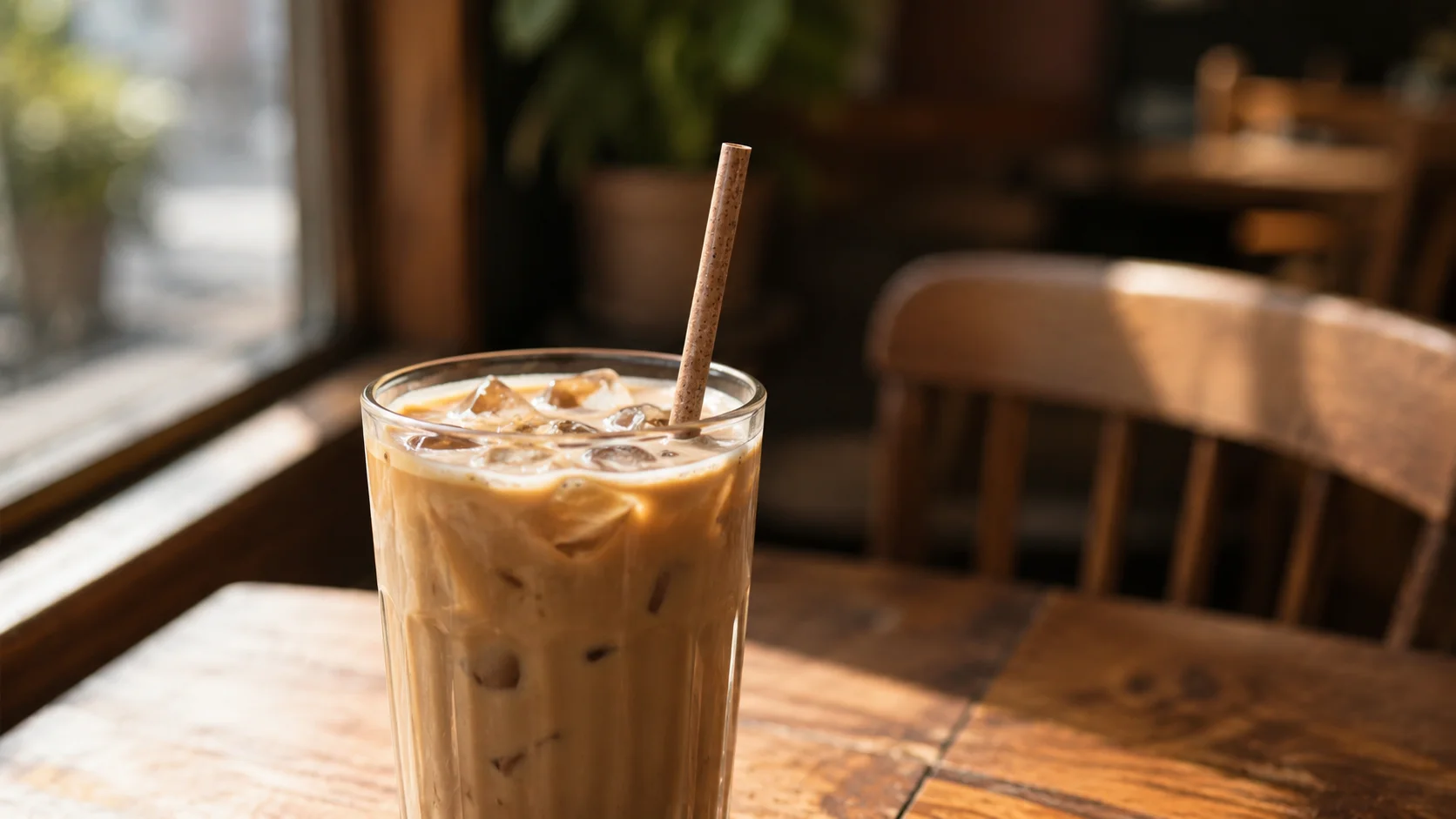
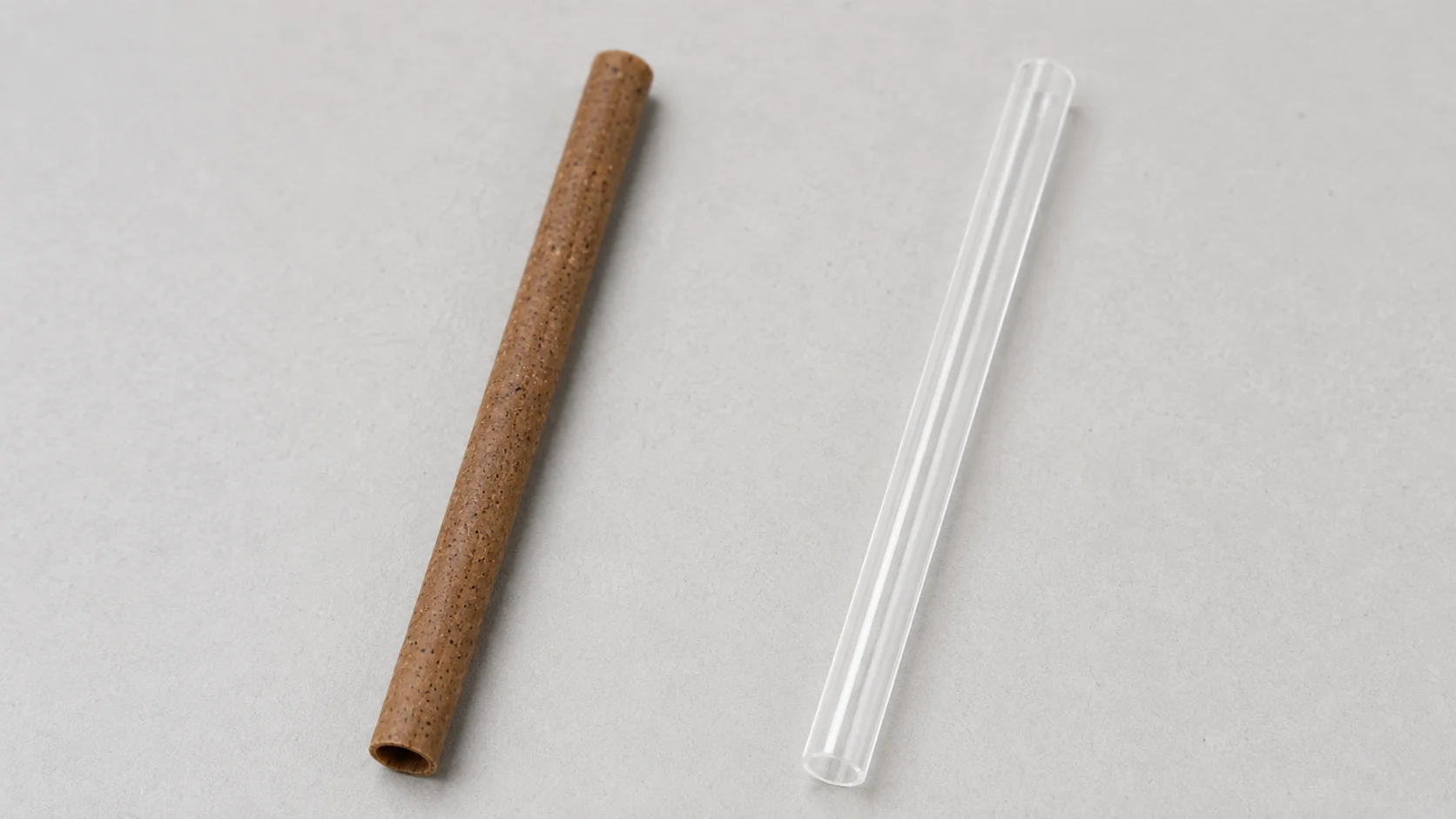
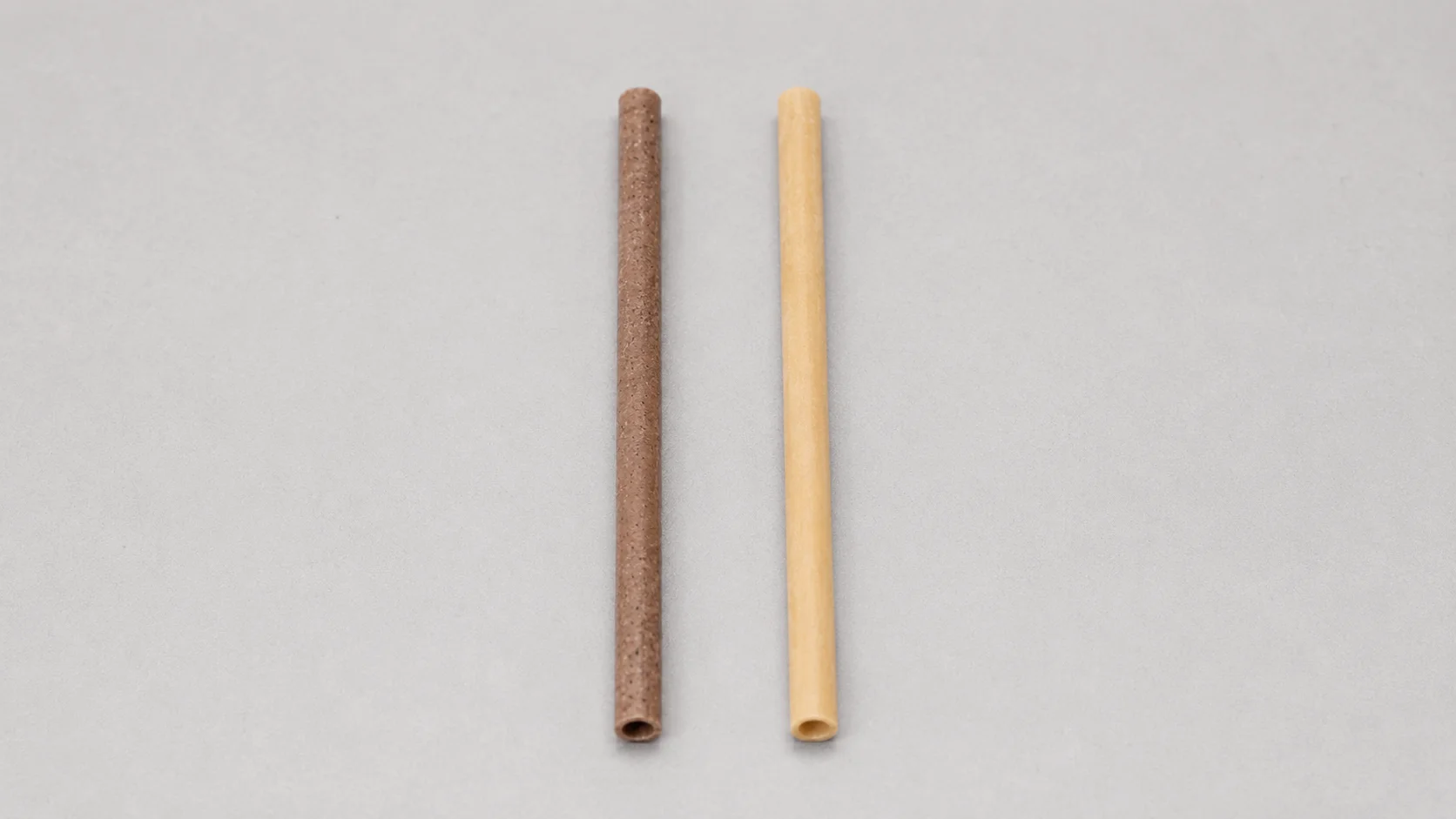
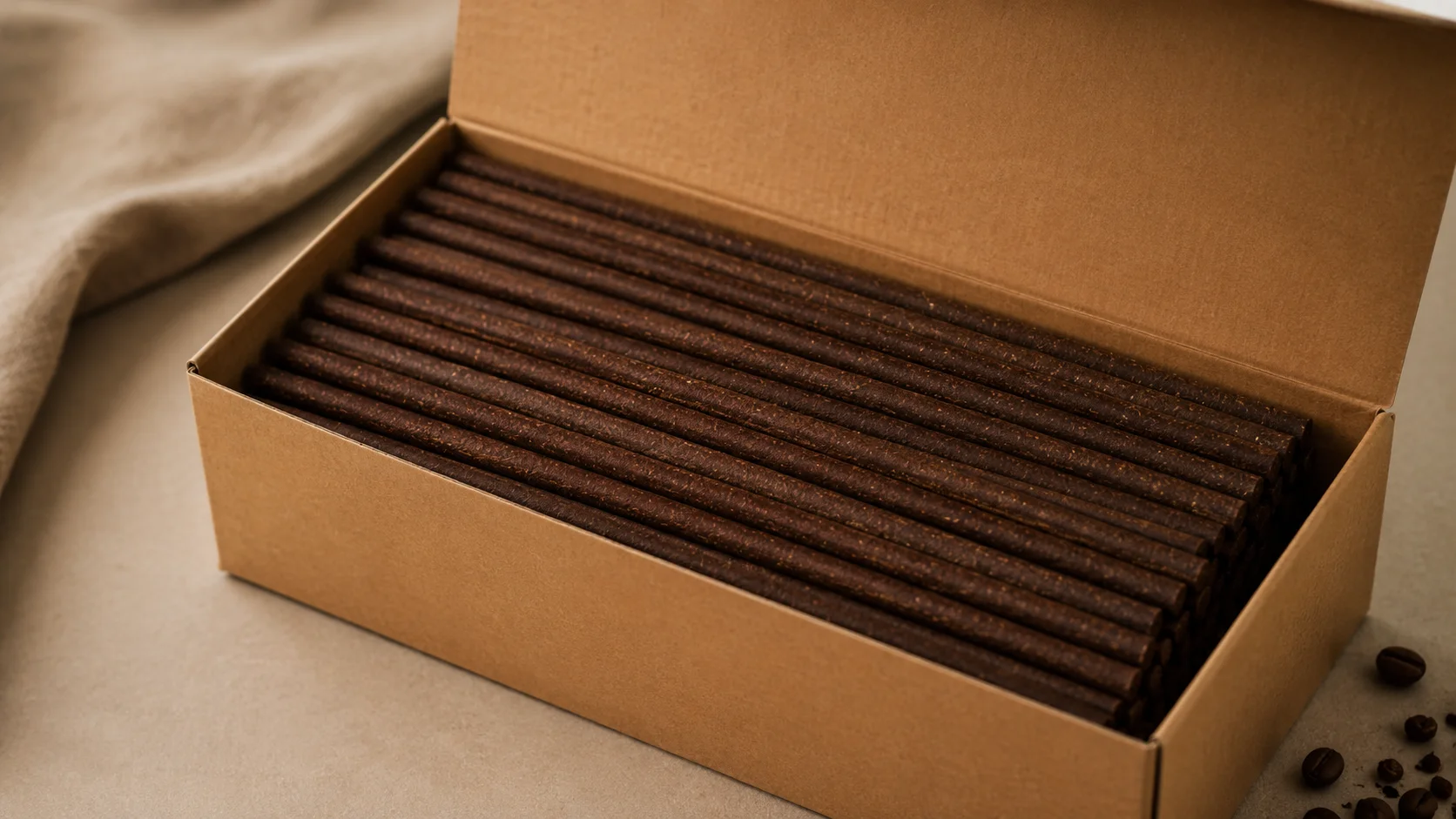
- الخيارات النباتية الأخرى: يتوسع السوق بسرعة بمواد مبتكرة مثل قصب السكر (تفل قصب السكر), نشا الأرز والتابيوكا, الصباروحتى قش القهوة المطحونة. العديد من هذه النفايات تستخدم النفايات الزراعية، وتتميز بمتانة عالية، وقابلة للتحلل بالكامل، وهي محايدة للذوق. قش قصب السكر، على سبيل المثال، قوي وقابل للتحلل في المنزل، في حين أن قش الأرز يمكن أن يكون صالحًا للأكل.
- تأثير الأعمال: خيارات جمالية متنوعة، وقصص استدامة قوية، يقدم بعضها فوائد وظيفية فريدة مثل الصالحة للأكل.

ابتكارات القش القابلة لإعادة الاستخدام
بالنسبة للعمليات التي تعطي الأولوية لأقصى قدر من تقليل النفايات والحل المتميز طويل الأمد، تعد ابتكارات القش القابلة لإعادة الاستخدام خيارًا مقنعًا.
- القش الفولاذ المقاوم للصدأ: متينة للغاية، وتدوم طويلاً، وقابلة لإعادة التدوير بنسبة 100%. إنها آمنة للاستخدام في غسالة الأطباق ولا ترشح المواد الكيميائية. ومع ذلك، فهي موصلة للحرارة والبرودة، ويمكن أن تشكل خطرًا على سلامة الأطفال أو إذا تم عضها بسبب صلابتها، كما أن طبيعتها غير الشفافة تجعل التنظيف الداخلي تحديًا بصريًا. أبلغ بعض المستخدمين عن مذاق معدني. لتعويض تأثيرها على الإنتاج، يجب استخدام المصاصات المعدنية 37 مرة على الأقل مقارنة بالبلاستيك. (مصدر: مجلة الأنثروبوسين).
- تأثير الأعمال: قوية للاستخدام الداخلي (على سبيل المثال، الحانات والمطاعم كاملة الخدمات)، وتوفير كبير في التكاليف على المدى الطويل، وتقليل حجم النفايات، وتتطلب بروتوكولات تنظيف وربما نصائح من السيليكون لتوفير الراحة/الأمان.
- القش الزجاجي: مصنوعة من زجاج بوروسيليكات متين وغير سام، وهي آمنة للمشروبات الساخنة والباردة، وشفافة لسهولة فحص التنظيف، ومحايدة للذوق. يوفر ملمسها الناعم تجربة متميزة. على الرغم من أنها متينة، إلا أنها يمكن أن تنكسر إذا سقطت. يتطلب الإنتاج طاقة كبيرة، ويمكن أن يكون لاستخراج رمل السيليكا آثار بيئية.
- تأثير الأعمال: يرفع صورة العلامة التجارية في المؤسسات الراقية، وهو ممتاز للعرض، ورؤية واضحة للنظافة، ويتطلب معالجة دقيقة.
- قش الخيزران: مستدام للغاية بسبب النمو السريع للخيزران بدون مبيدات حشرية. فهي مضادة للبكتيريا بشكل طبيعي، وقابلة للتحلل البيولوجي، وتوفر جمالية طبيعية أصيلة. ومع ذلك، فإنها يمكن أن تضفي مذاقًا ترابيًا، وغالبًا ما لا تكون آمنة للاستخدام في غسالة الأطباق، وتتطلب طبيعتها المسامية تنظيفًا يدويًا شاملاً لمنع العفن أو التشقق، مما يؤدي إلى عمر افتراضي أقصر من الخيارات الأخرى القابلة لإعادة الاستخدام.
- تأثير الأعمال: مناشدات المواضيع الطبيعية والريفية، والقصة البيئية القوية، تتطلب بروتوكولات تنظيف وتجفيف محددة، وأكثر ملاءمة لأنواع معينة من المشروبات.
- القش السيليكون: مرنة ومتينة وناعمة، مما يجعلها مثالية للأطفال وأولئك الذين يعضون المصاصة. إنها مقاومة للحرارة والبرودة، وآمنة للاستخدام في غسالة الأطباق، وخالية من مادة BPA/الفثالات. على الرغم من أنها قابلة لإعادة الاستخدام، إلا أنها غير قابلة للتحلل الحيوي وقد لا تكون قابلة لإعادة التدوير على نطاق واسع من خلال برامج الرصيف.
- تأثير الأعمال: يعطي الأولوية للسلامة والراحة، لا سيما في البيئات المناسبة للعائلة أو الرعاية الصحية، وهو حل متين ولكنه ليس حل التخلص من "الاقتصاد الدائري".

اختيار القش المناسب لعملك: تحليل مقارن
لتبسيط عملية اتخاذ القرار، ضع في اعتبارك هذه المصفوفة الإستراتيجية، وقم بتقييم كل خيار مقابل معايير العمل الرئيسية:
| ميزة | تأثير B2B | مخاطر الامتثال | إمكانات العائد على الاستثمار |
|---|---|---|---|
| ورق(خالية من PFAS) | جاذبية واسعة، وعلامة تجارية قابلة للتخصيص، ومألوفة | Low (if certified & PFAS-free) | معتدلة (التكلفة الأولية أعلى، ولكن يمكن التخلص منها) |
| جيش التحرير الشعبى الصينى | ملمس يشبه البلاستيك، ورسائل صديقة للبيئة | عالية (في حالة عدم إمكانية الوصول إلى السماد الصناعي) | معتدلة (تكاليف التخلص إذا لم يتم تحويلها إلى سماد) |
| PHA | حالة بيئية ممتازة، وقابلية للتحلل البيولوجي الحقيقي | منخفض (قابلية التحلل واسعة النطاق) | عالية (قيمة العلامة التجارية على المدى الطويل، التخفيضات المحتملة في التكاليف المستقبلية) |
| القمح / القصب | محاذاة العلامة التجارية الطبيعية/العضوية، فريدة من نوعها | منخفض (طبيعي، قابل للتحلل) | معتدل (جاذبية متخصصة، تكلفة متفاوتة) |
| قصب السكر / الأرز | قصة بيئية مبتكرة ومخفضة للنفايات وقوية | منخفض (غالبًا ما يكون قابلاً للتسميد في المنزل) | متوسطة إلى عالية (تمايز العلامة التجارية) |
| الفولاذ المقاوم للصدأ | متين، ممتاز، قابل لإعادة الاستخدام | منخفض (قابل لإعادة الاستخدام، ولكن بروتوكولات التنظيف مطلوبة) | عالية (توفير التكاليف والأصول على المدى الطويل) |
| زجاج | جاذبية راقية ورؤية صحية | معتدل (خطر الكسر) | عالية (خبرة متميزة، أصول) |
| الخيزران | أصيل وريفي ومستدام | منخفض (قابل للتحلل، لكن عمره قصير) | معتدلة (جاذبية متخصصة، تكلفة الاستبدال) |
| سيليكون | تركز على السلامة، وصديقة للأطفال، ومتينة | منخفض (قابل لإعادة الاستخدام، ولكن غير قابل للتحلل) | معتدل (طول العمر، ولكن ليس صديقًا للبيئة في نهاية العمر) |
التنقل في الشهادات:بالنسبة لأي قش قابل للتحلل البيولوجي أو قابل للتحلل للاستخدام مرة واحدة، فإن الشهادات لها أهمية قصوى. ابحث عنمعهد المنتجات القابلة للتحلل الحيوي (BPI)أوتي في النمسا(للتسميد الصناعي)، أوهيئة سوق المال(تحالف تصنيع السماد العضوي). للحصول على محتوى حيوي حقًا،وزارة الزراعة الأمريكية BioPreferredذات صلة. تضمن هذه الشهادات أن المنتجات تلبي المعايير الصارمة للتحلل والسلامة البيئية. على سبيل المثال، مصاصات الخضروات معتمدة من وزارة الزراعة الأمريكية BioBased، ASTM، وISO International، بينما HAY! القشات: قش القمح الأصلي معتمد من BPI ويتم تحويله إلى سماد خلال 42 يومًا.
التنقل في الموجة الخضراء: رؤى الصناعة الرئيسية لقادة الأعمال
سوق القش الصديق للبيئة لا ينمو فقط؛ إنها تتطور بسرعة. تظهر التوقعات أن السوق سيصل إلى 25.1 مليار دولار أمريكي بحلول عام 2035 بمعدل نمو سنوي مركب قدره 7.3%، بقيادة القش الورقي الذي يستحوذ على حصة 44.3% من قطاع السماد بحلول عام 2025. تسلط الديناميكيات الإقليمية الضوء على منطقة آسيا والمحيط الهادئ باعتبارها السوق الأسرع نموًا، في حين تتصدر أمريكا الشمالية وأوروبا في التبني المبكر بسبب اللوائح الصارمة وطلب المستهلكين.
النقطة الحاسمة للمشتريات هيالجدل حول PFAS. وقد وجدت الدراسات الحديثة في أوروبا أن غالبية قش الورق والخيزران الذي تم اختباره يحتوي على مواد متعددة وبيرفلوروألكيل ("مواد كيميائية للأبد"). هذه المواد الكيميائية، المستخدمة لمقاومة الماء، ثابتة، ومن المحتمل أن تكون ضارة بالصحة والبيئة، وتقوض ادعاءات القابلية للتحلل البيولوجي. (مصدر:ساينس ديلي). فحص صارم للموردينمنتجات خالية من PFASأمر ضروري للحفاظ على سلامة العلامة التجارية والاستدامة الحقيقية.

علاوة على ذلك، في حين أن حظر القش البلاستيكي يشكل نقطة انطلاق واضحة وشاملةتقييم دورة الحياة (LCA)أمر بالغ الأهمية. يمتد التأثير البيئي إلى ما هو أبعد من التخلص منه ليشمل استخراج المواد الخام وعمليات التصنيع والنقل. وتشكل هذه النظرة الشاملة أهمية بالغة للإدارة البيئية الحقيقية، حيث تتجاوز مجرد ادعاءات "الخلو من البلاستيك" لتقييم البصمة البيئية الكاملة.
مرونة سلسلة التوريديصبح أيضا مصدر قلق رئيسي. ومع تزايد الطلب على هذه المواد المتنوعة، أصبح تأمين منتجات موثوقة ومصدرها أخلاقيًا ومصنعة بشكل مستدام أمرًا بالغ الأهمية. يجب على الشركات توقع التحولات وبناء شبكات توريد قوية. تخلق مشاعر المستهلكين، حيث يفضل 80% منهم الخيارات الصديقة للبيئة، فرصة قوية لتعزيز صورة العلامة التجارية والاحتفاظ بالعملاء. ومع ذلك، يجب على الشركات أيضا معالجةمخاوف إمكانية الوصول، والتأكد من أن التحول عن القش البلاستيكي المرن لا يضر بالأفراد ذوي الإعاقة الذين يعتمدون عليهم للشرب بشكل مستقل. إن توفير البدائل المناسبة بشكل مدروس هو مسؤولية اجتماعية.
الابتكارات الناشئة: المشهد المستقبلي
وبالنظر إلى المستقبل، من المقرر أن تغير السنوات الخمس إلى العشر القادمة مشهد القش المستدام. الباحثون يتطورونقش السليلوز البكتيريأقوى من الورق وقابلة للمقارنة بالبلاستيك من حيث التكلفة، وتتحلل دون الحاجة إلى التسميد الصناعي. تعد قش الأعشاب البحرية والكاراجينان، الصالحة للأكل في كثير من الأحيان، بتدهور سريع وتطبيقات جديدة. تشمل الابتكارات أيضًا قشًا خشبيًا فائق القوة ومقاومًا للماء ومملوءًا بالكيتوزان، وهو فعال من حيث التكلفة ويمكن تصنيعه بميزة قابلة للانحناء. بالإضافة إلى ذلك، من المتوقع أن تؤدي التطورات في الأتمتة التي تعمل بالذكاء الاصطناعي إلى إحداث ثورة في التصنيع، وتحسين سلاسل التوريد وتقليل النفايات في إنتاج القش الصديق للبيئة، مما يضمن قابلية التوسع والتخصيص. استكشاف خيارات قوية ومستدامة حقًا، لا سيما فيما يتعلق بأساس التغليف الصديق للبيئة والفهمما الذي يشكل أكثر أنواع التغليف صديقة للبيئةيمكن أن توفر منظورًا أساسيًا لمصادر المواد الشاملة.
تمهيد طريقك إلى العمليات المستدامة
يتطلب تمهيد طريقك إلى العمليات المستدامة اتباع نهج منهجي. ابدأ بإجراء تقييم داخلي شامل لاستخدامك الحالي للقش، ومجاري النفايات، والاحتياجات التشغيلية المحددة، سواء كنت مطعمًا للخدمة السريعة، أو مؤسسة طعام فاخرة، أو خدمة توصيل طعام. سيعمل هذا الفهم الدقيق على إعلام البرامج التجريبية حيث يمكنك اختبار أنواع مختلفة من القش الصديقة للبيئة في سيناريوهات العالم الحقيقي، وجمع تعليقات لا تقدر بثمن حول المتانة، وتجربة المستخدم، والخدمات اللوجستية للتخلص. في الوقت نفسه، قم بفحص الموردين المحتملين بدقة، وتدقيق شهاداتهم (BPI، TúV Austria، USDA BioPreferred) للتأكد من صحتها، والشفافية في مصادر المواد (خاصة بالنسبة للمطالبات الخالية من PFAS)، والاتساق في جودة المنتج.
التواصل الفعال أمر حيوي بنفس القدر. قم بتثقيف موظفيك حول الخيارات المستدامة الجديدة وبروتوكولات التخلص المناسبة، وتمكينهم من الإجابة على استفسارات العملاء بثقة. قم بتوسيع هذا التعليم ليشمل عملائك، وإيصال التزامك المستدام بوضوح وتوجيههم حول كيفية التخلص بشكل صحيح من العناصر القابلة للتحلل لتحقيق أقصى قدر من فائدتها البيئية. ومن خلال تبني هذه التحولات بشكل استباقي، فإنك لا تضمن الامتثال للوائح المتطورة فحسب، بل أيضًا تحمي عملك من المستقبل، وتخفف المخاطر وتعزز قيمة العلامة التجارية. ستعمل الشراكات الإستراتيجية مع موردي المنتجات الصديقة للبيئة المعتمدين وشركات إدارة النفايات المتخصصة على تحسين جهود الاستدامة لديك، مما يؤدي إلى إنشاء سلسلة توريد مرنة ومسؤولة.
إن مستقبل الاحتساء المستدام ليس رؤية بعيدة، بل هو فرصة فورية. إن تبني الابتكار في شفاطات الشرب الصديقة للبيئة يسمح للشركات بقيادة المسؤولية في الإشراف البيئي، مما يدل على التزام ملموس بكوكب أكثر صحة. من خلال قياس وفورات التكلفة من خلال تقليل عقوبات الهدر، وتعزيز الولاء للعلامة التجارية، والاستيلاء على حصة كبيرة من السوق المزدهرة الصديقة للبيئة، يمكن لمؤسستك تحقيق فوائد كبيرة وقابلة للقياس. لا تتكيف فقط؛ تفرق وتهيمن. نحن ندعوك لاستكشاف حلول مخصصة والتشاور مع خبرائنا لصياغة استراتيجية مستدامة تعمل على رفع علامتك التجارية وتحسين عملياتك.تعرف على كيفية الحصول على شفاطات شرب صديقة للبيئة.
الأسئلة المتداولة
Businesses are shifting due to increasing consumer demand for sustainable products (80% prefer eco-friendly options),
stringent regulatory actions like the EU’s Single-Use Plastics Directive and US state bans,
and the need to enhance brand reputation while mitigating operational and compliance risks.
The eco-friendly straws market is projected to reach USD 25.1 billion by 2035, indicating a critical business imperative.
تنقسم الشفاطات الصديقة للبيئة إلى فئتين رئيسيتين: قابلة للتحلل الحيوي للاستخدام مرة واحدة/قابلة للتحلل وقابلة لإعادة الاستخدام.
خيارات الاستخدام الفردي: الورق (خالي من PFAS محسّن)، PLA (حمض البوليلاكتيك)، PHA (بولي هيدروكسي ألكانوات)، القمح، القصب (العشب)، قصب السكر، الأرز، الصبار، وقش القهوة المطحونة.
خيارات قابلة لإعادة الاستخدام: قش الفولاذ المقاوم للصدأ والزجاج والخيزران والسيليكون.
The PFAS (Per- and Polyfluoroalkyl Substances) controversy refers to the detection of these “forever chemicals”
in many paper and bamboo straws. PFAS are used for water resistance but are persistent in the environment,
potentially harmful to health, and hinder the biodegradability of these products,
raising concerns about their true “eco-friendly” claims. Sourcing PFAS-free options is crucial for businesses.
The biodegradability of compostable straws varies. Many, like PLA straws, require specific industrial composting
facilities with high temperatures and microbial conditions to break down effectively.
Others, such as PHA straws, are truly biodegradable in a wider range of environments
including home compost, soil, and marine settings.
Proper disposal and adherence to certifications like BPI or TúV Austria are essential to ensure they decompose as intended.
يجب على الشركات إجراء تقييم داخلي للاستخدام والاحتياجات التشغيلية، ثم تجربة أنواع مختلفة من القش.
Key considerations include initial and long-term costs, durability, disposal complexity, user experience,
environmental impact (including PFAS risk and LCA), and relevant certifications.
Supplier vetting for transparency and product consistency is also vital,
along with educating staff and customers on sustainable choices and disposal.
stringent regulatory actions like the EU’s Single-Use Plastics Directive and US state bans,
and the need to enhance brand reputation while mitigating operational and compliance risks.
The eco-friendly straws market is projected to reach USD 25.1 billion by 2035, indicating a critical business imperative.
خيارات الاستخدام الفردي: الورق (خالي من PFAS محسّن)، PLA (حمض البوليلاكتيك)، PHA (بولي هيدروكسي ألكانوات)، القمح، القصب (العشب)، قصب السكر، الأرز، الصبار، وقش القهوة المطحونة.
خيارات قابلة لإعادة الاستخدام: قش الفولاذ المقاوم للصدأ والزجاج والخيزران والسيليكون.
in many paper and bamboo straws. PFAS are used for water resistance but are persistent in the environment,
potentially harmful to health, and hinder the biodegradability of these products,
raising concerns about their true “eco-friendly” claims. Sourcing PFAS-free options is crucial for businesses.
facilities with high temperatures and microbial conditions to break down effectively.
Others, such as PHA straws, are truly biodegradable in a wider range of environments
including home compost, soil, and marine settings.
Proper disposal and adherence to certifications like BPI or TúV Austria are essential to ensure they decompose as intended.
Key considerations include initial and long-term costs, durability, disposal complexity, user experience,
environmental impact (including PFAS risk and LCA), and relevant certifications.
Supplier vetting for transparency and product consistency is also vital,
along with educating staff and customers on sustainable choices and disposal.