كيفية اختيار موزع القش القابل للتحلل المناسب لشركتك
ضرورة التوريد المستدام: ما بعد الحظر على البلاستيك
التنقل في عصر جديد من الاستهلاك الواعي بالبيئة
The global landscape for businesses, particularly within the foodservice and hospitality industries, is undergoing a profound transformation. Escalating environmental concerns and a worldwide push for plastic reduction are no longer just regulatory challenges; they represent a critical opportunity for businesses to align with evolving consumer values and significantly enhance their brand reputation. Studies consistently show that over 70% of consumers now actively prefer sustainable brands, demonstrating a clear market shift towards eco-conscious consumption. This paradigm shift underscores that moving away from single-use plastics is not merely about compliance, but about strategic growth and future-proofing your business. Against this backdrop, the burgeoning compostable straws market stands out, projected to grow from an estimated USD 1.9 billion in 2025 to a remarkable USD 3.8 billion by 2035. This signals a fundamental industry transformation, compelling businesses to seek out sustainable alternatives with diligence and foresight.

Unpacking the Complexities of Compostable Straws for B2B Buyers
The Material Maze: Understanding Compostable Straw Types
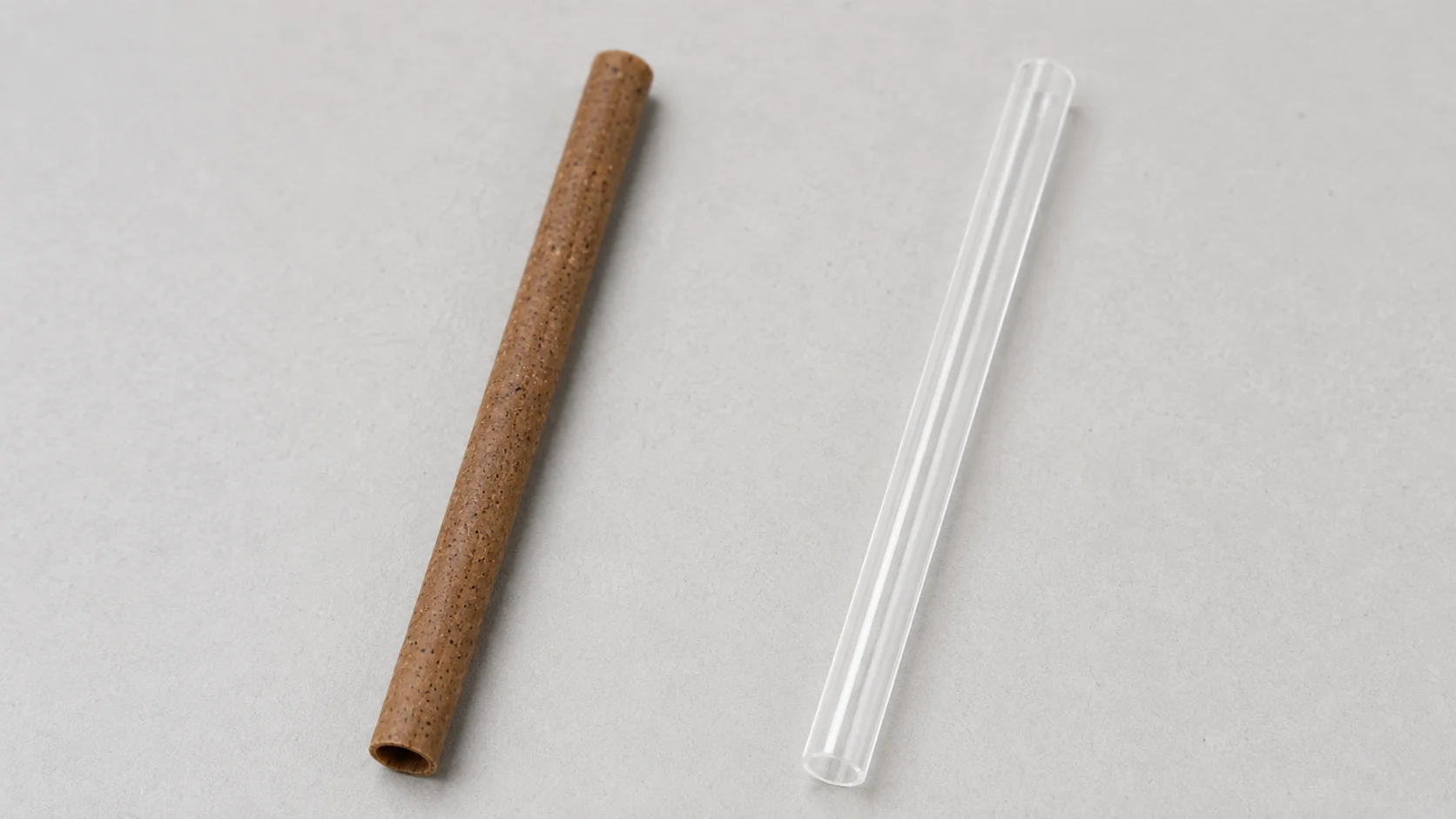
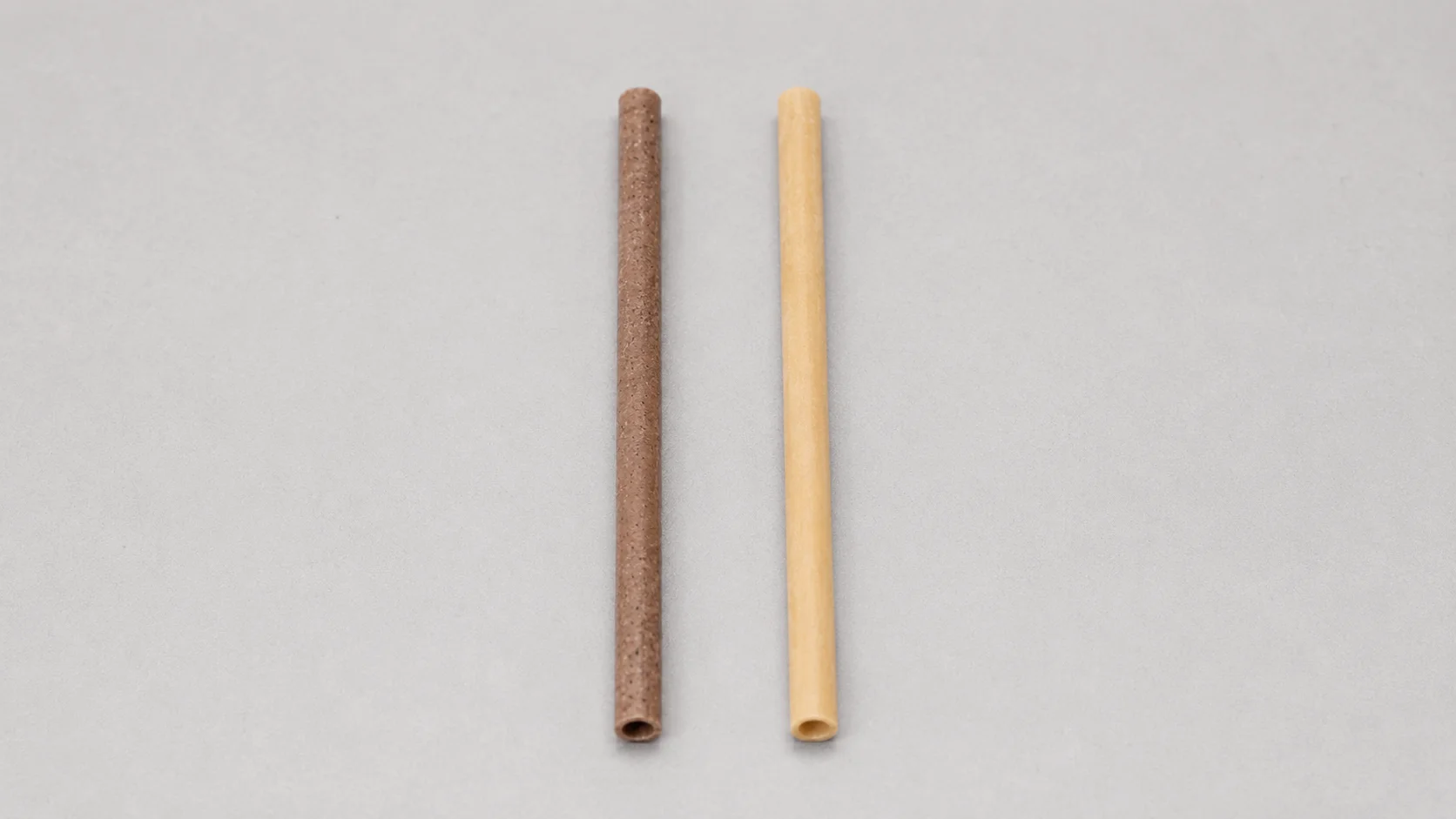
Navigating the world of compostable straws can be complex, given the diverse array of materials now available. Each option presents unique properties, performance characteristics, and environmental considerations that B2B buyers must meticulously evaluate. Common materials include traditional Paper, PLA (Polylactic Acid) derived from plant starches, Sugarcane (Bagasse), and advanced bioplastics like PHA (Polyhydroxyalkanoates), alongside other natural fiber alternatives such as wheat, bamboo, or even rice.
تكون الشفاطات الورقية عمومًا ميسورة التكلفة ومتاحة على نطاق واسع، ولكن يمكن أن تختلف متانتها بشكل كبير، مما يؤدي غالبًا إلى التبلل، خاصة مع الاستخدام المطول أو في المشروبات الساخنة. قد يضفي البعض أيضًا طعمًا ورقيًا خفيًا. توفر شفاطات PLA ملمسًا جيدًا يشبه البلاستيك ومقاومة للحرارة، ولكن قابليتها للتحلل هي نقطة اهتمام حاسمة؛ فهي تتطلب عادةً مرافق التسميد الصناعية لتتحلل بشكل فعال. إذا لم يتم التخلص منها بشكل صحيح، فإنها يمكن أن تتصرف مثل البلاستيك التقليدي في مدافن النفايات، مما يسبب ارتباكًا في مسارات إعادة التدوير. علاوة على ذلك، فإن مصدر القلق الكبير عبر مختلف أنواع القش النباتي والورق هو احتمال وجود "مواد كيميائية للأبد" من PFAS في بعض الطلاءات، المستخدمة لطرد الماء، والتي تشكل مخاطر بيئية وصحية.

In contrast, sugarcane (bagasse) straws are highly durable, resistant to sogginess, and boast excellent temperature resilience, mimicking the feel of traditional plastic without using PLA. Similarly, PHA straws represent a significant leap forward; derived from plant oils, they offer exceptional durability and the unique advantage of being compostable in industrial, home, and even marine environments without producing microplastics. Understanding these material nuances is paramount for procurement teams looking beyond superficial “eco-friendly” claims.
Beyond “Biodegradable”: The Crucial Role of Certifications & Compliance
The terms “biodegradable” and “compostable” are often used interchangeably, yet for B2B procurement, clarifying this distinction is absolutely vital. While “biodegradable” implies eventual breakdown, it doesn’t guarantee a specific timeframe or environmental outcome, potentially leaving harmful residues. True “compostable” certification, however, ensures a product will break down into nutrient-rich components within a defined period under controlled conditions, leaving no toxic residue. This distinction is critical for genuinely sustainable sourcing.

Key certifications provide the necessary assurance and safeguard against greenwashing. These include BPI Certified Compostable (meeting ASTM D6400/D6868 standards in North America), TÜV OK Compost (INDUSTRIAL/HOME) which aligns with European EN 13432 standards, and DIN CERTCO. Each certification signifies rigorous testing and compliance with specific breakdown conditions and timeframes. Adhering to these globally recognized standards is not only essential for regulatory compliance – particularly with the increasing plastic bans in the EU and various US states – but also vital for protecting your brand reputation and building consumer trust. Businesses can explore more about certified sustainable packaging solutions on themomoio.com sustainability page.
الاختيار الاستراتيجي: المعايير الأساسية لشريك القش القابل للتحلل عالي الأداء
تقييم أداء المنتج وتجربة العملاء
بالنسبة لأي عمل تجاري في مجال الخدمات الغذائية أو الضيافة، فإن تجربة المستخدم النهائي لها أهمية قصوى. عند اختيار القش القابل للتحلل، قم بتفصيل أهمية متانة القش ومقاومته للتبلل، خاصة في أنواع المشروبات المختلفة - من القهوة الساخنة إلى العصائر الباردة - للحفاظ على تجربة إيجابية للعملاء. لا يمكن المبالغة في أهمية حياد الذوق؛ يجب ألا تغير القشة شكل نكهة المشروب. علاوة على ذلك، فإن الشعور الذي يحاكي المصاصات البلاستيكية التقليدية بشكل وثيق يمكن أن يقلل من الاضطراب للمستخدمين النهائيين المعتادين على الخيارات التقليدية. سيقدم الموزع القوي أيضًا مجموعة متنوعة من الأحجام والأشكال، بدءًا من قش الكوكتيل الرفيع إلى خيارات العصائر الأوسع، لتلبية الاحتياجات التشغيلية المختلفة.
Critical Distributor Capabilities & Supply Chain Transparency
إن اختيار الموزع المناسب يتجاوز المنتج نفسه. وهو يتضمن تقييم التزامهم بالاستدامة والتميز التشغيلي. وتشمل السمات الأساسية للشريك الموثوق به ممارسات التصنيع المستدامة (على سبيل المثال، كفاءة الطاقة، والحفاظ على المياه، وإدارة النفايات) والمصادر الأخلاقية الشفافة للمواد الخام. أبعد من ذلك، ابحث عن دعم شامل للعملاء، ومعلومات شفافة عن المنتج، والأهم من ذلك، القدرة على تقديم عينات للاختبار الداخلي الصارم قبل الالتزام بالطلبات المجمعة. يمكن للموزعين الذين يقدمون خدمات إضافية مثل وضع العلامات الخاصة أو التغليف المخصص زيادة مواءمة المنتج مع هوية علامتك التجارية. يعد فهم سلسلة التوريد الخاصة بالمورد أمرًا بالغ الأهمية لتحقيق الجودة المتسقة والتسليم في الوقت المناسب، خاصة بالنسبة للطلبات بالجملة. تعرف على المزيد حول الحلول المخصصة وتكامل سلسلة التوريد علىmomoio.com.
Comparative Analysis: Choosing the Optimal Compostable Straw Material
Making an informed decision requires a clear comparison of the leading compostable straw materials against key B2B decision criteria.
| Compostable Straw Material Comparison for B2B | ورق | جيش التحرير الشعبى الصينى | Sugarcane/Bagasse | PHA |
|---|---|---|---|---|
| المتانة / الترطيب | Varies (can soften quickly) | Good, plastic-like | Excellent, highly durable | Excellent, highly durable |
| القابلية للتسميد | Home/Industrial (if PFAS-free) | Industrial only | الرئيسية/الصناعية | Home/Industrial/Marine |
| طعم الحياد | Can have papery taste | حيادي | حيادي | حيادي |
| التكلفة (نسبية) | منخفض-متوسط | واسطة | متوسطة عالية | عالية (لكنها تتحسن) |
| مخاطر PFAS | Possible in some coatings | قليل | منخفض جدًا | منخفض جدًا |
| Key Benefit | Widely available, affordable | Plastic-like feel | Durable, PLA-free, home compostable | Most versatile, truly biodegradable |
يسلط هذا التحليل الضوء على أنه على الرغم من أن الورق يظل خيارًا فعالاً من حيث التكلفة، فإن مواد مثل قصب السكر وPHA توفر متانة فائقة وقابلية للتحلل على نطاق أوسع، مما يخفف من المخاوف مثل "المواد الكيميائية الأبدية" (PFAS) الموجودة في بعض الطلاءات الورقية. يمكن العثور على مزيد من الأبحاث حول آثار PFAS في المنتجات الاستهلاكية من منظمات الصحة البيئية مثلمجموعة العمل البيئية (EWG).. يعد فهم الفروق الدقيقة بين التسميد الصناعي والمنزلي أمرًا حيويًا أيضًا، كما هو مفصل من قبل هيئات إصدار الشهادات مثلمعتمد من BPI وقابل للتحلل. تعمل هذه الرؤية المقارنة على تمكين صناع القرار من اختيار المواد التي تحقق أفضل توازن بين الأداء والاستدامة الحقيقية وفعالية التكلفة لسياقهم التشغيلي المحدد.
إطلاق عائد الاستثمار: فعالية التكلفة، وقيمة العلامة التجارية، وميزة السوق
While the initial cost of high-quality compostable straws may appear higher than traditional plastic, focusing solely on unit price overlooks significant long-term ROI. Adopting certified compostable straws leads to enhanced brand reputation, increased customer loyalty, and crucial compliance risk mitigation in an era of tightening regulations. This strategic choice transforms a perceived expense into a competitive differentiator in a market increasingly valuing sustainability. The overall eco-friendly straw market, encompassing both compostable and reusable options, is forecasted to reach nearly USD 25.1 billion by 2035, underscoring the substantial market opportunity. Businesses that embrace genuine sustainable choices contribute meaningfully to their corporate social responsibility (CSR) goals, attracting environmentally conscious consumers and potentially opening new market segments. For further insights into the eco-friendly straw market, refer to reports fromرؤى السوق المستقبلية.
Paving the Path to a Truly Sustainable Future: Your Next Steps
Partnering for Performance and Planet
The strategic importance of choosing the right compostable straw distributor cannot be overstated. This decision directly impacts your operational efficiency, customer satisfaction, regulatory compliance, and ultimately, your brand equity. It is a strategic investment in your business’s future, aligning your operations with global sustainability trends and the evolving values of your consumer base. Navigating the complexities of material science, understanding intricate certifications, and ensuring robust supply chain logistics can be challenging, making expert guidance absolutely crucial for an effective transition.
Schedule Your Sustainability Consultation Today
Don’t navigate the complex compostable straw market alone. Schedule a personalized consultation with our experts atmomoio.comto assess your specific business needs, explore certified material options, and tailor a sustainable straw solution that aligns seamlessly with your operational goals and brand values. Take the first step towards a greener future: request samples of specific straw types, or download a comprehensive guide to compostable straw certifications to deepen your understanding and ensure your choice is both sustainable and practical.
Ready to Make a Sustainable Choice?
Connect with our experts to find the perfect compostable straw solution for your business.جدولة التشاور