التعامل مع تعقيدات التغليف الصديق للبيئة في مطاعم الخدمة السريعة: دروس من استراتيجية ماكدونالدز الخاصة بالقش الورقي
التعامل مع تعقيدات التغليف الصديق للبيئة في مطاعم الخدمة السريعة
لقد تحولت ضرورة تبني الشركات للممارسات المستدامة من اهتمام خاص إلى ركيزة استراتيجية أساسية. في مختلف الصناعات، ولكن بشكل خاص داخل مطاعم الخدمة السريعة (QSR) وقطاعات الخدمات الغذائية الأوسع، يكون الضغط هائلاً. وينبع هذا الضغط من جبهات متعددة: تصاعد الطلب الاستهلاكي على المنتجات المسؤولة بيئيا، والأطر التنظيمية الصارمة التي تستهدف المواد البلاستيكية ذات الاستخدام الواحد، والمخاطر التشغيلية والتجارية التي لا يمكن إنكارها والمرتبطة بالتقاعس عن العمل. إن الشركات العالمية العملاقة مثل ماكدونالدز، المعروفة بحجمها وتأثيرها على السوق، تعمل كدراسات حالة مؤثرة في هذا المشهد المتطور. لقد كشف تحولهم الذي حظي بتغطية إعلامية كبيرة إلى استخدام القش الورقي، والذي تم الترحيب به في البداية باعتباره خطوة هائلة نحو مستقبل أكثر اخضرارًا، عن حقيقة معقدة تقدم دروسًا مهمة لكل صانع قرار في مجال B2B يتنقل في رحلة الاستدامة الخاصة به. السؤال "هل القش الورقي من ماكدونالدز قابل للتحلل؟" على الرغم من أنه يبدو بسيطًا، إلا أنه يكشف عن قصة أوسع بكثير حول تعقيدات الاستدامة الحقيقية.
يمكن أن يؤدي تجاهل الفروق الدقيقة في التغليف الصديق للبيئة إلى تداعيات كبيرة. وبعيدًا عن التهديد المباشر المتمثل في فرض غرامات عدم الامتثال في الأسواق الخاضعة للتنظيم بشكل متزايد، هناك تآكل طويل الأمد في ثقة العلامة التجارية وولاء العملاء. أصبح المستهلكون اليوم أكثر اطلاعًا وتمييزًا؛ إنهم ينظرون إلى ما هو أبعد من المطالبات "الخضراء" على المستوى السطحي، ويطالبون بفوائد بيئية ملموسة. إن الفشل في تلبية هذه التوقعات، أو ما هو أسوأ من ذلك، الانخراط في "الغسل الأخضر"، يمكن أن يؤثر بشدة على حصة السوق والربحية. وعلى النقيض من ذلك، فإن الشركات التي تدمج الاستدامة بشكل حقيقي، يمكنها اكتساب ميزة تنافسية، وجذب شرائح جديدة من العملاء، وبناء عمليات مرنة ومستدامة للمستقبل.
من البلاستيك إلى الورق: تفكيك ملحمة ماكدونالدز للاستدامة
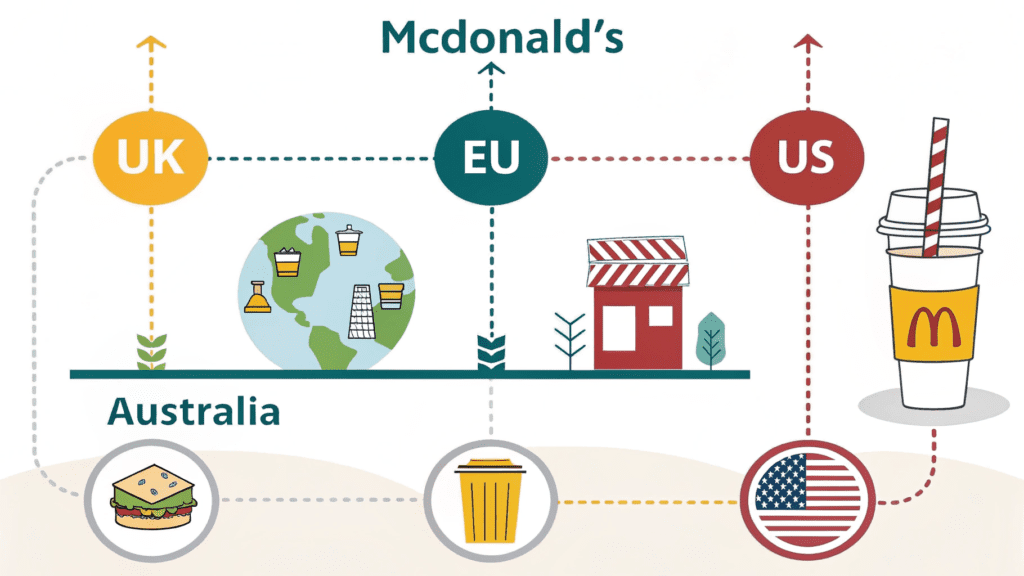
وبسبب القلق العام المتزايد بشأن التلوث البلاستيكي والتفويضات الحكومية الوشيكة، بدأت شركة ماكدونالدز تحولًا كبيرًا بعيدًا عن الشفاطات البلاستيكية. بدءًا من مارس 2018 مع التجارب في المملكة المتحدة، التزمت الشركة بالانتقال الكامل في جميع المطاعم البالغ عددها 1361 مطعمًا في المملكة المتحدة وأيرلندا بحلول نهاية عام 2019. وكانت هذه الخطوة بمثابة استجابة مباشرة للالتماسات العامة، والتي حصدت إحداها ما يقرب من نصف مليون توقيع تحث عملاق الوجبات السريعة على التخلص من المصاصات البلاستيكية، وجاءت في أعقاب اقتراح من حكومة المملكة المتحدة في أبريل 2018 بحظر المصاصات البلاستيكية ذات الاستخدام الواحد وبراعم القطن من خلال 2020. وسرعان ما تبعت مبادرات وتجارب مماثلة في أسواق رئيسية أخرى، بما في ذلك أستراليا وكندا وبلجيكا وفرنسا والسويد والنرويج وأسواق أمريكية مختارة، وكلها تهدف إلى استبدال البلاستيك طويل الأمد بمواد يُنظر إليها على أنها أكثر صداقة للبيئة.
ومع ذلك، سرعان ما كشف هذا التحول حسن النية عن سلسلة من التحديات متعددة الأوجه، مما أدى إلى تحويل تبادل المواد المباشر إلى دراسة حالة معقدة في تنفيذ الاستدامة في العالم الحقيقي.
أصبح الفارق الدقيق "القابل للتحلل" نقطة خلاف مركزية. في حين أن القش الورقي، بطبيعته، مصمم للتحلل بشكل طبيعي، فقد ثبت أن قابلية إعادة التدوير العملية تمثل عقبة هائلة. إن القش الورقي الذي تنتجه شركة ماكدونالدز، وخاصة الإصدارات الأكثر سمكا والأكثر متانة التي تم طرحها استجابة لشكاوى العملاء حول التبلل، شكل صعوبات للبنية التحتية الحالية لإدارة النفايات. في أغسطس 2019، تم الكشف عن أنه على الرغم من أنها مصنوعة من مواد قابلة لإعادة التدوير، إلا أن الشفاطات كانت سميكة جدًا بحيث لا يمكن معالجتها بكفاءة من قبل شركاء إعادة التدوير في المملكة المتحدة وإيرلندا. أدى هذا إلى اكتشاف مهم: نصحت ماكدونالدز العملاء في بعض المناطق بالتخلص من المصاصات الورقية في النفايات العامة. وبينما أوضحت الشركة أن هذه النفايات العامة تم استخدامها بعد ذلك لتوليد الطاقة بدلاً من إرسالها إلى مدافن النفايات، إلا أن الاحتجاج العام كان سريعًا. ووجه المنتقدون اتهامات بـ "الغسل الأخضر"، مشيرين إلى المفارقة المتمثلة في أن المنتج الذي يفترض أنه صديق للبيئة ينتهي به الأمر إلى الحرق بدلا من إعادة تدويره كما يفترض على نطاق واسع. وهذا يسلط الضوء على فجوة حاسمة بين قابلية إعادة التدوير المتأصلة في المادة والبنية التحتية الفعلية المتاحة لمعالجتها. يعد فهم الفروق الدقيقة في هذا التحول أمرًا حيويًا لأي عمل تجاري. للتعمق أكثر في واحدة من أكثر التغييرات وضوحًا في صناعة الوجبات السريعة، استكشف تحليلنا لـفك رموز استراتيجية القش الخاصة بماكدونالدز.
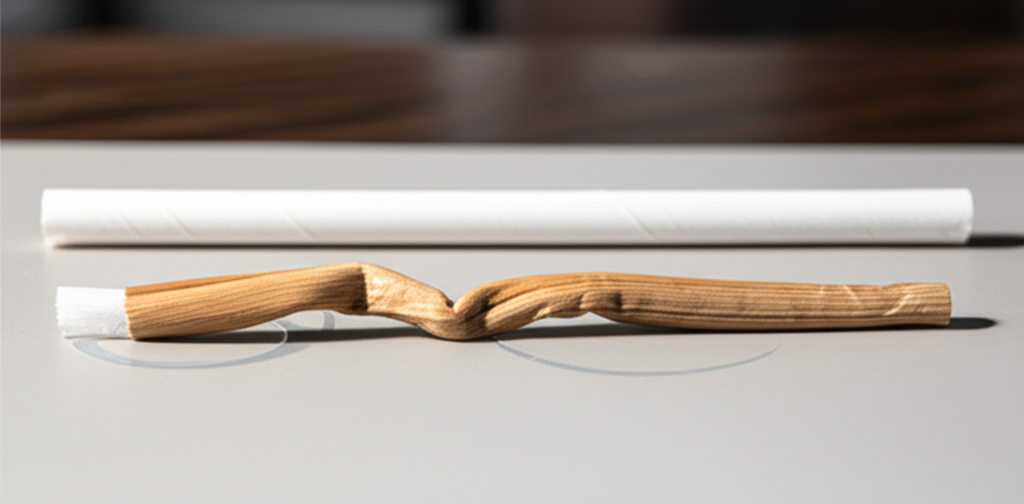
وبعيدًا عن معضلة إعادة التدوير، عانت تجربة العملاء وفهم العلامة التجارية بشكل كبير. ظهرت العديد من الشكاوى، حيث أعرب المستهلكون عن أسفهم لأن المصاصات الورقية أصبحت مبللة وتتفكك بسرعة، خاصة في المشروبات السميكة مثل مخفوق الحليب، مما يجعل استخدامها صعبًا أو حتى مستحيلًا. أفاد بعض العملاء أن الشفاطات الورقية غيرت طعم وملمس مشروباتهم، مما أثر سلبًا على استمتاعهم بشكل عام. أدى هذا الاستياء الواسع النطاق إلى تأجيج الالتماسات عبر الإنترنت التي تطالب بإعادة الشفاطات البلاستيكية، والتي حصلت إحداها على أكثر من 51000 توقيع. استجابت شركة ماكدونالدز من خلال تقديم قش ورقي "متطور وأقوى" في جميع أنحاء أوروبا في نوفمبر 2019، وفي أستراليا، أكدت لاحقًا زيادة بنسبة 30٪ في سمك قشها الورقي. ومع ذلك، فحتى هذه التحسينات لم تتمكن من التخفيف بشكل كامل من المشاعر السلبية. تؤكد دراسة الحالة هذه على التوازن الحاسم الذي يجب على الشركات تحقيقه بين الأهداف البيئية، ووظائف المنتج، ورضا العملاء، خاصة عند تنفيذ التغييرات على نطاق عالمي.
صياغة مستقبل أكثر اخضرارًا: حلول استراتيجية لتغليف الخدمات الغذائية
إن التعقيدات التي تواجهها شركة رائدة في الصناعة مثل ماكدونالدز تقدم دروسًا لا تقدر بثمن لأي شركة تهدف إلى تنفيذ حلول تغليف مستدامة حقًا. إن سوق البدائل الصديقة للبيئة لا ينمو فحسب؛ فهو يتطور بسرعة، مدفوعًا بالابتكار المستمر، والطلب الاستهلاكي المتزايد، والضغوط التشريعية المتزايدة الصرامة في جميع أنحاء العالم. على سبيل المثال، من المتوقع أن يرتفع سوق القش العالمي الصديق للبيئة من حوالي 12.3 مليار دولار أمريكي في عام 2025 إلى ما يقرب من 25.1 مليار دولار أمريكي بحلول عام 2035، بمعدل نمو سنوي مركب (CAGR) يبلغ 7.3٪. ويؤكد هذا النمو القوي التحول الذي لا رجعة فيه نحو ممارسات أكثر استدامة.
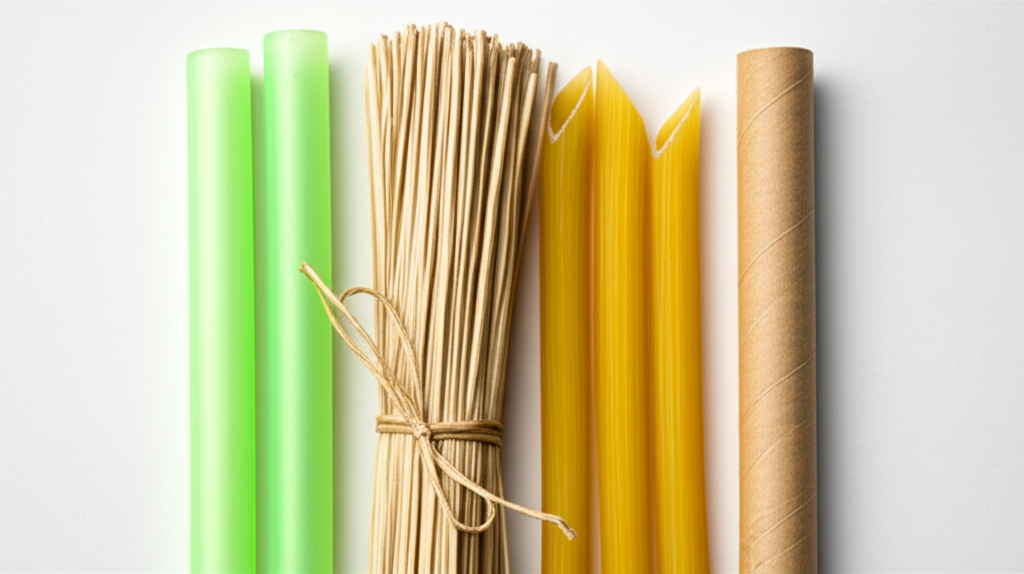
Comparison of Sustainable Straw Technologies: A B2B Perspective
Choosing the optimal sustainable straw solution involves more than a simple material swap. It demands a thorough evaluation of performance, cost implications, and end-of-life solutions that align with your specific operational environment and target market. Businesses must consider factors beyond initial price, including regulatory compliance, supply chain stability, and the overall impact on customer experience and brand loyalty. For a broader understanding of material properties, consult our guide onbiodegradable straw materials.
| Straw Material | الخصائص الرئيسية | القابلية للتحلل الحيوي / القابلية للتسميد | Durability/Use Case | الآثار المترتبة على التكلفة | Infrastructure Need |
|---|---|---|---|---|---|
| القش الورق | Made from wood pulp, often coated. Virgin kraft paper popular for strength. | Biodegradable; often commercially compostable. | Variable; prone to sogginess. Improved coatings enhance resistance. Suitable for most cold drinks. | معتدل | General waste (often incinerated), or specific industrial composting if coated. Difficult for standard recycling facilities due to thickness. |
| القش PHA | Bioplastic from renewable resources (cornstarch, sugarcane). Mimics traditional plastic. | Biodegrades in various environments, including marine and soil. | High; similar feel and durability to plastic. Excellent for hot/cold beverages. | عالي | Industrial composting; natural decomposition in diverse environments. |
| قش PLA | Bioplastic from fermented plant starch (corn). | Requires commercial composting facilities. | Good; similar to plastic. Not ideal for very hot liquids. | معتدل | Industrial composting facilities are essential for proper disposal. |
| قصب السكر (تفل قصب السكر). | Made from sugarcane waste byproduct. | Biodegradable; often home compostable. | Good; sturdy in both hot and cold drinks. Water-resistant. | معتدل | Home or industrial composting, minimal infrastructure needed. |
| القش القش | Natural wheat stems. | Readily compostable. | Good, sturdy for cold beverages. | قليل | Composting. Limited use cases due to natural variations. |
| قش المعكرونة | Edible, typically wheat-based. | Edible, biodegradable, truly zero-waste. | Short-term use (approx. 1 hour in cold drinks); not for hot. Allergen concern (gluten). | قليل | Edible/Compostable. |
| Seaweed-Based Straws | Emerging technology from seaweed. | Marine-safe, fully biodegradable. Dissolves harmlessly in nature. | Durable for hot & cold liquids; doesn’t affect taste. | High (emerging) | Natural decomposition/composting. Future-proof solution. |
| قابلة لإعادة الاستخدام (معدن، زجاج، سيليكون) | متين، متعدد الاستخدامات، قابل للغسل. | N/A (قابلة لإعادة الاستخدام، وغير قابلة للاستخدام مرة واحدة) | متانة عالية جدًا، عمر افتراضي طويل. | تكلفة أولية عالية ومنخفضة جدًا لكل استخدام على المدى الطويل. | يتطلب بنية تحتية قوية للتنظيف والجمع والصرف الصحي. بشكل عام، غير مناسب للوجبات السريعة ذات الحجم الكبير بسبب المخاطر اللوجستية والكسر. |
Industry Trends & The Future of Eco-Friendly Packaging
إن محور الصناعة نحو القش المستدام ليس ظاهرة معزولة ولكنه جزء لا يتجزأ من تحول تحويلي أوسع في التغليف العالمي. ويتم تحديد هذا التطور من خلال الالتزام بمبادئ الاقتصاد الدائري واتباع نهج استباقي في الإشراف البيئي.
- Market Growth & Regulatory Tailwinds: يتم تعزيز النمو الكبير المتوقع في السوق للقش الصديق للبيئة بشكل مباشر من خلال تصاعد الحظر والقيود البلاستيكية. تعمل مناطق مثل الاتحاد الأوروبي، والعديد من الولايات الأمريكية (على سبيل المثال، كاليفورنيا، ونيويورك، وواشنطن)، والمملكة المتحدة على فرض ممارسات التصنيع الخضراء والحد من النفايات، مما يجبر الشركات على التكيف أو مواجهة العقوبات. يمكن للشركات التي تتبنى هذه التغييرات بشكل استباقي أن تضمن ميزة الريادة وتأمين عملياتها في المستقبل ضد تشديد اللوائح.
- قوة تفضيل المستهلك: ويشكل المستهلكون المعاصرون قوة قوية تقود هذا التغيير. كشفت دراسة استقصائية أجرتها شركة NielsenIQ عام 2023 أن 69% من عملاء الوجبات السريعة لاحظوا تغييرات في التغليف البيئي، حيث ذكر 58% أن هذا التغليف أثر على اختيار مطعمهم. علاوة على ذلك، أعرب 44% من المستهلكين عن استعدادهم لدفع 5-10% إضافية مقابل الوجبات المقدمة مع عبوات قابلة للتحلل أو قابلة للتحلل. ويترجم هذا مباشرة إلى تعزيز سمعة العلامة التجارية، وزيادة ولاء العملاء، وربما زيادة حصة السوق للشركات التي تلتزم بشكل أصيل بالاستدامة.
- الابتكار يعالج التحديات الرئيسية: إن التحديات التي تواجهها البدائل المستدامة المبكرة، مثل رطوبة المصاصات الورقية أو تكلفة البلاستيك الحيوي، تتم معالجتها بقوة من قبل الشركات المصنعة. تشمل الابتكارات تطوير طلاءات نباتية متقدمة للقش الورقي لتحسين مقاومة الرطوبة دون المساس بالقابلية للتحلل البيولوجي. إن ظهور قش بولي هيدروكسي ألكانوات (PHA)، الذي يحاكي البلاستيك التقليدي في الملمس والأداء مع توفير قابلية فائقة للتحلل البيولوجي في بيئات متنوعة (بما في ذلك البحرية والتربة)، يدل على قفزة كبيرة إلى الأمام. توفر الشفاطات الصالحة للأكل، المتوفرة بنكهات مختلفة والتي تم اعتمادها بالفعل من قبل عملاء مثل ديزني، حلاً خاليًا من النفايات حقًا. للحصول على دليل شامل حول الإدارة المسؤولة للنفايات، بما في ذلك التخلص من العناصر القابلة للتحلل، راجع مقالتنا حول التخلص من القش القابل للتحلل.
- بناء الاقتصاد الدائري: وبعيدًا عن الحلول المادية الفردية، تركز الصناعة بشكل متزايد على إنشاء اقتصاد دائري. ولا يتضمن ذلك اختيار المواد المستدامة فحسب، بل يشمل أيضًا تحسين البنية التحتية لإعادة التدوير والتسميد بشكل استباقي، وتعزيز التعاون مع مقدمي إدارة النفايات، واستكشاف أنظمة الحلقة المغلقة. على سبيل المثال، تستثمر شركة ماكدونالدز في شراكات مثل تحالف إعادة تدوير مادة البولي بروبيلين التابع لشراكة إعادة التدوير لتعزيز إمكانية إعادة تدوير المواد الصعبة. وتقوم الشركات أيضًا بتنفيذ استراتيجيات مثل تقديم المصاصات فقط عند الطلب وتجريب "الأغطية الخالية من القش" لتقليل الاستهلاك عند المصدر، مما يدل على نهج شامل للحد من النفايات. ويكمن المستقبل في الحلول التي لا تكون "قابلة للتحلل بيولوجيا" من الناحية النظرية فحسب، بل يمكن إدارتها بشكل حقيقي ضمن مجاري النفايات الحالية أو الناشئة، مما يضمن ترجمة جهود الاستدامة إلى فوائد بيئية ملموسة.
خريطة الطريق الخاصة بك إلى النجاح المستدام: تنفيذ التغليف المسؤول
بالنسبة لمطاعم الخدمة السريعة، والمقاهي، ومجموعات الضيافة، وأي شركة خدمات غذائية، فإن التحول إلى الشفاطات والتعبئة المستدامة حقًا يتطلب نهجًا استراتيجيًا وشاملاً يمتد إلى ما هو أبعد من مجرد الامتثال. إنها فرصة لإعادة تعريف علامتك التجارية، وتحسين العمليات، وتأمين ميزة تنافسية في سوق سريع التطور.
- إجراء تدقيق شامل للتغليف: ابدأ بتقييم محفظة التغليف الحالية بدقة. تحديد جميع التبعيات البلاستيكية ذات الاستخدام الواحد وتقييم بصمتها البيئية والتكاليف المرتبطة بها (بما في ذلك التخلص من النفايات)، وتأثيرها على تجربة العملاء. ومن الأهمية بمكان فهم البنية التحتية المحددة للتخلص وإعادة التدوير المتوفرة في كل منطقة من مناطق التشغيل الخاصة بك، حيث أن هذا يفرض صلاحية اختيارات المواد المختلفة.
- تحديد أولويات اختيار المواد بناءً على دورة الحياة: Avoid the “paper is always better” trap. Instead, consider the full lifecycle of alternative materials: raw material sourcing, manufacturing energy consumption, transportation emissions, and crucially, their end-of-life scenarios (true recyclability, industrial or home compostability, or degradation). Balance theoretical biodegradability with practical functionality – will a paper straw withstand a thick milkshake, for example? – and the capabilities of your local waste management partners.
- Invest in Infrastructure & Partnerships: The McDonald’s case highlights the critical gap in waste infrastructure. Proactively engage with your waste management providers to understand their capabilities for processing new, sustainable materials. Explore and invest in partnerships that support closed-loop systems, upcycling initiatives, or industrial composting where available. Become an advocate for improved local and regional infrastructure.
- Engage with Your Supply Chain: Collaborate closely with packaging suppliers who are genuinely committed to innovation and sustainability. Demand transparency regarding certifications (e.g., FSC for paper, ASTM D6400 for compostables, marine biodegradability certifications) and the environmental claims of their products. A strong supply chain partnership is vital for sourcing cost-effective and truly sustainable materials.
- تثقيف موظفيك وعملائك: Transparency is paramount. Clearly communicate your sustainability goals, the reasons behind packaging changes, and the environmental benefits you aim to achieve. Provide unambiguous instructions for proper disposal at the point of consumption to maximize the effectiveness of your efforts. Comprehensive staff training ensures consistent implementation and helps them answer customer questions confidently.
- Measure and Iterate: Sustainability is an ongoing journey. Establish clear metrics to track the environmental impact of your changes (e.g., plastic reduction, waste diversion rates), monitor customer feedback, and analyze operational efficiency. Be prepared to adapt and iterate your strategy as new technologies emerge, waste infrastructures evolve, and consumer expectations shift.
By learning from the experiences of industry leaders, embracing strategic insights, and committing to a holistic approach, your business can move beyond superficial green initiatives. You can implement solutions that truly contribute to a more sustainable future, significantly enhance brand value, mitigate regulatory risks, and resonate deeply with today’s environmentally conscious consumer, ultimately securing a greater share of an increasingly green market.
الأسئلة المتداولة
Q1: Are McDonald’s paper straws truly biodegradable?
A1: Yes, McDonald’s paper straws are considered biodegradable because they are made of paper and will naturally decompose. However, their thickness makes them difficult for standard recycling facilities to process, leading to the company’s advice to dispose of them in general waste.
Q2: Why are McDonald’s paper straws not easily recyclable despite being made of paper?
A2: The primary reason is the straws’ increased thickness. McDonald’s reinforced the paper straws after complaints about earlier versions dissolving. This thicker construction challenges existing recycling systems that are set up for standard paper grades.
Q3: What happens to McDonald’s paper straws when disposed of in general waste?
A3: McDonald’s indicates that general waste from its restaurants, including paper straws, is routed to energy-from-waste facilities rather than landfilled in some markets.
Q4: What are the main criticisms of McDonald’s paper straws from customers?
A4: Common complaints include sogginess or disintegration (especially with thick shakes), altered taste or mouthfeel, and the perception that multiple straws may be needed for a single drink.
Q5: What are some alternative sustainable straw materials available for businesses?
A5: Viable options include:
- Sugarcane bagasse (sturdy, compostable; check certifications like BPI/TÜV AUSTRIA).
- PHA bioplastic (plant-based; designed to biodegrade in more environments than PLA).
- Reed / wheat stems / bamboo (natural fibers; home-compostable, rustic aesthetic).
- Rice/tapioca “edible” straws (true zero-waste if consumed; flavor-neutral or flavored).
- قابلة لإعادة الاستخدام stainless steel, glass, or silicone (best for dine-in with robust cleaning SOPs).
When sourcing, prioritize خالية من PFAS claims for paper/fiber products and verify food-contact documentation (e.g., FDA/LFGB) plus compostability standards (BPI, CMA, EN 13432).