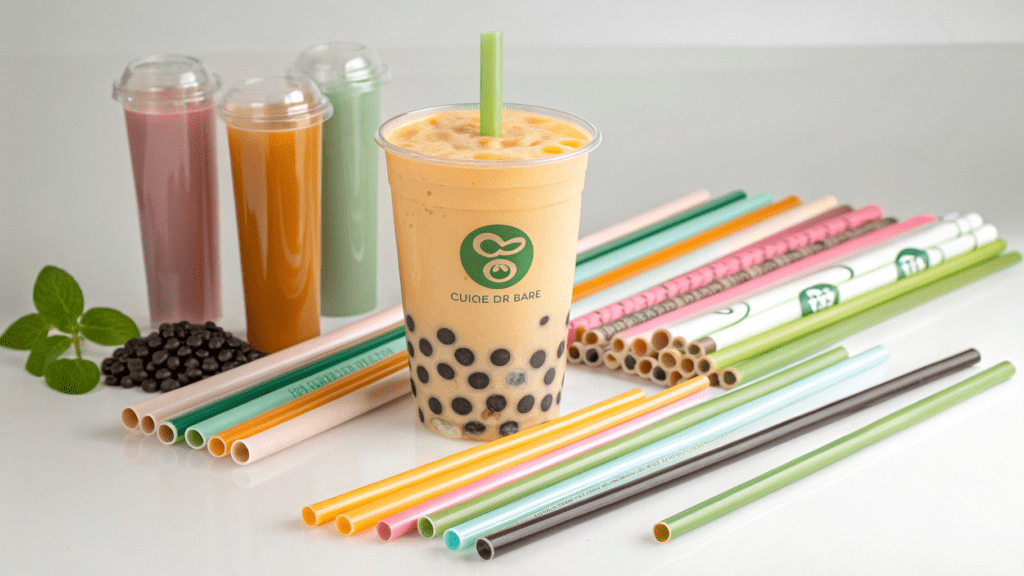
من المتوقع أن تصل ظاهرة شاي الفقاعات العالمية6.50 مليار دولار أمريكي بحلول عام 2032 بمعدل نمو سنوي مركب قوي يبلغ 9%، تواصل مسارها التصاعدي، مما يخلق طلبًا فريدًا ومتصاعدًا على القش المتخصص. بالنسبة لمديري المشتريات، ومديري العمليات، ومسؤولي الاستدامة، والمديرين التنفيذيين لسلسلة التوريد، فإن السؤال هو "مما تتكون قشات الشاي الفقاعية؟" لقد تجاوزت التركيبة المادية البسيطة لتصبح ضرورة استراتيجية حاسمة.
تاريخيًا، كانت الوظيفة الأساسية لقش شاي الفقاعات هي إدارة لآلئ التابيوكا المميزة للمشروب بشكل فعال، الأمر الذي يتطلب قدرًا كبيرًا من الاهتمام.قطر 10-15 ململاحتساء سلس. ومع ذلك، فإن الانتشار غير المحدود للمواد البلاستيكية ذات الاستخدام الواحد، إلى جانب تصاعد الوعي البيئي والضغوط التنظيمية الصارمة، يؤدي إلى تغيير جذري في المشهد المادي. تواجه الشركات اليوم تحديًا معقدًا يتمثل في تحقيق التوازن بين الكفاءة التشغيلية وفعالية التكلفة مع ضرورة اعتماد حلول صديقة للبيئة، أو المخاطرة بتداعيات تجارية كبيرة ومضرة بالسمعة.
المصدر: Grand View Research (2023)، Allied Market Research (2022)، Fortune Business Insights (2023).
يعد تبني قش الشاي الفقاعي المستدام أمرًا بالغ الأهمية للضيافة لتجنب المخاطر واغتنام فرص السوق.
قش شاي الفقاعات التقليدي: فهم بصمتها البيئية
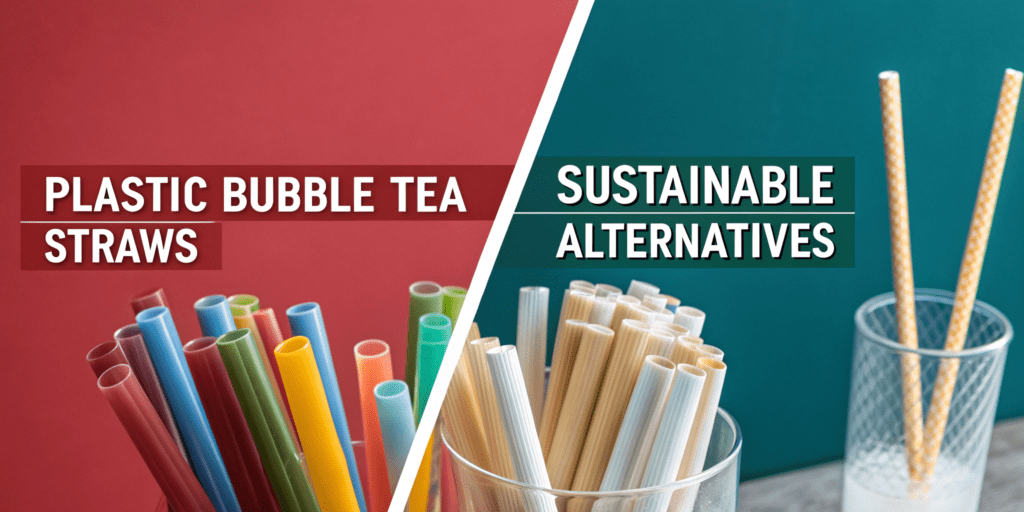
لعقود من الزمن،بلاستيك البولي إيثيلين (PE) أو البولي بروبيلين (PP).كان بمثابة الاختيار الافتراضي للصناعة والفعال من حيث التكلفةقش الشاي الفقاعي. إن متانتها وسهولة تصنيعها جعلتها منتشرة في كل مكان. ومع ذلك، فقد جاءت هذه الراحة بتكلفة بيئية باهظة. الحجم الهائل للنفايات المتولدة مذهل: تقديرييتم التخلص من 500 مليون شفاطة يوميًا في الولايات المتحدة وحدهامما يساهم بشكل كبير في أزمة التلوث البلاستيكي العالمية. يمكن أن تستمر منتجات النفايات البلاستيكية هذه في مدافن النفايات والبيئات الطبيعية لمئات السنين، وتتحلل ببطء إلى مواد بلاستيكية دقيقة ضارة تتخلل النظم البيئية.
التصميم المتأصل على نطاق أوسعقش شاي الفقاعات البلاستيكية، وهو أمر ضروري للاتساق الفريد للمشروب، مما يؤدي إلى تفاقم حجم النفايات. غالبًا ما يتم تغليفها بشكل فردي ببلاستيك إضافي، مما يساهم في ترك أثر تغليف متعدد الطبقات مثير للقلق. على الرغم من أنها قابلة لإعادة التدوير من الناحية الفنية، إلا أن العديد من الشفاطات البلاستيكية قابلة لإعادة التدويرلا تقبلها جميع مرافق إعادة التدوير نظرًا لصغر حجمها وشكلها المحددمما يعيق الإدارة الفعالة للنفايات ويحول كميات هائلة منها إلى مدافن النفايات، أو ما هو أسوأ من ذلك، إلى محيطاتنا. وهذا يشكل تهديدًا مباشرًا للحياة البحرية ويتطلب اتخاذ إجراءات فورية من صناع القرار في مجال B2B.
تشكل قش شاي الفقاعات البلاستيكية التقليدية مخاطر بيئية كبيرة وتحديات تشغيلية للشركات.
شفاطات شاي الفقاعات المستدامة الرائدة: ابتكارات في المواد
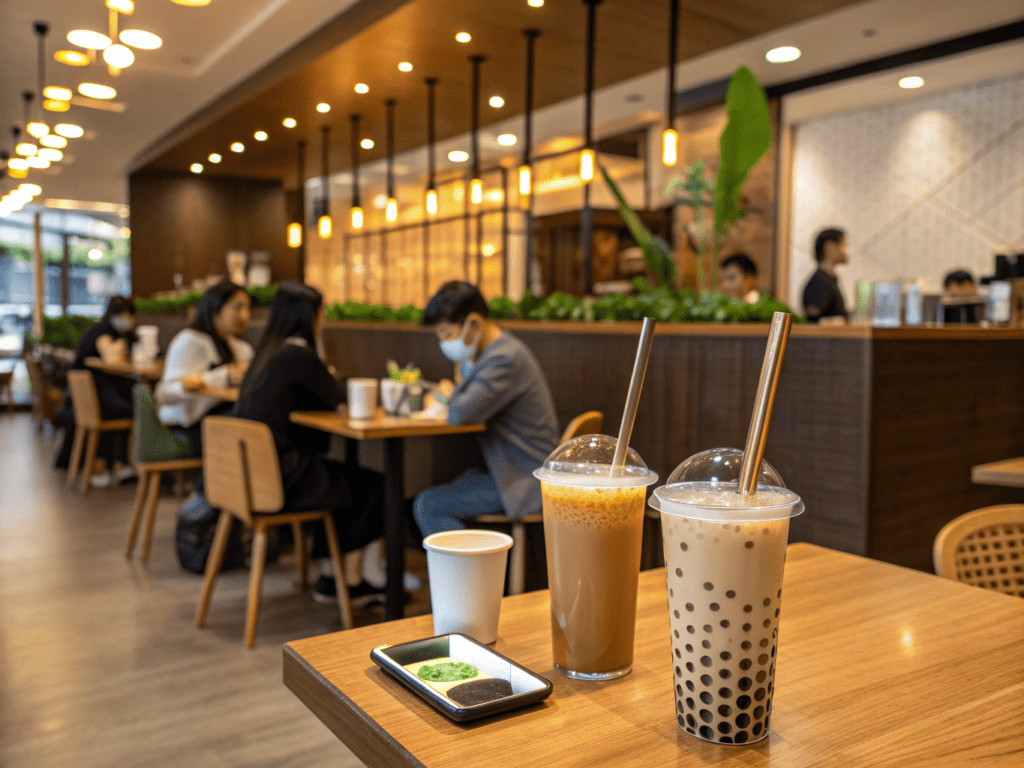
وفي تناقض صارخ مع الإرث غير المستدام للمواد البلاستيكية التقليدية، يشهد سوق الشفاطات الصديقة للبيئة طفرة غير مسبوقة، حيث تتوقع بعض القطاعات حدوثمعدل نمو سنوي مركب يتجاوز 22% بحلول عام 2031. ويعود هذا النمو الهائل إلى التقاء قيم المستهلك المتطورة، وتفويضات استدامة الشركات، والبيئة التنظيمية المشددة بسرعة. تتبنى الشركات بشكل متزايد المواد التي تلبي المعايير الدولية الصارمة للتحلل مثلأستم D6400 و EN13432لتتماشى مع الولايات البيئية لقش الشاي الفقاعي المستدام. وبعيدًا عن الامتثال، فإن التبني الاستباقي لهذه الابتكارات يسمح للشركات بتعزيز صورة علامتها التجارية بشكل كبير، وجذب شريحة متزايدة من المستهلكين المهتمين بالبيئة، وتمييز أنفسهم في سوق مزدحمة. والأهم من ذلك، أن هذه المواد الجديدة مصممة لمعالجة مشكلات الأداء التي ابتليت بها البدائل الورقية المبكرة، مثل التبلل، مما يضمن تجربة متميزة للعملاء.
قش شاي الفقاعات القابل للتحلل: حلول قابلة للتحلل للعمليات الحديثة
يمثل التحول نحو الحلول القابلة للتحلل قفزة كبيرة إلى الأمام، حيث يوفر وظائف ذات استخدام واحد مع تأثير بيئي منخفض بشكل كبير.
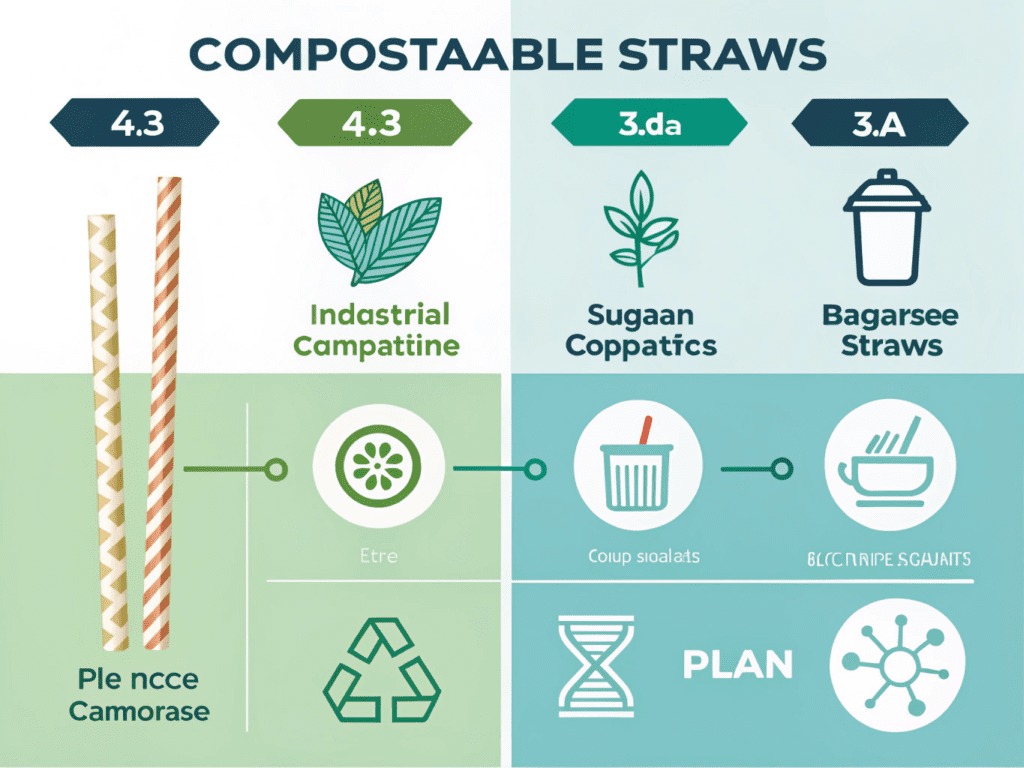
- PLA (حمض البوليلاكتيك) القش، المستمدة من الموارد المتجددة مثل نشا الذرة، تمثل خيارًا شائعًا قابلاً للتحلل الحيوي. في حين أنها توفر بديلاً نباتيًا للمواد البلاستيكية التقليدية، فمن المهم ملاحظة أن PLA يتطلب عادةً ذلك مرافق التسميد الصناعية لتتحلل بشكل فعال. Regulations in regions like France, under the AGEC law, highlight the nuances of PLA’s environmental performance, sometimes restricting its use due to these decomposition limitations outside of specialized infrastructure.
- Tea Fibre straws, a pioneering innovation, leverage a byproduct of Taiwan’s expansive tea industry. These straws are 100% compostable, demonstrating a truly circular economy model by repurposing agricultural waste. Research indicates they fully decompose in 4-6 weeks under composting conditions, a remarkable acceleration compared to other alternatives. Taipec, a leading supplier, has championed these high-performance, durable straws that maintain integrity in liquid.
- Sugarcane fiber straws، المصنوعة من تفل قصب السكر (بقايا الألياف المتبقية بعد استخراج عصير قصب السكر)، يتم الاحتفال بها لمتانتها وخصائصها القابلة للتحلل في المنزل. وهي معتمدة قابلة للتحلل من قبل الهيئات الرائدة مثل BPI، DIN CERTCO، وCMA، وضمان الالتزام بالمعايير البيئية الصارمة. توفر هذه الشفاطات تجربة ممتازة للعملاء نظرًا لمتانتها وقلة تأثيرها على الذوق.
- قش الألياف النباتية، غالبا ما تكون مصنوعة من إعادة تدوير مخلفات المحاصيل الزراعية، والصمغ النباتي، والنشا، توفر مزيجًا فريدًا من المتانة والمرونة، ومحاكاة تجربة اللمس للبلاستيك التقليدي دون العبء البيئي. أنها تلبي معايير صارمة مثل أستم D6400مما يجعلها خيارًا موثوقًا للعمليات الصديقة للبيئة. Greenmunch هو مورد بارز في هذا المجال.
- PHA (بولي هيدروكسي ألكانواتس) تمثل الشفاطات بلاستيكًا حيويًا متطورًا مشتقًا من مصادر نباتية متجددة. الميزة الرئيسية لـ PHA هي قابليته الكاملة للتحلل في السماد المنزلي، والمرافق الصناعية، وحتى البيئات البحرية، مما يعرض قابلية التحلل الحيوي الفائقة.
- قش الأرز، المصنوع من دقيق الخضار، هو خيار آخر قابل للتحلل في المنزل والذي يتحلل بشكل طبيعي في غضون أيام قليلة، مما يوفر حلاً قويًا للؤلؤ التابيوكا.
شفاطات شاي الفقاعات القابلة لإعادة الاستخدام: المتانة والقيمة طويلة الأمد
بالنسبة للشركات والمستهلكين الملتزمين بتقليل النفايات من خلال الاستخدام المتكرر، توفر الخيارات القابلة لإعادة الاستخدام قيمة طويلة المدى وتصورًا متميزًا للعلامة التجارية.
- القش الفولاذ المقاوم للصدأ، مثل تلك التي تقدمها شفاطات ستيليز®, are highly durable, dishwasher-safe, and resistant to microbial buildup. Their robust construction and sleek appearance make them a popular choice for long-term investment.
- قش الخيزران provide a lightweight, organic, and rapidly renewable alternative. Their natural aesthetic and ability to withstand various temperatures make them a favored choice, with companies like Boba Guys incorporating them into their sustainability initiatives.
- Silicone straws offer flexibility and portability, making them convenient for on-the-go consumption. However, their pliable nature often means they cannot easily puncture sealed film lids, necessitating pre-made cup holes or alternative lid designs. Boba Tribe offers popular silicone boba straws.
- Glass straws deliver a pure taste experience and an elegant aesthetic appeal, allowing the vibrant colors of bubble tea to shine through. However, they are typically more fragile than metal or some plastic alternatives, which can impact their suitability for high-volume or fast-paced operational environments.
For a wholesale solution that aligns with these sustainable materials, consider exploring options athttps://momoio.com/sustainable-boba-drinking-straws-b2b/.
Innovative materials offer diverse sustainable bubble tea straw solutions for modern B2B operations.
Comparison Table: Bubble Tea Straw Material Evaluation

| ميزة | التأثير التشغيلي B2B | ملاحظة الامتثال | إمكانات العائد على الاستثمار |
|---|---|---|---|
| البلاستيك (PP) | Low initial cost, easy piercing; recycling often problematic. | Increasingly banned (e.g.,UK’s 2020 Plastic Straws Regulationsfor single-use). | Low initial cost; high long-term environmental liability and potential fines. |
| ورق | Readily available, but can get soggy, impacting customer satisfaction. | Generally compostable/biodegradable; however, check forPFAS concernsand true biodegradability in typical landfill conditions. | Lower sustainability score; potential for increased waste if quality is poor; risk of brand damage. |
| جيش التحرير الشعبى الصينى | Requires industrial composting infrastructure; good pierceability for film lids. | Compostable (e.g.,ASTM D6400 certified), but sometimes banned (e.g., France’s AGEC law) due to decomposition limitations outside industrial facilities. | Reduced environmental footprint; good for eco-conscious branding; dependent on local composting infrastructure. |
| قصب السكر | Durable, home-compostable; excellent customer experience due to sturdiness. | BPI, DIN CERTCO, CMA certified; adheres to stringent environmental laws; highly compliant. | High sustainability ROI; enhanced brand reputation; appeals to eco-aware consumers. |
| الفولاذ المقاوم للصدأ | Requires cleaning protocols and initial investment in cleaning equipment. | Reusable, meets food-safe standards (e.g., FDA-approved). Significantly reduces single-use waste. | High long-term savings on disposables; premium brand perception; attracts eco-conscious customers. |
| Tea Fiber | Durable, maintains integrity in liquid; excellent pierceability for sealed lids. | 100% compostable(e.g., Taipec); contributes to a circular economy model. | High environmental and brand value; potential for premium pricing; strong market differentiation. |
Choosing the right bubble tea straw material balances operational impact, compliance, and ROI.
Navigating the Regulatory Landscape and Market Dynamics for Bubble Tea Straws
النمو المتوقع لسوق الشاي الفقاعي العالمي من3.96 مليار دولار أمريكي في عام 2025 إلى 9.72 مليار دولار أمريكي بحلول عام 2035يغذي الطلب الذي لا يمكن إنكاره على الابتكارقش الشاي الفقاعيالحلول. ويحدث هذا النمو ضمن سياق أوسع حيثمن المتوقع أن يصل سوق التغليف الصديق للبيئة إلى 498.29 مليار دولار أمريكيفي أ7.6% معدل نمو سنوي مركبمما يدل على تحول عالمي لا يمكن إنكاره نحو المستهلكات المستدامة. يستجيب الموردون الأذكياء لهذا الطلب من خلال تقديم خيارات شراء مرنة بالجملة وخدمات التخصيص، والتي تعتبر ضرورية لعمليات شاي الفقاعات كبيرة الحجم التي تسعى إلى الحفاظ على اتساق العلامة التجارية والكفاءة التشغيلية. علاوة على ذلك، فإن الابتكار المستمر في مواد مثل PHA وقش قصب السكر المتقدم يوفر مزايا تنافسية كبيرة من خلال الأداء المعزز والمتانة الفائقة والملامح البيئية المحسنةشفاطات شاي فقاعات صديقة للبيئة.
الحظر العالمي للبلاستيك وتأثيره على عمليات شاي الفقاعات
إن الانتقال بعيدًا عن الشفاطات البلاستيكية التقليدية ليس مجرد تفضيل؛ بل أصبح على نحو متزايد ولاية قانونية. اللوائح الحكومية الصارمة، مثلSan Francisco’s comprehensive plastic straw ban, directly threaten businesses that continue to rely on conventional plastic options. Non-compliance can lead to severeoperational penalties and significant brand damage, as evidenced by the proactive measures seen in municipalities likeFredericton, which plans to include bubble tea straws in its future plastic bans. التوجيهات الاتحاد الأوروبي للمواد البلاستيكية ذات الاستخدام الواحد, enacted to combat marine litter and plastic pollution, is a landmark example of how major economies are accelerating the shift away from conventional plastics. Beyond government mandates, industry giants likeStarbucks and McDonald’sare setting aggressive internal targets for100% recyclable, reusable, or compostable packaging by 2025-2030, setting a clear precedent for their extensive supply chains.
Challenges and Barriers to Adopting Sustainable Bubble Tea Straws
Despite the clear imperative for sustainability, the path to widespread adoption of sustainable bubble tea straws is not without its hurdles. One of the most significant barriers for food service businesses is theperceived higher costof compostable and reusable alternatives compared to cheap, traditional plastic. This initial investment can deter smaller operators.
Beyond cost,functionality issuespersist as a major concern. Early generations ofpaper straws becoming soggyor somecompostable bubble tea strawsfailing to adequately pierce the sealed lids common in the industry directly impact customer satisfaction and operational efficiency, sometimes requiring manual lid pre-punching. A major systemic hurdle is theالبنية التحتية المحدودة للتسميد الصناعيفي العديد من المناطق، مما يقوض التحلل الفعال للمواد القابلة للتحلل الحيوي مثل PLA، وتحويلها إلى مدافن النفايات حيث قد لا تتحلل على النحو المنشود.
وعلاوة على ذلك، على نطاق واسع"الغسل الأخضر للمنتج"- حيث يتم تسويق المنتجات على أنها صديقة للبيئة دون أوراق اعتماد استدامة حقيقية - مما يخلق ارتباكًا بين الشركات والمستهلكين، مما يؤدي إلىمعدلات امتثال منخفضةوإعاقة التحولات الفعالة إلى حلول مستدامة حقا. أخيرًا، توجد مخاوف حرجة بشأن إمكانية الوصول للأفراد ذوي الإعاقة الذين قد يعتمدون على المرونة والخصائص المحددة للقش البلاستيكي التقليدي، مما يشكل تحديًا معقدًا للحظر الشامل.
Businesses looking for reliable wholesale options that meet current sustainability standards can find more information athttps://momoio.com/b2b-sustainable-boba-straws-wholesale/.
Navigating regulations and overcoming adoption barriers are key to sustainable bubble tea straw integration.
Case Study: Boba Guys’ Sustainable Straw Journey in a Regulated Market
The journey towards sustainable bubble tea straws is exemplified by the proactive steps taken by innovative brands. Faced withSan Francisco’s pioneering plastic straw ban, popular bubble tea chain Boba Guys demonstrated strategic foresight by swiftly sourcing the firstpolylactic acid (PLA) bubble tea straws in the U.S.This decision was a direct response to regulatory pressure and a commitment to environmental responsibility.
The chosen PLA material, derived fromcorn starch, was a crucial factor as it was accepted bySan Francisco’s composting program, directly aligning with local environmental regulations. This transition not only addressed the immediate environmental concern posed by single-use plastics but also provided a functional alternative for their wideقش الشاي الفقاعي, crucial for the brand’s core offering. Boba Guys’ experience, however, also highlighted the dual necessity for robustsupply chainsto ensure consistent availability of new materials and comprehensiveconsumer educationcampaigns regarding the proper disposal of these innovative sustainable solutions. This real-world example underscores the strategic importance of adaptability and collaboration in navigating evolving environmental mandates.
Boba Guys’ case highlights successful adaptation to plastic bans through strategic sustainable straw sourcing.
The Future Outlook for Bubble Tea Straws: Innovation and Market Imperatives
The trajectory forقش الشاي الفقاعيover the next 5-10 years is unequivocally defined by continued innovation and an unyielding commitment to sustainability. Thebio-based biodegradable plastics market is projected to reach USD 15.6 billion by 2035, growing at a9.5% CAGR, indicating a sustained surge in material science advancements that will directly impact the availability and performance ofقش الشاي الفقاعي المستدام.
Expect significantadvances in paper straw production, creating even more durable, naturally decomposing options that finally address the long-standing performance issues of past iterations. Breakthroughs in material science are being accelerated by technology;AI is increasingly aiding in identifying and testing new biodegradable and compostable materialsmore rapidly, shortening R&D cycles forشفاطات شاي فقاعات صديقة للبيئة.
Beyond material innovation, the market will be shaped by shifting corporate priorities and consumer demands. Aggressiveأهداف الاستدامة للشركاتfrom global brands, coupled with increasing consumer demand forESG-aligned suppliers, will drive widespread adoption of these advanced materials. The broadercompostable packaging marketis forecasted to grow fromUSD 112.49 billion in 2025 to USD 232.47 billion by 2034 (8.4% CAGR), providing a robust ecosystem for sustainable straw development. Furthermore, theglobal biodegradable disposable tableware marketis poised for a7.6% CAGR from 2023 to 2030, with compostable goods expected to hold asignificant 57% share of the zero-waste packaging market by 2025. These projections solidify the imperative for businesses to invest in future-proof straw solutions.
For a comprehensive range of sustainable and eco-friendly options for your business, explore the offerings athttps://momoio.com/sustainable-bubble-tea-straws-b2b-wholesale/.
The future of bubble tea straws is driven by innovation, AI, and strong market demand for sustainability.
Competitive Advantage & Business Case: Why Sustainability is Non-Negotiable
For B2B decision-makers, embracing sustainable bubble tea straws is not merely about environmental compliance; it’s a strategic move that delivers quantifiable competitive advantages and a compelling business case.
- Quantified Cost Savings: While initial costs for sustainable alternatives might seem higher, a holistic view reveals significant long-term savings. Reduced waste disposal fees, avoidance of penalties from non-compliance with plastic bans, and potential tax incentives for green businesses can dramatically offset upfront investments. For instance, reusable straws, despite their initial capital outlay, eliminate recurring procurement costs for disposables.
- تخفيف المخاطر: Proactive adoption of certified sustainable straws insulates your business from the escalating risks associated with plastic pollution. This includes mitigating the risk of operational penalties from stricter regulations (e.g., EU Single-Use Plastics Directive) and safeguarding against irreversible brand damage from negative consumer sentiment or activist campaigns targeting plastic waste. Compliance is no longer a burden but a shield.
- رفع قيمة العلامة التجارية: In today’s market, consumers are increasingly prioritizing brands that demonstrate genuine environmental responsibility. Offering certified sustainable bubble tea straws significantly enhances your brand’s reputation, attracting a growing segment of eco-conscious customers. This translates into increased customer loyalty, positive word-of-mouth, and a stronger market position. Brands perceived as leaders in sustainability often command premium pricing and enjoy greater resilience in volatile markets.
- فرصة حصة السوق: By differentiating your offering with superior, compliant, and environmentally responsible packaging, you can capture market share from competitors lagging in sustainability. This strategic positioning allows you to align with the evolving demands of both consumers and B2B partners who increasingly prioritize ESG (Environmental, Social, and Governance) factors in their procurement decisions.
This is an opportune moment for procurement managers, operations directors, sustainability officers, and supply chain executives to lead the charge. The market is evolving, and those who adapt swiftly will reap the rewards of enhanced brand equity, reduced operational risks, and a stronger competitive stance.
Sustainable bubble tea straws offer significant competitive advantages and a strong business case.
الأسئلة المتداولة
Why should hospitality businesses switch to sustainable bubble tea straws?
Switching to sustainable bubble tea straws helps hospitality businesses comply with growing plastic bans, enhances brand reputation among eco-conscious consumers, and mitigates risks of fines and negative publicity, ensuring long-term operational viability.
Are compostable bubble tea straws truly biodegradable in a typical hospitality setting?
While many compostable straws (like PLA) require industrial composting facilities, materials like sugarcane fiber and rice straws are home-compostable, breaking down naturally within days or weeks, making them ideal for diverse hospitality waste streams.
How do sustainable bubble tea straws impact the customer experience?
Modern sustainable bubble tea straws, especially those made from sugarcane or tea fiber, are designed for durability and maintain integrity, ensuring a premium sipping experience without sogginess or taste alteration, enhancing customer satisfaction.
What are the main types of sustainable bubble tea straws available for B2B procurement?
B2B options include compostable straws (PLA, sugarcane, tea fiber, PHA, rice) and reusable straws (stainless steel, bamboo, silicone, glass), each offering distinct benefits for various operational needs.
How can procurement managers ensure a consistent supply of sustainable bubble tea straws?
Procurement managers should partner with reputable suppliers offering flexible bulk purchasing, customization, and robust supply chains for sustainable materials like sugarcane or tea fiber to ensure consistent availability.
Conclusion: Driving Sustainable Procurement in the Bubble Tea Industry
The landscape forقش الشاي الفقاعيis rapidly evolving, moving decisively towards sustainability. From traditional plastics to innovative compostable and reusable solutions, the industry is responding to both stringent regulations and heightened consumer demand for eco-conscious practices. Businesses that prioritize high-performance, certifiedقش الشاي الفقاعي المستدامnot only ensure regulatory compliance but also unlock significant brand value and operational efficiencies.
Act now to elevate your brand’s sustainability profile and secure your supply chain with certified, high-performance sustainable bubble tea straws.Contact us today to request a consultation and discover tailored solutions for your business.