
المقدمة: فك رموز المعاني وراء اللون
السؤال الذي يبدو بسيطًا، "ماذا تعني ألوان القش المختلفة؟"، غالبًا ما يستحضر صورًا لاتجاهات المستهلكين المرحة، مثل نظريات وسائل التواصل الاجتماعي واسعة الانتشار المحيطة بسلاسل القهوة الشهيرة. ومع ذلك، بالنسبة لصانعي القرار في مجال B2B - مديري المشتريات، ومديري العمليات، ومسؤولي الاستدامة، والمديرين التنفيذيين لسلسلة التوريد - فإن آثار اللون تمتد إلى ما هو أبعد من النظريات القصصية إلى المجال الحاسم المتمثل في الكفاءة التشغيلية، والامتثال التنظيمي، والتمايز الاستراتيجي. في حين أن مصطلح "لون القش" نفسه يصف تاريخيًا لونًا أصفر شاحبًا محددًا، ويعود تاريخه إلى أول استخدام مسجل كاسم لون باللغة الإنجليزية في عام 1589، فإن تطبيقه اليوم متنوع ومؤثر.
يمكن أن يؤدي تجاهل الدور الدقيق للون في السياقات الصناعية إلى أوجه قصور تشغيلية كبيرة ومخاطر الامتثال وضياع الفرص لتعزيز سلامة المنتج ووضعه في السوق. يتعمق منشور المدونة هذا في كل من التقاليد الشعبية الغريبة المحيطة بألوان القش، والأهم من ذلك، تطبيقاتها الإستراتيجية العميقة في بيئات تشغيل B2B المتنوعة، مما يوفر رؤى حاسمة لتحسين العمليات وتأمين الميزة التنافسية.
يعد فهم الدور الاستراتيجي للألوان أمرًا بالغ الأهمية لقادة B2B لتحسين العمليات وتأمين الميزة التنافسية.
1. الحالة الغريبة حول ما الذي تعنيه ألوان القش المختلفة: نظرية "رمز القش الهولندي" التي انتشرت بسرعة كبيرة

تنسب إحدى نظريات الإنترنت المنتشرة، والتي تمت مناقشتها على نطاق واسع عبر منصات مثل TikTok، معاني سرية إلى الشفاطات الملونة المختلفة التي توزعها شركة Dutch Bros Coffee. على الرغم من شعبيتها الواسعة و"التجارب" التي لا تعد ولا تحصى التي أجراها العملاء، فقد صرحت شركة Dutch Bros بشكل لا لبس فيه أنه لا يوجد "أي دليل على أن النظرية حقيقية"، وصنفتها بقوة على أنها أسطورة حضرية. ومع ذلك، فقد ساهمت هذه النظرية غير المؤكدة بشكل كبير في غموض العلامة التجارية وعززت مشاركة العملاء الاستثنائية، كما لاحظت العديد من المنشورات التي تركز على المستهلك مثل iheart.com وcornercoffeestore.com. إنه يجسد كيف يمكن للرمزية غير الرسمية أن تصبح أداة تسويقية قوية، وإن كانت غير مقصودة.
أ. تفريغ المعاني المزعومة لألوان القش من شركة Dutch Bros
تكمن جاذبية قواعد القش الخاصة بشركة Dutch Bros في تفسيراتها الذاتية والتي غالبًا ما تكون روح الدعابة، مما يشجع العملاء على التكهن بتصور باريستا الخاص بهم. على الرغم من أنها قصصية للغاية، إلا أن المعاني المزعومة تشمل ما يلي:
- القش الوردي: يُزعم أن ذلك يدل على أن صانع القهوة يجد العميل "لطيفًا" أو "جميلًا". غالبًا ما يؤدي هذا التفسير إلى تصور إيجابي للعملاء ورغبة مرحة بين العملاء في الحصول على هذا اللون.
- القش الأخضر: تختلف المعاني بشكل كبير، وتتراوح من "متوسط" إلى "قبيح المظهر". يسلط هذا الغموض الضوء على الطبيعة الذاتية وغير المؤكدة للنظرية، مما يترك الكثير للتفسير الفردي.
- القش البرتقالي: غالبًا ما يتم تفسيره على أنه العميل "مثير للاهتمام" أو "غريب". وهذا يضيف عنصرًا من الفضول والإثارة، مما يجعل تجربة العميل أكثر تفاعلية.
- القش الأصفر: بشكل عام يعني أن العميل يعتبر "متوسطًا" أو "عاديًا" دون أي حكم محدد. يوفر هذا التقييم المحايد خط الأساس ضمن "المدونة" غير الرسمية.
- القش الأزرق: يرتبط عادةً بنظرة باريستا إلى العميل على أنه "غاضب" أو "وقح". يمكن أن يؤدي هذا التفسير الخاص في بعض الأحيان إلى التأمل الذاتي أو التسلية للعميل.
توضح هذه الظاهرة واسعة الانتشار كيف يمكن لرمزية الألوان غير الرسمية أن تخلق تجارب فريدة للعلامة التجارية ومشاركة المجتمع.
II. Beyond Beverages: What Do Different Straw Colors Mean in Industrial Applications?
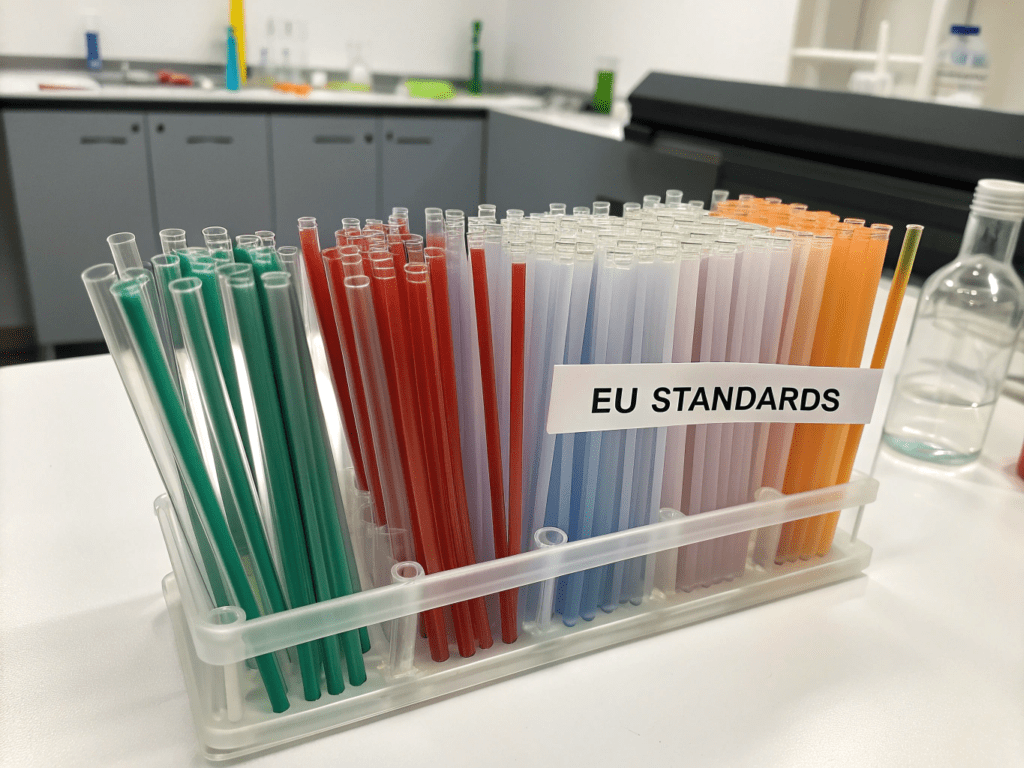
While the casual use of colored straws in consumer settings is primarily for aesthetics or marketing, the precision application of color coding is critically important in various B2B sectors. Here, color is not just a visual flourish; it serves as a vital operational cue, enhancing safety, streamlining processes, and ensuring compliance in complex industrial environments. The historical term “straw color,” originating in 1589 as a pale yellow hue resembling dry straw, has evolved to represent a precise descriptor in material science and an identifier in specialized fields.
A. Precision Color Coding in Animal Breeding: The Swissgenetics Standard
In the highly specialized and regulated field of animal breeding, the meaning of different straw colors takes on profound significance. Swissgenetics, a leading provider of bovine genetics, has, since March 16, 2011, implemented a stringent color-coding system for semen identification. This system ensures breeding accuracy and genetic traceability, which are paramount for herd health and agricultural productivity.
According to data from ICAR (International Committee for Animal Recording), green transparent straws denote Brown Swiss and Original Braunvieh semen, while red transparent straws are reserved for Swiss Fleckvieh, Red Holstein, and Simmental breeds. Grey transparent straws identify Holstein semen. Beyond breed identification, specialized colors like lilac transparent (Cryovet 662) and blue transparent (Cryovet 262) straws denote sexed semen (X and Y chromosomes, respectively), allowing for targeted breeding outcomes. Orange straws are used for heterospermic doses. This meticulous system, combined with detailed straw imprints including EU codes, production dates, barcodes, and animal IDs, ensures unparalleled accuracy and compliance in a sector vital to global food supply. Such precise color integration underscores its role as a critical component of quality assurance.
ب. دور لون القش في علوم المواد ومراقبة الجودة
في علم المواد، يمكن أن يشير "لون القش" إلى خصائص أو حالات محددة، ويعمل كمؤشر بصري للمهندسين والمتخصصين في مراقبة الجودة. على سبيل المثال، يمكن أن يظهر وجود طبقات الأكسيد على الفولاذ على شكل "لون القش"، مما يشير إلى مستويات معينة من المعالجة الحرارية أو خصائص السطح. يعد هذا الإشارة المرئية أمرًا بالغ الأهمية لتقييم سلامة المواد والتنبؤ بالأداء في التطبيقات المختلفة.
Research into contemporary materials, such as paper drinking straws, also links color to structural integrity. Studies have shown that “Paper3 (Color)” straws were “strongest in terms of load sustained” post-liquid exposure, suggesting that specific pigmentation or material composition (which may be indicated by color) can directly influence a product’s physical properties. For example, in biodegradable straws made from rice and rice bran, the proportion of each ingredient can influence the final color, from brighter tones with more rice flour to darker hues with more rice bran, linking color directly to material composition. Furthermore, in construction materials, pigmentation for concrete can include shades like “Straw (SRI 48),” demonstrating how color becomes a standardized product specification impacting design and functionality. This highlights how an understanding ofwhat do the different straw colors meanextends to the very composition and performance of engineered materials.
Color coding in B2B is a vital operational cue, enhancing safety, streamlining processes, and ensuring compliance.
III. Strategic Implications: What Do Different Straw Colors Mean for Brand Perception and Consumer Engagement?
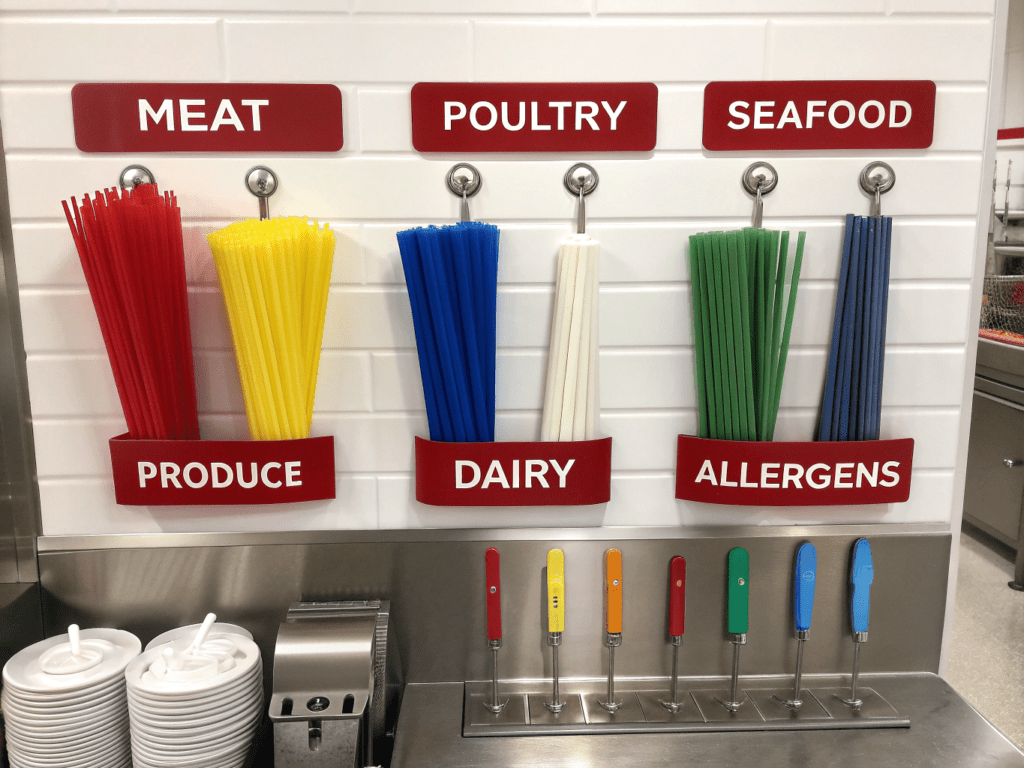
يقدم "رمز القش الخاص بشركة Dutch Bros"، على الرغم من طبيعته غير المؤكدة، مثالًا مقنعًا لكيفية الاستفادة من رمزية الألوان غير الرسمية عن غير قصد لتعزيز تجارب العملاء الفريدة ودفع التسويق الفيروسي. تخلق هذه الظاهرة عنصرًا مرحًا وتفاعليًا يشجع على مشاركة العملاء وينمي شعورًا قويًا بالولاء للعلامة التجارية والمجتمع. بالنسبة للعلامات التجارية التي تتعامل مع الشركات، فإن فهم مثل هذه الروايات التي يحركها المستهلك لا يعني تكرار الأسطورة، بل يتعلق باستخلاص الدروس حول كيف يمكن للون، حتى بمهارة، أن يرشد استراتيجيات التسويق وتمييز المنتجات في مشهد تنافسي.
أ. بناء سحر العلامة التجارية: قوة رموز الألوان غير الرسمية
من المفارقة أن الطبيعة غير المؤكدة لرمز Dutch Bros تغذي المناقشات عبر الإنترنت و"تجارب" العملاء، مما يؤدي إلى زيادة ظهور العلامة التجارية بشكل كبير. تعمل هذه الضجة على وسائل التواصل الاجتماعي كأداة تسويقية منخفضة التكلفة وعالية المشاركة، مما يولد تأييدًا عضويًا للعلامة التجارية لا يمكن شراؤه بالمال في كثير من الأحيان. ومن خلال تعزيز مثل هذه الروايات التي يحركها المجتمع - حتى تلك غير الرسمية - يمكن للعلامات التجارية تعزيز شخصيتها، وتمييز نفسها عن المنافسين، والتواصل بشكل أكثر أصالة مع التركيبة السكانية الأصغر سناً والمعتمدة رقمياً. في حين أن تطبيقات B2B تتطلب الدقة أكثر من الغموض، فإن المبدأ الأساسي المتمثل في استخدام الإشارات المرئية لإنشاء الارتباط والمشاركة يظل ذا صلة. إن الاستخدام الاستراتيجي للألوان ذات العلامات التجارية في التغليف أو المعدات أو حتى بروتوكولات السلامة يمكن أن يعزز بمهارة قيم العلامة التجارية والتميز التشغيلي. للتعمق أكثر في الفروق الدقيقة في الألوان في تطبيقات المنتج، يمكنك استكشاف موارد مثلما هي الصفقة مع ألوان القش؟
Unofficial color codes can build brand mystique and drive engagement, offering valuable B2B marketing insights.
IV. Implementing Effective Color-Coded Systems: Lessons for Operations and Supply Chain
Beyond consumer intrigue, robust color-coding systems are indispensable for operational efficiency and risk mitigation in complex B2B environments. Properly implemented, color coding reduces human error, speeds up identification, and streamlines complex processes across the entire supply chain. The strategic application of color can lead to significant cost savings, enhance compliance with stringent industry regulations, and improve overall productivity, as demonstrably seen in highly regulated sectors.
| ميزة | التأثير التشغيلي B2B | ملاحظة الامتثال | إمكانات العائد على الاستثمار |
|---|---|---|---|
| Material ID | Speeds up inventory management and correct material selection, reducing mispicks. | Adheres to ISO standards for material grading (e.g., plastics, metals). | Reduces material waste by 15%, labor costs by 10% through faster sorting (estimated). |
| Workflow State | Visualizes progress and bottlenecks (e.g., green for approved, red for hold, yellow for pending). | Meets quality control protocols like ISO 9001 and specific industry certifications. | Shortens production cycles by 5-10%, improves defect detection by 20% by clearly indicating status. |
| Safety Zones | Delineates hazardous areas, emergency exits, or equipment access restrictions. | Complies with OSHA regulations (e.g., ANSI Z535.1) for workplace safety signage. | Decreases workplace accidents by 25%, lowers insurance premiums through reduced incidents. |
| Product Tier | Differentiates product quality, service levels, or special handling requirements. | Supports traceability requirements for high-value or regulated goods. | Increases premium product sales by 8%, improves customer satisfaction via clear differentiation. |
أ. تبسيط سير العمل باستخدام الألوان: ضرورة تشغيلية B2B
The effective application of color-coded systems can yield tangible operational improvements. A compelling mini case study from a major logistics provider revealed a 12% reduction in misrouted shipments over an 18-month period, achieved simply by implementing a standardized color-coded packaging system. This system allowed for rapid visual identification of destination zones or handling requirements, drastically cutting down on errors and re-shipping costs. Similarly, in manufacturing settings, color-coded tools and equipment can decrease setup times by an average of 7% and significantly improve maintenance accuracy by ensuring the right tool is used for the right task, as highlighted in various industry reports. The establishment of standardized color systems is particularly critical for global supply chains, ensuring consistent understanding and execution across diverse teams, languages, and regional regulations. Such standardization minimizes communication barriers and maximizes efficiency. For more on regulatory compliance, visit ourRegulatory Compliance Guide.
B. Enhancing Compliance and Traceability with Strategic Color Use
In highly regulated sectors, such as pharmaceuticals, food & beverage, and aerospace, strategic color coding is not merely an efficiency tool but a compliance imperative. Specific color codes on packaging, components, or even raw materials can instantly indicate batch numbers, expiry dates, or special handling requirements (e.g., refrigeration, hazardous materials). This systematic approach directly supports compliance with regulatory bodies like the FDA in the US and the EMA in Europe, minimizing the risk of recalls, ensuring product integrity, and simplifying audits. Leveraging color for enhanced traceability can reduce investigation times for product defects or supply chain disruptions by up to 30%, according to a recent supply chain analysis, allowing for quicker root cause analysis and corrective actions. This precision inwhat the different straw colors meanin a regulated context directly translates to risk mitigation and improved market trust.
Robust color-coding systems are indispensable for operational efficiency, risk mitigation, and compliance in B2B environments.
V. Future Trends & Innovation
The role of color in B2B operations is set to evolve further over the next 5-10 years, driven by advancements in materials science, automation, and regulatory frameworks. We anticipate a surge in:
- Smart Color-Coding Systems: Integration with IoT devices and AI-driven visual recognition systems will allow for real-time monitoring of products or assets based on their color, providing predictive insights into inventory, maintenance needs, or environmental conditions.
- Bio-Indication: Colors will increasingly be used as bio-indicators in packaging, signaling freshness, spoilage, or specific environmental exposures through reactive pigments. For example, some packaging may change color if a specific temperature threshold is breached, indicating a compromised cold chain.
- Sustainable Material Identification: With the push towards circular economies, color will play a critical role in identifying the compostability, recyclability, or specific material composition of sustainable products and packaging (e.g., plant-based plastic straws using specific hues). This helps streamline waste sorting and recycling processes.
- Dynamic Color Coding: يمكن أن تسمح التطورات في الإلكترونيات القابلة للطباعة والأحبار الديناميكية برموز الألوان التي تتغير بناءً على حالة المنتج (على سبيل المثال، "جاهز للشحن"، "الحجر الصحي"، "منتهية الصلاحية")، مما يوفر تحديثات مرئية فورية دون الحاجة إلى إعادة التسمية يدويًا.
- تعزيز التنسيق التنظيمي: ومع زيادة ترابط سلاسل التوريد العالمية، فمن المرجح أن تصبح المعايير الدولية للترميز اللوني في صناعات محددة (مثل الأجهزة الطبية، وسلامة الأغذية) أكثر انسجاما، مما يقلل من الحواجز التجارية ويضمن بروتوكولات سلامة متسقة في جميع أنحاء العالم.
ستجعل الابتكارات اللون عنصرًا نشطًا وذكيًا في الذكاء التشغيلي والالتزام التنظيمي.
VI. Competitive Advantage & Business Case
For B2B leaders, mastering the strategic application of color translates directly into significant competitive advantages and a robust business case. Quantifiable benefits include:
- وفورات في التكاليف: By reducing human error and accelerating processes (e.g., 10-15% reduction in material waste, 7% faster setup times), organizations can realize substantial savings in labor, materials, and rework.
- تخفيف المخاطر: Enhanced compliance with regulations (FDA, OSHA, ISO) through clear color coding drastically minimizes the risk of product recalls, fines, and safety incidents, protecting brand reputation and financial stability. Traceability improvements can cut investigation times by up to 30%.
- رفع قيمة العلامة التجارية: A commitment to clear, efficient, and compliant operations, visibly supported by intelligent color systems, reinforces a brand’s image as reliable, modern, and responsible. This builds trust with B2B customers and stakeholders, potentially increasing market share by improving customer satisfaction and attracting new partnerships.
- فرصة حصة السوق: Companies that lead in adopting advanced color-coding for efficiency and compliance will differentiate themselves in a crowded marketplace. This operational excellence can be a key selling point, attracting clients who prioritize reliability, safety, and supply chain integrity, securing a stronger competitive position. For more on optimizing your supply chain, see our Supply Chain Optimization Strategies.
Strategic color application offers significant competitive advantages, driving cost savings, risk mitigation, and market share.
Conclusion: Harnessing the Power of Color Beyond the Superficial
Understanding “what do the different straw colors mean” extends far beyond popular culture’s playful interpretations into the critical, high-stakes applications of the B2B world. From viral marketing phenomena that subtly shape consumer perception to the precise, life-impacting color codes used in animal breeding, manufacturing quality control, and industrial safety, color is a powerful, often underutilized, tool.
Operations directors, procurement managers, sustainability officers, and supply chain executives must strategically evaluate how intelligent color coding can optimize efficiency, ensure stringent compliance, mitigate risks, and unlock significant ROI within their organizations. The future of supply chain management is increasingly visual and interconnected.Act nowto conduct a comprehensive audit of your current visual communication systems and identify opportunities for advanced color integration to safeguard your operations and elevate your market position.
Strategic color coding is a powerful, underutilized tool for B2B operational excellence and competitive advantage.

الأسئلة المتداولة (الأسئلة الشائعة)
What do different straw colors mean in industrial applications?
In B2B sectors like animal breeding (e.g., Swissgenetics) and material science, specific straw colors denote critical information such as genetic lineage, material properties, heat treatment levels, or composition, ensuring accuracy, safety, and compliance.
How can color coding improve supply chain efficiency for hospitality businesses?
Strategic color coding can streamline inventory management, reduce mispicks, visualize workflow progress, delineate safety zones, and differentiate product tiers, leading to significant cost savings and improved productivity in hospitality supply chains.
Are there regulatory standards for color coding in foodservice supply chains?
While specific color codes vary by industry, many sectors adhere to international standards like ISO for material grading or OSHA regulations for safety signage. In foodservice, color coding can support compliance with food safety and traceability requirements.
How does the ‘Dutch Bros Straw Code’ relate to B2B marketing?
Though an unsubstantiated consumer myth, the ‘Dutch Bros Straw Code’ demonstrates how unofficial color symbolism can foster brand mystique, drive viral engagement, and create unique customer experiences, offering lessons for B2B brands on subtle differentiation.
What are future trends for color in B2B operational intelligence?
Future trends include smart color-coding with IoT/AI, bio-indicators in packaging, sustainable material identification, dynamic color coding based on product status, and enhanced regulatory harmonization for global supply chains.