لماذا القش البلاستيكي ضار بنا؟
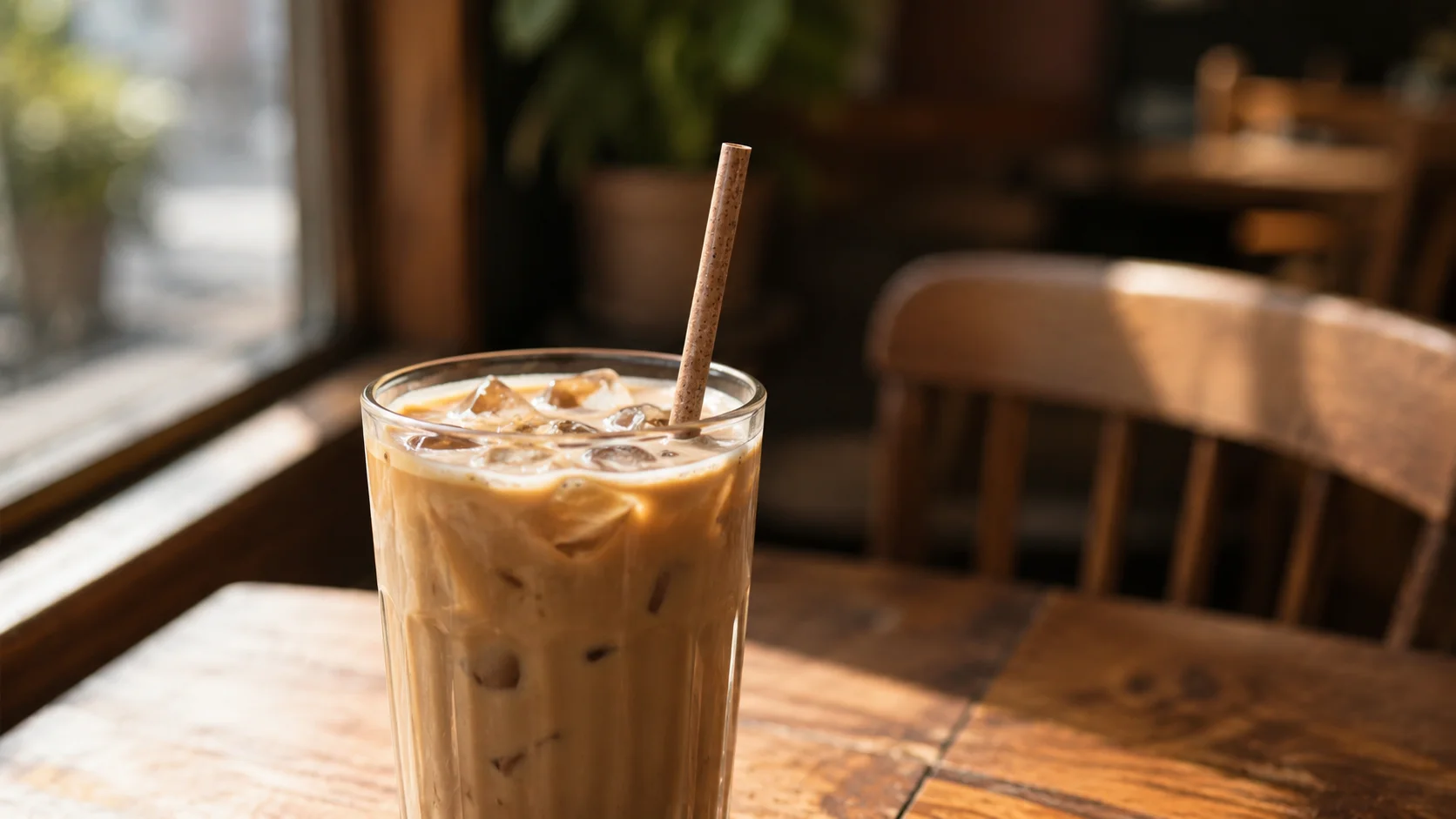
في الآونة الأخيرة، عندما طلبت قهوة مثلجة في أحد المطاعم، لاحظت لافتة على طاولتي مكتوب عليها. ما الذي ينقصك من مشروبك؟ هناك سبب لذلك."
نظرت حولي ولاحظت أن أيًا من المشروبات الموجودة على صينية النادل لا تحتوي على شفاطات بلاستيكية. لماذا يفرض مطعمي نهاية لهذا التقليد القديم؟
الحظر البلاستيكي هو الغضب في الوقت الحالي. بدأت بعض الدول في تشريعات تحظر جميع أنواع البلاستيك: أدوات المائدة، والزجاجات، والأكياس، والتي غالبًا ما تستخدم مرة واحدة ثم يتم التخلص منها. وقع البرلمان الأوروبي على اتفاقية مؤقتة يوم الأربعاء لحظر 10 أنواع من المواد البلاستيكية ذات الاستخدام الواحد – بما في ذلك أدوات المائدة البلاستيكية والقش – بحلول عام 2021، حسبما ذكرت مجلة Popular Science.
بدأنا باستخدام البلاستيك في أواخر القرن التاسع عشر بعد اختراع السيليلويد. في حين أن المستهلكين بدأوا في استخدام المواد البلاستيكية على نطاق واسع في الخمسينيات من القرن الماضي، إلا أنه في العشرين عامًا الماضية فقط أصبحت المواد البلاستيكية ذات الاستخدام الواحد مثل الأكياس والقش أرخص وأكثر ملاءمة وأكثر شيوعًا من نظيراتها الورقية. عندها فقط شهدنا الطفرة الحقيقية في صناعة البلاستيك – والنفايات البلاستيكية الناتجة عنها.
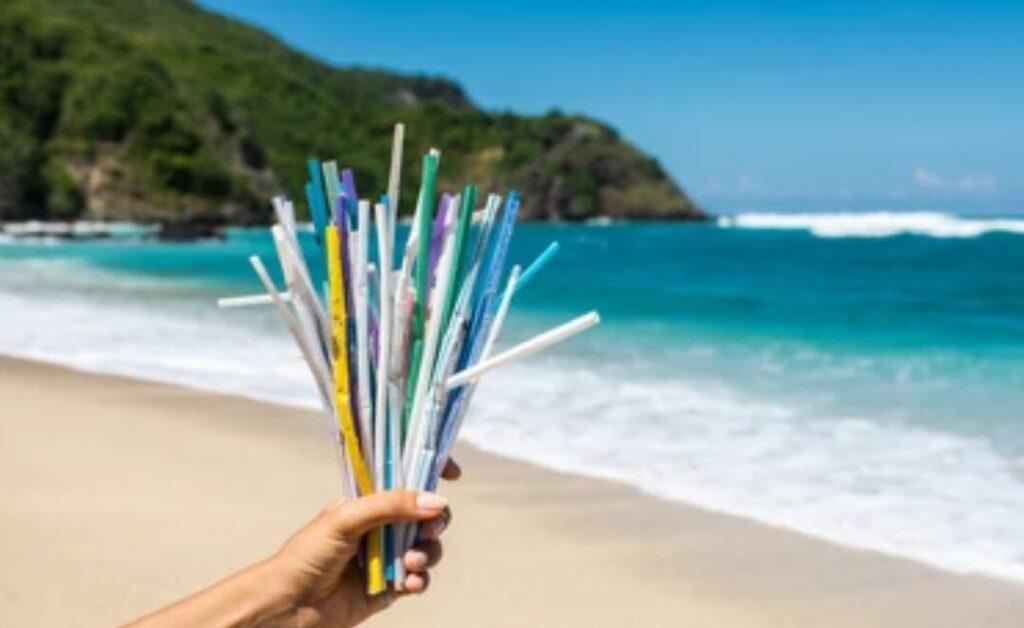
في السنوات الأخيرة، كان هناك قلق متزايد بشأن العدد المتزايد من المواد البلاستيكية ذات الاستخدام الواحد والتي أصبحت جزءًا من حياتنا اليومية. أحد هذه العناصر هو القش البلاستيكي، الذي يتم تقديم المليارات منه في المقاهي والمطاعم كل عام أو كجزء من الطلبات الخارجية.
في الولايات المتحدة، يتم استخدام ما يقدر بنحو 500 مليون شفاطة بلاستيكية تستخدم لمرة واحدة يوميًا، بينما يصل الرقم في أوروبا إلى 25.3 مليار سنويًا.
ولكن ماذا يحدث بمجرد استخدام هذه الشفاطات البلاستيكية والتخلص منها؟
1. الشفاطات البلاستيكية غير قابلة للتحلل
لماذا تعتبر الشفاطات البلاستيكية ضارة بالبيئة؟ على عكس المواد الطبيعية مثل الورق أو الخشب أو القطن، فإن مادة البولي بروبيلين المستخدمة في صنع معظم الشفاطات البلاستيكية التي تستخدم لمرة واحدة غير قابلة للتحلل البيولوجي. وهذا يعني أنه بمجرد وجود الشفاطات البلاستيكية في مدافن النفايات، لا تستطيع الكائنات الصغيرة مثل الحشرات أو البكتيريا تفكيكها عن طريق أكلها، ولا يمكن تقسيمها إلى مركبات قابلة لإعادة الاستخدام بسهولة (مثل ثاني أكسيد الكربون أو الماء). بدلاً من ذلك، سوف تتحلل المصاصات ببساطة، وتتحلل تدريجيًا على مدار 200 عام إلى جزيئات صغيرة تُعرف أيضًا باسم اللدائن الدقيقة، والتي تنبعث منها مواد كيميائية ضارة مثل البيسفينول A، أو BPA، والتي ليست فقط مسببة للسرطان، ولكنها تجذب أيضًا الملوثات الضارة. وسوف يظلون موجودين إلى الأبد وسيضرون بشكل مباشر بالبيئة ومخلوقات الأرض.
2. من الصعب إعادة تدوير الشفاطات البلاستيكية
ليست الشفاطات البلاستيكية غير قابلة للتحلل البيولوجي فحسب، بل يصعب أيضًا إعادة تدويرها بعد الاستخدام. ووفقا للمعلومات، من بين 8.3 مليار طن من البلاستيك، يتم إعادة تدوير 9٪ فقط. يتم تصنيف المصاصات البلاستيكية المصنوعة من مادة البولي بروبيلين على أنها مواد بلاستيكية من الفئة 5، والتي تقل احتمالية إعادة تدويرها. والنتيجة النهائية هي إرسالها إلى مدافن النفايات وتحللها إلى جسيمات بلاستيكية دقيقة.
3. الشفاطات البلاستيكية تلوث محيطاتنا وممراتنا المائية
إن وضع الشفاطات البلاستيكية في مدافن النفايات وتركها تتحلل ببطء ليس حلاً صديقًا للبيئة على الإطلاق. ومع ذلك، فالحقيقة هي أن الشفاطات البلاستيكية المستخدمة غالبًا ما يكون لها وجهة أسوأ: محيطاتنا. نُشرت دراسة تاريخية عن البلاستيك في المحيطات في مجلة Science في عام 2015. ووجد الباحثون أننا ننتج 275 مليون طن متري من النفايات البلاستيكية في عام واحد، مع دخول ما بين 4.8 مليون إلى 12.7 مليون طن متري إلى المحيط. قالت جينا جامبيك، المؤلفة الرئيسية للدراسة، في لجنة عام 2015 في الجمعية الأمريكية لتقدم العلوم: “إن 8 ملايين طن متري من البلاستيك تعادل 5 أكياس مملوءة بالبلاستيك تدخل المحيط على طول كل قدم من ساحل العالم”. هذا ضخم."
Plastic straws are particularly likely to find their way into our waterways.
First, they form a significant part of beach litter, and because plastic straws are small and light, they are often blown out of dumpsters, garbage trucks, and landfills by the wind.
Then, they can quickly find their way into waterways and get washed into the ocean.
Finally, along with other small plastic items, straws can be ingested by birds that scavenge in landfills. Because straws do not biodegrade, they remain in the bird’s stomach until death. The birds themselves will be biodegraded, leaving behind plastic straws that will be blown away or flushed into waterways as before.
Once plastic straws enter the ocean, they pile up with other plastic waste and form huge floating debris on the ocean surface. This debris can block sunlight from reaching algae and plankton under the water, preventing them from converting light into vital nutrients. If algae and plankton populations are threatened, this could affect the entire marine food web. In the long run, this could lead to less seafood being available to humans.
Plastic straws may be small, but when we use billions of them each year, they make a significant contribution to the plastic waste in our oceans. In fact, scientists predict that if we continue to allow plastic to enter our oceans at the current rate, there will be more plastic (by weight) there than fish by 2050.
4. Plastic straws are bad for marine wildlife
Of course, it’s impossible for such an amount of plastic waste to enter our oceans without negatively impacting the marine and coastal wildlife that live in and near the water. It is estimated that about 800 different species are affected by marine plastic pollution, and at least 100,000 marine mammals die each year due to plastic debris.
A PNAS study found that 90 percent of all seabirds ingest plastic. Part of the reason plastic kills marine life is strangulation or suffocation.
But the bigger reason plastic is so dangerous is that it releases toxic chemicals such as bisphenol A (BPA) as it breaks down. BPA mimics estrogen, disrupts our hormones, and may cause cancer. A recent study found that plastic also kills coral reefs by making them more susceptible to disease. While it’s impossible to count the effects of plastic straws alone, it’s thought that 90 percent of seabirds have already ingested some kind of plastic from the ocean, and by 2050, 99 percent of species could be affected. This could cause a marine bird or mammal to starve to death if it ingests large amounts of plastic; feeling the weight in its stomach, it thinks it has already eaten and has no incentive to find enough food to stay alive.
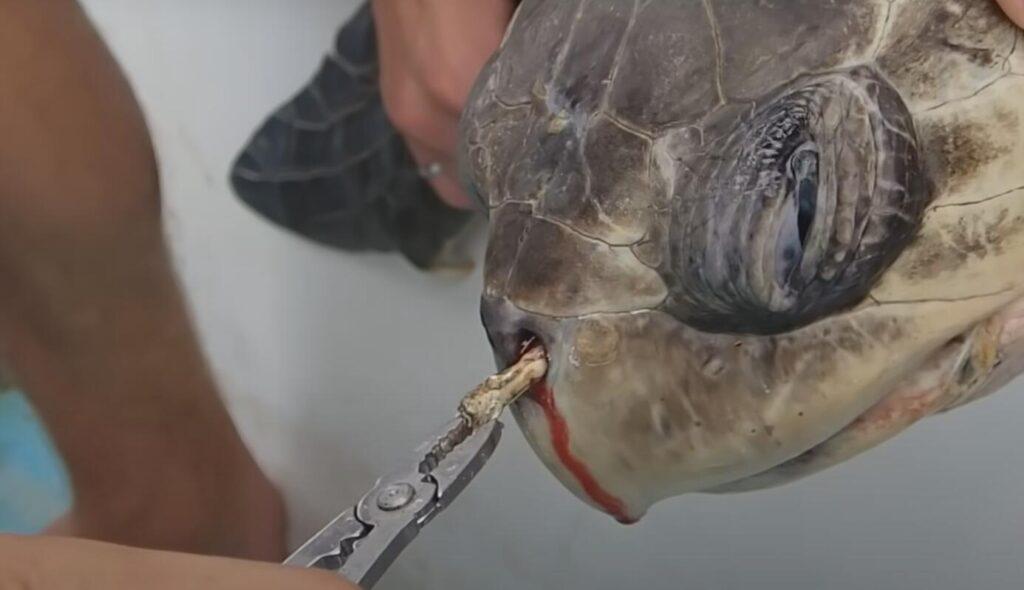
Being entangled in plastic debris is another huge problem for marine life. in 2015, a video of a sea turtle having a section of plastic straw removed from its nose by a group of marine biologists went viral online. The film shocked millions of viewers, raised awareness of the dangers of plastic pollution, and gave strength to the movement to ban single-use plastic straws altogether.
Microplastics will inevitably make their way into our food – through the fish on our plates and the water in our bottles. But researchers are still unsure how toxic microplastics are when we consume them in this way.

Where are straws banned?
Banning plastic straws is likely to become a standard initiative in the coming years. Around the world, countries, and states are taking action to clean up our environment by banning or limiting single-use plastics, including New York City, Seattle, Miami Beach, Vancouver, Hawaii, California, England, Scotland, and Taiwan. Other locations and organizations that have banned or discontinued straws include
Royal Gift Shops and Museums in the UK (at the request of Queen Elizabeth II)
Various members of the Association of Zoos and Aquariums
The University of Portland
The Art Institute of Chicago
McDonald’s (United Kingdom)
In the US, California, Oregon and Hawaii have already implemented plastic bans), while the EU has set a deadline of 2021 for banning single-use plastics.
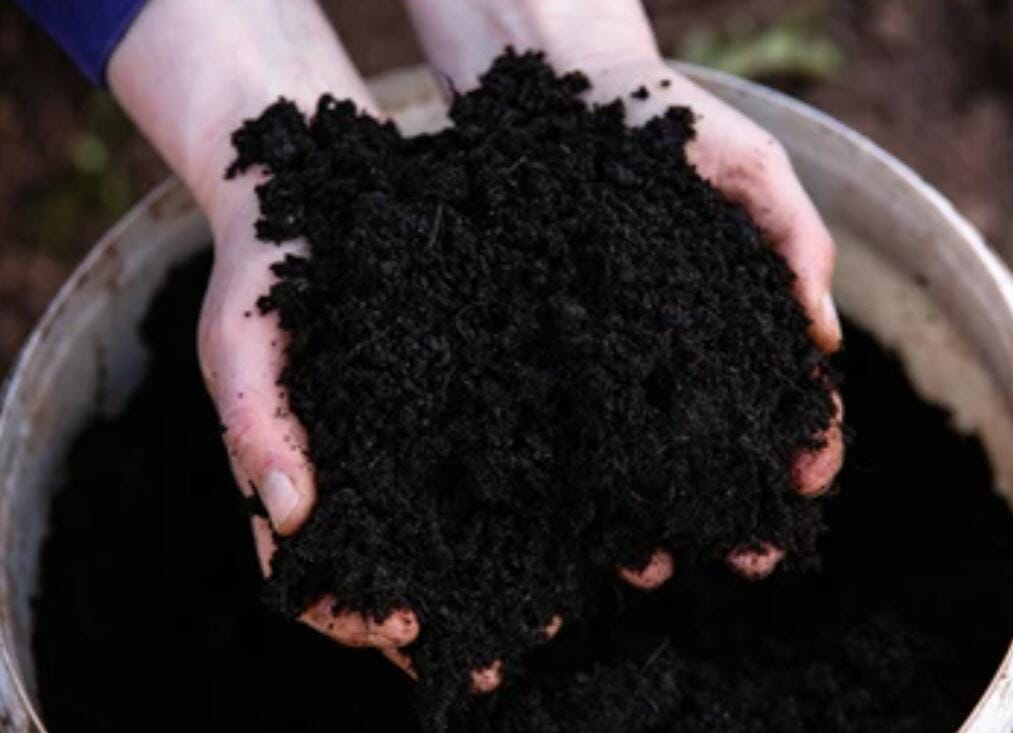
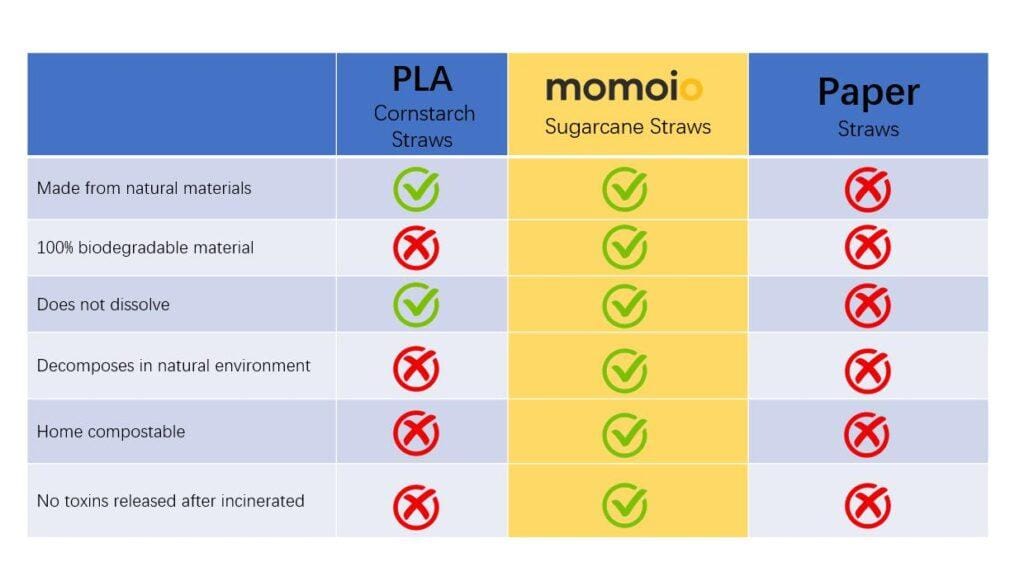
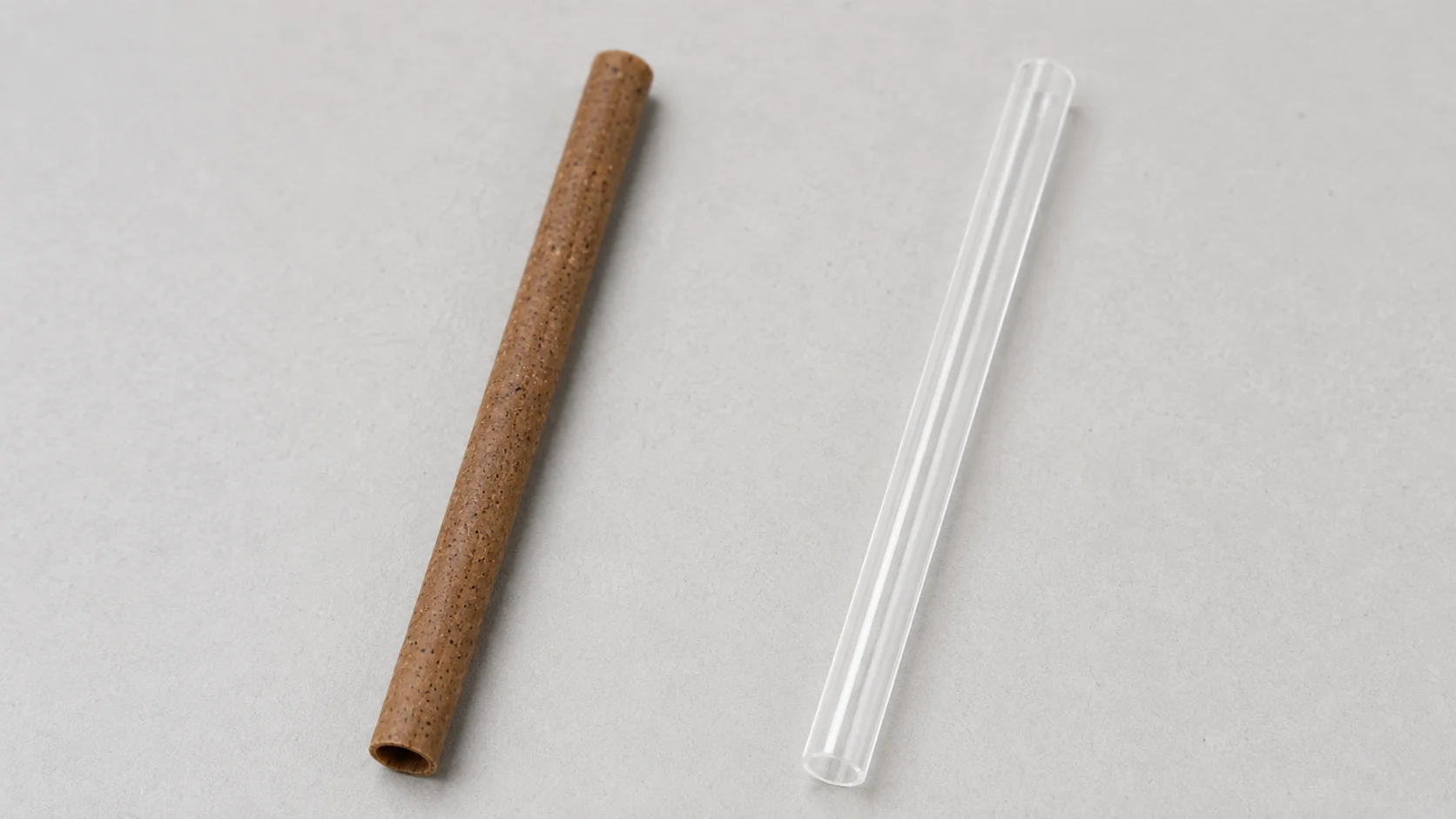
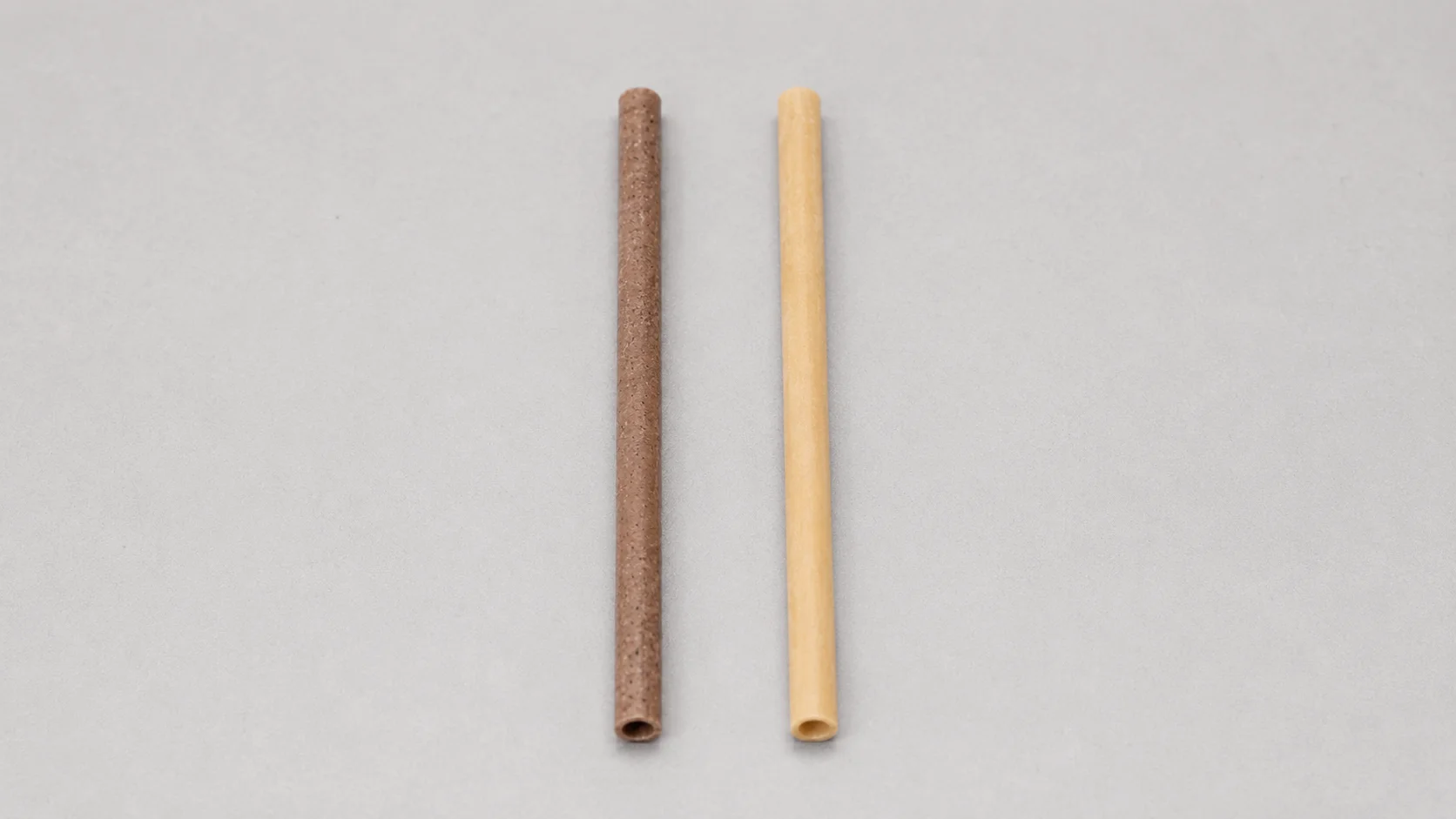
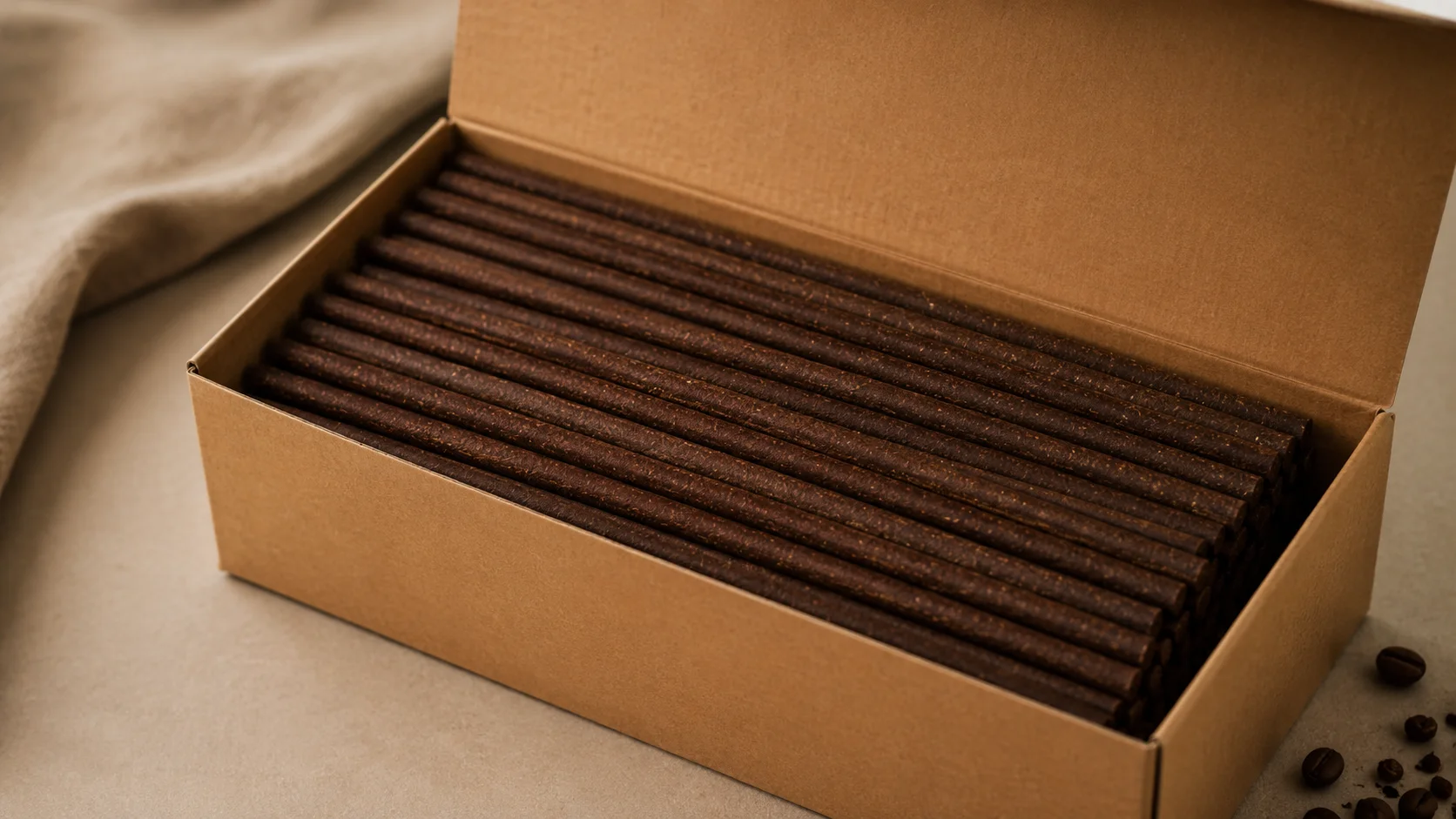
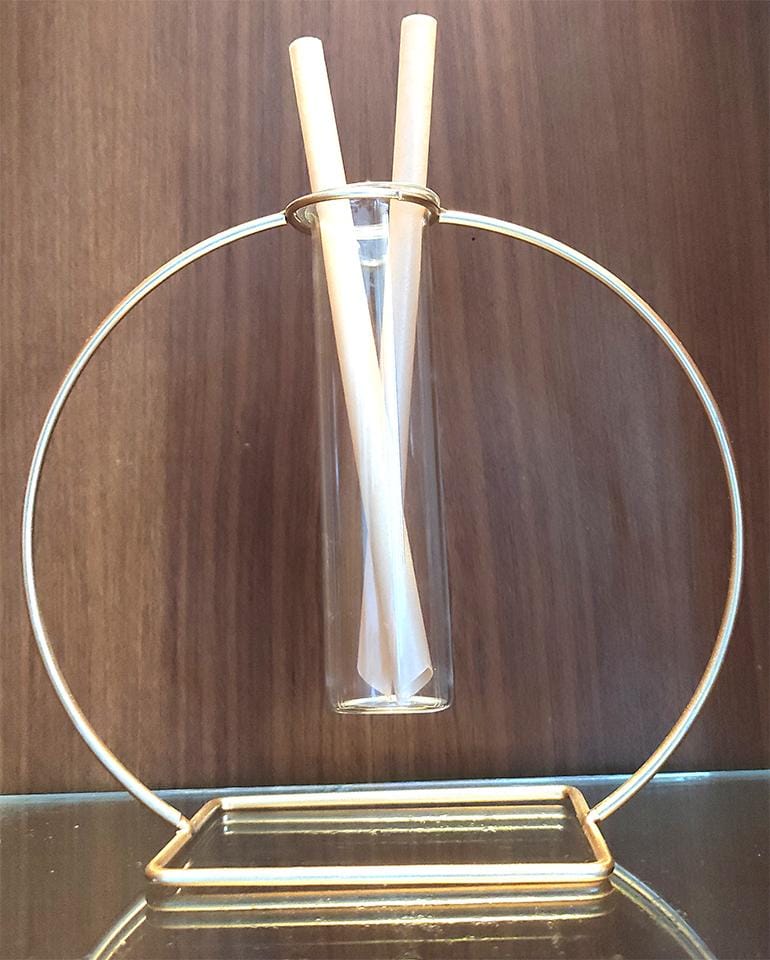
The days of single-use plastic straws are numbered, and replaced by more eco-friendly options. Individuals can choose to purchase biodegradable sugarcane bagasse straws and coffee grounds straws, which biodegrade into carbon dioxide and water in the natural environment without causing harm to the environment or living organisms. They can also be used in commercial composting and home composting. Alternatively, reusable straws, such as those made of glass or stainless steel, are recommended.
These positive changes are a hopeful sign that the problem of plastic straws and their impact on the environment will soon be a thing of the past. Now, roll up our sleeves, clean up our oceans, support our marine wildlife, and leave pristine beaches for future generations.