Jsou brčka z cukrové třtiny bezlepková?
Bezpečná a ekologická B2B volba
Jste B2B kupujícím, který se pohybuje ve stále složitějším prostředí udržitelných řešení pro váš provoz stravovacích služeb? V éře, kdy očekávání spotřebitelů ohledně odpovědnosti vůči životnímu prostředí jsou na nejvyšší úrovni, ve spojení s přísnou regulační kontrolou, mohou volby, které uděláte pro i zdánlivě malé položky, jako jsou brčka na pití, významně ovlivnit pověst vaší značky, provozní náklady a dodržování předpisů. Při hledání skutečně inkluzivních a ekologických alternativ často vyvstává běžná, ale zásadní otázka: Jsou brčka z cukrové třtiny skutečně bezlepková?
Přímá odpověď je jednoznačné ano. Brčka z cukrové třtiny přirozeně neobsahují lepek, což z nich činí vynikající a spolehlivou volbu pro uspokojování různorodých dietních potřeb a současně prosazování vašich ekologických cílů. Tato základní charakteristika poskytuje okamžitou hodnotu pro podniky oddané inkluzivitě a skutečné udržitelnosti. V prostředí plném greenwashingu, kde přítomnost „forever chemicals“ (PFAS) v některých „ekologicky šetrných“ produktech vzbuzuje stále větší obavy, není pochopení skutečné podstaty a souladu vašich udržitelných produktů v dobré víře jen dobrou praxí – je to prvořadé pro udržení důvěry spotřebitelů a zajištění dodržování předpisů.
Unpacking the Gluten-Free & Eco-Friendly Credentials of Sugarcane Straws
Přesuneme-li se za povrch, pojďme se ponořit do toho, proč jsou brčka z cukrové třtiny vynikající volbou, která se zabývá jak dietními požadavky, tak složitými požadavky skutečné odpovědnosti vůči životnímu prostředí.
A. Záruka bez lepku: Proč je cukrová třtina bezpečná
Bezlepkový stav brček z cukrové třtiny pochází přímo ze samotné rostliny. Cukrová třtina je členem čeledi trav, Poaceae, zásadně odlišná od obilovin obsahujících lepek, jako je pšenice, ječmen a žito. Jeho přirozené proteinové složení je zcela bez lepku, takže je bezpečným základním materiálem pro osoby s celiakií nebo neceliakální citlivostí na lepek.
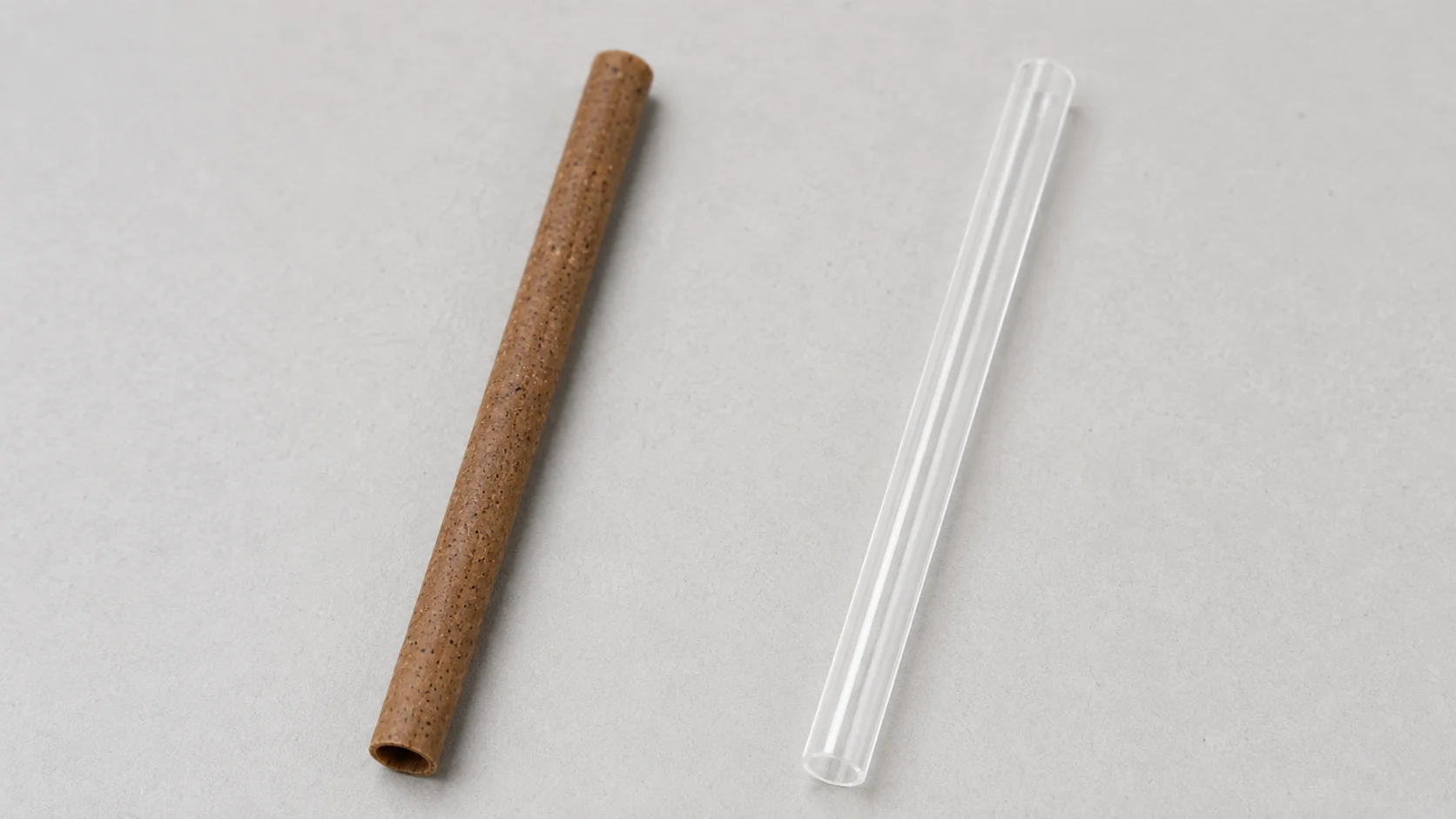
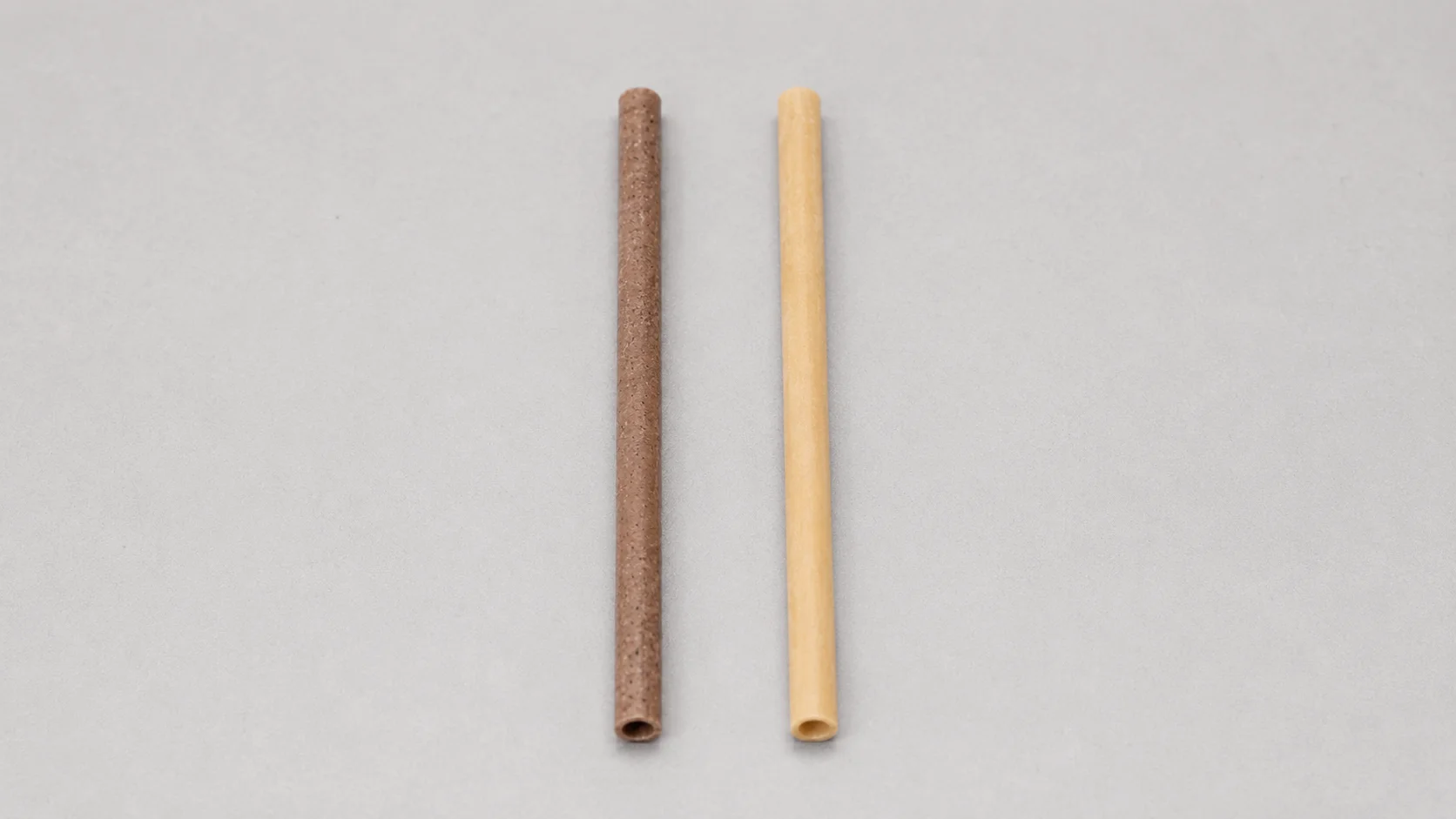
Brčka z cukrové třtiny jsou důmyslně vyrobena zbagasa, vláknitý zbytek, který zůstane po extrakci šťávy ze stonků cukrové třtiny při výrobě cukru. Tento materiál, bez obsahu rostlinného cukru, přirozeně neobsahuje žádný lepek. Celý proces rafinace a výroby přeměny bagasy na brčka dále zajišťuje, že se nepřidávají žádné látky obsahující lepek, což poskytuje další vrstvu jistoty. Mnoho renomovaných výrobců, včetně Momoio, výslovně uvádí, že jejich brčka z cukrové třtiny neobsahují lepek a často procházejí nezávislou bezplastovou certifikací pro ověření jejich čistého složení.

Tato vnitřní kvalita bez lepku zajišťuje, že vaše firma může s jistotou nabídnout komplexní řešení a přivítat všechny zákazníky bez obav z křížové kontaminace nebo dietních omezení souvisejících s lepkem. Kromě toho, že uspokojují specifické dietní potřeby, brčka z cukrové třtiny nabízejí vynikající výkonnostní charakteristiky nezbytné pro pozitivní zákaznickou zkušenost. Jsou navrženy tak, aby byly pozoruhodně odolné, odolávaly rozmočení i při dlouhodobém používání a zůstaly bez chuti, což zajišťuje, že neposkytují nápojům žádnou nežádoucí chuť. Navíc jejich robustní konstrukce jim umožňuje výjimečně dobře fungovat v širokém teplotním rozsahu, typicky od -20 °C do 50 °C, takže jsou vhodné pro chlazené i horké nápoje. Pro podniky, které hledají skutečně všestranné, bezpečné a vysoce výkonné řešení slámy, nabízí cukrová třtina přesvědčivou nabídku.
B. Navigace v komplexní ekologicky šetrné krajině: více než jen „zelená“
Na dnešním trhu už nestačí jen tvrdit, že výrobek je „ekologický“. B2B kupující musí procházet bludištěm předpisů, certifikací a nově vznikajících ekologických problémů. Brčka z cukrové třtiny vynikají nejen svými bezlepkovými vlastnostmi, ale také splňují přísné požadavky na skutečně udržitelné a vyhovující řešení.
1. True Biodegradability & Compostability
Charakteristickým znakem skutečně ekologického brčka je jeho profil na konci životnosti. Brčka z cukrové třtiny jsou ukázkovým příkladem skutečné biologické rozložitelnosti a certifikované kompostovatelnosti. Na rozdíl od mnoha konvenčních plastů a dokonce i některých bioplastů, které se obtížně rozkládají, jsou brčka z cukrové třtiny navržena tak, aby se vrátila do přírody. Jsou průmyslově kompostovatelné, což znamená, že se mohou rozložit na kompost bohatý na živiny, vodu a oxid uhličitý během 3-6 měsíců v komerčních kompostovacích zařízeních. To z nich dělá skutečnou a životaschopnou alternativu k problematickým plastům na jedno použití, včetně těch bioplastů, které jsou podle určitých předpisů stále klasifikovány jako plasty kvůli své chemické struktuře nebo perzistenci v životním prostředí.
2. Přizpůsobení předpisů: Splnění globálních standardů
Odklon od jednorázových plastů není pouze trendem; je to globální regulační imperativ. Porozumět tomu, jak se vámi zvolené řešení slámy shoduje s těmito vyvíjejícími se rámci dodržování předpisů, je zásadní.
- Směrnice EU o plastech na jedno použití (SUPD): Od 3. července 2021 EU SUPD výslovně zakazuje jednorázová plastová brčka ve všech členských státech. Zásadní je, že tento zákaz se vztahuje na brčka vyrobená z bioplastů, jako je PLA (kyselina polymléčná), a na brčka označená jako „bio-zdroje“ nebo „domácí kompostovatelné“, pokud obsahují nějaké plastové komponenty. Směrnice považuje tyto materiály za plasty bez ohledu na jejich původ nebo tvrzení o biologické rozložitelnosti, přičemž zdůrazňuje snížení plastového odpadu. Směrnice se zaměřuje na alternativy skutečně bez plastů a podporuje možnosti opětovného použití. Materiály jako cukrová třtina, pokud jsou certifikovány jako bezplastové a průmyslově kompostovatelné, jsou v souladu s hlavním cílem SUPD snížit znečištění moře plasty tím, že nabízejí neplastovou alternativu. Závazek Evropské unie řešit problém plastového odpadu lze dále prozkoumat prostřednictvím oficiálních zdrojů, jako je např Stránka Evropské komise o životním prostředí o plastech na jedno použití.
- Normy kompostovatelnosti (EN 13432, ASTM D6400/D6868): U jakéhokoli produktu, o kterém se tvrdí, že je kompostovatelný, nelze vyjednávat o dodržování přísných, mezinárodně uznávaných norem. Tyto normy zajišťují, že se produkty skutečně rozkládají bez zanechání škodlivých zbytků, čímž se odlišují skutečné kompostovatelné materiály od materiálů se zavádějícími tvrzeními.
- EN 13432 (evropská norma): Tato norma popisuje přísné požadavky na obaly, které mají být považovány za využitelné průmyslovým kompostováním a biodegradací v rámci Evropy. Mezi klíčová kritéria patří:
- Biologická odbouratelnost: Nejméně 90 % organického uhlíku se musí přeměnit na CO₂ maximálně do 6 měsíců.
- Rozpad: Během 12 týdnů musí minimálně 90 % materiálu projít sítem 2×2 mm, což zajistí fyzický rozklad.
- Chemické složení: Přísné limity na těžké kovy a další škodlivé látky, aby se zabránilo kontaminaci kompostu.
- Ekotoxicita: Výsledný kompost nesmí nepříznivě ovlivnit růst nebo kvalitu rostlin.
- ASTM D6400 / D6868 (americké normy): Tyto normy jsou severoamerickými ekvivalenty, které vyvinula ASTM International a definují požadavky na označování plastů a výrobků jako „kompostovatelné v komunálních a průmyslových kompostovacích zařízeních“.
- ASTM D6400: Platí pro pevné plastové fólie a produkty, které vyžadují 90% biodegradaci během 180 dnů a 90% rozpad (protlačení 2mm sítem) během 12 týdnů. Zahrnuje také testy ekotoxicity.
- ASTM D6868: Speciálně pro produkty, kde jsou biologicky odbouratelné plastové fólie nebo povlaky připevněny ke kompostovatelným substrátům (např. papír potažený plastem). Zajišťuje, že celý kompozitní produkt je kompostovatelný.
Pro ilustraci zarovnání a drobných rozdílů zvažte toto srovnání: Tabulka 1: Porovnání klíčových průmyslových standardů kompostovatelnostiVlastnostEN 13432 (Evropa)ASTM D6400 (Severní Amerika)SoustředitPrůmyslové kompostováníPrůmyslové/komunální kompostováníBiodegradace≥ 90% konverze CO₂ za ≤ 6 měsíců≥ 90% biodegradace za ≤ 180 dní (6 měsíců)Rozpad≥ 90 % materiálu přes 2mm síto za ≤ 12 týdnů≥ 90 % materiálu přes 2mm síto za ≤ 12 týdnů (84 dní)EkotoxicitaNo adverse effects on plant growth/compost quality, includes earthworm toxicity testNo adverse effects on plant growth, heavy metals < 50% EPA thresholdTěžké kovyStrict limits specifiedRegulated metals < 50% EPA thresholdChemická analýzaAno, pro posouzení složení materiáluAno, pro elementární analýzuCertifikaceTÜV Austria (OK kompost INDUSTRIAL), DIN CERCOBPI (Biodegradable Products Institute)
- EN 13432 (evropská norma): Tato norma popisuje přísné požadavky na obaly, které mají být považovány za využitelné průmyslovým kompostováním a biodegradací v rámci Evropy. Mezi klíčová kritéria patří:
- Certifikace třetích stran (BPI/TÜV OK kompost): Dosažení těchto standardů není samozřejmé; vyžaduje přísné ověření třetí stranou.
- Certifikace BPI (Biodegradable Products Institute): Přední severoamerická nezisková organizace BPI certifikuje produkty a obaly, které splňují normy ASTM D6400 nebo D6868. Certifikační značka BPI zajišťuje spotřebitelům a komerčním kompostérům, že se položka v průmyslových kompostovacích zařízeních zcela rozpadne, což pomáhá předcházet kontaminaci. BPI také vyžaduje, aby certifikované produkty neobsahovaly záměrně přidané PFAS, přičemž celkový obsah organického fluoru je nižší než 100 dílů na milion.
- Certifikace OK kompost TÜV Austria: Mezinárodní certifikační orgán TÜV Austria nabízí „OK kompost INDUSTRIAL“ (pro splnění normy EN 13432 v průmyslovém prostředí) a „OK kompost HOME“ (pro domácí kompostování při nižších teplotách). Tyto štítky poskytují důvěryhodný symbol kompostovatelnosti, který ověřuje, že se produkt skutečně biologicky rozkládá, aniž by poškozoval životní prostředí. Mnoho brček z cukrové třtiny nese tyto důležité certifikáty, které poskytují transparentní a ověřitelný důkaz jejich kompostovatelné povahy.

3. Problém PFAS: Skryté nebezpečí v „ekologicky šetrných“ slámkách
Integrita „ekologicky šetrných“ tvrzení byla vážně zpochybněna všudypřítomným problémem kontaminace PFAS (per- a polyfluoralkylové látky). Tyto „věčné chemikálie“ jsou zásadním problémem pro kupující B2B.
- Rozšířená kontaminace: Nedávné studie odhalily vysokou prevalenci PFAS v mnoha papírových a bambusových brčkách, často záměrně přidávaných kvůli odolnosti vůči vodě a mastnotě nebo neúmyslnou kontaminací během výroby. Evropská studie z roku 2023 například zjistila PFAS v 90 % testovaných papírových brček a 80 % bambusových brček. To je alarmující, protože tyto chemikálie se mohou vyluhovat do nápojů a přímo odhalit spotřebitele.
- Zdravotní a environmentální rizika: PFAS přetrvávají neomezeně dlouho v životním prostředí a lidském těle a jsou spojeny s řadou vážných zdravotních problémů, včetně nižší reakce na vakcínu, vývojových problémů, onemocnění štítné žlázy a různých druhů rakoviny. Jejich přítomnost zásadně podkopává tvrzení o „ekologicky šetrných“ výrobcích, které je obsahují, protože se nerozkládají a nepředstavují dlouhodobá environmentální a zdravotní rizika.
- Přísnější pravidla: Regulační orgány reagují rychle. V USA státy jako Kalifornie (s AB 1200 s platností od ledna 2023) zakazují záměrně přidávané PFAS do materiálů přicházejících do styku s potravinami, včetně papírových brček. Federální politika se také zpřísňuje, přičemž zákon o povolení k národní obraně pro fiskální rok 2020 zakazuje PFAS v balení potravin pro vojenská jídla a nedávná výkonná vyhláška (14208, únor 2025), která zdůrazňuje zdravotní nebezpečí PFAS v papírových brčkách. Evropská unie podobně přistupuje k řešení PFAS v obalech.
- Cukrová třtina jako bezpečnější alternativa: Tento regulační a zdravotní důraz na PFAS podtrhuje zásadní výhodu možností skutečně bez PFAS, jako jsou brčka z cukrové třtiny. Výběrem přírodních materiálů bez těchto zákeřných chemikálií se podniky mohou vyhnout významným zdravotním rizikům a rizikům souvisejícím s dodržováním předpisů. Jak bylo uvedeno, certifikace BPI výslovně vyžaduje, aby produkty neobsahovaly záměrně přidané PFAS, což poskytuje další vrstvu spolehlivosti.
Tabulka 2: Hodnocení rizik PFAS pro běžné slaměné materiály
| Materiál slámy | Typická přítomnost PFAS | Dopad na životní prostředí (PFAS) | Zdravotní dopad (PFAS) | Regulační riziko (PFAS) |
|---|---|---|---|---|
| Papírová brčka | Vysoká (často záměrně přidávána kvůli voděodolnosti) | Perzistentní, nedegradující | Potenciální vyluhování, rizika dlouhodobé expozice | Vysoká (rostoucí zákazy/omezení) |
| Bambusová brčka | Střední až Vysoká (kvůli přírodním nebo přidaným povlakům/kontaminaci) | Perzistentní, nedegradující | Potenciální vyluhování, rizika dlouhodobé expozice | Střední až Vysoká |
| Plastová brčka | Obecně nízká (ale plast sám o sobě má jiné ekologické problémy) | Mikroplastické znečištění | Obecně se netýká PFAS (ale jiných rizik změkčovadel) | Zakázáno SUPD, některé státy zakazují plasty na jedno použití |
| Sláma z cukrové třtiny | Žádné (v podstatě bez PFAS) | Kompostovatelné, přirozeně degradující | Bezpečné, žádné obavy z vyluhování PFAS | Velmi nízká (vyhovující) |
| Nerez | žádný | Recyklovatelné, odolné | Trezor | Velmi nízká |
| Skleněná brčka | žádný | Opakovaně použitelné, odolné, recyklovatelné | Trezor | Velmi nízká |
| Silikonové brčka | Žádné (často bez BPA/PFAS) | Opakovaně použitelné | Trezor | Velmi nízká |
4. Vyhýbání se greenwashingu: Green Guides FTC
S rostoucí spotřebitelskou a regulační kontrolou musí být tvrzení o šetrnosti k životnímu prostředí ověřitelná a transparentní. Zelené příručky Federální obchodní komise (FTC) poskytují obchodníkům základní pokyny, jak se vyhnout klamavým environmentálním tvrzením, a zajistit upřímnou komunikaci.
- Účel a rozsah: The Green Guides, vydané společností Federální obchodní komise (FTC)Cílem je zabránit zavádějícímu environmentálnímu marketingu. Vztahují se na všechny formy marketingových tvrzení, od označení produktů až po reklamy, a pokrývají komunikaci B2C i B2B. I když to nejsou právně závazné předpisy, nároky, které s nimi nejsou v souladu, mohou vést k vymáhání FTC podle § 5 zákona FTC.
- Klíčové principy: Příručky zdůrazňují, že environmentální tvrzení musí být konkrétní, podložená kompetentními a spolehlivými vědeckými důkazy a předložená jasným a jednoduchým jazykem. Široká, nekvalifikovaná tvrzení jako „ekologický“ nebo „udržitelný“ se důrazně nedoporučuje, protože je spotřebitelé mohou interpretovat různými, často klamavými způsoby. Obchodníci musí taková tvrzení kvalifikovat jasným a nápadným jazykem, který specifikuje konkrétní, ověřitelný přínos pro životní prostředí. Například brčko by nemělo být označeno jednoduše jako „biologicky rozložitelné“, aniž by byly specifikovány podmínky (např. „průmyslově kompostovatelné tam, kde existují zařízení“). To je důvod, proč jsou certifikace třetích stran tak důležité – poskytují ověřitelné důkazy požadované FTC.
Strategická výhoda Momoioových brček z cukrové třtiny
Na trhu vyžadujícím udržitelnost i dodržování předpisů je prvořadé sladění se s partnerem, který rozumí těmto složitostem. Momoio nenabízí jen produkty, ale strategickou výhodu pro vaše podnikání.
A. Fulfill Diverse Customer Demands & Elevate Your Brand Reputation
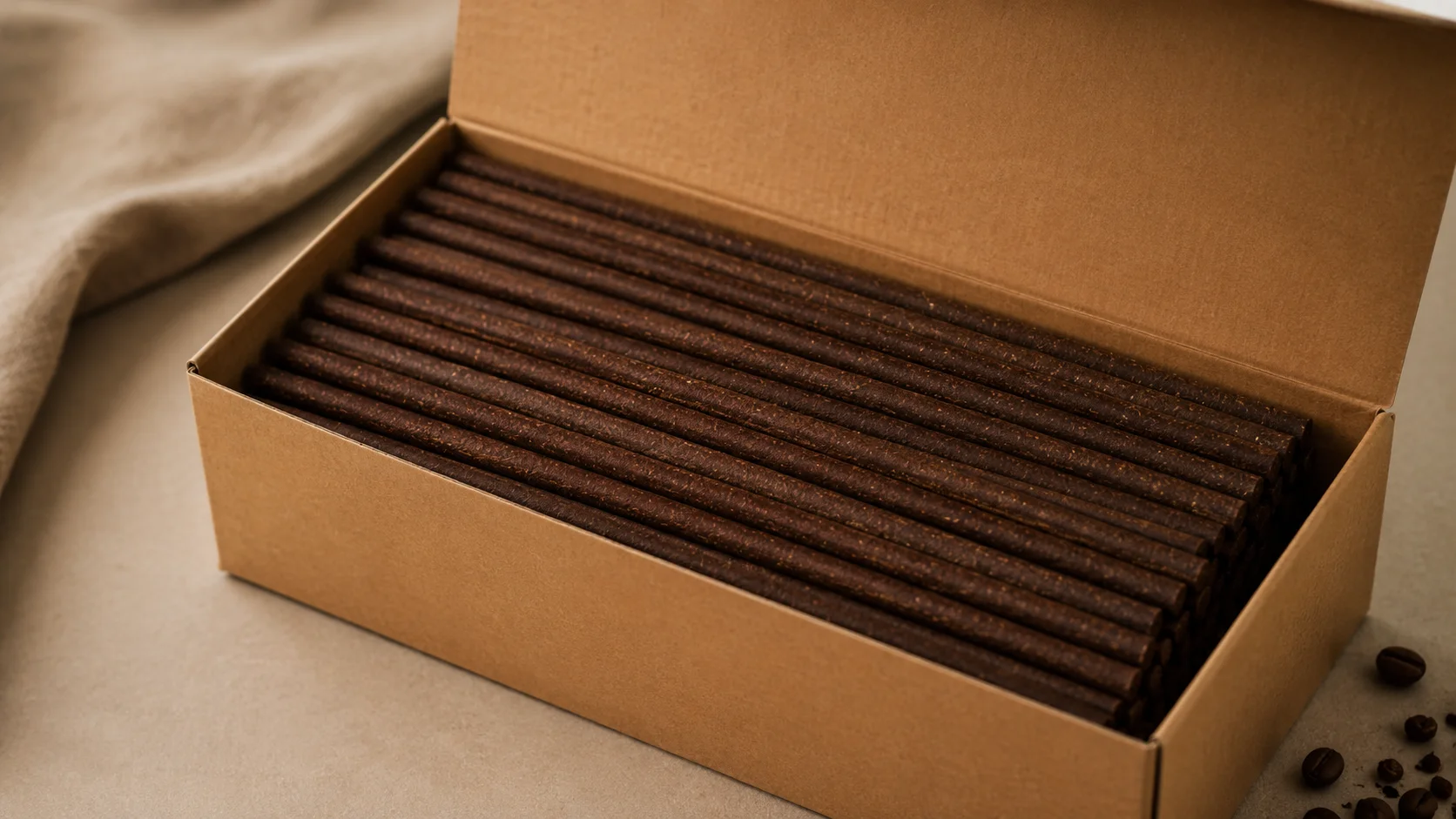
Výběr brček z cukrové třtiny od Momoio vám umožní bezproblémově uspokojit rostoucí segment spotřebitelů, kteří si uvědomují své zdraví, a spotřebitelům citlivým na lepek. Nabídka certifikovaného bezlepkového brčka okamžitě signalizuje inkluzivitu a pozornost k detailu a posiluje přitažlivost vaší značky. Navíc tím, že poskytujete skutečně udržitelná, bezplastová a kompostovatelná řešení, odlišíte své podnikání na konkurenčním trhu. Tento závazek ke skutečné ekologické odpovědnosti zlepšuje image vaší značky, podporuje důvěru a hluboce rezonuje u ekologicky uvědomělých zákazníků, podporuje loajalitu a pozitivní vnímání. Chápeme potřebu rozmanitých udržitelných nabídek; například prozkoumejte naše inovativníKávové mleté brčkapro další jedinečnou, ekologicky uvědomělou možnost.
B. Ensure Compliance & Mitigate Business Risks
Pohyb ve stále se vyvíjejícím bludišti ekologických předpisů může být skličující. Výběrem přirozeně vyhovujících materiálů, jako jsou brčka z cukrové třtiny Momoio, vaše firma proaktivně předběhne vyvíjející se mandáty, jako je EU SUPD a rostoucí zákazy PFAS na státní úrovni v USA. Náš závazek k přísně testovaným a certifikovaným produktům znamená, že můžete chránit své zákazníky a pověst své značky výběrem certifikovaných brček bez obsahu PFAS, zvláště když se zintenzivňuje kontrola ze strany regulačních orgánů.
Využití robustních certifikací třetích stran (např. BPI, TÜV Austria OK kompost) pro vaše ekologicky šetrné produkty buduje nepopiratelnou důvěryhodnost jak u zákazníků, tak u regulačních orgánů, ověřuje kompostovatelnost a ekologickou integritu. Tento proaktivní přístup také zajišťuje budoucnost vašich operací. Trendy Global Extended Producer Responsibility (EPR) stále více přesouvají zátěž nakládání s odpady na výrobce a podněcují skutečně recyklovatelné a kompostovatelné obaly. Investováním do řešení, která jsou v souladu s těmito trendy, může vaše firma realizovat dlouhodobé úspory nákladů, zefektivnit nakládání s odpady a zvýšit provozní efektivitu, čímž se dodržování předpisů stane konkurenční výhodou.
C. Momoio se zavazuje k certifikovaným, vysoce výkonným udržitelným řešením
Ve společnosti Momoio je naše odhodlání k inovacím, kvalitě a odpovědnosti vůči životnímu prostředí vetkáno do každého produktu, který nabízíme. Nášudržitelná ekologická brčka z cukrové třtinyjsou důkazem tohoto závazku. Jsou prokazatelně bezlepkové, bez plastů, bez PFAS a průmyslově kompostovatelné, poskytují mimořádnou odolnost a uživatelskou zkušenost bez kompromisů. Zajišťujeme, aby naše produkty splňovaly přísné normy bezpečnosti a kompostovatelnosti, a nabízíme vám klid a ověřitelná tvrzení.

Náš závazek však přesahuje stébla. Nabízíme komplexní sadu udržitelných obalových řešení navržených tak, aby vyhovovaly různorodým potřebám moderních podniků. Prozkoumejte naši širšířada ekologických produktůzjistit, jak vám můžeme pomoci integrovat vyhovující a skutečně udržitelné volby do celého vašeho provozu. Od misky na bagasu po kompostovatelné příbory, Momoio je vaším partnerem při budování zelenější a zodpovědnější budoucnosti pro vaši firmu a vaše zákazníky.
Často kladené otázky
Slámky z cukrové třtiny • Kompostovatelnost • Shoda
Ano, brčka z cukrové třtiny jsou jednoznačně bezlepková. Vyrábějí se z bagasy, vláknitého zbytku zbylého po extrakci šťávy z rostliny cukrové třtiny. Cukrová třtina je členem rodiny trav, zásadně se liší od obilovin obsahujících lepek a její přirozené složení bílkovin je zcela bez lepku.
Výrobní proces dále zajišťuje, že nejsou zavedeny žádné látky obsahující lepek, což z nich činí bezpečnou volbu pro osoby s celiakií nebo citlivostí na lepek.
Slámy z cukrové třtiny jsou skutečně ekologické, protože jsou vyrobeny z obnovitelného vedlejšího produktu (bagasse) a jsou průmyslově kompostovatelné. Jsou navrženy tak, aby se v komerčních kompostovacích zařízeních během 3–6 měsíců rozložily na kompost bohatý na živiny, vodu a oxid uhličitý.
To je v souladu s certifikovanými standardy kompostovatelnosti jako EN 13432 (Evropa) a ASTM D6400/D6868 (Severní Amerika), což z nich dělá životaschopnou alternativu k problematickým jednorázovým plastům.
Ano, brčka z cukrové třtiny jsou v souladu se směrnicí EU o plastech na jedno použití (SUPD), která od 3. července 2021 zakázala jednorázová plastová brčka ve všech členských státech.
Na rozdíl od mnoha bioplastů (např. PLA), které jsou podle SUPD kvůli své chemické struktuře stále klasifikovány jako plasty, certifikovaná bezplastová a průmyslově kompostovatelná brčka z cukrové třtiny nabízejí skutečnou neplastovou alternativu, která podporuje hlavní cíl směrnice snížit znečištění moře plasty.
Ano, brčka z cukrové třtiny jsou zde popsána jako přirozeně bez obsahu PFAS. To je zásadní výhoda, protože nedávné studie odhalily vysokou prevalenci PFAS v mnoha papírových a bambusových brčkách, často záměrně přidávaných kvůli voděodolnosti.
Výběrem přirozeně odvozených variant bez PFAS, jako jsou brčka z cukrové třtiny, se podniky mohou vyhnout významným zdravotním rizikům a rizikům souvisejícím s dodržováním předpisů. Certifikace jako BPI výslovně vyžadují, aby produkty neobsahovaly záměrně přidané PFAS, s celkovým obsahem organického fluoru pod 100 dílů na milion.
Pro spolehlivou kompostovatelnost by kupující B2B měli hledat přísné certifikace třetích stran:
Severní Amerika: BPI (Biodegradable Products Institute) certifikuje produkty podle standardů ASTM D6400 nebo D6868, což zajišťuje rozklad v průmyslových kompostovacích zařízeních.
Evropa: TÜV Rakousko OK kompost INDUSTRIAL označuje shodu s EN 13432. Tyto certifikace poskytují ověřitelný důkaz, že produkty jsou skutečně biologicky rozložitelné, aniž by poškozovaly životní prostředí.