Strategický imperativ: Výběr nejlepšího typu slámy pro vaše ekologické B2B operace

A comprehensive guide for procurement managers, operations directors, and sustainability officers in hospitality & foodservice.
V éře eskalace ekologického povědomí a přísnějších předpisů čelí podniky rostoucímu tlaku na přijetí udržitelných postupů. Tradiční plastová brčka, symbol pohodlí na jedno použití, jsou nyní ústředním bodem pro kontrolu životního prostředí. Jen v USA se ročně spotřebuje odhadem 500 milionů jednorázových brček na pití, což významně přispívá k odpadu ze skládek a znečištění moře. Pro manažery zásobování, provozní ředitele a úředníky pro udržitelnost již není orientace v nesčetných alternativách k identifikaci nejlepšího typu slámy pro životní prostředí pouze okrajovou záležitostí, ale strategickou nutností. Tato příručka poskytuje přehled založený na datech, který vaší organizaci pomůže činit informovaná rozhodnutí, která jsou v souladu s cíli udržitelnosti a provozní realitou.
Naléhavost pro udržitelné slámové alternativy v B2B operacích
Globální krize plastového znečištění dosáhla kritického bodu, který vedl k okamžité akci napříč průmyslovými odvětvími. S odhadem 500 milionů jednorázových brček, které se denně spotřebují jen v USA, si obrovský objem plastového odpadu na jedno použití vyžaduje komplexní reakci podniků. Tato eskalující ekologická zátěž není pouze ekologickým problémem; má hluboký provozní a obchodní dopad.
Vyvíjející se regulační prostředí dále vyžaduje proaktivní změny. Vlády po celém světě, zejména v Evropské unii a Spojených státech, zavádějí zákazy a omezení týkající se plastů na jedno použití, včetně brček. Nedodržení může vést k vysokým pokutám, narušení dodavatelských řetězců a poškození přístupu na trh. Kromě zákonných mandátů jsou prvořadé iniciativy společenské odpovědnosti firem (CSR) a eskalující spotřebitelská poptávka po ekologicky šetrných volbách. Moderní spotřebitelé a B2B klienti stále více upřednostňují značky, které prokazují skutečný závazek k udržitelnosti, ovlivňují nákupní rozhodnutí a věrnost značce. Přijetí osvědčených udržitelných alternativ slámy proto zlepšuje reputaci značky, posiluje pozici na trhu a zmírňuje budoucí regulační rizika, čímž se problém dodržování předpisů stává konkurenční výhodou.
Proaktivní přijetí udržitelných brček zmírňuje rizika a zlepšuje reputaci značky pro pohostinské a stravovací podniky.
Pochopení dopadu životního cyklu: Nejlepší typ slámy až po likvidaci
Určení „nejlepšího“ typu slámy pro životní prostředí vyžaduje komplexní posouzení životního cyklu (LCA), které hodnotí každou fázi od těžby suroviny až po konec životnosti. Zaměření pouze na likvidaci přehlíží kritické dopady na životní prostředí před a během výroby. Například, ačkoli jsou často vnímány jako méně udržitelné, některé analýzy naznačují, že tradiční plastová brčka mohou mít v určitých kontextech nižší příspěvek ke změně klimatu než papírové nebo bioplastové alternativy, pokud vezmeme v úvahu celý jejich výrobní cyklus. To je však výrazně převáženo významným podílem plastů na přetrvávajícím znečištění odpadky a mikroplasty, které zůstává vážným dlouhodobým problémem pro ekosystémy a lidské zdraví.
Důkladná LCA zvažuje spotřebu energie, spotřebu vody a emise skleníkových plynů spojené s pěstováním, výrobou, balením a přepravou každého slámového materiálu. Například výroba materiálů na rostlinné bázi, i když je obnovitelná, může zahrnovat značné využití půdy a vody spolu se souvisejícími zemědělskými emisemi. Celosvětový dodavatelský řetězec situaci dále komplikuje, protože doprava přispívá k uhlíkové stopě. Pochopení těchto mnohostranných dopadů je zásadní pro osoby s rozhodovací pravomocí, které hledají skutečně udržitelná řešení, která minimalizují poškození životního prostředí v průběhu celého životního cyklu produktu, nejen při likvidaci.
Komplexní posouzení životního cyklu je klíčové pro identifikaci skutečně udržitelných řešení slámy pro B2B operace.
Opakovaně použitelná brčka: Dlouhodobá návratnost investic pro ekologicky uvědomělé podniky
Opakovaně použitelné možnosti často nabízejí největší dlouhodobý přínos pro životní prostředí, jsou-li používány konzistentně a efektivně. Zatímco jejich počáteční náklady na jednotku mohou být vyšší než u jednorázových alternativ, tato investice je kompenzována dramatickým snížením odpadu a opakovanou užitečností v průběhu času. Pro podniky s vlastními stravovacími provozy nebo pro ty, které zavádějí systémy s uzavřeným okruhem, mohou opakovaně použitelná brčka výrazně snížit frekvenci nákupu a složitost dodavatelského řetězce související s jednorázovými výrobky na jedno použití. Klíč k maximalizaci jejich environmentální a ekonomické návratnosti investic spočívá v robustních čisticích procesech a vysoké míře využití.
Brčka z nerezové oceli: Trvanlivost se snoubí s udržitelností
Nerezová brčka jsou vysoce odolná, určená pro opakované použití po mnoho let a na konci své životnosti jsou 100% recyklovatelná. Díky své robustní povaze jsou ideální pro velkoobjemové operace, kde je kritická životnost. Snadno se čistí a sterilizují, což je zásadní faktor pro hygienu v komerčním prostředí. Je však důležité poznamenat, že značná část – přibližně 85 % – jejich ročního dopadu na životní prostředí (kolem 0,169 kg CO2 ekv.) je připisována spotřebě energie a vody při mytí nádobí. Proto je optimalizace úklidové infrastruktury a školení zaměstnanců pro účinné hygienické postupy zásadní pro maximalizaci jejich přínosů pro životní prostředí.
Bambusová brčka: Přirozená volba, provozní úvahy o udržitelných alternativách slámy
Tato brčka jsou vyrobena z přirozeně antibakteriálního, rychle rostoucího bambusu a představují vysoce udržitelný zdroj. Jsou biologicky odbouratelné a kompostovatelné a na konci životnosti nabízejí minimální ekologickou stopu. Tento přírodní materiál nevede teplo, takže jsou bezpečné pro horké i studené nápoje. Provozní hlediska však zahrnují potřebu správného sušení, aby se zabránilo růstu plísní, a pro dlouhou životnost mohou vyžadovat ruční mytí spíše než komerční myčky nádobí. Existují také obavy ohledně možného chemického ošetření během zpracování a intenzity vody spojené s pěstováním bambusu ve velkém měřítku.
Skleněná a silikonová brčka: Praktičnost a potenciál opětovného použití
Skleněná brčka, obvykle vyrobená z odolného borosilikátového skla, jsou netoxická, opakovaně použitelná a poskytují jasnou viditelnost pro zajištění čistoty. Tato transparentnost může být významnou výhodou ve stravovacích službách a umožňuje personálu rychle ověřit hygienu. Silikonová brčka, i když jsou technicky plastová, jsou navržena pro více použití, nabízejí flexibilitu, odolnost a profil vhodný pro děti, díky čemuž jsou vhodná pro různá nastavení. Skleněná i silikonová brčka jsou obecně vhodná do myčky nádobí, což zjednodušuje proces čištění pro komerční provozy. Zatímco sklo může být křehké a náchylné k rozbití při pádu, silikon je odolný; silikon je však recyklovatelný, ale není biologicky odbouratelný.
Opakovaně použitelná brčka nabízejí dlouhodobé ekologické a ekonomické výhody pro pohostinství a stravování, zejména s efektivním čištěním.
Biologicky odbouratelná brčka na jedno použití: Vyvážení pohodlí a dopadu na životní prostředí pro nejlepší typ brčka
Pro akce s sebou, události nebo situace, kde je logistika opětovného použití nepraktická, nabízejí jednorázová biologicky rozložitelná brčka nezbytnou alternativu. Je třeba se zaměřit na skutečnou biologickou rozložitelnost a kompostovatelnost, podpořenou robustními, nezávislými certifikacemi. Podniky by měly dbát opatrnosti, aby se vyhnuly tvrzením „greenwashing“ a ověřovaly výkon produktu v reálných podmínkách. Aby tyto alternativy přinesly svůj plný přínos pro životní prostředí, je často vyžadován přístup k vhodné infrastruktuře pro nakládání s odpady, jako jsou průmyslová kompostovací zařízení.
Pšeničná sláma: Hlavní uchazeč o nízký dopad na životní prostředí
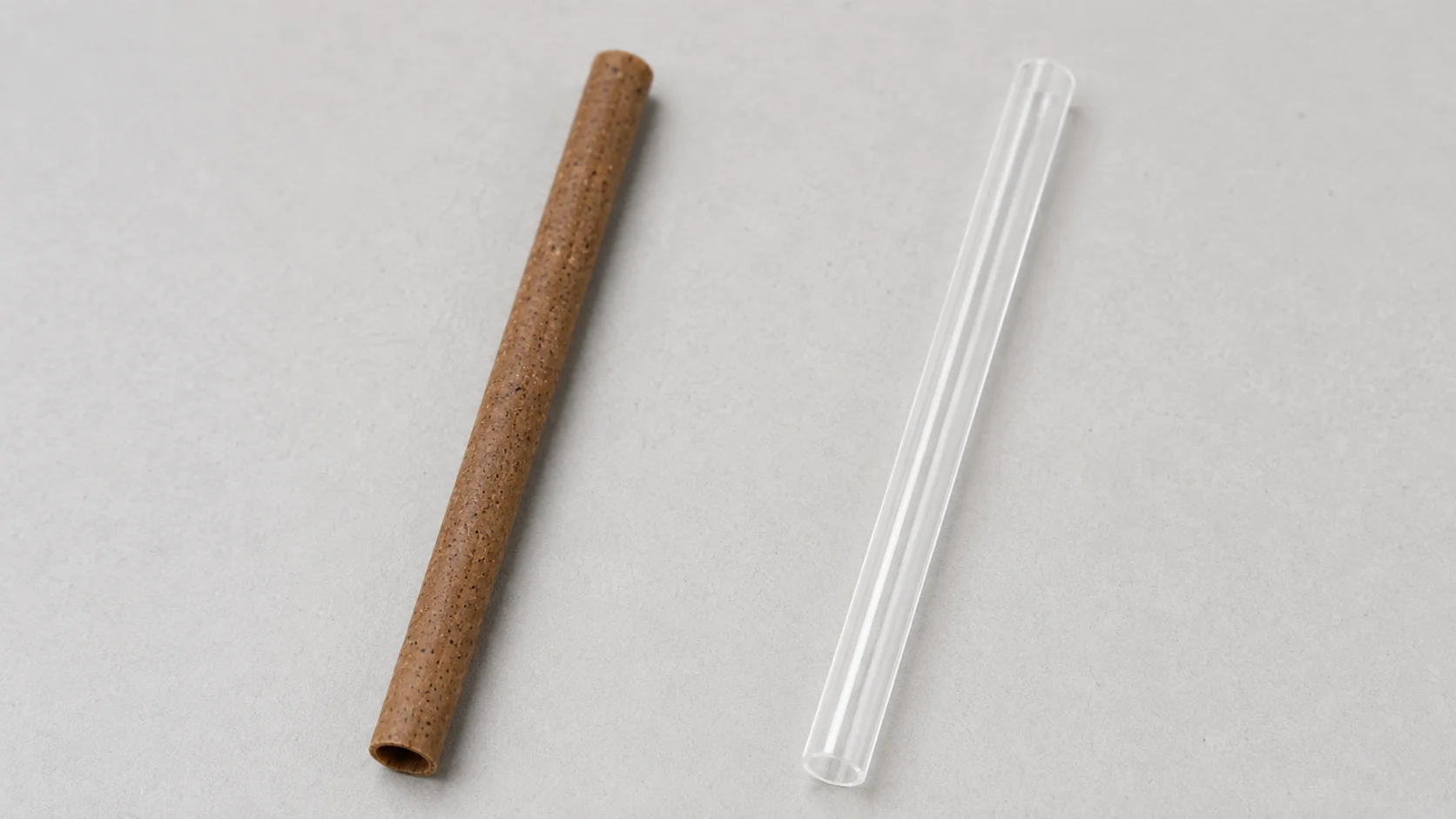
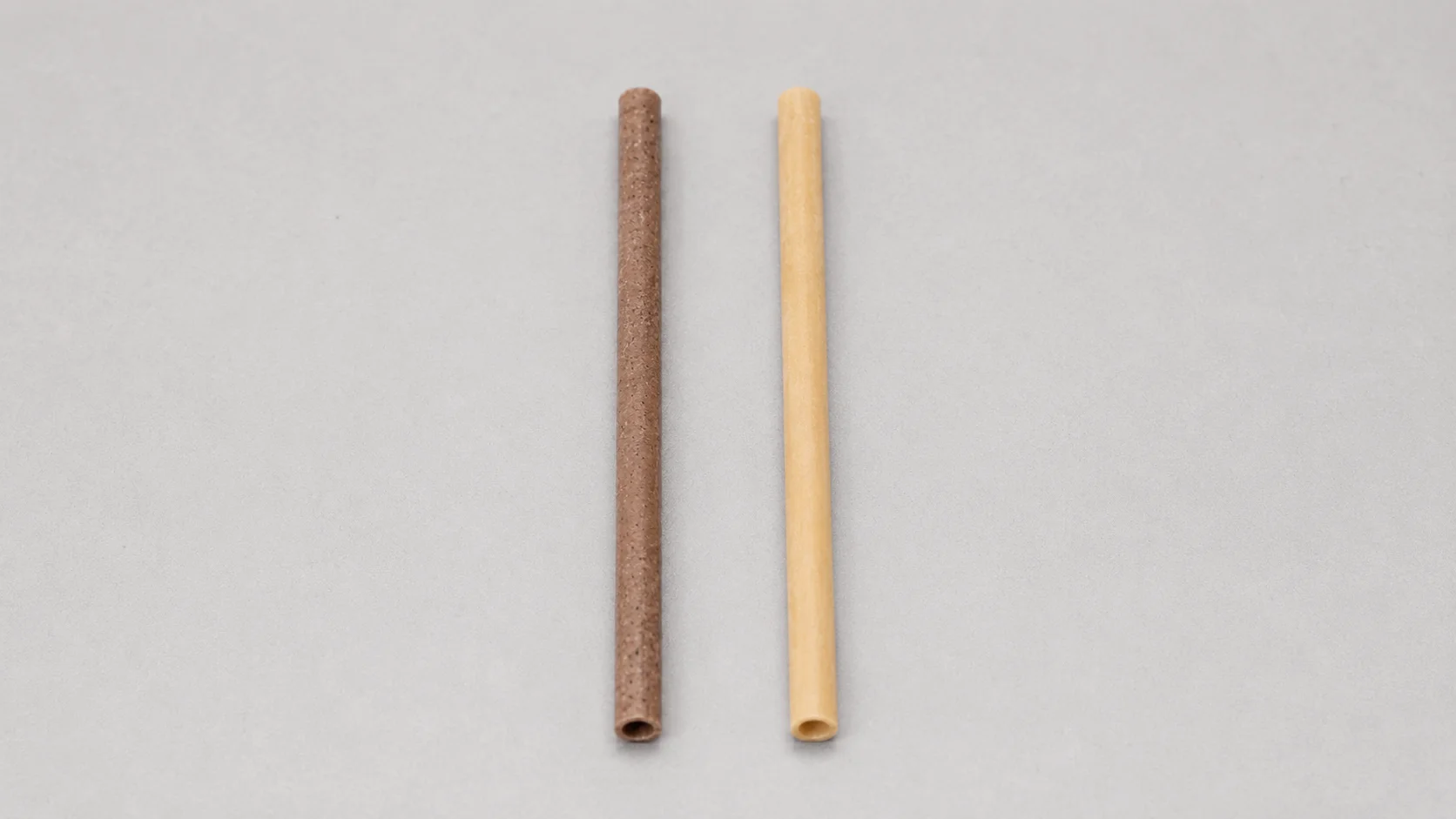
Pšeničná sláma se vyrábí ze zemědělského odpadu (konkrétně ze stonků rostlin pšenice), efektivně využívající vedlejší produkt, který by byl jinak vyhozen. To z nich dělá vysoce udržitelnou možnost jednorázového použití. Výzkum ukazuje, že mají nejnižší celkový dopad na životní prostředí mezi jednorázovými možnostmi použití, přičemž příspěvek ke změně klimatu je přibližně 0,0568 kg ekvivalentu CO2 za rok. Jsou doma kompostovatelné a přirozeně biologicky rozložitelné, vracejí se na zem, aniž by potřebovaly průmyslová zařízení. Pšeničná brčka nabízejí přirozený pocit, jsou pevná a dobře drží v teplých i studených nápojích, aniž by se rozmočila.
PHA brčka: Kompostovatelná brčka nové generace pro životní prostředí
PHA (polyhydroxyalkanoátové) brčka, jako je oceněné „phade“ brčko od WinCup, představují významný skok v udržitelných jednorázových řešeních. Tato brčka jsou vyrobena z řepkového oleje a jsou zcela bez plastů a jsou navržena tak, aby byla biologicky odbouratelná v moři a v půdě. Jsou certifikovány pro domácí i průmyslové kompostování předními orgány, jako je TÜV AUSTRIA a BPI (Biodegradable Products Institute). Tento inovativní materiál napodobuje „pocit a kvalitu“ tradičního plastu a účinně řeší běžné nevýhody spojené s alternativami, jako jsou papírová brčka. Brčko „phade“ společnosti WinCup získalo zejména cenu za inovaci v bioplastech 2020 a cenu za inovaci v oblasti potravinářství 2021 za řešení udržitelnosti, což podtrhuje jejich uznání v oboru. Více informací o certifikovaných kompostovatelných materiálech naleznete v tomto interním zdroji:https://momoio.com/certified-compostable-straw-materials-hospitality-foodservice/.
Papírová brčka: Výzvy v oblasti shody a výkonu
Papírová brčka jsou široce používána kvůli jejich biologické rozložitelnosti a kompostovatelnosti, obvykle se rozpadnou za 2–6 týdnů ve srovnání se staletími u tradičních plastů. Jsou vyrobeny z obnovitelných zdrojů. Společným problémem je však jejich sklon k promočení při dlouhodobém používání, což může výrazně ovlivnit zákaznickou zkušenost. K řešení problémů s kvalitou a dodržováním předpisů vytvořil průmysl EU dne 12. dubna 2021 „Chartu důvěry“, která stanoví standardy pro kvalitu papírové slámy a zajišťuje soulad s regulačními požadavky. Podniky musí být obezřetné, protože podle některých analýz životního cyklu bylo zjištěno, že některá papírová brčka obsahují PFAS („vždy chemikálie“) nebo mohou mít při jejich výrobě vyšší dopad na klima ve srovnání s plasty.
PLA, cukrová třtina a agáve brčka: Dekódování bioplastových a rostlinných biologicky odbouratelných brček
- Brčka PLA (kyselina polymléčná): Jedná se o bioplasty získané z fermentovaných rostlinných škrobů, jako je kukuřice, cukrová třtina nebo maniok. I když se podobají tradičnímu plastu a jsou biologicky rozložitelné, obvykle vyžadují průmyslová kompostovací zařízení, aby se účinně rozložily. Jejich přínos pro životní prostředí je vysoce závislý na správné infrastruktuře likvidace a některé studie naznačují, že mohou mít větší dopady na klima než plasty na bázi ropy, pokud nejsou správně kompostovány.
- Brčka z cukrové třtiny (Bagasse): Tato brčka jsou vyrobena z vláknitých zbytků po drcení cukrové třtiny (bagasse) a efektivně využívají zemědělský odpad. Jsou doma kompostovatelné a vyznačují se svou odolností, odolávají vysokým teplotám (až 90 °C), aniž by měkly.
- Sláma z agáve: Tato brčka, získaná z odpadních vláken rostliny agáve, jsou pevná, trvanlivá a vykazují významnou biologickou odbouratelnost a během šesti měsíců se na skládkách značně rozloží. Jsou vedlejším produktem výroby tequily a přispívají ke snížení zemědělského odpadu.
Jednorázová biologicky odbouratelná brčka nabízejí pohodlí, ale vyžadují pečlivý výběr a správnou infrastrukturu likvidace pro B2B použití.
Strategické hodnocení alternativ slámy pro nákup B2B
Výběr správné slámy zahrnuje vyvážení dopadu na životní prostředí s provozní realitou a požadavky na shodu. Níže je uvedeno strategické hodnocení pro zadávání zakázek B2B:
| Funkce | B2B Operační dopad | Poznámka dodržování předpisů | Potenciál návratnosti investic |
|---|---|---|---|
| Tradiční plast | Nízké jednotkové náklady, široce dostupné, odolné pro použití. | Podléhá zákazům/omezením, vysoké riziko pro životní prostředí. | Negativní dlouhodobá environmentální ROI v důsledku externalit. |
| Nerez | Vysoké počáteční náklady, vyžaduje pečlivý proces čištění. | Žádné specifické dodržování kromě hygieny. | Vysoká dlouhodobá návratnost investic, pokud je objem použití konzistentní a čištění účinné. |
| Pšenice | Nízká jednotková cena, jednorázové použití, vynikající biologická odbouratelnost. | Přirozeně vyhovující, minimální regulační překážky. | Dobrá krátkodobá návratnost investic pro potřeby jednorázového použití, nízká ekologická stopa. |
| PHA (např. phade) | Jednotková cena vyšší než plast, podobný pocit jako u plastu. | BPI & TÜV AUSTRIA certified compostable/biodegradable. | Silná ROI pro cíle udržitelnosti, zlepšuje image značky, zmírňuje budoucí zákazy plastů. |
| Papír | Mírné jednotkové náklady, potenciál pro problémy s rozmočeností. | Soulad s „Chartou důvěry“ EU a místními normami. | Smíšené ROI kvůli problémům s výkonem; krátkodobé řešení souladu. |
| Cukrová třtina (Bagasse) | Střední jednotková cena, robustní, zvládá teplo/studeno. | Domácí kompostovatelné, využití zemědělského odpadu. | Dobrá návratnost investic pro ekologickou jednorázovou variantu, podporuje oběhové hospodářství. |
Strategické hodnocení alternativ slámy je klíčem k nákupu B2B, aby se vyvážil dopad, operace a soulad.
Případová studie: „fádová“ adopce slámy WinCup hlavními místy

Je lídrem v oblasti udržitelných řešení,WinCup je "phade" slámy, vyrobené z materiálu Nodax PHA od Danimer Scientific, jsou příkladem úspěšného přijetí B2B. Tato brčka jsou certifikována TÜV AUSTRIA a BPI pro průmyslovou a domácí kompostovatelnost, stejně jako biologickou rozložitelnost v moři, což přímo řeší klíčové problémy životního prostředí. Brčka Phade jsou pozoruhodná tím, že zachovávají „pocit a kvalitu“ tradičního plastu, což je zásadní faktor při překonávání běžných problémů se zkušenostmi uživatelů, které jsou často spojeny s alternativami, jako je papír. Tato inovace byla široce uznávána, včetně prestižní ceny 2020 Innovation in Bioplastics Award od Asociace plastového průmyslu.
Důležité je, že velká místa, jako je Yankee Stadium, SoFi Stadium, Mercedes-Benz Stadium a Gillette Stadium, začlenily do svých velkoobjemových operací „fádní“ slámy. To demonstruje životaschopnou cestu pro rozsáhlé nákupy B2B, což dokazuje, že je možné uspokojit významnou poptávku při dodržení přísných závazků udržitelnosti a bezpečnostních předpisů FDA pro styk s potravinami pro studené nápoje. Široké přijetí takovými prominentními podniky ukazuje spolehlivost a škálovatelnost materiálu a poskytuje jasný plán pro další organizace, které chtějí přejít od tradičních plastů.
Hlavní provozovny využívající brčka PHA prokazují škálovatelnost a spolehlivost pro udržitelné zadávání zakázek B2B.
Regulační krajina a certifikace pro výběr nejlepšího typu slámy
Regulační prostředí kolem jednorázových plastů se rychle vyvíjí a vyžaduje ostražitost ze strany těch, kdo rozhodují v oblasti B2B. Klíčem k orientaci v tomto prostředí jsou certifikace, které slouží jako zásadní měřítka pro environmentální tvrzení. Hledejte značky od renomovaných certifikačních orgánů třetích stran, jako jsou napřBPI (Biodegradable Products Institute),TÜV RAKOUSKOaDIN-CERTCO. Tyto certifikace ověřují, že produkty splňují specifické ASTM (Americká společnost pro testování a materiály) nebo evropské normy pro rozklad v průmyslových kompostovacích zařízeních. Pro tvrzení o domácí kompostovatelnosti nebo biologické rozložitelnosti v moři jsou nezbytné další specifické certifikace od těchto orgánů.
Průmyslová iniciativa Evropské unie, „Charta důvěry“, založená v dubnu 2021 společností 360° Foodservice, stanoví jasné standardy souladu pro papírová brčka a pomáhá podnikům zajistit kvalitu a dodržování předpisů při nákupu papírových brček. Kromě biologické rozložitelnosti je naprosto nezbytné zajistit bezpečnost FDA pro styk s potravinami pro jakýkoli materiál slámy určený pro použití s nápoji, což chrání veřejné zdraví a zabraňuje stažení z trhu. Držet krok s těmito certifikacemi a regulačními iniciativami není jen o shodě, ale o proaktivním nastavení vašeho podnikání pro dlouhodobou udržitelnost a přijetí na trhu.
Pohyb ve vyvíjejícím se regulačním prostředí vyžaduje ostražitost a spoléhání se na renomované certifikace třetích stran pro nákup slámy B2B.
Future Trends & Innovation in Straw Materials
Snaha o udržitelnost nadále podporuje významné inovace v oblasti slaměných materiálů, které utvářejí budoucnost nákupu B2B v příštích 5–10 letech. Kromě zavedených alternativ slibují nově vznikající materiály ještě nižší ekologickou stopu a lepší výkon.
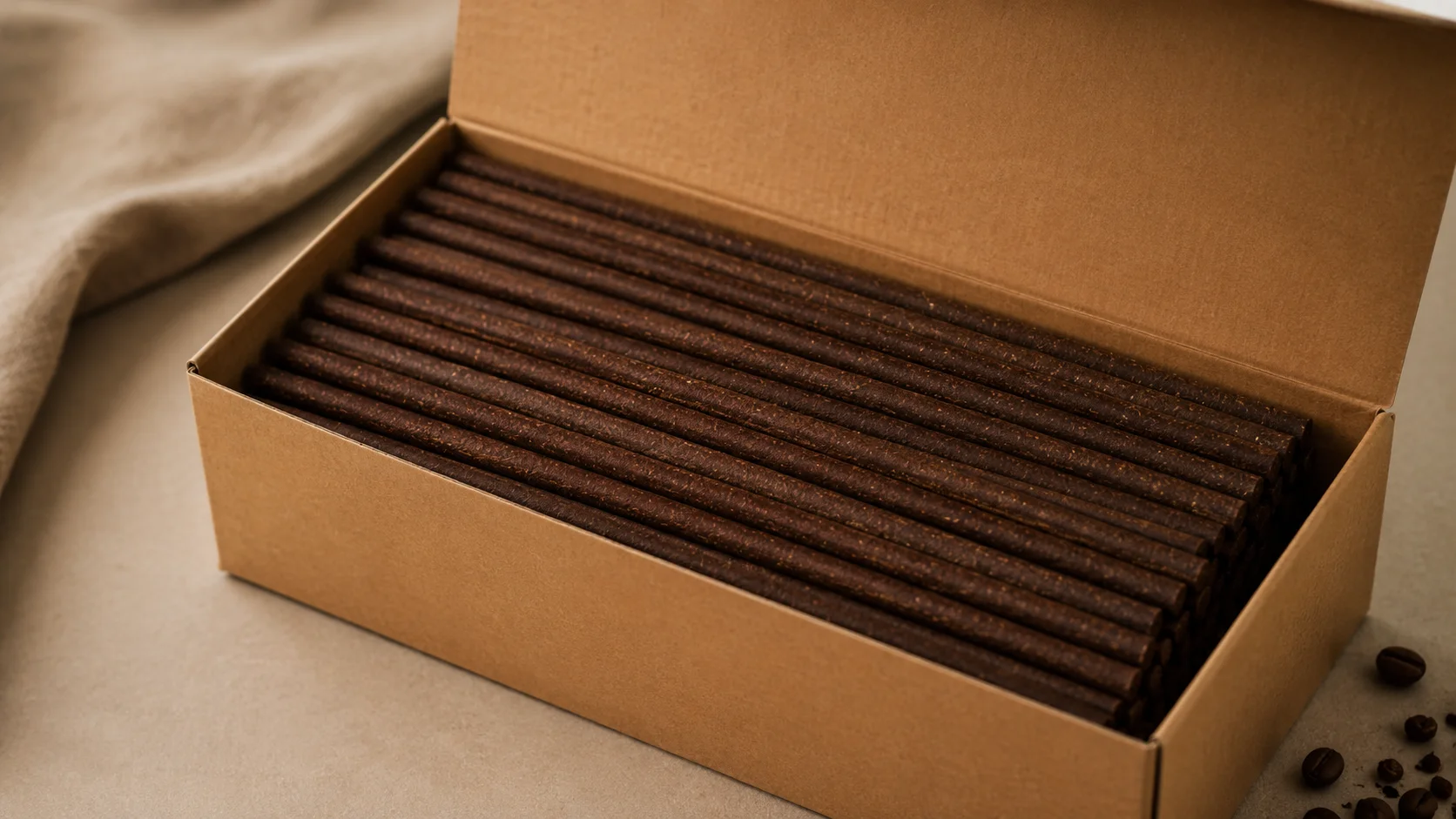
Jedním z klíčových trendů je vývojbrčka na bázi mořských řas, které nabízejí rychlou biologickou rozložitelnost a pocházejí z vysoce obnovitelných zdrojů, které nevyžadují půdu ani sladkou vodu. Podobně se vyrábí brčka zpecky z avokádavyužít zemědělský odpad a poskytnout další kompostovatelnou rostlinnou možnost. Jsme také svědky vzestupujedlé brčka, vyrobené z materiálů, jako jsou ovocná vlákna nebo rýže, které zcela eliminují odpad tím, že jsou po použití konzumovatelné. DokonceKávové mleté brčkazískávají na popularitě a nabízejí jedinečný estetický průmyslový odpad s novým využitím.
Očekává se, že regulační tlaky zesílí spolu s globálním tlakem na principy oběhového hospodářství a rozšířenou odpovědností výrobců. To pravděpodobně povede k přísnějším požadavkům na biologickou rozložitelnost, kompostovatelnost a eliminaci škodlivých přísad, jako je PFAS. Podniky, které investují do výzkumu a vývoje nebo spolupracují s dodavateli inovujícími v těchto oblastech, budou mít nejlepší pozici, aby splnily budoucí požadavky trhu a regulační změny. Tato vylepšení nejen řeší problémy životního prostředí, ale také otevírají dveře pro odlišení značek a nové nabídky produktů. Krajina udržitelných materiálů se neustále přetváří a posouvá hranice toho, co je možné pro ekologicky uvědomělé podniky. Zjistěte více o materiálech přetvářejících slaměný průmysl nahttps://momoio.com/materials-reshaping-straw-industry-b2b/.
Rozvíjející se materiály ze slámy a zintenzivnění předpisů změní zadávání zakázek B2B, podpoří inovace a diferenciaci značek.
Competitive Advantage & Business Case for Sustainable Straws
Investice do nejlepšího typu slámy pro životní prostředí nejsou jen výdaje; jde o strategické obchodní rozhodnutí, které přináší kvantifikovatelné výnosy a významnou konkurenční výhodu.
- Cost Savings & Operational Efficiency: Zatímco počáteční jednotkové náklady u některých udržitelných alternativ mohou být vyšší, dlouhodobé úspory nákladů plynou ze snížených poplatků za likvidaci odpadu, minimalizovaných regulačních pokut a potenciálně nižší složitosti dodavatelského řetězce, zejména u opakovaně použitelných možností. Například výběr pšeničných brček s nízkým dopadem na klima ve výši 0,0568 kg CO2 ekv./rok může přispět k vašim celkovým cílům snížení emisí a potenciálně ušetřit na budoucích uhlíkových daních nebo kompenzovat náklady.
- Zmírnění rizika: Aktivní přijetí udržitelných brček izoluje vaše podnikání od nepředvídaných zákazů plastů a vyvíjejících se ekologických předpisů. Tato předvídavost zajišťuje nepřetržitý přístup na trh a zabraňuje nákladným provozním opravám na poslední chvíli.
- Brand Value Uplift & Consumer Loyalty: Sladění s environmentálními hodnotami výrazně zlepšuje vnímání značky mezi spotřebiteli a B2B partnery, kteří si stále více uvědomují životní prostředí. To zvyšuje loajalitu ke značce, přitahuje nové zákazníky a posiluje vaši pověst odpovědného lídra v oboru. První uživatelé certifikovaných, vysoce výkonných udržitelných řešení, jako jsou brčka PHA, mohou získat významný podíl na trhu tím, že osloví tento rostoucí segment.
- Talent Attraction & Retention: Silný étos udržitelnosti může také zlepšit morálku zaměstnanců a učinit vaši organizaci atraktivnějším zaměstnavatelem pro špičkové talenty, kteří stále více upřednostňují společnosti se silnými závazky v oblasti životního prostředí, sociální oblasti a správy (ESG).
V konečném důsledku tento strategický posun přeměňuje regulační zátěž na silnou hnací sílu inovací, tržní diferenciace a dlouhodobé finanční odolnosti.
Udržitelné přijetí slámy nabízí významné konkurenční výhody, včetně úspory nákladů, zmírnění rizik a zvýšení hodnoty značky.
Optimalizujte svou strategii nákupu ještě dnes
Vyhodnoťte své provozní potřeby, konzultujte certifikační standardy a investujte do alternativ slámy, které přinášejí prokázané přínosy pro životní prostředí a provozní efektivitu.Požádejte o komplexní konzultaci ještě dnes
Zajistěte si své vedoucí postavení na trhu v ekologicky uvědomělé ekonomice.
Často kladené otázky (FAQ)
Jaké jsou hlavní ekologické přínosy přechodu na udržitelná brčka v pohostinství?
Přechod na udržitelná brčka výrazně snižuje plastový odpad, zmírňuje znečištění moří, snižuje uhlíkovou stopu a podporuje principy oběhového hospodářství. U pohostinství to zlepšuje image značky a odpovídá rostoucí poptávce spotřebitelů po ekologických postupech.
Jak ovlivňují regulační změny nákup brček B2B v EU a USA?
Jak EU, tak mnohé státy/města USA zavádějí zákazy nebo omezení jednorázových plastů, včetně brček. To vyžaduje, aby podniky B2B proaktivně získávaly certifikované kompostovatelné nebo opakovaně použitelné alternativy, aby se vyhnuly pokutám, zajistily dodržování předpisů a udržely přístup na trh.
Jaké jsou klíčové provozní aspekty pro pohostinské podniky přijímající opakovaně použitelná brčka?
Provozní úvahy zahrnují zavedení robustních čisticích a dezinfekčních protokolů, správu inventáře, školení personálu o manipulaci a sběru a hodnocení spotřeby energie/vody při mytí nádobí. Vysoká míra využití je rozhodující pro maximalizaci návratnosti investic.
Jsou „biologicky odbouratelná“ brčka skutečně šetrná k životnímu prostředí, zejména pro jídlo s sebou?
Termín „biologicky odbouratelný“ může být zavádějící. Pro skutečný přínos pro životní prostředí hledejte brčka certifikovaná jako „kompostovatelná“ (např. BPI, TÜV AUSTRIA), která se rozpadají v průmyslových kompostovacích zařízeních. Pro vynášení zajistěte, aby místní infrastruktura pro odpady tyto materiály podporovala.
Jak mohou manažeři nákupu posoudit návratnost investic udržitelných alternativ slámy?
Posuďte návratnost investic tím, že zvážíte nejen jednotkové náklady, ale také snížené poplatky za likvidaci odpadu, vyhnutí se regulačním pokutám, zvýšenou hodnotu značky vedoucí ke zvýšení loajality zákazníků a potenciál pro přilákání špičkových talentů. Faktor dopadu celého životního cyklu a provozní účinnosti.