The procurement and operations landscape is rapidly evolving, driven by an undeniable shift towards sustainability. For supply chain executives, operations directors, and procurement managers, navigating the world of eco-friendly products, particularly in high-volume consumables like straws, presents a high-stakes challenge. The pressure from consumers and stakeholders for genuinely sustainable business practices is intensifying, with over 70% of consumers now favoring brands committed to environmental responsibility. Ignoring this demand isn’t just a missed opportunity for market advantage; it’s a direct threat to brand reputation and commercial viability. The operational or commercial impact of selecting inappropriate or mislabeled products can be severe, leading to customer backlash, regulatory fines, and damaged brand integrity, a phenomenon often termed “greenwashing.” The EU’s Single-Use Plastics Directive (SUPD), for instance, has already banned many disposable plastic items, even those marketed as “biobased,” underscoring the increasing scrutiny from regulatory bodies and environmental watchdogs. Businesses that fail to grasp the nuanced differences in eco-friendly claims risk not only legal repercussions but also eroding the very trust they strive to build with their customers.

Evoluce udržitelného popíjení: Od starověkého rákosu k moderním bioplastům
Cesta brčka odráží širší společenský příběh o spotřebě a dopadu na životní prostředí. Moderní éra začala v roce 1888 s patentovaným papírovým brčkem amerického vynálezce Marvina C. Stonea před více než 5 000 lety zpět k prastarým sumerským praktikám používání dutého rákosu na pivo. Tato inovace dominovala obchodům se sodou na počátku 20. století a nabízela chuťově neutrální alternativu k přírodnímu žitu. V polovině 20. století však došlo k všudypřítomnému vzestupu plastových brček – levných, trvanlivých a zdánlivě pohodlných –, které do 70. let účinně tlačily papírové alternativy téměř k zániku. Tato plastová mezihra, i když je pohodlná, položila základy pro globální ekologickou krizi.
21. století přineslo rázné probuzení k ničivým následkům plastů na jedno použití, zejména jejich podílu na znečištění oceánů a poškození mořského života. Virální video z roku 2015, které ukazuje vyjmutí plastového brčka z nozdry mořské želvy, podnítilo veřejné mínění a zrychlilo ekologické hnutí. Tento nárůst povědomí vedl k rychlému sledu zákazů a omezení plastových brček po celém světě. Průkopnický zákaz v Seattlu v roce 2018, kalifornská politika „brčka na vyžádání“ v roce 2019 a anglický komplexní zákaz plastových brček na jedno použití v roce 2020 jsou příkladem tohoto regulačního posunu. Zareagovaly také velké korporace jako Starbucks a McDonald’s, které se zavázaly celosvětově vyřadit plastová brčka a spustit programy kompostovatelných brček. Tato naléhavá potřeba alternativ znovu podnítila inovace a přivedla nás zpět k řešením založeným na rostlinách, ale s kritickým rozdílem: porozumění terminologickému minovému poli. Pojmy „biodegradabilní“ a „kompostovatelný“ se často používají zaměnitelně, přesto jsou jejich rozdíly hluboké a zásadní pro přijímání skutečně udržitelných rozhodnutí o nákupu.
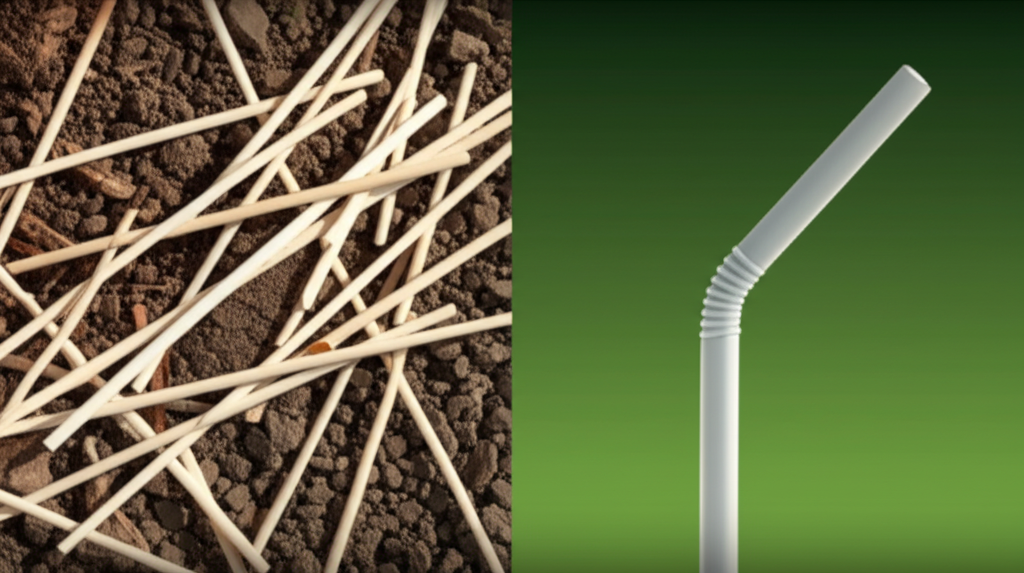
Deconstructing “Eco-Friendly”: A B2B Deep Dive into Straw Technologies
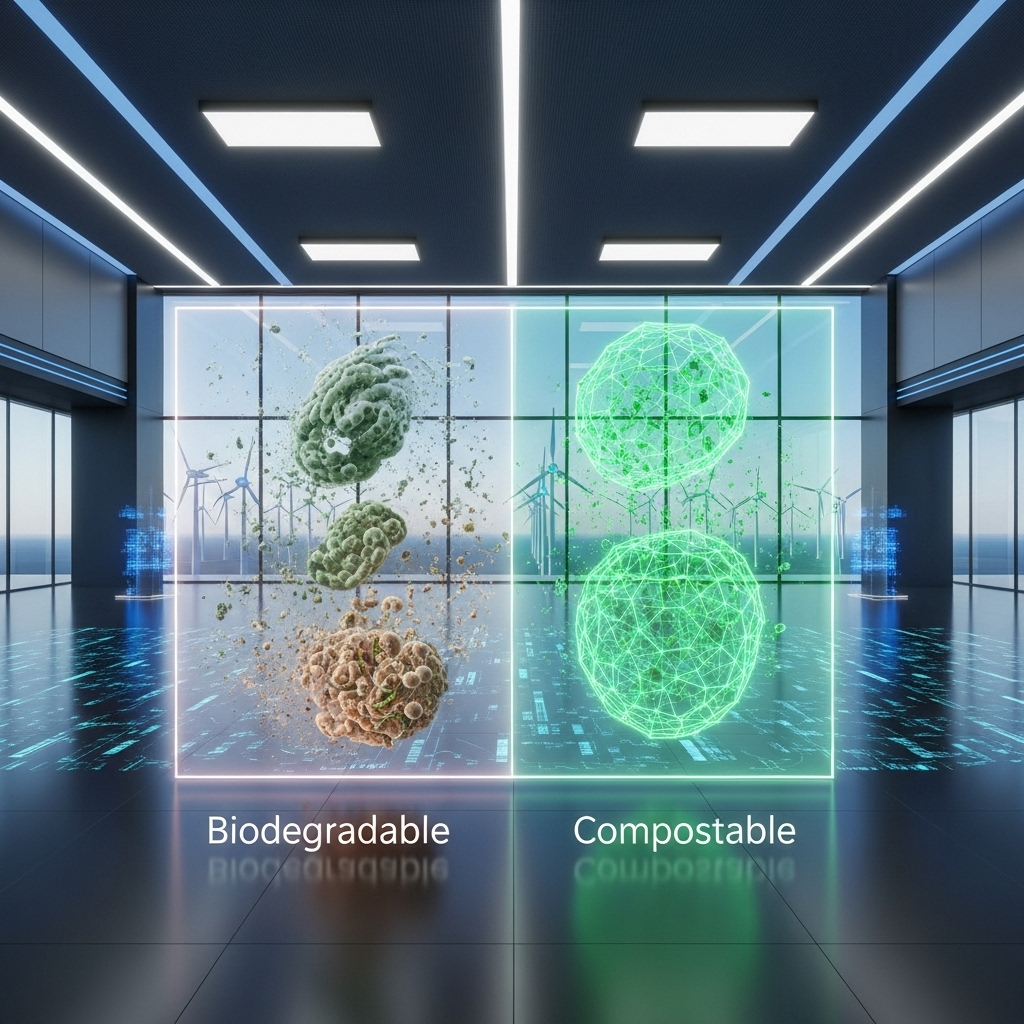
For procurement professionals, understanding the true capabilities and limitations of “eco-friendly” straws is paramount. The distinction between biodegradable and compostable isn’t just semantic; it dictates environmental impact, compliance, and ultimately, brand credibility.
Understanding Biodegradable Straws: Promises and Practicalities
Biologicky odbouratelná brčka jsou navržena tak, aby se přirozeně rozložila na menší součásti, když jsou vystavena specifickým podmínkám prostředí, jako je teplo, vlhkost a mikroorganismy. Mezi materiály běžně patří kukuřičný škrob, pšenice, bambus, bagasa (vlákno z cukrové třtiny) nebo jiná rostlinná vlákna, jako je tráva, rýže, káva a keři. Zatímco mnoho biologicky odbouratelných brček je vyrobeno z bioplastů, jako je kyselina polymléčná (PLA), jejich tvrzení o „přirozeném rozkladu“ může být zavádějící. V nekontrolovaných prostředích, jako jsou skládky nebo otevřená přírodní prostředí, může u mnoha biologicky rozložitelných materiálů trvat měsíce až roky, než se plně rozloží a fungují podobně jako tradiční plasty.
The hidden complexities of biodegradable straws lie in their unpredictable lifecycles and potential for incomplete degradation. Concerns persist about them leaving behind microplastic residues or leaching chemicals into soil and marine environments. Moreover, biodegradable straws generally lack universal certification. This absence means businesses often rely solely on manufacturer claims, which can be inconsistent or unsubstantiated, posing a significant risk for procurement managers aiming for verifiable sustainability. For a deeper dive into these materials, their manufacturing, and disposal, explore our comprehensive guide onbiodegradable straw materials, manufacturing, and disposal.
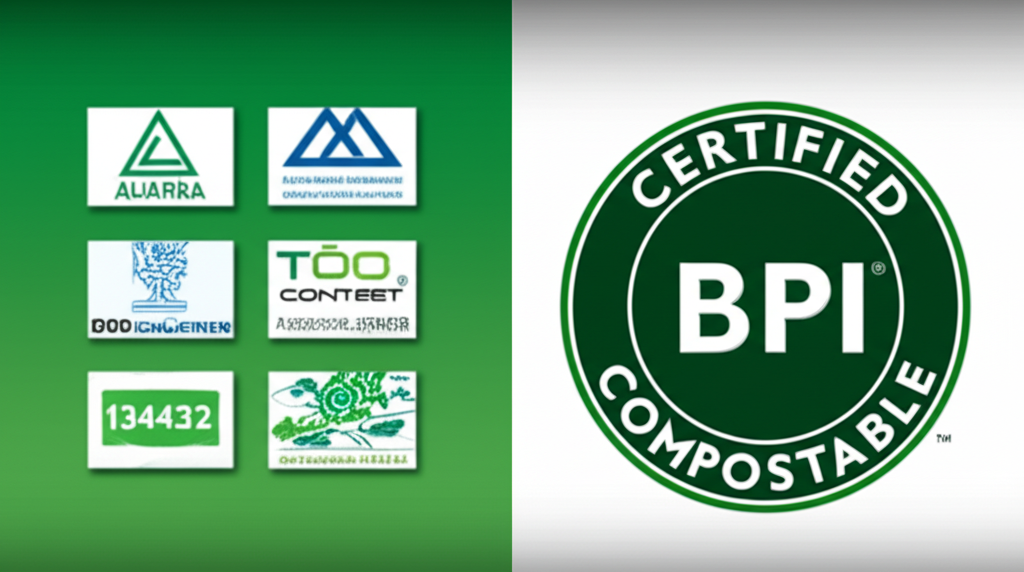
Exploring Compostable Straws: Achieving True Circularity
Compostable straws represent a more rigorous standard for environmental degradation. These straws are specifically designed to decompose completely into organic matter—such as water, carbon dioxide, and biomass—within a short, defined period (typically weeks to three months) in a controlled composting environment. This process transforms them into nutrient-rich organic matter, known as compost.
Mezi klíčové materiály patří PLA, PHA (polyhydroxyalkanoát, odvozený z rostlinných olejů), bagasa z cukrové třtiny a pokročilé inovace v oblasti papíru. Rozhodujícím rozdílem je požadavek na specifické, kontrolované podmínky v průmyslových kompostovacích zařízeních, která udržují vyšší teploty a kontrolované prostředí pro efektivní rozklad. Zatímco většina vyžaduje průmyslová zařízení, některá kompostovatelná brčka jsou certifikována pro domácí kompostování, což prokazuje jejich schopnost rychle se rozkládat v nádobách na zahradě.
For businesses, certification is the gold standard for environmental impact. Compostable straws are often certified to meet stringent environmental standards such such as ASTM D6400 and EN 13432, and certified by organizations like the Biodegradable Products Institute (BPI), CMA, or TÜV Austria. These certifications guarantee complete breakdown, absence of harmful residues, and no microplastic formation, ensuring that the resulting compost can be used as a valuable fertilizer. This commitment to a circular economy makes certified compostable options a clear winner for businesses aiming for verifiable sustainability.

Strategic Procurement: A Comparative Analysis for Business Leaders
Making an informed decision requires a clear understanding of the trade-offs. The following matrix offers a side-by-side comparison to aid your sustainable procurement strategy:
| Kritéria | Biologicky odbouratelná brčka | Kompostovatelná brčka |
|---|---|---|
| Decomposition Environment & Time | “Natural environments,” often slow (6+ months, potentially years) | Specific controlled composting (industrial or certified home), faster (weeks to 3 months) |
| Certification & Standards | Generally lack universal certification (e.g., ASTM D5988, D6954 often less stringent) | Certified to rigorous standards (e.g., BPI Certified Compostable, TÜV Austria OK Compost, EN 13432) |
| Material Sourcing & Composition | Plant fibers (cornstarch, wheat, bamboo, grass, bagasse, PLA) | Plant-based bioplastics (PLA, PHA), sugarcane bagasse, paper, rice, tapioca |
| Post-Decomposition Residue & Soil Impact | May leave microplastics or leach chemicals; does not enrich soil | Decomposes completely into CO2, H2O, and biomass; enriches soil; no harmful residues |
| Durability & User Experience | Varies widely; some paper options prone to sogginess | Engineered for durability mimicking plastic; some paper options still have issues, but improving (e.g., PHA, sugarcane) |
| Důsledky nákladů | Generally higher than traditional plastic; can vary | Typically higher than traditional plastic; reflects manufacturing and certification costs |
| Waste Management Infrastructure Requirements | Often end up in landfills without specific degradation pathways | Requires access to industrial or certified home composting facilities for proper disposal |
| Regulatory Compliance & Market Acceptance | Less clearly defined, higher risk of “greenwashing” claims | Aligns with bans on single-use plastics; recognized by certifications for compliance |
For a comprehensive B2B guide on the differences, refer to our detailed articleKompostovatelná vs. biologicky odbouratelná brčka: Průvodce B2B.
Industry Insights: Driving Forces, Innovations, and Future Trends
Trh se slámou šetrný k životnímu prostředí zažívá silný růst, který je poháněn globálním tlakem na udržitelnost a vyvíjejícími se předpisy. Očekává se, že globální trh se slámami šetrnými k životnímu prostředí, zahrnující jak biologicky odbouratelné, tak kompostovatelné možnosti, dosáhne do roku 2035 téměř 25,1 miliardy USD a poroste při složené roční míře růstu (CAGR) 7,3 % z odhadovaných 12,3 miliardy USD v roce 2025. Konkrétně se očekává, že trh s kompostovatelnými slámami bude růst z 202 na 9 miliard USD na 19 miliard USD. 3,8 miliardy do roku 2035, s CAGR 7,1 %. Očekává se, že segment gastronomických služeb bude dominovat a do roku 2025 bude představovat 52,8% podíl, protože restaurace, QSR, hotely a kavárny stále více přijímají udržitelné možnosti, aby uspokojily poptávku spotřebitelů a splnily ekologické mandáty.
Pioneering Materials & Performance Enhancements:
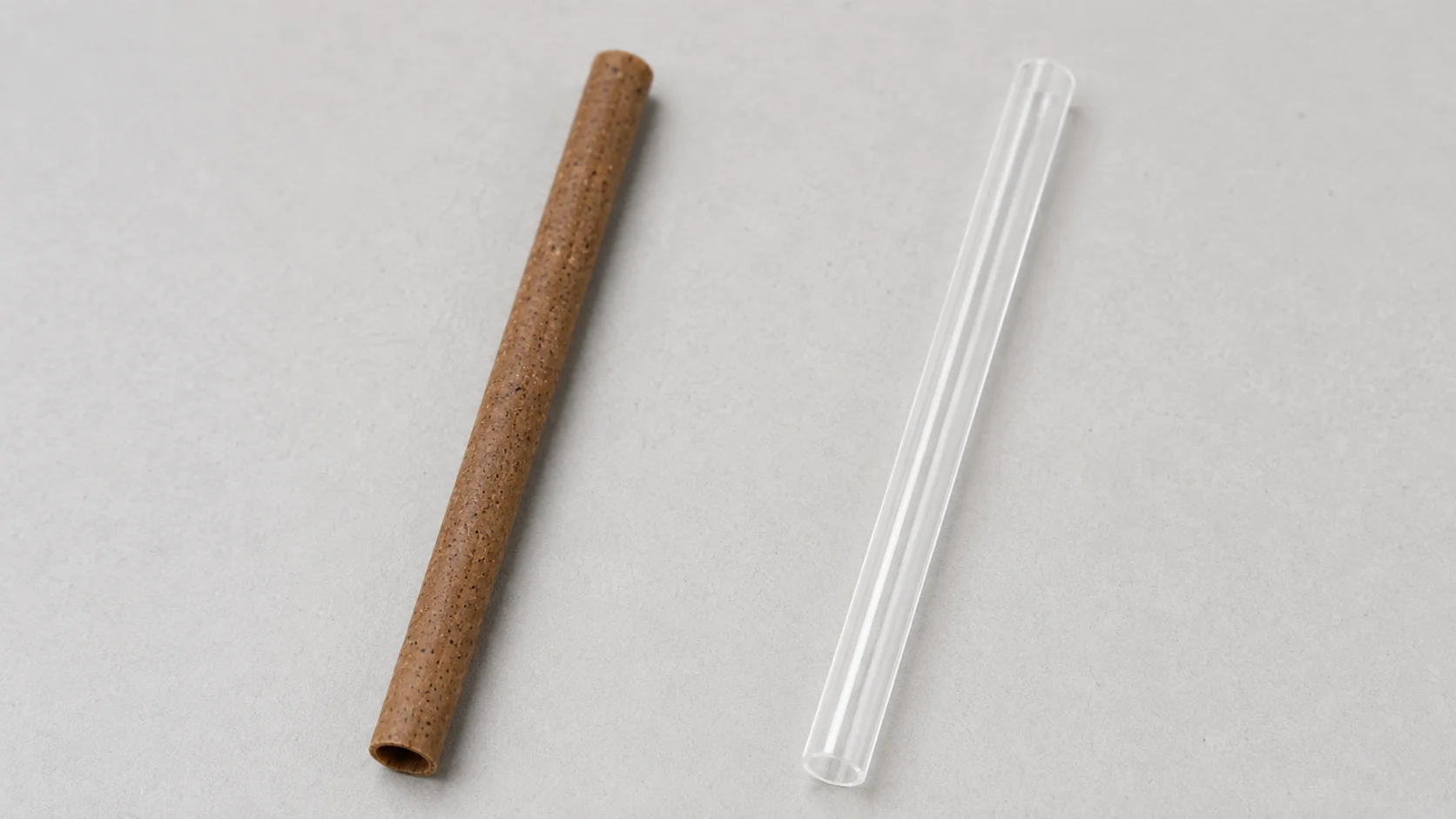
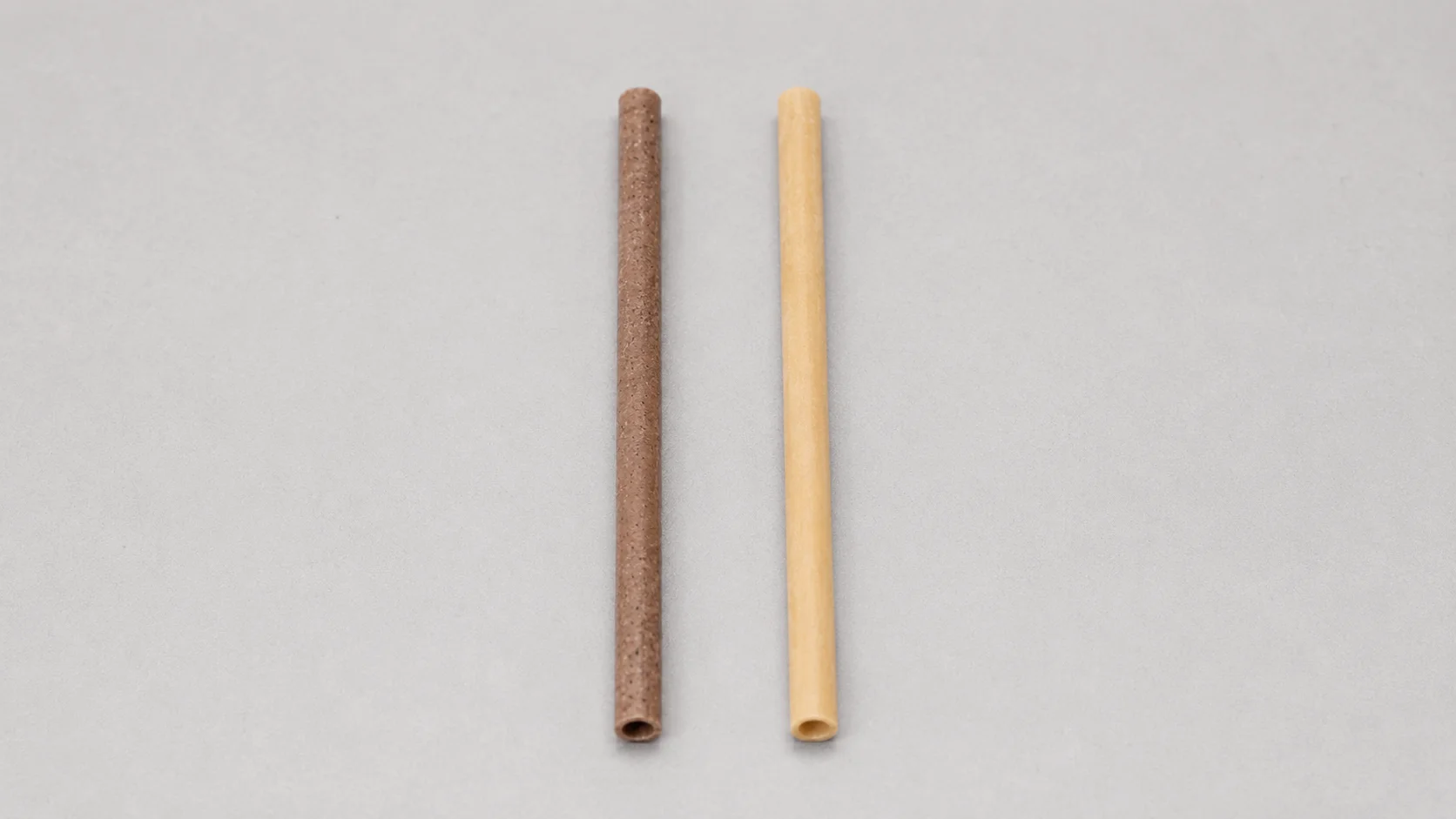
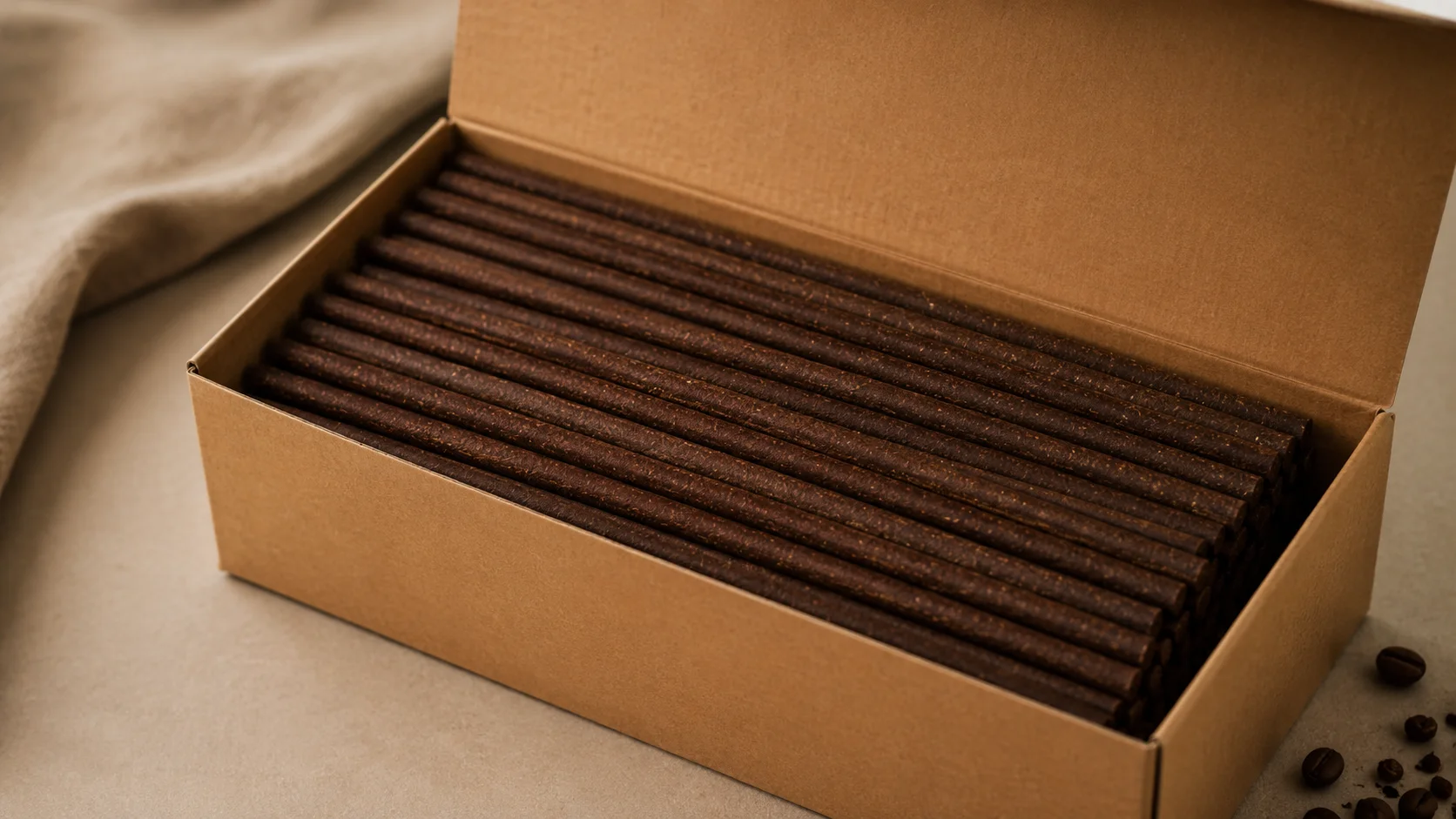
Innovation is rapidly expanding beyond traditional paper and PLA. Advanced bioplastics like PHA are gaining traction due to their high biodegradability across various environments, including marine settings, while offering a look, feel, and performance comparable to traditional plastic with superior temperature resistance. One notable example is the “Phade straw,” an early PHA product distributed by Wincup, praised for its durability. Further innovations include seaweed-based straws from companies like Loliware, designed to break down at the same rate as food waste, and straws made from rice, coffee grounds, coconut (as seen with Sunbird Straws converting agri-waste), and cellulose acetate. Paper straw durability is also improving through multi-layered coatings and materials like agar, designed to prevent premature sogginess.
Addressing the Controversies:
The industry is actively working to mitigate past controversies. Research has highlighted concerns about “forever chemicals” (PFAS) in some paper and bamboo straws, prompting manufacturers to innovate with PFAS-free coatings. The challenge with PLA, primarily its reliance on industrial composting facilities which are not universally available, is pushing for broader adoption of PHA and other marine-degradable materials. Effective certifications from bodies like BPI, DIN CERTCO, and TÜV Austria are crucial for consumers and businesses to differentiate truly compostable products from greenwashing claims, with criteria for home compostable straws typically requiring 90% biodegradation within one year and non-toxicity.
Budoucí trendy (5-10 let):
Looking ahead, the industry will see continuous technological progress in biodegradable coatings, mass production techniques, and smart straw designs. AI-fueled material research and waste reduction analytics are anticipated to play a significant role in optimizing sustainable manufacturing processes. We can expect innovations such as edible straws becoming more mainstream, reusable “smart” straws with embedded filtration, and stable home-compostable options that perform reliably. Furthermore, the integration of blockchain technology could enhance supply chain transparency, allowing businesses to verify the origin and lifecycle claims of their eco-friendly straw suppliers. This dynamic environment emphasizes the need for flexible and informed procurement strategies. For more insights into how bioplastics are shaping the future of sustainable solutions, review our article onbiodegradable plastic straws and B2B sustainability.
Making an Informed Decision: Your Business’s Path to Sustainable Straw Solutions
Navigating the complexities of eco-friendly straws requires a strategic approach. Procurement managers, operations directors, and sustainability officers must ask critical questions to align their choices with brand values, regulatory obligations, and operational realities. First, assess your local waste management capabilities: Do you have access to industrial composting facilities, or do you require home compostable solutions? Second, scrutinize certifications. Which certifications (e.g., BPI, TÜV Austria) align with your brand’s commitment to verifiable sustainability and regulatory compliance, particularly given the varying nuances in US and European regulations? Third, consider the user experience: How do different materials impact drink quality and customer satisfaction? Finally, look beyond unit price to the total lifecycle cost, including disposal, reputational risk, and long-term environmental impact.
Integrating your straw choices into a broader sustainability strategy is key to holistic waste management and environmental stewardship. This might include exploring reusable alternatives for dine-in settings where appropriate. Partnering with transparent suppliers who offer verifiable certifications and robust sustainability claims is paramount. Seek out collaborators committed to end-of-life solutions and educational initiatives to ensure proper disposal. By prioritizing certified compostable solutions, your business can significantly mitigate environmental risks, align with global regulatory trends, and enhance brand value. Don’t let confusion around “biodegradable” vs. “compostable” delay your progress. Invest in the clarity and proven performance of certified compostable straws today to meet escalating consumer demand, ensure regulatory compliance, and position your brand as a leader in genuine environmental responsibility, unlocking significant market share opportunities and strengthening your brand’s long-term resilience.
Eco-Friendly Straws — Frequently Asked Questions
The key difference lies in their decomposition process and required conditions.
Biodegradable straws break down naturally over an unpredictable and often long period (months to years)
and may leave microplastic residues. Compostable straws, however, are certified to decompose completely
into nutrient-rich organic matter within a defined timeframe (weeks to 3 months) under specific, controlled
composting conditions, leaving no harmful residues.
Certification, such as BPI Certified Compostable or TÜV Austria OK Compost, is crucial because it guarantees
that products meet stringent environmental standards like ASTM D6400 or EN 13432. This ensures complete breakdown,
absence of harmful residues, and provides verifiable proof against “greenwashing” claims, which is vital for
regulatory compliance and brand credibility.
Choosing the wrong eco-friendly straw carries several risks, including accusations of greenwashing, potential
regulatory fines (e.g., under EU SUPD), customer dissatisfaction due to poor product performance (such as soggy
paper straws), and increased waste management costs if products don’t decompose as expected in available infrastructure.
This can severely damage brand reputation and commercial viability.
Many compostable straws, particularly those made from PLA, require specific high temperatures and controlled
microbial environments found only in industrial composting facilities to break down effectively and completely.
Without access to such facilities, these compostable straws may end up in landfills, where their decomposition
rate is significantly hindered, similar to traditional plastics.
Future trends include innovations in marine-degradable straws (PHA, CDA), edible straws made from seaweed or rice,
bacterial cellulose-based solutions, and advanced PFAS-free paper straws. Growing regulatory support, expansion of
composting infrastructure, and increasing consumer demand for certified products will shape the market, offering
both challenges and opportunities for businesses.
Biodegradable straws break down naturally over an unpredictable and often long period (months to years)
and may leave microplastic residues. Compostable straws, however, are certified to decompose completely
into nutrient-rich organic matter within a defined timeframe (weeks to 3 months) under specific, controlled
composting conditions, leaving no harmful residues.
that products meet stringent environmental standards like ASTM D6400 or EN 13432. This ensures complete breakdown,
absence of harmful residues, and provides verifiable proof against “greenwashing” claims, which is vital for
regulatory compliance and brand credibility.
regulatory fines (e.g., under EU SUPD), customer dissatisfaction due to poor product performance (such as soggy
paper straws), and increased waste management costs if products don’t decompose as expected in available infrastructure.
This can severely damage brand reputation and commercial viability.
microbial environments found only in industrial composting facilities to break down effectively and completely.
Without access to such facilities, these compostable straws may end up in landfills, where their decomposition
rate is significantly hindered, similar to traditional plastics.
bacterial cellulose-based solutions, and advanced PFAS-free paper straws. Growing regulatory support, expansion of
composting infrastructure, and increasing consumer demand for certified products will shape the market, offering
both challenges and opportunities for businesses.