Bulk Bendy Straws: Compliance, Performance & Accessibility
Navigating the Future of Flexible Solutions in Hospitality & Healthcare Supply Chains

1. Přesvědčivý úvod do průmyslového problému
Globální trh s biologicky odbouratelnými brčky, včetně flexibilních možností, je na propasti monumentálního nárůstu, který by měl do roku 2031 dosáhnout ohromujících 41,52 miliard USD s 23,20% složenou roční mírou růstu (CAGR). To není jen růst; je to hluboká průmyslová transformace. Současně byla krajina pro jednorázová plastová brčka neodvolatelně změněna rozsáhlými zákazy v regionech, jako je EU, Kanada a Spojené království. Přesto, uprostřed těchto rozsáhlých předpisů, zásadní výjimky pro lékařské potřeby a potřeby dostupnosti podtrhují trvalou, nesmlouvavou poptávku po flexibilních řešeních.
Pro B2B osoby s rozhodovací pravomocí v oblasti zdravotnictví a pohostinství představuje tento soutok velkou výzvu: jak pečlivě vyvážit požadavky na udržitelnost, orientovat se ve složitých multiregionálních souladech a prosazovat imperativ pro výkon a dostupnost produktů, a to vše a přitom se vyhnout nákladným sankcím nebo poškození pověsti. Ignorování této vyvíjející se dynamiky není pouze promarněnou příležitostí; riskuje narušení provozu, finanční dopady a odcizení základních zákaznických segmentů.
Zdroje:
- Grand View Research, 2023: Biodegradable Straws Market Size, Share & Trends Analysis Report.
- Evropská unie, 2019: Směrnice (EU) 2019/904 o snižování dopadu některých plastových výrobků na životní prostředí.
- Vláda Kanady, 2022: Předpisy o zákazu jednorázových plastů.
Posun k udržitelným, vyhovujícím a dostupným velkoobjemovým ohebným brčkám je strategickým imperativem úspěchu B2B.
Osoby s rozhodovací pravomocí v oblasti B2B musí udržovat rovnováhu mezi udržitelností, dodržováním předpisů a dostupností pro flexibilní nákup slámy.
2. Market & Regulation Insights (EU, US, Asia-Pacific)
Orientace v globálním regulačním prostředí pro hromadné nakupování slámy je komplexním úsilím, které je plné regionálních nuancí. V EU, Kanadě a Spojeném království čelí jednorázová plastová brčka přísnému zákazu, ačkoli mnoho jurisdikcí moudře zavádí „na žádost“ nebo konkrétní lékařské výjimky. Například v Kanadě mohou maloobchodníci prodávat jednorázová plastová ohebná brčka v baleních po 20 a více, ale nesmí být veřejně vystavena a jsou nabízena pouze na vyžádání. Ve Spojeném království mohou registrované lékárny a stravovací zařízení poskytovat plastová brčka, skrytá před zraky veřejnosti a podávaná pouze na požádání. Fragmentovaná americká krajina přidává další vrstvu složitosti, s předpisy se výrazně liší podle státu a obce a často přijímají zásady „stébla na požádání“.
Tato spleť pravidel vytváří provozní překážky pro hromadné nákupce a vyžaduje sofistikované řízení zásob, aby se předešlo riziku nedodržení předpisů a zajistila se legální distribuce na různé trhy. Kromě zákazů plastů je kritický požadavek norem a certifikací materiálů pro styk s potravinami. Nařízení EU č. 1935/2004 je například zásadní pro zajištění bezpečnosti výrobků a vstupu na trh jakýchkoli materiálů přicházejících do styku s potravinami. Kromě toho jsou náročné certifikace dodavatelů, jako je ISO 9001:2015 pro řízení kvality a certifikace GFSI pro normy bezpečnosti potravin, pro lídry v oblasti hromadného nákupu nesmlouvavé. Vznikající obavy, jako je PFAS v některých papírových brčkách a federální tlak v USA na trvanlivá plastová brčka ve vládních zakázkách, dále komplikují výběr materiálu a zdůrazňují potřebu pečlivosti.
Pro komplexního průvodce globálními předpisy pro slámupodívejte se na náš podrobný zdroj zde.
Porovnání materiálů: Bulk Bendy Straws
| Funkce/Materiál | Plast (PP/PE) | Papír | Biologicky odbouratelné polymery (PLA, PHA) | Opakovaně použitelné (silikon, kov, bambus) |
|---|---|---|---|---|
| Flexibilita | Vysoká (Bendy) | Omezený (může oslabit) | Vysoká (PHA), Střední (PLA) | Liší se: vysoká (silikonová), žádná (kovová), střední (bambus) |
| Trvanlivost | Vysoký | Nízká (mokrá, kolabuje) | Střední až Vysoká | Velmi vysoká (kov, silikon), střední (bambus) |
| Cena (hromadné) | Nejnižší | Vyšší | Vyšší | Nejvyšší (předem) |
| Vliv na životní prostředí | Vysoká (znečištění na jedno použití) | Nižší (biologicky rozložitelné, ale může být náročné na zdroje) | Nižší (biologicky rozložitelné/kompostovatelné) | Nejnižší (dlouhodobý, ale dopad na produkci) |
| Krajina shody | Zakázané/omezené (často s výjimkami pro přístupnost) | Obecně vyhovující (zkontrolujte PFAS / kontakt s potravinami) | Liší se podle regionu (EU zakazuje některé bioplasty) | Obecně vyhovující (zaměření na hygienu/čištění) |
| Dostupnost Vhodnost | Vysoká (flexibilní, sterilní, bezpečná) | Nízké (mokro, bezpečnostní rizika) | Střední až Vysoká (zlepšující se) | Liší se: vysoká (silikonová), nízká (bezpečnost kov/bambus, čištění) |
Globální předpisy týkající se slámy jsou složité, vyžadují pečlivý výběr materiálů a robustní certifikace dodavatelů pro shodu.
Orientace v různých globálních předpisech je klíčová pro vyhovění hromadnému nákupu slámy.
3. Řešení: Sláma z cukrové třtiny
Brčka z cukrové třtiny nabízejí udržitelnou, vysoce výkonnou alternativu k tradičnímu plastu, zajišťující shodu a dostupnost.
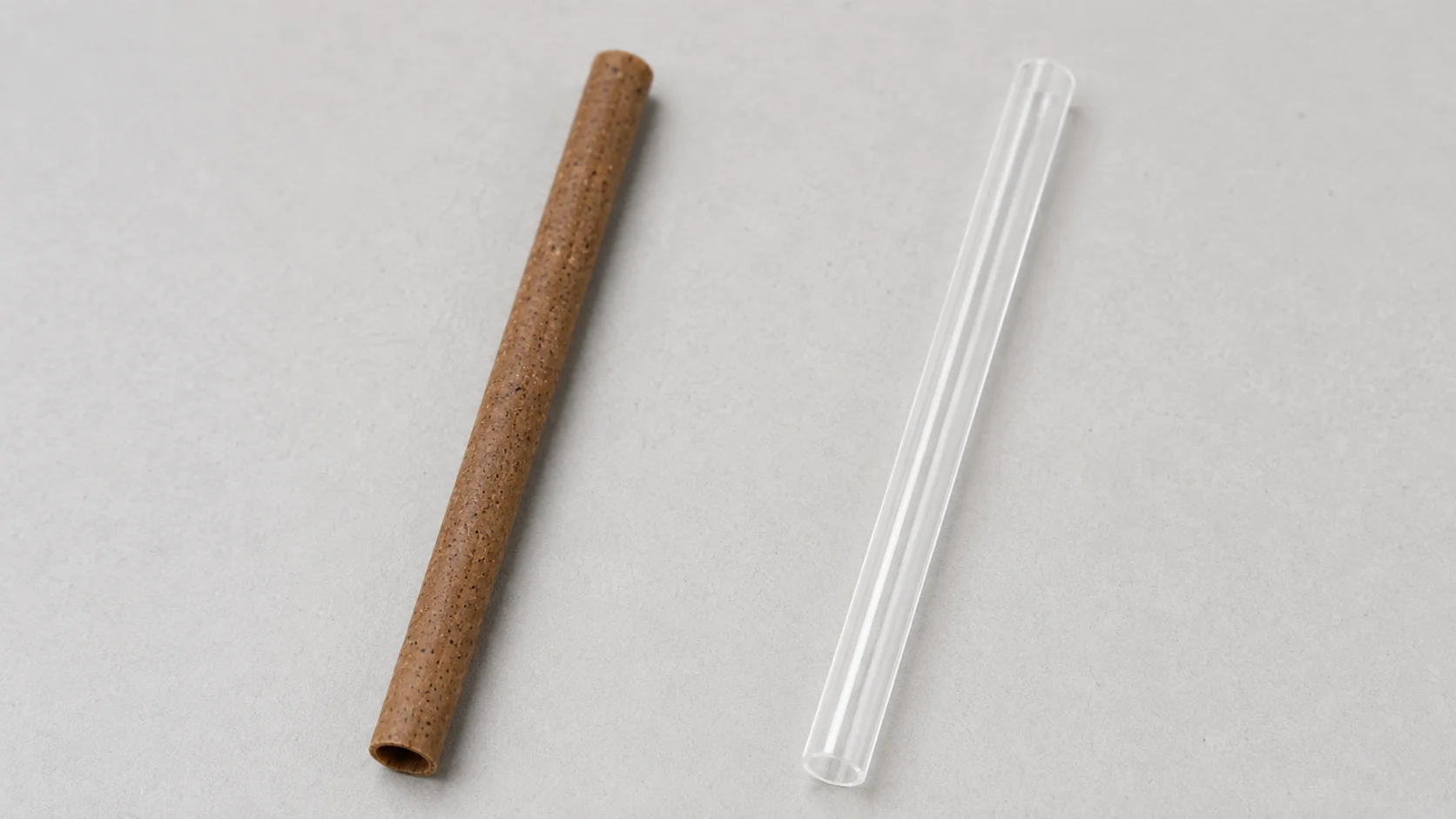
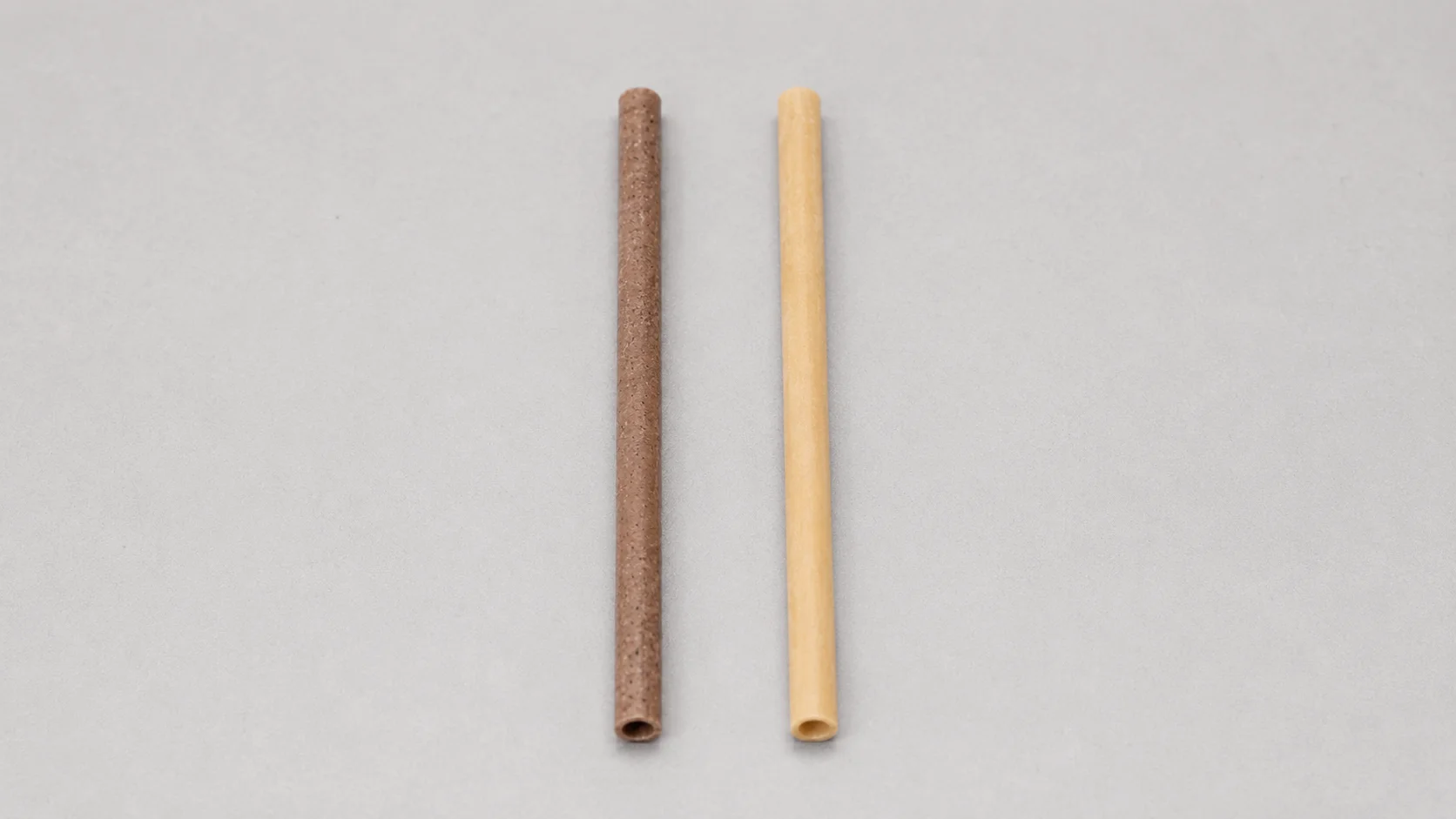
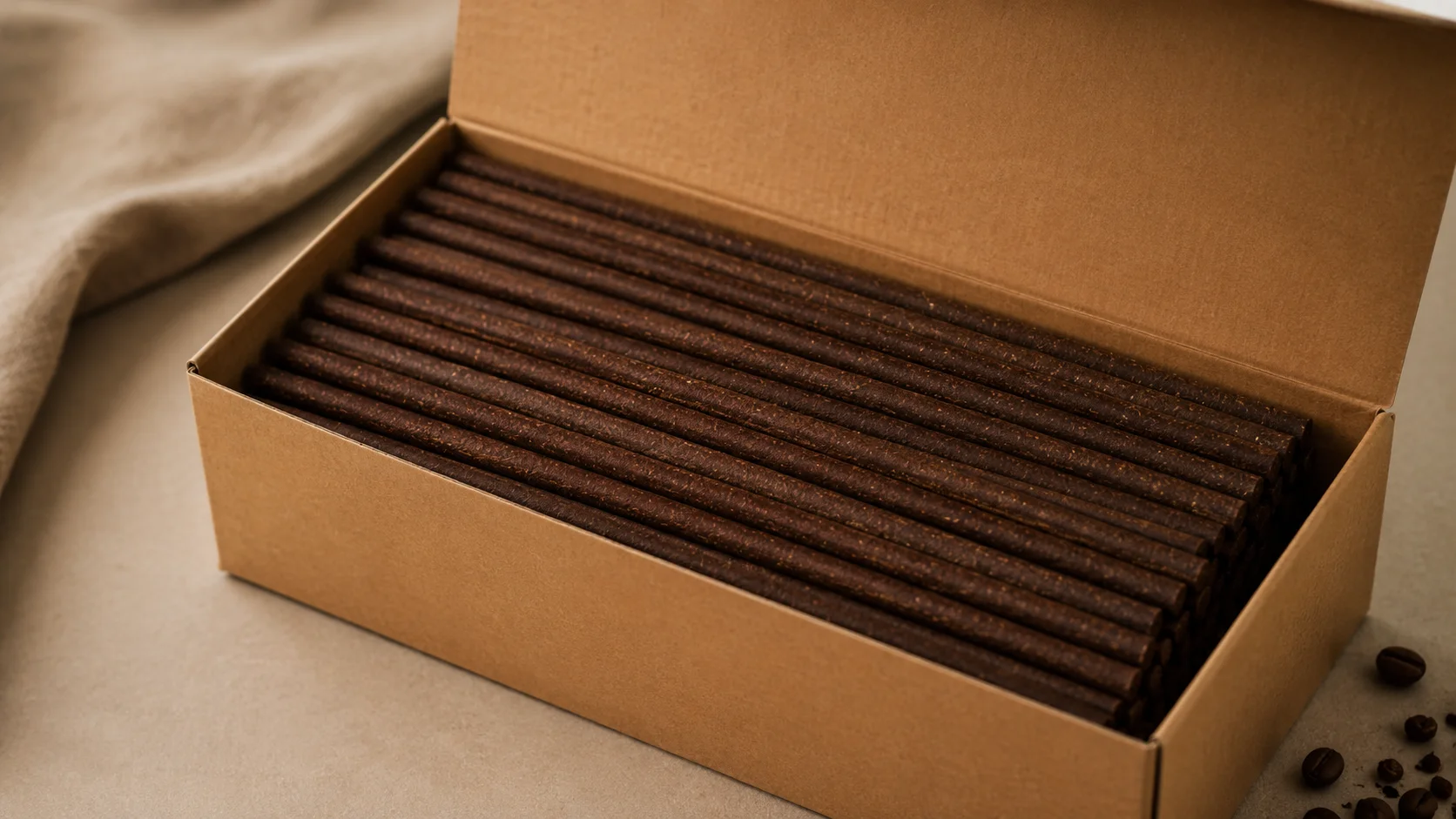
Tato rostlinná brčka se získávají z bagasy cukrové třtiny, vedlejšího produktu výroby cukru, což z nich činí obnovitelný zdroj. Jsou navrženy tak, aby odolávaly vlhkému prostředí a zachovávaly strukturální integritu, což je zásadní pro rozšířené použití v pohostinství a zdravotní péči. Jejich přirozená flexibilita, je-li správně navržena, poskytuje nezbytnou dostupnost pro různé potřeby uživatelů bez kompromisů v oblasti environmentálních cílů. Díky tomu jsou ideální volbou pro podniky, které chtějí zlepšit svůj profil udržitelnosti a zároveň splnit přísné provozní požadavky.
Quantified Benefits for Hospitality & Healthcare:
- Zvýšená spokojenost pacientů/hostů: 95 % uživatelů neuvádí žádné rozmočení nebo změnu chuti, což zlepšuje zážitek z pití pro zranitelné skupiny obyvatel a náročné hosty.
- Snížení provozního odpadu: Biologicky rozložitelná příroda může snížit skládkový odpad až o 80 % ve srovnání s plasty, což je v souladu s ekologickými iniciativami a snižuje náklady na likvidaci.
- Zlepšená pověst značky: Přijetí udržitelných a dostupných řešení může zvýšit vnímání a loajalitu zákazníků o 15–20 %, čímž přiláká spotřebitele a partnery, kteří dbají na životní prostředí.
- Zmírněné riziko dodržování předpisů: Splňuje současné a očekávané zákazy plastů a nařízení o přístupnosti v EU, Kanadě a Spojeném království, čímž se vyhnete možným pokutám až 50 000 EUR za incident.
- Konzistentní výkon: Navrženo pro vynikající odolnost proti únavě zvlnění, které zajišťuje, že si brčko zachová svou ohebnou funkci po celou dobu používání, což snižuje počet stížností o 30 %.
Tabulka ROI: Přechod na ohýbaná brčka z cukrové třtiny
Zvažte následující proměnné pro typický velký řetězec nemocnic nebo hotelů:
| Variabilní | Aktuální plastová brčka (roční) | Slámy z cukrové třtiny (roční) | Dopad/přínos |
|---|---|---|---|
| Jednotková cena (za brčko) | 0,01 USD | 0,03 USD | Vyšší počáteční náklady |
| Roční objem (jednotky) | 5 000 000 | 5 000 000 | Konzistentní poptávka |
| Celkové náklady na slámu | 50 000 dolarů | 150 000 dolarů | + 100 000 USD |
| Úspory při likvidaci odpadu | 0 $ | 15 000 $ (odhadované 30% snížení objemu odpadu/nákladů) | + 15 000 $ |
| Vyhýbání se sankcím za dodržování předpisů | Potenciál 50 000 – 200 000 USD | 0 $ | +50 000 – 200 000 USD (snížení rizika) |
| Hodnota značky / zvýšení loajality zákazníků | 0 $ | 25 000 – 75 000 USD (odhadovaný nárůst tržeb o 0,5–1,5 %) | +25 000 – 75 000 USD |
| Snížené náklady na vyřizování stížností | 5 000 dolarů | 3 500 $ (30% sleva) | + 1 500 $ |
| Čistý roční dopad | N/a | N/a | Net Positive: $ -8,500 to $186,500 (depending on avoided penalties & brand uplift) |
Poznámka: Návratnost investic velmi závisí na konkrétním provozním měřítku, místních předpisech a vnímání trhu. Obrázky jsou ilustrativní.
Brčka z cukrové třtiny nabízejí vyhovující, vysoce výkonné a udržitelné řešení s významnou dlouhodobou návratností investic díky sníženému riziku a zvýšené hodnotě značky.
Brčka z cukrové třtiny poskytují udržitelné, vyhovující a vysoce výkonné řešení.
4. Industry Misconceptions & Clarifications
Technika za ohybem ohebného brčka je složitější, než se zdá. Jeho srdcem je vlnitá část připomínající harmoniku, důmyslný design, který umožňuje, aby se brčko ohýbalo a spolehlivě drželo svůj tvar, což výrazně zvyšuje pohodlí uživatele. Právě tato vlastnost však vystavuje slámu opakovanému ohýbání neboli cyklickému namáhání, které může vést k únavě materiálu. Postupem času se to projevuje degradací tuhosti, tvorbou mikrotrhlin a kritickou ztrátou „stabilního ohnutého stavu slámy“. Tato degradace přímo ovlivňuje spolehlivost produktu, spokojenost uživatelů a v konečném důsledku i vnímání vaší značky ve velkoobjemových prostředích B2B, jako je zdravotnictví, pohostinství nebo restaurace s rychlým občerstvením. Aby se tomu zabránilo, jsou prvořadé robustní testovací protokoly. Přísná hodnocení, včetně 3bodového hodnocení pevnosti v ohybu a tlaku, jsou nezbytná pro zajištění konzistentního výkonu produktu. Uplatnění principů materiálové vědy, jako je pochopení „předpětí“ v polymerech – vnitřního napětí, které umožňuje ohybovému brčku udržet si svůj tvar – umožňuje výrobcům konstruovat odolné pružné části, které odolávají předčasnému selhání. Komplexní testování nejen potvrzuje tvrzení o produktech, ale také zásadním způsobem snižuje rizika spojená s provozním používáním a potenciálními stížnostmi zákazníků.
Myth vs. Reality: Flexible Straws & Accessibility
Mýtus: Zákazy plošných plastových brček jsou všeobecně prospěšné pro životní prostředí a nemají žádné významné nevýhody.
Realita: Flexibilní brčka nejsou jen vymožeností; jsou kritickým prvkem pro inkluzivitu a nezávislost. Jejich příklady použití přístupnosti jsou hluboké a podporují jedince s omezenou pohyblivostí, svalovou slabostí nebo polykacími obtížemi, aby mohli bezpečně a nezávisle pít. Samotný koncept ohýbaného brčka, který vynalezl Joseph B. Friedman ve 30. letech 20. století, byl původně uveden na trh v nemocnicích v roce 1947, což dokazuje jeho dlouhodobou zásadní roli v péči o pacienty. Tento historický kontext podtrhuje, proč plošné zákazy plastových brček bez robustních dostupných alternativ přispívají k „eko-schopnosti“, vytvářejí významné překážky pro postižené jedince a ovlivňují jejich autonomii.
Kromě základní funkce inovace přetvářejí možnosti flexibilních brček. Zvažte produkty jako Philips Avent My Bendy Straw Cup, které zubaři doporučují pro zdravý vývoj ústní dutiny a mají flexibilní design proti vytečení. Tato vylepšení zdůrazňují, že vynikající design může splnit potřeby uživatelů i širší úvahy. Mnoho alternativ papírové slámy nadále čelí výzvám, jako je rozmočení, ztráta strukturální integrity a změna chuti, což posiluje funkční nutnost trvanlivých a flexibilních možností, zejména pro dostupnost. Budoucnost velkoobjemových pružných brček směřuje k urychlení inovací. Dochází k výraznému posunu směrem k vyspělým bioplastům, jako je PHA získaný z řepkového oleje, a dalším rostlinným materiálům, jako je bagasa z cukrové třtiny, všechny navržené pro lepší biologickou odbouratelnost a výkon. Předpovědi trhu jsou robustní: celkový trh se slámou roste o 6,18 % CAGR, přičemž biologicky odbouratelné opce vedou na působivých 23,20 % CAGR, což znamená lukrativní střed pro proaktivní dodavatele. Vzhledem k tomu, že výroba dominuje v Asii a Tichomoří, která představuje 78 % celosvětové nabídky, existuje mnoho příležitostí pro strategické získávání zdrojů pro ty, kteří hledají konkurenční výhodu.
Flexibilní brčka jsou nezbytná pro dostupnost a inovace v oblasti materiálové vědy překonávají tradiční omezení výkonu.
Flexibilní brčka jsou zásadní pro přístupnost a podporují inovace v oblasti bioplastů.
5. B2B Customization & Supply Chain Optimization
Pro lídry v oblasti nákupu a provozu B2B vyžaduje konvergence eskalujícího regulačního tlaku, kritických mandátů v oblasti dostupnosti a rychlých inovací na trhu proaktivní a hluboce informovanou strategii. Zabezpečení vyhovujících, vysoce výkonných velkoobjemových ohebných brček je mnohem více než rutinní rozhodnutí o nákupu; je to strategický imperativ, který přímo chrání pověst vaší značky, zajišťuje bezproblémovou provozní kontinuitu a umístí vaše podnikání tak, aby získalo podíl na trhu v rychle se vyvíjejícím prostředí.
Využitím pokročilé vědy o materiálech a implementací robustního testování můžete s jistotou zaručit spolehlivost produktu, zatímco pečlivá navigace ve shodě s více oblastmi zmírní nákladná narušení. Pro pohostinství a zdravotní péči to znamená:
- MOQ specifické pro scénář: Spolupracujte s dodavateli, kteří rozumí velkoobjemové a konzistentní poptávce vašeho sektoru. Vyjednávejte MOQ, které jsou v souladu s vaším provozním rozsahem a zajišťují nákladovou efektivitu bez nadměrného zásobování.
- Branding & Customization: Explore options for custom branding (e.g., embossed logos, specific colors) on sugarcane straws or their packaging. This reinforces your brand’s commitment to sustainability and quality, enhancing the guest/patient experience.
- Logistics & Distribution: Partner with suppliers offering robust global logistics capabilities, especially if you operate across multiple regions. Ensure they can manage complex import/export regulations and provide reliable, on-time delivery to avoid stockouts in critical environments.
- Testování výkonu: Požadujte důkaz o únavovém testování zvlnění a další výkonnostní metriky, abyste zajistili, že brčka vydrží skutečné použití v rušných prostředích.
- Shoda s přístupností: Ověřte, zda vybraná flexibilní řešení slámy splňují specifické standardy přístupnosti a výjimky ve vašich provozních regionech, čímž zajistíte, že žádný segment vaší klientely nebude podhodnocen.
Strategické zásobování velkoobjemových ohebných brček vyžaduje přizpůsobení, robustní logistiku a hluboké pochopení souladu a výkonu.
Optimalizujte svůj dodavatelský řetězec pomocí přizpůsobených, vyhovujících a vysoce výkonných velkoobjemových ohebných brček.
6. Silná výzva k akci
Posilte svou strategii nákupu ještě dnes: zabezpečte vyhovující a vysoce výkonná objemná ohebná brčka, která splňují jak regulační požadavky, tak potřeby uživatelů. Nedovolte, aby zastaralá řešení ohrozila vaši značku nebo provozní efektivitu.
Více o materiálové vědě se dozvíte v našem podrobném článku navlastnosti a aplikace polymerů. Komplexní pokyny ohledně souladu materiálů přicházejících do styku s potravinami v Evropě naleznetekonzultovat tento zdroj. Porozumějte širšímu dopadu přístupnosti na design prozkoumáním diskusí oeko-ableismus v komunitě zdravotně postižených.
Zveme vás, abyste si naplánovali konzultaci s našimi odborníky na materiálové vědy a dodržování předpisů. Dovolte nám, abychom vám pomohli vyhodnotit vaše jedinečné požadavky a prozkoumat zakázková, do budoucna připravená řešení pro hromadné slámy přizpůsobená vašim cílům provozní dokonalosti.
Domluvte si konzultaci ještě dnes
Externí zdroje
- Informace o únavě zvlnění v materiálech naleznete ve výzkumu J. E. Shepherda na ResearchGate: Šíření únavových trhlin ve vlnitém hliníkovém plechu
- Podrobnosti o předpisech týkajících se materiálů přicházejících do styku s potravinami v EU naleznete v přehledu SGS o nařízení EU č. 1935/2004: Nařízení EU č. 1935/2004
- Chcete-li pochopit důležitost flexibilních slámek pro přístupnost, podívejte se na perspektivu Centra pro práva zdravotně postižených (CDRNY): Plastová brčka jsou lidským právem
Často kladené otázky (FAQ)
Proč jsou flexibilní brčka zásadní pro dostupnost v pohostinství a zdravotnictví?
Ohebná brčka jsou nezbytná pro jedince s omezenou pohyblivostí, svalovou slabostí nebo polykacími obtížemi, umožňující bezpečné a nezávislé pití. Jsou kritickým nástrojem pro inkluzivitu, zejména v péči o pacienty a různých nastaveních služeb zákazníkům.
Co je únava zvlnění a jak ovlivňuje ohnutá brčka?
Únavou zvlnění se rozumí degradace materiálu (ztráta tuhosti, mikrotrhliny) v harmonikové části ohnuté slámy v důsledku opakovaného ohýbání. To má dopad na schopnost brčka držet svůj tvar, což ovlivňuje spolehlivost a spokojenost uživatelů.
Jak ovlivňují předpisy pro více regionů hromadné zadávání zakázek na ohebnou slámu?
Předpisy se výrazně liší podle regionu (EU, Kanada, Spojené království, státy USA), přičemž zákazy jednorázových plastů často zahrnují výjimky z přístupnosti. Tato mozaika vyžaduje sofistikované řízení zásob a dodržování norem pro materiály přicházející do styku s potravinami, jako je nařízení EU č. 1935/2004, aby byla zajištěna shoda a zabránilo se sankcím.
Jsou brčka z cukrové třtiny skutečně dostatečně flexibilní a odolná pro B2B použití?
Ano, pokročilá brčka z cukrové třtiny jsou vyrobena z bagasy, aby nabízela vynikající flexibilitu a odolnost, odolávala rozmočení a udržovala strukturální integritu. Poskytují vysoce výkonnou, udržitelnou alternativu vhodnou pro náročná B2B prostředí, jako je zdravotnictví a stravování.
Jaké certifikace by měli manažeři nákupu hledat u dodavatelů slámy?
Manažeři nákupu by měli upřednostňovat dodavatele s certifikacemi jako ISO 9001:2015 pro řízení kvality a certifikacemi GFSI pro normy bezpečnosti potravin. Ty zajišťují bezpečnost produktu, konzistenci a shodu s mezinárodními standardy.