Mastering Procurement for Sustainable Success in Foodservice & Hotels

1. Přesvědčivý úvod do průmyslového problému
The global drinking straw market, a sector valued at approximately $14.38 billion in 2024 and projected to soar to $23.19 billion by 2031, is undergoing an unprecedented transformation. Businesses, particularly in the hospitality and foodservice industries, are grappling with a complex landscape shaped by escalating environmental mandates and a seismic shift in consumer preferences towards sustainable alternatives. Governments worldwide, from theEuropean Union (2019, European Parliament)do Číny, zavádějí přísné zákazy jednorázových plastů, což vytváří okamžité provozní problémy a významná rizika pro pověst značky pro všechny podniky, které stále spoléhají na tradiční plastová brčka. Velké korporace, jako napřMarriott International, se již zavázali k odstranění plastových brček ve své rozsáhlé síti více než 6 500 hotelů, čímž vytvořili jasný precedens. Tento naléhavý průmyslový klíč spojený s nepředvídatelnými materiálovými náklady na ekologicky šetrné možnosti posunul nákup slámy do oblasti extrémní kolísavosti nákladů a nejistoty dodavatelského řetězce, což má přímý dopad na výsledky a dlouhodobé strategické plánování.
Pro pohostinství a gastronomii znamená spoléhání se na zastaralé metody nákupu velkoobjemových brček promarněné příležitosti k úsporám nákladů a posílení značky. Odvětví čelí kritické situaci, kdy udržitelné volby již nejsou volitelné, ale zásadní pro tržní význam a finanční stabilitu. Přechod na ekologicky šetrná brčka není jen o dodržování; jde o zajištění konkurenční výhody a splnění vyvíjejících se požadavků spotřebitelů. Aby podniky v tomto novém prostředí prosperovaly, musí proaktivně řídit náklady a dodavatelské řetězce.
Klíčové informace:Odvětví pohostinství a stravování čelí značným rizikům a příležitostem na rychle se měnícím trhu se slámou, který je řízen ekologickými mandáty a spotřebitelskou poptávkou po udržitelnosti.
Proaktivní nakupování slámy ve velkém je pro pohostinství zásadní pro zmírnění rizik a využití trendů udržitelnosti.

Efektivní řízení dodavatelského řetězce je klíčem k udržitelnému pohostinství.
2. Market & Regulation Insights (EU, US, Asia-Pacific)
Aby se podniky mohly orientovat na tomto bouřlivém trhu, musí překonat konvenční nákupní metody a přijmout pokročilé cenové strategie. Smluvní dohody o zajištění ceny, které se často prodlužují na 12 měsíců, nabízejí zásadní ochranu proti nepředvídaným tržním výkyvům v nákladech na suroviny a výrobních nákladech na brčka na pití ve velkém. Tyto smlouvy poskytují nezbytnou rozpočtovou jistotu a chrání vaše pořizovací náklady před inflačními tlaky a tržními šoky. Důvtipní kupující mohou navíc maximalizovat úspory díky strukturám odstupňovaných rabatů. Tyto modely motivují k větším ročním hromadným nákupům a nabízejí postupně vyšší slevy – například 2% slevu za roční útratu mezi 5 000 a 9 999 USD, která se zvyšuje na 3 % u nákupů přesahujících 10 000 USD. Takové struktury nejen snižují vaše efektivní jednotkové náklady v průběhu času, ale také zefektivňují roční hromadné objednávky a odměňují loajalitu. A konečně je prvořadé porozumět tomu, jak využít přímé i dopředné kotace. Spotové nabídky odrážejí aktuální tržní cenu za okamžité dodání, ideální pro naléhavé, reaktivní potřeby. Naopak forwardové kotace vám umožňují dohodnout se na ceně pro budoucí dodávky již dnes, což umožňuje proaktivní řízení nákladů a zajištění proti potenciální nestálosti cen, což je zvláště cenné pro velkoobjemové dlouhodobé požadavky. Tento strategický přístup k cenotvorbě pomáhá stabilizovat finanční plánování a zajišťuje předvídatelné zásobování.
The regulatory landscape for single-use plastics, including straws, is rapidly evolving globally. While theEvropská uniehas implemented a comprehensive ban on many single-use plastic items since 2021, theUnited Stateshas a patchwork of state and local bans, with no federal mandate. InAsia-Pacific, countries like China and India are also phasing out single-use plastics with varying timelines and enforcement. For a detailed guide on global plastic bans and their impact on supply chains, please refer to ourComprehensive Guide to Global Plastic Regulations.
Comparison of Bulk Straw Procurement Models
| Feature / Model | Price-Lock Mechanics | Tier Rebates | Spot Quotes | Forward Quotes |
|---|---|---|---|---|
| Popis | Fixed price for goods over a set period (e.g., 12 months) | Discounts based on cumulative purchase volume tiers | Current market price for immediate delivery | Price agreed today for future delivery |
| Primary Benefit | Budget certainty, protection from price increases | Incentivizes larger orders, higher savings per unit | Instant pricing, immediate fulfillment | Hedging against future price volatility |
| Snižování rizik | Market volatility, supply chain cost fluctuations | Optimizes purchasing power, rewards loyalty | Real-time market reflection | Locks in costs, avoids future spikes |
| Operational Impact | Predictable procurement costs, stable financial planning | Reduced overall spend, simplified budgeting for large volumes | Fast acquisition, reactive purchasing | Proactive cost control, long-term planning |
| Ideální případ použití | Annual bulk contracts, consistent high-volume needs | High-volume buyers aiming to maximize discounts | Urgent, unplanned straw requirements | Securing prices for future projects or sustained demand |
Klíčové informace:Strategic pricing models like price-locks, tier rebates, and spot/forward quotes are essential for managing cost volatility in the bulk straw market.
Advanced pricing strategies offer hospitality businesses predictable costs and significant savings on bulk straws.
Global supply chains are complex, requiring strategic navigation.
3. Solution: Sugarcane Straws
Strategic sourcing in the bulk drinking straw market demands a meticulous evaluation of material choices and procurement models to align with both operational efficiency and sustainability goals. The material you choose profoundly impacts performance, environmental footprint, and cost. Whileplastic (Polypropylene/Polystyrene)offers the lowest upfront cost (around $0.005-$0.01/piece), its environmental burden is immense – with an estimated8.3 billion plastic straws contaminating beaches annually (2018, UNEP)and rarely being recycled. Its increasing regulatory non-compliance risk is a significant concern, particularly in Europe where bans are widespread.Papírová brčka, a common eco-friendly alternative, are biodegradable and highly customizable, but come at a higher cost (2-10x more expensive than plastic, ~0.005-$0.05/piece). They are prone to sogginess, and concerns exist over PFAS coatings and higher production energy/emissions (4.1g CO2/straw vs. 1.5g for plastic).
For those seeking more robust biodegradable solutions,plant-based optionslike PLA, PHA, sugarcane, agave, and wheat/reed offer durability. PLA straws, costing around $0.01/piece, are biodegradable but often require industrial composting facilities (only about 15% of facilities accept them), limiting their true environmental benefit. Wheat and reed straws, derived from agricultural byproducts, are fully compostable and align with zero-waste initiatives. Lastly,reusable optionssuch as stainless steel, bamboo, glass, and silicone represent the highest initial investment but offer significant long-term savings and zero-waste potential. Their durability varies, with metal conducting heat and silicone not being biodegradable.
Sugarcane Straws: The Sustainable Choice for Hospitality
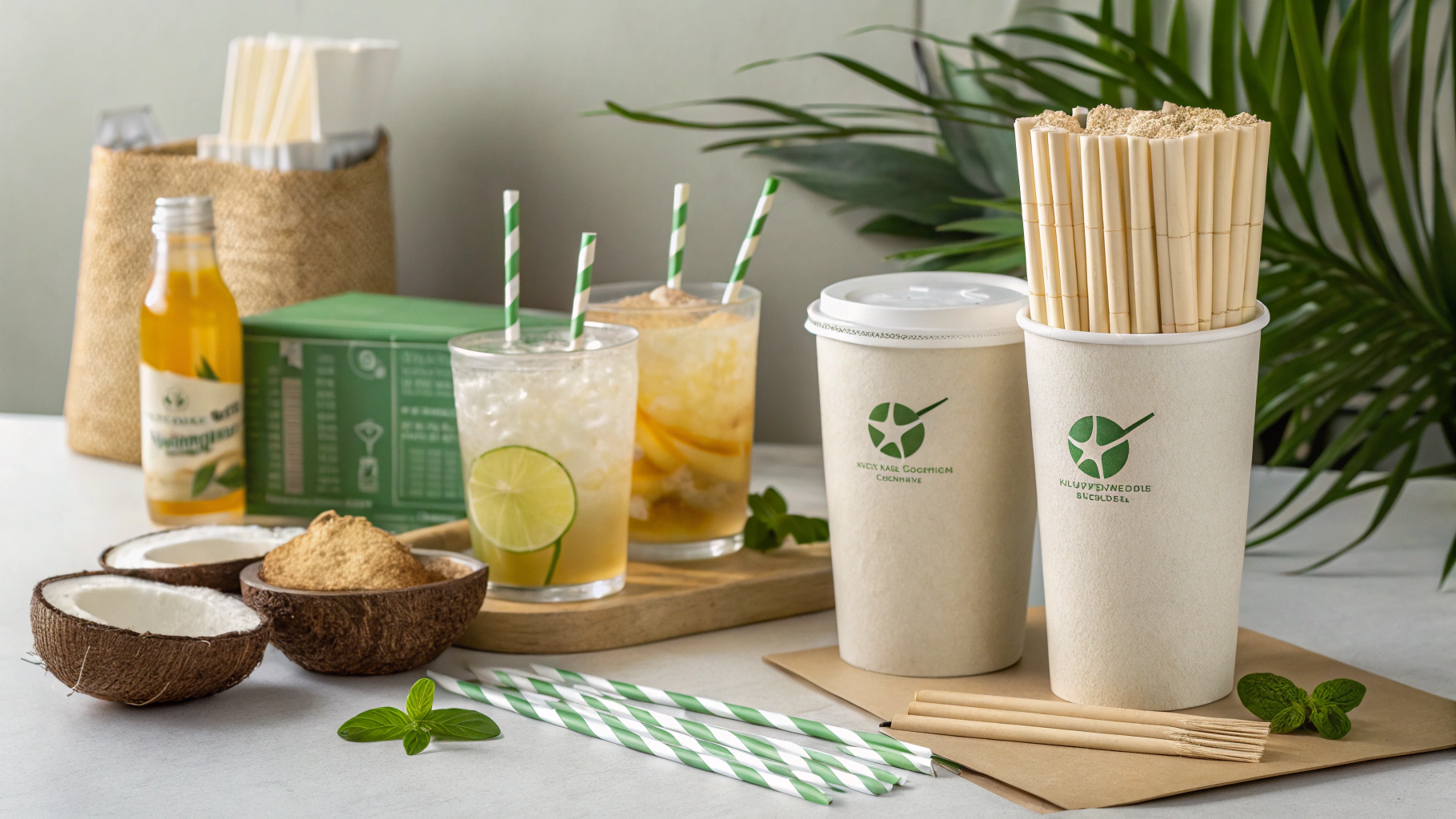
Sugarcane straws are durable, compostable drinking straws made from bagasse, a byproduct of sugar production, offering a superior eco-friendly alternative.
For hospitality and foodservice, sugarcane straws offer compelling benefits:
- Enhanced Customer Experience: Unlike paper, sugarcane straws maintain integrity for over 3 hours in liquid, preventing sogginess complaints common in cafes and bars.
- Significant Waste Reduction: Being 100% compostable, they divert waste from landfills, reducing a typical hotel’s straw waste by up to 95% annually.
- Strong Brand Alignment: Adopting sugarcane straws visibly demonstrates a commitment to sustainability, boosting brand reputation and attracting eco-conscious guests, potentially increasing bookings by 5-10%.
- Regulatory Compliance & Future-Proofing: Proactively meets current and anticipated single-use plastic bans, avoiding fines and ensuring uninterrupted operations.
- Cost-Effectiveness in Bulk: While slightly higher upfront than plastic, bulk sugarcane straw procurement, especially with price-lock agreements, offers long-term cost stability and avoids future plastic-related penalties.
ROI Table: Sugarcane Straws for a Mid-Sized Hotel Chain (500 rooms)
| Variabilní | Plastic Straws (Annual) | Sugarcane Straws (Annual) | Benefit/Impact |
|---|---|---|---|
| Unit Cost (per straw) | $0.008 | $0.025 (with bulk price-lock) | Higher initial cost, but stable. |
| Annual Volume (est.) | 1,000,000 straws | 1,000,000 straws | Consistent usage. |
| Annual Straw Cost | $8,000 | $25,000 | Direct procurement cost. |
| Waste Disposal Cost (est.) | $500 (landfill) | $50 (compost) | Reduced landfill fees. |
| Brand Value Increase (est.) | N/a | $5,000 – $10,000 (via increased eco-tourism bookings) | Attracts eco-conscious guests. |
| Regulatory Fines Avoided (est.) | Potential $1,000 – $5,000 | 0 $ | Compliance peace of mind. |
| Customer Satisfaction (Sogginess) | Low (frequent complaints) | High (durable) | Improved guest experience. |
| Net Annual Impact | -$8,500 to -$13,500 | -$15,000 to -$20,000 (initial outlay) + $5,000-$10,000 (brand value) + $450 (waste savings) + $1,000-$5,000 (fines avoided) =Net positive long-term ROI | Long-term savings and brand benefits outweigh initial cost. |
Klíčové informace:Sugarcane straws offer hospitality businesses a durable, compostable, and brand-enhancing solution with a strong long-term ROI.
Sugarcane straws provide a sustainable, cost-effective, and brand-boosting solution for hospitality procurement.
Sugarcane straws: a natural, sustainable choice for the future.
4. Industry Misconceptions & Clarifications
Despite the clear advantages, several misconceptions persist regarding sustainable bulk straw procurement, particularly within the hospitality and foodservice sectors:
Myth 1: “All eco-friendly straws are too expensive for bulk B2B procurement.”
Vyjasnění:While initial unit costs for sustainable straws like sugarcane or paper can be higher than plastic, this overlooks the long-term financial benefits. With strategic bulk purchasing, including price-lock agreements and tiered rebates, the effective cost per unit significantly decreases. Furthermore, avoiding potential regulatory fines for plastic use and gaining positive brand perception (which can lead to increased customer loyalty and revenue) often results in a net positive ROI. For example, a large hotel chain could save an estimated $15,000 annually in avoided fines and increased eco-tourism bookings by switching to certified compostable straws.
Myth 2: “Paper straws are the only viable eco-friendly option, despite their sogginess.”
Vyjasnění:Paper straws are indeed common, but they are not the only, nor always the best, eco-friendly choice. Plant-based alternatives like sugarcane, PHA, or even reusable options (stainless steel, bamboo) offer superior durability and user experience. Sugarcane straws, for instance, are known to last significantly longer in beverages without degrading, addressing the primary complaint associated with paper straws in a busy restaurant or bar setting. This durability translates to fewer customer complaints and a better brand image.
Myth 3: “Switching to sustainable straws will disrupt my existing supply chain too much.”
Vyjasnění:Reputable bulk straw suppliers, such asLollicup USAneboYesStraws, specialize in B2B transitions. They offer comprehensive support, including inventory management, flexible delivery schedules, and guidance on optimal MOQs. Many also provide forward-quote options, allowing businesses to secure prices and quantities well in advance, ensuring a seamless transition without supply interruptions. The key is to partner with a supplier experienced in sustainable solutions for the hospitality sector.
Klíčové informace:Common misconceptions about sustainable straws’ cost, performance, and supply chain integration are often debunked by strategic procurement and advanced material options.
Sustainable straw procurement is more cost-effective and less disruptive than commonly believed, especially with strategic planning.
5. B2B Customization & Supply Chain Optimization
Building a resilient supply chain for sustainable bulk straws involves strategic choices beyond mere price. Partnering with reputable manufacturers and distributors likeLollicup USA,YesStraws, orTembo Paper, who offer advanced pricing models and transparent certifications (e.g.,FSCfor paper,ASTM D6400for compostability), is crucial. In the US and Europe, where regulatory landscapes are rapidly evolving, ensuring your chosen straws are HACCP-compliant, PFAS-free, and food-grade is not just about compliance but also about safeguarding consumer health and your brand reputation. Assess durability rigorously; for instance, good quality paper straws should not deform after three hours in liquid. Consider Minimum Order Quantities (MOQs) to balance cost savings with storage capacity, and evaluate supplier shipping efficiencies to reduce freight costs and your carbon footprint. Finally, plan for the end-of-life pathways of your chosen materials, actively supporting proper composting or disposal. By embracing the shift to eco-friendly bulk straws, you not only meet regulatory demands but also enhance your brand’s value, resonating powerfully with the growing segment of eco-conscious consumers.
Scenario-Specific Tips for Hospitality & Foodservice:
- Hotels & Resorts: Opt for sugarcane or reusable straws for in-room dining and high-end bars. Leverage tiered rebates for large annual orders across multiple properties. Consider custom branding (e.g., hotel logo) on straw wrappers to reinforce sustainability messaging.
- Restaurants & Cafes: Balance cost and performance. Sugarcane straws offer durability for dine-in, while paper might suffice for quick-service takeout. Utilize spot quotes for unexpected demand spikes and forward quotes for seasonal menu changes.
- Catering & Events: Prioritize compostable options like sugarcane or PHA for easy post-event cleanup. Negotiate MOQs that align with event sizes to minimize waste and storage. Ensure suppliers can handle flexible delivery schedules for various event locations.
- Airlines & Cruise Lines: Focus on lightweight, durable, and compact solutions. Sugarcane straws are ideal due to their stability in various temperatures and reduced storage footprint. Implement price-lock contracts for consistent global supply and cost control.
Klíčové informace:Optimizing bulk straw supply chains requires strategic supplier partnerships, material certification checks, and scenario-specific MOQ and logistics planning.
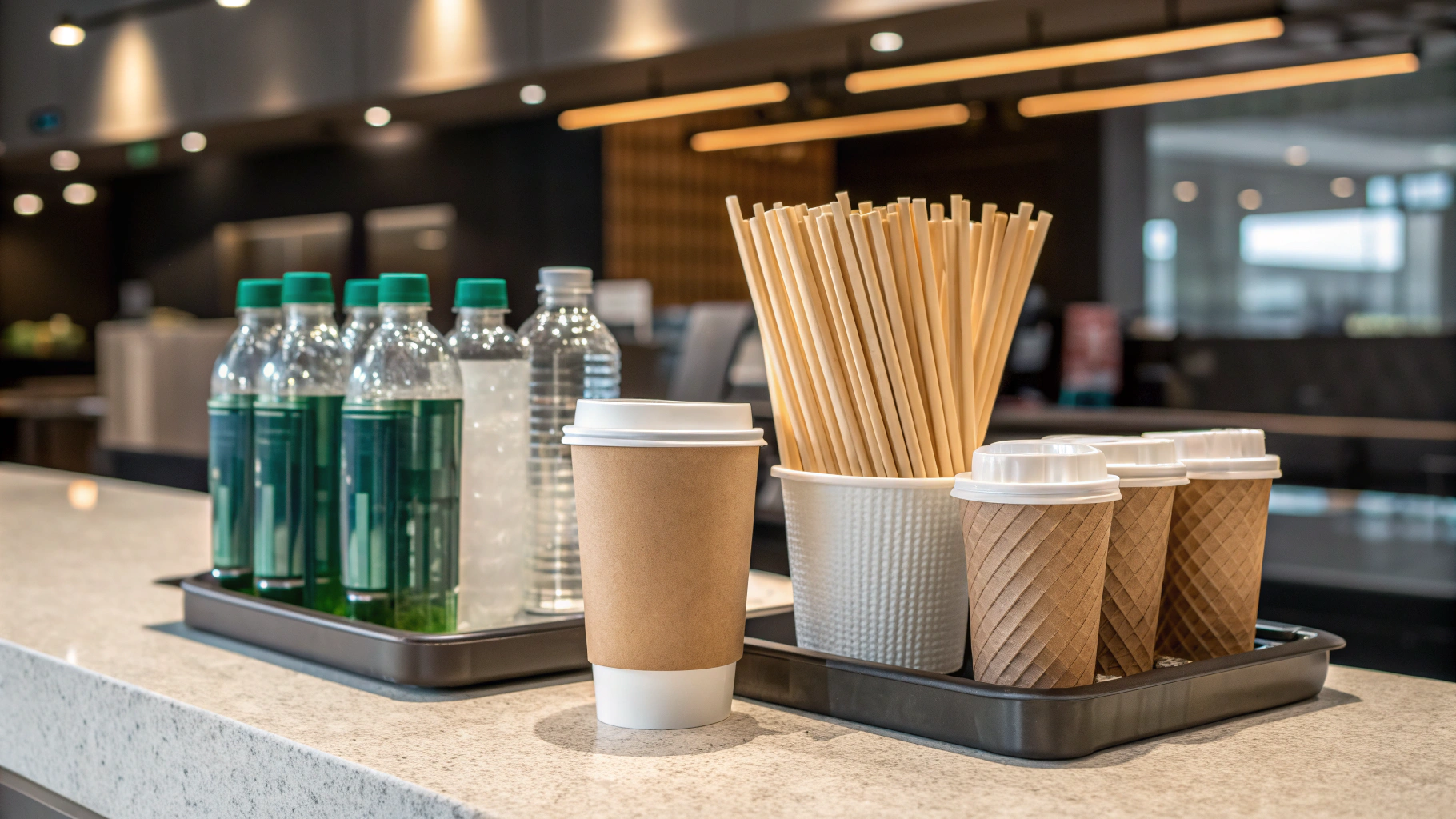
Tailored supply chain strategies for bulk straws enhance efficiency and sustainability across diverse hospitality operations.
Secure Your Sustainable Future Today
The dynamic bulk drinking straw market demands a proactive, strategic approach to procurement. By leveraging advanced pricing mechanisms like price-locks, tier rebates, and spot/forward quotes, and by meticulously evaluating sustainable material options, B2B decision-makers can transform procurement from a necessary cost center into a significant competitive advantage. This strategic shift not only secures predictable costs but also enhances your brand’s sustainability profile, allowing you to capitalize on the rapidly expanding eco-friendly market segment, projected to reach $25.1 billion by 2035.
Don’t let market volatility dictate your costs or compromise your sustainability goals. Take control of your bulk straw procurement today. Learn more about global plastic bans and their impact on supply chains. Explore how a strategic approach to sourcing can boost your brand’s eco-credentials. For a deeper dive into sustainable business practices and supply chain optimization, consider resources from leading industry associations.
Secure predictable costs, enhance your brand’s sustainability profile, and capitalize on the growing eco-friendly market segment. Schedule a strategic procurement consultation with our experts to develop a customized bulk straw sourcing plan that guarantees price stability and maximizes your savings.Schedule Your Consultation Now
Často kladené otázky (FAQ)
What is a price-lock mechanism for bulk straw procurement?▼
A price-lock mechanism is a contractual agreement that fixes the price of bulk drinking straws for a set period, typically 12 months, protecting buyers from market fluctuations and ensuring budget certainty.
How do tiered rebates benefit hospitality businesses buying bulk straws?▼
Tiered rebates incentivize larger annual purchases by offering progressively higher discounts, reducing the effective per-unit cost and maximizing savings for high-volume hospitality buyers.
What’s the difference between spot and forward quotes for bulk straws?▼
Spot quotes reflect current market prices for immediate delivery, ideal for urgent needs. Forward quotes lock in a price today for future delivery, enabling proactive cost management and hedging against volatility.
Are sugarcane straws truly sustainable for high-volume foodservice operations?▼
Yes, sugarcane straws are highly sustainable. They are made from bagasse, a byproduct of sugar production, making them compostable, durable, and a superior eco-friendly alternative to plastic or even some paper straws for high-volume use.
How can I ensure my bulk straw supplier meets regulatory compliance?▼
Ensure your supplier provides transparent certifications like HACCP-compliance, PFAS-free declarations, and ASTM D6400 for compostability. Verify their adherence to regional regulations like EU single-use plastic bans.