Navigace k zelenému posunu: Jak najít spolehlivé dodavatele biologicky rozložitelných brček
Globální imperativ omezit plastové znečištění zásadně přetvořil prostředí pro podniky po celém světě. Pro manažery nákupu, provozní ředitele, úředníky pro udržitelnost a vedoucí pracovníky dodavatelského řetězce již není přechod od konvenčních plastů k ekologickým alternativám jen okrajovou záležitostí, ale strategickou nutností. Trh s biologicky rozložitelnou slámou, klíčovou hranicí tohoto přechodu, tuto naléhavost podtrhuje. Očekává se, že tento trh s hodnotou přibližně 22 miliard USD v roce 2021 dosáhne téměř50 miliard dolarů do roku 2025 a očekává se, že do roku 2033 vyletí na téměř 250 miliard dolarů, což ukazuje působivou složenou roční míru růstu (CAGR) ve výši 22,4 %. Tento prudký růst je poháněn globálním úsilím o snížení plastového odpadu a zpřísněním předpisů, včetně směrnice Evropské unie o jednorázových plastech (EU SUPD), která má být plně uplatňována do roku 2025.
Ignorování tohoto trendu s sebou nese významná provozní a obchodní rizika. Přibližně70 % spotřebitelů nyní preferuje podniky aktivně využívající ekologicky šetrné možnosti, čímž se udržitelnost stává silným rozlišovacím prvkem a kritickým faktorem pro přístup na trh a věrnost značce. Regiony jako Afrika zažívají rychlé přijetí, přičemž nejvyšší regionální CAGR přesahuje 24 %, což naznačuje globální závod o udržitelná řešení. Podniky, které se nepřizpůsobí, riskují nejen regulační sankce a poškození pověsti, ale také ztrátu na rychle se rozšiřujícím segmentu trhu a důvěře stále více ekologicky uvědomělé zákaznické základny. Výzva spočívá v orientaci na složitém trhu, abychom našli skutečně spolehlivé dodavatele, kteří splňují přísné normy.Přijetí biologicky odbouratelných brček je strategickou nutností pro pohostinství a stravování, aby uspokojily poptávku spotřebitelů a regulační změny.
Základní kritéria pro identifikaci spolehlivých dodavatelů biologicky odbouratelných brček
Přechod na biologicky odbouratelná brčka vyžaduje více než jen dobré úmysly; vyžaduje přísný proces prověřování, aby byla zajištěna účinnost produktu, ekologická integrita a spolehlivost dodavatelského řetězce. Osoby s rozhodovací pravomocí se musí dívat za nároky na povrchové úrovni a ponořit se do základních postupů dodavatele.
Upřednostněte komplexní certifikace pro biologicky odbouratelná brčka
Certifikace jsou základem důvěry na trhu udržitelných produktů. Poskytují nezávislé ověření, že produkt splňuje specifické environmentální, bezpečnostní a kvalitativní normy. U biologicky odbouratelných brček to znamená prověřit jejich životnost po skončení životnosti a bezpečnost potravin.
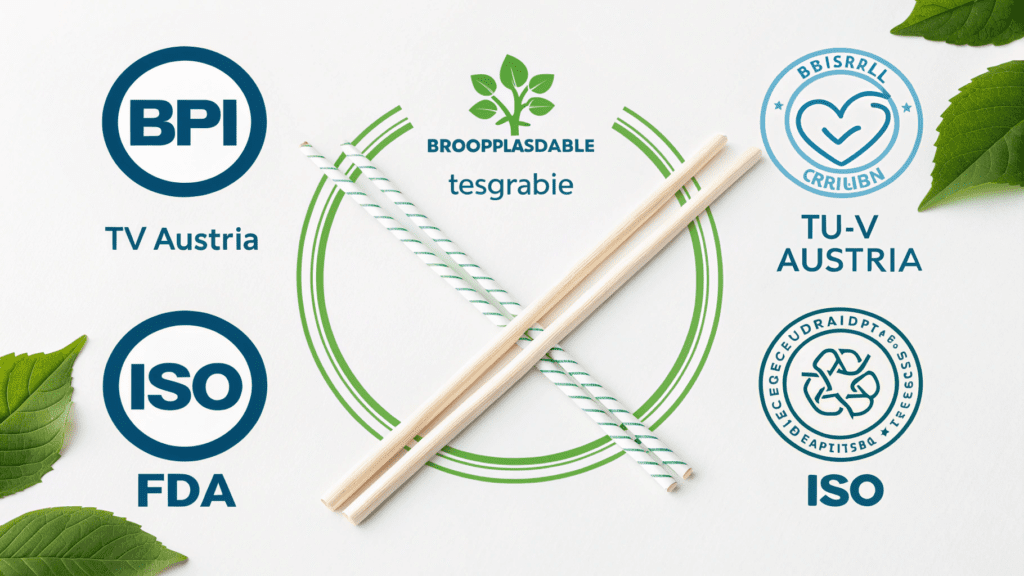
Za prvé,normy biologické rozložitelnosti a kompostovatelnostijsou prvořadé. Hledejte dodavatele, jejichž produkty jsou certifikovány uznávanými organizacemi, jako je BPI Certified Compostable (pro americký trh) a TÜV AUSTRIA. Tyto certifikace potvrzují, že produkty splňují přísná kritéria pro rozklad v průmyslových kompostovacích zařízeních. Konkrétně zajistěte dodržováníASTM D6400neboEN 13432pro normy průmyslového kompostování, protože ty jsou zásadní pro přístup na evropský trh a řádné nakládání s odpady. Pochopení rozdílu mezi „biologicky rozložitelným“ a „kompostovatelným“ je zásadní pro efektivní nakládání s odpady a zamezení greenwashingu. Pro hlubší ponor zvažte prostudování zdrojů, jako je náš průvodceKompostovatelná vs. biologicky odbouratelná brčka: Průvodce B2B.
Za druhé,certifikace bezpečnosti potravinjsou nesmlouvavé. Ověřte, že produkty mají certifikace jako FDA (U.S. Food and Drug Administration), ISO 22000 (systém řízení bezpečnosti potravin) nebo HACCP (analýza rizik a kritické kontrolní body), aby byla zajištěna ochrana spotřebitele a dodržování předpisů.
Nakonec zhodnoťte širší provozní integritu dodavatele prostřednictvímsystémy řízení kvality a životního prostředí. HledatISO 9001pro řízení kvality aISO 14001pro systémy environmentální výkonnosti. Dodavatelé, kteří se zavázali k iniciativám v oblasti životního prostředí, sociálních věcí a řízení (ESG), budou také často dodržovat standardy sociální odpovědnosti, jako jeSA8000za etické pracovní postupy. Tyto holistické certifikace ukazují závazek dodavatele k odpovědným obchodním praktikám, od získávání materiálů až po výrobní procesy.
Transparentnost dodavatelského řetězce poptávky a etické získávání zdrojů
Skutečná udržitelnost přesahuje samotný produkt do celého dodavatelského řetězce. Spolehliví dodavatelé biologicky odbouratelných brček by měli poskytnout komplexní dokumentaci o původu materiálu a výrobních procesech. Tato transparentnost pomáhá bojovat proti „greenwashingu“ – nepodloženým ekologickým tvrzením – což je na trhu šetrném k životnímu prostředí významným rizikem.
Zaměřte se na společnosti, které prokazují ověřitelný závazek k iniciativám v oblasti životního prostředí, sociálních věcí a řízení (ESG). To zahrnuje transparentnost jejich podnikového řízení, ekologické výrobní metody a oddanost blahu zaměstnanců. Ověřte jejich dodržování standardů sociální odpovědnosti, jako je SA8000, pro etické pracovní postupy, zajištění spravedlivých mezd, bezpečných pracovních podmínek a zákazu dětské práce.
Kromě toho navazujte partnerství s dodavateli, kteří aktivně pracují na snížení jejich uhlíkové stopy a minimalizaci produkce odpadu v rámci jejich provozů. To by mohlo zahrnovat využívání obnovitelné energie, implementaci programů snižování odpadu nebo optimalizaci logistiky s cílem snížit emise z dopravy. Například některé společnosti, jako je BD Straws, jsou příkladem silných iniciativ ESG a transparentního podnikového řízení, které slouží jako měřítka pro odpovědné získávání zdrojů.

Spolehliví dodavatelé nabízejí komplexní certifikace a transparentní dodavatelské řetězce, které jsou klíčové pro udržitelné zásobování.
Různé biologicky rozložitelné slaměné materiály a jejich provozní dopady
Trh nabízí rostoucí řadu biologicky odbouratelných slaměných materiálů, z nichž každý má odlišné vlastnosti, výhody a provozní aspekty. Pochopení těchto rozdílů je klíčové pro výběr správného řešení pro vaše specifické obchodní potřeby.
Pochopení klíčových biologicky odbouratelných slámových materiálů
- Papírové brčka: Široce dostupná a často nejdostupnější počáteční varianta. Jsou však náchylné k rychlému rozmočení, což snižuje zákaznickou zkušenost. Významným problémem je potenciální přítomnost PFAS (“forever chemicals”) a dalších souvisejících sloučenin, které se mohou vyluhovat do nápojů, zejména kyselých nebo horkých, což představuje zdravotní rizika a problémy se stálostí v životním prostředí.
- Brčka PLA (kyselina polymléčná): Brčka PLA, získaná z obnovitelných zdrojů, jako je kukuřičný škrob nebo cukrová třtina, nabízejí plastický pocit a jsou vhodná pro horké i studené nápoje. Jsou plně kompostovatelné, ale ke správnému rozkladu obvykle vyžadují průmyslová kompostovací zařízení (např. vyhovující ASTM D6400), což může být problém s likvidací v oblastech bez takové infrastruktury.
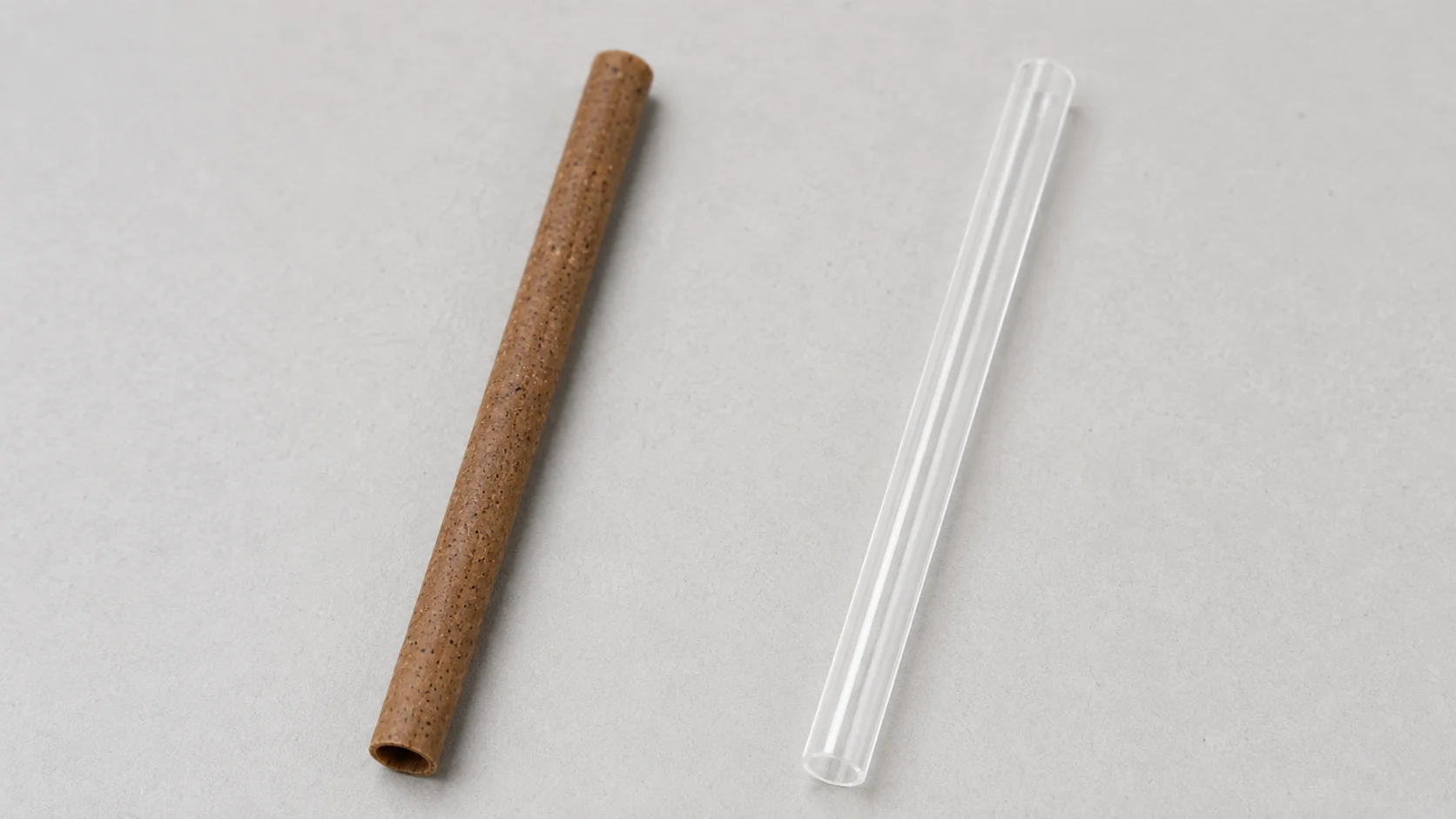
- Brčka z cukrové třtiny (Bagasse): Tato brčka jsou vyrobena z vláknitého vedlejšího produktu zpracování cukrové třtiny a jsou odolná, odolná vůči teplu i chladu a často certifikovaná jako domácí kompostovatelná. Přirozeně neobsahují PFAS a znovu využívají zemědělský odpad a jsou v souladu s principy oběhového hospodářství.
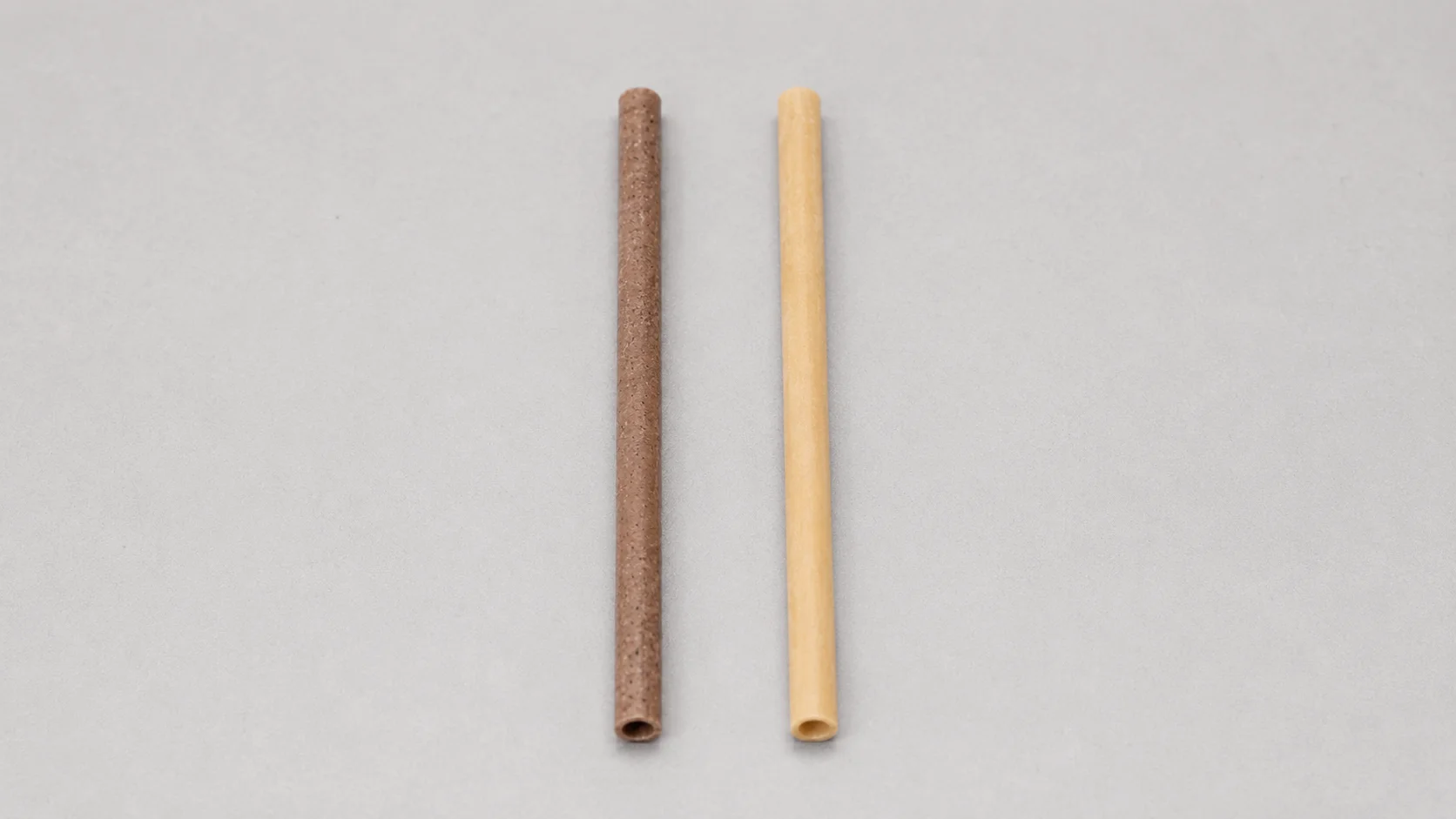
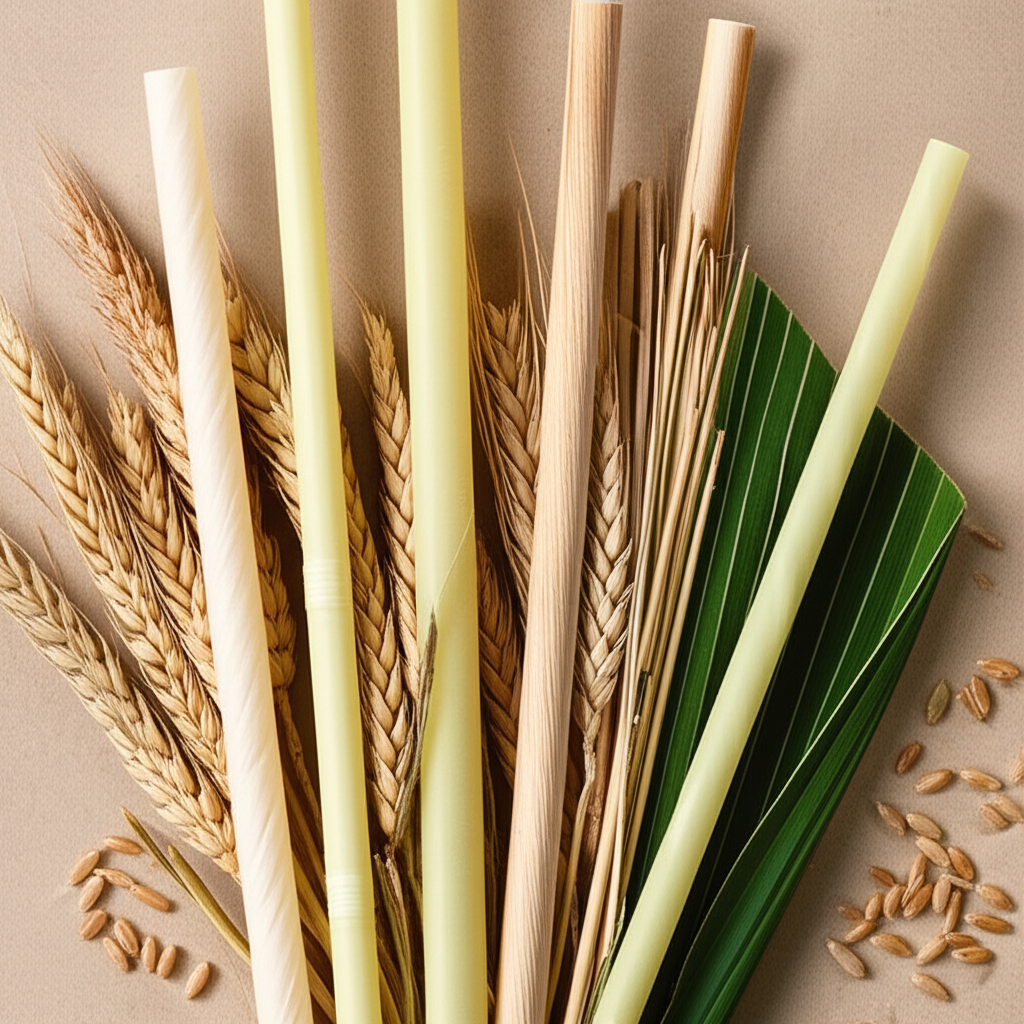
- Pšeničná/senná sláma: Tyto přírodní, robustní a cenově dostupné brčka jsou vyrobeny ze stonků rostlin pšenice po sklizni obilí. Jsou vhodné pro různé typy nápojů a jsou plně biologicky odbouratelné, nabízejí jednoduchou, přírodní alternativu.
- Brčka z kokosových listů: Inovativní a vysoce udržitelná možnost, brčka z kokosových listů jsou šetrná k životnímu prostředí, výjimečně robustní, nákladově efektivní a zejména se nerozmočí. Nabízejí jedinečnou přirozenou estetiku a výrazně odlišují značky, které hledají nová, skutečně ekologická řešení.
Srovnání biologicky rozložitelných slaměných materiálů
| Funkce | B2B Operační dopad | Poznámka dodržování předpisů | Potenciál návratnosti investic |
|---|---|---|---|
| Papírová brčka | Vysoká objemová dostupnost, relativně nízké počáteční náklady. | Obavy z kontaminace PFAS a chemického vyluhování, nesoulad EU SUPD. | Nižší počáteční investice, ale potenciální riziko reputace značky a nespokojenost zákazníků. |
| PLA brčka | Na dotek jako z plastu, univerzální pro horké i studené nápoje, dobrá trvanlivost. | Vyžaduje průmyslová kompostovací zařízení (např. ASTM D6400 nebo EN 13432). | Vylepšená zákaznická zkušenost, v souladu se zákazy jednorázových plastů, vnímaná jako prémiová alternativa. |
| Cukrová třtina (Bagasse) | Vynikající trvanlivost, odolný vůči teplu a chladu, znovu využívá zemědělský odpad, bez PFAS. | Často certifikované pro domácí kompostování, přirozeně bez PFAS. | Silný příběh udržitelnosti, snižuje složitost likvidace odpadu, vynikající zákaznická zkušenost. |
| Kokosové listy | Jedinečná přirozená estetika, výjimečná robustnost (bez rozmočení), vysoce odolná. | Nový materiál; zajistit spolehlivý dodavatelský řetězec pro konzistenci, přirozeně biologicky odbouratelné. | Odlišuje značku, oslovuje prémiové, ekologicky uvědomělé spotřebitele, jedinečná prodejní nabídka. |

Různé biologicky odbouratelné slámové materiály nabízejí různé provozní dopady a aspekty dodržování předpisů pro podniky.
Prověřovací procesy pro spolehlivé dodavatele biologicky rozložitelných brček
Robustní proces prověřování přesahuje certifikace a zahrnuje praktický výkon produktu a pověst dodavatele. Tato náležitá péče zajišťuje, že vámi vybraná udržitelná řešení splní své sliby.
Posuďte výkonnost produktu a řešení na konci životnosti
Než se pustíte do velké objednávky, je důležitépožadovat vzorkyk testování odolnosti brček v kapalinách, jejich odolnosti vůči vysokým nebo nízkým teplotám a jejich celkové uživatelské zkušenosti. Toto praktické hodnocení potvrdí, zda produkt splňuje vaše provozní standardy a očekávání zákazníků. Například zatímco papírová brčka jsou všudypřítomná, jejich sklon k rozmáčení může výrazně zhoršit spotřebitelský zážitek.
Dále ověřtepokyny pro správnou likvidacipro brčka. Některé materiály, jako je PLA, výslovně vyžadují průmyslová kompostovací zařízení, zatímco jiné, jako mnoho cukrové třtiny nebo pšeničné slámy, jsou vhodné pro domácí kompostování. Špatné řízení likvidace může negovat přínosy pro životní prostředí, což vede k tomu, že „kompostovatelné“ položky končí na skládkách. Zajistit transparentnost, pokud jde o tvrzení o biologické rozložitelnosti, aby se zabránilo mylným představám o „greenwashingu“; skutečně spolehlivý dodavatel srozumitelně sdělí konkrétní podmínky, za kterých se jejich produkty porouchají. Tato transparentnost je klíčem k dosažení souladu s vašimi cíli udržitelnosti a vyhnutí se regulační kontrole.
Je také důležité si být vědom probíhajícího výzkumu, který naznačuje, že určitá papírová a bambusová brčka mohou obsahovatPFAS „věčné chemikálie“nebo pořad o chemickém vyluhování do nápojů. Upřednostňujte dodavatele, kteří výslovně zaručují produkty bez PFAS, čímž chrání zdraví spotřebitele i integritu vaší značky.
Využijte ověření třetí stranou a uznání odvětví
Důvěryhodnost dodavatele je často podpořena nezávislým ověřením. Upřednostňujte dodavatele, kteří se aktivně zapojujítestování a audity třetích strank ověření produktových nároků a výrobních postupů. Tato nezávislá hodnocení nabízejí objektivní úroveň jistoty ohledně kvality produktu, biologické rozložitelnosti a bezpečnostních norem.
Zhodnoťte dodavatelehistorie, zkušenosti v oboru a zákaznické recenze nebo posudky. Dlouhotrvající pozitivní pověst spojená s konzistentní kvalitou produktů a službami je silným ukazatelem spolehlivosti. Kromě toho vyhledejte dodavatele, kteří jsouuznávané velkým potravinářským průmyslem nebo známými řetězci supermarketů. Takové uznání znamená, že jejich produkty splňují vysoké standardy a požadavky významných komerčních subjektů. Například společnost BD Straws je známá svými silnými iniciativami ESG a transparentním řízením společnosti, což z ní činí spolehlivého partnera.
Důkladné prověřování, včetně hodnocení výkonu a ověřování třetí stranou, zajišťuje spolehlivá udržitelná řešení slámy.
Případová studie: Straw Matters – model pro udržitelné získávání biodegradovatelné slámy
Přesvědčivým příkladem spolehlivého dodavatele zaměřeného na udržitelnost jeSlámové záležitosti, kanadská společnost, která si vytvořila mezeru ve výrobě vysoce kvalitních kompostovatelných brček na rostlinné bázi. Jejich přístup ztělesňuje několik osvědčených postupů pro udržitelné získávání zdrojů.
Produkty Straw Matters jsou vyrobeny jedinečně zvedlejší zemědělské produkty, zdůrazňující model oběhového hospodářství, který odvádí odpad ze skládek a snižuje závislost na původních zdrojích. Tento závazek ke skutečné udržitelnosti se odráží ve výkonu jejich produktu na konci životnosti, který je navržen pro skutečnou kompostovatelnost.
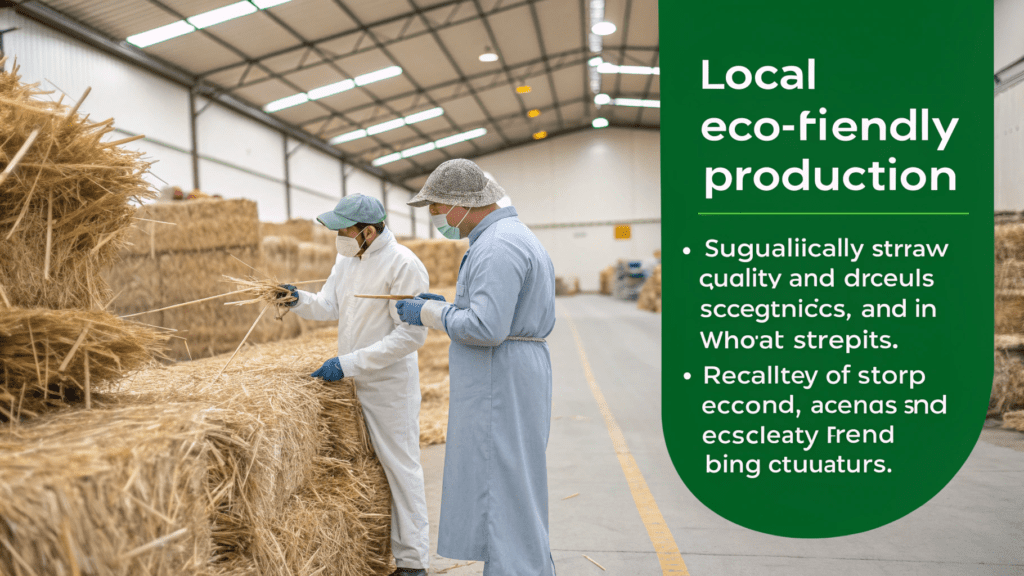
Rozhodující je, že Straw Matters šampionimístní produkce, strategii, která výrazně snižuje uhlíkové emise spojené s dálkovou lodní dopravou. Tím, že nakupují a vyrábějí v tuzemsku, minimalizují ekologickou stopu svého dodavatelského řetězce a přispívají k regionálním ekonomikám. Tento přístup je dokonale v souladu s nově se objevujícími trendy v oblasti cirkulárního designu a etických postupů získávání zdrojů a poskytuje plán pro podniky, které chtějí uplatnit svůj závazek k odpovědnosti za životní prostředí a zároveň zajistit spolehlivé a vysoce kvalitní dodávky.Straw Matters je příkladem udržitelného získávání zdrojů prostřednictvím zemědělských vedlejších produktů a místní produkce, čímž se minimalizuje dopad na životní prostředí.
Future Trends & Innovation in Sustainable Straws
Krajina udržitelných obalů, zejména brček, se rychle vyvíjí, poháněná neustálými inovacemi v materiálech, procesech a regulačních rámcích. Zůstat před těmito trendy je zásadní pro dlouhodobou strategickou výhodu.
Jednou z nejslibnějších oblastí inovací jeobaly na bázi mořských řas. Mořské řasy se objevují jako vysoce slibný udržitelný materiál díky svým biologicky odbouratelným a jedlým vlastnostem, které nevyžadují žádná hnojiva, sladkou vodu ani půdu pro pěstování. Jeho růst také pomáhá absorbovat oxid uhličitý, což přispívá ke zmírnění změny klimatu. Inovátoři vyvíjejí řešení na bázi mořských řas, která mohou přirozeně kompostovat nebo se dokonce rozpouštět v teplé vodě.
Dalším významným trendem jejednomateriálové balení, která se zaměřuje na použití jediného materiálu pro obalové komponenty. To zjednodušuje proces recyklace, řeší hlavní problém s tradičním balením ze směsných materiálů a snižuje celkový odpad. Podobně průmysl stále více přijímárecyklace odpadních materiálů, transformující toky zemědělského, textilního a jiného průmyslového odpadu na nové obalové produkty, a tím šetřit zdroje a podporovat oběhové hospodářství.
Posun směrem kopakovaně použitelné obalové systémynabírá na síle, zejména v logistice a potravinářských službách, protože společnosti přecházejí od jednorázových modelů k odolným, víceúčelovým paletám a kontejnerům, což vede k výraznému snížení odpadu a dlouhodobým úsporám nákladů. Dále nové bioplasty jakoPHA (polyhydroxyalkanoáty)aDiacetát celulózy (CDA)jsou příslibem pro degradaci během několika měsíců i v mořském prostředí, čímž řeší kritické obavy ze znečištění oceánů plasty. Pro zájemce o tuto konkrétní oblast je náš zdroj naMarine Biodegradable Straws for Hospitality & Foodservicenabízí další poznatky.
Významnou roli hrají i regulační orgány. Podle2025, vstoupí v platnost nařízení Evropské unie o obalech a odpadech z obalů (PPWR), které stanoví přísná opatření pro snižování obalového odpadu a podporuje opětovné použití a recyklovatelnost. V USA, první zšest zákonů o rozšířené odpovědnosti výrobce (EPR).vstoupí v platnost také v roce 2025 a zásadně posouvají paradigma udržitelných obalů tím, že požadují od výrobců odpovědnost za celý životní cyklus jejich produktů. Kromě toho Australská organizace pro balení obalů (APCO)Strategický plán 2030klade důraz na navrhování snadněji recyklovatelných obalů, zlepšování systémů sběru a zvyšování recyklovaného obsahu, čímž prosazuje skutečně oběhové hospodářství. Tyto regulační změny budou i nadále řídit poptávku po vysoce vyhovujících a inovativních udržitelných řešeních.Mezi budoucí trendy udržitelných brček patří materiály na bázi mořských řas, balení z jednoho materiálu a vyvíjející se globální předpisy.
Competitive Advantage & Business Case
Přijímání biologicky rozložitelných brček je mnohem více než jen cvičením dodržování předpisů; je to strategická investice, která přináší kvantifikovatelné přínosy napříč různými obchodními dimenzemi.
Za prvé, slouží jako mocnýstrategie zmírňování rizik. Proaktivním přechodem na vyhovující, certifikované biologicky odbouratelné alternativy se podniky účinně chrání před potenciálemregulační sankcesouvisející s vyvíjejícími se zákazy plastů a přísnější legislativou v oblasti životního prostředí, jako je EU SUPD a nově vznikající zákony USA EPR. Tato prognóza zajišťuje přístup na trh a zajišťuje provozní kontinuitu ve stále více regulovaných prostředích.
Za druhé, dopad nahodnotu značky a pověstje nesmírná. Vzhledem k tomu, že přibližně 70 % spotřebitelů upřednostňuje podniky, které využívají ekologicky šetrné možnosti, přijetí biologicky odbouratelných brček autenticky spojuje s rostoucím segmentem ekologicky uvědomělých spotřebitelů. Tento hmatatelný závazek k udržitelnosti zlepšuje image značky, buduje důvěru a podporuje loajalitu, což se promítá doPříležitost podílu na trhuv rámci rychle se rozvíjejícího odvětví, o kterém se předpokládá, že do roku 2033 dosáhne téměř 250 miliard USD. Toto pozitivní vnímání může odlišit vaši značku v konkurenčním prostředí, přilákat nové zákazníky a udržet ty stávající.
A konečně, i když počáteční pořizovací náklady na vysoce kvalitní, certifikovaná biologicky odbouratelná brčka mohou být o něco vyšší než u běžných plastů,dlouhodobý potenciál návratnosti investicje významný. To zahrnuje nejen vyhnutí se budoucím pokutám a nákladům na nápravu, ale také potenciálÚspory nákladůdíky zlepšenému nakládání s odpady, snížení složitosti likvidace a dokonce i provozní efektivnosti, protože dodavatelské řetězce optimalizují udržitelné materiály. Kromě toho mohou silné iniciativy v oblasti udržitelnosti přilákat ekologicky zaměřené investory a talenty a posílit celkový obchodní případ. Tím, že se stanete průkopníkem nebo upevníte svou pozici lídra v oblasti udržitelného zadávání veřejných zakázek, vaše organizace získá výraznou konkurenční výhodu a připraví se pro odolný růst a zvýšenou ziskovost.Biologicky odbouratelná brčka nabízejí konkurenční výhody díky zmírnění rizik, zvýšené hodnotě značky a významné dlouhodobé návratnosti investic.
Závěr
Nalezení spolehlivých dodavatelů biologicky odbouratelných brček vyžaduje přísný proces prověřování se zaměřením na komplexní certifikace, transparentní dodavatelské řetězce a integritu materiálu. Upřednostněním těchto faktorů může vaše organizace s jistotou přejít na udržitelné alternativy, zlepšit pověst značky, zmírnit rizika související s dodržováním předpisů a splnit vyvíjející se regulační a spotřebitelské požadavky. Budoucnost nákupu je udržitelná a zajištění spolehlivých partnerství v tomto prostoru je pro dlouhodobý úspěch prvořadé.
Zvyšte udržitelnost své značky díky partnerství s certifikovanými, transparentními dodavateli biologicky rozložitelné slámy.Upřednostňování certifikovaných a transparentních dodavatelů biologicky odbouratelných brček je zásadní pro udržitelné zásobování a dlouhodobý úspěch.
Často kladené otázky
Proč je hledání spolehlivých dodavatelů biologicky rozložitelné slámy pro pohostinské podniky klíčové?
Spolehliví dodavatelé zajišťují účinnost produktů, ekologickou integritu a stabilitu dodavatelského řetězce, čímž pomáhají podnikům v pohostinství plnit vyvíjející se předpisy a poptávku spotřebitelů po udržitelných možnostech.
Jaké certifikace bych měl hledat u dodavatelů biologicky rozložitelné slámy?
Upřednostněte certifikace jako BPI Certified Compostable, TÜV AUSTRIA (ASTM D6400/EN 13432), FDA, ISO 22000, HACCP, ISO 9001, ISO 14001 a SA8000 pro komplexní zajištění.
Jak se mohu vyhnout „greenwashingu“ při získávání biologicky rozložitelných brček pro svou restauraci?
Vyžadujte transparentnost dodavatelského řetězce, ověřte původ materiálu a zajistěte jasná, ověřitelná tvrzení o biologické rozložitelnosti se specifickými pokyny pro likvidaci, abyste se vyhnuli zavádějícím ekologickým tvrzením.
Jsou brčka z cukrové třtiny skutečně lepší než papírová brčka pro kavárny a hotely?
Brčka z cukrové třtiny (bagasse) nabízejí vynikající trvanlivost, odolnost vůči teplu a chladu a často neobsahují PFAS a jsou kompostovatelné v domácnosti, což poskytuje zákazníkům lepší zkušenost a silnější narativ udržitelnosti ve srovnání s alternativami mokrého papíru.
Jaké jsou dlouhodobé výhody přechodu na certifikovaná biologicky odbouratelná brčka pro velký hotelový řetězec?
Mezi dlouhodobé výhody patří zmírnění rizik plynoucí z regulačních sankcí, zvýšená hodnota značky a věrnost zákazníků, potenciální úspory nákladů díky lepšímu nakládání s odpady a přilákání ekologicky zaměřených investorů.