Decoding McDonald’s Straw Strategy: A B2B Guide to Biodegradable Packaging in Hospitality & Foodservice

A B2B Guide for Procurement, Operations, and Sustainability Leaders in Hospitality & Foodservice
Globální imperativ omezit znečištění plasty se stal určující výzvou pro podniky ve všech odvětvích. Pro B2B s rozhodovací pravomocí v oblasti nákupu, provozu a řízení dodavatelského řetězce v rámcihospitality & foodservice industries, to není jen ekologický ideál; představuje velkou provozní a obchodní výzvu. Regulační tlaky, vyvíjející se očekávání spotřebitelů a hmatatelné náklady na špatné řízení toků odpadů přetvářejí strategie dodavatelského řetězce. Přední značky se pod intenzivním dohledem ocitají v popředí tohoto přechodu a často plují neprobádanými vodami. McDonald’s, globální monstrum rychlého servisu, nabízí na této cestě udržitelnosti přesvědčivou, i když komplexní případovou studii.
V září 2018 McDonald’s UK a Irsko zahájily významnou provozní změnu a zahájily výměnu svých přibližně 1,8 milionu plastových brček denně za papírové alternativy. Toto rozhodnutí nebylo učiněno izolovaně; byla to přímá reakce na rostoucí tlak veřejnosti, zejména veřejná petice shromážděná téměř půl milionu podpisů (Change.org, 2018), ve spojení s chystanými plány vlády Spojeného království na komplexní zákazy plastů (DEFRA, 2018). Tento strategický klíč tvořil základní kámen zastřešující iniciativy McDonald’s „Scale for Good“, odvážného závazku, jehož cílem je do roku 2025 dosáhnout 100% udržitelného balení v rámci jejích globálních operací (McDonald’s Corporate, 2018). Ambice byla jasná: stanovit nové průmyslové měřítko pro péči o životní prostředí.
Odvětví pohostinství a stravování čelí obrovskému tlaku na přijetí udržitelných postupů, díky čemuž je cesta McDonald’s zásadní vzdělávací zkušeností.
Globální tlak na udržitelné slámy: Počáteční posun společnosti McDonald's
Značky po celém světě čelí eskalujícímu tlaku na zmírnění své ekologické stopy, zejména pokud jde o plasty na jedno použití. Plastové brčko, všudypřítomný symbol pohodlí, se stalo hromosvodem ekologického aktivismu díky své všudypřítomné přítomnosti na skládkách a v oceánech. Pro velké podniky vpohostinství a stravovánínečinnost s sebou nese značná obchodní a reputační rizika. Mimo Spojené království například McDonald’s Canada přešla na konci roku 2021 na papírová brčka, což je strategický krok, který má z jejich systému odstranit přibližně 300 tun plastu ročně. Tyto iniciativy odrážejí širší průmyslový pohyb směrem k ekologicky šetrnějším obalovým řešením.
Všeobecný dokument: Environmentální záměr vs. provozní realita
Počáteční přechod na papírová brčka vycházel z jasného ekologického mandátu: výrazně snížit plastový odpad a chránit divokou přírodu před znečištěním. Společnost McDonald’s hrdě odebírala svá papírová brčka od dodavatelů s certifikací FSC, jako jsou Transcend Packaging a Huhtamaki, což zdůrazňuje závazek k odpovědnému lesnictví. Včasné zákaznické testy ve Spojeném království údajně sklidily pozitivní reakce a spotřebitelé ocenili viditelné úsilí o odpovědnost vůči životnímu prostředí. Tato počáteční fáze podtrhla sílu akce značky v souladu s veřejným sentimentem. Přesto, jak mnozí B2B lídři chápou, skutečný test jakéhokoli provozního posunu leží za počátečním záměrem, ve složité realitě provedení a dlouhodobé životaschopnosti.

Počáteční snahy o udržitelné balení, i když jsou dobře míněné, často čelí nepředvídaným provozním výzvám v reálném prostředí pohostinství.
Neočekávané trny v udržitelném balení: McDonald’s Biodegradable Straw Challenge
Příběh kolem papírových brček McDonald’s nabral v srpnu 2019 nepředvídatelný obrat. Navzdory počátečním fanfárám McDonald’s přiznal, že jejich tolik ohlašovaná papírová brčka ve Spojeném království a Irsku ve skutečnosti nejsou snadno recyklovatelná. Samotná úprava designu, která měla zlepšit jejich funkčnost – zvýšená tloušťka, aby se zabránilo rozpadu v nápojích – je učinila příliš robustními, než aby je mohli stávající poskytovatelé odpadových řešení efektivně zpracovávat. To paradoxně znamenalo, že tyto „ekologické“ alternativy byly často odkloněny do běžných toků odpadu, které často končily ve spalovnách, místo aby byly recyklovány. To bylo v ostrém kontrastu s plastovými brčky, které nahradili a o kterých McDonald's dříve prohlásil, že jsou „100% recyklovatelné“. Toto odhalení odhalilo kritickou výzvu pro nákupní a provozní týmypohostinství a stravování: často složitá souhra mezi vědou o materiálech, existující infrastrukturou nakládání s odpady a ambiciózními požadavky na udržitelnost.
Customer Experience & Brand Reputation: Beyond the Initial Switch
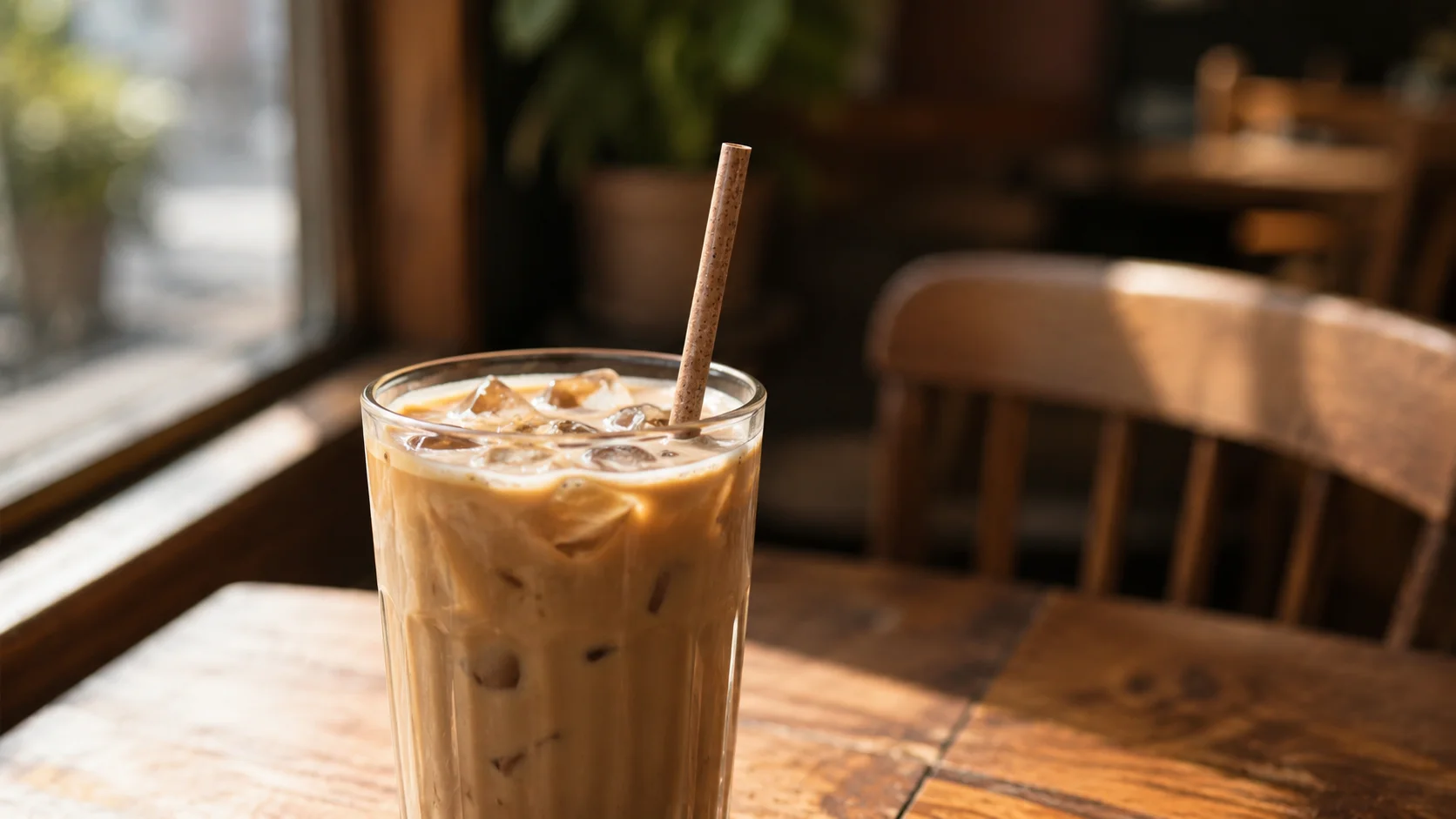
Kromě hádanky týkající se recyklace se provozní realita papírových brček rychle objevila ve formě rozšířených stížností zákazníků. Spotřebitelé hlásili problémy počínaje rozpadáním brček uprostřed nápoje až po dodávání nežádoucí chuti, zejména u hustších nápojů, jako jsou mléčné koktejly. Frustrace byla hmatatelná a vyvrcholila britskou peticí za obnovení plastových brček, která nashromáždila přes 51 000 podpisů. Tato veřejná reakce podtrhla zásadní lekci pro B2B s rozhodovací pravomocí: iniciativy udržitelnosti, jakkoli dobře míněné, nesmí ohrozit základní funkčnost produktu nebo zákaznickou zkušenost. Vnímaný kompromis mezi přínosem pro životní prostředí a praktickou použitelností představoval významnou hrozbu pro pověst značky a loajalitu zákazníků. Pro společnosti vyhodnocující podobné posuny vhotely, kavárny nebo letecké společnostiZkušenosti McDonald’s zdůrazňují kritickou potřebu komplexního funkčního testování a realistického řízení očekávání zákazníků, nejen posuzování vlivů na životní prostředí.
Kompromis zákaznické zkušenosti z hlediska udržitelnosti může vážně poškodit pověst značky na konkurenčních trzích pohostinství.
Navigace ve složitosti: Lekce z McDonald’s Straw Journey pro B2B Procurement
McDonald’s uznal, že výzva k recyklaci papírových brček je „širším problémem odvětví“, který lze připsat především zaostávajícímu rozvoji nezbytné recyklační infrastruktury. To podtrhuje zásadní imperativ pro manažery nákupu B2B a dodavatelského řetězcepohostinství a stravování: skutečná udržitelnost sahá daleko za místo nákupu. Vyžaduje holistický, komplexní pohled na životní cykly produktu, od získávání surovin až po konečnou likvidaci. Společnosti musí důkladně prozkoumat celý hodnotový řetězec, včetně často opomíjených řešení „na konci životnosti“ pro „ekologické“ alternativy, aby se zabránilo nechtěnému vytváření nových problémů s nakládáním s odpady.
Provozní dopady udržitelných přechodů materiálů (udržitelnost dodavatelského řetězce)
Pro nákupní týmy případ McDonald’s zdůrazňuje několik kritických provozních výzev, které jsou spojeny s udržitelnými přechody materiálů. Za prvé, ověření skutečné recyklovatelnosti a způsobů likvidace nových materiálů je složitý úkol, který vyžaduje hlubokou spolupráci s poskytovateli nakládání s odpady od nejranějších fází návrhu materiálu a získávání zdrojů. Bez této předvídavosti se může nákup neúmyslně zavázat k řešením, která jsou sice zdánlivě zelená, ale provozně neudržitelná. Zadruhé, zajištění toho, aby výkon nových obalů splňoval nebo překračoval očekávání spotřebitelů, je prvořadé pro udržení věrnosti značce a předcházení nákladným problémům se službami zákazníkům. Rozpad papírových brček posloužil jako ostrá připomínka, že funkčnost nelze obětovat na oltář udržitelnosti bez komerčních dopadů. A konečně, společnosti musí vyvinout robustní hodnocení udržitelnosti dodavatelského řetězce, která překročí pouhé materiálové certifikace a zhodnotí celou ekologickou a provozní stopu nových řešení. Pochopení složitosti dodržování, jako je dodržovánídodržování dovozu biodegradovatelné slámy, je zásadní pro bezproblémový vstup na trh a operace v různých regulačních prostředích.
Holistické hodnocení dodavatelského řetězce je zásadní pro zajištění toho, aby udržitelné materiály skutečně přinášely environmentální a provozní výhody.
Strategické imperativy: Co učí podniky McDonald’s Biodegradable Straw Experience
Cesta slámy McDonald’s nabízí neocenitelné strategické lekce pro B2B osoby s rozhodovací pravomocí, které se potýkají s vlastními přechody na udržitelnost. Osvětluje potřebu mnohostranného přístupu, který vyvažuje environmentální aspirace s praktickou realitou a ekonomickou životaschopností.
Vývoj udržitelných obalových řešení (iniciativy oběhové ekonomiky)
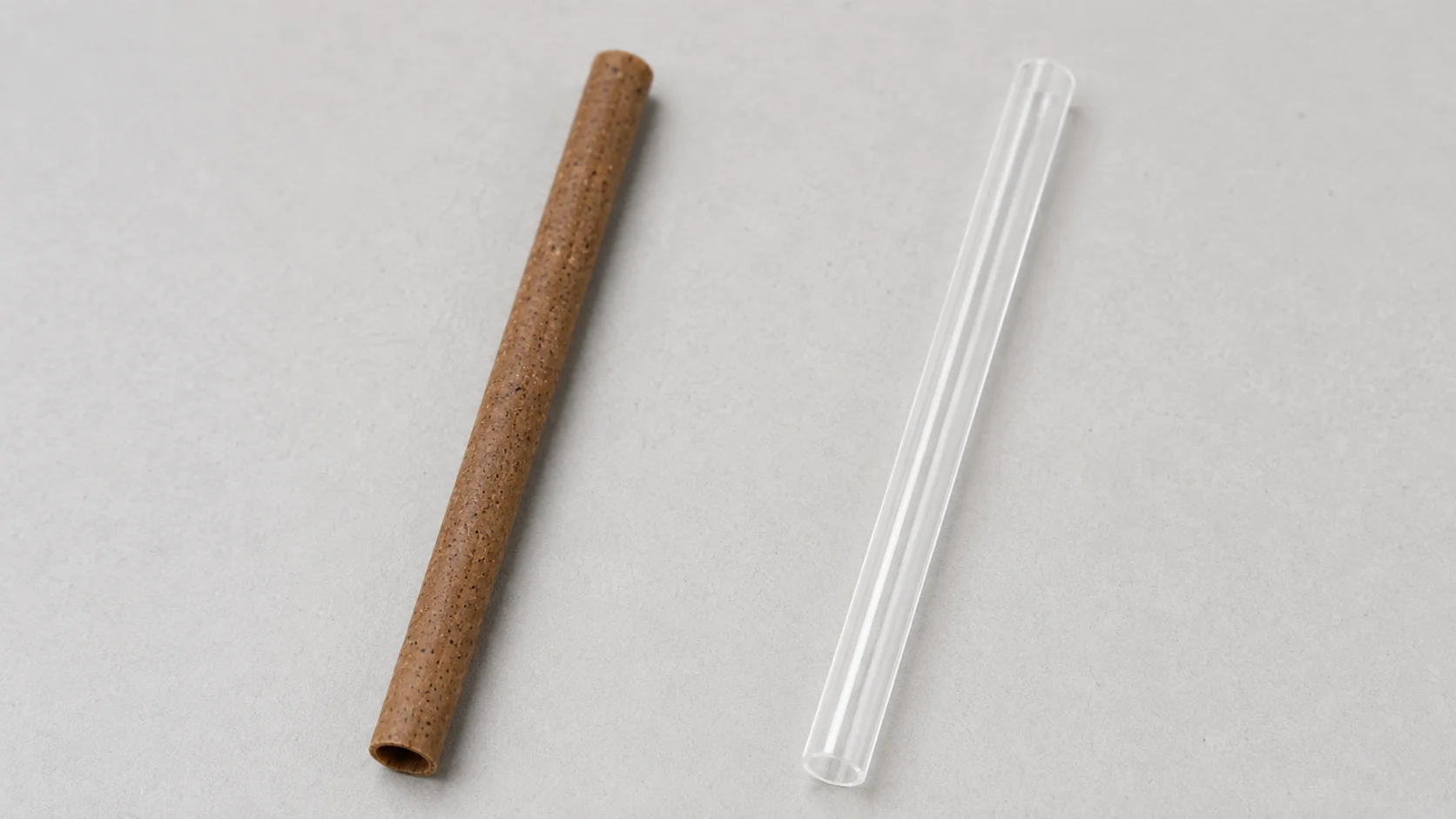
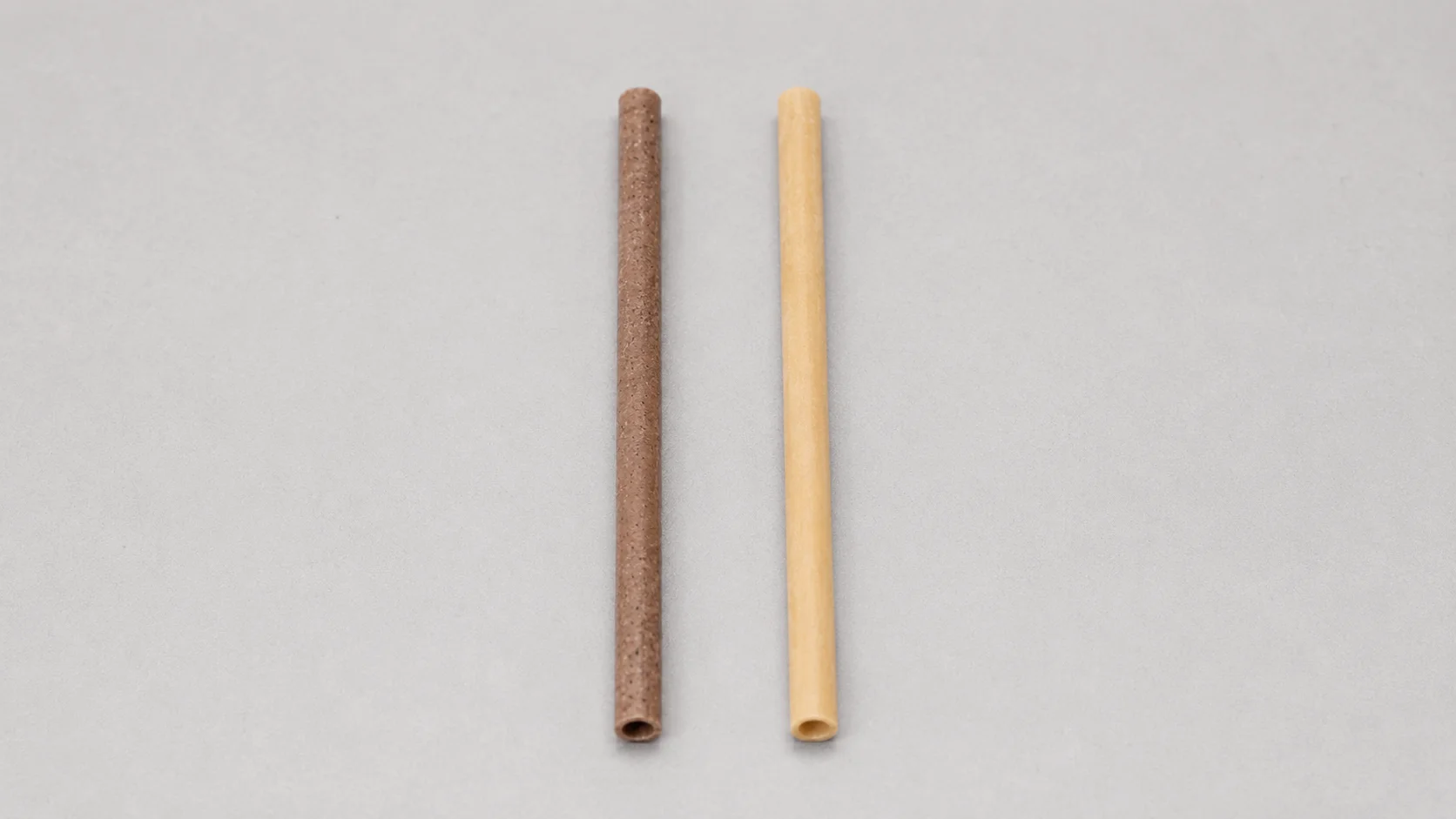
McDonald's není ve svém úsilí o udržitelnost statický. Společnost neustále zkoumá nové materiály a přístupy k řešení vyvíjejícího se prostředí udržitelnosti obalů. Významným příkladem je jejich pokračující výzkum nových materiálů, jako jsou kompostovatelné slámy z acetátu celulózy, které byly v některých regionech vyzkoušeny. To zdůrazňuje jasnou cestu vpřed pro nákupní týmypohostinství a stravování: zásadní je neustálá inovace materiálů. Strategické zaměření na cirkulární ekonomiku dále dokládají globální cíle McDonald’s v oblasti balení, které se zaměřovaly na 100 % primárních obalů pro hosty z obnovitelných, recyklovaných nebo certifikovaných zdrojů do roku 2025. Koncem roku 2023 společnost vykázala značný pokrok a dosáhla přibližně 86,7 % tohoto ambiciózního cíle. Společnost McDonald’s si navíc uvědomuje významný dopad plastových hraček na životní prostředí a agresivně pracuje na snížení původních plastů na bázi fosilních paliv v hračkách Happy Meal od roku 2018 o působivých 63,7 % s cílem dosáhnout 90% snížení do konce roku 2025. Tento mnohostranný přístup spíše demonstruje odhodlání k izolovaným systémovým změnám.
Beyond the Straw: Širší závazky McDonald’s v oblasti udržitelnosti
Slaměná sága, i když je velmi viditelná, je pouze jedním aspektem širší agendy udržitelnosti společnosti McDonald’s. Program „Better M“, spuštěný v listopadu 2019, je příkladem jejich závazku minimalizovat používání plastů a zlepšit recyklovatelnost v celé Evropě. Pozoruhodným úspěchem této iniciativy bylo odstranění plastových víček z McFlurrys, což vedlo k roční úspoře 1 200 tun plastu. Kromě výběru materiálů je klíčový rozvoj infrastruktury. V roce 2023 nabízelo více než 88,3 % restaurací McDonald’s působících v regionech s pokročilou infrastrukturou pro nakládání s odpady možnosti recyklace nebo kompostování svých obalů. Aktivní účast společnosti na spolupráci v rámci celého odvětví, jako je ReSource: Plastic a Bioplastic Feedstock Alliance, dále podtrhuje její uznání, že systémové výzvy vyžadují kolektivní průmyslová řešení.
Cesta vpřed pro udržitelné dodavatelské řetězce
Cesta ke skutečně udržitelným dodavatelským řetězcům pokračuje a vyžaduje proaktivní a adaptabilní strategii. Neustálé inovace v oblasti udržitelných materiálů a technologií zpracování odpadu jsou prvořadé. Případ McDonald’s názorně ilustruje, že bez odpovídajících pokroků v recyklační a kompostovací infrastruktuře mohou i ty nejdobře míněné změny materiálů nesplnit své ekologické cíle. To vyžaduje celoodvětvovou spolupráci při řešení problémů sdílené infrastruktury a lobování za změny politik, které podporují oběhové hospodářství. Integrace udržitelnosti nejen jako požadavku shody, ale jako hlavní obchodní strategie nabízí hlubokou dlouhodobou konkurenční výhodu. Podniky, které v tomto prostoru vedou, nejen zmírní rizika, ale také otevřou nové tržní příležitosti a posílí hodnotu značky. Strategický výběrmořská biologicky odbouratelná brčka pro pohostinství a stravováníje jednou z takových oblastí, kde mohou společnosti prokázat vedoucí postavení, zejména v pobřežních nebo ekologicky citlivých regionech.
Přijetí přístupu oběhového hospodářství je zásadní pro dlouhodobou udržitelnost a konkurenční výhodu v dodavatelských řetězcích pohostinství.
Competitive Advantage & Business Case
Pro manažery nákupu, provozní ředitele a úředníky pro udržitelnost vpohostinství a stravování, zkušenosti McDonald’s poskytují jasný plán pro vytvoření přesvědčivého obchodního případu pro udržitelné balení. Kvantifikovatelné výhody sahají daleko za altruismus:
- Zmírnění rizika: Proaktivní přijímání udržitelných obalů významně zmírňuje regulační rizika, jako jsou hrozící zákazy plastů a nařízení o rozšířené odpovědnosti výrobce (EPR), která jsou v EU a Severní Americe stále přísnější. Nedodržení může mít za následek značné pokuty a provozní poruchy. Kromě toho chrání před vážným poškozením pověsti značky a potenciálními spotřebitelskými bojkoty, které mohou narušit podíl na trhu, jak je vidět na negativní reakci kolem nerecyklovatelných papírových brček.
- Úspory nákladů: I když mohou být vyžadovány počáteční investice do nových materiálů nebo infrastruktury, skutečně oběhová řešení mohou vést k dlouhodobým úsporám nákladů prostřednictvím snížení poplatků za likvidaci odpadu, optimalizované logistiky a potenciálních příjmů z recyklovaných materiálů. Investice do robustní transparentnosti dodavatelského řetězce, včetně důkladného prověřování dodavatelů a analýzy životního cyklu, také slouží jako klíčová součást pro dlouhodobé řízení rizik a optimalizaci nákladů.
- Brand Value Uplift & Market Share Opportunity: Společnosti, které prokazují skutečný závazek k péči o životní prostředí, silně rezonují u spotřebitelů a B2B klientů, kteří si stále více uvědomují životní prostředí. Průzkumy neustále ukazují, že spotřebitelé jsou ochotni zaplatit prémii za udržitelné produkty a podniky upřednostňují ve svých partnerstvích výkonnost ESG (Environmental, Social, and Governance). Transparentní, ověřitelná strategie udržitelného balení odlišuje značku, zvyšuje její vnímanou hodnotu a může získat podíl na trhu od méně prozíravých konkurentů. Kromě vnímání spotřebitelů splňují požadavky investorů vylepšené výkaznictví ESG a due diligence, což může potenciálně přilákat více kapitálu.
- Provozní odolnost: Diverzifikace získávání materiálů a investice do pokročilých řešení pro nakládání s odpady vytváří odolnější dodavatelský řetězec, který je méně náchylný k nedostatku materiálu, kolísání cen plastů na bázi fosilních paliv nebo náhlým regulačním změnám. Tato provozní agilita je významným konkurenčním prvkem na nestálém globálním trhu.
Cesta McDonald’s slouží jako silná připomínka toho, že skutečná hodnota „biologicky rozložitelných“ nebo „udržitelných“ obalů spočívá v jejich praktickém způsobu ukončení životnosti a jejich přijetí spotřebiteli. Podniky, které upřednostňují holistický přístup k udržitelnému balení, nejenže splní požadavky regulačních orgánů a spotřebitelů, ale také získají významnou konkurenční výhodu na rychle se vyvíjejícím trhu. Pro ty, kteří chtějí prohloubit své chápání materiálového výkonu, konzultovat komplexníkompostovatelná vs. biologicky rozložitelná brčka B2B průvodcemůže poskytnout neocenitelný pohled na výběr optimálního řešení pro jejich konkrétní provozní kontext.
Udržitelné balení nabízí významné konkurenční výhody, včetně zmírnění rizik, úspor nákladů a zvýšení hodnoty značky.
Závěr
Vysoce viditelný posun společnosti McDonald’s k „biologicky odbouratelným“ papírovým slámkám nabízí silnou, vícevrstvou případovou studii pro B2B s rozhodovacími pravomocemi.pohostinství a stravování. Provozní realita recyklovatelnosti a spokojenosti zákazníků, řízená obdivuhodnými ekologickými cíli a značným tlakem veřejnosti, představovala značné překážky. Tato zkušenost jednoznačně podtrhuje, že skutečná udržitelnost přesahuje jednoduchý výběr materiálu, vyžaduje holistický pohled na životní cyklus produktu, robustní infrastrukturu pro nakládání s odpady a neochvějné zaměření na provozní integritu. Poučení získaná z cesty této globální značky jsou zásadní pro každou organizaci, která se zavázala procházet složitým terénem udržitelných obalů.
Skutečná udržitelnost vyžaduje holistický přístup, který integruje výběr materiálů s infrastrukturou a provozní realitou.
Jste připraveni optimalizovat svou strategii udržitelného balení?
Vyhodnoťtevaše aktuální balicí strategie aspolupracovats odbornými partnery dodavatelského řetězce k implementaci skutečně cirkulárních a odolných řešení, která splňují jak ekologické požadavky, tak vyvíjející se očekávání spotřebitelů.Požádejte o strategickou konzultaci ještě dnes
Zajistěte budoucnost svých balicích operací proti regulačním změnám a zajistěte si svou pozici na trhu.
Často kladené otázky (FAQ)
Jsou brčka McDonald’s skutečně biologicky odbouratelná?
Proč McDonald’s přešel z plastových na papírová brčka?
Jakým výzvám čelil McDonald’s s papírovými brčky v pohostinských zařízeních?
Jak se mohou pohostinské podniky vyhnout podobným nástrahám udržitelnosti slámy?