Paper vs. Plastic: The True Cost of Straws in F&B
A B2B Guide for Procurement Managers, Operations Directors, and Sustainability Officers

The Shifting Tides: Why F&B Businesses Can No Longer Ignore the True Cost of Straws
The F&B industry faces a monumental shift: plastic straw bans and consumer demand for sustainability reshape market dynamics and profit margins.
The global Food & Beverage (F&B) industry is undergoing a profound transformation. Driven by widespread plastic straw bans and an escalating consumer demand for sustainable practices, the landscape is rapidly reshaping. This shift isn’t merely a trend; it’s a monumental market reorientation, with the paper straw market alone projected to grow from an estimated $1.87 billion in 2023 to over $3 billion by 2030, according toVýzkum Grand View (2023). Beyond the imperative of regulatory compliance, a critical, often overlooked, financial reality exists: a lack of strategic foresight regarding straw procurement introduces significant operational friction, erodes customer satisfaction, and exerts direct pressure on already thin F&B pre-tax profit margins, which average a mere 3.6% (Svět IBIS, 2024). For decision-makers, the choice of straw impacts far more than just procurement; it influences brand reputation, supply chain efficiency, and, ultimately, bottom-line profitability. The hospitality sector, particularly hotels and large restaurant chains, faces unique challenges due to high volume consumption and direct customer interaction, making the TCO of straws a critical factor in maintaining service quality and financial health.
Key Takeaway: The F&B industry’s shift to sustainable straws is not just an environmental mandate but a critical financial decision impacting profit margins, brand reputation, and operational efficiency, especially for high-volume hospitality businesses.
Beyond the Unit Price: Deconstructing the Total Cost of Ownership (TCO) for Straws in F&B
Understanding straw TCO is crucial, encompassing regulatory compliance, environmental liability, direct cost uplift, and operational realities like durability and resupply.
Navigating the regulatory imperative and environmental risk is paramount. Governments worldwide, from theEvropská unieaUnited Kingdomdo velkých amerických měst, jako je Seattle a Kalifornie, zavádějí přísné zákazy a omezení jednorázových plastů, včetně brček, což si vynucuje rychlé změny ve strategiích nákupu. Nedodržení těchto vyvíjejících se předpisů riskuje značné pokuty, právní problémy a nevratné poškození veřejného obrazu, protože spotřebitelé stále více prověřují své závazky v oblasti životního prostředí. Je důležité pochopit dlouhodobou odpovědnost plastového odpadu, který přetrvává stovky let, oproti alternativám, které se biologicky rozkládají během týdnů nebo měsíců, a tím snižují budoucí náklady na čištění životního prostředí. Komplexní průvodce globálními plastovými předpisy naleznete v našemInterní zdroj shody s předpisy.

The direct impact on F&B profit margins is undeniable. While the per-unit cost of paper straws typically ranges from 2 to 10 times higher than that of plastic, for large F&B chains, this translates to potentially millions in increased annual expenditure, significantly eroding the industry’s average profit margin. This direct cost uplift can ripple through budgeting, necessitating strategic adjustments to pricing, operational efficiencies, or customer loyalty programs to offset the impact. Additionally, hidden costs include increased waste management expenses for non-compliant materials and the potential for customer churn due to outdated or unsustainable practices.
Provozní realita situaci dále komplikuje, zejména pokud jde o trvanlivost papírových slámek, zásobování a zákaznickou zkušenost. Paradox spokojenosti zákazníků je delikátní balancování: zatímco používání papírových brček nepopiratelně posiluje ekologickou image značky, papírová brčka rané generace často trpěla špatnou trvanlivostí, rozmočila se a negativně ovlivnila zákaznickou zkušenost, což vedlo k rozšířeným stížnostem. Studie z roku 2023Věda o celkovém životním prostředíeven highlighted concerns about “forever chemicals” (PFAS) in some paper straws, further complicating the perceived environmental benefit. The critical balance lies in ensuring that a positive sustainable choice isn’t undermined by a poor functional product, requiring careful selection of advanced paper or alternative materials to maintain beverage quality and customer perception. Leveraging customer feedback becomes an opportunity for improvement and communication, demonstrating responsiveness to both environmental values and practical product performance.
Další klíčovou výzvou je optimalizace zásobování a odolnosti dodavatelského řetězce na dynamickém trhu. Přechod od vyspělého dodavatelského řetězce plastových slámek na stále se rozvíjející trh s papírovými slámami přináší nové logistické překážky, včetně potenciálně delších dodacích lhůt, proměnlivé kvality a omezené kapacity dodavatelů. Strategie pro zajištění konzistentního zásobování zahrnují diverzifikaci dodavatelů, vyjednávání dlouhodobých kontraktů a zvažování výrobců, kteří investují do pokročilých výrobních technologií, aby uspokojili rostoucí poptávku. Minimalizace odpadu a spotřeby lze také dosáhnout vzděláváním zaměstnanců o zásadách „slámy na vyžádání“ a optimalizací řízení zásob, aby bylo možné zohlednit různé míry degradace různých materiálů ze slámy. Pro ty, kteří se chtějí informovaně rozhodovat, je pochopení různých možností papírové slámy zásadní pro bezproblémový přechod. Můžete se dozvědět více o tom, jak na to choose paper straws effectively.
Key Takeaway: TCO analysis reveals that beyond unit price, regulatory compliance, customer satisfaction, and supply chain resilience are critical factors determining the true financial impact of straw choices on F&B profitability.
Future-Proofing Your Beverage Service: Innovations and Strategic Alternatives
Embrace innovative straw materials like PHA and edible options to enhance sustainability and customer experience, moving beyond basic paper solutions.
The landscape of drinking straws is rapidly evolving, driven by technological advancements and a global push for sustainability. Leading F&B businesses are not just reacting to bans but proactively embracing innovations to enhance both environmental responsibility and customer experience.

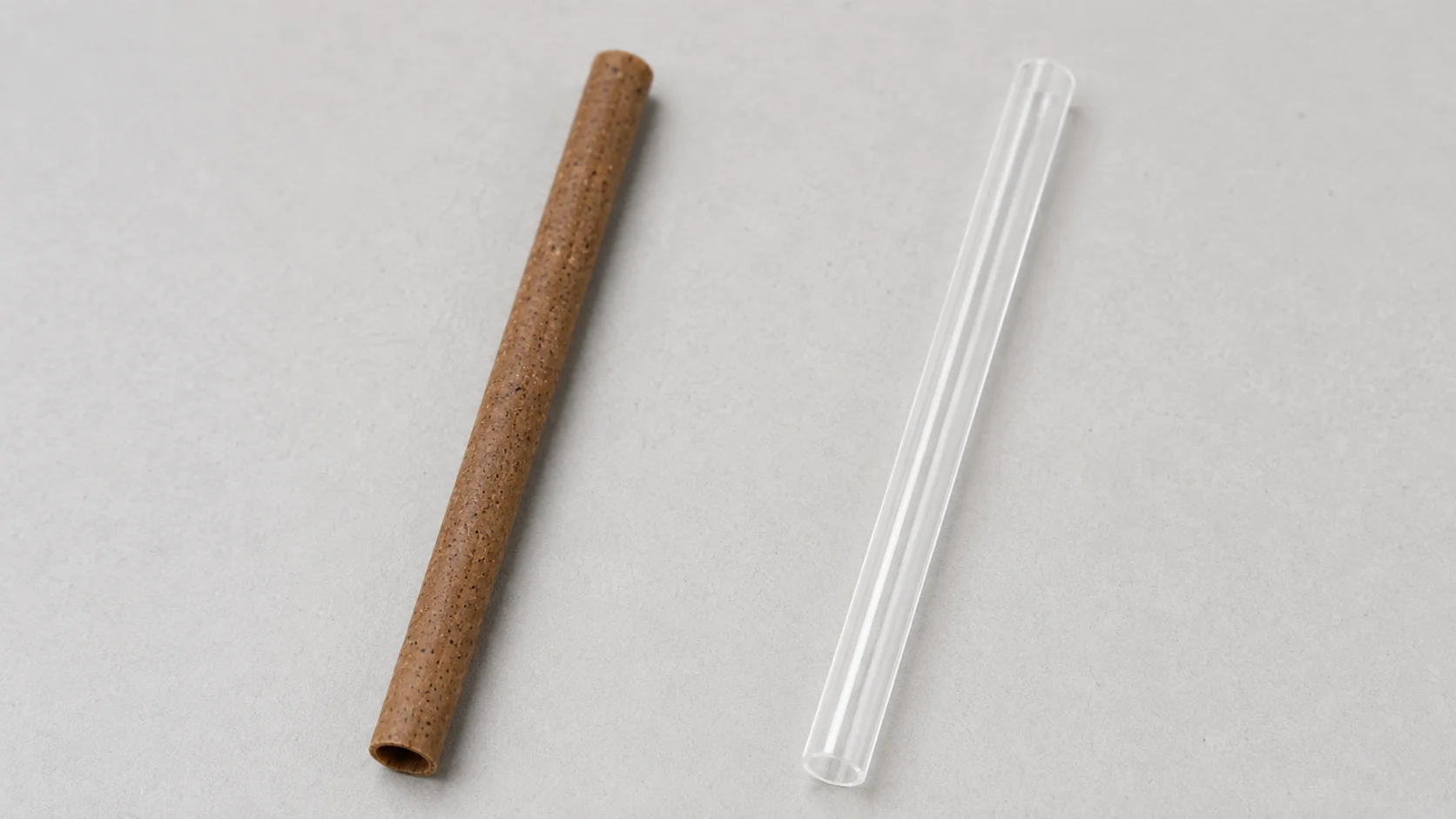
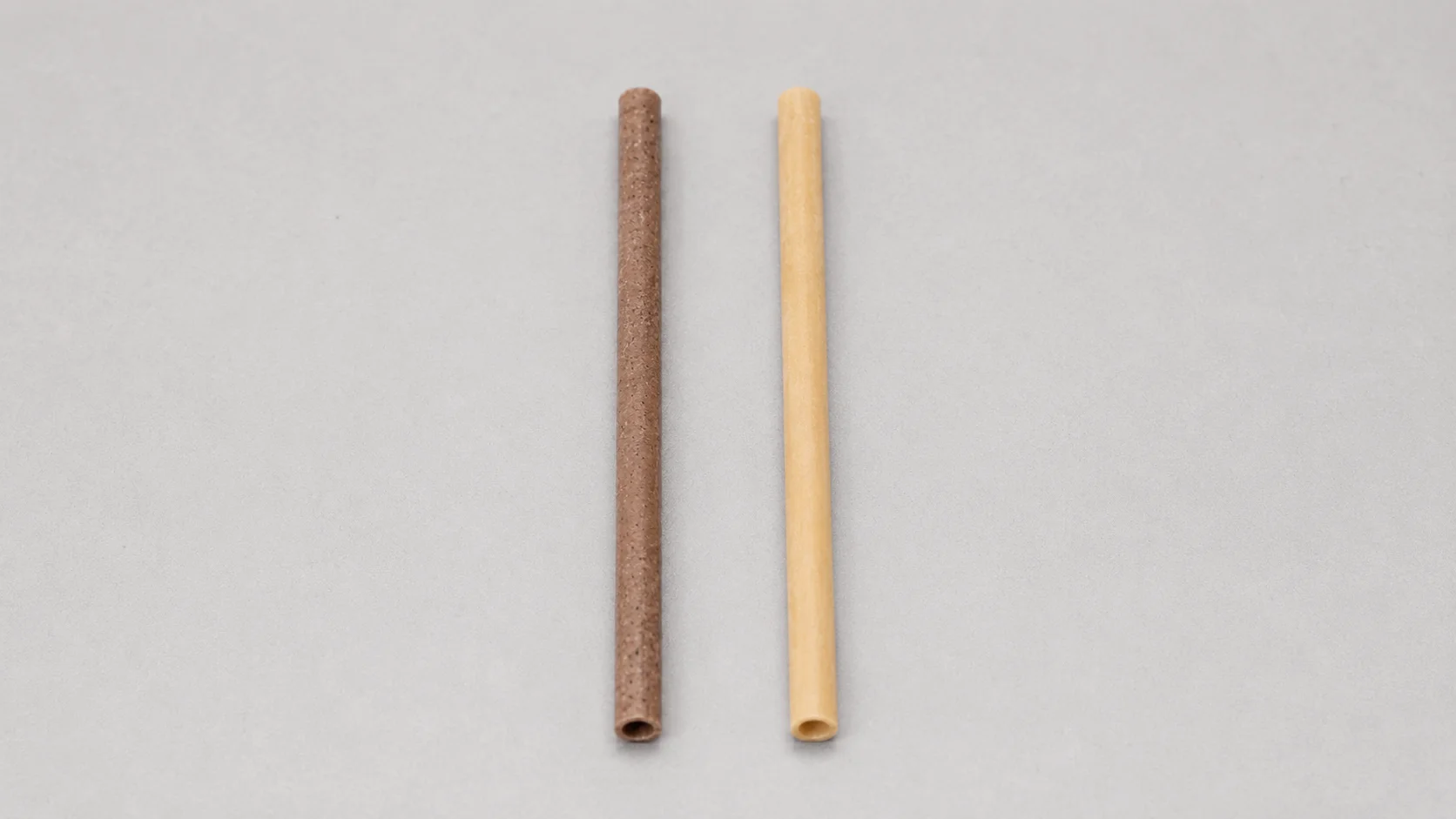
Advancements in paper straw technology have transformed a product once synonymous with sogginess. Modern manufacturing leverages multi-ply construction, plant-based binding agents, and improved water-resistant coatings that enhance durability without compromising biodegradability or introducing harmful PFAS chemicals. New extrusion technologies are leading to more consistent, robust paper straws capable of withstanding various beverage types and temperatures for extended periods. Major F&B brands are successfully transitioning by partnering with manufacturers focused on next-generation paper straw performance, effectively mitigating past quality concerns.
Beyond paper, a diverse array of next-generation sustainable materials is emerging.
- PHA (Polyhydroxyalkanoate) Straws: These innovative bioplastic straws, made from fermented canola oil, mimic the feel and durability of traditional plastic but biodegrade safely in natural environments within months, offering a high-performance, truly compostable solution. For a deeper dive into alternatives to traditional paper, explore the nejlepší biologicky odbouratelná brčka, která nejsou papírová.
- Jedlé brčka: Offering a truly zero-waste solution, these innovative straws are made from rice, wheat, or other plant-based ingredients. They maintain rigidity for significant durations and can be consumed after use, turning a disposable item into a part of the meal.
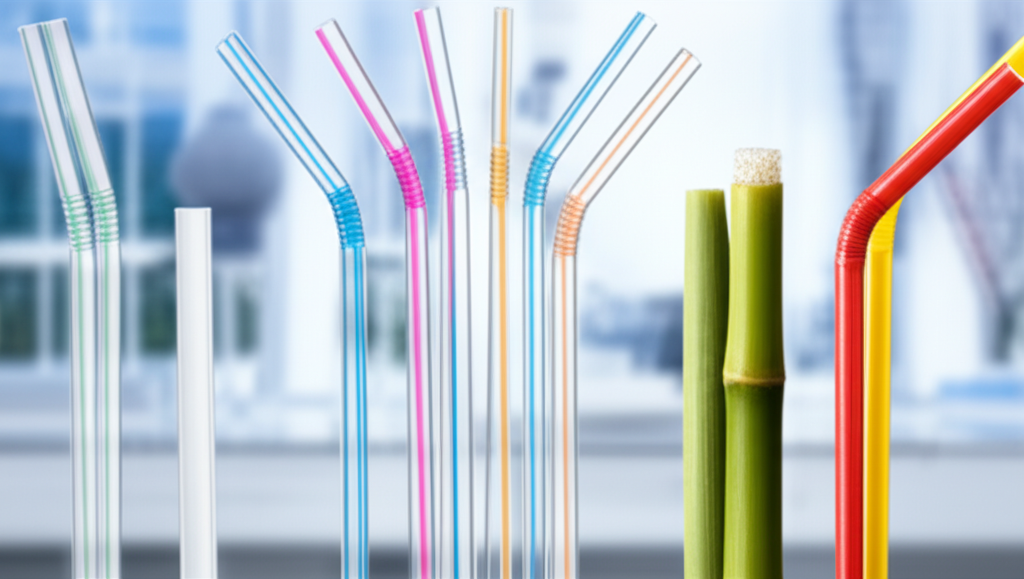
- Other Emerging Materials: The market is also seeing exciting developments in straws made from agave waste (a byproduct of tequila production), bamboo, and even hay. The decision between different plant-based alternatives like paper and sugarcane straws is becoming more prevalent as businesses seek optimal sustainable solutions. Each material offers unique properties, environmental benefits, and suitability for various F&B applications.
To help evaluate these diverse options, consider this strategic choice matrix for straw procurement:
| Vlastnosti / Typ slámy | Plastic (Conventional) | Paper (Standard) | Paper (Advanced/PFAS-Free) | PHA (Bioplast) | Jedlý |
|---|---|---|---|---|---|
| Unit Cost (Relative) | Nejnižší | Vysoký | High to Moderate | Střední až Vysoká | Vysoký |
| Trvanlivost v kapalině | Vysoký | Nízký | Střední až Vysoká | Vysoký | Mírný |
| Vliv na životní prostředí | High Pollution Risk | Variable (PFAS, Recyclability) | Biodegradable, Lower Footprint | High Biodegradability | Zero Waste |
| Soulad s předpisy | High Risk of Non-Compliance | Growing Compliance | High Compliance | High Compliance | High Compliance |
| Vnímání zákazníka | Negative | Mixed | Positive | Positive | Novelty, Positive |
| Supply Chain Maturity | Mature | Evolving | Emerging | Emerging | Niche |
Key Takeaway: The future of F&B straws lies in advanced paper and innovative materials like PHA and edible options, offering superior performance and environmental benefits that enhance customer experience and brand value.
Seizing the Competitive Edge: Why Proactive Adoption of Advanced Straw Solutions Drives Value
Proactive adoption of advanced sustainable straws drives brand value, customer loyalty, and long-term cost savings, positioning F&B businesses for future growth.
In today’s competitive F&B market, adopting advanced straw solutions is not just about compliance; it’s a strategic move to drive brand value and cultivate deep customer loyalty. A2023 NielsenIQ studyunderscored that environmentally conscious consumers increasingly favor brands demonstrating genuine commitment to sustainability, creating powerful opportunities for enhanced brand affinity. By proactively embracing superior sustainable straw solutions, your brand differentiates itself in a crowded market, signaling innovation and responsibility beyond mere compliance.
This proactive approach also unlocks significant long-term cost savings and opens new market share opportunities. Shifting to advanced, durable sustainable straws reduces the implicit total cost of ownership by minimizing resupply frequency and mitigating costs associated with customer complaints due to inferior products. By anticipating regulatory trends and investing in future-proof solutions, businesses can avoid costly reactive changes and maintain market leadership. The growing global paper and compostable straw market, projected at $3.8 billion by 2035 with a 7.1% CAGR in compostables alone (Fortune Business Insights, 2024), represents a clear pathway to position your brand for future growth and capitalize on evolving consumer preferences.
Key Takeaway: Proactive investment in advanced sustainable straws is a strategic differentiator, enhancing brand loyalty, reducing TCO, and securing market leadership in a rapidly evolving F&B landscape.
Ready to Optimize Your Straw Strategy?
Don’t let outdated straw choices compromise your brand’s future or your operational efficiency. Schedule a comprehensive TCO analysis with our experts today to identify the optimal straw solutions that align with your sustainability goals and financial objectives.Schedule Your TCO Analysis
Často kladené otázky (FAQ)
What is the Total Cost of Ownership (TCO) for straws in F&B?
TCO for straws in F&B extends beyond unit price to include regulatory compliance, waste management, customer satisfaction impacts (e.g., complaints from soggy straws), resupply logistics, and brand reputation, all directly affecting profit margins.
How do plastic straw bans impact F&B profit margins?
Plastic straw bans necessitate a shift to more expensive alternatives, directly increasing procurement costs. Non-compliance risks fines and reputational damage, while customer dissatisfaction with poor-quality alternatives can lead to churn, all eroding profit margins.
Are paper straws truly sustainable given concerns about PFAS and durability?
Modern paper straw technology addresses past durability issues with multi-ply construction and improved coatings. PFAS-free options are increasingly available, ensuring biodegradability and mitigating environmental concerns, making them a viable sustainable choice.
What are PHA straws and how do they compare to paper or plastic?
PHA (Polyhydroxyalkanoate) straws are innovative bioplastic straws made from fermented canola oil. They offer the durability of traditional plastic but biodegrade safely in natural environments within months, providing a high-performance, truly compostable solution superior to early-generation paper straws.
How can F&B businesses optimize their supply chain for sustainable straws?
Optimizing involves diversifying suppliers, negotiating long-term contracts, considering manufacturers with advanced production tech, implementing ‘straw-on-request’ policies, and managing inventory to account for different material degradation rates to ensure consistent resupply and