I. The Plastic Straw Hangover: Proč jsme potřebovali změnu
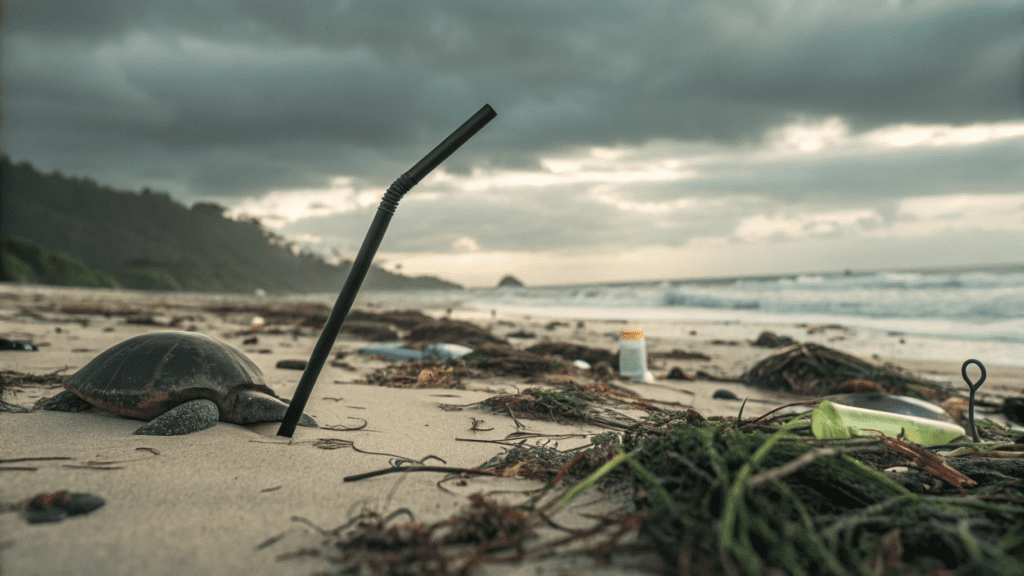
Ach, všudypřítomné plastové brčko. Pamatujete na ty dny? Všudypřítomný, pohodlný, skutečný symbol bezstarostné konzumace. Byli všude – rychlé občerstvení, luxusní koktejlové bary, dokonce číhající v hlubinách vaší kuchyňské zásuvky. Levné a zdánlivě neškodné, tyto štíhlé trubky usnadnily naše potěšení z popíjení. Přesto jejich odkaz není ani zdaleka příjemný, přetrvává po staletí na skládkách a v našich oceánech.
Vstupte mezi eko-hrdiny: kompostovatelná brčka! Ptáte se, jaká čarodějnictví jsou tyto magické trubky?
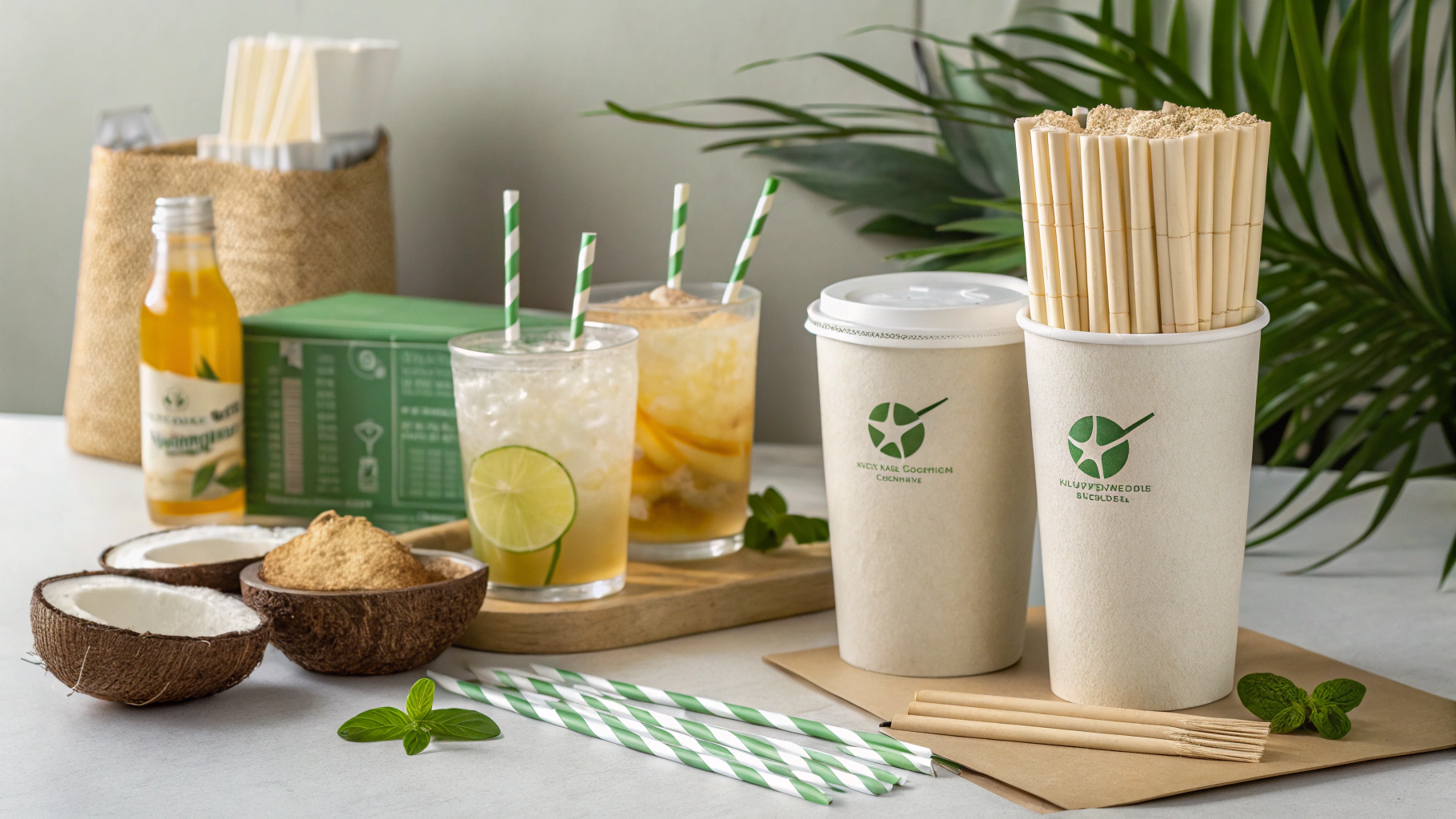
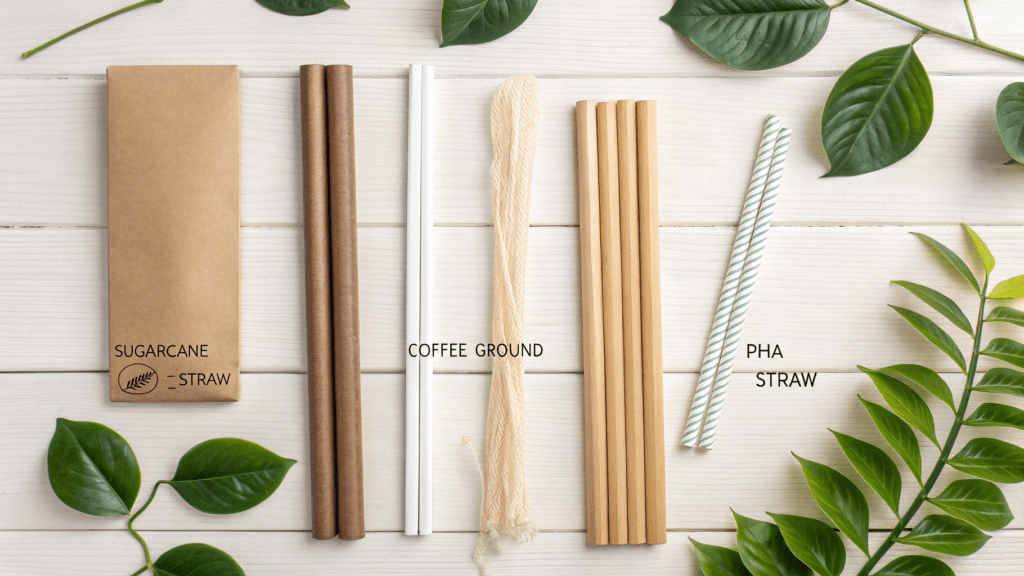
jsouneplast, především! Místo toho pocházejí z rostlinné říše – kukuřice, cukrová třtina, pšenice, bambus, dokonce i skromná mletá káva se k tomuto účelu hodí. Ale skutečné kouzlo spočívá v jejich velkém slibu: rozložit se zpět na přírodní prvky – vodu, CO2 a starou dobrou špínu – v kontrolovaném prostředí kompostovacích zařízení a nezanechat po sobě žádné stopy po mikroplastické zlomyslnosti. Hovoříme o rozkladu v týdnech nebo měsících, nikoli stoletích.
A pamatujte si toto základní pravidlo: „kompostovatelné“ vládne nad „biologicky rozložitelné“. První z nich dodržuje přísné standardy a zajišťuje skutečný mizející akt za specifických podmínek. To druhé? No, řekněme, že jeho sliby jsou často chatrné jako… mokrá sláma.
II. Pokřivená historie: Jak jsme se sem dostali?
Historie slámy je delší a podivnější, než si dokážete představit.
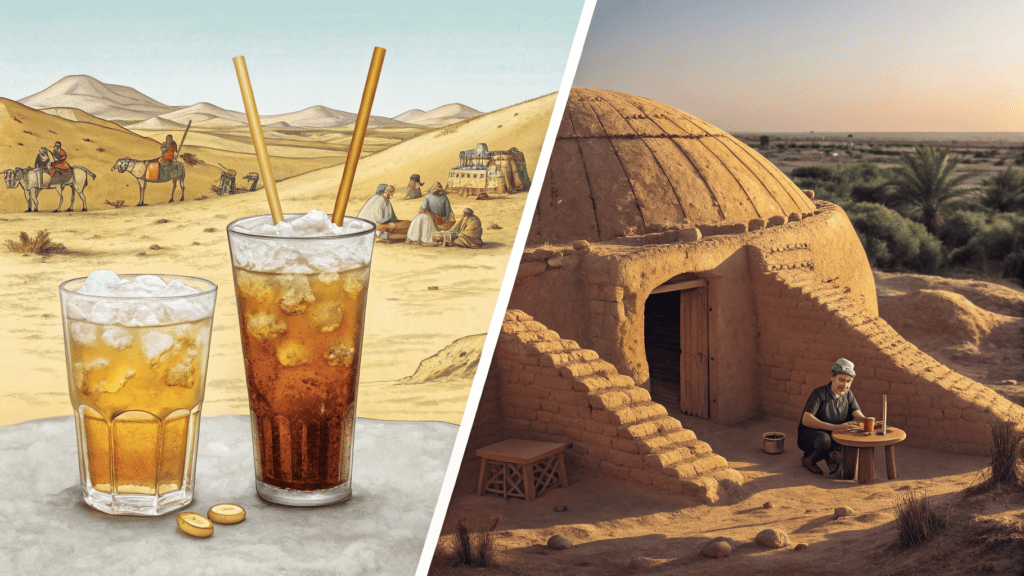
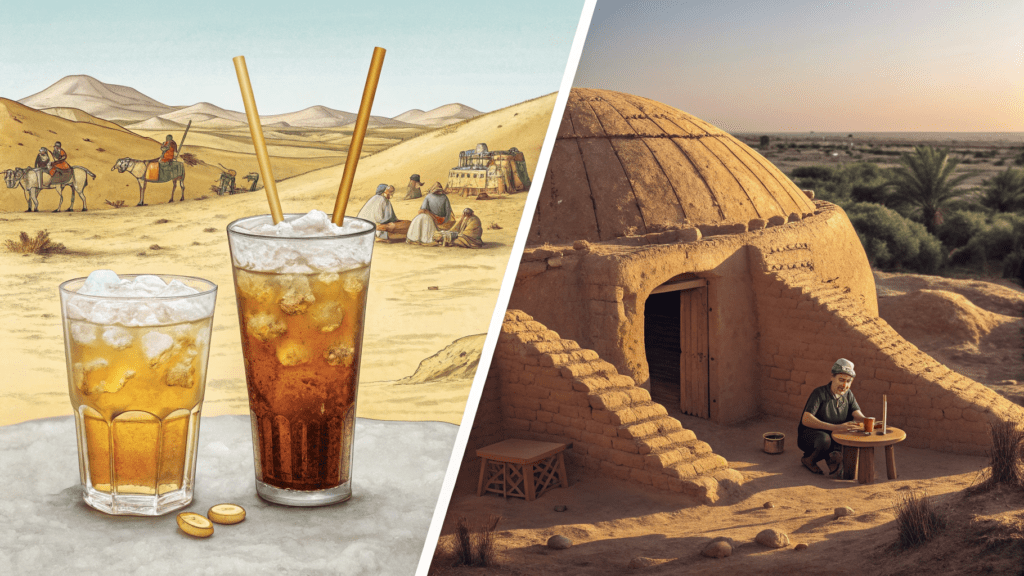
Věřte tomu nebo ne, naši předkové usrkávali z trubek asi před 5000 lety. Sumerové, ti chytří Mezopotámci, používali zlatá brčka, aby se podíleli na společném pití piva. Představte si večírky! Následovalo rákosí, bambus a dokonce i zdobené kovové „bombily“ – používané k popíjení luxusních čajů.
Rychle vpřed do roku 1800 a setkáme se s „dobou promočené žity“. Běžná sláma se pak vyráběla z žitné trávy. Levný? Ano. Chutný? Ne tak moc. Sklon k rychlému rozpadu? Absolutně. Možná revoluce obráceně?
Zadejte papír na záchranu (první kolo!). V roce 1888 si Marvin Stone patentoval první moderní papírové brčko, lstivě navoskované, aby odolalo obávané rozmoklé. Pak přišla v roce 1937 ohnutá sláma, důkaz lidské vynalézavosti (nebo snad lenosti?).
Ale bohužel, plastové převzetí bylo blízko. Po druhé světové válce nastal čas levných plastů. Odolný, chuťově neutrální a vhodný pro sériovou výrobu, plast zametl všechno před ním. Papírová brčka téměř zmizela. Byla to doba plastová a slámy byly jejími králi (nebo královnami).
Pak přišla želva. Nechvalně známé virální video z roku 2015 s mořskou želvou, jejíž nosní dírku narušilo plastové brčko, posloužilo jako brutální probuzení. Najednou pohodlí zanechalo hořkou pachuť.
Tak začaly „Slámové války“. Veřejné pobouření a ekologické kampaně podnítily globální hnutí. Papírová brčka (druhé kolo!) předvedla comeback, ale přízrak rozmoklé přetrvával. Začalo se hledat něco lepšího.
III. Stav doušku: O čem je dnes šuškanda?
Co si o této slámové sáze myslí moderní spotřebitel?
No, lidiláskamyšlenka být ekologicky uvědomělý. Spotřebitelé stále více prokazují ochotu platit prémii a propagují podniky, které se vzdávají plastů. Pro značky není přijetí udržitelnosti pouze ctnostné; je to důvtipné.
Ale pojďme se obrátit na slona v místnosti: stížnost na „rozmočené slámy“. Nikdo, a tím myslímnikdo, si vychutnává zážitek, kdy se brčko srazí uprostřed nápoje. Toto je hlavní stížnost, zejména proti určitým iteracím papíru. Kolují také šepoty zvláštních chutí.
A pak je tu „kompostovatelný“ hlavolam. Zní to slibně, ale kde tato stébla vlastně končí? Přístup k průmyslovým kompostovacím zařízením zůstává nerovnoměrný, což vede k…
Jak restaurace reagují na tuto měnící se situaci?
Spotřebitelská poptávka, rostoucí legislativa proti plastům (Seattle, DC a kol.) a skutečná touha po udržitelnosti vedou k přechodu.
Přechod se však neobejde bez zkoušek:
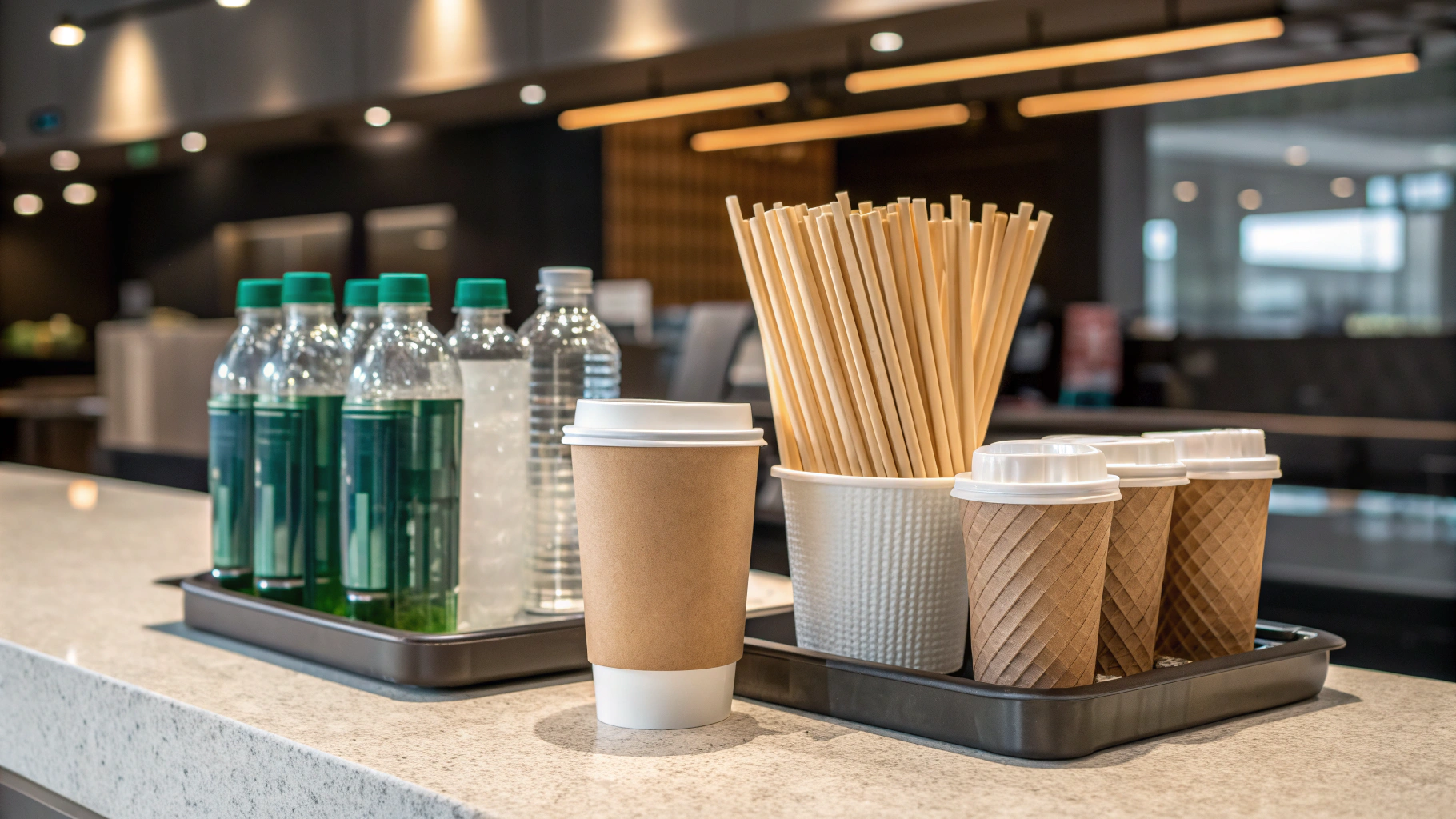
Je tu nákladový šok. Kompostovatelná brčka mají často vyšší cenu než jejich plastová předchůdce.
Existuje úzkost z výkonu. Budou zákazníci reptat? Bude potřeba více brček na jeden nápoj?
A samozřejmě také kompostovací hlavolam (přehodnoceno!). Pokud místnímu systému likvidace odpadu chybí možnosti kompostování, je přechod skutečně prospěšný?
Řešení? Podniky se odvažují za papír, experimentují s cukrovou třtinou, PHA (zázrak „podobný plastu, ale kompostovatelnému“), agáve a dokonce i těstoviny! Politika „slámy na požádání“ také získává na síle.
IV. Míchání hrnce: Kontroverze kolem kompostovatelných brček
Cesta k udržitelnému popíjení je plná složitostí a potenciálních úskalí.
je to?opravdukompostovatelné, nebo jen chytrý marketingový tah? Mnoho brček PLA vyžaduje specializovaná průmyslová zařízení, kterých je stále málo. Pokud jsou odsunuty na klasickou skládku, jejich dopad je minimální.
A pak je tu fiasko „navždy chemické“ PFAS. Připravte se: u některých papírových a rostlinných brček bylo zjištěno, že obsahují PFAS, tyto perzistentní a potenciálně škodlivé chemikálie. Ironie je hmatatelná, že?
Nejvýznamnější výzvou je mezera v infrastruktuře. Bez širokého přístupu ke správným kompostovacím zařízením se i ty nejušlechtilejší záměry mohou zvrtnout. Tato brčka mohou dokonce kontaminovat pravidelné recyklační nebo kompostovací toky, pokud jsou nesprávně tříděna.
Jsme chyceni ve věčném přetahování mezi výkonem a principem. Upřednostňujeme trvanlivost před udržitelností, nebo naopak?
Nakonec je tu otázka „Jídlo vs. Brčka?“. Využití plodin jako kukuřice nebo cukrová třtina pro jednorázové předměty vyvolává etické úvahy.
V. Usrkávání do zítřka: Co bude se slámami dál?
Inovace jsou heslem budoucnosti.
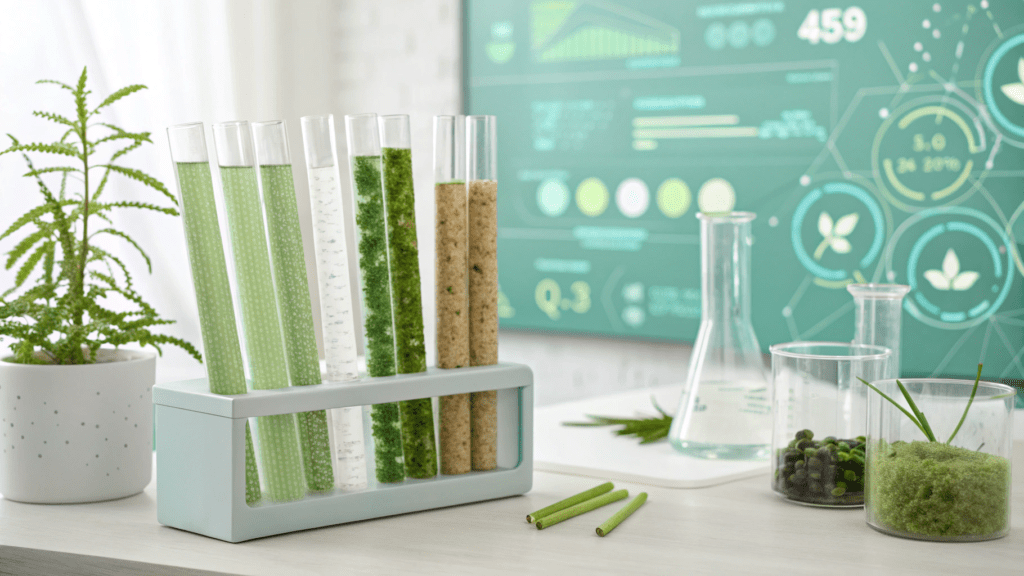
Zvažte brčka na bázi vápence (Biodolomer). Pozoruhodná stabilita, tuhost, tepelná odolnost a nulové odlupování mikroplastů!
Nebo bakteriální celulóza a brčka z mořských řas. Pevnější než papír, nevyžadující kompostování (v určitých případech) a potenciálně dokonce jedlé! (I když se možná prozatím zdržte svačiny.)
PHA je připraven na svůj okamžik. Tento materiál skutečně září, rozkládá se v domácím kompostu, průmyslových zařízeních, půdě a dokonce i v mořském prostředí! Napodobuje pocit a funkci plastu bez pocitu viny.
A nezapomeňme na papír nové generace. Silnější, vylepšené povlaky (rostlinné!), přírodní lepidla – papírová brčka procházejí vážnou modernizací.
Důraz se posouvá směrem k materiálům, které se snadno a univerzálně rozkládají bez potřeby specializovaných průmyslových závodů.
S nárůstem poptávky očekávejte pokles cen, díky čemuž budou eko-brčka dostupnější pro všechny.
Aspirací je v konečném důsledku překonat předměty na jedno použití úplně – možná prostřednictvím přepracovaných víček pro „srkání“ nebo většího důrazu na opakovaně použitelné alternativy.
VI. Poslední doušek: Každá kapka se počítá
Pátrání po dokonalé ekologické slámě je pokračující sága, tapisérie utkaná z inovací, chování spotřebitelů, průmyslových výzev a požadavků na infrastrukturu. Jedna pravda ale zůstává jasná: vláda jednorázového plastového brčka se naštěstí chýlí ke konci. Tím, že zůstaneme informováni, budeme se svědomitě rozhodovat a budeme podporovat podniky a politiky, které prosazují skutečnou udržitelnost, můžeme zajistit, že každý doušek, který vypijeme, naši planetu spíše živí, než poškozuje.