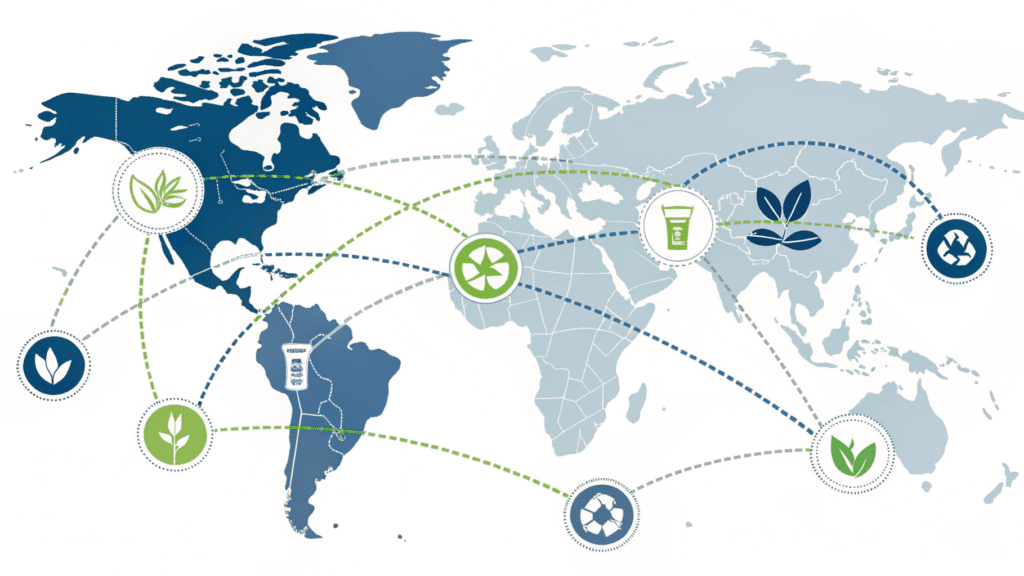
Asijsko-pacifický (APAC) region stojí v kritickém bodě své environmentální politiky a vývoje trhu. V důsledku naléhavé celosvětové krize v oblasti plastů se v APAC šíří rychlé regulační reakce, které se přímo zaměřují na plastové výrobky na jedno použití (SUP), přičemž primárním cílem jsou brčka. Tento legislativní nárůst hluboce přetváří dynamiku trhu pro podniky závislé na dovozu, což představuje jak významné výzvy, tak jedinečné příležitosti.
Vzhledem k tomu, že v roce 2021 bude APAC produkovat více než polovinu světového plastového odpadu – ohromujících 200 milionů tun – je naléhavost změny nepopiratelná. Tato ekologická zátěž, umocněná rychlou urbanizací, při níž se denně přesouvá přibližně 120 000 lidí do městských center, má vážné provozní a komerční dopady. Odhaduje se, že plastové znečištění v samotném regionu APAC způsobí ekonomické náklady ve výši 1,3 miliardy USD ročně v podobě škod v odvětví cestovního ruchu, rybolovu a lodní dopravy. Pro dovozce není hluboké a proaktivní porozumění těmto posunům pouze o souladu; je zásadní pro udržení podílu na trhu, zajištění ziskovosti a vybudování odolného dodavatelského řetězce v rychle se měnícím prostředí.
The Shifting Regulatory Landscape in APAC: Driving APAC Straw Bans
Governments and intergovernmental organizations across APAC are actively implementing robust policies and campaigns to ban or restrict single-use plastic products, including straws. This pervasive legislative push is the primary driver behind the escalating demand for alternative materials, compelling importers to fundamentally re-evaluate their sourcing and product portfolios. Crucially, staying meticulously informed about specific country-level regulations and their often-phased effective dates is paramount to pre-empt supply chain disruptions, avoid costly penalties, and maintain operational continuity.
Regulační dynamika v APAC byla významně ovlivněna klíčovými globálními událostmi. Čínská politika „National Sword“, zavedená v roce 2018, zakázala dovoz 24 druhů pevného odpadu, včetně plastů. Toto drastické opatření se odrazilo po celém světě a odklonilo toky plastového odpadu do jiných zemí jihovýchodní Asie, včetně Indonésie, Malajsie, Vietnamu, Indie, Tchaj-wanu a Thajska. Tento posun, ačkoli zpočátku v těchto přijímajících zemích kvůli nedostatečné infrastruktuře vytvářel environmentální problémy, je nakonec podnítil k tomu, aby uzákonily vlastní přísnější dovozní kontroly a domácí zákazy SUP. Například Thajsko plánuje do roku 2025 postupný zákaz dovozu plastového odpadu, který vyvrcholí úplným zákazem, který dále zdůrazňuje nutnost, aby dovozci zajistili místní nebo vyhovující regionální dodavatelské řetězce.

Regional Momentum: Beyond Single-Use Plastics (SUPs)
The regulatory push in APAC extends far beyond plastic straws, signaling a broader commitment to environmental stewardship. Key nations are setting ambitious targets and implementing comprehensive action plans:
- Indonesia has an ambitious national action plan aiming to reduce marine plastic debris by 70% by 2025. This commitment is supported by local initiatives, such as Jakarta’s ban on plastic bags, which led to a 42% decrease in consumption by 2021.
- Čína prohibited the use of disposable plastic straws in its catering industry nationwide by the end of 2021, and its broader plastic ban continues to roll out in phases until 2025.
- Indie implemented a nationwide ban on single-use plastics, including straws, in 2022. This move has created a substantial shift, particularly impacting the profitability of low-margin, small-pack soft drinks due to the increased cost of compliant alternatives.
- Malaysia imposed a plastic straw ban in 2018 and has outlined a comprehensive roadmap towards achieving zero single-use plastic from 2018-2030.
- The Philippines House of Representatives passed a ban on various single-use plastic products, including straws and stir sticks, though direct government action on this designation has yet to materialize fully.
- Singapore phased out plastic straws from over 270 food and beverage (F&B) outlets by July 2019, with many businesses proactively removing them or providing them only upon request.
- South Korea has faced challenges with its plastic straw ban, with the government indefinitely extending the “notice period,” impacting domestic paper straw manufacturers who had invested in alternatives.
- Vietnam’s National Action Plan on Sustainable Consumption and Production is focusing on limiting SUPs by integrating eco-friendly packaging throughout the supply chain, fostering collaboration among distributors, retailers, and suppliers.
Tyto regionální iniciativy podtrhují jasný, nezvratný trend: plastová brčka se na trhu v Asii a Tichomoří rychle stávají zastaralou komoditou, a proto je proaktivní přizpůsobení pro dovozce strategickým imperativem.
Schémata rozšířené odpovědnosti výrobce (EPR): Regulační imperativ
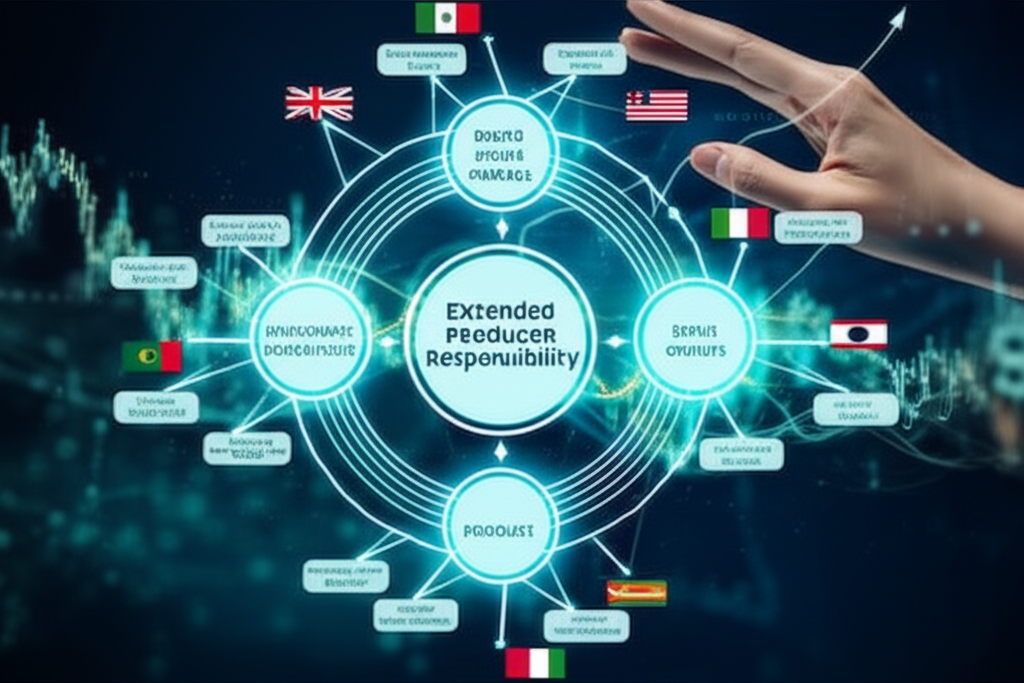
Beyond outright bans, Extended Producer Responsibility (EPR) schemes are gaining significant momentum across APAC, fundamentally reshaping corporate accountability for packaging waste. EPR schemes legally hold companies—including brand owners, retailers, distributors, and importers—financially accountable for the end-of-life management of their products and packaging. While common in Europe and America, these schemes are relatively new in APAC, compelling businesses to report their annual packaging consumption and ensure waste is responsibly managed, often through predefined reduction targets. Non-compliance can result in substantial fines and legal repercussions, adding another layer of complexity for importers.
Notable EPR developments in APAC include:
- Malaysia is actively transitioning from voluntary to mandatory EPR policies, with full implementation planned by 2026. This signals a concrete shift towards shared responsibility across the value chain.
- The Philippines’ 2022 EPR Act mandates companies to recover an increasing percentage of their plastic packaging waste, starting with 20% by December 31, 2023, and escalating to 80% by the end of 2028.
- Singapore is set to introduce a deposit return scheme for pre-packaged beverage containers (plastic and metal) with a SGD 0.10 deposit, starting April 2025. This scheme will require large supermarkets to set up return points, placing direct responsibility on beverage companies for collection and recycling.
These evolving EPR frameworks require importers to not only manage the influx of goods but also consider the entire lifecycle of the packaging, pushing them towards more sustainable sourcing and product design.Proactive understanding of APAC regulations is crucial for importers to avoid disruptions and maintain market share.
Market Dynamics: Why Sustainable Alternatives are Crucial for Importers to Stay Ahead
Souběh přísných předpisů a zvýšené povědomí spotřebitelů o znečištění plasty vytváří v APAC nebývalou poptávku po ekologických produktech. Tento posun není pouze okrajovým trendem; je to mainstreamový fenomén. Působivých 80 % spotřebitelů aktivně preferuje produkty šetrné k životnímu prostředí, čímž přeměňuje udržitelné získávání zdrojů z iniciativy CSR na kritický rozdíl na trhu. Potravinářský sektor, institucionální sektor a sektor domácností rychle přijímají udržitelné alternativy, což představuje významnou příležitost pro aktivní dovozce využít tohoto posunu a získat podstatnou konkurenční výhodu.
Surging Demand for Eco-Friendly Packaging: A $124.36 Billion Opportunity
The economic scale of this shift is staggering. The APAC eco-friendly packaging market is projected to reach US$124.36 billion by 2030, driven by the region’s position as the fastest-growing market globally in this sector, with an anticipated CAGR of 11.21% through 2030. This growth is underpinned by clear consumer sentiment: 86% of APAC respondents view sustainable production and packaging as important.
Key drivers fueling this surging demand include:
- Rapid Urbanization: With approximately 120,000 new urban residents daily, dense urban centers are escalating plastic consumption and waste generation, simultaneously driving demand for convenient yet sustainable packaging.
- E-commerce Growth: The booming e-commerce sector, accelerating at a 12.89% CAGR towards 2030, relies heavily on packaging. This creates immense pressure for lightweight, efficient, and increasingly sustainable solutions to minimize waste and carbon footprint associated with transportation.
- Corporate Sustainability Commitments: Major corporations are embedding sustainability into their core strategies. For instance, PepsiCo aims for 98% recyclable, compostable, or reusable packaging by 2025, signaling a clear trajectory for their supply chain partners, including importers.
This confluence of factors underscores that the move towards eco-friendly packaging is a robust, long-term market trend, not a fleeting fad.
The Imperative for Sustainable Straw Alternatives
As plastic straws face widespread bans, importers must pivot towards a diverse portfolio of sustainable alternatives. Each material offers unique advantages and considerations:
- Papírové brčka: The paper straw market is projected for substantial growth due to its biodegradability and cost-effectiveness. Innovations include bendable options, addressing a common consumer preference.
- Plant-based Straws (PLA, PHA): Tato brčka jsou vyrobena z obnovitelných zdrojů, jako je kukuřičný škrob nebo cukrová třtina, a napodobují dojem tradičního plastu. Celosvětová produkce bioplastů se od roku 2010 více než zdvojnásobila, přičemž téměř polovina z 2,18 milionu tun vyrobených v roce 2023 se použila na obaly. Mnoho možností PLA však vyžaduje pro správný rozklad průmyslová kompostovací zařízení, která jsou ve velké části APAC stále omezená.
- Opakovaně použitelné možnosti (kov, sklo, silikon): Ty nabízejí podnikům výrazné dlouhodobé úspory nákladů a jsou vysoce odolné. Kovová brčka (např. nerezová ocel) se snadno čistí, zatímco silikonová brčka jsou flexibilní a vhodná pro děti.
- Vznikající inovace: The market is witnessing exciting advancements in “hyper-compostable” and marine-degradable options, including edible straws (100% plant-based, offering a unique consumer experience), hay straws (made from wheat plant stems, inexpensive and biodegradable), and grass or seaweed straws for niche applications.
Importers must carefully evaluate the environmental impact, economic viability, social acceptability, and specific regional regulatory requirements for biodegradability or compostability when selecting these alternatives.
Cost and Quality Realities for Importers
While the transition to sustainable straws is essential, it comes with distinct cost and quality realities that importers must meticulously manage. Sustainable straws are typically3-4 times more expensive to producethan their traditional plastic counterparts. This significant cost increase can disproportionately impact low-margin, high-volume products, such as small packs (e.g., 100-330ml soft drinks), potentially affecting their mass-market appeal, as observed in India following its 2022 SUP ban.
Beyond cost, performance is a critical factor. Early generations of paper straws, for example, often suffered from durability issues, losing 70% to 90% of their compressive strength after less than 30 minutes in liquid and absorbing approximately 30% of their weight. Such performance limitations can lead to a negative customer experience and increased consumption rates. However, advances in waterproof coatings, material blends, and durable designs are continually improving the functionality and perceived value of eco-friendly options, mitigating earlier quality concerns. Importers must rigorously balance cost-competitiveness with maintaining product quality and performance to ensure widespread adoption and customer satisfaction.Sustainable alternatives are crucial for importers to meet surging demand and gain competitive advantage.
Strategic Imperatives for Importers to Navigate APAC Straw Bans
To thrive amidst the evolving APAC straw bans, successful importers must move beyond mere compliance and proactively adapt to regulatory shifts and evolving consumer preferences. Building resilient, diversified supply chains and embracing circular economy principles are no longer optional but critical for long-term success and competitive advantage.
Building Supply Chain Resilience and Diversification
The vulnerabilities exposed by global disruptions, such as the COVID-19 pandemic, have underscored the imperative for robust supply chain resilience. For importers in APAC, this translates into strategic adjustments:
- Localizing Sourcing: Prioritizing sourcing within the same country or region strengthens partnerships, reduces lead times, and mitigates risks associated with international trade complexities, including unpredictable import bans. For instance, Thailand’s phased ban on plastic scrap imports by 2025 further emphasizes the need for domestic or regional compliant sustainable production.
- Diversify Supply Sources: To minimize dependence on single points of failure or regions with rapidly changing regulations, importers should strategically diversify their supply sources to include multiple regions known for robust, compliant sustainable production.
- Collaborate Across the Value Chain: Partnering with manufacturers, raw material suppliers, and even waste management companies across the value chain is essential. Such collaboration can accelerate the scaling of sustainable innovation, address plastic pollution challenges more effectively, and ensure a steady supply of compliant alternatives.
Due Diligence and Certification for Compliant Imports
As the market shifts to new materials, rigorous due diligence becomes paramount. Importers must verify supplier certifications for the safety and quality of eco-friendly materials, ensuring they meet stringent regional and national standards. For example,Japan’s positive list for food-contact recycled resins will enter force in June 2025, requiring importers to ensure their products comply with these new material safety guidelines. Adhering to national guidelines for food-contact plastics, including stringent safety measures, testing protocols, and traceability requirements, is crucial to avoid market access issues and protect brand reputation. Transparency in sourcing and material composition is increasingly expected by both regulators and consumers.
Embracing the Circular Economy APAC Model
Moving beyond single-use consumption towards a circular economy model is a fundamental shift that positions businesses for long-term success. The United Nations has prioritized the circular economy for plastics since 2018, underscoring its global importance. For importers, this involves:
- Product Redesign: Focusing on designing products with recyclability and reusability from the outset. This means selecting materials that can be easily reintegrated into the production loop, minimizing waste and resource depletion.
- Eliminating Unnecessary Items and Over-packaging: A critical step is to reduce the overall volume of plastic waste by streamlining packaging designs and eliminating superfluous components. This not only aligns with environmental goals but can also yield cost savings in materials and logistics.
- Promoting Reuse Systems: Where feasible, importers should explore and promote business models that facilitate reuse. This might involve supplying durable, reusable items or collaborating with partners on take-back and refill programs, contributing to a truly closed-loop system.
These strategic imperatives require significant upfront investment and a long-term vision but are essential for sustainable business operations in the evolving APAC market.Building resilient supply chains and embracing circularity are critical for importers’ long-term success in APAC.
Case Study: Proactive Adaptation in the Face of APAC Straw Bans
The proactive responses of global foodservice giants to plastic straw bans serve as powerful real-world examples for importers navigating similar shifts in APAC. These companies, facing immense consumer and regulatory pressure, demonstrate the tangible results of early adaptation and the ripple effect on their vast supply chains.

Starbucks and McDonald’s Global Commitments (2018-2025):
In a landmark move,Starbucks announced the elimination of single-use plastic straws from all of its 28,000 stores globally by 2020. This initiative involved offering innovative strawless lids or transitioning to alternative materials, directly influencing their global network of suppliers to adapt. This decision, driven by both environmental responsibility and consumer preference, showcased how a major player could drive significant market shifts.
Similarly,McDonald’shas been actively testing various plastic straw alternatives and has set an ambitious goal for 100% of its guest packaging to be sourced from renewable, recycled, or certified materials by 2025. This commitment sends a clear signal throughout their extensive supply chain, urging manufacturers and importers to innovate and provide sustainable options.
In Japan,Skylark, a major restaurant chain operator, took a significant step by banning disposable plastic straws from all its outlets by 2020, starting with its “Gusto” restaurants in 2018. This action by a prominent regional player underscores the localized momentum of the shift away from single-use plastics.
These actions by major foodservice players underscore a critical lesson for importers: market demand shifts rapidly, and proactive supplier adaptation is not just advantageous—it’s essential for maintaining large-scale partnerships and market relevance. These commitments create immediate, large-volume demand for compliant and high-quality sustainable straw alternatives, incentivizing importers to lead the transition.Major foodservice brands demonstrate that proactive adaptation to straw bans is essential for market relevance.
Comparison Table: Strategic Straw Alternatives for Importers
Selecting the right straw alternative is a critical decision for importers, balancing performance, cost, and compliance. The following table provides a comparative overview of strategic options:
| Funkce | B2B Operační dopad | Poznámka dodržování předpisů | Potenciál návratnosti investic |
|---|---|---|---|
| Papírová brčka | Wide availability, lower initial cost; durability issues (70-90% strength loss in 30 min, 30% liquid absorption). | Biodegradable; check for PFAS (Per- and Polyfluoroalkyl Substances) content and local compostability regulations. | Medium; high volume sales, but lower perceived value, high consumption rate due to performance. |
| Kovové brčka | Higher upfront cost; requires cleaning and storage infrastructure for reuse; inventory management. | Reusable, highly durable; generally compliant across regions for long-term use. | High; significant long-term cost savings for businesses that can implement reuse programs; premium market appeal. |
| PLA/PHA Straws | Similar feel to traditional plastic; requires specialized industrial composting facilities for proper degradation. | Biodegradable, but industrial composting infrastructure is limited in APAC, creating disposal challenges. | Medium; appeals to eco-conscious consumers, but true circularity is infrastructure-dependent. |
| Bambusová brčka | Natural aesthetic, reusable/biodegradable; quality can vary significantly between suppliers; potential for splintering. | Biodegradable, natural product; ensure sustainable sourcing practices and proper hygiene for reuse. | Medium; niche market appeal, potential for unique brand positioning tied to natural materials. |
| Jedlé slámy | Unique consumer experience; eliminates post-consumer waste entirely; currently higher cost. | 100% plant-based, hyper-compostable, marine-degradable; generally aligns with most strict bans. | High; strong brand differentiation and innovation leader; eliminates post-consumer waste management. |
Importers should consider a multi-material strategy to cater to diverse client needs and regional regulatory variations.Choosing the right straw alternative balances performance, cost, and compliance for importers.
Overcoming Challenges and Maximizing Opportunities for Importers
While the rapid implementation of straw bans and broader plastic regulations presents clear challenges for importers, it simultaneously unlocks significant new market opportunities for adaptive players. Early movers in the sustainable straw market can establish strong, long-term relationships with key customers and gain a formidable competitive advantage. Successfully navigating the financial implications and addressing critical infrastructure gaps requires strategic planning, collaborative partnerships, and a commitment to long-term vision over short-term gains.

Addressing Infrastructure Gaps and Data Limitations
One of the most significant systemic challenges in APAC is thelack of robust waste management infrastructurefor collection, sorting, and recycling, particularly in emerging markets like India and Indonesia. This deficiency means that even if a product is technically recyclable, it may end up in landfills or polluting waterways due to inadequate systems. Many single-use plastics, including straws, are too small to be efficiently collected by existing systems, or they simply end up in the ocean from landfills.
Furthermore,limited data on the economic and social impact of plastic banshinders evidence-based policymaking. Policymakers struggle to quantify the full effects or design optimal interventions when comprehensive data on consumer behavior, industry adaptation costs, or the environmental benefits (such as reduced microplastic ingestion by marine life) is scarce. The prevalence of informal waste picking, especially for low-value flexible plastics like sachets, further complicates tracking and contributes to poor official recycling rates. Addressing these infrastructure and data gaps requires significant investment and concerted effort from governments, industry, and civil society.
Financial Implications and Investment
The transition to sustainable alternatives carries notable financial implications. As highlighted earlier, sustainable straws are typically 3-4 times more expensive than traditional plastic ones. This cost increase is not easily absorbed, especially for mass-market products with thin margins. In India, for example, the ban on plastic straws significantly impacted the soft drink industry, particularly sales of small packs (100ml-330ml), which contributed 35.1% of the overall soft drink volume in 2021. The higher cost of compliant straws could affect the affordability and mass-market appeal of these products.
However, this challenge simultaneously creates a compelling case for investment.Government support, including subsidies and incentives, can play a pivotal rolein promoting technological innovation and fostering the development of new, more affordable plastic straw substitutes and manufacturing capacities domestically. For importers, this may mean strategic investments in R&D partnerships, supply chain localization, or even direct manufacturing capabilities to reduce reliance on more expensive imported sustainable alternatives. Embracing sustainable practices can also lead to long-term cost savings through reduced waste disposal fees, improved resource efficiency, and enhanced brand value that commands premium pricing or secures preferential partnerships.Importers can overcome challenges by addressing infrastructure gaps and strategically investing in sustainable alternatives.
Conclusion: Proactive Positioning in the Evolving APAC Market
The landscape of APAC straw bans is undergoing a rapid and irreversible transformation, driven by increasingly stringent environmental regulations and an undeniable surge in consumer demand for sustainable alternatives. This dynamic environment presents a clear mandate for importers: proactive adaptation is no longer a choice but an imperative for long-term viability and success.
Importers who strategically adapt their supply chains, prioritize the diversification of their product offerings with eco-friendly alternatives, and fully embrace circular economy principles will not only ensure seamless compliance with evolving regulations but also secure a significant, defensible competitive advantage. This strategic shift is crucial for mitigating risks, unlocking new market opportunities, enhancing brand reputation, and ensuring sustained profitability in the burgeoning and increasingly eco-conscious APAC market.Proactive adaptation and diversification are crucial for importers to thrive in APAC’s evolving eco-conscious market.
Ready to Lead the Shift?
Assess your current supply chain and collaborate with sustainable manufacturers to lead the shift in APAC’s eco-conscious market. Explore our comprehensive guides for deeper insights:
Reusable Straw Solutions for Bars & NightclubsNavigating EU Single-Use Plastics DirectiveGuide to Sustainable Boba Straw Alternatives
Často kladené otázky (FAQ)
How do APAC straw bans impact my existing import contracts?
What are the most cost-effective sustainable straw alternatives for high-volume foodservice operations?
How can importers ensure their sustainable straw alternatives meet regional biodegradability standards?
Rigorous due diligence is essential. Verify supplier certifications (e.g., for industrial composting or marine degradability) and consult local regulatory bodies for specific country-level requirements and testing protocols.
What is Extended Producer Responsibility (EPR) and how does it affect importers in APAC?
Are there government incentives or subsidies for importers transitioning to sustainable packaging in APAC?