Navigating the Green Shift: A B2B Guide to High-Performance Plant-Based Straws
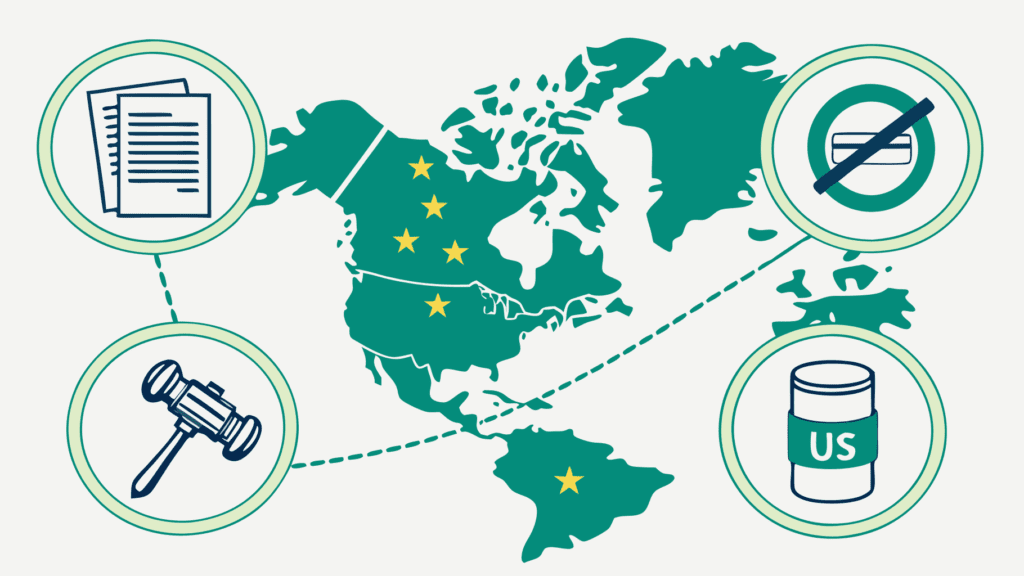
Příliv se obrátil a pro podniky v oblasti stravování a pohostinství již není globální odklon od jednorázových plastů otázkou volby, ale naléhavým úkolem. Regulační orgány v Severní Americe a Evropě zavádějí rozsáhlé zákazy a omezení plastových brček – od celonárodního zákazu Kanady do konce roku 2023 po různé zákony na státní úrovni v USA a komplexní směrnice EU. Ignorování tohoto nepopiratelného trendu není jen o dodržování; přináší značná rizika, včetně vysokých pokut, vážného poškození pověsti a odcizení rychle rostoucí spotřebitelské základny uvědomělé vůči životnímu prostředí. Výzkum skutečně ukazuje, že ohromujících 78 % spotřebitelů aktivně preferuje podniky, které využívají ekologicky šetrné možnosti. Pro perspektivně smýšlející manažery v oblasti nákupu a provozu není přijetí rostlinných slám pouze překážkou, kterou je třeba překonat; je to strategická příležitost proměnit výzvy v oblasti dodržování předpisů na silnou konkurenční výhodu a sladit vaši značku se zelenější budoucností.
The journey from ancient ryegrass to modern plant-based solutions.
For centuries, our methods of sipping have evolved, from ancient Mesopotamians using ryegrass to avoid beer sediment to modern innovations. Rye grass was once a common choice in the 1800s, but it soon gave way to Marvin Stone’s pioneering paper straw in 1888, solving the problem of a grassy taste and sogginess. The mid-20th century saw the ubiquitous rise of cheap, durable plastic straws, which dominated the market for decades. However, this convenience came at a monumental environmental cost, leading us to today’s “green revolution” in sipping solutions. Yet, this modern shift isn’t without its own set of complexities and pitfalls. Many early plastic alternatives, particularly some paper straws, quickly gained a reputation for becoming soggy and imparting an unwanted taste, frustrating both businesses and consumers. More concerning is the issue of “forever chemicals,” or PFAS (per- and polyfluoroalkyl substances), which have been found in a high percentage of so-called “eco-friendly” paper and bamboo straws. These persistent chemicals are linked to various health problems and defy true biodegradability. Furthermore, claims of “biodegradable” or “compostable” can be misleading; materials like Polylactic Acid (PLA), derived from corn starch, often require highly specific industrial composting facilities that are not widely available, meaning they can persist for hundreds of years in standard landfills, potentially releasing potent greenhouse gases like methane. The true promise of sustainability lies in advanced plant-based solutions designed to overcome these challenges, offering superior performance without environmental compromises.
Strategický výběr rostlinných brček je pro B2B operace zásadní. Porozumění rozmanitým dostupným možnostem a jejich výkonnostním ukazatelům je klíčem k informovanému rozhodnutí, které je přínosné jak pro vaši firmu, tak pro planetu.
Pochopení vašich možností: Rozhodovací matice pro vysoce výkonná rostlinná brčka
- Kyselina polymléčná (PLA): Brčka PLA, získaná z fermentovaných rostlinných cukrů (např. kukuřičného škrobu), napodobují dojem tradičního plastu. Jsou průmyslově kompostovatelné, což znamená, že k jejich účinnému rozkladu (obvykle během 3-6 měsíců) vyžadují specifická vysokoteplotní zařízení. Pokud nejsou správně kompostovány, mohou setrvat na skládkách po dlouhou dobu.
- Bagasse z cukrové třtiny: Made from the fibrous byproduct of sugarcane juice extraction, these straws are robust, versatile, and often home-compostable. They offer excellent durability and can handle temperatures up to 90°C.
- Wheat Straw: Crafted from natural, gluten-free wheat stems, these straws are inherently firm, resistant to sogginess, and fully biodegradable and compostable. They leverage agricultural waste, contributing to a circular economy.
- Bambus: A rapidly renewable resource, bamboo straws offer a natural aesthetic and can be reusable. They are compostable and maintain their form in both hot and cold beverages.
- Polyhydroxyalkanoate (PHA): This represents a next-generation biopolymer, often derived from canola oil, cornstarch, or sugarcane. PHA straws look and feel remarkably like traditional plastic, offering superior thermal stability (up to 212°F/100°C) and resistance to sogginess. Crucially, PHA is marine-degradable and can break down in diverse environments, including home composts and even oceans, without producing microplastics. This makes it a truly future-proof solution. For more on cutting-edge materials, visit momoio.com/advanced-materials.
- Rice & Tapioca / Coffee Grounds / Agave Fibers: These innovative options are derived from agricultural waste, offering unique characteristics. Rice and tapioca straws can even be edible, while coffee ground straws repurpose waste into a functional, odorless, and tasteless product. Agave fiber straws are sturdy and some are certified landfill-degradable.
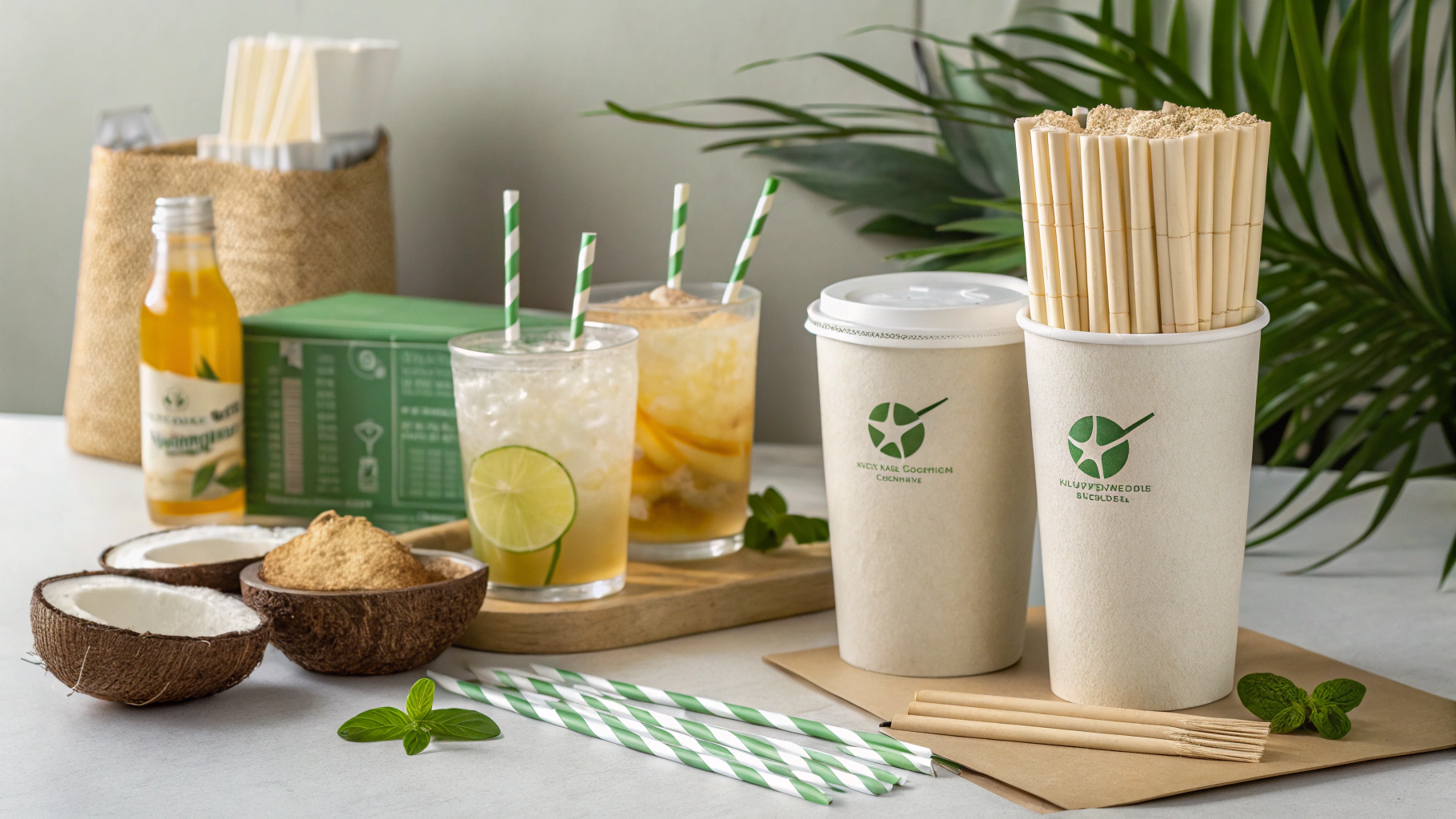
A visual guide to different plant-based straw materials.
For successful B2B procurement, focus on these key performance indicators:
- Durability and Thermal Stability: Ensuring straws can hold up in both hot and cold beverages for extended periods, preventing premature disintegration and customer complaints.
- Taste Neutrality and User Experience: Providing a pleasant, untainted drinking experience is crucial for brand perception. Soggy or flavored straws can negatively impact customer satisfaction.
- True Compostability vs. Industrial Requirements: Clarify disposal pathways. Prioritize options genuinely suitable for your waste management infrastructure, or those like PHA that offer broad degradability.
The adoption of high-performance plant-based straws drives significant business value, enhancing both operational efficiency and brand reputation. Businesses canreduce waste management complexity and associated feesintegrací skutečně biologicky odbouratelných a kompostovatelných možností. Minimalizace výměn kvůli rozmočení nebo rozbití také zlepšuje řízení zásob a spokojenost zákazníků. Zatímco počáteční náklady na prémiová brčka na rostlinné bázi mohou být nepatrně vyšší, dlouhodobá návratnost investic odvozená ze sníženého množství odpadu, zlepšeného provozního toku a, co je zásadní, zvýšené loajality ke značce, často tuto počáteční investici kompenzuje. Zvažte prozkoumání našeho průvodceudržitelné řízení dodavatelského řetězce na adrese momoio.com/supply-chain.
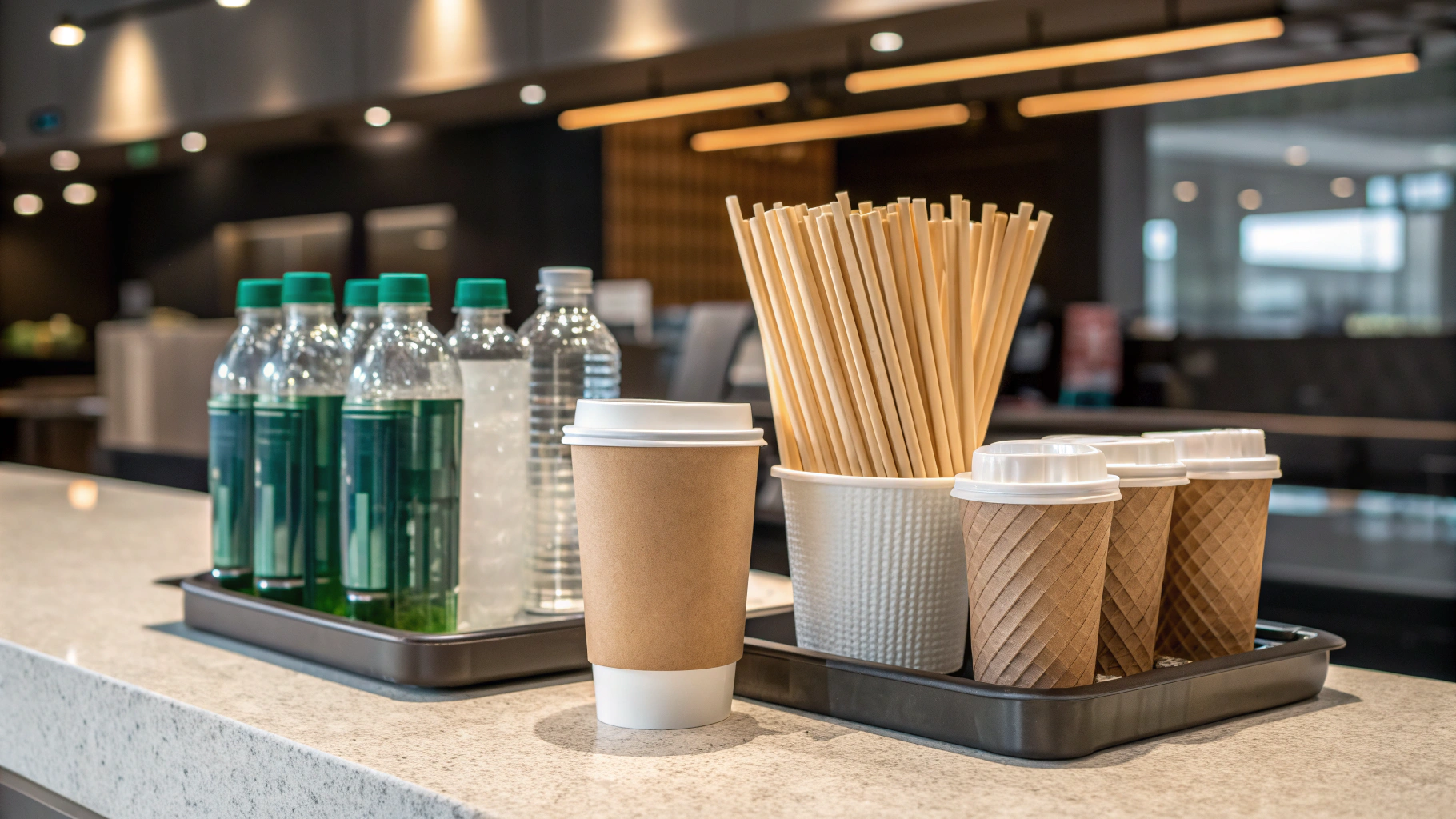
Zvyšování obchodní hodnoty prostřednictvím udržitelných rozhodnutí.
Elevating your brand reputation is another compelling benefit. By demonstrating a tangible commitment to environmental stewardship, your business deeply resonates with eco-conscious consumers, particularly millennials and Gen Z, who actively seek out sustainable brands. This commitment differentiates your business in a crowded market, positioning you as a leader in sustainability. The positive word-of-mouth and enhanced public image that follow can significantly attract new customers and boost retention. Across theUS and EuropeRegulační prostředí se neustále vyvíjí a přísné zákazy jednorázových plastů se stávají normou. Přijetí pokročilých řešení, jako jsou brčka PHA, která nabízejí širokou biologickou odbouratelnost, a to i v mořském prostředí, vám pomůže udržet si náskok, ochránit váš dodavatelský řetězec před přísnějšími předpisy a vyhnout se potenciálním pokutám a právním komplikacím. Očekává se, že celosvětový trh s rostlinnou slámou poroste v letech 2025 až 2033 působivou složenou roční mírou růstu (CAGR) ve výši 15 %, což ukazuje na významnou a rostoucí poptávku. Tento prosperující trh vytváří obrovské příležitosti k inovaci vašich marketingových strategií a pronikání do nových segmentů ekologicky uvědomělé ekonomiky. Informace o globálních trendech udržitelnosti naleznete ve zprávách zUnited Nations Environment Programme (UNEP)or theEllen MacArthur Foundation.
The time for decisive action on single-use plastics is unequivocally now. Driven by both evolving market demands and escalating regulatory pressures, transitioning to the right plant-based straw solution is far more than an environmental choice; it’s a strategic business imperative that directly impacts your bottom line, brand perception, and long-term operational longevity. Don’t risk falling behind competitors who are already embracing sustainable practices or facing the penalties of non-compliance. Embrace advanced, truly sustainable options that align seamlessly with your corporate values and the rising expectations of your customers.
Take the Next Step Towards a Greener Future:
Naplánujte si konzultaciVyžádejte si vzorovou saduStáhněte si průvodce zdroji
Získejte přístup k informacím o trhu naStátníknebo regulační pokyny odAgentura pro ochranu životního prostředí (EPA).