Obalové trendy pro dovozce v roce 2025
Globální trh s obaly, jehož hodnota v roce 2024 činila 1 080,13 miliardy USD a v roce 2025 se předpokládá, že dosáhne 1 109,44 miliardy USD, prochází hlubokou transformací. Toto dynamické prostředí je utvářeno přísnějšími předpisy, inovativními technologiemi a rychle se vyvíjejícími požadavky spotřebitelů. Pro manažery nákupu, provozní ředitele, úředníky pro udržitelnost a vedoucí pracovníky dodavatelského řetězce není udržení náskoku před těmito směnami pouze výhodné – je to zásadní pro zajištění souladu, optimalizaci nákladové efektivity a udržení konkurenceschopnosti na trhu. Nepřizpůsobení může vést k významným provozním poruchám, právním postihům a narušení důvěry značky. Tento komplexní průvodce podrobně popisuje základní trendy v oblasti balení, které by měli dovozci sledovat v roce 2025, a nabízí strategické poznatky ke zmírnění rizik a otevření nových příležitostí.
Dovozci se musí proaktivně přizpůsobovat vyvíjejícím se trendům v oblasti balení, aby zajistili shodu a konkurenční výhodu.
Imperativ udržitelných trendů v balení pro dovozce v roce 2025
Udržitelnost již není aspiračním cílem, ale povinným základem pro globální obchod, který je poháněn eskalujícím globálním tlakem na snižování dopadu na životní prostředí v celém dodavatelském řetězci. Pro dovozce to znamená okamžité operativní a strategické změny.
Navigating Stricter Sustainable Packaging Regulations: EU PPWR & EPR Laws
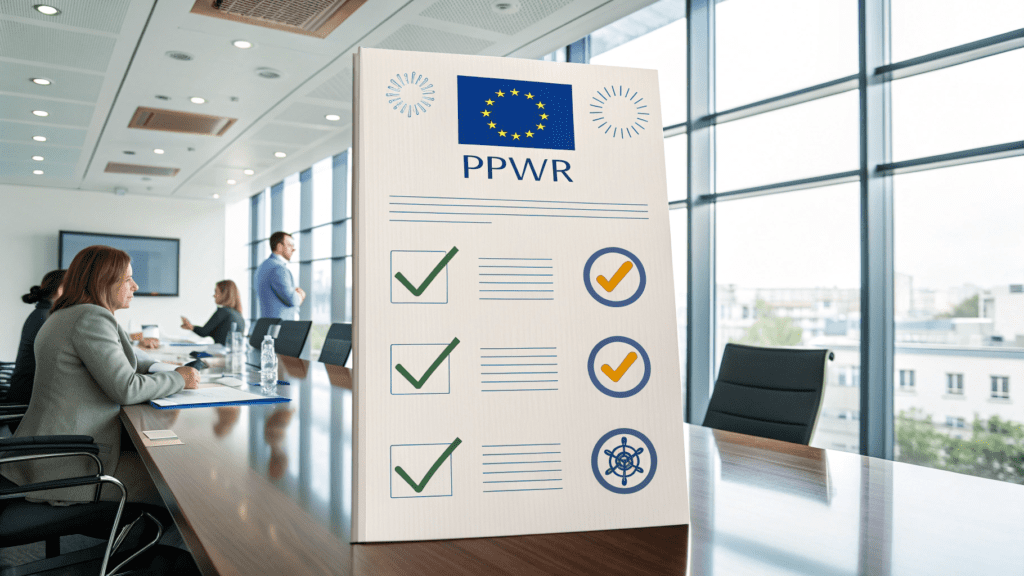
Regulační prostředí se značně zpřísňuje, zejména na klíčových dovozních trzích. Nařízení Evropské unie o obalech a odpadech z obalů (PPWR), které formálně vstoupilo v platnost v únoru 2025, představuje zásadní posun. Toto nařízení nařizuje ambiciózní cíle snížení odpadu: 5 % do roku 2030, 10 % do roku 2035 a 15 % do roku 2040, vše měřeno oproti úrovním z roku 2018. Tyto cíle budou přímo ovlivňovat typy obalů, které mohou dovozci do EU přivézt. Kromě toho PPWR zavádí přísná opatření k omezení jednorázových plastů a klade velký důraz na podporu opakovaně použitelných a recyklovatelných formátů obalů.
Spojené státy za Atlantikem také zaznamenávají významný politický vývoj. V roce 2025 vstoupí v platnost první ze šesti státních zákonů o rozšířené odpovědnosti výrobce (EPR), v čele stojí Oregon. Tyto zákony nově definují, co se skutečně kvalifikuje jako „recyklovatelné“, a přesouvají finanční a provozní zátěž nakládání s obalovým odpadem na výrobce a dovozce. To znamená, že obaly s vícemateriálovým složením, obtížně oddělitelnými vložkami, nadměrnými zbytky produktu nebo obaly, které se snadno poškodí při sběru a třídění, již nelze podle nových státních směrnic považovat za recyklovatelné.
Nad rámec legislativních mandátů je mocnou silou nálada spotřebitelů. Přibližně 62 % spotřebitelů kosmetických produktů například vyjadřuje nejistotu ohledně pravdivosti „zelených“ tvrzení společností, čímž zdůrazňuje všudypřítomný skepticismus ohledně „greenwashingu“. Vlády také zintenzivňují své zaměření na bezpečnost materiálů a aktivně omezují nebezpečné látky jako PFAS (per- a polyfluoralkylové látky) v obalech přicházejících do styku s potravinami kvůli rostoucím obavám o zdraví a životní prostředí. Dovozci musí upřednostňovat transparentnost a ověřitelná tvrzení, aby si vybudovali a udrželi důvěru spotřebitelů.
Partnerství s místními dodavateli, jako je např přední britské společnosti zabývající se balením potravin, může nabídnout výhody v oblasti regionálního souladu a urychleného dodání, čímž se zvýší odolnost vůči globálním výpadkům.
Embracing Circular Economy & Bio-Based Materials in 2025 Packaging
Globální tlak na oběhové hospodářství v balení se zrychluje a zásadně přetváří materiálové preference. Probíhá významný posun směrem k monomateriálům, který zjednodušuje procesy recyklace a je v souladu s překlenujícími cíli cirkulace. Použitím jediného, snadno oddělitelného materiálu mohou společnosti zajistit, aby se jejich obaly hladce začlenily do stávajících recyklačních toků.
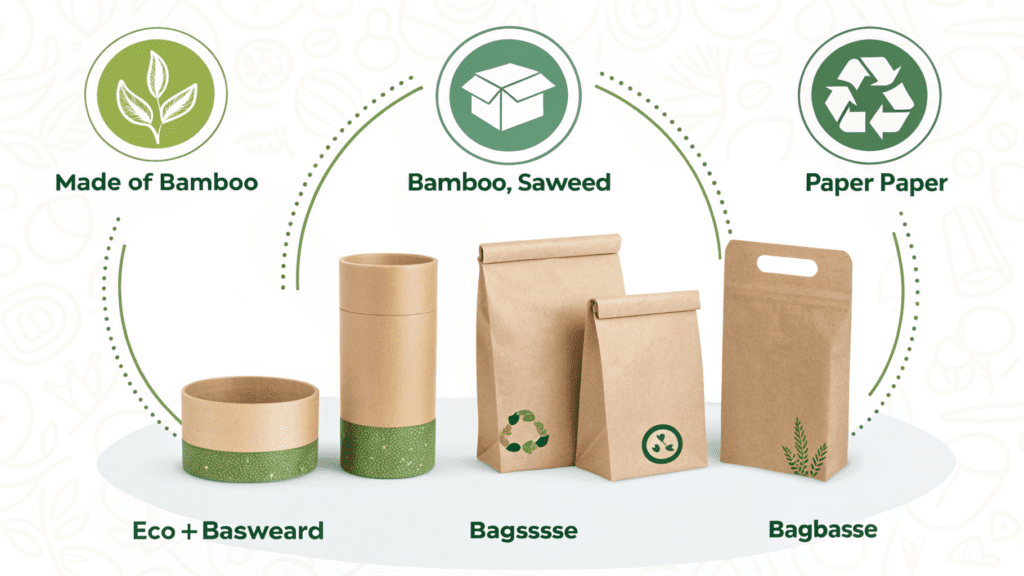
Alongside this, there is an increased adoption of bio-based and fiber-based packaging solutions. This includes a growing range of innovative materials like paper, bamboo, seaweed, bagasse (sugarcane pulp), and mycelium (mushroom-based materials). These alternatives offer a reduced environmental footprint compared to traditional plastics. The global biodegradable packaging market, reflecting this momentum, is projected to grow at a Compound Annual Growth Rate (CAGR) of 5.97% from 2024 to 2029, signaling robust demand for these sustainable solutions. The phenomenon of “paperization,” or the accelerating shift from plastic to paper-based packaging, is largely driven by stringent regulations and escalating plastic packaging tax rates, making non-recyclable plastic increasingly cost-prohibitive. For importers looking to future-proof their operations and align with global sustainability goals, exploring the advantages of green packaging is no longer optional.
The Rise of Reusable and Refillable Packaging Trends
The concept of “reduce, reuse, recycle” is gaining renewed prominence, with a particular emphasis on reuse. The EU PPWR explicitly mandates specific transport packaging reuse rates: 40% by 2030 and a challenging 70% by 2040. This regulatory push is driving innovation in closed-loop systems.
Partnerství mezi podniky pro sběr, čištění a doplňování prázdných kontejnerů rychle nabývají na síle a napodobují efektivitu vratných přepravních kontejnerů používaných pro čerstvé produkty. Tento model nabízí nejen přínosy pro životní prostředí, ale také významné úspory provozních nákladů v průběhu času. Současně se rozšiřují modely opětovného použití určené spotřebitelům, zejména v odvětvích, jako jsou kosmetické výrobky, domácí potřeby a krabice s předplatným, kde značky nabízejí spotřebitelům pobídky, aby vraceli nebo doplňovali obaly.
Mini Case Study: A leading example of this shift is Google’s ambitious commitment to eliminate plastic packaging for all new consumer electronics products by 2025. The company has already achieved 99% of this goal, demonstrating the feasibility of large-scale material transformation. Beyond plastic elimination, Google’s open-sourced guide on sustainable packaging design has also led to other significant benefits, including a reduction in packaging weight and volume by at least 50%. This illustrates how strategic packaging choices can yield multiple sustainability and efficiency gains.
Leveraging Smart Packaging Technology for Importers in 2025
Obaly se rychle rozvíjejí mimo svou tradiční roli pouhé ochrany produktů a mění se v interaktivní kanál bohatý na data. Tento vývoj nabízí bezprecedentní příležitosti pro zlepšení viditelnosti dodavatelského řetězce, zajištění bezpečnosti produktů a prohloubení zapojení spotřebitelů.
Enhancing Traceability and Transparency with IoT & AI in Packaging
Díky integraci chytrých technologií jsou obaly „inteligentní“. Očekává se, že celosvětový trh internetu obalů (IoP) v hodnotě 23,66 miliard USD v roce 2025 překročí 54,43 miliard USD do roku 2034, což prokáže robustní Compound Annual Growth Rate (CAGR) ve výši 9,70 %. Tento růst podtrhuje rostoucí přijímání digitálních funkcí. EU PPWR například nařizuje prvky sledovatelnosti a digitální produktové pasy pro obaly určené pro styk s potravinami do roku 2025–2026, díky čemuž je integrace technologií pro mnoho dovozců regulační nutností.
IoT sensors embedded within packaging enable real-time monitoring of critical conditions such as temperature, humidity, and shock during transit. This continuous data stream ensures product safety and integrity, particularly for perishable goods or sensitive electronics, mitigating potential losses due to environmental excursions. Furthermore, Artificial Intelligence (AI) is playing a transformative role, optimizing packaging design for material efficiency, streamlining production processes, and enhancing logistics through predictive analytics. This leads to reduced material consumption, minimized waste, and the development of truly innovative, environmentally friendly packaging solutions.
Boosting Engagement with QR Codes and NFC in 2025 Packaging
Interaktivní obaly se stávají mocným nástrojem pro zapojení značky a autentizaci. Využití QR kódů na obalech například meziročně vzrostlo o pozoruhodných 44 %, přičemž 60 % nakupujících v nich před nákupem aktivně vyhledávalo informace o produktu. Tyto kódy poskytují přímý digitální odkaz na rozšířené podrobnosti o produktu, příběhy o udržitelnosti, pokyny k použití nebo dokonce zkušenosti s rozšířenou realitou.
Kromě QR kódů jsou do obalů integrovány štítky Near Field Communication (NFC) a dokonce i ultratenké OLED (organické diody vyzařující světlo) od inovátorů, jako je Inuru, pro hladší, interaktivní zážitek z brandingu. Tyto technologie umožňují spotřebitelům jednoduše klepnout na svůj smartphone a získat přístup k obsahu, ověřit pravost nebo se zapojit do věrnostních programů. Inteligentní štítky a RFID štítky dále zlepšují procesy ověřování, poskytují robustní opatření proti padělání a zjednodušují sledování položek v celém dodavatelském řetězci, od skladu až po konečnou dodávku.
Evolving Design & Consumer Experience in 2025 Packaging Trends
In a crowded marketplace, packaging design has become a strategic asset, influencing brand perception, differentiating products, and creating memorable customer interactions. The trends for 2025 emphasize functionality, personalization, and multi-sensory engagement.
Beyond Aesthetics: Functional and Personalized Packaging
Modern packaging is increasingly designed for multifunctionality, extending its utility beyond its initial purpose. For instance, transport packaging can be engineered to be reused for storage within the home or office, reducing waste and adding value for the end-user. This approach aligns with consumer desires for convenience and sustainability.
Demographic shifts are also shaping design. Generation Z consumers, in particular, are driving demand for unique forms, personalized elements, and collectible packaging. Brands are leveraging co-creation campaigns and variable data printing to allow consumers to customize designs, fostering deeper brand loyalty and engagement. Digital printing technologies are enabling this mass customization, allowing for tailored designs, limited editions, and personalized messages to be economically produced, even at scale.
Capturing Attention with Sensory & Dynamic Design
Aby obaly v roce 2025 skutečně vynikly, přitahují více než jen pohled. Dovozci by měli očekávat výrazné barvy, hmatové textury, embosování, debossování a dokonce i vonné nebo vrásčité texturované vrstvy navržené tak, aby vytvořily bohatý, vícesmyslový zážitek z rozbalování. Toto smyslové zapojení pomáhá vytvořit silnější emocionální spojení s produktem a značkou.
A rising trend, sometimes dubbed “chaos packaging,” involves unique shapes, unexpected material combinations, or unconventional design elements that intentionally disrupt typical category aesthetics to attract attention in crowded retail environments or social media feeds. While minimalism, characterized by clean lines and understated elegance, continues to have its place, it is evolving into “bolder minimalism.” This updated aesthetic features oversized fonts, strategic white space, and craft-inspired details, providing a refined yet impactful way for brands to differentiate themselves and convey a sense of authenticity.
Operational Impact and ROI of Key Packaging Trends
Integrating these emerging packaging trends offers significant advantages for importers, ranging from direct cost reductions to enhanced brand reputation and market resilience.
| Funkce | B2B Operační dopad | Poznámka dodržování předpisů | Potenciál návratnosti investic |
|---|---|---|---|
| Sustainable Mono-materials | Streamlined recycling, reduced waste collection/disposal | EU PPWR requirements, U.S. EPR definitions for recyclability | Lower material costs long-term, enhanced brand reputation & consumer loyalty, reduced environmental fees |
| Reusable/Refillable Systems | Requires reverse logistics & initial infrastructure investment | EU PPWR reuse targets (e.g., 40% transport by 2030) | Reduced recurring packaging spend, improved customer loyalty via convenience, significant waste reduction, lower carbon footprint |
| Smart Packaging (QR/NFC) | Real-time data for inventory/logistics, anti-counterfeiting | EU PPWR traceability mandates (food contact 2025-26) | Enhanced supply chain efficiency, brand protection, increased sales via engagement & trust, reduced returns |
| Lightweighting/Reduction | Reduced shipping costs, lower carbon footprint | EU PPWR prohibits excessive packaging (max 50% empty space by 2030) | Direct cost savings in transport & materials, lower emissions, improved market competitiveness, reduced waste disposal costs |

The Geopolitical and Economic Landscape: Navigating Supply Chain Shifts
External factors continue to exert significant influence on packaging strategies for importers. Geopolitical shifts and economic pressures demand adaptive and resilient supply chain approaches.
America-First Policies and Localized Sourcing
The resurgence of “America-first” policies and proposed tariff increases on imports could significantly reshape shipping and packaging costs for businesses operating in or importing to the U.S. Such policies aim to incentivize domestic production and reduce reliance on international supply chains. In response, importers are increasingly considering localized packaging production and exploring nearshoring or reshoring solutions. This strategic shift mitigates tariff impacts, reduces lead times, and enhances supply chain certainty. Partnering with local suppliers, such as the přední britské společnosti zabývající se balením potravin, může nabídnout výhody v oblasti regionálního souladu a urychleného dodání, čímž se zvýší odolnost vůči globálním výpadkům.
Managing Rising Costs and Supply Chain Resilience
The global economy continues to grapple with overall rising costs, which will continue to put pressure on businesses, despite some stabilization expected in raw material prices. For importers, this necessitates robust strategies to manage expenditure without compromising quality or compliance.
Diverzifikace zdrojů pro obalové materiály a implementace robustních strategií řízení zásob založených na datech jsou zásadní pro budování odolnosti dodavatelského řetězce. Tento proaktivní přístup minimalizuje zranitelnost vůči nepředvídaným narušením a zajišťuje konzistentní dodávky materiálu. Očekává se, že umělá inteligence (AI) bude hrát stále důležitější roli při zefektivňování lodního průmyslu a optimalizaci dodavatelských řetězců. Využitím AI pro sledování zásob v reálném čase, prediktivní analýzy a optimalizaci tras mohou podniky zvýšit efektivitu, snížit provozní složitost a rychleji se přizpůsobit výkyvům trhu.
Future Trends & Innovation: The Next 5-10 Years
Looking beyond 2025, the packaging industry is poised for further radical transformation, driven by ongoing research, escalating environmental demands, and technological breakthroughs.
Edible Packaging: A rapidly expanding area of research and development, edible packaging offers a revolutionary solution to waste. These materials, often derived from natural polymers, can be consumed with the product or biodegrade rapidly, addressing food safety, preservation, and environmental concerns simultaneously.
Next-Generation Modified Atmosphere Packaging (MAP): Future MAP technologies will go beyond passive gas mixtures. Expect active packaging with integrated sensors and antimicrobial agents, alongside intelligent gas control systems that dynamically adjust atmospheric composition based on real-time product needs, extending shelf life with unprecedented precision and eco-friendly materials.
Advanced Robotics in Secondary Packaging: Automation will become ubiquitous. Projections indicate that 95% of all secondary packaging lines will leverage robotics systems within the next decade, significantly improving speed, precision, and reducing human error in complex packaging tasks.
Digital Twins for Supply Chain Optimization: The concept of “digital twins”—virtual replicas of physical supply chains—will gain prominence. These digital models allow businesses to simulate, analyze, and optimize packaging flows, material consumption, and logistical efficiencies in a virtual environment before implementing changes, leading to substantial cost savings and reduced environmental impact.
3D Printed Packaging on Demand: While currently more viable for larger businesses or specialized applications, 3D printing will play a key role in increasing efficiency and minimizing waste. It enables highly customized packaging tailored precisely to specific product dimensions, reducing void fill and material excess. This also supports rapid prototyping and localized, on-demand production.
Progress on the UN Global Plastic Treaty: Negotiations for a UN-led Global Plastic Treaty, aiming to eliminate plastic pollution by 2040, continue to face challenges, particularly around setting binding production caps. However, the ongoing discussions and the increasing global awareness mean that regulatory pressures will continue to intensify, driving innovation in sustainable alternatives and improved recycling infrastructure. The OECD estimates that global plastics will nearly triple by 2060 to 1.2 billion tonnes, with waste exceeding one billion tonnes, yet less than 10% of all plastic produced globally is currently recycled, underscoring the urgency for systemic change.
Future packaging innovations promise transformative solutions for waste and supply chain efficiency.
For a deeper understanding of specific material choices, consider reviewing the pros and cons of plastic packaging in your current strategy.
Competitive Advantage & Business Case for Early Adoption
For importers, embracing these packaging trends isn’t just about avoiding penalties; it’s about securing a powerful competitive advantage and building a resilient business. Quantifying the potential benefits reveals a compelling business case.
Cost Savings: By adopting lightweighting and mono-material solutions, businesses can significantly reduce material procurement costs and freight expenses. Transitioning from complex, multi-layered plastics to simpler, recyclable paper-based packaging, or investing in reusable systems, inherently lowers the long-term cost of goods. Furthermore, reducing packaging waste through efficient design and circular models directly translates to lower waste disposal fees and potential revenue from recycled materials.
Risk Mitigation: Proactive compliance with evolving regulations like the EU PPWR and U.S. EPR laws minimizes the risk of costly fines, border delays, and market access restrictions. Smart packaging solutions with robust traceability and authentication features provide potent anti-counterfeiting measures, safeguarding brand integrity and consumer safety. Building diversified and localized supply chains for packaging materials also mitigates risks from geopolitical instability or unforeseen global disruptions.
Brand Value Uplift: Consumers are increasingly voting with their wallets for brands that demonstrate genuine commitment to sustainability. By integrating eco-friendly materials, reducing waste, and offering transparent product journeys through smart packaging, importers can significantly enhance their brand reputation. This resonates with conscious consumers, fostering deeper loyalty, improving customer perception, and transforming the unboxing experience into a positive brand touchpoint. Brands that lead in sustainable and innovative packaging can expect to command premium pricing and expand their market share by appealing to an ethically-driven customer base. This also presents an opportunity to capture a larger share of the growing green market segment. For a deeper understanding of specific material choices, consider reviewing the pros and cons of plastic packaging in your current strategy.
Conclusion: Strategic Adaptation for Importers in 2025
The packaging landscape in 2025 demands strategic foresight and decisive action from importers. The convergence of stringent sustainable packaging regulations, transformative smart packaging technology, and rapidly evolving design aesthetics presents both formidable challenges and unparalleled opportunities. By prioritizing eco-friendly materials and circularity, leveraging digital innovations for enhanced traceability and engagement, and adapting to consumer preferences for functional and personalized experiences, importers can not only ensure unwavering compliance but also significantly reduce operational costs, bolster brand value, and unlock new market opportunities. Strategic adaptation is not an option; it is the pathway to long-term profitability and leadership in the global supply chain.
Partner with packaging innovators now to transform your supply chain for 2025, ensuring compliance, reducing costs, and boosting brand value.
Strategic adaptation is essential for importers to achieve long-term profitability and leadership.

Často kladené otázky
How will EU PPWR and US EPR laws impact my import operations?
These regulations mandate ambitious waste reduction targets and redefine what genuinely qualifies as “recyclable,” shifting financial and operational burdens onto producers and importers. Non-compliant packaging may face significant penalties, border delays, or market access restrictions, making proactive adaptation crucial for importers.
What are mono-materials and why are they important for sustainable packaging?
Mono-materials are packaging solutions made from a single type of material, such as 100% PET or 100% paper. They are crucial for sustainable packaging because they significantly simplify the recycling process, allowing for easier and more efficient integration into existing recycling streams, thus aligning with circular economy goals.
How can smart packaging enhance supply chain visibility for importers?
Smart packaging, integrating IoT sensors and AI, provides importers with real-time data on critical conditions like temperature, humidity, and shock during
How can importers leverage personalized packaging for B2B clients?
Importers can utilize digital printing technologies to offer highly customized packaging designs, limited editions, or personalized messages to their B2B clients. This fosters deeper brand loyalty and engagement, allowing businesses to differentiate their offerings and create a more memorable and valuable experience for their partners.
What is ‘paperization’ and how does it affect packaging choices for importers?
“Paperization” refers to the accelerating global shift from plastic to paper-based packaging. For importers, this trend is driven by stringent regulations and escalating plastic packaging tax rates, making non-recyclable plastic increasingly cost-prohibitive. Embracing paper-based alternatives helps importers reduce environmental footprint and ensure compliance.