Imperativ pro udržitelný Boba: Proč programy pro opětovné použití slámy již nejsou volitelné
A Strategic Roadmap for Hospitality & Foodservice Leaders
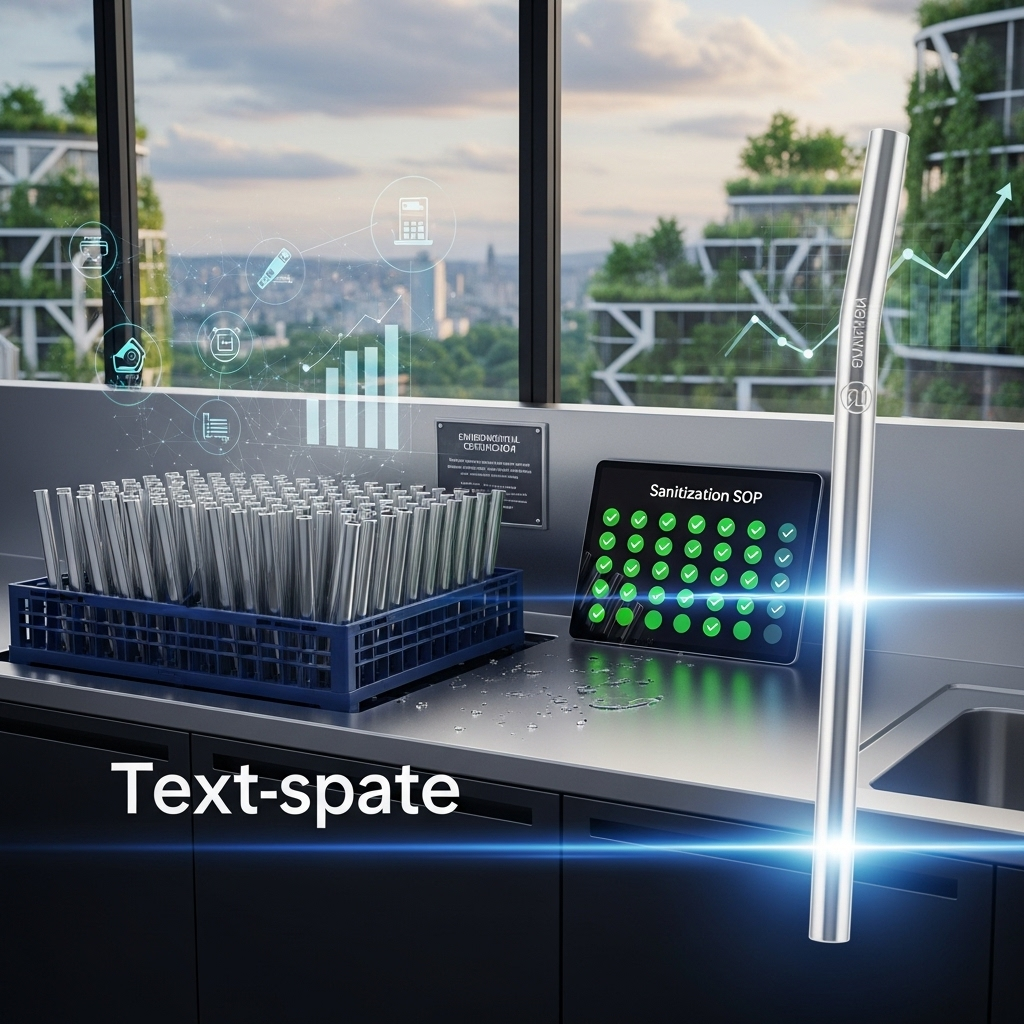
Úvod do přesvědčivého průmyslu Úvod
Globální trh s bublinkovými čaji čelí ekologické křižovatce kvůli plastovému odpadu na jedno použití a množícím se zákazům.
Globální trh s bublinkovými čaji, pulzující sektor, jehož hodnota v roce 2022 dosáhla 3,27 miliardy USD a podle předpokladů do roku 2031 vzroste na 6 miliard USD (Grand View Research, 2023), stojí na klíčové ekologické křižovatce. Vzhledem k alarmujícím 8 až 10 milionům metrických tun plastu, které se ročně dostanou do našich oceánů (Pew Charitable Trusts, 2020), eskalující příliv plastového odpadu na jedno použití představuje nepopiratelnou hrozbu. Po celém světě se rychle množí přísné zákazy jednorázových plastů. Z komplexníhoSměrnice EU o plastech na jedno použitík nařízením specifickým pro města v Seattlu a Kalifornii a tchajwanskému blížícímu se zákazu plastových kelímků v roce 2024 (Taiwan Environmental Protection Administration, 2022), průmysl čelí nevyhnutelné změně paradigmatu. Ignorování této zásadní transformace ohrožuje nejen ekologickou integritu, ale také provozní dodržování, pověst značky a v rozhodující míře i podíl na trhu. Tento příspěvek nastiňuje strategický plán pro B2B s rozhodovacími pravomocemi a nabízí pohled na implementaci vysoce konverzních, vyhovujících a nákladově efektivních opakovaně použitelných programů boba slámy navržených pro budoucnost.
Stupňující se celosvětová krize plastového odpadu a rozšířené zákazy jednorázových plastů vyžadují strategický posun v odvětví čaje boba, aby bylo zajištěno dodržování předpisů, ochrana pověsti značky a zajištěný podíl na trhu.
Market & Regulation Insights (EU, US, Asia-Pacific)
Globální regulace a spotřebitelská poptávka pohánějí posun směrem k udržitelným řešením boba na klíčových trzích.
Všudypřítomná vlna legislativních akcí, zejména Směrnice EU o plastech na jedno použití, přetváří tradiční provozy boba tea. Proaktivní krok Tchaj-wanu k budoucnosti bez plastů, včetně jeho komplexního zákazu plastových kelímků v roce 2024, má významné důsledky pro globální dodavatelský řetězec boba, protože ostrovní stát je rodištěm tohoto oblíbeného nápoje. S brčky boba vzniká jedinečná výzva: jejich širší průměr, nezbytný pro tapiokové perly, vyžaduje zvláštní pozornost při hledání vyhovujících alternativ. Kromě pouhé shody je ve hře silná síla: ekologicky uvědomělý spotřebitel. Rostoucí povědomí o životním prostředí, zejména mezi Gen Z a Millennials, vede k nepopiratelné poptávce po skutečně udržitelných postupech ve stravování. Tato demografická skupina aktivně vyhledává značky, které jsou v souladu s jejich hodnotami, a činí tak transparentní a efektivní iniciativy udržitelnosti klíčové pro posílení loajality ke značce a zmírnění vnímání „greenwashingu“. Zatímco mnoho podniků se obrátilo na běžně vnímané ekologicky šetrné alternativy, jako jsou papír a PLA brčka, tyto často nedosahují kvůli funkčním omezením – papírová brčka se rozmočí nebo změní chuť a PLA brčka vyžadují složitá průmyslová kompostovací zařízení, kterých je často málo. Chcete-li se hlouběji ponořit do materiálů, které skutečně přetvářejí průmysl, prozkoumejte náš článek na Materiály přetvářející průmysl slámy B2B. Pro účinné biologicky odbouratelné možnosti zvažte informace o Nejlepší biologicky odbouratelná brčka B2B 2025 a Nejlepší biologicky odbouratelná plastová brčka B2B.
Srovnání regulační krajiny
| Kraj | Klíčové předpisy/trendy | Dopad na Boba Straws |
|---|---|---|
| Evropská unie | Směrnice o plastech na jedno použití (SUPD) zakazuje mnoho plastových předmětů na jedno použití. | Přímý zákaz plastových brček; zvyšuje poptávku po opakovaně použitelných nebo certifikovaných kompostovatelných alternativách. |
| Spojené státy | Spletité zákazy ve státech/městech (např. Kalifornie, Seattle); vznikají federální iniciativy. | Různé požadavky na shodu; silná preference spotřebitelů pro udržitelné možnosti na klíčových trzích. |
| Asie a Tichomoří | Tchajwanský zákaz plastových kelímků z roku 2024; depozitní schéma Jižní Koreje; Čínské plány na redukci plastů. | Významný posun v dodavatelském řetězci a chování spotřebitelů, zejména v rodišti Boba. |
Komplexní průvodce globálními předpisy naleznete v našemÚplný regulační průvodce pro plasty na jedno použití.

Globální předpisy, zejména v EU, USA a Asii a Tichomoří, spolu s rostoucí ekologicky uvědomělou spotřebitelskou poptávkou nutí průmysl boba přijmout opakovaně použitelná řešení.
Řešení: Opakovaně použitelné programy Boba Straw
Opakovaně použitelné programy boba slámy nabízejí udržitelnou a nákladově efektivní alternativu k jednorázovým plastům pro pohostinství.
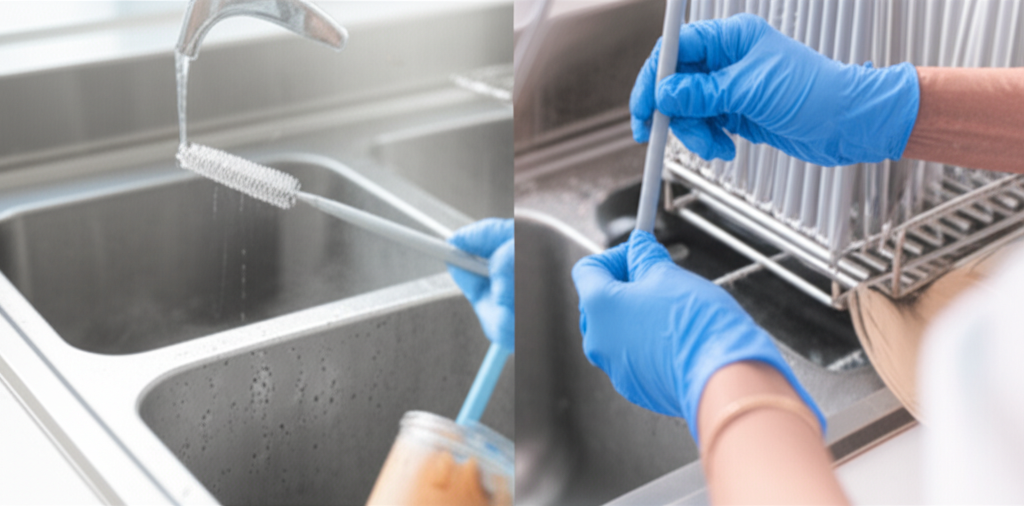
Implementace vysoce účinného programu pro opakované použití boba slámy závisí na dvou hlavních komponentách: robustní standardní operační postup čištění (SOP) a model hladkého obratu usazenin. Pro komerční použití je prvořadé důkladné čištění. Mezi základní kroky patří předběžné oplachování k okamžitému odstranění nečistot, mytí speciálními kartáči a vhodnými čisticími prostředky, pečlivé oplachování a účinná dezinfekce – buď ponořením do horké vody (např. 160 °F / 71 °C nebo vyšší po dobu alespoň 30 sekund), nebo chemickou dezinfekcí pomocí schválených komerčních dezinfekčních prostředků pro potraviny. DodržováníStandardy FDA Food Codeje nesmlouvavá, komerční mytí nádobí nabízí vynikající hygienickou bezpečnost. Je třeba důsledně řešit klíčové hygienické požadavky, jako je prevence hromadění bakterií, problémy s čištěním neprůhledných materiálů a absolutní nutnost řádného školení personálu. Centralizovaný komerční přístup k mytí nádobí, který čerpá inspiraci z iniciativ, jako je program opakovaně použitelných kontejnerů Kalifornské univerzity v Santa Barbaře (UCSB), zajišťuje optimální sanitaci a provozní efektivitu.
Toto doplňuje dobře navržený systém vracení záloh a pobídek k vrácení zákazníků. Tento model zahrnuje malý vratný poplatek účtovaný v místě nákupu, který podporuje vysokou návratnost, výrazně snižuje množství odpadu a odpadu a zvyšuje zapojení spotřebitelů. Úspěšné adaptace ze širších stravovacích služeb, jako je systém Canva's Huskee nebo technologická návratová zkouška paláce Blenheim a systém zálohování jednorázových pohárů v Jižní Koreji, demonstrují životaschopnost takových programů. Pro hladký provoz jsou zásadní logistická hlediska, včetně určených sběrných míst, efektivní mycí infrastruktury a potenciální role sledovacích technologií, jako jsou RFID nebo QR kódy.
Quantified Benefits for Hospitality & Foodservice
- Úspory nákladů: Snižte náklady na pořízení slámy až o 70 % ročně po počáteční investici na základě životnosti 150 použití na stéblo.
- Snížení odpadu: Odstraňte denně tisíce plastových brček na jedno použití ze skládek a oceánů, čímž výrazně zlepšíte ekologickou stopu.
- Vylepšený obrázek značky: Zvyšte loajalitu zákazníků a přilákejte ekologicky uvědomělé spotřebitele, čímž potenciálně zvýšíte tržby o 10–15 % prostřednictvím viditelného úsilí o udržitelnost.
- Soulad s předpisy: Operace odolné vůči budoucím zákazům na plasty a vyhnout se potenciálním pokutám, což zajišťuje nepřetržitý provoz.
- Provozní účinnost: Zjednodušte nakládání s odpady a snižte pracnost spojenou s manipulací s jednorázovým zbožím.
Tabulka ROI: Opakovaně použitelný program Boba Straw vs. Jedno použití
| Funkce | Plastová brčka na jedno použití | Komerční opakovaně použitelný program Boba Straw |
|---|---|---|
| Počáteční náklady | Velmi nízká (1-3 centy/brčko) | Střední (předběžné investice do brček, čisticího zařízení) |
| Průběžné náklady | Vysoká (nepřetržité zadávání zakázek, poplatky za likvidaci odpadu) | Nízká (nástroje na mytí, občasná výměna) |
| Vliv na životní prostředí | Vysoká (znečištění, mikroplasty, uhlíková stopa) | Nízká (snížené množství odpadu, nižší dlouhodobá uhlíková stopa) |
| Vnímání značky | Negativní/Neutrální (spojené se znečištěním) | Pozitivní (ekologické, inovativní, odpovědné) |
| Riziko shody | Vysoká (v závislosti na rostoucích zákazech a nařízeních) | Nízká (proaktivní soulad, zabezpečení do budoucna) |
| Provozní složitost | Low (Discard & replace) | Střední (úklid SOP, logistika vrácení, školení personálu) |
Zatímco jednorázová plastová brčka se mohou pochlubit nejnižšími vstupními náklady (cca 0,30 EUR/rok), nesou dlouhodobě nejvyšší ekologickou zátěž a zátěž při likvidaci. Naopak opakovaně použitelná brčka z nerezové oceli, ačkoli mají vyšší počáteční náklady, se postupem času stanou ekonomicky výhodnými (přibližně 2,81 EUR/rok), přičemž přínosy pro životní prostředí se projeví po významném opětovném použití (např. 130 použití k vyrovnání dopadu výroby). Tato analýza jasně odhaluje dlouhodobé úspory a ekologické výhody opakovaně použitelných materiálů oproti trvalému nákupu na jedno použití. Globální trh s opětovně použitelnou slámou byl v roce 2023 oceněn přibližně na 2,2 miliardy USD a předpokládá se, že do roku 2033 dosáhne 4,0 až 4,5 miliardy USD, což ukazuje jasný posun na trhu. Severní Amerika zůstává vedoucím regionem s přibližně 0,85 miliardami USD v roce 2024, taženými přísnými regulačními rámci a vysokou informovaností spotřebitelů, zatímco Evropa následuje s 0,67 miliardami USD, poháněná komplexními předpisy EU.
Opakovaně použitelné programy boba slámy, podporované robustními čisticími SOP a depozitními modely, nabízejí významnou návratnost investic prostřednictvím úspory nákladů, snížení odpadu a zvýšení hodnoty značky.
Industry Misconceptions & Clarifications
Vyvrácení mýtů o opakovaně použitelných brčkách boba je zásadní pro úspěšnou implementaci a přijetí programu.
Mýtus: Papírová a PLA brčka jsou skutečně udržitelné alternativy pro boba.
Vyjasnění:I když jsou papírová brčka často uváděna na trh jako ekologická, v nápojích boba se často rychle rozkládají, což ovlivňuje chuť a uživatelskou zkušenost, což vede k nespokojenosti zákazníků. Slámky PLA (kyselina polymléčná), získané z obnovitelných zdrojů, vyžadují ke svému rozkladu specifická průmyslová kompostovací zařízení, kterých je v mnoha regionech málo. Pokud nejsou brčka z PLA správně kompostována, končí na skládkách, kde se chovají podobně jako tradiční plasty. Pro boba je jejich širší průměr často méně odolný než standardní papírová brčka, což problém ještě zhoršuje. Skutečná udržitelnost pro boba vyžaduje odolná, opakovaně použitelná řešení, která vydrží opakované komerční čištění a použití.
Mýtus: Opakovaně použitelná brčka jsou nehygienická a obtížně se čistí v komerčním prostředí.
Vyjasnění:Se správnými standardními provozními postupy (SOP) a komerčním zařízením na mytí nádobí lze opakovaně použitelná brčka boba čistit podle nejvyšších hygienických standardů, které často překonávají ruční čištění. Bezpečnost zajišťuje dodržování norem FDA Food Code a používání vysokoteplotní sanitace nebo schválených chemických dezinfekčních prostředků. Klíčem je dobře navržený systém, vyhrazené čisticí nástroje a důkladné zaškolení personálu, což z nich činí bezpečnou a životaschopnou možnost pro velkoobjemové operace.
Je mylná představa, že papírová a PLA brčka jsou pro boba univerzálně udržitelná; skutečné udržitelnosti a hygieny je dosaženo prostřednictvím dobře řízených opakovaně použitelných programů.
B2B Customization & Supply Chain Optimization
Optimalizace dodavatelských řetězců pro opakovaně použitelná brčka boba zahrnuje strategické zadávání zakázek, budování značky a efektivní logistiku.
Strategická výhoda je také získána zvýšením hodnoty značky. Viditelný závazek k udržitelnosti výrazně zlepšuje vnímání značky, podporuje hlubší loajalitu zákazníků a zajišťuje zásadní odlišení trhu. To platí zejména v regionech, jako jsou USA a Evropa, kde otázky životního prostředí výrazně ovlivňují rozhodování spotřebitelů o nákupu.
Partnerství pro udržitelnou budoucnost boba znamená přijetí špičkových inovací znovupoužitelných brček boba navržených pro komerční měřítko. To zahrnuje skládací konstrukce jako Bobbleware Sip™ pro maximální přenositelnost, optimalizované široké průměry zajišťující kompatibilitu s tapiokovými perlami a integrované čisticí nástroje pro zjednodušení hygieny po použití. Podniky si mohou pořídit hromadně opakovaně použitelná řešení vyrobená z odolných a bezpečných materiálů, jako je potravinářská nerezová ocel, borosilikátové sklo a flexibilní silikon, všechny nabízejí dlouhou životnost a bezpečnost. Možnosti vlastní značky dále zvyšují identitu a přitažlivost a staví vaši firmu na vedoucí pozici.
Scenario-Specific Tips for Hospitality & Foodservice
- MOQ (Minimální objednané množství): U velkých řetězců nebo velkoobjemových kaváren vyjednávejte hromadné MOQ přímo s výrobci, abyste snížili jednotkové náklady. Menší podniky mohou využít distributory specializující se na udržitelné dodávky potravin.
- Branding: Vlastní laserové gravírování nebo tisk na opakovaně použitelná brčka a jejich přepravní pouzdra (pokud jsou k dispozici) posiluje identitu značky a podporuje váš závazek k udržitelnosti. Zvažte co-branding s místními ekologickými iniciativami.
- logistika: Implementujte systém s uzavřenou smyčkou pro sběr, mytí a přerozdělování slámy. Pro podniky s více pobočkami centralizujte mycí zařízení nebo se spojte s komerčními prádelnami, abyste optimalizovali efektivitu a snížili zátěž jednotlivých obchodů.
- Správa zásob: Udržujte dostatečné zásoby, aby bylo možné zohlednit brčka v oběhu, praní a příležitostné ztráty/poškození. Použijte sledovací systémy (např. jednoduché počítací listy nebo RFID pro větší rozsah) ke sledování zásob.

B2B přizpůsobení a optimalizace dodavatelského řetězce pro opakovaně použitelná brčka boba zahrnují strategické zadávání zakázek, efektivní branding a efektivní logistiku s cílem maximalizovat provozní výhody.
Silná výzva k akci
Přechod na opakovaně použitelné programy boba slámy je strategickým imperativem pro dlouhodobou životaschopnost a vedoucí postavení na trhu.
Odvětví stravovacích služeb nepopiratelně zrychluje svůj posun směrem k modelu oběhového hospodářství, který minimalizuje plýtvání a maximalizuje využití zdrojů. Komplexní opakovaně použitelné programy boba slámy nejsou pouze nákladovým střediskem, ale strategickou konkurenční výhodou. Budoucí trendy směřují k pokročilé materiálové vědě, automatizovaným sběrným a mycím systémům a integraci digitálních platforem pro bezproblémové modely zálohování a vracení. Proaktivní přijetí těchto inovativních řešení staví podniky jako průkopníky na rychle se vyvíjejícím trhu, připravené chopit se nových příležitostí.
Přechod na opakovaně použitelné programy boba slámy již není volbou, ale strategickým imperativem pro dlouhodobou životaschopnost a vedoucí postavení na trhu. Implementací robustních čisticích SOP, efektivních modelů zálohování a využití příznivých nákladů životního cyklu může vaše firma dosáhnout významné provozní efektivity, zajistit soulad s předpisy a vybudovat si pověst nenapadnutelné značky. Jednejte hned: naplánujte si konzultaci s našimi odborníky, abyste navrhli přizpůsobený program pro opakované použití boba slámy, který minimalizuje dopad na životní prostředí, optimalizuje vaše provozní náklady a umístí vaši značku do popředí udržitelných inovací.
Naplánujte si konzultaci s programem znovupoužitelných brček ještě dnes!
Přijměte programy s opakovaně použitelnou slámou boba jako strategický imperativ k dosažení provozní efektivity, souladu s předpisy a vedoucího postavení na trhu v rozvíjejícím se prostředí gastronomických služeb.
Často kladené otázky (FAQ)
1. Jak ovlivní opakovaně použitelné programy boba slámy dlouhodobě mé provozní náklady?
I když se jedná o počáteční investici do opakovaně použitelných brček a čisticího zařízení, dobře řízený program může výrazně snížit průběžné náklady na pořízení brček na jedno použití a poplatky za likvidaci odpadu. V období 1–3 let analýza nákladů životního cyklu obvykle ukazuje značné úspory, díky čemuž je pro velkoobjemové operátory ekonomicky výhodnější.
2. Jaké jsou nejúčinnější metody čištění opakovaně použitelných brček boba ve velkoobjemovém komerčním prostředí?
Nejúčinnější metody zahrnují komerční myčky nádobí s vysokoteplotními dezinfekčními cykly (160 °F / 71 °C nebo vyšší po dobu alespoň 30 sekund) nebo chemickou dezinfekci pomocí schválených sanitačních prostředků pro potraviny. Předmytí a použití speciálních kartáčů pro široký průměr boba slámy jsou zásadní kroky před mytím v myčce.
3. Jak lze hladce implementovat model zálohy a návratnosti pro brčka boba, aby byla zajištěna vysoká návratnost?
Účtujte malou vratnou zálohu v místě nákupu, abyste motivovali k vrácení. Podpořte to jasným značením, pohodlnými sběrnými místy a rychlým a bezproblémovým procesem vrácení peněz – ideálně pomocí QR kódů nebo integrace aplikací pro zefektivnění zákaznické zkušenosti.
4. Existují specifické materiály pro opakovaně použitelná brčka boba, které jsou lepší pro komerční použití?
Pro komerční použití jsou potravinářská nerezová ocel a borosilikátové sklo vysoce odolné a snadno se dezinfikují. Flexibilní silikonové možnosti jsou také životaschopné, nabízejí bezpečnost a přenositelnost. Vybírejte materiály, které vydrží opakované praní při vysoké teplotě a odolávají skvrnám nebo zadržování zápachu.
5. Jaké jsou problémy s čištěním neprůhledných opakovaně použitelných brček boba a jak je lze řešit?
Neprůhledná brčka mohou skrývat zbytky, což ztěžuje vizuální kontrolu. Chcete-li tento problém vyřešit, zaveďte přísný SOP pro čištění, který zahrnuje předběžné oplachování, speciální kartáče pro důkladné čištění a vysokoteplotní nebo chemickou dezinfekci. Pravidelné namátkové kontroly a školení personálu jsou nezbytné pro dodržování hygienických standardů.