Jak Boba Straw může transformovat udržitelnost hotelů, kaváren a restaurací
Skrytá environmentální daň Bobovy popularity: Obchodní imperativ pro pohostinství
The global ascent of bubble tea has been nothing short of phenomenal, captivating palates across continents. Yet, this delicious trend carries an unintended and increasingly urgent environmental burden: the widespread use of wide-diameter, single-use plastic boba straws. These seemingly innocuous items contribute significantly to the alarming global plastic crisis. Unlike standard straws, their unique size often prevents them from being effectively recycled, leading to countless tons ending up in landfills or polluting our oceans, where they break down into harmful microplastics that permeate ecosystems and even human bodies. For decision-makers in the hospitality sector—including hotels, cafes, and restaurants—this isn’t merely an environmental footnote; it’s a critical operational and brand challenge that demands immediate attention amidst growing public scrutiny and evolving regulations.

Navigace v zeleném přechodu: Regulační tlaky a vyvíjející se očekávání spotřebitelů
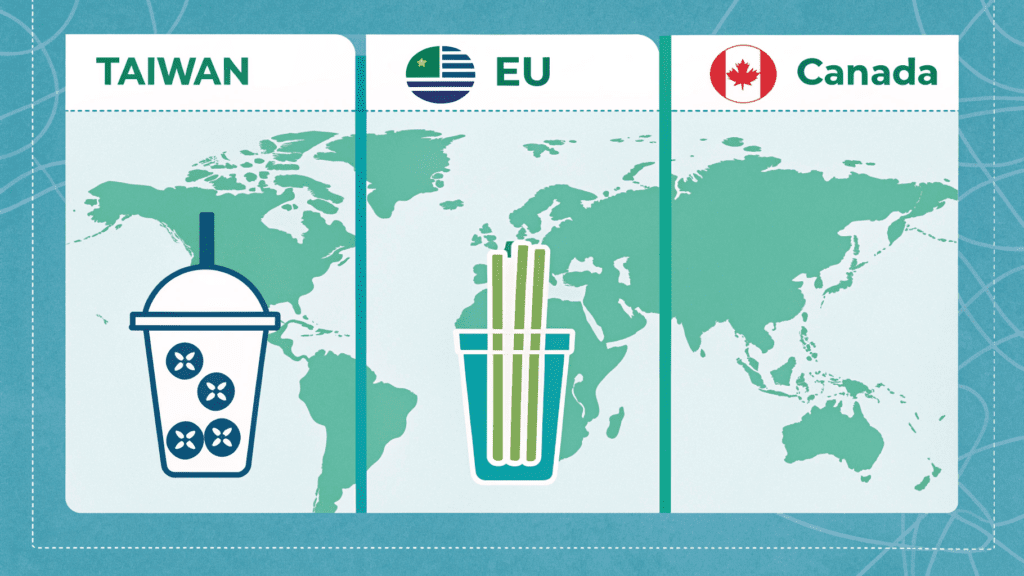
Posun k odpovědnosti za životní prostředí již není volbou, ale nutností, poháněný globální vlnou přísnějších politik zaměřených na omezení plastového znečištění. Vlády po celém světě zavádějí přísné zákazy jednorázových plastů, které mají přímý dopad na provoz potravin. Například země jako Kanada a regiony v rámci EU již přistoupily k zákazu mnoha plastových předmětů na jedno použití, včetně brček, zatímco Tchaj-wan, rodiště bublinkového čaje, nastínil plány na úplné ukončení výroby do roku 2030. Proaktivní přijímání udržitelných alternativ je proto prvořadé nejen pro dodržování předpisů, ale také pro obcházení vysokých pokut a značného poškození pověsti. Zatímco podniky čelí logistickým problémům při odvykání od zakořeněných plastových dodavatelských řetězců, nezbytnost vyhovět a přizpůsobit se je nepopiratelná.
Kromě regulace se očekávání spotřebitelů rychle vyvíjejí. Rostoucí segment ekologicky smýšlejících spotřebitelů aktivně vyhledává a podporuje podniky, které prokazují skutečný závazek k udržitelnosti, přičemž často projevují ochotu zaplatit za ekologické možnosti vyšší cenu. Viditelný závazek k udržitelnosti slámy boba nesplňuje pouze poptávku; strategicky zlepšuje pozici značky, přitahuje novou klientelu uvědomující si životní prostředí a podporuje hlubší a smysluplnější zákaznickou loajalitu. Přední hráči v pohostinství, jako je Marriott, Hilton a Kimpton, již stanovují průmyslová měřítka tím, že ve svých provozech postupně vyřazují plasty na jedno použití, čímž signalizují jasný směr pro celý sektor. Chcete-li prozkoumat širokou škálu udržitelných možností přizpůsobených vašemu podniku, zvažte návštěvu naší komplexní řady produktů.

Beyond Plastic: Strategická řešení pro trvale udržitelná brčka Boba v pohostinství
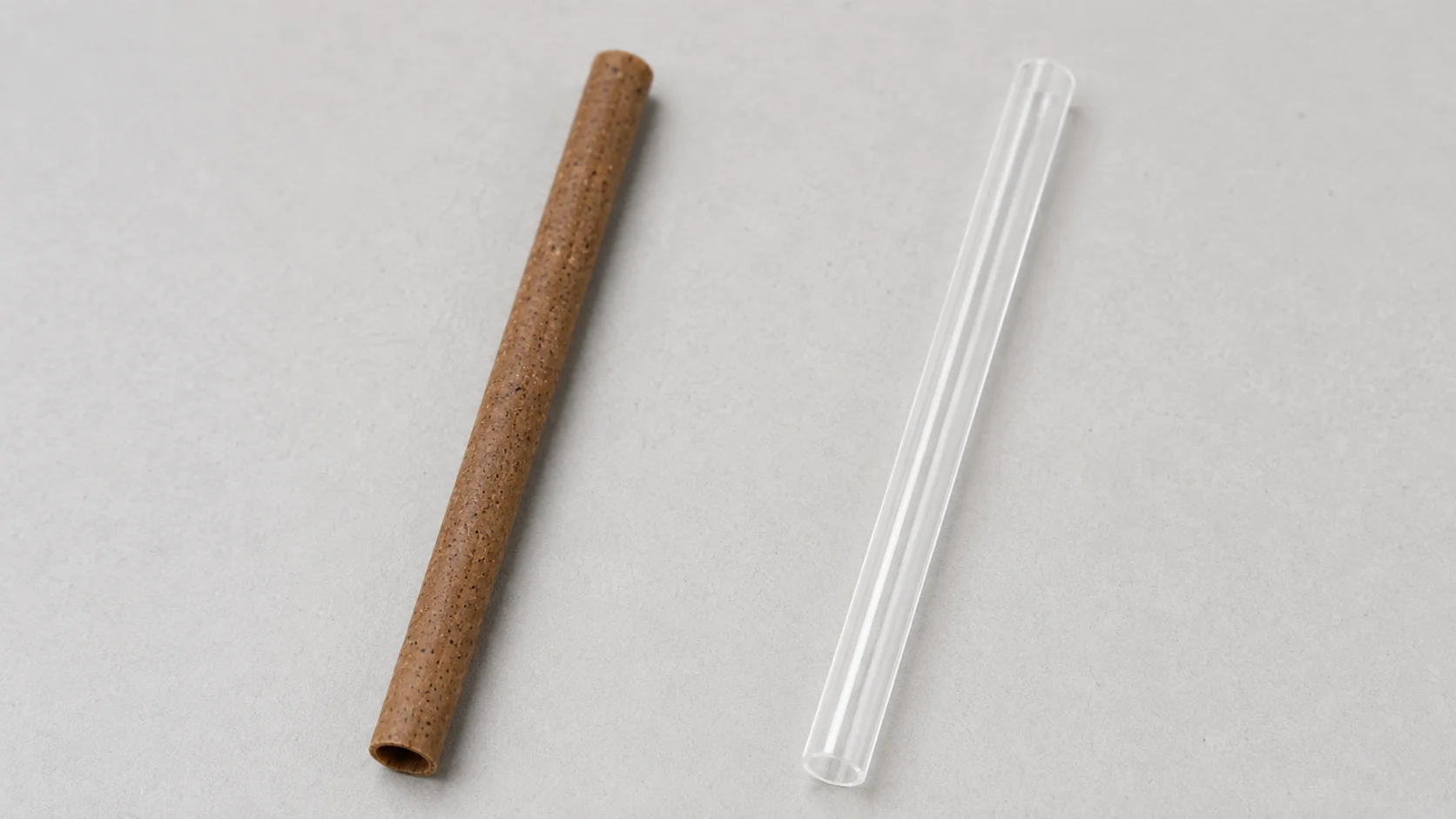
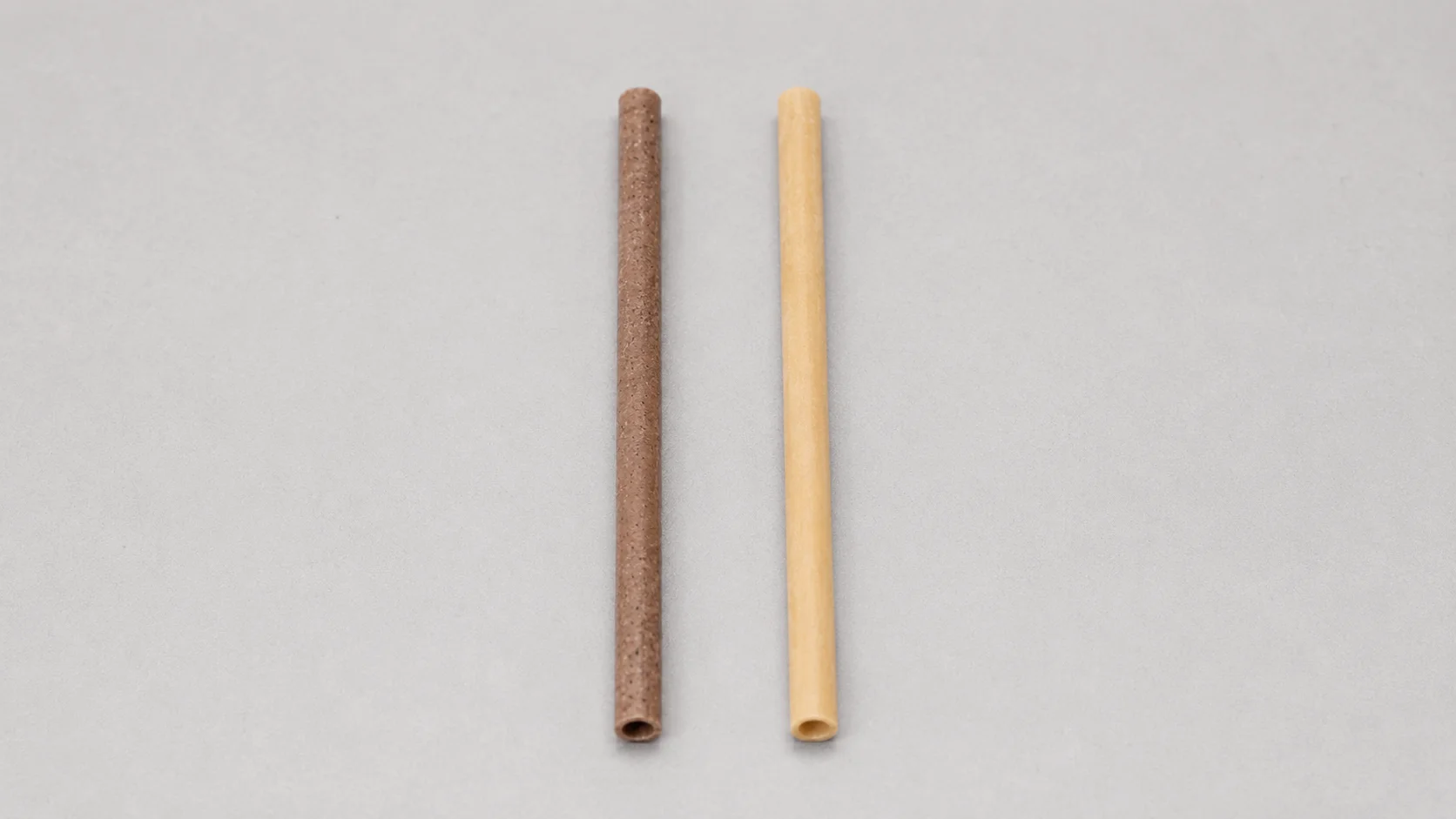
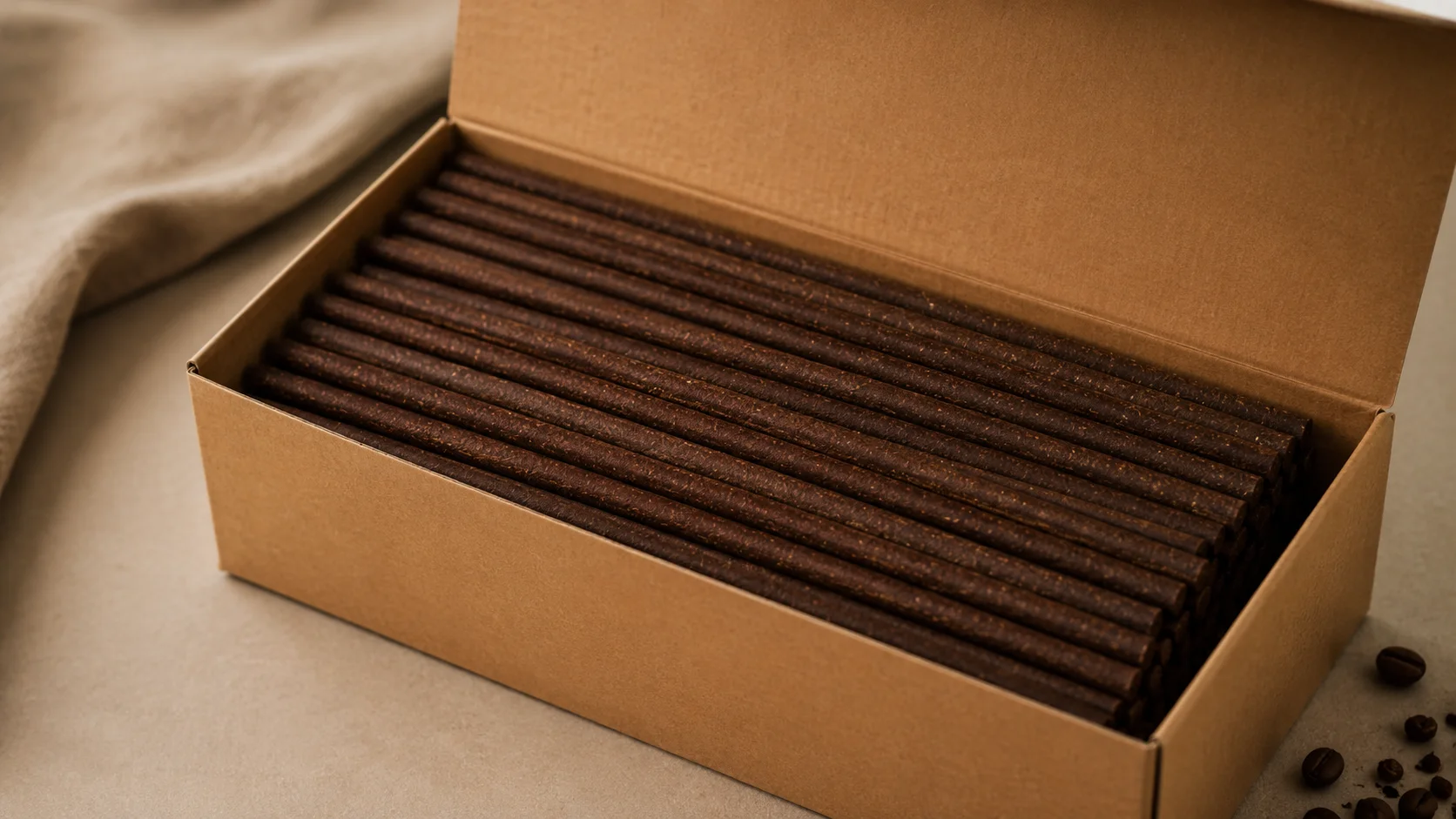
Dobrou zprávou je, že inovace rychle zareagovaly na poptávku po ekologických řešeních. Další generace udržitelných alternativ slámy boba je navržena tak, aby splňovala jedinečné funkční požadavky bubble tea a zajistila bezproblémový zážitek bez kompromisů v oblasti životního prostředí. Pokroky v materiálech, jako je PHA (polyhydroxyalkanoáty), vláknina z cukrové třtiny (bagasse), bambusová vláknina a dokonce inovativní čajová vláknina, poskytují možnosti, které nabízejí působivou odolnost a stabilitu a zajišťují, že si brčko zachová integritu po celou dobu pití beze změny chuti. Tyto materiály často přicházejí s přísnými certifikacemi, jako jsou certifikace od Biodegradable Products Institute (BPI), ASTM D6400 a FDA, které poskytují týmům dodavatelů zásadní ujištění o jejich biologické rozložitelnosti, kompostovatelnosti a bezpečnosti potravin. Mnoho z těchto špičkových ekologických řešení boba slámy je snadno dostupných.
When considering the transition, hospitality businesses must weigh various factors to select the ideal boba straw solution. A comparative analysis helps illuminate the strengths of each alternative:
| Feature/Category | Plant-Based Compostable Straws (e.g., Sugarcane, PHA, Reed) | Reusable Boba Straws (e.g., Stainless Steel, Glass, Silicone) |
|---|---|---|
| Materiálové složení | Bagasse (sugarcane fiber), PHA, PLA, natural reed, coffee grounds, tea fiber | Food-grade stainless steel, borosilicate glass, platinum-cured silicone |
| Key Benefits | Certified biodegradable/compostable, maintains integrity, doesn’t alter taste, ideal for takeout, wide diameter for pearls (11-12mm) | Eliminates waste, long-term cost savings, premium customer experience, customizable, durable |
| Operational & Cost Considerations | Vyšší jednotkové náklady než plast, vyžaduje průmyslovou kompostovací infrastrukturu (pro PLA), zjednodušuje třídění odpadu pro jednorázové kelímky | Vyšší počáteční investice, vyžaduje robustní čisticí protokoly a vybavení, řízení spotřebitelských iniciativ „Přineste si své“, potenciální bezpečnostní problémy (sklo/kov) |
| Zákaznická zkušenost | Podobně jako u plastu, žádné rozmočené (u pokročilých materiálů), pozitivní vnímání životního prostředí | Jedinečný hmatový zážitek, vyžaduje shodu zákazníka pro opakovaně použitelné, přenosné možnosti (teleskopické) |
Guiding decision-makers through critical factors—from functionality and unit cost versus long-term value to waste management logistics and crucial consumer perception—is key. Integrating high-performance sustainable boba straws can lead to streamlined waste management, significantly reducing operational complexities and costs associated with plastic disposal. Moreover, offering superior eco-friendly options naturally improves customer satisfaction, fostering repeat business and positive reviews from environmentally conscious guests. Successful strategies include implementing “straws upon request” policies and incentivizing reusable cup and straw programs, demonstrating practical implementation by industry leaders aiming to reduce their environmental footprint.

Využijte zelené výhody: Posílení vaší značky pohostinství do budoucna
Přijetím skutečně udržitelných řešení boba slámy se dnes vaše značka staví na přední místo v oboru v oblasti péče o životní prostředí a odemyká významnou konkurenční výhodu. Očekává se, že trh s kompostovatelnou slámou výrazně poroste z odhadovaných 1,9 miliardy USD v roce 2025 na 3,8 miliardy USD do roku 2035, což signalizuje lukrativní příležitost pro proaktivní podniky. Nejde jen o soulad; jde o hmatatelnou dlouhodobou návratnost investic, která se projevuje sníženými regulačními riziky, lepší hodnotou značky a zvýšenou přitažlivostí pro rychle se rozrůstající ekologicky uvědomělou spotřebitelskou základnu. Další podrobnosti o účinných ekologických řešeních najdete na naší vyhrazené stránce o udržitelných brčkách boba.
Přijetí udržitelných slámek boba je více než jen ekologický závazek; je to strategický obchodní tah, který přináší hmatatelné výhody. Vyzýváme manažery nákupu, provozní ředitele a úředníky pro udržitelnost, aby si naplánovali osobní konzultaci ještě dnes. Nechte nás posoudit vaše specifické potřeby a prozkoumat na míru šitá udržitelná řešení boba slámy, která jsou v souladu s vašimi provozními cíli a ekologickými závazky. Kromě toho si stáhněte našeho komplexního průvodce udržitelnou implementací slámy boba pro sektor pohostinství, abyste získali neocenitelné poznatky a praktické kroky pro svůj přechod. Toto je váš okamžik k transformaci vašich operací a zajištění vaší značky pohostinství do budoucna.