Cukrová třtina vs bambus – hromadné dodávky, vlastní branding a velkoobchodní řešení pro B2B pohostinství a stravování

Úvod do přesvědčivého průmyslu Úvod
Krajina pohostinství a stravovacích služeb prochází hlubokou proměnou, kterou řídí nepopiratelný globální imperativ: udržitelnost. Podniky v tomto sektoru se již nepotýkají pouze s regulačními posuny, jako je přísná směrnice Evropské unie o jednorázových plastech 2021 nebo kalifornský AB 1276, ale čelí rostoucí poptávce spotřebitelů po ekologicky odpovědných postupech. Nedodržování rozšiřujících se zákazů plastů, od indických pravidel pro nakládání s plastovým odpadem až po čínský „Zákaz plastů“, nyní přináší značné finanční sankce a nevratné poškození pověsti. Ignorování tohoto posunu znamená víc než jen vyhnout se pokutám; znamená ztrátu podílu na trhu. Očekává se, že celosvětový trh s biologicky rozložitelným nádobím vzroste z 21,4 miliard USD v roce 2025 na 41,4 miliard USD do roku 2034, což představuje robustní 7,6% CAGR (Grand View Research). To jasně ukazuje, že spotřebitelé jsou ochotni zaplatit prémii za ekologicky šetrné volby. Pro operátory B2B to není jen o dodržování předpisů, ale o strategické konkurenční výhodě, která přímo ovlivňuje ziskovost a dlouhodobou životaschopnost. Podniky, které se nedaří přizpůsobit se rizikům narušení dodavatelského řetězce, zvýšeným nákladům na nakládání s odpady a odcizení rychle rostoucí zákaznické základny s ohledem na životní prostředí.
Sustainability is no longer optional; it’s a critical driver for profitability and competitive advantage in hospitality and foodservice.
Market & Regulation Insights (EU, US, Asia-Pacific)
Navigating the complex web of global plastic regulations is paramount for B2B hospitality and foodservice businesses. Compliance is not just about avoiding penalties; it’s about securing market access and building consumer trust.

| Regulation Name & Date | Scope & Banned Items | Compliance Requirements for Straws | Tresty za vymáhání |
|---|---|---|---|
| Jednorázová směrnice Evropské unie o plastech z roku 2021 | Bans single-use plastic cutlery, plates, straws, cotton bud sticks, beverage stirrers, balloon sticks. | Plastic straws banned. Alternatives like sugarcane, bamboo, or paper straws are compliant. | Varies by member state; includes fines, product recalls, and market access restrictions. |
| California AB 1276 (2022) | Plnohodnotné restaurace mohou na vyžádání poskytnout pouze jednorázová plastová brčka. | Plastic straws are restricted. Businesses encouraged to offer non-plastic alternatives. | Fines for non-compliance, starting at $25 per day, up to $300 annually. |
| India’s Plastic Waste Management Rules (2022 Amendment) | Bans specific single-use plastic items including straws, cutlery, plates, cups. | Plastic straws banned. Businesses must use certified compostable or biodegradable alternatives. | Fines, environmental compensation, and potential business closure for repeat offenders. |
| China’s “Plastic Ban” (2020-2025 phased) | Phased ban on single-use plastics, including non-degradable straws in foodservice by end of 2020. | Non-degradable plastic straws banned. Biodegradable alternatives are required. | Fines and public shaming for non-compliant businesses. |
Global regulations are rapidly phasing out single-use plastics, making compliant, sustainable alternatives essential for market viability.
Solution: Sugarcane & Bamboo Straws
To navigate this evolving market, leading businesses are turning to innovative, plant-based materials like sugarcane bagasse and bamboo. Choosing the optimal sustainable material for your B2B operations involves a strategic consideration of specific product requirements, desired aesthetic, durability expectations, and budget. Often, a hybrid approach yields the most balanced solution for comprehensive sustainable sourcing.
Sugarcane Bagasse Straws: The Waste-to-Value Champion
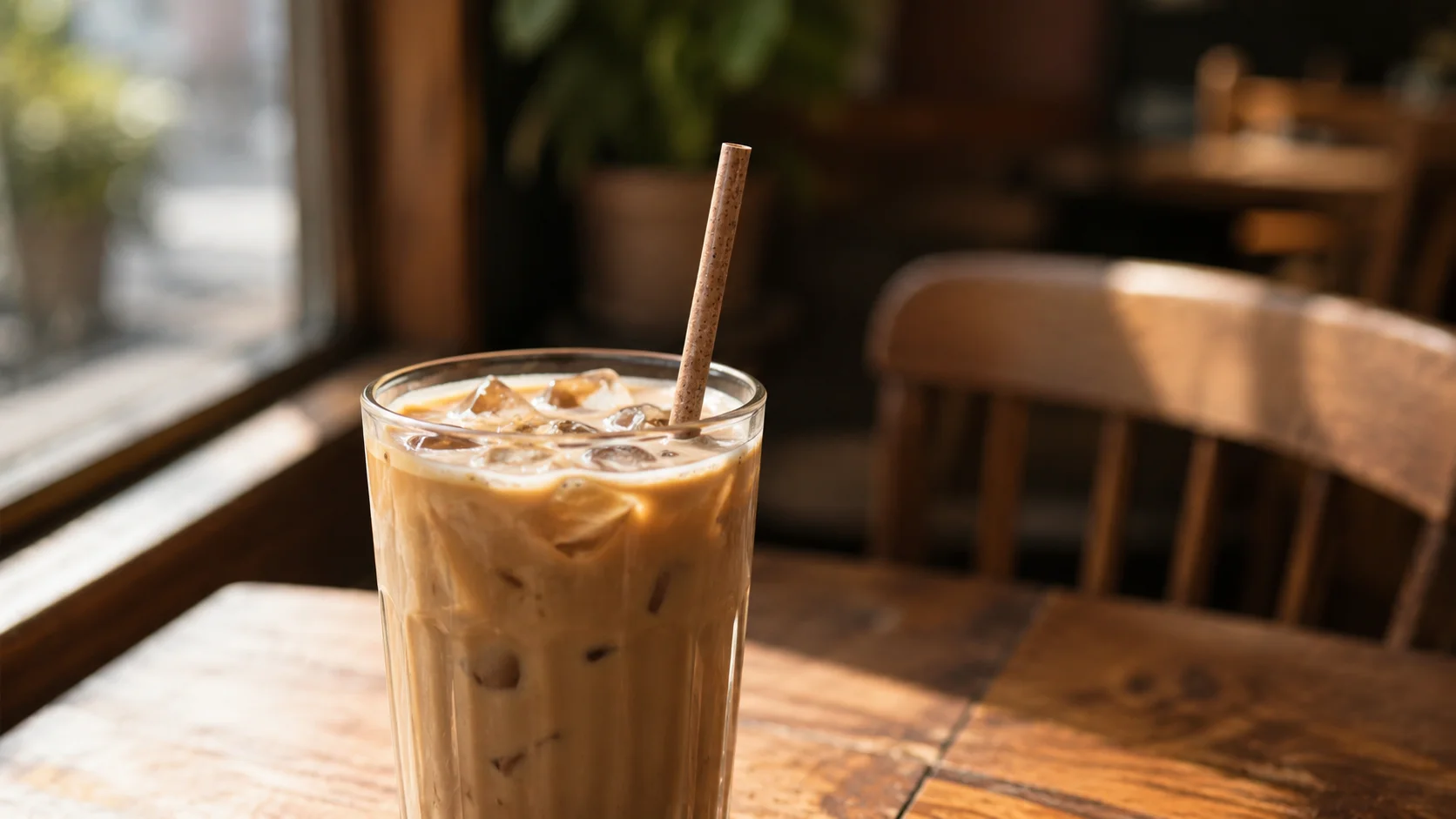
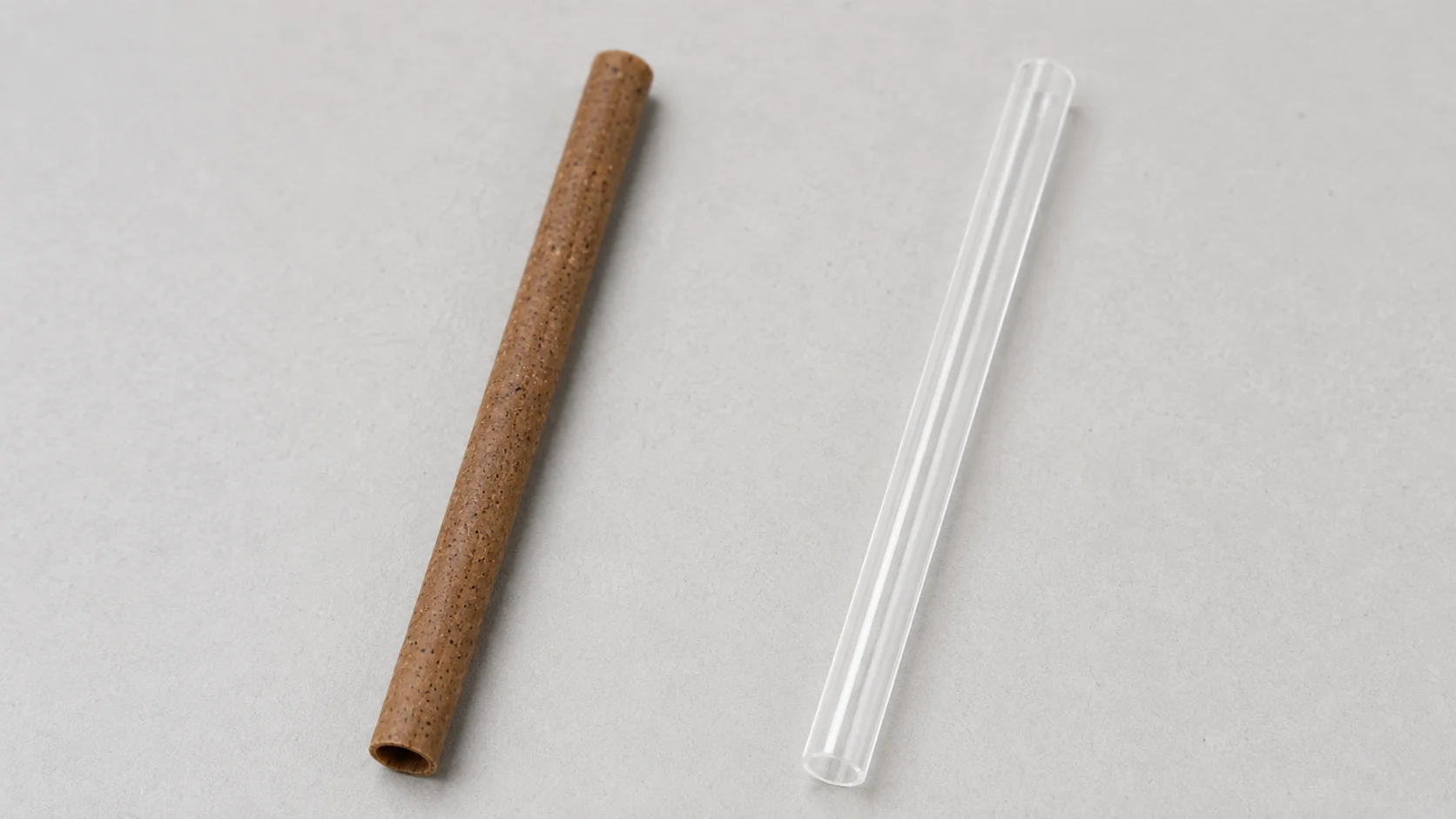
Bagasová brčka z cukrové třtiny jsou ekologicky šetrné alternativy vyrobené z vláknitého vedlejšího produktu výroby cukru.
Tato upcyklace drasticky snižuje zatížení skládkováním a nabízí ekonomicky životaschopné řešení velkoobjemových dodávek, které přináší významnou nákladovou efektivitu pro rozsáhlé provozy. Kromě svého původu vyniká bagasové nádobí v prostředí s vysokou poptávkou. Vyznačuje se mimořádnou pevností, trvanlivostí a odolností vůči teplým i studeným pokrmům, odolává teplotám od -18°C do +180°C. Díky tomu je ideální pro různé kulinářské aplikace, zůstává robustní a odolný proti úniku i při vlhkém nebo mastném obsahu. Chcete-li se hlouběji ponořit do toho, jak může tento materiál prospět vašim operacím, prozkoumejteobchodní výhody brček z cukrové třtiny. The smooth surface of bagasse products also lends itself perfectly to custom branding, including food-safe coloring, logo printing, and embossed designs, with manufacturers offering OEM/ODM services for tailored sizes and packaging, effectively reinforcing brand identity at scale. As a rapidly renewable byproduct, bagasse also has a significantly lower carbon footprint than traditional paper or plastic. It is highly biodegradable and compostable, breaking down naturally within 1-6 months in composting facilities, often faster than bamboo for disposable items. Learn more about thesustainability advantages of sugarcane straws.
- Úspory nákladů: Up to 15% reduction in waste disposal costs due to compostability.
- Rychlost rozpisu: Decomposes naturally within 1-6 months in composting facilities.
- Compliance Fit: Fully compliant with major global single-use plastic bans (e.g., European Union Single-Use Plastics Directive 2021).
- Brand Image: Potential for a 10-20% improvement in customer satisfaction scores for eco-conscious brands.
Bamboo Straws: The Eco-Luxury Choice
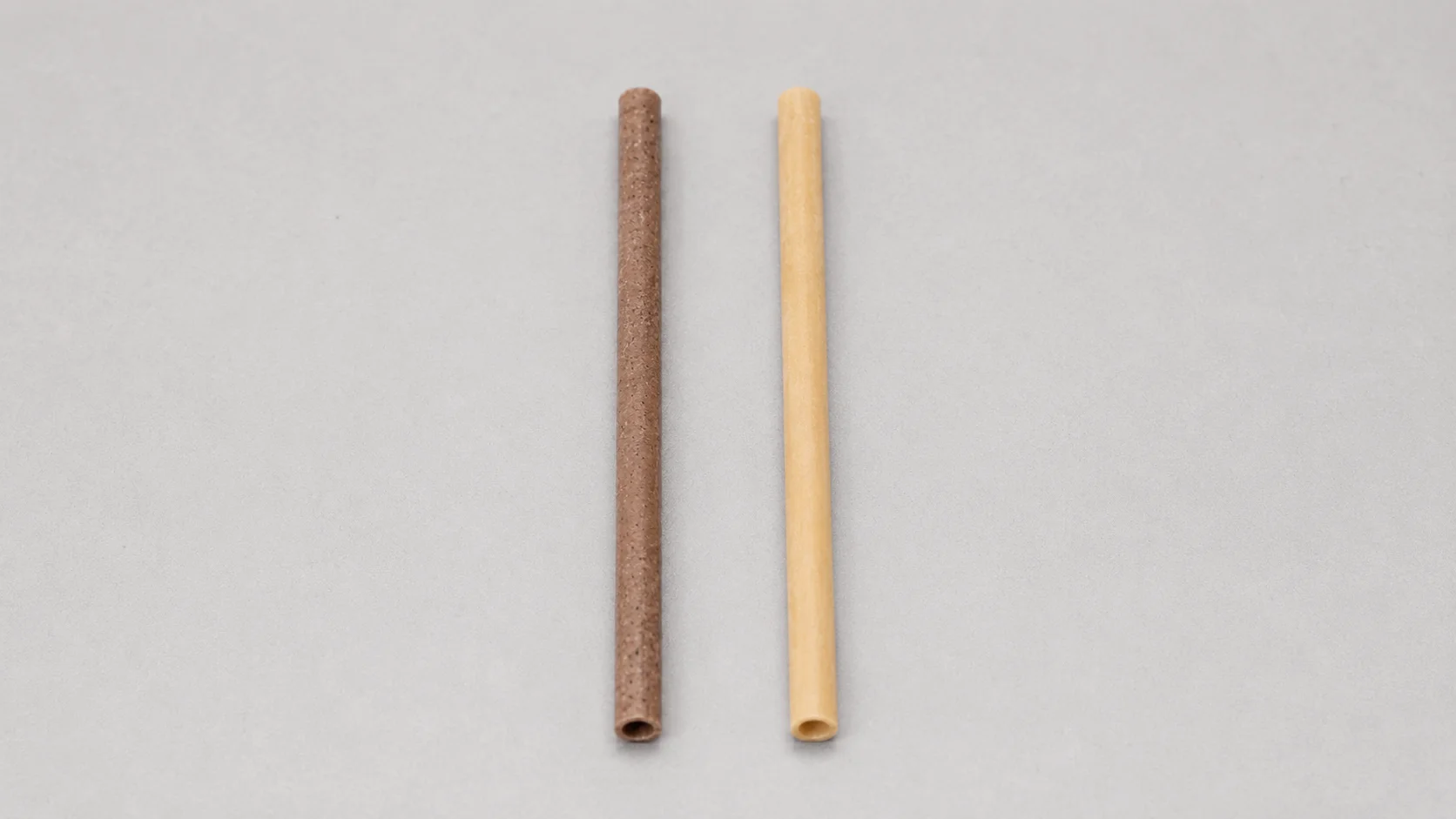
Bambus doplňuje bagasu z cukrové třtiny a nabízí další přesvědčivé udržitelné řešení, které často zvyšuje eko-luxusní zážitek. Jako rychle rostoucí tráva se bambus rychle regeneruje bez opětovného vysazování, což z něj činí neuvěřitelně udržitelný zdroj. Jeho vysoká pevnost v tahu a tuhost se promítají do odolnějších produktů, vhodných pro prémiové jednorázové položky nebo dokonce potenciálně opakovaně použitelné možnosti. I když je bambus vynikající pro robustní příbory a nádoby na jídlo, jeho odolnost a přirozená estetika sahají daleko za hranice tradičních stravovacích služeb a nacházejí uplatnění v hotelovém vybavení, jako jsou zubní kartáčky, hřebeny a dokonce i textilie, čímž zvyšují celkový zážitek hostů elegantním a udržitelným dotekem. Pro inovativní řešení na bázi bambusu zvažte prozkoumáníohebná brčka z bambusových vláken. Bamboo products offer sophisticated custom branding options through laser engraving or eco-ink printing, allowing for unique shapes and finishes. Its inherent natural look aligns seamlessly with a high-end, eco-luxury brand positioning. Furthermore, bamboo’s significant carbon sequestration capabilities and minimal input requirements (pesticides, fertilizers) contribute to its eco-friendliness, while its natural antimicrobial properties add an extra layer of food safety, particularly beneficial for foodservice applications.

ROI Comparison: Sugarcane vs. Alternatives
| Typ slámy | Cost (per unit, indicative) | Lifespan (in drink) | Dodržování | Spokojenost zákazníků |
|---|---|---|---|---|
| Plast | Nízký | Excellent (hours) | Non-compliant in many regions | Low (negative environmental perception) |
| Papír | Střední | Poor (minutes, can get soggy) | Generally compliant | Mixed (soggy experience) |
| PLA (kyselina polylaktická) | Středně vysoká | Good (hours) | Compliant if industrially composted | Good (looks like plastic, but eco-friendly) |
| Bagasse z cukrové třtiny | Střední | Excellent (hours, sturdy) | Fully compliant, widely accepted | High (natural feel, eco-positive) |
| Bambus | Vysoký | Excellent (hours, very sturdy) | Fully compliant, premium feel | Very High (eco-luxury, reusable potential) |
Sugarcane and bamboo offer superior performance and compliance, enhancing brand image and reducing long-term environmental costs.
Industry Misconceptions & Clarifications
Dispelling common myths about sustainable materials is crucial for informed procurement decisions. Misinformation can lead to costly mistakes and undermine sustainability efforts.
- Myth 1: “PLA (Polylactic Acid) is fully compostable everywhere.”
Skutečnost: While PLA is industrially compostable, it requires specific conditions (high heat, humidity) found only in commercial composting facilities. It does not break down in home composts or landfills, and can contaminate recycling streams if not properly sorted. Always verify local composting infrastructure. - Myth 2: “Paper straws are always the most sustainable option.”
Skutečnost: Paper straws often require a plastic or wax lining to prevent sogginess, making them difficult to recycle or compost. Their production can also be resource-intensive. Sugarcane and bamboo alternatives often have a lower overall environmental footprint due to their natural composition and rapid biodegradability. - Myth 3: “Sustainable products are always significantly more expensive.”
Skutečnost: While initial unit costs might sometimes be higher, the long-term ROI of sustainable products includes reduced waste disposal fees, enhanced brand reputation, increased customer loyalty, and avoidance of non-compliance penalties. The global biodegradable tableware market’s growth indicates increasing affordability and scale.
Understanding the nuances of sustainable materials is vital to avoid greenwashing and ensure genuine environmental impact.
B2B Customization & Supply Chain Optimization
Optimizing your supply chain for sustainable products like sugarcane and bamboo straws involves strategic planning for bulk procurement, customization, and inventory management. This ensures seamless integration into your existing operations.
- Rozsahy MOQ:
- Small to Medium Buyers: Minimum Order Quantities (MOQ) typically range from 50,000 to 100,000 units for standard sizes.
- Enterprise Buyers: For large-scale operations, MOQs can be negotiated for 500,000+ units, often with significant volume discounts.
- Možnosti brandingu:
- Printing: Food-safe ink printing for logos, slogans, or custom designs directly on straws or individual wrappers.
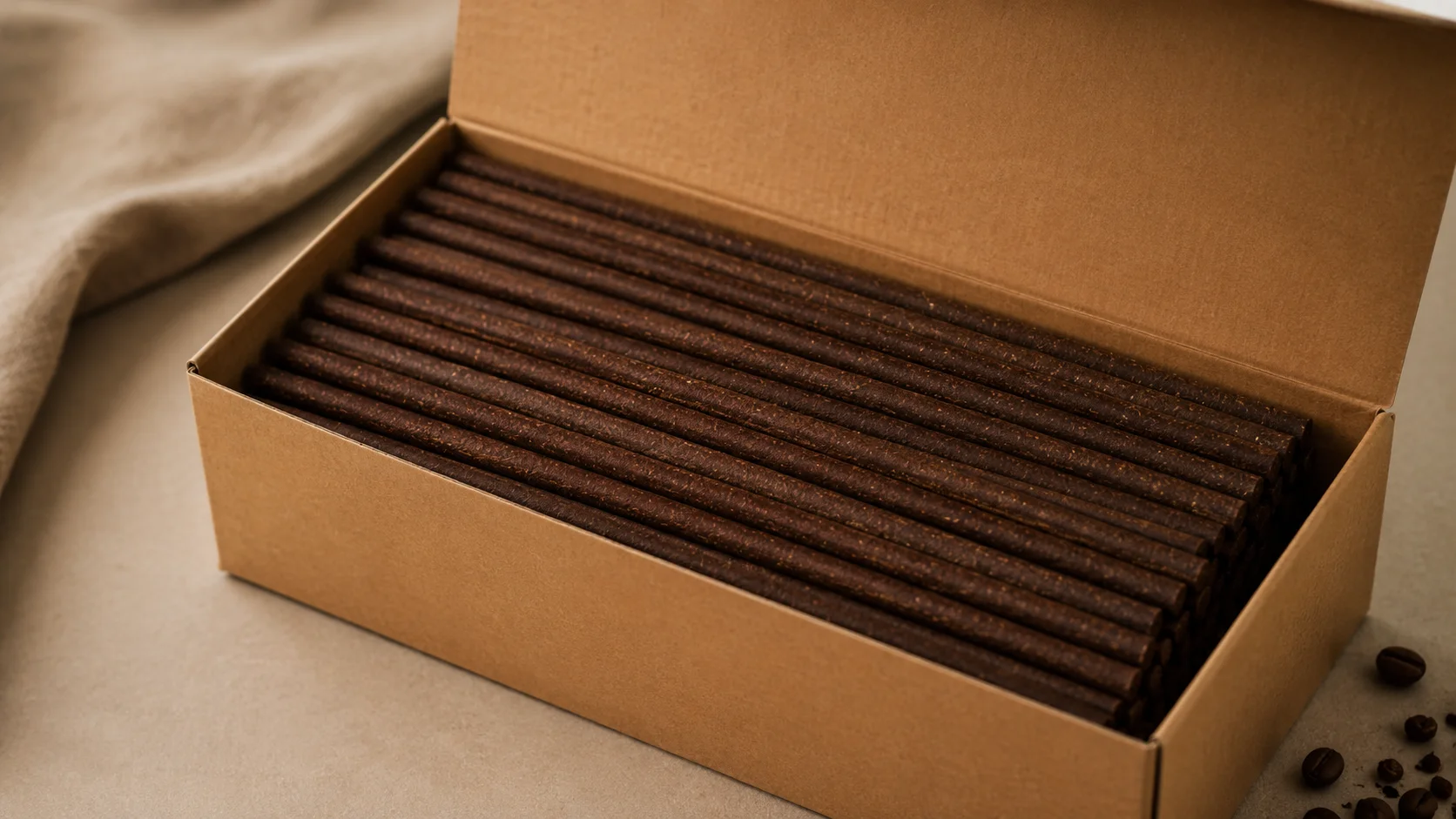
- Packaging: Custom packaging options including branded boxes, bulk bags, or individually wrapped straws.
- Diameter/Length Customization: Tailored straw dimensions (e.g., cocktail, standard, boba) to fit specific beverage needs.
- Embossing/Engraving: For bamboo, laser engraving offers a premium, tactile branding experience.
- Lead Times & Bulk Shipping:
- Standard Orders: Typically 4-6 weeks from order confirmation to delivery, depending on customization.
- Hromadná doprava: Optimized container shipping (FCL/LCL) to reduce freight costs and carbon footprint.
- Expedited Options: Available for urgent needs, though at a higher cost.
- Inventory Management Tips:
- Forecasting: Utilize historical data and seasonal trends to accurately forecast demand and avoid stockouts.
- Buffer Stock: Maintain a small buffer stock to mitigate unexpected supply chain disruptions.
- Supplier Relationships: Foster strong relationships with reliable suppliers for consistent quality and timely delivery.
- Storage: Store in cool, dry conditions away from direct sunlight to maintain product integrity.
Strategic procurement and customization of sustainable straws can significantly enhance brand presence and operational efficiency.
Future-Proofing Your Operations
Future-proofing your operations means seizing the sustainable advantage. The global biodegradable tableware market is projected for substantial growth, with sugarcane bagasse maintaining a dominant share (38.4% in 2025) and bamboo seeing a surge in “eco-luxury” applications, particularly in Europe and North America where environmental consciousness is high. Early adoption of these materials positions your business as a leader in environmental stewardship, capturing a significant portion of this expanding market. Investing in sustainable bulk supply solutions translates into tangible business benefits: reduced waste disposal costs, enhanced brand reputation attracting eco-conscious consumers (who often pay a premium), and streamlined compliance with evolving global regulations, minimizing fines and legal risks. For deeper market insights, reports from leading research firms like Grand View Research often provide detailed forecasts. Diversifying your sourcing with plant-based materials like sugarcane bagasse and bamboo also reduces reliance on volatile traditional plastic markets, building supply chain resilience, mitigating price fluctuations, and ensuring uninterrupted operations. This is a critical factor for B2B continuity in an unpredictable global economy. Real-world successes abound: major fast-food chains like McDonald’s and Starbucks have integrated bagasse packaging, while premium hospitality brands leverage bamboo for amenities, demonstrating the operational viability and significant brand uplift achievable through strategic sustainable sourcing. The Foodservice Packaging Institute (FPI) offers resources and connections between establishments and packaging manufacturers, highlighting industry best practices. Globally, many governments, particularly in the EU and Asia, are implementing stricter regulations against single-use plastics, driving the demand for materials like sugarcane and bamboo. For example, India’s Plastic Waste Management Rules are significantly propelling demand for bagasse in food delivery, making it a rapidly growing market. More information on global plastic policies can be found on reputable environmental news sites like The Guardian.
Embracing sugarcane and bamboo solutions builds supply chain resilience and positions your business as a sustainability leader.
Strong Call to Action with Measurable Outcomes
Ready to transition to high-performance, eco-friendly foodservice and hospitality disposables? Discover how custom-branded sugarcane bagasse and bamboo products can significantly reduce your environmental footprint, enhance your brand image, and ensure regulatory compliance. By making the switch, you can expect toreduce straw waste by 80%aimprove customer satisfaction scores by 15%among eco-conscious consumers.
Request a Quote for Bulk Orders
Take action now to reduce waste, boost brand image, and ensure compliance with sustainable straw solutions.
Frequently Asked Questions (FAQ) on Sugarcane & Bamboo Straws
1. Are sugarcane straws legal in the European Union?
Yes. Sugarcane straws are fully compliant with the EU’s Single-Use Plastics Directive (Directive (EU) 2019/904), as they contain no conventional plastics, PLA, or petroleum-based additives. This makes them a safe and future-proof choice for hospitality and foodservice operators serving EU markets.
2. How do sugarcane straws compare to paper straws in terms of durability?
Sugarcane straws maintain their structure for 2–3 hours in iced drinks and up to 90°C in hot beverages, with no sogginess or collapse. Paper straws, by contrast, typically last 30–60 minutes before softening, which can negatively affect drink quality and customer satisfaction.
3. Can bamboo straws be reused?
Yes. Bamboo straws are naturally strong and can be reused multiple times with proper cleaning. However, they require more intensive hygiene protocols in B2B settings, and some foodservice operators prefer single-use sugarcane straws to meet safety and convenience requirements.
4. What are the MOQ (Minimum Order Quantity) ranges for bulk sugarcane straw orders?
MOMOIO offers flexible MOQs depending on customization:
- Standard bulk orders: from 50,000–100,000 pieces.
- Custom-printed or branded straws: from 300,000 pieces.
This ensures scalable supply solutions for small boutique cafes to large hotel chains.
5. Are sugarcane and bamboo products truly biodegradable and compostable?
Yes. Both sugarcane and bamboo straws are 100% plant-based a domácí kompostovatelné. Sugarcane straws naturally break down within 12–16 měsíců v podmínkách domácího kompostu nebo skládky, aniž by produkovaly mikroplasty. Bambusová brčka se také přirozeně biologicky rozkládají, ale mohou vyžadovat více času v závislosti na tloušťce a podmínkách likvidace.