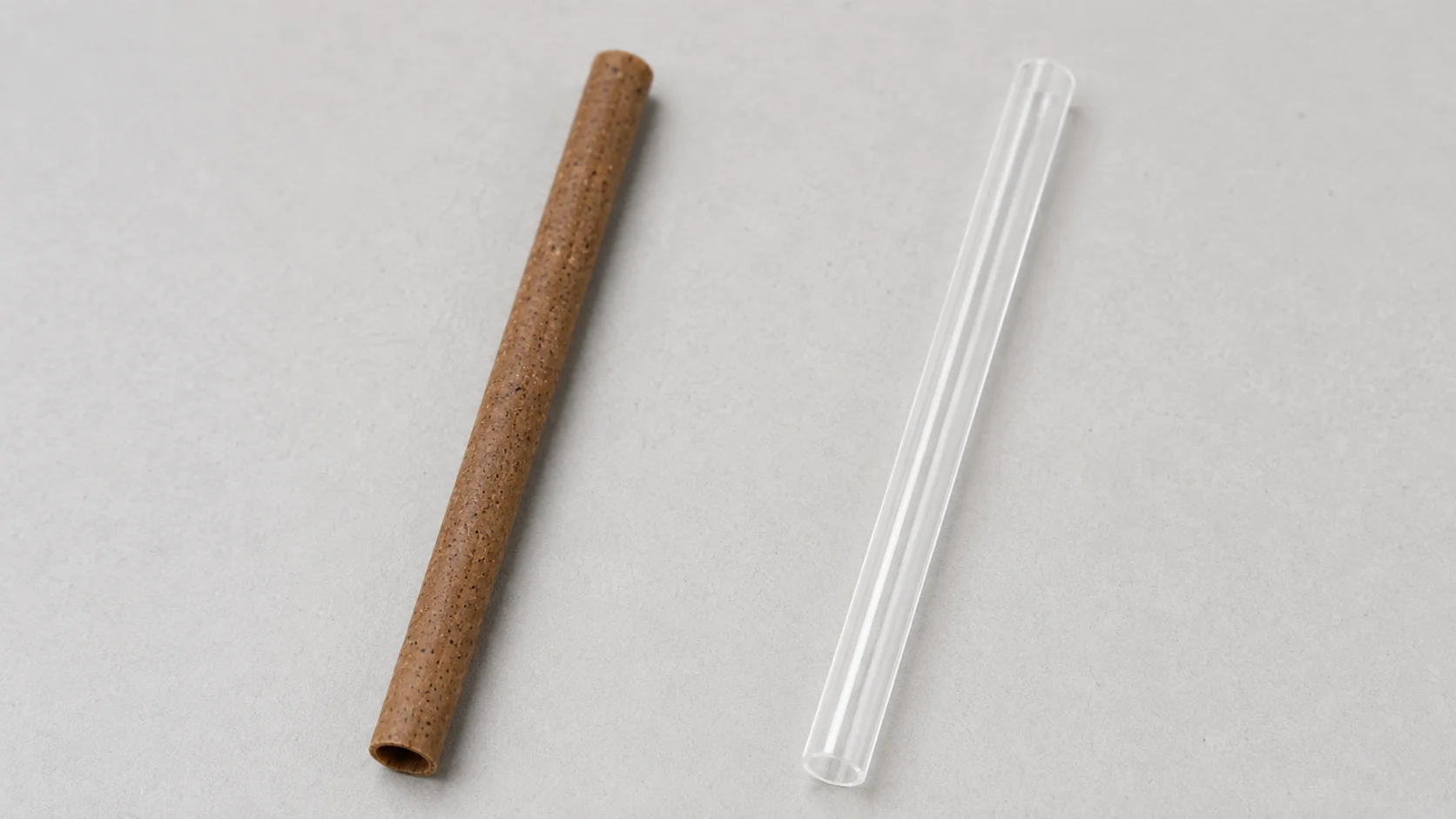
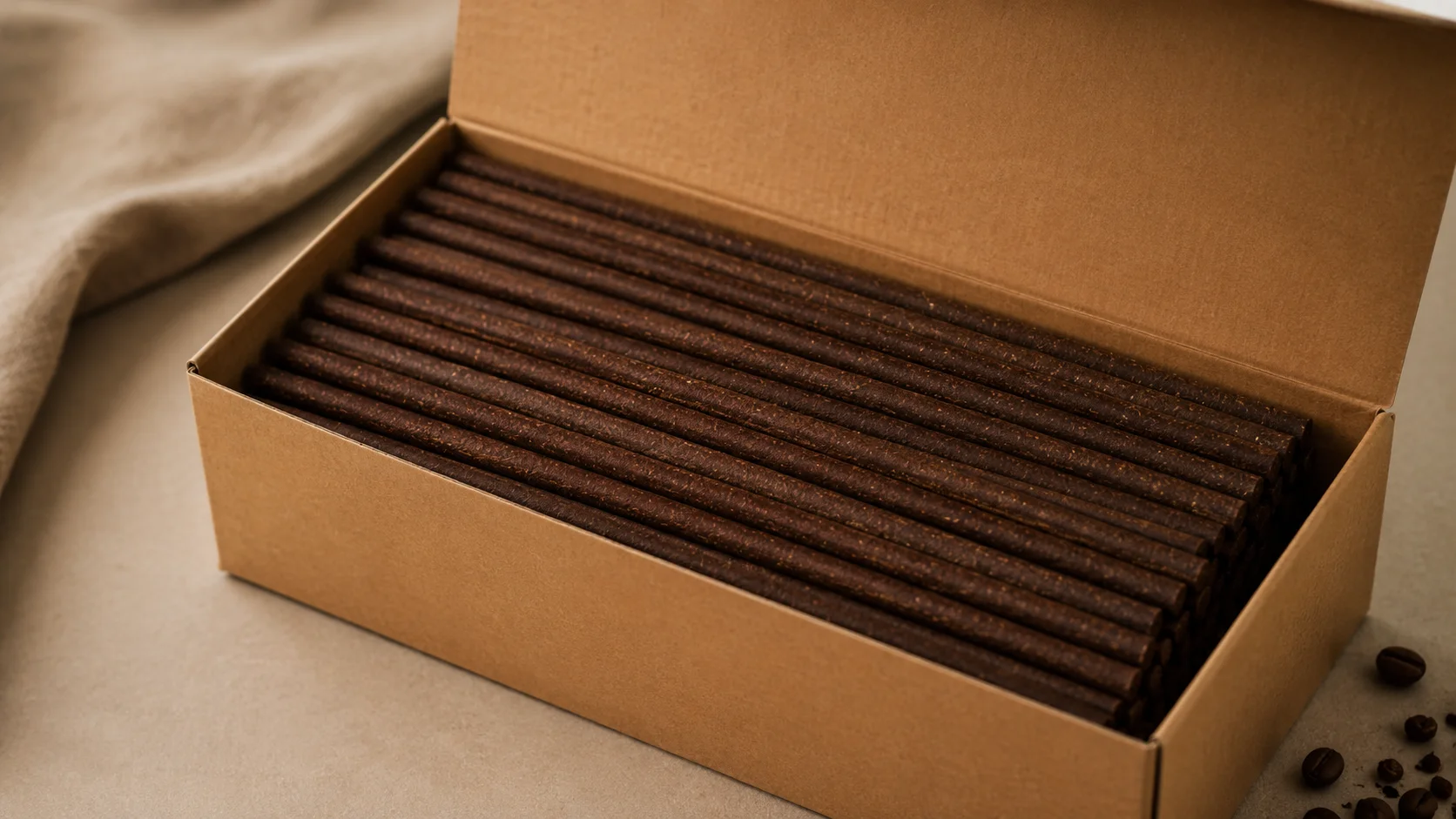
Udpakning af sandheden: Er komposterbare sugerør virkelig komposterbare?
The global push to curb plastic pollution has thrust “compostable” alternatives into the spotlight, particularly for high-volume consumables like drinking straws. However, a lingering skepticism pervades boardrooms and procurement offices: do these seemingly eco-friendly options genuinely decompose as promised, or are they merely another form of greenwashing? For procurement managers, operations directors, sustainability officers, and supply chain executives in the hospitality & foodservice industries, this question isn’t academic; it’s a critical operational and commercial imperative.
At ignorere nuancerne af ægte komposterbarhed har betydelige operationelle og kommercielle konsekvenser. Den Europæiske Unions engangsplastikdirektiv (2019/904), håndhævet siden 2021, har effektivt forbudt konventionelle plastiksugerør, hvilket kræver overholdelse af strenge standarder som EN13432 for alternativer. Tilsvarende har nøglemarkeder i USA, såsom San Francisco (januar 2020) og New York City (november 2021), pålagt regler, der kræver BPI eller TÜV ØSTRIG-certificeret komposterbart madvarer eller begrænser brugen af plasthalm. Manglende overholdelse kan resultere i store bøder, forstyrrede forsyningskæder og et beskadiget brandomdømme blandt en stadig mere miljøbevidst forbrugerbase. Denne artikel dykker ned i videnskaben, certificeringerne og de håndgribelige driftsmæssige virkninger af komposterbare sugerør, og giver B2B-beslutningstagere den klarhed, der er nødvendig for at træffe informerede valg med høj konvertering.
Understanding true compostability is crucial for hospitality and foodservice businesses to avoid fines and enhance brand reputation.
Understanding Compostable Straws: A Spectrum of Solutions for B2B
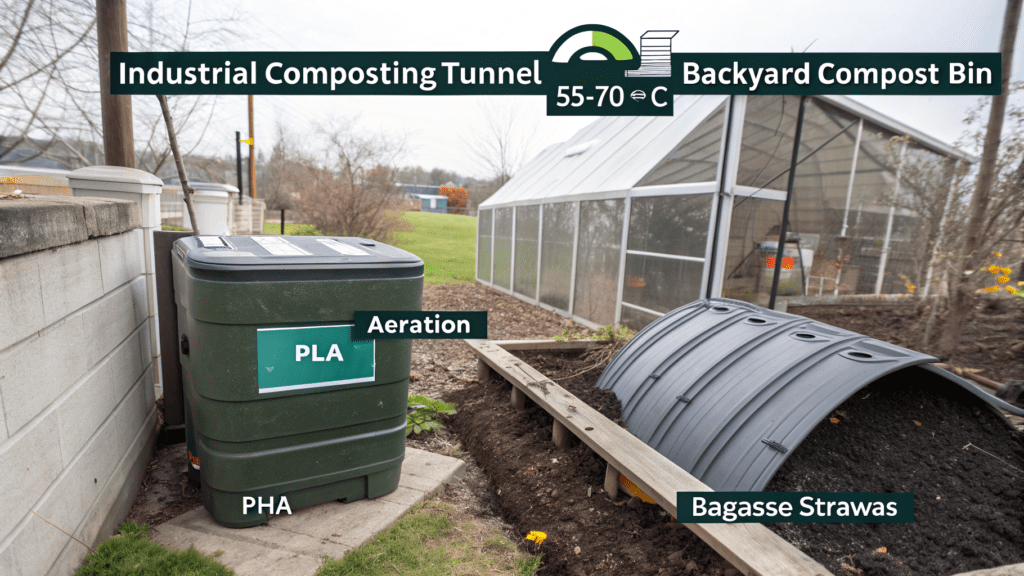
The decomposition process of compostable straws in an industrial composting facility.
Udtrykket "komposterbar" forveksles ofte med "bionedbrydeligt", men skelnen er afgørende for B2B-applikationer. Komposterbare sugerør er specielt konstrueret til at nedbrydes til organisk materiale, vand og kuldioxid inden for en defineret tidsramme, under specifikke forhold og uden at efterlade giftige rester. Dette er langt fra generiske "bionedbrydelige" påstande, som ofte mangler certificerede standarder for fuld nedbrydning og stadig kan resultere i mikroplastikforurening eller tage en ubestemt tid at nedbryde.
Definition af ægte komposterbarhed: Ud over "biologisk nedbrydelige" etiketter
Ægte komposterbarhed indebærer en styret, kontrolleret proces. Disse sugerør er formuleret til fuldt ud at genintegrere i den naturlige cyklus og bliver en gavnlig jordændring. Nedbrydningen sker typisk inden for uger til få måneder i professionelle komposteringsmiljøer, i skærende kontrast til konventionel plast, som kan bestå i århundreder og nedbrydes til skadelig mikroplast, der gennemsyrer økosystemer. Fraværet af giftige rester er et ikke-omsætteligt kriterium for certificering, der sikrer, at slutproduktet er sikkert for miljøet.
De dobbelte veje: industrielle vs. hjemmekomposterbare sugerør
At forstå den specifikke komposteringsvej er altafgørende for effektiv affaldshåndtering og overholdelse inden for gæstfrihed og foodservice.
- Industriel kompostering: This pathway utilizes specialized facilities that maintain precise high temperatures (typically 55-70°C / 131-160°F), controlled moisture levels, and optimal aeration. These conditions accelerate decomposition, allowing straws to break down within a few weeks to a few months. Materials like polylactic acid (PLA) often require these industrial conditions due to their higher temperature requirements for degradation. If an industrial compostable straw ends up in a home compost bin or, worse, a landfill, it may not decompose as intended, potentially increasing its global warming potential by up to six times.
- Home Composting: Komposterbare sugerør til hjemmet er designet til kompostbeholdere eller bunker i baghaven og fungerer ved lavere, mere variable temperaturer (omkring 50-65°C / 122-149°F). Deres nedbrydningsproces er langsommere og tager typisk 6 til 12 måneder, afhængigt af lokale forhold. Materialer inkluderer ofte bagasse (sukkerrørfibre) og nogle avancerede PHA (Polyhydroxyalkanoater) formuleringer, udvalgt for deres evne til at nedbrydes uden at kræve den intense varme fra industrielle faciliteter.
Fælles materialer til komposterbare sugerør omfatter sukkerrørsbagasse, majsstivelse (PLA), PHA og træmasse. Hver tilbyder forskellige egenskaber, der imødekommer forskellige behov og komposteringskrav.
Komposterbare sugerør er konstrueret til at nedbrydes sikkert i modsætning til generiske bionedbrydelige påstande.
Navigating Certifications: Ensuring True Compliance for Compostable Straws
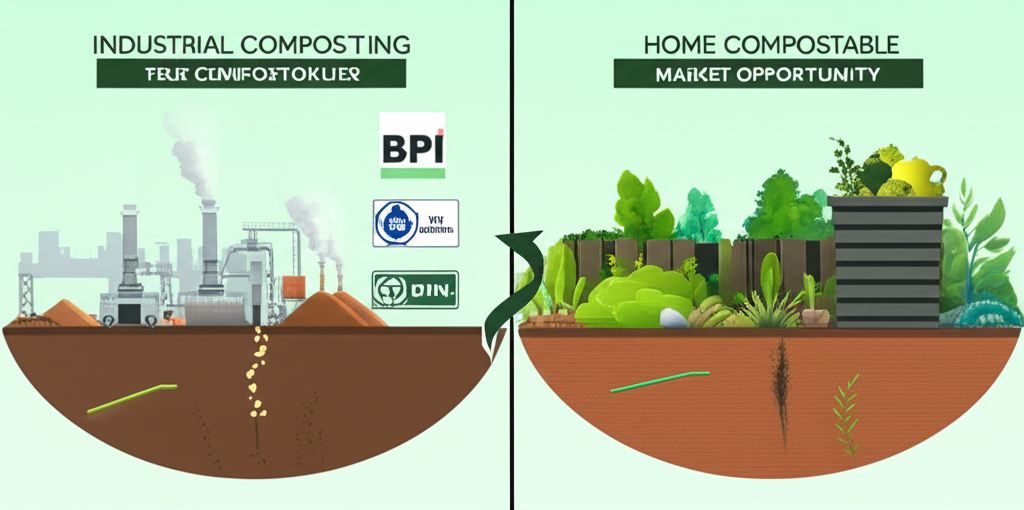
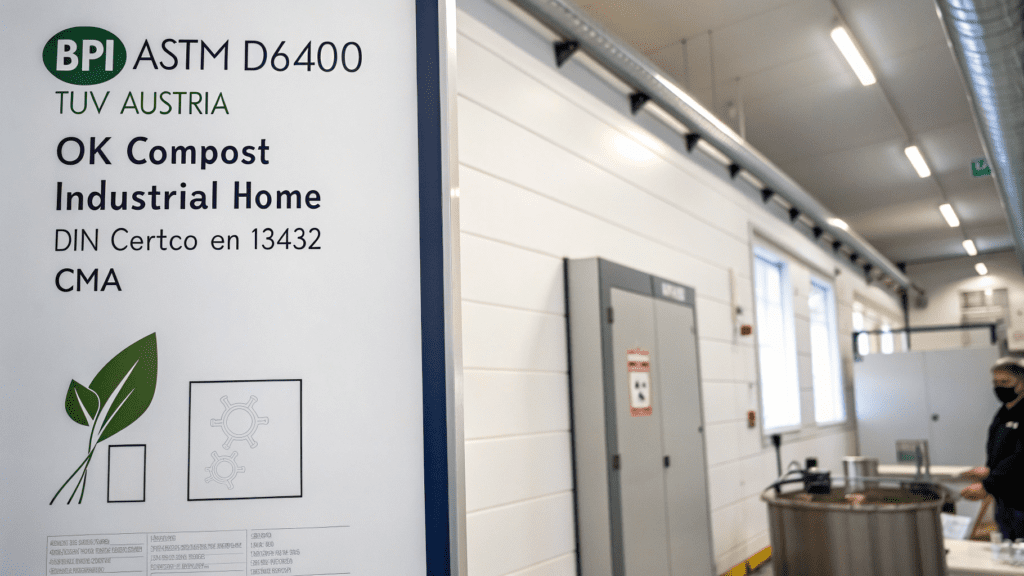
Key certification logos for compostable straws.
For B2B decision-makers in hospitality and foodservice, navigating the landscape of compostable products requires more than just good intentions; it demands adherence to recognized certifications and regional mandates. These certifications are the bedrock of trust in the sustainable packaging market.
Decoding Compostable Straws Certifications: BPI, TÜV AUSTRIA, & DIN-CERTCO
To differentiate genuine compostable products from misleading “greenwashing” claims, relying on independent certification bodies is essential.
- BPI (Biodegradable Products Institute): A leading North American certification body, BPI certifies industrial compostability based on ASTM D6400 standards. Products must biodegrade at least 90% within six months and disintegrate adequately within 12 weeks to achieve BPI certification, ensuring they break down efficiently in commercial composting facilities without leaving toxic residues.
- TÜV AUSTRIA: This reputable European certification body offers “OK compost INDUSTRIAL” (meeting EN 13432 or ASTM D6400) and “OK compost HOME” certifications. The “OK compost HOME” certification is particularly relevant for businesses seeking products that can break down in backyard composting environments, adhering to standards like NF T51-800.
- DIN-CERTCO: A prominent German and European certification body, DIN-CERTCO awards a mark indicating compliance with the European standard EN 13432 for industrial compostability. They also offer a “DIN Tested – Garden Compostable” certification for home composting.
- Australasian Bioplastics Association (ABA) Seeding Mark: Recognized in Australia and New Zealand, this certification verifies compostable products for those markets.
- Compost Manufacturing Alliance (CMA): In the US, CMA certifies commercially compostable products through rigorous lab and field tests, ensuring they meet ASTM D6400 or D6868 standards.
These certifications assure businesses that their chosen straws will decompose safely, leaving no microplastics, heavy metals, or other toxic chemicals, thereby contributing to soil enrichment.
Regulatory Compliance and Regional Mandates (plastic bans)
The global regulatory environment is rapidly evolving, with a clear trend towards restricting single-use plastics, directly impacting hospitality and foodservice supply chains.
- The EU Single-Use Plastics Directive (2019/904): Enforced since 2021, this directive has effectively banned plastic straws, including those labeled “bio-sourced” or “home compostable” if they contain any plastic. This mandates that alternatives must comply with EN13432, pushing businesses towards certified compostable options to maintain market access.
- US City and State Mandates: In the United States, while a federal ban is absent, numerous state and municipal governments have implemented strict regulations. San Francisco, as of January 2020, requires BPI or TÜV AUSTRIA-certified compostable foodware. New York City, since November 2021, allows compostable plastic straws only with on-premise use and proper organics collection. These localized plastic bans create a complex compliance landscape that requires vigilant procurement strategies.
Businesses must proactively seek out certified products to avoid compliance risks and align with these tightening regulations, ensuring seamless operations across diverse markets.
Certifications like BPI and TÜV AUSTRIA are vital for ensuring compliance with global plastic bans.
Beyond the Hype: The Environmental Equation of Compostable Straws
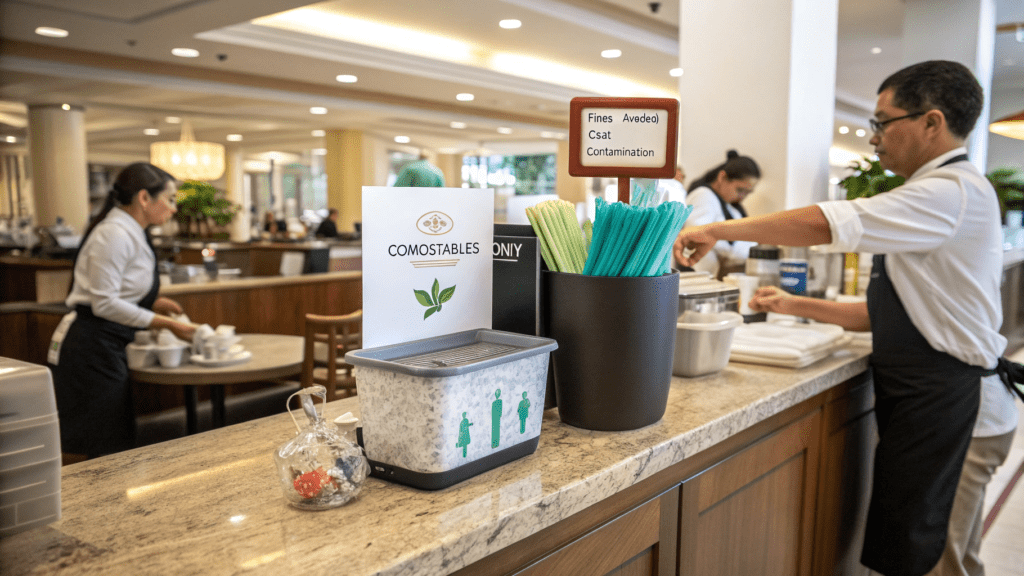
Comparing the durability of sugarcane and paper straws in beverages.
While the concept of compostable straws is inherently appealing, a deeper dive into their material science, potential contaminants, and waste infrastructure reveals a more nuanced environmental profile for hospitality and foodservice.
Materials Matter: Composition and Durability Challenges
Valget af materiale har en dyb indvirkning på et sugerørs miljømæssige fodaftryk og operationelle ydeevne i omgivelser med store mængder.
- Sukkerrørbagasse og PHA: Disse materialer tilbyder overlegen holdbarhed til både varme og kolde drikke, hvilket gør dem ideelle til forskellige madservicebehov. Sukkerrør bagasse sugerør er robuste og giver en neutral smag, der appellerer til kunder, der søger en naturlig følelse. PHA, især, skiller sig ud for sin marine biologiske nedbrydelighed, hvilket betyder, at det kan nedbrydes selv i havmiljøer, hvilket tilbyder en vigtig fejlsikker, hvis den ikke forvaltes.
- Papirsugerør: Selvom papirsugerør er bredt tilgængelige og omkostningseffektive, har de historisk set været udfordringer med holdbarheden. Peer-reviewed forskning viser, at papirsugerør kan miste 70-90% af deres trykstyrke efter mindre end 30 minutter i væske og absorbere cirka 30% af deres vægt. Dette kan føre til en dårlig kundeoplevelse og potentielt øge det samlede halmforbrug, da kunderne kan anmode om flere sugerør.
- PLA (polymælkesyre): PLA-sugerør efterligner følelsen af traditionel plastik, hvilket er et stærkt punkt for forbrugernes accept af kolde drikke. Men deres afhængighed af industrielle komposteringsfaciliteter betyder, at ukorrekt bortskaffelse kan ophæve deres miljømæssige fordele.
Den skjulte trussel: PFAS i "miljøvenlige" komposterbare sugerør (PFAS)
En kritisk bekymring for B2B-købere inden for gæstfrihed er tilstedeværelsen af per- og polyfluoralkylstoffer (PFAS) i nogle "miljøvenlige" sugerør. Disse "for evigt kemikalier", der bruges til vand- og fedtbestandighed, udgør betydelige sundheds- og miljørisici.
- En undersøgelse offentliggjort i det peer-reviewede tidsskrift Kemosfære fundet PFAS i 36 af 38 testede papir- og bambusstråmærker, med almindelige påvisninger, herunder perfluorbutansyre, perfluoroctansyre og perfluorhexansyre. PFOA, en af disse, har været forbudt globalt siden 2020.
- These chemicals are linked to various human health problems, including compromised immune responses, thyroid disease, and certain cancers. They persist in the environment for thousands of years, making the “biodegradable” marketing claims for PFAS-containing products highly misleading.
- Environmental scientists, like Dr. Thimo Groffen from the University of Antwerp, advise using reusable alternatives such as stainless steel straws or avoiding single-use straws entirely due to PFAS concerns. For businesses committed to true sustainability, sourcing PFAS-free compostable straws is paramount.
Waste Infrastructure & Lifecycle Impact: A Holistic View
The true environmental benefit of compostable straws hinges on proper end-of-life management, especially for high-volume hospitality waste streams.
- Bortskaffelsesudfordringer: Som nævnt kan forkert bortskaffelse af komposterbare halm på lossepladser øge deres globale opvarmningspotentiale med op til seks gange på grund af anaerob nedbrydning. Dette understreger det presserende behov for udvidet industriel kompostering infrastruktur og klare mærkningsstandarder.
- Helhedsvurdering: Forskning peger på, at den primære bidragyder til miljøpåvirkning på tværs af forskellige halmtyper ofte er den indledende råvarefremstillingsfase. Fremskridt afbøder dog dette. For eksempel har PHA-strå afledt af afledning af menneskeskabt metan vist potentialet til at opnå et netto-negativt globalt opvarmningspotentiale, hvilket demonstrerer kraften i materiel innovation kombineret med bæredygtige indkøb.
Material choice, PFAS presence, and proper disposal infrastructure significantly impact compostable straws’ environmental benefits.
Strategic Adoption: Driving Value with Compostable Straws in B2B Operations
For forward-thinking businesses in hospitality and foodservice, adopting certified compostable straws is not just about compliance; it’s a strategic move that enhances brand value, mitigates risk, and captures a growing market opportunity.
The Growing Market: Seizing Sustainable Procurement Opportunities
Det globale marked for komposterbare sugerør oplever robust vækst, hvilket afspejler et markant skift i forbrugernes og virksomhedernes prioriteter. Markedet forventes at vokse fra 1,9 mia. USD i 2025 til 3,8 mia. USD i 2035, hvilket viser en betydelig sammensat årlig vækstrate (CAGR) på 7,1 %. I 2024 var salget allerede på USD 1,8 mia.
Foodservice-segmentet er klar til at lede denne ekspansion og få en markedsandel på 52,8 % i 2025. Denne vækst er direkte drevet af stigende bæredygtighedsforpligtelser fra store aktører inden for restauranter, quick-service restauranter (QSR'er), hoteller og caféer, sammen med stigende forbrugerefterspørgsel efter miljøvenlige madoplevelser. Mens papirsugerør forventes at dominere som det foretrukne materiale (44,3 % af markedet i 2025), er fokus i stigende grad på højtydende, certificerede alternativer, der virkelig lever op til deres miljøløfte. Dette repræsenterer en fremragende mulighed for virksomheder til at tilpasse deres indkøb til skiftende markedskrav. For at udforske mulighederne for din gæstfrihedsvirksomhed, tjek denne guide påBPI komposterbare sugerør til overholdelse af gæstfrihed og ROI.
B2B Operational Impact & ROI Considerations
At vælge det rigtige komposterbare halm indebærer balancering af materialeegenskaber med operationelle realiteter og ROI for gæstfrihed og foodservice.
| Feature | B2B operationel effekt | Overholdelsesnotat | ROI-potentiale |
|---|---|---|---|
| Materialeholdbarhed (f.eks. sukkerrørsbagasse) | Sikrer kundetilfredshed for varme/kolde drikke, reducerer klager og behov for flere sugerør på cafeer og hoteller. | Opfylder præstationsforventningerne for certificerede komposterbare produkter. | Reduceret halmforbrug, forbedret kundeoplevelse, forbedret mærkeopfattelse, hvilket fører til gentagelsesforretning. |
| Certificeret komposterbarhed (f.eks. BPI) | Garanterer korrekt nedbrud i industrielle komposteringsanlæg, i overensstemmelse med affaldshåndteringsmålene. | Vigtigt for overholdelse af EU, amerikanske byer og andre regionale plastikforbud. Undgår bøder. | Undgåelse af reguleringsbøder, forbedret brands omdømme, adgang til markeder med strenge bæredygtighedsmandater. |
| PFAS-fri forsikring | Beskytter kundernes og medarbejdernes sundhed og er i overensstemmelse med forbrugernes stigende efterspørgsel efter kemikaliefrie produkter i foodservice. | Kritisk for at opfylde nye sundheds- og miljøbestemmelser; forhindrer fremtidige forpligtelser. | Reduceret juridiske og omdømmemæssige risici, øget forbrugertillid, konkurrencemæssig differentiering på et sundhedsbevidst marked. |
| Supply Chain Optimization (MOQ, Logistik) | Sikrer ensartet tilgængelighed og effektiv levering til store gæstfrihedsoperationer. | Overholdelse af leverandøraftaler og leveringsplaner. | Reducerede lageromkostninger, minimerede lagerbeholdninger, forbedret driftseffektivitet og pålideligt produktflow. |
For gæstfrihedsvirksomheder er forståelse af Minimum Order Quantities (MOQ) og logistik afgørende for effektiv forsyningskædestyring. De fleste leverandører tilbyder fleksible MOQ'er til at imødekomme forskellige virksomhedsstørrelser, fra små cafeer til store hotelkæder. Brandingmuligheder, såsom brugerdefinerede logoer eller farver, er ofte tilgængelige for at forstærke din forpligtelse til bæredygtighed. For alle detaljer om overholdelse af lovgivning, MOQ og branding henvises til vores omfattende interne ressource om bæredygtige emballageløsninger.
Strategisk anvendelse af certificerede komposterbare sugerør øger brandværdien og mindsker operationelle risici.
Real-World Sustainability: Mini Case Study & Best Practices
Leading organizations are already demonstrating the practical benefits of adopting compostable straw solutions in their operations.
- Kaiser Permanente: This healthcare giant made a significant commitment to sustainability by adopting compostable straws across its facilities, a move that substantially reduced its single-use plastic waste footprint. This decision was driven by a holistic view of environmental stewardship, recognizing the link between environmental health and community well-being.
- Bon Appetit: As a major restaurant management company, Bon Appetit took proactive steps, committing to banning plastic straws and stirrers by September 2019 across its more than 1,000 cafes. This initiative showcased a top-down commitment to sustainable practices that could be scaled across diverse operations.
- Starbucks: While global brands like Starbucks have implemented significant sustainable packaging initiatives, including compostable straws, their journey highlights both success and challenges. With 89.5% consumer awareness of sustainable packaging, the intention is clear. However, only 67.6% of consumers reported familiarity with their “Green Packaging Initiative,” indicating a gap in active participation often due to inconvenience or lack of clear disposal instructions. This emphasizes the need for comprehensive communication and accessible disposal infrastructure to maximize the environmental impact of sustainable products. For cafes and restaurants keen on navigating this shift, resources on compostable straws for coffee shops can offer tailored insights.
These examples underscore that while the intent for sustainability is strong, successful implementation requires careful consideration of material properties, consumer behavior, and robust waste management infrastructure.
Leading companies demonstrate that successful compostable straw adoption requires material, behavior, and infrastructure alignment.
The Evolving Landscape: Future Innovations in Compostable Straws
The field of compostable materials is a hotbed of innovation, continuously striving to overcome existing limitations and offer even more sustainable, high-performance solutions. The next 5-10 years promise revolutionary advancements in materials, processes, and regulatory frameworks for hospitality and foodservice.
Pioneering Materials & Technologies (innovation)
The future of compostable straws is being shaped by cutting-edge material science:
- Bakteriel cellulose: Emerging research points to bacterial cellulose as a game-changer. Produced by bacteria feeding on sugar, these straws offer plastic-like durability at potentially low costs and, remarkably, can degrade without the need for traditional industriel kompostering. While edible, their primary benefit lies in their robust performance and environmental profile.
- PLA-Free Innovations: Recognizing the limitations of early PLA formulations (particularly their reliance on industrial composting), companies are investing heavily in new solutions. Sulapac Ltd., a Finnish sustainable packaging innovator, secured €15 million in 2023 to develop PLA-free compostable straw technology, directly addressing microplastic concerns and broadening disposal options.
- Spiselige sugerør: Beyond bacterial cellulose, edible straws made from materials like pasta or rice offer a novel, truly zero-waste solution. These provide a unique customer experience while ensuring complete biological degradation.
- Enhanced Barrier Coatings: Future innovation will focus on advanced, truly compostable coatings that provide superior moisture and temperature resistance, ensuring compostable straws remain durable for longer durations in various beverages, outperforming current paper straw limitations.
Overcoming Challenges: Cost, Performance, and Disposal (industrial composting)
Addressing key challenges is central to the widespread adoption of next-generation compostable straws in B2B settings:
- Cost Competitiveness: Technological advancements are continuously working to lower production costs, making certified compostable straws more competitive with traditional plastics. Economies of scale and improved manufacturing efficiencies will play a crucial role.
- Consistent Performance: Ensuring consistent performance across a wide range of hot and cold beverages remains a continuous focus for material science innovation, guaranteeing customer satisfaction regardless of drink choice.
- Expanding Infrastructure: The most critical challenge lies in expanding industriel kompostering infrastructure globally. For these products to realize their full environmental benefits, proper end-of-life collection and processing must be ubiquitous. Regulatory incentives and public-private partnerships will be vital in developing this crucial infrastructure.
Future innovations in compostable straws aim for better performance, lower costs, and broader disposal options.
Competitive Advantage & Business Case: Elevate Your Brand with Certified Compostable Straws
In an era defined by environmental consciousness and stringent regulations, adopting certified compostable straws is more than a responsible choice—it’s a potent strategic differentiator for hospitality and foodservice businesses.
By proactively transitioning to certified compostable solutions, your business can quantify significant benefits:
- Omkostningsbesparelser: Mitigate the risk of hefty fines and penalties associated with non-compliance with single-use plastic bans in key markets. Avoid potential legal costs and operational disruptions.
- Risikobegrænsning: Shield your brand from reputational damage and consumer backlash linked to plastic pollution. Public awareness of environmental issues is at an all-time high, and missteps can severely impact brand loyalty.
- Forøgelse af brandværdi: Enhance your corporate social responsibility (CSR) profile and brand image, appealing to the rapidly growing segment of eco-conscious consumers. Studies show that a strong commitment to sustainability can drive purchasing decisions and foster customer advocacy.
- Mulighed for markedsandele: Seize a competitive edge in a market increasingly valuing sustainability. As consumer preferences shift and regulations tighten, businesses that lead with verified eco-friendly practices are positioned to capture a larger share of the growing eco-friendly straws market. The global compostable straws market’s projected growth from USD 1.9 billion in 2025 to USD 3.8 billion by 2035 clearly illustrates this expansive opportunity.
This strategic alignment transforms compliance from a burden into a powerful lever for growth and market leadership.
Adopting certified compostable straws offers significant cost savings, risk mitigation, and brand value uplift.
Conclusion: Elevate Your Brand with Certified Compostable Straws
The question “Are compostable straws really compostable?” can be answered with a resounding “yes,” provided they adhere to rigorous certifications. For B2B decision-makers in hospitality and foodservice, embracing these verified alternatives is not merely an environmental gesture but a vital step towards future-proofing operations, mitigating risks, and securing a competitive advantage in a rapidly evolving market. While challenges like PFAS contamination and infrastructure gaps persist, ongoing innovation and stringent certification standards offer a clear path forward.
Do not allow uncertainty to impede your sustainability goals.Invest in certified compostable straws today to align with global sustainability imperatives and drive positive, quantifiable change for your business and the planet.
Certified compostable straws are a strategic investment for future-proofing hospitality and foodservice operations.
Ofte stillede spørgsmål (FAQ)
Are compostable straws truly compostable in hospitality and foodservice settings?
Yes, certified compostable straws are genuinely compostable, breaking down into organic matter without toxic residues under specific conditions. For hospitality and foodservice, industrial composting is often required for full decomposition.
What is the difference between industrial and home compostable straws for B2B use?
Industrial compostable straws require high-temperature commercial facilities to break down quickly (weeks to months). Home compostable straws decompose slower (6-12 months) at lower, variable temperatures, suitable for backyard bins. B2B operations typically need industrial-certified options.
Do ‘eco-friendly’ compostable straws contain harmful PFAS chemicals?
Some paper and bamboo straws have been found to contain PFAS ‘forever chemicals’ for water resistance. Businesses must source certified PFAS-free compostable straws to ensure true sustainability and avoid health/environmental risks.
How can adopting certified compostable straws benefit my hospitality business’s ROI?
Adopting certified compostable straws mitigates compliance fines from plastic bans, enhances brand reputation among eco-conscious consumers, and captures market share in the growing sustainable packaging sector, leading to significant long-term ROI.
What certifications should procurement managers look for when buying compostable straws?
Procurement managers should look for certifications like BPI (ASTM D6400), TÜV AUSTRIA (EN 13432, NF T51-800), DIN-CERTCO (EN 13432), ABA Seeding Mark, and Compost Manufacturing Alliance (CMA) to ensure genuine compostability and compliance.