Bambus vs. Sugarcane: Strategic Sourcing for Sustainable Hospitality Supply Chains
Et dybt dyk for indkøbsledere, driftsdirektører og bæredygtighedsansvarlige
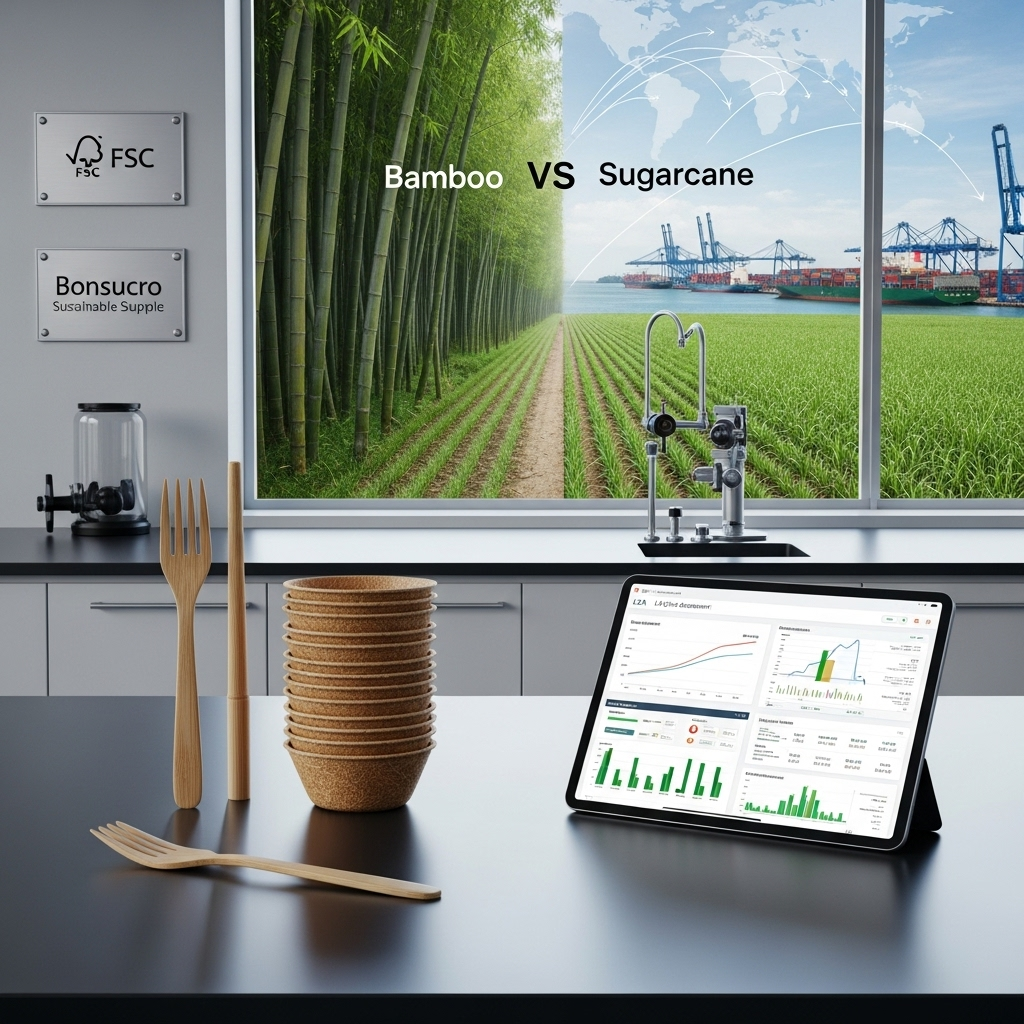
1. overbevisende brancheproblem Introduktion
Globale indkøb er under forandring; Bæredygtighed er nu kernen i driften, drevet af stigende efterspørgsel efter økomaterialer og strammere regler.
The landscape of global procurement is undergoing a profound transformation. B2B decision-makers are no longer simply navigating cost efficiencies and supply chain logistics; they’re confronting an urgent imperative to embed sustainability at the core of their operations. The demand for eco-materials is surging, with the overall bioplastics market alone projected to reach a staggeringUSD 5.63 trillion by 2029, growing at an impressive CAGR of 18.3% (Grand View Research, 2022).
This escalating pressure stems not only from evolving consumer preferences but also from tightening regulatory frameworks and a heightened awareness of brand risk. New regulations, such as theEU’s Anti-Deforestation Regulation (EUDR)for sugarcane derivatives and stricterFDA guidelinespå fødevaresikre materialer, kræver streng sporbarhed og overholdelse. Manglende overholdelse er ikke længere kun en juridisk hindring; det er en væsentlig operationel trussel og omdømme. Desuden har de seneste globale forstyrrelser blotlagt de traditionelle forsyningskæders skrøbelighed, hvilket understreger det kritiske behov for modstandskraft. Indkøbs- og driftsledere skal nu fjerne risikoen for indkøbsstrategier, sikre kontinuitet i forsyningen og samtidig stræbe efter at opfylde ambitiøse bæredygtighedsmål.
For restaurations- og foodserviceindustrien er denne udfordring særligt akut. Sektoren er stærkt afhængig af engangsartikler – fra sugerør og bestik til tallerkener og emballage – hvilket gør den til en væsentlig bidragyder til affaldsstrømme. Forretningsrisiciene er klare: Undladelse af at vedtage bæredygtige alternativer kan føre tilomdømmeskader, tab af miljøbevidste kunder og potentielle bøderfor manglende overholdelse af lokale og internationale plastforbud. Forpassede muligheder inkludererøget mærkeloyalitet, omkostningsbesparelser fra reduceret spild og adgang til nye markederprioritering af grønne akkreditiver. En undersøgelse fra Deloitte fra 2023 viste, at 55 % af forbrugerne er villige til at betale mere for bæredygtige mærker, hvilket fremhæver et tydeligt markedsskifte.
Nøgle takeaway:The hospitality and foodservice sectors face urgent pressure to integrate sustainability into procurement, driven by market demand, regulatory shifts, and the need for resilient supply chains, presenting both risks and significant opportunities.

2. Market & Regulation Insights (EU, US, Asia-Pacific)
Navigating global regulations is paramount for bio-material market access, with varying standards influencing sourcing and trade.
Navigating the regulatory labyrinth is paramount for bio-material market access. Key regional regulations, such as theEUDR’s stringent traceability requirementsfor Brazilian sugarcane derivatives andNorth America’s FDA food safety standards, directly influence sourcing and trade. These varying environmental and safety standards create operational complexities for businesses operating across diverse markets. For instance,Brazil’s RenovaBio policyincentivizes biofuel production from sugarcane, whileIndia’s National Bamboo Missionpromotes the bamboo industry, directly affecting supply availability and pricing.
Certifications likeFSC (Forest Stewardship Council)for bamboo andBonsucrofor sugarcane are vital. Adhering to international standards (e.g.,ASTM, ISO) for komposterbarhed og miljøstyring opbygger købernes tillid og låser op for nye markedsmuligheder i en global økonomi, der i stigende grad prioriterer bæredygtighed. Den voksende anvendelse af bæredygtige materialer som bambus til engangsartikler fremhæverstigningen af bambusstråsom en klar indikator for markedsskift drevet af både forbrugernes efterspørgsel og reguleringsmæssige skub.
For en omfattende vejledning om specifikke lovgivningsmæssige detaljer, herunder Minimum Order Quantities (MOQ) og branding-overvejelser på tværs af regioner, henvises til voreskomplet guide til miljøvenlige restaurantforsyninger. Denne ressource giver dybdegående information om overholdelseskrav og strategiske indkøb til gæstfriheds- og foodservicevirksomheder.
Nøgle takeaway:Regionale regler og certificeringer er afgørende for markedsadgang for biomaterialer, og kræver streng sporbarhed og overholdelse fra globale forsyningskæder for gæstfrihed.
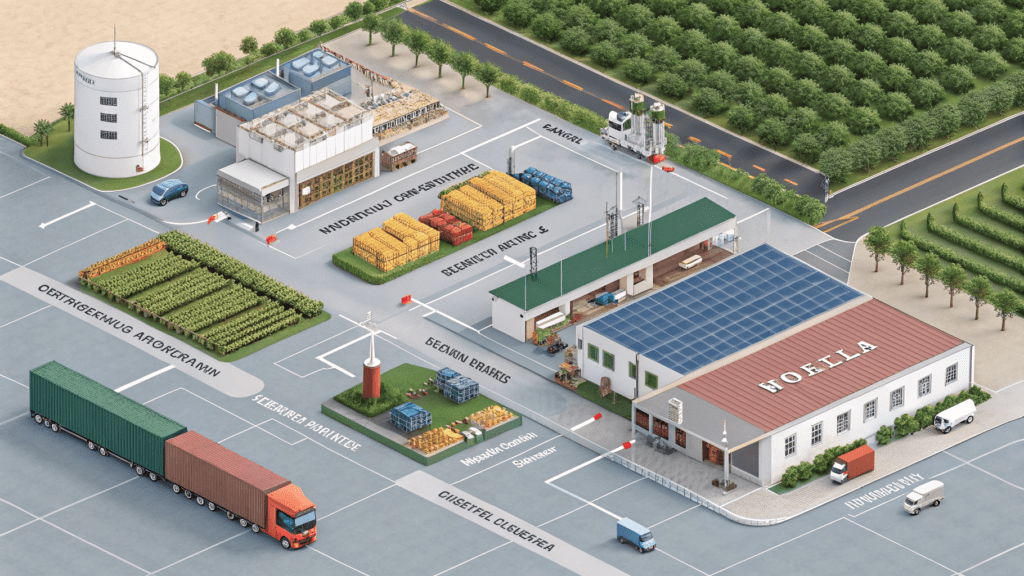
3. Solution: Bio-materials (Sugarcane & Bamboo)
Bambus og sukkerrør tilbyder vedvarende, miljøvenlige løsninger til gæstfrihed, hver med særskilte miljømæssige fodaftryk og anvendelser.
Midt i denne grønne revolution dukker der ofte to naturlige kandidater op for bæredygtige indkøb: bambus og sukkerrør (specifikt dets biprodukt, bagasse). Mens begge er fejret for deres vedvarende egenskaber, en dybere, datadrevetLivscyklusvurdering (LCA)sammenligning afslører nuancerede miljømæssige fodaftryk.
Bambus: Den hurtigt vedvarende ressource
Bambus, der er kendt for sin hurtige vækstcyklus - nogle arter vokser op til 3 fod om dagen - og betydelige kulstofbindingsevner, kræver minimalt med jord, vand eller pesticider. Dens dyrkning fungerer som et kraftfuldt værktøj til afbødning af klimaændringer. LCA-resultater fremhæver dog, at elforbrug under forarbejdning er en primær miljøpåvirkning, især hvis det kommer fra kulstofintensive net. På trods af dette, med bæredygtig dyrkningspraksis og end-of-life energiproduktion, kan bambusprodukter potentielt opnå et netto negativt kulstofaftryk, hvilket gør dem til et miljøvenligt valg. Virksomheder skifter i stigende grad mod alsidige bambusløsninger, hvor de udforsker alt fra byggematerialer tilbambus sugerørpå grund af dets unikke egenskaber og miljømæssige fordele.
Sukkerrør (Bagasse): Udnyttelse af landbrugsaffald
Sukkerrør spiller på den anden side en dobbelt rolle som en vigtig råvare til biobrændstoffer og en kilde til værdifulde biprodukter som bagasse. LCA-indsigter for sukkerrør peger ofte på miljøbelastninger, der stammer fra intensiv landbrugspraksis, herunder brugen af kunstgødning og pesticider, og historisk praksis som afbrænding af afgrøder. Energikrævende forarbejdning, især for ethanol eller nanokrystallinsk cellulose, bidrager også til dens miljøprofil. Anvendelsen af bagasse som affaldsprodukt øger imidlertid ressourceeffektiviteten markant. Det er afgørende at bemærke afvejningen med fødevareproduktionskonkurrence og det potentielle behov for kemiske belægninger i nogle bagasse-baserede produkter. Når man overvejer engangs-foodservice-artikler, er det vigtigt at forstå de unikke egenskaber ved begge materialer. For et omfattende overblik over, hvordan disse materialer passer ind i bæredygtige restaurantforsyninger, enguide to eco-friendly restaurant suppliescan provide valuable insights.
Quantified Benefits for Hospitality & Foodservice:
- Reduced Carbon Footprint: Switching to bamboo or bagasse disposables can reduce a hotel’s Scope 3 emissions by up to 30% compared to traditional plastics, aligning with net-zero targets.
- Forbedret brandomdømme: 70% of consumers prefer hospitality brands with clear sustainability initiatives, leading to increased bookings and customer loyalty.
- Waste Diversion & Cost Savings: Compostable bagasse items can divert up to 80% of single-use waste from landfills, potentially reducing waste disposal costs by 15-25% for large-scale operations.
- Regulatory Compliance & Risk Mitigation: Proactive adoption ensures compliance with evolving plastic bans and environmental regulations, avoiding fines and operational disruptions.
- Improved Guest Experience: Offering eco-friendly options resonates with guests, with 60% reporting a more positive perception of establishments using sustainable products.
ROI Considerations for Hospitality Procurement:
| Variabel | Impact on ROI (Bamboo/Sugarcane) | Context for Hospitality |
|---|---|---|
| Material Cost | Initial cost may be higher than conventional plastics. | Offset by long-term savings from waste reduction, brand value. |
| Waste Disposal Fees | Significant reduction due to compostability/biodegradability. | Directly impacts operational budget, especially for large venues. |
| Brand Value & Marketing | Increased customer loyalty, positive PR, competitive edge. | Attracts eco-conscious travelers/diners, justifies premium pricing. |
| Regulativ overholdelse | Avoidance of fines, market access in eco-strict regions. | Ensures business continuity and legal standing. |
| Supply Chain Resilience | Diversified sourcing mitigates risk, ensures availability. | Crucial for uninterrupted service in high-volume operations. |
Nøgle takeaway:Both bamboo and sugarcane offer compelling sustainability benefits for hospitality, with ROI driven by waste reduction, brand enhancement, and regulatory compliance, despite potential upfront cost differences.
4. Industry Misconceptions & Clarifications
Clarifying common myths about bio-materials ensures informed procurement decisions for sustainable hospitality.
Myth 1: All “compostable” bio-materials break down in any environment.
Præcisering:While sugarcane bagasse is generally suitable for home composting, many bamboo products and some bagasse items require specific industrial composting conditions (high heat, specific microbial activity) to break down fully and efficiently. Without proper waste management infrastructure, these items may end up in landfills, where their decomposition is significantly slower. Hospitality businesses must ensure their waste streams align with the material’s end-of-life requirements.
Myth 2: Sugarcane products always compete with food production.
Præcisering:This is a common concern, but bagasse, the material used for many disposable products, is a byproduct of sugar production. It utilizes agricultural waste that would otherwise be discarded or burned, thus not directly competing with food crops. The challenge lies more in the agricultural practices of sugarcane cultivation itself (e.g., water use, pesticides) rather than the diversion of food resources.
Myth 3: Bamboo is always sourced sustainably and ethically.
Præcisering:While bamboo is a highly renewable resource, its sustainability depends heavily on sourcing practices. Unregulated harvesting can lead to deforestation or habitat destruction. It’s crucial for procurement managers to verify certifications likeFSC (Forest Stewardship Council)to ensure the bamboo is sourced from responsibly managed forests, guaranteeing both environmental and social sustainability.
Nøgle takeaway:Understanding the nuances of bio-material decomposition, sourcing, and production byproducts is crucial for effective sustainable procurement in hospitality.

5. B2B Customization & Supply Chain Optimization
Optimizing bio-material supply chains for hospitality requires strategic customization, MOQ management, and robust logistics.
For hospitality and foodservice, B2B customization is key to integrating sustainable materials seamlessly. This includesbranding options(e.g., custom logos on sugarcane containers or bamboo cutlery), specificpackaging requirementsfor bulk delivery, and tailored product dimensions to fit existing operational setups (e.g., specific straw lengths for cocktail bars, plate sizes for banquet services).
Minimum Order Quantities (MOQ) for bio-materials can vary significantly. For high-volume items like disposable plates and cups, MOQs might be substantial to achieve cost efficiencies. However, for specialized items or initial trials, suppliers may offer lower MOQs. It’s essential to negotiate with suppliers to align MOQs with your operational scale and storage capacity. For instance, a large hotel chain might benefit from bulk orders of bagasse tableware, while a small cafe might prefer smaller, more frequent deliveries of bamboo straws.
Logistics tips for hospitality supply chains:
- Geographic Diversification: Source from multiple regions (e.g., bamboo from Southeast Asia, sugarcane from Brazil/India) to mitigate risks from localized disruptions.
- Lagerstyring: Implement robust systems to track stock levels and forecast demand accurately, minimizing waste and ensuring continuous supply.
- Digital Visibility: Utilize supply chain management software for real-time tracking, allowing for proactive identification and resolution of potential delays.
- Partnership with Logistics Providers: Collaborate with experienced logistics partners who understand the specific handling requirements for bio-materials (e.g., moisture control for storage).
- Local Sourcing where possible: While global sourcing is often necessary, explore local or regional bio-material suppliers to reduce transportation emissions and support local economies.
Nøgle takeaway:Effective B2B customization and supply chain optimization for bio-materials in hospitality involve strategic MOQs, diversified sourcing, and advanced logistics to ensure resilience and efficiency.
6. Stærk CTA med målbare resultater
Transform your procurement strategy with data-backed insights to build resilient, compliant, and sustainable supply chains.
The market growth projections are compelling: the global bamboo market is anticipated to reachUSD 102.38 billion by 2033, while the bagasse tableware market alone is projected to reachUSD 5.87 billion by 2035. Technological advancements are continually transforming these materials; engineered bamboo is achieving structural strength exceeding traditional timber, and sugarcane is seeing genetic improvements for higher yields and resilience. The future also holds potential for blended materials, combining the best properties of both for optimal performance and cost-effectiveness. The rising global demand for sustainable packaging, as evidenced by reports from leading market research firms likeGrand View Research, further solidifies the economic rationale for adopting these materials.
Proactive adoption of sustainable bio-materials offers a significant competitive advantage. It meets escalating consumer and B2B demand for eco-friendly products and strengthens corporate social responsibility. Strategic sourcing of bamboo and sugarcane, informed by a thorough LCA, comprehensive regulatory mapping, and resilient supply strategies, can lead to long-term cost efficiencies, mitigate regulatory risks, and expand market access in a rapidly evolving, sustainability-driven economy. By integrating these insights, procurement and operations leaders can build supply chains that are not only compliant and efficient but also inherently resilient to future market volatility and environmental mandates. For comprehensive details on LCA methodologies and impacts, consult resources such as theJoint Research Centre of the European Commission. Businesses navigating European markets should also be familiar with specific regulations like theEU Anti-Deforestation Regulation, information about which can often be found on the official European Commission website.
Nøgle takeaway:Adopting bio-materials offers a competitive edge, driving cost efficiencies, mitigating risks, and expanding market access in the sustainability-driven economy.
Ofte stillede spørgsmål (FAQ)
What are the primary environmental benefits of bamboo over sugarcane for hospitality disposables?
Bamboo generally requires less water, pesticides, and fertilizers during cultivation, and its rapid growth and carbon sequestration capabilities contribute to a lower ecological footprint, especially for reusable items.
How does the EU Anti-Deforestation Regulation (EUDR) impact sourcing sugarcane-based products for European hospitality businesses?
The EUDR imposes stringent traceability requirements for sugarcane derivatives, demanding proof that products do not originate from deforested land, which necessitates robust supply chain transparency and compliance for European hospitality businesses.
Can sugarcane bagasse products be home composted, or do they require industrial facilities?
Sugarcane bagasse products are generally highly compostable and often suitable for home composting, breaking down more rapidly than many other bio-materials, though specific product certifications should always be checked.
What is a ‘dual-line supply strategy’ for bio-materials, and why is it crucial for hospitality procurement?
A dual-line supply strategy involves diversifying cultivation and processing sites and partnering with multiple independent suppliers for bio-materials like bamboo and sugarcane. This is crucial for hospitality procurement to mitigate risks from geopolitical tensions, natural disasters, and localized supply disruptions, ensuring continuity of supply.
How can hospitality businesses assess the true ROI of switching to bamboo or sugarcane disposables?
Assessing ROI involves evaluating not just upfront costs, but also long-term benefits like reduced waste disposal fees, enhanced brand reputation, increased customer loyalty, compliance with evolving regulations, and potential market access to sustainability-conscious consumers.