Mærkede biologisk nedbrydelige sugerør: En komplet B2B-vejledning
I. Introduction: The New Imperative for Hospitality – Beyond Plastic, Towards Purpose
- A. The Shifting Sands of Consumer Expectation: The hospitality sector stands at a critical juncture. Eco-conscious consumers are no longer a niche market; they are a driving force. Businesses are facing unprecedented pressure to demonstrate tangible commitments to sustainability, moving beyond superficial gestures to genuine environmental stewardship. This transformation is particularly acute in hospitality, where single-use items contribute significantly to waste. The sector’s response to this pressure will define its future success.
- B. Introducing the Solution: Branded Biodegradable Straws: Indtast bionedbrydelige sugerør med mærkevarer – en enkel, men kraftfuld løsning. Mere end blot et alternativ til plastik er disse sugerør en synlig manifestation af en virksomheds dedikation til miljøansvar. Påtrykt med et logo, gengivet i brugerdefinerede farver og omhyggeligt pakket, bliver de et håndgribeligt symbol på et brands værdier, der udvider dets identitet ud over selve drikkevaren. De forvandler en funktionel genstand til et marketingaktiv.
- C. Hvad du vil opdage: Denne B2B-guide giver beslutningstagere en omfattende forståelse af markedet for bionedbrydeligt halm. Fra materialevidenskabens forviklinger og nuancerne af lovoverholdelse til strategierne for strategisk sourcing, vil vi udstyre dig med viden til at træffe informerede valg. Lær, hvordan du navigerer i dette landskab under udvikling, og sikrer, at dine beslutninger gavner både din bundlinje og planeten.
II. The Environmental Awakening: Fra Plastic Ubiquity til Bæredygtig Innovation
- A. En kort historie om halmen: Fra rug til afhængighed af plastik
- Fra gamle sumeriske siv og ædelmetalrør, der blev brugt til at nippe til øl, til Marvin Stones opfindelse af papirstrået fra 1888 og Joseph Friedmans innovation fra 1937 af det bøjede halm, har drikkeredskaber gennemgået en lang udvikling.
- Tiden efter Anden Verdenskrig var vidne til en eksplosion i populariteten af plastiksugerør. Billige, holdbare og tilsyneladende uundværlige, de blev en fast bestanddel af den spirende fastfood-industri. Men deres bekvemmelighed maskerede en betydelig miljøbelastning.
- Tidevandet begyndte at vende med stigende offentlig bevidsthed om plastikforurening. Virale billeder, såsom 2015-videoen af en havskildpadde med et plastikhalm i næseboret, katalyserede et globalt modreaktion mod engangsplastik og satte gang i en søgen efter bæredygtige alternativer.
- B. Forståelse af biologisk nedbrydelige sugerør: Mere end bare "ikke plastik"
- Definition: Biologisk nedbrydelige sugerør repræsenterer et grundlæggende skift i retning af miljøansvar. De er designet til at nedbrydes naturligt, minimere plastikforurening og reducere deres samlede økologiske fodaftryk. De repræsenterer en forpligtelse til en cirkulær økonomi.
- Nøglematerialer undersøgt:
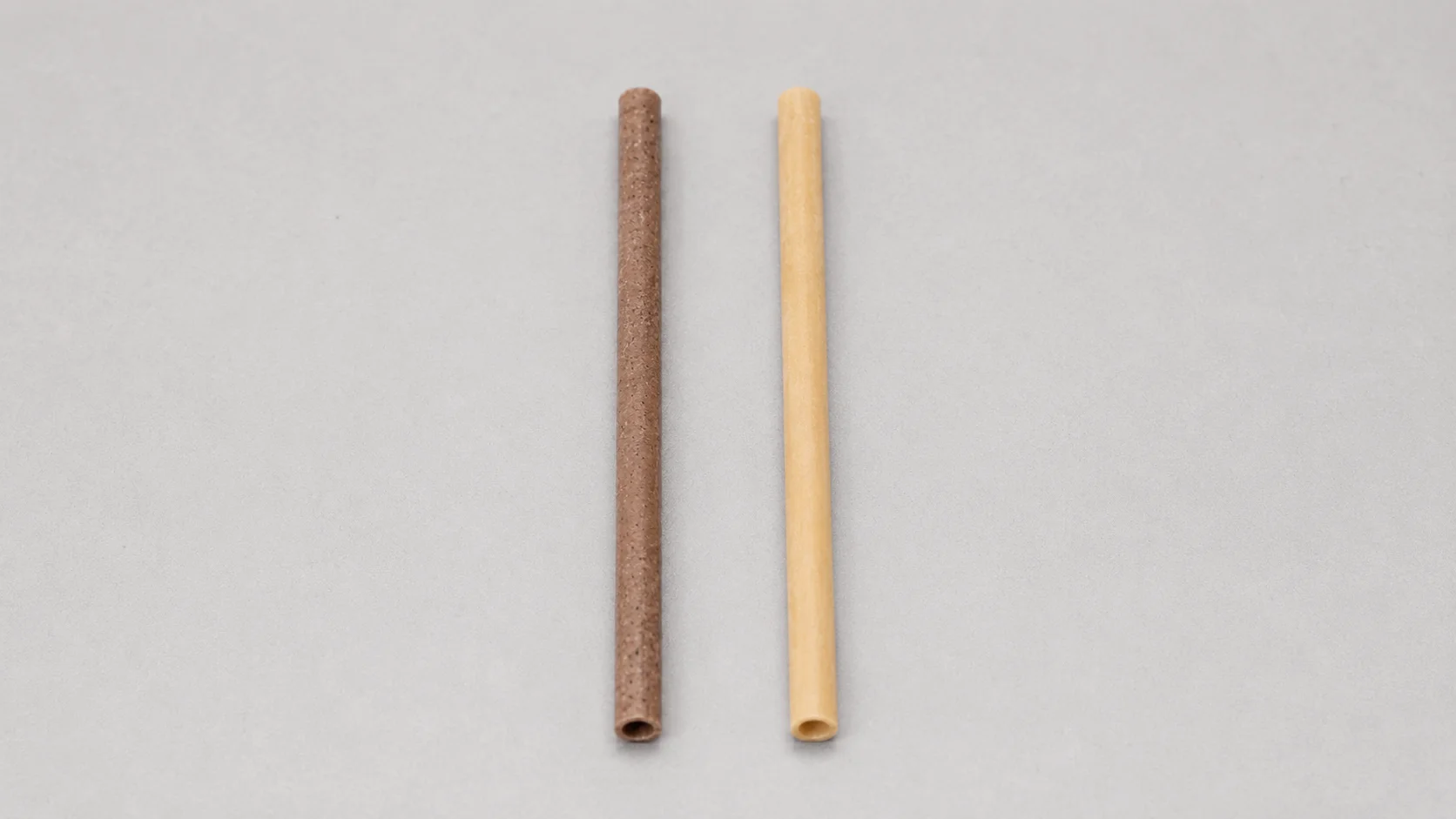
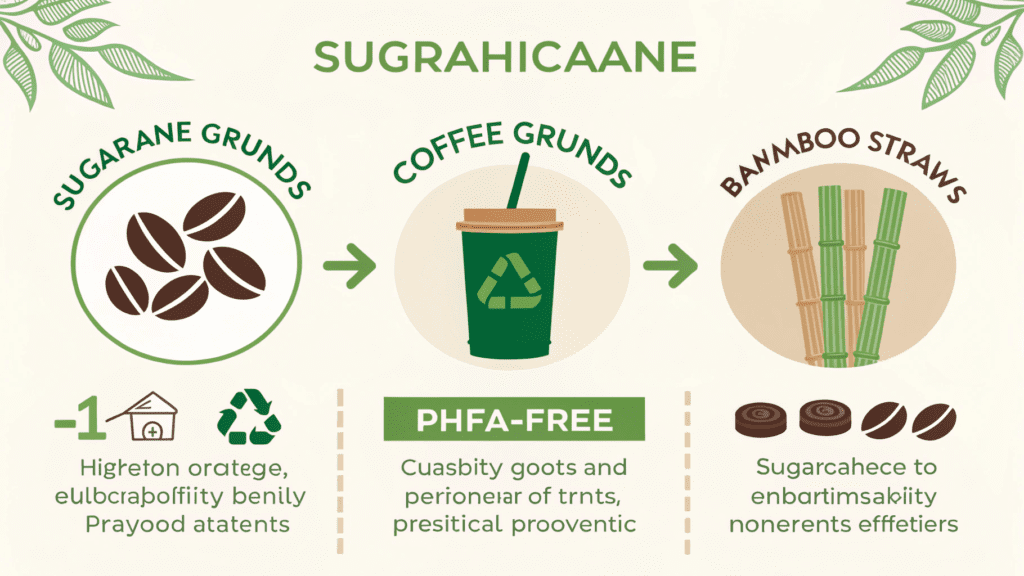
- Sukkerrør bagasse: Sukkerrør bagasse sugerør er 100 % plantebaserede og kan prale af en imponerende holdbarhed og modstandsdygtighed over for både varme og kulde. De undgår blødhed og smagsoverførsel, hvilket giver en overlegen brugeroplevelse.
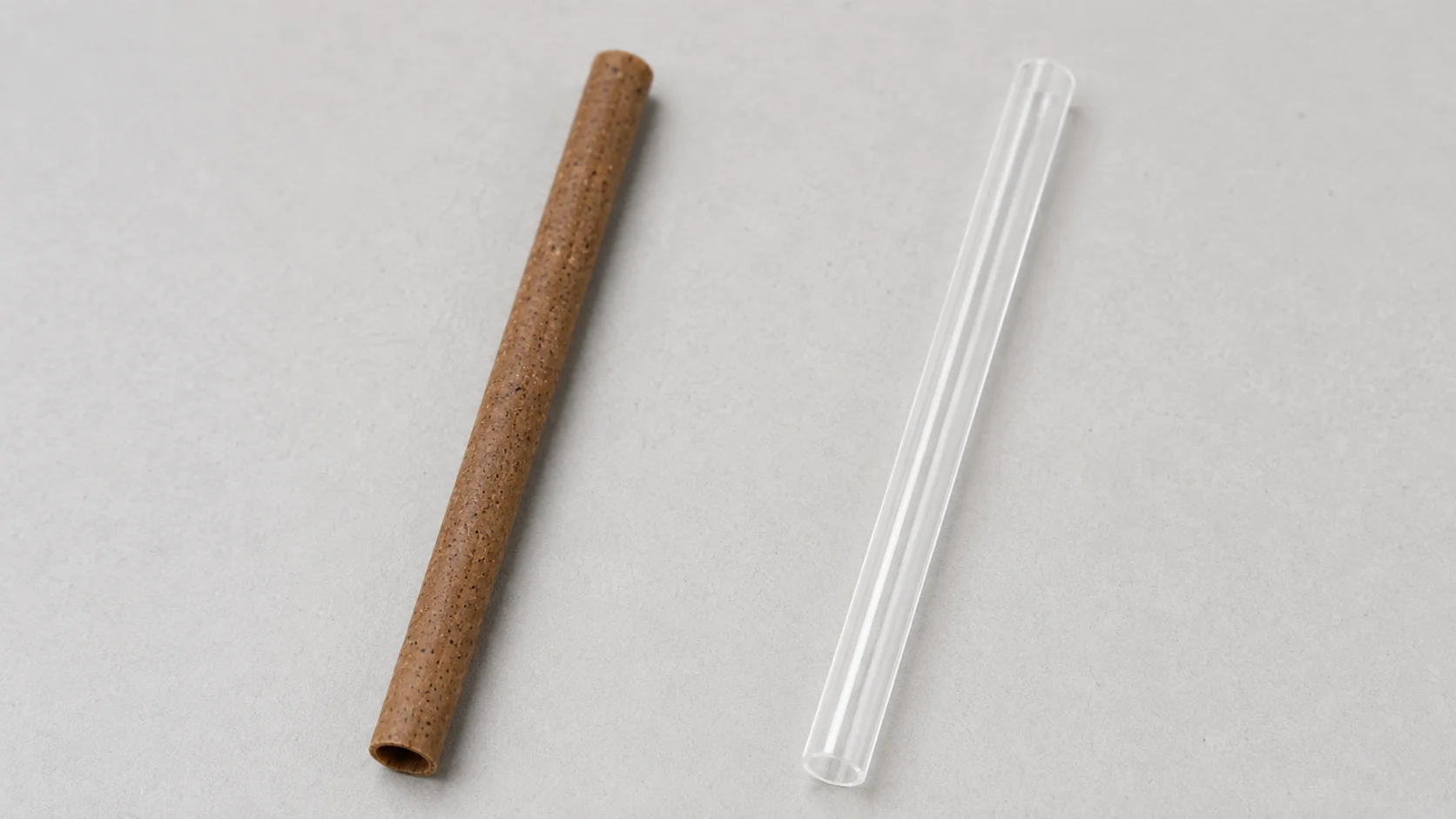
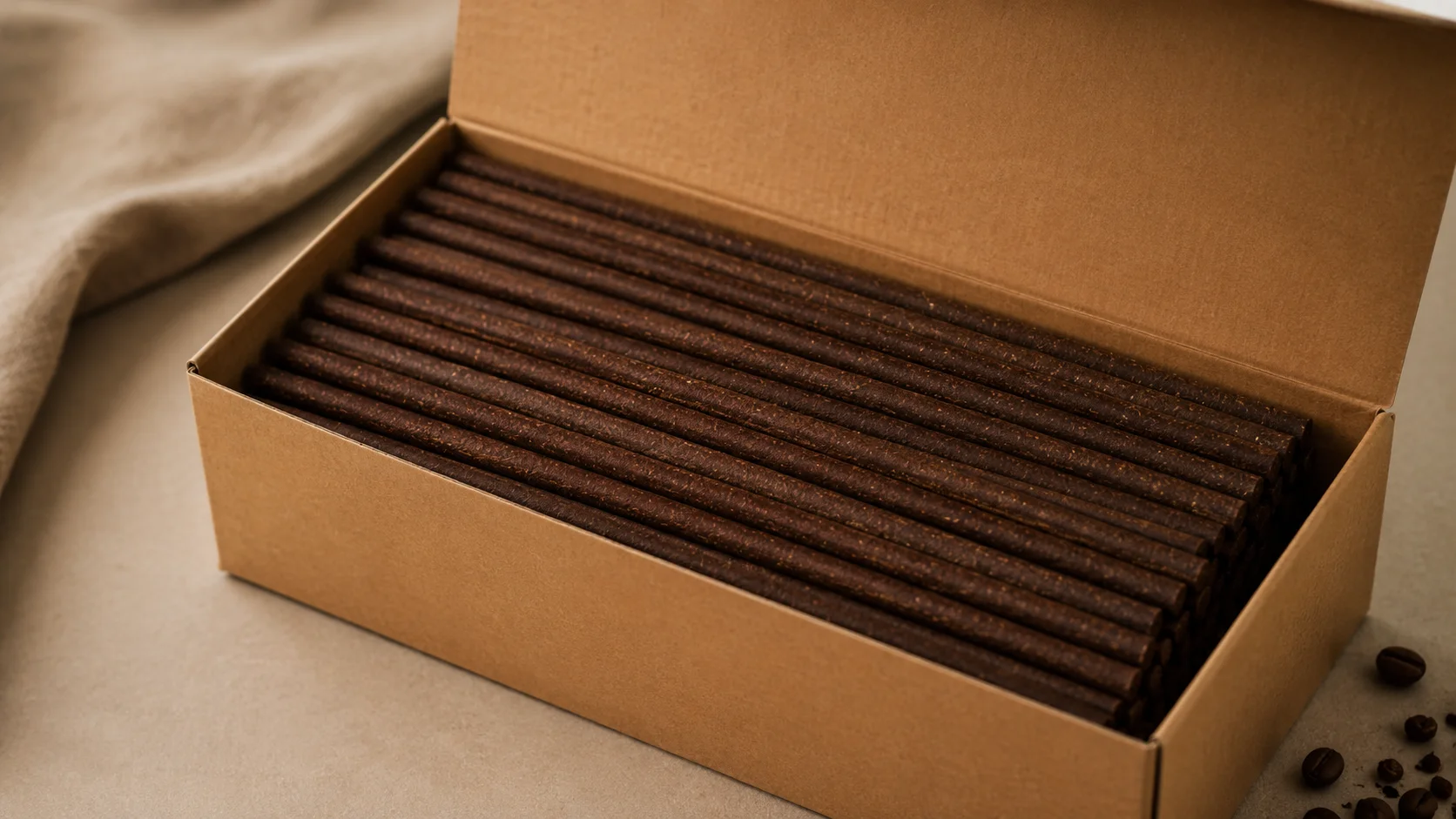
- Kaffegrums: Disse sugerør udnytter kraften ved genbrug ved at bruge naturligt og vedvarende kaffegrums. Holdbare og smagløse, de er plastikfri og giver en subtil aroma, hvilket skaber et unikt salgsargument for kræsne virksomheder.
- PHA (polyhydroxyalkanoat): PHA-sugerør, der repræsenterer banebrydende inden for bioplastteknologi, afspejler ydeevnen af traditionel plast. Alligevel er de fuldt bionedbrydelige i både hav- og jordmiljøer og har certificeringer for komposterbarhed.
- Bambus: Hurtigt fornyelig og yderst bæredygtig, bambus tilbyder holdbare, genanvendelige og engangshalmmuligheder. De er naturligt antibakterielle og er et overbevisende valg for virksomheder, der søger miljøbevidste løsninger.
- Indledende fordele for din virksomhed: At adoptere bionedbrydelige sugerør overskrider blot overholdelse; det løfter dit brand. Øg øjeblikkeligt dit omdømme, tiltræk miljøbevidste kunder og positionér din virksomhed som førende inden for bæredygtighed.
III. At træffe det rigtige valg: Ydeevne, renhed og offentlig opfattelse
- A. Dyk dyk ned i materialeydelse: En B2B-sammenligningsliste
- Sukkerrørssugerør:
- Fordele: 100 % plantebaseret sammensætning sikrer miljøansvar. Enestående styrke og holdbarhed eliminerer blødhed og bevarer en førsteklasses brugeroplevelse. Velegnet til en bred vifte af drikkevarer, både varme og kolde. Certificeret komposterbar, med nogle sorter, der opnår hjemmekomposterbarhed. Fri for plastik, petroleum, farvestoffer og skadelige PFAS "for evigt kemikalier".
- Overvejelser: Forhåndsomkostninger er typisk højere end traditionelle plastalternativer, hvilket kræver en strategisk vurdering af budget og ROI.
- Kaffeformede sugerør:
- Fordele: Fremstillet af genbrugt kaffegrums, omdirigerer affald fra lossepladser og fremmer en cirkulær økonomi. Naturlig og vedvarende ressourceudnyttelse minimerer miljøpåvirkningen. Holdbar konstruktion forhindrer revner og brud, hvilket sikrer pålidelig ydeevne. Velegnet til både varme og kolde drikke. Den subtile kaffearoma kan tjene som et unikt salgsargument, der forbedrer forbrugeroplevelsen. Helt plastikfri og komposterbar, hvilket bidrager til et lukket kredsløb.
- Overvejelser: Den karakteristiske aroma stemmer måske ikke overens med al mærkeæstetik, hvilket kræver nøje overvejelse af mærkeidentitet og målgruppe.
- PHA sugerør:
- Fordele: PHA-sugerør efterligner udseendet og fornemmelsen af traditionel plastik og tilbyder en problemfri overgang for forbrugerne. Uovertruffen biologisk nedbrydelighed i hav- og jordmiljøer løser en kritisk miljøudfordring. Certificeret komposterbar til både hjemme- og industriel kompostering, hvilket sikrer alsidige bortskaffelsesmuligheder. Plantebaseret sammensætning reducerer afhængigheden af fossile brændstoffer og sænker drivhusgasemissionerne.
- Overvejelser: Højere produktionsomkostninger kan påvirke budgettildelingen. Begrænset tilgængelighed kan give indkøbsudfordringer, hvilket kræver proaktiv supply chain management.
- Bambus sugerør:
- Fordele: Uovertruffen bæredygtighed på grund af bambuss hurtige væksthastighed, hvilket sikrer ressourcetilgængelighed. Genanvendelige og engangsmuligheder imødekommer forskellige forretningsbehov. Naturlige antibakterielle egenskaber forbedrer hygiejnen og sikkerheden. Robust konstruktion giver pålidelig ydeevne.
- Overvejelser: Genanvendelige varianter kræver grundige rengøringsprotokoller. Potentiel træagtig smag kan påvirke den sensoriske oplevelse for nogle forbrugere. Højere omkostninger kan gælde for visse formater, hvilket kræver omhyggelig evaluering.
- Undgå faldgruberne: Hvad skal du passe på
- Papirsugerør: Mens de ofte præsenteres som en miljøvenlig mulighed, bliver papirsugerør ofte bløde, hvilket forringer brugeroplevelsen. Desuden kan de give drikkevarer en uønsket "papiragtig" smag.
- PLA (polylactic acid) sugerør: Disse sugerør kræver specialiserede industrielle komposteringsfaciliteter for at nedbrydes effektivt. De må ikke nedbrydes på lossepladser eller havmiljøer, hvilket potentielt forurener genbrugsstrømme, hvis de blandes forkert.
- Kontrovers: PFAS "Forever Chemicals": Afgørende indsigt: Et bekymrende antal "bionedbrydelige" papir- og plantebaserede sugerør har vist sig at indeholde PFAS, hvilket sår tvivl om deres miljøpåstande og giver anledning til potentielle sundhedsproblemer. Tilstedeværelsen af disse persistente kemikalier underminerer ægte biologisk nedbrydelighed. Prioriter leverandører, der leverer certificerede PFAS-frie alternativer.
- Sukkerrørssugerør:
- B. Branding ud over drikkevaren: Forøg din identitet
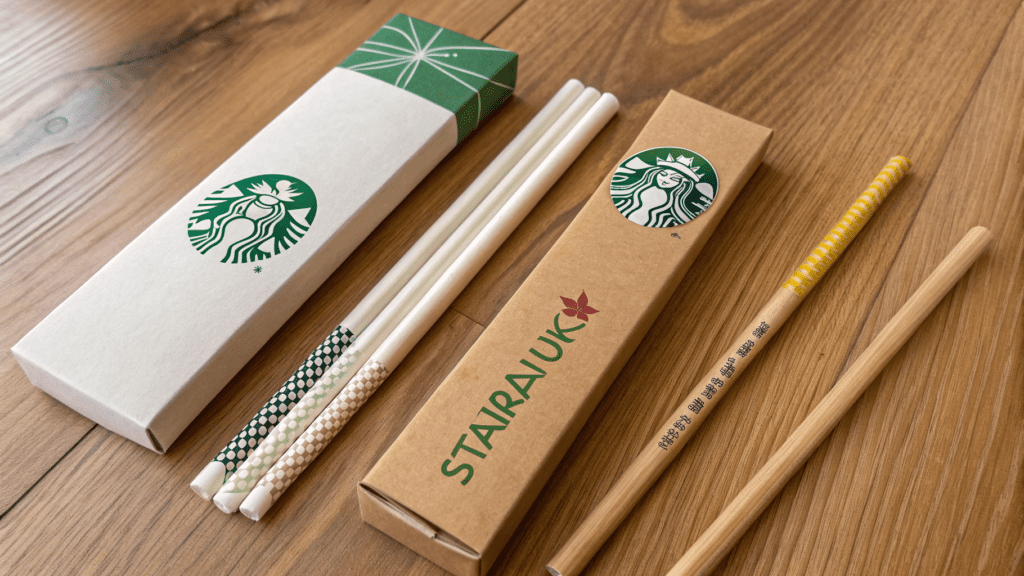
- Logo tryk: Direct printing using food-safe inks allows for prominent logo placement. Elegant laser engraving on bamboo straws creates a sophisticated, lasting impression.
- Custom Colors: Match your brand’s precise Pantone colors for a cohesive aesthetic, particularly advantageous for bulk orders, ensuring brand consistency across all touchpoints.
- Tailored Packaging: Elevate your brand experience with individually wrapped straws featuring custom logos, branded boxes that reinforce your message, or eco-friendly pouches that extend your commitment to sustainability.
- Brancheindsigt: “Adopting eco-friendly products significantly enhances a brand’s image and reputation within the hospitality sector, serving as a key differentiator in a competitive market.” – PWC Survey on Consumer Sustainability Preferences. Dette resonerer med statistikken om, at 66 % af forbrugerne er villige til at betale en præmie for bæredygtige produkter og tjenester, hvilket viser den håndgribelige værdi af miljøansvar.
IV. The Regulatory Landscape & Future-Proofing Your Operations
- A. Overhold: Globale og lokale bestemmelser
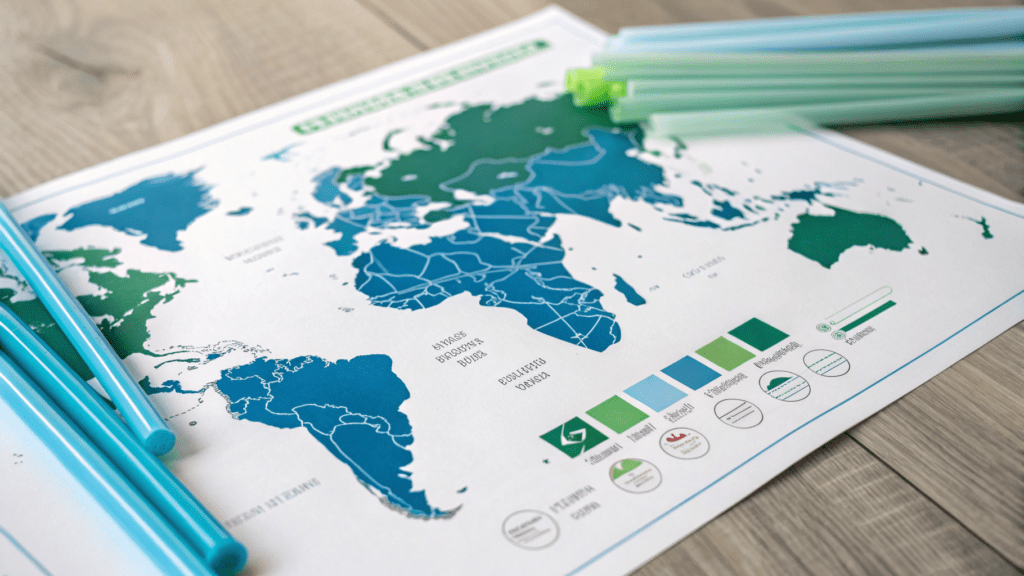
- EU's engangsplastikdirektiv (SUPD): Denne skelsættende forordning, der trådte i kraft juli 2021, forbød engangsplastiksugerør og andre genstande på tværs af medlemslande, hvilket sætter en ny standard for miljøansvar.
- Eksternt link: Den Europæiske Unions engangsplastikdirektiv
- Ud over Europa: Regionale forbud spreder sig, med betydelige tiltag truffet i Canada, Kina, Storbritannien, Indien og New Zealand, hvilket signalerer en global konvergens mod bæredygtighed.
- Handlinger på stats- og byniveau i USA: Fra "halm efter anmodning"-politikker i stater som Californien og New York til direkte forbud i byer som Washington D.C., er USA vidne til et kludetæppe af regler, der nødvendiggør proaktiv tilpasning.
- Det regulatoriske imperativ: At omfavne bæredygtige alternativer er ikke længere kun et spørgsmål om virksomhedernes sociale ansvar; det er afgørende for at undgå bøder, sikre driftskontinuitet og bevare en konkurrencefordel i et stadig mere reguleret landskab.
- EU's engangsplastikdirektiv (SUPD): Denne skelsættende forordning, der trådte i kraft juli 2021, forbød engangsplastiksugerør og andre genstande på tværs af medlemslande, hvilket sætter en ny standard for miljøansvar.
- B. Afkodningscertificeringer: "Bionedbrydelig" vs. "Komposterbar" og hvad der betyder noget for B2B
- Den kritiske skelnen:
- Biologisk nedbrydeligt: While designed to break down over time, the conditions required vary widely. Critically, biodegradable materials can still leave behind microplastics or harmful residues, particularly if PFAS are present.
- Komposterbar: Representing the gold standard for circularity, compostable materials break down into nutrient-rich compost, water, and CO2 within a specific timeframe (e.g., 90-180 days) under controlled industrial or home composting conditions, leaving no harmful residues.
- Key Certifications You Need to Know:
- BPI (Biodegradable Products Institute): The North American standard (ASTM D6400, D6868) for industrial compostability. Look for the BPI logo to ensure verifiable compliance.
- TÜV Austria (OK Compost INDUSTRIAL / HOME): The European equivalent (EN 13432) for industrial and home compostability. TÜV Austria also offers certifications for marine and soil biodegradability, providing comprehensive assurance.
- ASTM International Standards (D6400, D6868, D5338): These foundational scientific and technical standards define the methodologies for testing the compostability and biodegradability of plastics, providing the backbone for credible certifications.
- Why Certifications Matter: Certifications provide verifiable proof against greenwashing claims, ensuring that your investment genuinely supports environmental goals and meets stringent legal requirements, safeguarding your brand reputation.
- Den kritiske skelnen:
V. Strategic Sourcing: Partnering for Sustainable Success
- A. Choosing Your Ideal Supplier: Beyond the Price Tag
- Minimum Order Quantity (MOQ): Forstå grundigt en leverandørs MOQ (f.eks. 20.000 sugerør til tilpassede ordrer) for at tilpasse sig din forretningsvolumen- og lagerstyringsstrategi. Husk, at større ordrer ofte giver mere fordelagtige enhedsomkostninger.
- Tilpasningsmuligheder: Bekræft nøje omfattende brandingmuligheder for både selve sugerøret og dets emballage. Sørg for, at leverandøren kan levere din vision med præcision og kvalitet.
- Ledetider: Dette er afgørende for problemfri planlægning af forsyningskæden. Spørg om produktions- og leveringstidslinjer, især for tilpassede ordrer (f.eks. 12-14 uger for mærkede sugerør). Tag hensyn til potentielle forsinkelser for at undgå forstyrrelser.
- Quality Checks & Certifications: Demand suppliers with robust quality control measures. Request samples to rigorously test durability and performance. Critically verify certifications (BPI, TÜV, FDA, ISO) to ensure product safety and that environmental claims are legitimate and verifiable.
- Supplier Reputation & Customer Support: Seek a supplier with a proven track record, positive testimonials, and responsive communication. A smooth partnership relies on trust, transparency, and reliable support.
- Internal Link: På Momoio, we pride ourselves on a dedicated B2B service, high-quality certified eco-tableware, and proven environmental impact.
- B. The Future is Biodegradable: Innovations and Market Outlook
- Continuous Material Innovation: Ongoing research and development in PHA, polysaccharide-based materials, and advanced biodegradable coatings are actively addressing past challenges, such as sogginess and cost, enhancing durability and performance.
- Advanced Manufacturing Technologies: Innovations in production methods are driving the development of lightweight, durable, and cost-effective eco-friendly straws at scale, making sustainable solutions more accessible.
- Market Growth Projections: The global biodegradable straw market is poised for substantial growth, with projections indicating a CAGR of 22.46% to reach USD 204.167 billion by 2031, signifying a powerful shift across the hospitality and foodservice industries.
- Integrating Sustainability as a Core Brand Value: Increasingly, businesses are strategically leveraging sustainable practices as a competitive advantage and a cornerstone of their brand identity, resonating with conscious consumers and attracting talent.
VI. Conclusion: Your Next Step Towards a Greener Future
- A. The ROI of Responsibility: Investing in branded biodegradable straws yields multifaceted returns, strengthening your brand image, cultivating customer loyalty, ensuring regulatory compliance, and making a significant contribution to environmental stewardship – a holistic and compelling ROI.
- B. Be a Leader, Not a Follower: The time to embrace this sustainable shift is now. Position your business as an industry innovator, setting the standard for environmental responsibility and inspiring others to follow.
- C. Klar til at skifte?
- Internal Link: Udforsk vores udvalg af certificerede biologisk nedbrydelige sugerør, inklusive muligheder for malet sukkerrør og kaffe, designet til B2B excellence: Momoio biologisk nedbrydelige sugerør.
- Internal Link: Kontakt vores eksperter i dag for at diskutere dine tilpassede brandingbehov og få et eksklusivt tilbud: Kontakt Momoio.
- Eksternt link: Lær mere om globale bestræbelser på at reducere plastikforurening, og hvordan din virksomhed kan bidrage: WWF plastikforurening
- Eksternt link: Udforsk yderligere retningslinjer for bæredygtighed for restaurationsbranchen: National Restaurant Association – Bæredygtighed.