Decoding McDonald’s Straw Strategy: A B2B Guide to Biodegradable Packaging in Hospitality & Foodservice

A B2B Guide for Procurement, Operations, and Sustainability Leaders in Hospitality & Foodservice
Det globale krav om at begrænse plastikforurening er blevet en afgørende udfordring for virksomheder på tværs af alle sektorer. For B2B-beslutningstagere inden for indkøb, drift og supply chain management inden forhospitality & foodservice industries, dette er ikke blot et miljøideal; det repræsenterer en stor operationel og kommerciel udfordring. Regulatorisk pres, skiftende forbrugerforventninger og de håndgribelige omkostninger ved forkert håndtering af affaldsstrømme omformer forsyningskædestrategierne. Førende mærker, under intens kontrol, befinder sig i spidsen for denne overgang, og de navigerer ofte i ukendt farvand. McDonald's, en global gigant med hurtig service, tilbyder et overbevisende, omend komplekst, casestudie i denne bæredygtighedsrejse.
I september 2018 påbegyndte McDonald's UK og Irland et betydeligt driftsskifte, hvor de påbegyndte udskiftningen af deres cirka 1,8 millioner daglige plastiksugerør med papiralternativer. Denne beslutning blev ikke truffet isoleret; det var en direkte reaktion på et voksende offentligt pres, især en offentlig underskriftsindsamling, der fik næsten en halv million underskrifter (Change.org, 2018), kombineret med den britiske regerings forestående planer for omfattende plastikforbud (DEFRA, 2018). Dette strategiske omdrejningspunkt dannede en hjørnesten i McDonald's overordnede "Scale for Good"-initiativ, en dristig forpligtelse, der sigter mod 100 % bæredygtig emballage på tværs af sine globale aktiviteter inden 2025 (McDonald's Corporate, 2018). Ambitionen var klar: at sætte en ny branchestandard for miljøforvaltning.
Hospitality- og foodservice-sektoren står over for et enormt pres for at indføre bæredygtig praksis, hvilket gør McDonald's rejse til en afgørende lærerig oplevelse.
The Global Push for Sustainable Straws: McDonald's Initial Shift
Mærker verden over står over for et eskalerende pres for at mindske deres miljømæssige fodaftryk, især hvad angår engangsplastik. Plaststrået, et allestedsnærværende symbol på bekvemmelighed, blev en lynafleder for miljøaktivisme på grund af dets gennemtrængende tilstedeværelse på lossepladser og oceaner. For store virksomheder igæstfrihed og madservice, indebærer passivitet betydelige kommercielle og omdømmemæssige risici. Ud over Storbritannien gik McDonald's Canada, for eksempel, over til papirsugerør i slutningen af 2021, et strategisk træk, der forventes at fjerne cirka 300 tons plastik årligt fra deres system. Disse initiativer afspejler en bredere industribevægelse hen imod mere miljøvenlige emballageløsninger.
Omfavnende papir: Miljøhensigt vs. operationel virkelighed
Den indledende overgang til papirsugerør var forankret i et klart miljømandat: at reducere plastikaffald markant og beskytte dyrelivet mod forurening. McDonald's hentede stolt sine papirsugerør fra FSC-certificerede leverandører såsom Transcend Packaging og Huhtamaki, hvilket understregede en forpligtelse til ansvarligt skovbrug. Tidlige kundeforsøg i Storbritannien høstede efter sigende positive reaktioner, hvor forbrugerne satte pris på den synlige indsats for miljøansvar. Denne indledende fase understregede styrken af brandhandling i at tilpasse sig offentlighedens følelser. Alligevel, som mange B2B-ledere forstår, ligger den sande test af ethvert driftsskifte hinsides den oprindelige hensigt, i de komplekse realiteter med udførelse og langsigtet levedygtighed.

Indledende bæredygtig emballageindsats, selvom den er velment, står ofte over for uforudsete driftsmæssige udfordringer i virkelige gæstfrihedsmiljøer.
De uventede torne i bæredygtig emballage: McDonald's bionedbrydelige halmudfordring
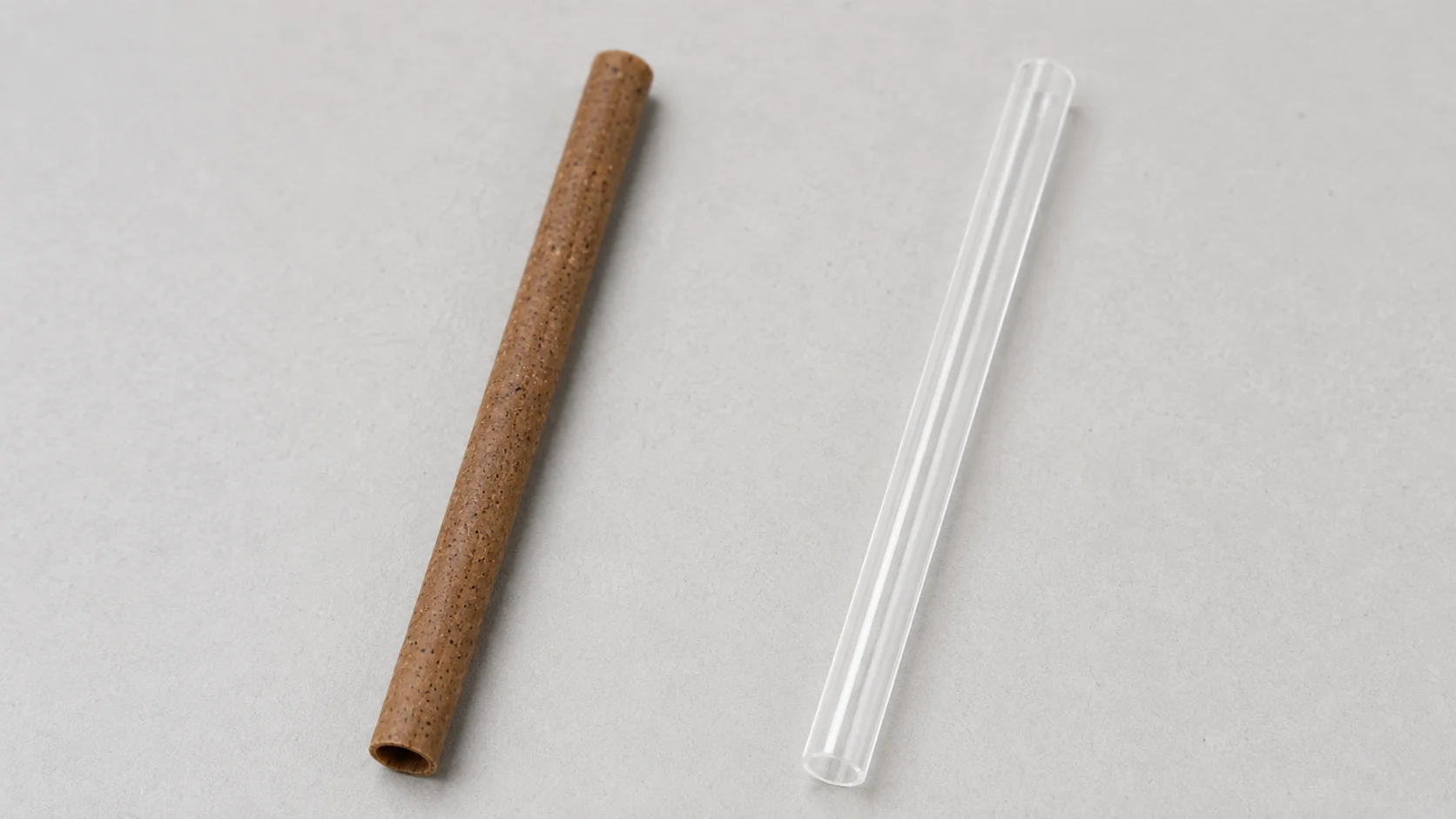
Fortællingen omkring McDonald's papirsugerør tog en uforudset drejning i august 2019. På trods af den indledende fanfare indrømmede McDonald's, at deres meget bebudede papirsugerør i Storbritannien og Irland faktisk ikke var let genbrugelige. Selve designændringen, der skulle forbedre deres funktionalitet – øget tykkelse for at forhindre opløsning i drikkevarer – gjorde dem for robuste til, at eksisterende udbydere af affaldsløsninger kunne behandle dem effektivt. Dette betød, ironisk nok, at disse "miljøvenlige" alternativer ofte blev omdirigeret til almindelige affaldsstrømme, der ofte endte i forbrændingsanlæg, snarere end at blive genbrugt. Dette stod i skarp kontrast til de plastiksugerør, de erstattede, som McDonald's tidligere havde udtalt var "100 procent genanvendelige." Denne afsløring blottede en kritisk udfordring for indkøbs- og driftsteamsgæstfrihed og madservice: det ofte komplekse samspil mellem materialevidenskab, eksisterende affaldsinfrastruktur og ambitiøse bæredygtighedskrav.
Customer Experience & Brand Reputation: Beyond the Initial Switch
Ud over genanvendelighedsproblemet dukkede papirsugerrørenes operationelle virkelighed hurtigt op i form af udbredte kundeklager. Forbrugerne rapporterede problemer lige fra sugerøret, der gik i opløsning midt i drinken til at give en uønsket smag, især med tykkere drikkevarer som milkshakes. Frustrationen var til at tage og føle på og kulminerede i en britisk underskriftsindsamling om at genindsætte plastiksugerør, som samlede over 51.000 underskrifter. Denne offentlige tilbageslag understregede en vigtig lektie for B2B-beslutningstagere: Bæredygtighedsinitiativer, uanset hvor velmente de er, må ikke kompromittere kerneproduktets funktionalitet eller kundeoplevelse. Den opfattede afvejning mellem miljøfordel og praktisk anvendelighed udgjorde en væsentlig trussel mod brandets omdømme og kundeloyalitet. For virksomheder, der vurderer lignende skift ihoteller, caféer eller flyselskaber, fremhæver McDonald's erfaring det kritiske behov for omfattende funktionstest og realistisk kundeforventningsstyring, ikke kun miljøkonsekvensvurderinger.
At kompromittere kundeoplevelsen for bæredygtighed kan alvorligt skade mærkets omdømme på konkurrenceprægede gæstfrihedsmarkeder.
Navigering i kompleksiteterne: Lektioner fra McDonald's Straw Journey til B2B-indkøb
McDonald's erkendte, at udfordringen med at genbruge sine papirsugerør var et "bredere industriproblem", primært som følge af den forsinkende udvikling af den nødvendige genbrugsinfrastruktur. Dette understreger et afgørende imperativ for B2B-indkøb og forsyningskædeledere igæstfrihed og madservice: ægte bæredygtighed rækker langt ud over købsstedet. Det kræver et holistisk, ende-til-ende-perspektiv på produktlivscyklusser, fra råvareindkøb til den endelige bortskaffelse. Virksomheder skal granske hele værdikæden, inklusive de ofte oversete "end-of-life"-løsninger for "miljøvenlige" alternativer, for at undgå utilsigtet at skabe nye affaldshåndteringsproblemer.
Operationelle virkninger af bæredygtige materialeovergange (Supply Chain Sustainability)
For indkøbsteams fremhæver McDonald's-sagen adskillige kritiske operationelle udfordringer, der er iboende i bæredygtige materialeovergange. For det første er det en kompleks opgave at verificere den sande genanvendelighed og bortskaffelsesveje for nye materialer, der kræver dybtgående samarbejde med affaldshåndteringsudbydere fra de tidligste stadier af materialedesign og indkøb. Uden denne fremsynethed kan indkøb utilsigtet forpligte sig til løsninger, der, selvom de tilsyneladende er grønne, er driftsmæssigt uholdbare. For det andet er det altafgørende at sikre, at ny emballage lever op til eller overstiger forbrugernes forventninger, for at bevare varemærkeloyalitet og undgå dyre kundeserviceproblemer. Nedbrydningen af papirsugerør tjente som en skarp påmindelse om, at funktionalitet ikke kan ofres ved bæredygtighedens alter uden kommercielle konsekvenser. Endelig skal virksomheder udvikle robuste bæredygtighedsvurderinger af forsyningskæden, der går videre end blot materialecertificeringer for at evaluere hele det økologiske og operationelle fodaftryk af nye løsninger. Forståelse af forviklingerne ved compliance, såsom at overholdeimportoverholdelse af bionedbrydelig halm, er afgørende for problemfri markedsadgang og drift i forskellige regulatoriske miljøer.

Holistisk forsyningskædevurdering er afgørende for at sikre, at bæredygtige materialer virkelig leverer miljømæssige og driftsmæssige fordele.
Strategiske imperativer: Hvad McDonald's bionedbrydelige halmoplevelse lærer virksomheder
McDonald's strårejse tilbyder uvurderlige strategiske lektioner for B2B-beslutningstagere, der kæmper med deres egne bæredygtighedsovergange. Det belyser behovet for en mangesidet tilgang, der balancerer miljømæssige forhåbninger med praktiske realiteter og økonomisk levedygtighed.
Udvikling af bæredygtige emballageløsninger (initiativer til cirkulær økonomi)
McDonald's er ikke statisk i sin bæredygtighedsindsats. Virksomheden udforsker løbende nye materialer og tilgange til at adressere det skiftende landskab for emballagebæredygtighed. Et væsentligt eksempel er deres løbende udforskning af nye materialer, såsom komposterbare sugerør af celluloseacetat, som er blevet afprøvet i nogle regioner. Dette fremhæver en klar vej frem for indkøbsteams igæstfrihed og madservice: Kontinuerlig materialeinnovation er afgørende. Det strategiske fokus på en cirkulær økonomi er yderligere bevist af McDonald's globale emballagemål, som målrettede 100 % af den primære gæsteemballage fra vedvarende, genbrugte eller certificerede kilder i 2025. I slutningen af 2023 rapporterede virksomheden betydelige fremskridt og nåede cirka 86,7 % af dette ambitiøse mål. Ydermere, i erkendelse af plastlegetøjets betydelige miljøpåvirkning, har McDonald's aggressivt arbejdet på at reducere jomfruelig fossilt brændstof-baseret plast i Happy Meal-legetøj med imponerende 63,7 % siden 2018, med et mål om at nå en reduktion på 90 % inden udgangen af 2025. Denne flerstrengede tilgang demonstrerer snarere en forpligtelse til systemiske forandringer end en forpligtelse til systemisk forandring.
Beyond the Straw: McDonald's Broader Sustainability Commitments
Selv om halmsagaen er meget synlig, er den blot en facet af McDonald's bredere bæredygtighedsdagsorden. "Better M"-ordningen, der blev lanceret i november 2019, er et eksempel på deres forpligtelse til at minimere plastikforbruget og øge genanvendeligheden i hele Europa. En bemærkelsesværdig succes for dette initiativ var fjernelsen af plastiklåg fra McFlurrys, hvilket førte til en årlig besparelse på 1.200 tons plastik. Ud over materialevalg er udvikling af infrastruktur nøglen. I 2023 tilbød over 88,3 % af McDonald's-restauranterne, der opererer i regioner med avanceret affaldshåndteringsinfrastruktur, genbrugs- eller komposteringsmuligheder for deres emballage. Virksomhedens aktive deltagelse i branchedækkende samarbejder såsom ReSource: Plastic og Bioplastic Feedstock Alliance understreger yderligere dens erkendelse af, at systemiske udfordringer kræver kollektive industriløsninger.
Vejen fremad for bæredygtige forsyningskæder
Rejsen mod virkelig bæredygtige forsyningskæder er i gang og kræver en proaktiv, tilpasningsdygtig strategi. Kontinuerlig innovation inden for bæredygtige materialer og affaldsbehandlingsteknologier er altafgørende. McDonald's-sagen illustrerer tydeligt, at uden tilsvarende fremskridt inden for genbrugs- og komposteringsinfrastruktur, kan selv de mest velmenende materialeomskiftere komme til kort med deres miljømål. Dette nødvendiggør branchedækkende samarbejde for at løse fælles infrastrukturudfordringer og lobbye for politiske ændringer, der understøtter en cirkulær økonomi. At integrere bæredygtighed ikke blot som et overholdelseskrav, men som en kerneforretningsstrategi giver en dyb langsigtet konkurrencefordel. Virksomheder, der fører inden for dette område, vil ikke kun mindske risici, men også frigøre nye markedsmuligheder og øge brand equity. Den strategiske udvælgelse afmarine bionedbrydelige sugerør til gæstfrihed og madserviceer et sådant område, hvor virksomheder kan udvise lederskab, især i kystområder eller miljøfølsomme regioner.
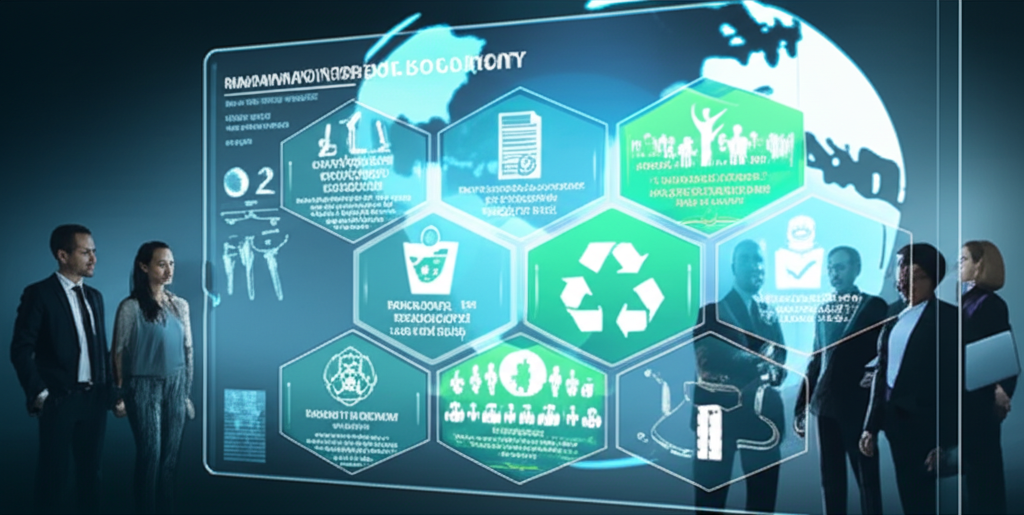
At vedtage en cirkulær økonomi-tilgang er afgørende for langsigtet bæredygtighed og konkurrencefordel i forsyningskæder for gæstfrihed.
Competitive Advantage & Business Case
For indkøbschefer, driftsdirektører og bæredygtighedsansvarlige igæstfrihed og madservice, giver McDonald's erfaring en klar plan for at opbygge en overbevisende business case for bæredygtig emballage. De kvantificerbare fordele rækker langt ud over altruisme:
- Risikobegrænsning: Proaktiv vedtagelse af bæredygtig emballage mindsker regulatoriske risici, såsom forestående plastforbud og udvidet producentansvar (EPR), som bliver stadig mere stringente i hele EU og Nordamerika. Manglende overholdelse kan resultere i betydelige bøder og driftsforstyrrelser. Ydermere beskytter det mod alvorlig skade på mærkets omdømme og potentielle forbrugerboykot, der kan udhule markedsandele, som det ses med den negative tilbageslag omkring de ikke-genanvendelige papirsugerør.
- Omkostningsbesparelser: Mens indledende investering i nye materialer eller infrastruktur kan være påkrævet, kan virkelig cirkulære løsninger føre til langsigtede omkostningsbesparelser gennem reducerede affaldsbortskaffelsesgebyrer, optimeret logistik og potentielle indtægtsstrømme fra genbrugsmaterialer. Investeringen i robust forsyningskædegennemsigtighed, herunder dyb leverandørkontrol og livscyklusanalyse, tjener også som en afgørende komponent for langsigtet risikostyring og omkostningsoptimering.
- Brand Value Uplift & Market Share Opportunity: Virksomheder, der udviser ægte forpligtelse til miljøforvaltning, resonerer kraftigt hos stadig mere miljøbevidste forbrugere og B2B-kunder. Forskning viser konsekvent, at forbrugere er villige til at betale en præmie for bæredygtige produkter, og virksomheder prioriterer ESG-præstationer (Environmental, Social, and Governance) i deres partnerskaber. En gennemsigtig, verificerbar bæredygtig emballagestrategi differentierer et brand, øger dets opfattede værdi og kan erobre markedsandele fra mindre fremsynede konkurrenter. Ud over forbrugernes opfattelse opfylder forbedret ESG-rapportering og due diligence investorernes krav, hvilket potentielt tiltrækker mere kapital.
- Operationel robusthed: Diversificering af materialeindkøb og investering i avancerede affaldshåndteringsløsninger opbygger en mere robust forsyningskæde, mindre modtagelig over for materialemangel, prisudsving i fossilt brændstofbaseret plast eller pludselige reguleringsskift. Denne operationelle smidighed er en væsentlig konkurrencemæssig differentiator på et ustabilt globalt marked.
McDonald's-rejsen tjener som en stærk påmindelse om, at den sande værdi af "bionedbrydelig" eller "bæredygtig" emballage ligger i dens praktiske afslutningsvej og dens accept af forbrugerne. Virksomheder, der prioriterer en holistisk tilgang til bæredygtig emballage, vil ikke kun imødekomme kravene fra regulatorer og forbrugere, men også opnå en betydelig konkurrencefordel på et marked i hastig udvikling. For dem, der søger at uddybe deres forståelse af materielle ydeevne, konsultere en omfattendekomposterbare vs. biologisk nedbrydelige sugerør B2B guidekan give uvurderlig indsigt i at vælge den optimale løsning til deres specifikke operationelle kontekst.
Bæredygtig emballage giver betydelige konkurrencefordele, herunder risikoreduktion, omkostningsbesparelser og øget brandværdi.
Konklusion
McDonald's meget synlige skift til "biologisk nedbrydelige" papirsugerør tilbyder et potent, flerlags casestudie for B2B-beslutningstagere igæstfrihed og madservice. Selvom de var drevet af beundringsværdige miljømål og et betydeligt offentligt pres, udgjorde de operationelle realiteter med hensyn til genanvendelighed og kundetilfredshed betydelige forhindringer. Denne erfaring understreger utvetydigt, at ægte bæredygtighed rækker ud over et simpelt materialevalg, kræver et holistisk syn på produktets livscyklus, robust affaldshåndteringsinfrastruktur og urokkelig fokus på operationel integritet. Erfaringerne fra dette globale brands rejse er afgørende for enhver organisation, der er forpligtet til at navigere i det komplekse terræn af bæredygtig emballage.
Ægte bæredygtighed kræver en holistisk tilgang, der integrerer materialevalg med infrastruktur og operationelle realiteter.
Klar til at optimere din bæredygtige emballagestrategi?
Vurderedine nuværende pakkestrategier ogsamarbejdemed eksperter i forsyningskæden for at implementere virkelig cirkulære og modstandsdygtige løsninger, der opfylder både miljømandater og skiftende forbrugernes forventninger.Anmod om en strategisk konsultation i dag
Fremtidssikre dine emballageaktiviteter mod reguleringsændringer og sikre din markedsposition.
Ofte stillede spørgsmål (FAQ)
Er McDonald's sugerør virkelig biologisk nedbrydelige?
Hvorfor skiftede McDonald's fra plastik- til papirsugerør?
Hvilke udfordringer stod McDonald's over for med sugerør i gæstfrihed?
Hvordan kan gæstfrihedsvirksomheder undgå lignende faldgruber i halmbæredygtighed?