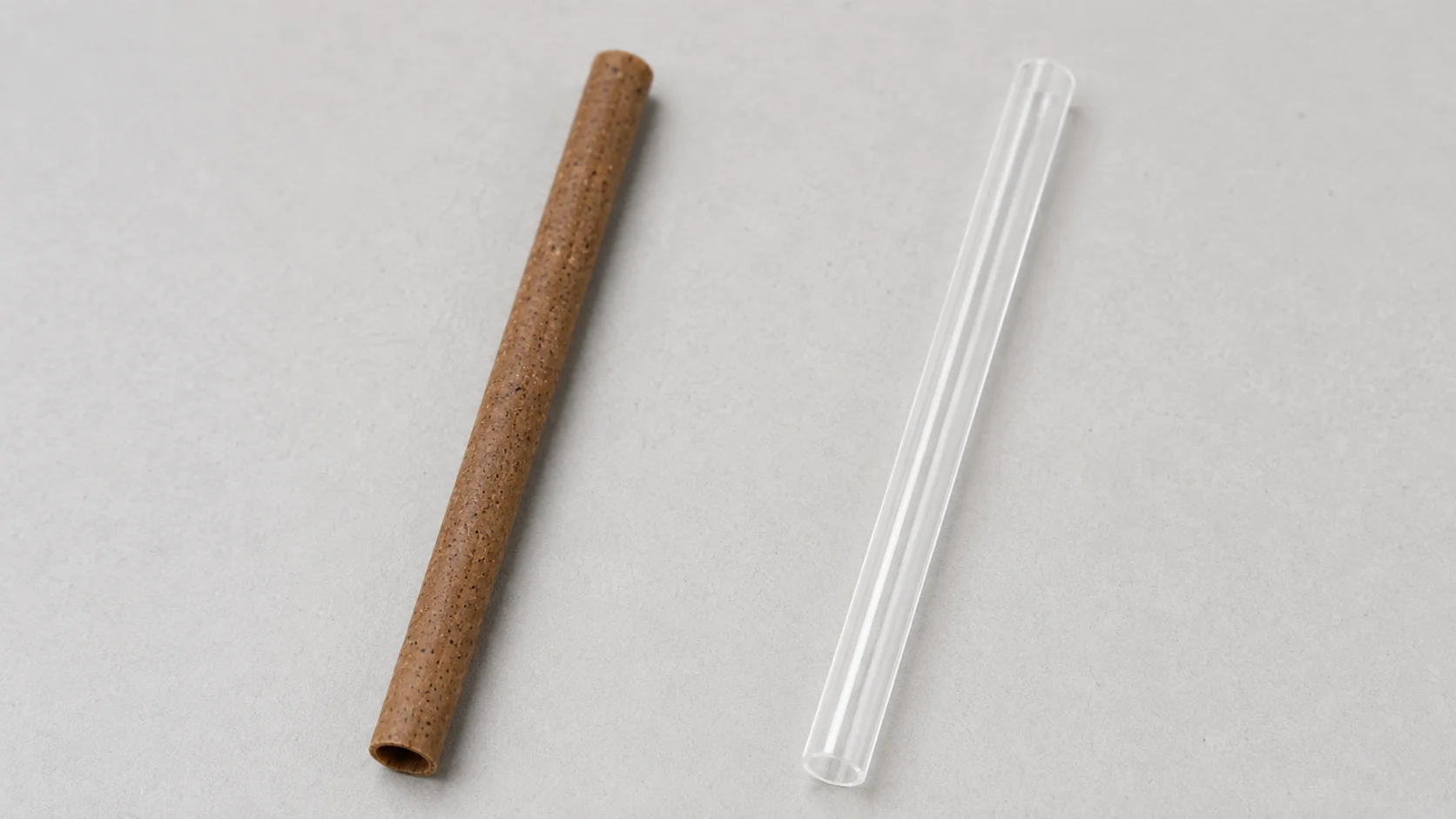
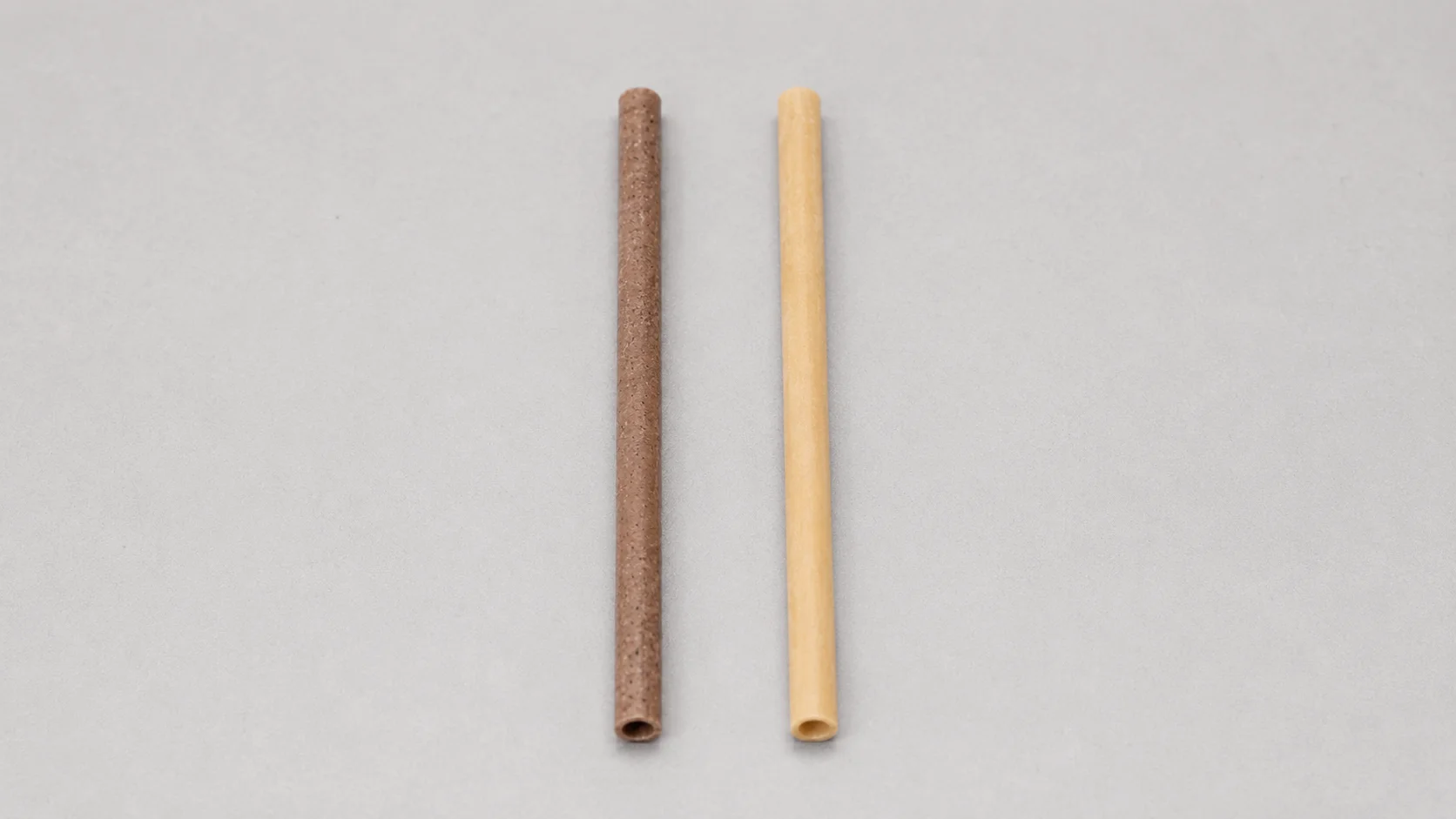
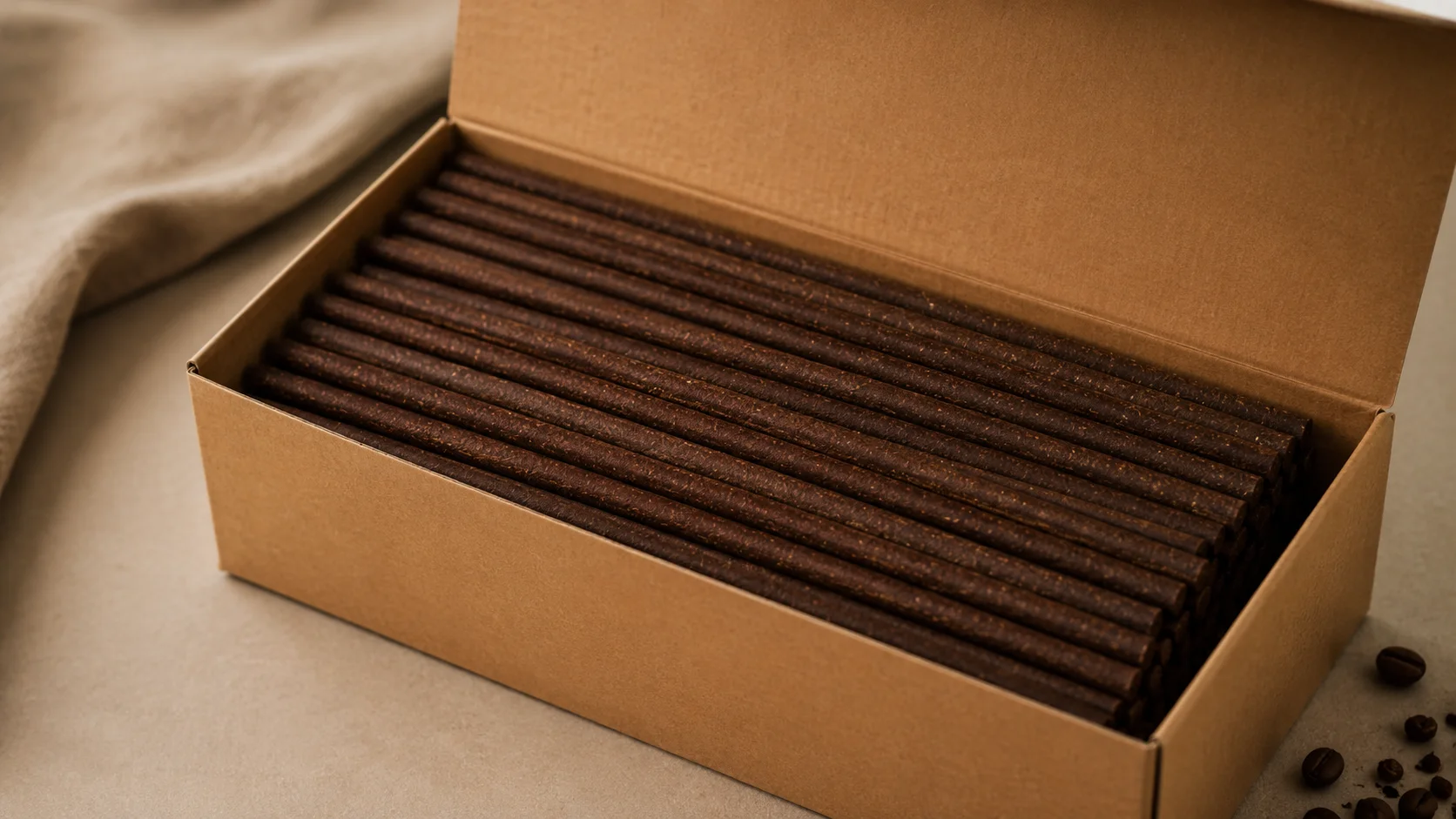
Optimering af driften: De bedste genanvendelige sugerør til barer og natklubber

Den globale gæstfrihedssektor befinder sig på et afgørende tidspunkt og kæmper med et tvingende skift væk fra engangsplastik. For barer og natklubber er denne overgang ikke kun en miljømæssig hygge; det er en stor operationel og kommerciel udfordring. Med de regulatoriske mandater, der strammes, og forbrugernes præferencer hurtigt udvikler sig mod bæredygtighed, udgør den fortsatte afhængighed af engangssugerør betydelige risici, lige fra store bøder og skader på omdømmet til forpassede markedsmuligheder.
Denne omfattende guide dykker ned i optimale genanvendelige halmløsninger, specielt skræddersyet til de store, dynamiske miljøer i barer og natklubber. Vi vil udforske banebrydende materialer, stringente hygiejneprotokoller og strategiske implementeringstilgange designet til at fremtidssikre din virksomhed, forbedre kundeoplevelsen og sikre en konkurrencefordel på et stadig mere miljøbevidst marked.
Omfavn bæredygtige sugerør for at fremtidssikre din bar og forbedre kundeoplevelsen.
De regulatoriske og markedsmæssige drivkræfter for genanvendelige sugerør i barer og natklubber
Bevægelsen væk fra engangsplastiksugerør er ikke blot et forslag; det er et hurtigt accelererende globalt mandat. Virksomheder, der undlader at tilpasse sig, risikerer betydelige driftsforstyrrelser og økonomiske sanktioner, mens fremsynede virksomheder står til at vinde betydelige markedsandele.
A. Navigering af reguleringsmandater og forbud
Regeringer og kommuner verden over vedtager streng lovgivning for at bekæmpe plastikforurening. Den Europæiske Union implementerede for eksempel et gennemgribende forbud mod engangsplastiksugerør med virkning den 3. juli 2021, hvilket tvang virksomheder på tværs af medlemslande til at søge bæredygtige alternativer. I USA har større byer ledet anklagen, hvor Seattle forbyder engangsplastiksugerør allerede i juli 2018. New York Citys regler, der trådte i kraft den 1. november 2021, forbyder fødevarevirksomheder at levere engangsplastiksugerør og omrørere undtagen efter anmodning, og manglende overholdelse giver bøder på op til $400 for gentagne lovovertrædelser. Denne "på anmodning"-model er afgørende for at sikre tilgængelighed for personer med handicap, et nuanceret, men vigtigt aspekt af overholdelse. Canada gør også fremskridt med sin landsdækkende udfasning af plasthalm, der er planlagt til fuld implementering inden den 20. december 2025. Dette kludetæppe af regler understreger, hvor presserende det er med proaktivt indkøb og driftsskift.
B. At udnytte et voksende miljøbevidst marked
Ud over overholdelse ligger en betydelig kommerciel mulighed i at tilpasse sig den stigende forbrugers miljøbevidsthed. Det globale marked for genanvendelige halm, til en værdi af cirka 2,3 milliarder USD i 2024, forventes at stige til 4,5 milliarder USD i 2033, hvilket viser en robust sammensat årlig vækstrate (CAGR) på 7,7 %. Denne vækst er ikke blot en statistisk anomali, men en direkte afspejling af skiftende forbrugeradfærd. Nordamerika har en betydelig andel på 43,67 % af det samlede sugerørmarked i 2024, hvilket signalerer en særlig stærk regional efterspørgsel efter bæredygtige muligheder. Ved at omfavne genanvendelige sugerør kan barer og natklubber tiltrække og fastholde et spirende segment af miljøbevidste kunder, opbygge brandloyalitet og forbedre deres profil for virksomhedernes sociale ansvar. Dette strategiske træk positionerer din virksomhed ikke blot som en enhed, der overholder kravene, men som førende inden for bæredygtig gæstfrihed. For virksomheder, der udforsker bredere bæredygtige materialemuligheder, kan indsigt i avancerede bionedbrydelige løsninger findes påhttps://momoio.com/best-biodegradable-plastic-straws-b2b/.
Reguleringsskift og markedsefterspørgsel driver det presserende behov for bæredygtige halmløsninger.

Udvælgelse af de bedste genanvendelige sugerør til barer og natklubber: Materiale Deep Dive
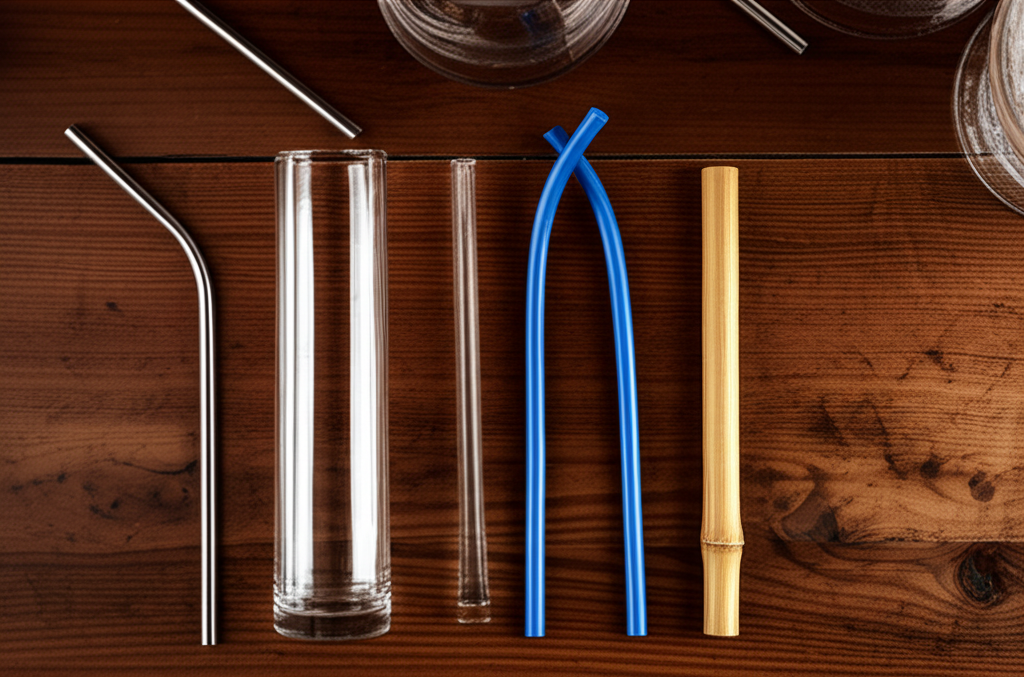
At vælge det rigtige genanvendelige halmmateriale er altafgørende for kommerciel succes, balancering af holdbarhed, hygiejne, gæsteoplevelse og driftseffektivitet. Hvert materiale præsenterer et unikt sæt af fordele og overvejelser for miljøer med store mængder.
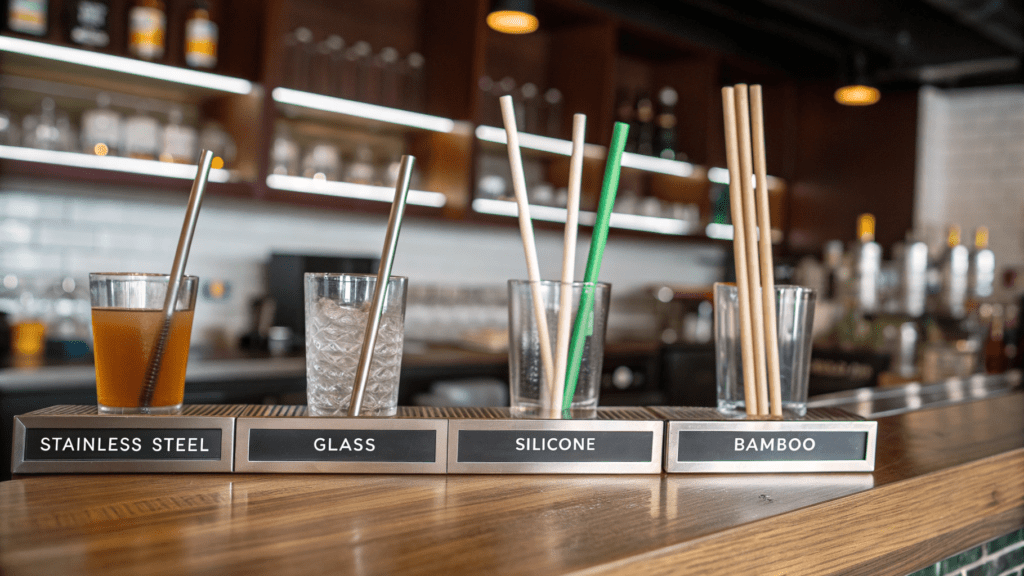
A. Sugerør i rustfrit stål: Holdbarhed møder professionel æstetik
Sugerør i rustfrit stål er et top-tier valg for kommerciel lang levetid. Meget holdbare og korrosionsbestandige, de kan modstå de strenge krav fra travle barer og natklubber og bevarer deres integritet gennem utallige anvendelser. Deres slanke, professionelle æstetik komplementerer enhver eksklusiv drikkevarepræsentation. Det er afgørende, at sugerør af rustfrit stål tåler opvaskemaskine, og de er i stand til at udholde kommercielle desinficeringsprotokoller ved høj varme uden nedbrydning. Forskning fra University of Edinburgh indikerer, at et genanvendeligt stålstrå skal bruges 100 til 150 gange for at udligne dens oprindelige produktions miljøpåvirkning sammenlignet med et engangsplaststrå, hvilket gør langsigtet brug nøglen til deres bæredygtighedsfordel.
B. Glassugerør: Førsteklasses oplevelse med uovertruffen hygiejnegennemsigtighed
Sugerør af borosilikatglas tilbyder en førsteklasses oplevelse, der hæver opfattelsen af enhver drik. Dette specialglas modstår ekstreme temperaturer fra -30°C til 150°C, hvilket gør dem ideelle til både varme og kolde drikke. En vigtig fordel for gæstfrihed er deres gennemsigtighed, som giver mulighed for øjeblikkelig visuel bekræftelse af renlighed – en kritisk hygiejnefaktor, der indgyder tillid hos kunder. På trods af den første opfattelse er sugerør af borosilikatglas af høj kvalitet robuste og ikke-porøse, en afgørende egenskab for overholdelse af HACCP. Adoption af barer i Vancouver, Canada, har vist et hurtigt investeringsafkast (ROI) på så lidt som 2-3 uger, takket være deres genanvendelighed og premium appel.
C. Silikonesugerør: Sikkerhed, fleksibilitet og bred appel til genanvendelige sugerør i hotelbranchen
Silikone sugerør er en alsidig og sikker mulighed, især værdifuld for virksomheder, der henvender sig til forskelligartet kundekreds, herunder familier eller personer med bevægelseshandicap. Deres bløde, fleksible og praktisk talt uforgængelige natur reducerer markant risikoen for skader, såsom halsstikker eller afslåede tænder, forbundet med stive sugerør. Førende mærker, som GIR, producerer platinhærdede, fødevaregodkendte silikonestrå, der er BPA/BPS-frie, hvilket sikrer ingen skadelig kemisk udvaskning til drikkevarer. De tåler også opvaskemaskine og kan let steriliseres i kogende vand, hvilket imødekommer strenge rengøringskrav.
D. Bambussugerør: Det naturlige valg med operationelle overvejelser
Bambussugerør tilbyder en rustik, miljøvenlig brandingmulighed, idet de er komposterbare og biologisk nedbrydelige. De har naturlige antibakterielle egenskaber. Imidlertid kan deres porøse overflade udgøre betydelige udfordringer for hygiejne og HACCP-overholdelse i kommercielle omgivelser, da de potentielt kan rumme forurenende stoffer og er vanskelige at rengøre grundigt, hvilket gør visuel inspektion udfordrende. Ydermere har bambussugerør typisk en kortere levetid, der spænder fra et par måneder til et år, og er generelt uegnede til kommercielle opvaskemaskiner på grund af deres tendens til at deformeres. Dette nødvendiggør håndvask, øgede arbejdsomkostninger og potentielt hæmmende driftsflow i miljøer med store mængder.
At vælge det rigtige halmmateriale balancerer holdbarhed, hygiejne og gæsteoplevelse for kommerciel succes.
Strategisk sammenligning: Genanvendelige stråmaterialer til B2B-operationer
Beslutningen om at investere i et specifikt genanvendeligt halmmateriale afhænger af en omhyggelig vurdering af dets operationelle indvirkning, overholdelse af overholdelse og ROI-potentiale.
| Feature | B2B operationel effekt | Overholdelsesnotat | ROI-potentiale |
|---|---|---|---|
| Rustfrit stål | Meget holdbar, tåler kommercielle opvaskemaskiner. Lav smagsoverførsel. | FDA-kompatibel, ISO 9001:2008-standarder for fremstilling. Genanvendelig. | Høj; økonomisk efter 50+ brug ($0,03-$0,55/styk). |
| Glas (borosilikat) | Nem visuel renlighed, elegant, robust, men tilbøjelig til at gå i stykker, hvis den tabes. | HACCP-kompatibel, ikke-porøs overflade. BPA-fri. | Hurtig; 2-3 uger (Vancouver barer). Premium opfattelse. |
| Silikone | Fleksibel, sikker for alle kunder, let at rengøre, behagelig mundfornemmelse. | BPA-fri, FDA godkendt, canadisk fødevaresikkerhed kompatibel. Ingen kemisk udvaskning. | Moderat; langvarige, lave udskiftningsbehov. |
| Bambus | Naturlig æstetik, kun håndvask, kortere levetid. Kan absorbere væsker. | Generelt ikke HACCP-kompatibel på grund af porøsitet. Nedbrydeligt. | Sænke; hyppig udskiftning, højere arbejdskraft til rengøring. |
Materialevalg påvirker din virksomheds drift, overholdelse og investeringsafkast.
Sikring af fejlfri hygiejne til genanvendelige sugerør i barer og natklubber
At opretholde upåklagelig hygiejne er ikke til forhandling for genanvendelige sugerør i kommercielle miljøer. Bekymringer om folkesundheden og lovgivningsmæssig kontrol kræver strenge rengørings- og desinfektionsprotokoller for at sikre gæsternes sikkerhed og bevare brandets omdømme.
A. Strenge rengørings- og desinfektionsprotokoller
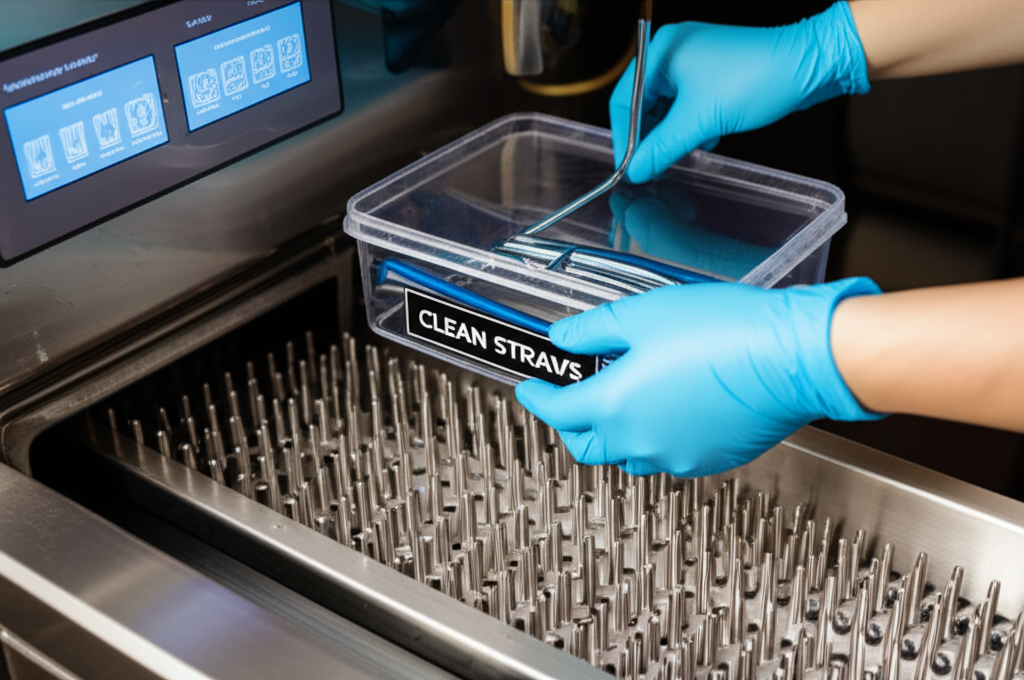
Grundig rengøring af genanvendelige sugerør med varmt sæbevand og en dedikeret stråbørste er afgørende efter hver brug. For barer og natklubber med stor volumen er det afgørende for effektiv desinficering at stole på kommercielle opvaskemaskiner eller at overholde vaskmetoden med tre rum (vask, skyl, desinficering). Undersøgelser har fremhævet risikoen ved utilstrækkelig rengøring, med en HACCP-undersøgelse, der påviste skimmelsvamp i 10 % af de genanvendelige sugerør, hvilket understreger nødvendigheden af stringente protokoller. Det tyske forbundsinstitut for risikovurdering (BfR) fraråder udtrykkeligt brug af sugerør til flere anvendelser, hvis grundig rengøring ikke kan garanteres. NYC Public Health Law § 1352 pålægger også sanitær dispensering af uindpakkede sugerør, hvilket understreger behovet for korrekt opbevaring og håndtering efter rengøring.
B. Strategisk opbevaring og personaleuddannelse
Når de er renset og lufttørret, skal genanvendelige sugerør opbevares omhyggeligt i tildækkede, lodrette beholdere for at forhindre genkontaminering. Denne praksis opretholder ikke kun hygiejnen, men strømliner også driften ved at sikre let adgang for personalet. Omfattende personaleuddannelse i korrekt indsamling, rengøring, håndtering og opbevaringsprocedurer er altafgørende. Dette inkluderer at uddanne dem i at forhindre krydskontaminering mellem rene og snavsede genstande og genkende, hvornår et sugerør er beskadiget og skal kasseres.
C. Håndtering af folkesundhedsproblemer
Mens genanvendelige sugerør er en bæredygtig løsning, kan deres ukorrekte vedligeholdelse udgøre sundhedsrisici. En undersøgelse fra University of Arizona viste, at genanvendelige sugerør, hvis de ikke renses ordentligt, kan rumme forskellige bakterier, herunder coliforme, en markør for fækal forurening. Dr. Jolene Brighten, grundlægger af Rubus Health, advarer også om hormonforstyrrende stoffer fra BPA/PFAS, der kan udvaskes fra nogle materialer. Regelmæssig visuel inspektion for eventuelle tegn på skade, såsom revner, skår eller ru kanter, er afgørende for både sikkerhed og hygiejne. Besøghttps://momoio.com/best-biodegradable-straws-not-paper/.
Omhyggelig rengøring, korrekt opbevaring og personaleuddannelse er afgørende for genanvendelig halmhygiejne.
Overvindelse af implementeringsudfordringer for bæredygtig bardrift
Overgang til genanvendelige sugerør er en strategisk investering, der kommer med sit eget sæt implementeringsudfordringer. Proaktiv planlægning og en klar forståelse af disse forhindringer er afgørende for et gnidningsløst og vellykket skift.
A. Startomkostninger vs. langsigtede besparelser
Den mest umiddelbare udfordring er ofte de højere forudgående omkostninger for genanvendelige sugerør sammenlignet med deres engangsmodstykker. Mens et plaststrå til engangsbrug kan koste omkring 1 cent og et papirstrå 5 cent, kan et genanvendeligt metal- eller glasstrå af høj kvalitet variere fra $0,03 til $0,55 pr. Denne startinvestering opvejes dog af betydelige langsigtede besparelser. Efter cirka 50 eller flere anvendelser bliver genanvendelige sugerør mere økonomiske end kontinuerligt at købe engangsartikler. Ydermere kan virksomheder udnytte bulkindkøb, ofte sikre 30-60 % rabatter for ordrer på over 50.000 enheder, hvilket drastisk forbedrer omkostningseffektiviteten over tid.
B. Operationel logistik og personaleadoption
Håndtering af indsamling, vask og opbevaring af hundredvis eller endda tusindvis af genanvendelige sugerør dagligt giver betydelige logistiske udfordringer for store spillesteder. Dette kræver optimeret arbejdsgang, udpegede indsamlingssteder og effektive kommercielle opvaskesystemer. At overvinde dybt rodfæstede engangsvaner blandt personale og lånere kan også være en væsentlig barriere. Implementering af nye processer kan føre til en kortsigtet stigning i driftsomkostningerne, efterhånden som personalet tilpasser sig og nye rutiner etableres.
C. Håndtering af tilgængeligheds- og sikkerhedsproblemer
Stive genanvendelige sugerør, især dem, der er lavet af metal eller glas, udgør en risiko for spjæld, især når de bruges med lågsikrede kopper eller af personer med begrænset motorisk kontrol. Rapporter fra akutmodtagelser har dokumenteret skader, overvejende flænger og orale traumer, der uforholdsmæssigt påvirker små børn, der bruger metalsugerør. For at imødegå dette tillader New York City lov, for eksempel, plastsugerør efter anmodning til personer med handicap, hvilket understreger vigtigheden af at tilbyde fleksible alternativer. Silikone-sugerør er på grund af deres iboende blødhed og fleksibilitet en mere sikker mulighed, især for børn og bevægelseshæmmede, hvilket mindsker ansvarsproblemer.
Proaktiv planlægning adresserer startomkostninger, logistik og sikkerhed for en jævn halmovergang.
Case Study: Ends and Means Cocktail Bar – En plan for miljøvenlig barpraksis
Melbourne's Ends and Means Cocktail Bar, etableret i 2018, er et eksempel på en succesfuld plan for integration af bæredygtighed fra starten. Denne banebrydende virksomhed på Gertrude Street forpligtede sig bevidst til minimalt affald og tilbyder aldrig engangsplastikgenstande, inklusive sugerør, til sine kunder. I stedet bruger de udelukkende genanvendelige metal- eller bambussugerør.
Deres dedikation til miljøvenlig praksis strækker sig ud over sugerør, og omfatter genbrugt tømmer, miljøvenligt tapet og tidligere elsket glasvarer. Ved at installere haner til øl og mousserende vand reducerede de markant flaske- og kanspild. De køber også sodavandssirup fra lokale, etiske producenter, der flittigt genbruger eller genbruger tomme flasker. Den kumulative effekt af disse initiativer er bemærkelsesværdig: Ends and Means producerer mindre end 8 liter samlet affald om ugen, mens de betjener over 250 kunder, et vidnesbyrd om deres operationelle effektivitet og miljømæssig forvaltning. Især de genanvendelige sugerør blev en unik snak, der forbedrede barens brandimage og fremmede stærk kundesupport til deres grønne initiativer. Dette eksempel fra den virkelige verden viser, at en forpligtelse til bæredygtighed, selv i miljøer med høj trafik, kan omsættes til håndgribelig affaldsreduktion og forbedret kundeopfattelse.
Ends and Means Cocktail Bar beviser, at bæredygtighed forbedrer brandet og reducerer spild.
Future Trends & Innovation
Banen for markedet for drikkehalm over de næste 5-10 år indikerer et klart og irreversibelt skift i retning af innovative, bæredygtige løsninger. Alene det globale marked for genanvendelige halm forventes at nå op på omkring $4,5 milliarder i 2033, hvilket signalerer kontinuerlig ekspansion og diversificering.
- 1. Materialeudvikling: Ud over traditionelt metal, glas og silikone vil markedet se øget brug af avancerede plantebaserede og spiselige sugerør. Innovationer omfatter sugerør afledt af tang, ris, sukkerrørsfibre og endda bakteriel cellulose, der tilbyder forskellig æstetik, funktionalitet og forbedret biologisk nedbrydelighed. Disse materialer er konstrueret til at være mere robuste end førstegenerations papirsugerør og samtidig bevare komposterbarheden.
- 2. Smart design og bærbarhed: Forvent en stigning i sammenklappelige og modulære genanvendelige halmdesigns, ofte kombineret med UV-desinfektionshylstre, der henvender sig til forbrugeren "på farten". Dette afhjælper bekvemmelighedsproblemer og fremmer bedre personlig hygiejne.
- 3. Lovgivningsmæssig harmonisering og udvidelse: Mens regionale forbud mod engangsplastik vil fortsætte med at udvide, vil der sandsynligvis være en stigende indsats for at harmonisere standarder for komposterbare og genanvendelige produkter på tværs af større økonomiske blokke. Dette omfatter strengere håndhævelse af certificeringer som ASTM D6400 (US) og EN 13432 (EU) for komposterbarhed.
- 4. Integration af cirkulær økonomi: Barer og natklubber vil i stigende grad udforske lukkede systemer og potentielt samarbejde med specialiserede industrielle komposteringsfaciliteter eller materialegenvindingsprogrammer for at sikre, at deres miljøvenlige sugerør virkelig gennemfører en cirkulær livscyklus.
- 5. "Straw on Request" bliver standard: Modellen "halm efter anmodning" vil blive standard globalt, hvilket vil reducere det samlede halmforbrug og de tilhørende rengørings-/bortskaffelsesbyrder for virksomheder markant. Denne adfærdsændring, drevet af både regulering og forbrugerbevidsthed, vil omdefinere standardservice.
- 6. Vægt på livscyklusvurderinger (LCA'er): Beslutningstagere vil i stigende grad kræve omfattende LCA'er for alle halmalternativer, der bevæger sig ud over overfladiske miljøpåstande for at forstå den sande påvirkning fra produktion til bortskaffelse. Denne datadrevne tilgang vil guide indkøb.
- 7. Tilpasning og branding: Efterspørgslen efter specialmærkede genanvendelige sugerør vil vokse, hvilket giver virksomheder mulighed for subtilt at forstærke deres bæredygtighedsforpligtelse og øge brandets synlighed med hver tår.
Dette fremtidige landskab understreger, at det at omfavne bæredygtige halmløsninger ikke er en midlertidig trend, men en grundlæggende, udviklende komponent i ansvarlig forretningsdrift. Det samlede marked for sugerør forventes at nå op på USD 23.196 millioner i 2031 med en CAGR på 7,1 % fra 2025, hvilket viser, at dette skift er en del af en større, robust markedsudvikling. Den proaktive indførelse af bæredygtig praksis, herunder indkøb af innovative halmmaterialer, vil være et kendetegn for markedslederskab. Virksomheder, der søger at være på forkant på dette udviklende marked, kan også udforske de bedste bionedbrydelige halmmuligheder, der er tilgængelige til B2B-brug i 2025 påhttps://momoio.com/best-biodegradable-straws-b2b-2025/.
Fremtidige tendenser indikerer et klart skift i retning af innovative, bæredygtige halmløsninger.
Competitive Advantage & Business Case
For indkøbschefer, driftsdirektører, bæredygtighedsansvarlige og ledere i forsyningskæden er forretningsgrundlaget for overgangen til genanvendelige sugerør overbevisende og rækker langt ud over blot overholdelse. Det er et strategisk træk, der leverer kvantificerbare fordele og cementerer markedslederskab.
- 1. Kvantificerbare omkostningsbesparelser: På trods af det højere indledende udlæg giver genanvendelige sugerør betydelige langsigtede omkostningseffektiviteter. Ved at eliminere det kontinuerlige indkøb af engangssugerør kan virksomheder opnå betydelige besparelser inden for måneder, som vist ved Vancouver-barer, der ser ROI på 2-3 uger med glassugerør. Massekøbsrabatter, op til 60 % for store ordrer, forstærker denne økonomiske fordel yderligere. Disse besparelser påvirker direkte dit driftsbudget og frigør kapital til andre investeringer.
- 2. Risikobegrænsning og overholdelsessikring: Proaktiv anvendelse af genanvendelige sugerør sikrer problemfri overholdelse af udviklende globale og lokale regler, hvilket effektivt mindsker risikoen for betydelige bøder og juridiske udfordringer. Denne forudseenhed forhindrer driftsforstyrrelser og beskytter din virksomhed mod potentielt indtægtstab på grund af manglende overholdelse. Det minimerer også risikoen for negativ presse og juridiske forviklinger forbundet med miljøkrænkelser.
- 3. Forøgelse af varemærkeværdi og markedsandelsmulighed: At omfavne bæredygtighed positionerer dit brand som miljømæssigt ansvarligt og fremadrettet. Dette resonerer dybt med det voksende segment af miljøbevidste forbrugere, hvilket øger mærkeloyaliteten og tiltrækker nye kunder. Som nævnt af George Leonard, Chief Scientist for Ocean Conservancy, taler reduktionen af plastikaffald gennem initiativer som genanvendelige sugerør direkte til forbrugernes værdier. Denne differentiering kan udmønte sig i øget gangtrafik, højere gennemsnitsforbrug pr. kunde og i sidste ende en større markedsandel i et konkurrencepræget gæstfrihedslandskab. Ved at blive en early adopter eller en leder inden for bæredygtig praksis opbygger du et positivt offentligt image, der adskiller din virksomhed.
- 4. Operationel effektivitet og innovation: Mens den indledende implementering kan give logistiske udfordringer, kan de optimerede rengøringsprotokoller og strømlinet lagerstyring, der kræves for genanvendelige sugerør, føre til generelle forbedringer i driftseffektiviteten. Desuden fremmer udforskningen af innovative materialer og rengøringsteknologier en kultur af kontinuerlig forbedring og bæredygtighed i din organisation.
Overgangen til genanvendelige sugerør handler ikke kun om miljøansvar; det er en skarp forretningsbeslutning, der driver den økonomiske præstation, reducerer risikoen og opbygger et stærkere og mere modstandsdygtigt brand.
Genanvendelige sugerør giver betydelige omkostningsbesparelser, risikoreduktion og øget brandværdi.
Konklusion: Løft din bar eller natklub med bæredygtige løsninger
Hospitality-industrien står ved afgrunden af en bæredygtig revolution, hvor det ikke længere er valgfrit at omfavne genanvendelige sugerør, men et strategisk imperativ. Ved at tilpasse sig strenge reguleringsmandater og imødekomme den stigende efterspørgsel efter miljøbevidste praksisser kan barer og natklubber transformere overholdelsesudfordringer til uovertrufne konkurrencefordele.
Det kræsne valg af materiale, understøttet af robuste hygiejneprotokoller og omhyggeligt planlagte operationelle praksis, er nøglen til at sikre langsigtet succes og levere en overlegen, sikker og bæredygtig kundeoplevelse. Dette proaktive skift fremtidssikrer din etablering, forbedrer dit brands omdømme og fremmer miljøansvar i kommende generationer.
At omfavne genanvendelige sugerør er en strategisk nødvendighed for bæredygtig gæstfrihedslederskab.
Handl nu: Fremtidssikre din bar med førsteklasses genanvendelige halmløsninger!
Lad ikke forældet praksis kompromittere dit brand eller din bundlinje. Kontakt os i dag for at udforske hele vores udvalg af genanvendelige halmløsninger i kommerciel kvalitet, designet til uovertruffen holdbarhed, hygiejne og gæstetilfredshed. Sikre din konkurrencefordel, og før angrebet mod en virkelig bæredygtig nattelivsoplevelse.Kontakt os i dag
Sikre din konkurrencefordel med førsteklasses genanvendelige halmløsninger nu.
Ofte stillede spørgsmål (FAQ)
Hvad er de primære fordele ved at skifte til genanvendelige sugerør til barer og natklubber?
Skift til genanvendelige sugerør giver betydelige fordele, herunder overholdelse af skiftende plastikforbud, betydelige langsigtede omkostningsbesparelser, forbedret brands omdømme blandt miljøbevidste forbrugere og forbedret driftseffektivitet gennem optimeret rengøring og lagerstyring.
Hvordan sikrer barer og natklubber hygiejne med genanvendelige sugerør i højvolumenmiljøer?
Hvad er de bedste materialer til genanvendelige sugerør i en bar eller natklub?
Rustfrit stål giver holdbarhed og en professionel æstetik, borosilikatglas giver en førsteklasses oplevelse med hygiejnegennemsigtighed, og silikonesugerør sikrer sikkerhed og fleksibilitet til forskellige kunder. Bambus sugerør, mens de er naturlige, udgør hygiejneudfordringer til kommerciel brug.
Er der specifikke regler for genanvendelige sugerør til tilgængelighed i gæstfrihed?
Ja, nogle regler, som f.eks. New York City-loven, tillader plastsugerør efter anmodning til personer med handicap, hvilket understreger vigtigheden af at tilbyde fleksible alternativer som silikone-sugerør for at sikre tilgængelighed og mindske risici for impalition forbundet med stive materialer.
Hvordan kan barer og natklubber overkomme de oprindelige omkostninger ved genanvendelige sugerør?
Mens de forudgående omkostninger er højere, bliver genanvendelige sugerør mere økonomiske efter cirka 50 brug. Virksomheder kan udnytte massekøbsrabatter (30-60 % for store ordrer) til drastisk at forbedre omkostningseffektiviteten og opnå hurtig ROI, ofte inden for få uger.
At besvare almindelige spørgsmål hjælper virksomheder med at skifte problemfrit til genanvendelige sugerør.