Strohfarben entmystifizieren: Strategische Implikationen für B2B-Operationen und nachhaltige Beschaffung
For procurement managers, operations directors, and sustainability officers in hospitality & foodservice.
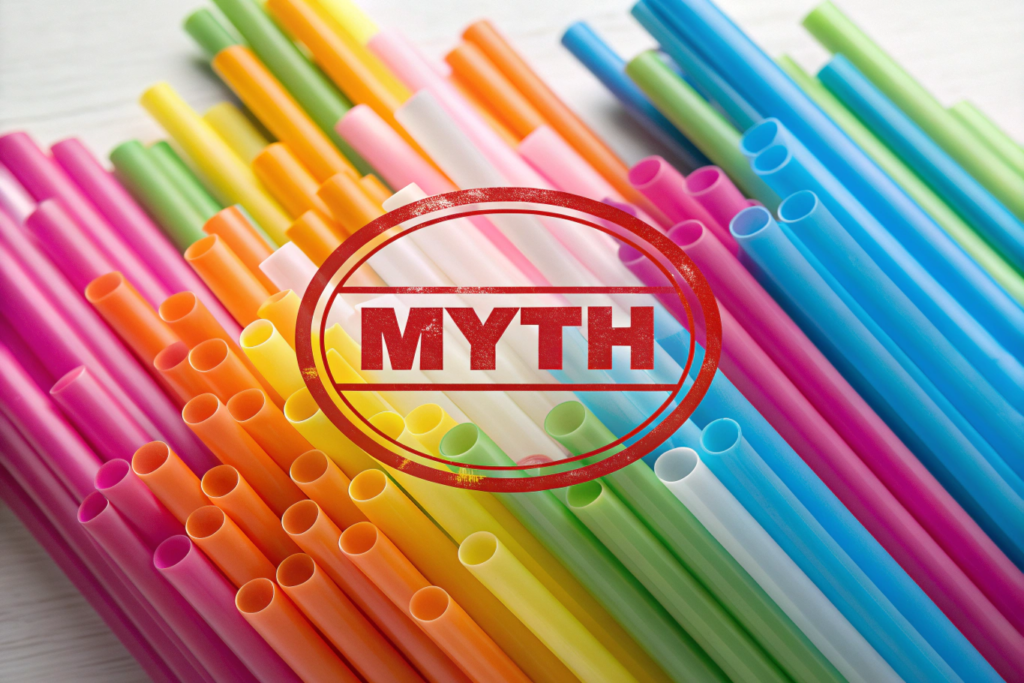
Für viele Verbraucher weckt das Thema „verschiedenfarbige Strohhalme“ Bilder von Social-Media-Theorien, insbesondere des berüchtigten „Strohhalm-Codes“, der von Dutch Bros Coffee populär gemacht wurde. Diese weit verbreitete urbane Legende besagt, dass Baristas farbige Strohhalme verwenden – rosa für „süß“, grün für „unansehnlich“, orange für „geheimnisvoll“, gelb für „durchschnittlich“ und blau für „unhöflich“ –, um geheime Botschaften über ihre Kunden zu übermitteln. Während diese verbraucherzentrierte Neugier seit Anfang 2017 unzählige Online-Diskussionen auf Plattformen wie TikTok und Instagram angeheizt hat, fehlt ihr eine offizielle Bestätigung, da zahlreiche Mitarbeiter von Dutch Bros öffentlich erklären, dass Strohhalme nach dem Zufallsprinzip ausgewählt werden.
Für B2B-Entscheidungsträger – Beschaffungsmanager, Betriebsleiter, Nachhaltigkeitsbeauftragte und Führungskräfte der Lieferkette – gehen die tatsächlichen Auswirkungen von Strohfarben jedoch weit über die Internet-Folklore hinaus. Der strategische Einsatz von Farbe in betrieblichen Kontexten, insbesondere in der sich schnell entwickelnden Landschaft der nachhaltigen Beschaffung, stellt eine große Herausforderung und eine große Chance dar. Das Ignorieren der entscheidenden Rolle der Farbcodierung in Bereichen wie Compliance und Sicherheit oder das Versäumnis, Farben zur Markendifferenzierung und Nachhaltigkeitsbotschaft zu nutzen, kann zu Compliance-Risiken, betrieblicher Ineffizienz und verpassten Marktchancen führen. Der wahre Wert des Verständnisses verschiedener Farbstrohhalme liegt nicht darin, die Meinungen von Baristas zu entschlüsseln, sondern darin, Farbe als leistungsstarkes Werkzeug für betriebliche Exzellenz und Wettbewerbsvorteile zu nutzen. Um tiefer in die Nuancen der Strohfarben und ihre umfassendere Wirkung einzutauchen, erkunden Sie, wie dieses scheinbar einfache Element eine Rolle in der Wahrnehmung der Verbraucher und in den Geschäftsstrategien spielt.
I. Das allgegenwärtige Missverständnis: Das Phänomen des „Strohcodes“ entschlüsseln
Der im Internet verbreitete „Strohhalm-Code“, der insbesondere mit Dutch Bros Coffee verknüpft ist, legt nahe, dass Baristas Strohhalmfarben verwenden, um Meinungen über Kunden auszudrücken. Obwohl diese Theorie seit Anfang 2017 auf Plattformen wie TikTok und Instagram weit verbreitet ist, fehlt ihr die offizielle Bestätigung durch Dutch Bros. Die angeblichen Bedeutungen reichen von Rosa für „süß“, Grün für „hässlich/durchschnittlich“, Orange für „geheimnisvoll“, Gelb für „durchschnittlich/normal“ bis Blau für „unhöflich“. Trotz seiner Viralität und der anekdotischen „Erfahrungen“, die von Verbrauchern geteilt werden, haben zahlreiche Mitarbeiter von Dutch Bros öffentlich erklärt, dass sie Strohhalme nach dem Zufallsprinzip auswählen, und entlarven damit den Mythos als unbewiesene Online-Theorie.
Diese verbrauchergetriebene Faszination ist zwar unbegründet, unterstreicht jedoch eine tiefere psychologische Wahrheit: Farben lösen unmittelbare, viszerale Reaktionen aus und beeinflussen die Wahrnehmung. Während der „Strohcode“ ein spielerisches Missverständnis ist, hat die zugrunde liegende menschliche Neigung, Farben eine Bedeutung zuzuweisen, tiefgreifende Auswirkungen auf B2B-Umgebungen, in denen die Farbcodierung alles andere als zufällig ist.Der „Strohhalm-Code“ ist ein Verbrauchermythos, aber die psychologische Wirkung der Farbe ist im B2B-Bereich real.
II. Beyond Urban Legend: Legitime Farbcodierung in B2B-Umgebungen
Während Freizeitinterpretationen existieren, erfüllt die Farbcodierung im B2B-Umfeld wichtige Funktionen wie Sicherheit und Effizienz. Im krassen Gegensatz zum skurrilen „Strohcode“ sind Farbanwendungen in der Industrie und im Gesundheitswesen bewusst, standardisiert und oft regulierungsbedingt. Farben bieten universelle visuelle Hinweise, überwinden Sprachbarrieren und verbessern die betriebliche Klarheit in unterschiedlichen Belegschaften. Solche robusten Systeme richten sich nach den Best Practices der Branche und den gesetzlichen Richtlinien zur Gefahrenverhütung, Risikominderung und Betriebsoptimierung.
A. Farbcodierung im Lebensmittelbereich: Ein Standard für Sicherheit und Effizienz
Im Gastronomiebereich ist die Farbcodierung eine unverzichtbare Praxis, die in erster Linie dazu dient, Kreuzkontaminationen zu verhindern und Allergene zu kontrollieren, die für die Lebensmittelsicherheit von entscheidender Bedeutung sind. Diese Praxis wird durch umfassende Richtlinien wie die unterstütztGrundsätze der FDA zur Gefahrenanalyse und kritischen Kontrollpunkten (HACCP)., die sich für systematische Ansätze zur Lebensmittelsicherheit einsetzen.
Zu den gängigen Farbbezeichnungen für verschiedene Küchengeräte und -bereiche gehören:
- Rot: Normalerweise für rohes Fleisch reserviert, um das Risiko einer Bakterienübertragung zu minimieren.
- Gelb: Konzipiert für rohes Geflügel, um dessen Trennung von anderen Lebensmittelarten zu gewährleisten.
- Blau: Wird für Meeresfrüchte verwendet und verhindert eine Kreuzkontamination mit anderen Proteinen oder Allergenen.
- Grün: Zugeordnet für Obst und Gemüse, um frische Produkte zu schützen.
- Weiß: Für Milchprodukte oder gekochtes Fleisch, um Kontaminationen durch rohe Produkte zu verhindern.
- Lila: Wird zunehmend zur Allergenkontrolle, zur Isolierung von Werkzeugen und Oberflächen für allergenfreie Zubereitungen eingesetzt.
Für B2B-Betriebe sind die Auswirkungen erheblich: Diese standardisierte Farbcodierung verringert das Risiko lebensmittelbedingter Krankheiten, schützt den Ruf der Marke vor kostspieligen Rückrufen oder rechtlichen Schritten und verbessert die Effizienz der Mitarbeiterschulung in Umgebungen mit hoher Fluktuation erheblich. Neue Mitarbeiter können unabhängig von ihren Sprachkenntnissen wichtige Sicherheitsprotokolle schnell verstehen und einhalten und so einheitliche Lebensmittelsicherheitsstandards im gesamten Unternehmen aufrechterhalten.
B. Farbcodierung im Gesundheitswesen: Verbesserung der Patientensicherheit und des Abfallmanagements
Im Gesundheitswesen ist die Farbcodierung ebenso wichtig, vor allem für die Geräteklassifizierung, Patientenwarnungen und die kritische Abfalltrennung. DerWeltgesundheitsorganisation (WHO)empfiehlt nachdrücklich die Farbcodierung für die Entsorgung von Gesundheitsabfällen und erkennt deren Rolle bei der Verhinderung von Infektionen, der Kostenverwaltung und der Sicherstellung der Einhaltung strenger Umweltvorschriften an.
Beispiele für farbcodierte Systeme im Gesundheitswesen sind:
- Abfallmanagement: Für biologisch gefährliche Abfälle (z. B. blutverunreinigte Gegenstände, scharfe und scharfe Gegenstände) werden rote Behälter verwendet, die eine ordnungsgemäße Verbrennung oder spezielle Behandlung gewährleisten. Gelbe Behälter sind in der Regel für infektiöse Abfälle vorgesehen, einschließlich Gegenständen, die in der Chemotherapie oder Strahlentherapie verwendet werden. Schwarze Behälter sind für gefährliche chemische Abfälle und blaue für ungefährliche pharmazeutische Abfälle.
- Warnungen zur Patientensicherheit: Standardisierte Armbänder nutzen Farbe, um wichtige Patienteninformationen zu kommunizieren, was die Sicherheit erhöht und Fehler verhindert. Beispielsweise weist ein rotes Armband allgemein auf „Allergiewarnung“ hin, während ein gelbes Armband auf „Sturzgefahr“ hinweist. Eine unsachgemäße Verwendung oder Fehlinterpretation dieser Farben kann schwerwiegende, sogar lebensbedrohliche Auswirkungen auf die Patientenergebnisse haben.
Für die Beschaffung und den Betrieb im Gesundheitswesen geht es bei der Einhaltung dieser farblich gekennzeichneten Richtlinien nicht nur um Compliance; Es geht darum, die Haftung zu minimieren, die Kosten für die Abfallentsorgung zu optimieren und die sichere und effiziente Bereitstellung der Patientenversorgung angesichts des wachsenden Arbeitskräftemangels zu unterstützen.Die B2B-Farbcodierung sorgt für Sicherheit, Effizienz und Compliance in der Gastronomie und im Gesundheitswesen.

III. Die Entwicklung der Strohhalme: Vom antiken Nutzen zur modernen Nachhaltigkeit
Die Reise der Strohhalme spiegelt die sich seit Jahrtausenden entwickelnde Materialwissenschaft und gesellschaftliche Bedürfnisse wider. Von einfachen Schilfrohren über hochentwickelte Polymere bis hin zu innovativen nachhaltigen Alternativen unterstreicht die Entwicklung des Strohhalms das anhaltende Streben der Menschheit nach bequemen Konsumwerkzeugen.
Historische Daten:Die früheste bekannte Verwendung von Trinkhalmen geht auf die Sumerer um 3000 v. Chr. zurück, die zum Konsum von Bier lange Gold- oder Schilfrohre verwendeten, wahrscheinlich um feste Nebenprodukte zu vermeiden. Der moderne Papierstrohhalm wurde 1888 vom amerikanischen Erfinder Marvin C. Stone patentiert, weil er frustriert war, dass Roggengrasstrohhalme den Geschmack seines Mint Julep beeinträchtigten. Im Jahr 1937 erfand Joseph Friedman den biegsamen Strohhalm, inspiriert durch die Schwierigkeiten seiner Tochter, aus einem geraden Strohhalm zu trinken. Diese Innovationen legten den Grundstein für die Masseneinführung des Strohhalms.
A. Aufstieg und Fall von Plastik: Eine von Umweltzöllen getriebene Verschiebung
Nach dem Zweiten Weltkrieg setzten sich Plastikstrohhalme aufgrund ihrer geringen Kosten, ihrer Haltbarkeit und ihrer Fähigkeit, in Flüssigkeiten unbegrenzt intakt zu bleiben, durch. Dies führte in den 1960er Jahren zur Massenproduktion, und in den 1980er Jahren erlebte der Markt einen Boom farbenfroher, skurriler Plastikstrohhalme, die in Fast-Food-Restaurants allgegenwärtig wurden. Dieses Zeitalter der Bequemlichkeit brachte jedoch unvorhergesehene Folgen für die Umwelt mit sich. Die wachsende weltweite Besorgnis über die Plastikverschmutzung, insbesondere deren verheerende Auswirkungen auf die Meeresökosysteme, führte zu einer Änderung der Vorschriften. Zahlreiche Regierungen und Organisationen auf der ganzen Welt haben Verbote und Beschränkungen für Einwegkunststoffe, einschließlich Strohhalme, eingeführt und damit das Ende der unangefochtenen Herrschaft von Kunststoffen signalisiert. Die Europäische Union beispielsweise hat im Jahr 2021 ein Verbot von Einwegkunststoffprodukten eingeführt und strebt damit ehrgeizige Recyclingziele an.
B. Nachhaltige Strohhalme: Farbe und Design im Zeitalter des Umweltbewusstseins
Die Nachfrage nach umweltfreundlichen Alternativen treibt mittlerweile erhebliche Innovationen bei Materialien und ästhetischem Design voran. Nachhaltige Strohhalme sind in einer reichhaltigen Palette erhältlich, die von natürlichen Farbtönen aus Bambus, Gras, Zuckerrohr, Kaffeesatz und Kokosfasern bis hin zu farbenfrohen Optionen aus Papier, PLA (pflanzliche Polymilchsäure), Silikon und Reis reicht.
Diese Materialvielfalt und Designanpassung stellen eine große Chance für Unternehmen dar. Marken können kundenspezifische Drucke mit Logos und zur Marke passenden Farben auf Papierstrohhalmen nutzen und so die Sichtbarkeit der Marke erhöhen und gleichzeitig auf Nachhaltigkeitsziele eingehen. PLA-Strohhalme sind beispielsweise in verschiedenen Farben wie Pink, Grün und Orange erhältlich und können BPI®-zertifiziert kompostierbar sein, was sowohl ästhetisch ansprechend als auch umweltfreundlich ist. Agavenstrohhalme, die aus Fasern der Agavenpflanze hergestellt werden, sind ein weiteres Beispiel für diesen Fortschritt und rühmen sich einer garantierten Zersetzung von 95 % innerhalb von 180 Tagen auf einer aktiven Mülldeponie.Die Entwicklung des Strohhalms spiegelt einen Wandel von der Bequemlichkeit aus Plastik hin zu nachhaltigen, farbenfrohen Innovationen wider.

IV. Strategic Value of Colored Straws in B2B Branding and Operations
Beyond simple utility, colored straws serve as a subtle yet powerful branding and operational tool for businesses. In an increasingly competitive market, every touchpoint with a customer or client offers an opportunity to reinforce brand identity and communicate core values.
A. Brand Recognition and Customer Experience via Color Psychology
Color psychology plays a significant role in influencing consumer perception and brand association. Studies indicate that up to 90% of a subconscious judgment about a product is formed based on color alone. Consistent use of specific colored straws reinforces brand identity and recognition, making brands memorable and instantly recognizable.
Consider theStarbucks Green Straw: Der unverwechselbare grüne Strohhalm ist sofort erkennbar und fungiert als subtiler, aber wirkungsvoller Markenidentifikator und als Statussymbol für das Unternehmen. Dieses scheinbar unbedeutende Detail trägt zu einem zusammenhängenden Markenerlebnis bei, das Kunden mit dem Premium-Image und der Verpflichtung zu Qualität von Starbucks verbinden. In ähnlicher Weise verwendet McDonald’s strategisch Rot und Gelb in seinem Branding, einschließlich Strohhalmen, um Aufregung, Appetit, Glück und Freundlichkeit hervorzurufen und so sein Markenversprechen von schnellem, genussvollem Essen konsequent zu bekräftigen.
Individuell gestaltete oder strategisch gefärbte Strohhalme verbessern das Kundenerlebnis, fördern die Loyalität und regen zu Folgegeschäften an. Sie verwandeln einen alltäglichen Gegenstand in einen Teil der Markenerzählung und machen das Konsumerlebnis einprägsamer und teilbarer, insbesondere in einer Zeit, die von visuellen Social-Media-Inhalten dominiert wird.
B. Förderung von Nachhaltigkeit und Marktdifferenzierung durch strategische Farbauswahl
Die Einführung umweltfreundlicher farbiger Strohhalme signalisiert das Engagement einer Marke für Nachhaltigkeit und zieht umweltbewusste Verbraucher an, die aktiv nach umweltfreundlichen Unternehmen suchen und diese unterstützen. Diese Ausrichtung auf wachsende Verbraucherwerte kann direkt zu Marktanteilsgewinnen und einem höheren Markenwert führen.
Der Markttrend geht eindeutig in Richtung Nachhaltigkeit. Der weltweite Strohmarkt wird bis 2030 voraussichtlich 24,26 Milliarden US-Dollar erreichen und von 2025 bis 2030 mit einer durchschnittlichen jährlichen Wachstumsrate (CAGR) von etwa 6,18 % wachsen. Dabei wird allein der Papierstrohmarkt bis 2030 voraussichtlich 6,17 Milliarden US-Dollar erreichen, mit einer bemerkenswerten CAGR von 16,30 % von 2025 bis 2034. Unternehmen, die proaktiv auf nachhaltige, oft farbenfrohe Alternativen umsteigen, halten nicht nur zukünftige Vorschriften ein; Sie erschließen ein schnell wachsendes Marktsegment. Unternehmen können sich weiter differenzieren, indem sie individuelle Farben oder einzigartige Designs aus nachhaltigen Materialien anbieten und so eine betriebliche Notwendigkeit in einen Wettbewerbsvorteil verwandeln. Dieser strategische Beschaffungsansatz kann eine Marke als Branchenführer sowohl in Bezug auf Innovation als auch unternehmerische Verantwortung positionieren.Farbige Strohhalme bieten ein starkes Branding und eine nachhaltige Differenzierung für B2B-Geschäfte.
V. Vergleich nachhaltiger Strohoptionen für die B2B-Beschaffung
Bei der Auswahl des richtigen Strohhalms geht es darum, betriebliche Anforderungen, Compliance und Nachhaltigkeitsziele in Einklang zu bringen. In der folgenden Tabelle sind die wichtigsten Überlegungen für B2B-Einkaufsexperten aufgeführt, die nachhaltige Strohoptionen bewerten:
| Besonderheit | B2B Betriebswirkung | Compliance Note | ROI -Potenzial |
|---|---|---|---|
| Papierstrohhalme | Leicht biologisch abbaubar; kann bei längerem Gebrauch weicher werden. | Die FSC-Zertifizierung unterstützt eine nachhaltige Beschaffung. | Reduzierter Plastikmüll, Einhaltung von Verbotsvorschriften, Anziehung von Öko-Konsumenten. |
| PLA (pflanzlich) | Biologisch abbaubar in Industriekompost; erfordert eine spezielle Entsorgung. | BPI®-zertifiziertes kompostierbares Material steht im Einklang mit grünen Initiativen. | Verbessertes Markenimage, Potenzial für Premium-Preise für nachhaltige Angebote. |
| Edelstahl | Sehr langlebig, wiederverwendbar; erfordert Reinigungsinfrastruktur. | Einhaltung der Wiederverwendbarkeitsziele; langfristiger Vermögenswert. | Erhebliche langfristige Kosteneinsparungen gegenüber Einwegoptionen, starke umweltfreundlichere Wahrnehmung. |
| Zuckerrohr/Agavenfaser | Natürlich, kompostierbar; einzigartige Textur, natürliche Ästhetik. | OK Home Compostable (Zuckerrohr); Agavenstroh zerfällt auf der Mülldeponie in 180 Tagen zu 95 %. | Markendifferenzierung, Ansprache von Natur-/Bio-Märkten, geringerer ökologischer Fußabdruck. |
Die Wahl nachhaltiger Strohhalme bringt betriebliche Anforderungen, Compliance und ROI für die B2B-Beschaffung in Einklang.

VI. Herausforderungen in der Lieferkette für farbiges Stroh meistern
Der weit verbreitete Wandel hin zu nachhaltigen und farbigen Strohhalmen bringt neue Komplexitäten für die Beschaffung und das Lieferkettenmanagement mit sich. Auch wenn die Vorteile auf der Hand liegen, erfordert die Bewältigung dieser Herausforderungen Weitsicht und solide Strategien.
A. Beschaffungsherausforderungen und Marktvolatilität
Eine große Herausforderung bei der Herstellung besteht darin, über Chargen hinweg eine gleichbleibende Farbqualität zu erreichen, insbesondere bei natürlichen oder pflanzlichen Materialien. Diese Materialien weisen oft unterschiedliche physikalische Eigenschaften auf, was die Pigmentverteilung und gleichmäßige Färbung schwieriger macht als bei herkömmlichen Kunststoffen. Eine entscheidende Hürde bei der Einhaltung der Vorschriften besteht darin, sicherzustellen, dass lebensmittelechte Pigmente nicht in Getränke gelangen. Dies erfordert strenge Tests und die strikte Einhaltung internationaler Vorschriften, beispielsweise der FDA in den USA und gleichwertiger Stellen in der EU.
Darüber hinaus kann die Volatilität der Lieferkette für neue Rohstoffe die Verfügbarkeit und Preisgestaltung erheblich beeinträchtigen und zu Produktionsverzögerungen und Kostenüberschreitungen führen. Originalgerätehersteller (OEMs) waren in der Vergangenheit zögerlich, von stabilen, bewährten Kunststoffen auf natürliche Materialien mit weniger vorhersehbaren physikalischen Eigenschaften umzusteigen, was zu Trägheit in der Lieferkette führte. Eine genaue Nachfrageprognose für bestimmte farbige nachhaltige Trinkhalme ist ebenfalls von entscheidender Bedeutung, da eine Fehleinschätzung der Verbraucherpräferenz für einen bestimmten Farbton zu Überbeständen oder kostspieligen Fehlbeständen führen kann.
B. Der Zukunftsausblick: Innovation und verantwortungsvolle Beschaffung
Trotz dieser Herausforderungen wird der Markt für nachhaltige Strohhalme durch die anhaltende Nachfrage der Verbraucher und der Regulierungsbehörden nach umweltfreundlichen Lösungen stark angetrieben. Die Innovation ist rasant, und Marktführer verschieben die Grenzen der Materialwissenschaft und des Designs. Unternehmen wie FinalStraw, die einen geschätzten Anteil von 14–18 % am Mehrwegmarkt halten, haben Innovationen wie integrierte selbstreinigende Stäbe und kompakte, selbstentsorgende Behälter auf den Markt gebracht. Klean Kanteen, mit einem geschätzten Anteil von 12–16 %, hat wiederverwendbare Trinkhalm-Sets mit Stahlkernen, Silikonspitzen und farbcodierten Sets mit antimikrobieller Ausrüstung eingeführt.
For discerning B2B buyers, this translates into a strategic opportunity. Prioritizing suppliers with proven traceability and robust quality control for colored sustainable straws is paramount. This ensures not only compliance with evolving regulations but also the delivery of a consistent, high-quality product that enhances brand image and supports long-term sustainability goals. The future of colored straws lies in embracing these innovations, overcoming manufacturing hurdles with collaborative R&D, and committing to genuinely responsible sourcing practices that benefit both business and planet.Die Bewältigung der Herausforderungen einer nachhaltigen Strohlieferkette erfordert Weitsicht, Innovation und verantwortungsvolle Beschaffung.
Fazit: Die Kraft der Farbe für nachhaltige B2B-Vorteile nutzen
Während der skurrile „Strohhalm-Code“ die Fantasie der Verbraucher anregen mag, bietet die strategische Anwendung von Trinkhalmen unterschiedlicher Farbe im B2B-Kontext greifbare Vorteile, von verbesserter Lebensmittelsicherheit und Gesundheitsvorsorge bis hin zu einer starken Markendifferenzierung und Nachhaltigkeitsausrichtung. Zukunftsorientierte Beschaffungs- und Betriebsleiter müssen neue Materialinnovationen bewerten und mit Lieferanten zusammenarbeiten, die in der Lage sind, qualitativ hochwertige, konforme und verantwortungsvoll beschaffte, nachhaltige Strohhalme zu liefern. Dieser proaktive Ansatz wird die operative Exzellenz vorantreiben, regulatorische Risiken mindern, die Markenwahrnehmung verbessern und die langfristige Marktführerschaft in einer zunehmend umweltbewussten globalen Wirtschaft sichern. Fordern Sie noch heute ein Compliance-fähiges Musterpaket für nachhaltigen Strohhalm an, um sich Ihren Marktvorteil zu sichern, bevor die regulatorischen Änderungen im dritten Quartal ihre volle Wirkung entfalten.
Fordern Sie noch heute Ihr nachhaltiges Stroh-Probepaket an!
Häufig gestellte Fragen
Haben verschiedenfarbige Strohhalme bei Dutch Bros Coffee eine geheime Bedeutung?
Nein, die beliebte „Strohcode“-Theorie im Zusammenhang mit Dutch Bros Coffee ist eine urbane Legende. Mitarbeiter von Dutch Bros. haben öffentlich erklärt, dass die Strohfarben zufällig ausgewählt werden und es keine offizielle Bestätigung für die angebliche geheime Bedeutung gibt.
Wie wird die Farbcodierung in der B2B-Gastronomie eingesetzt?
Im B2B-Lebensmittelservice ist die Farbcodierung von entscheidender Bedeutung, um Kreuzkontaminationen zu verhindern und Allergene zu verwalten. Rot steht beispielsweise für rohes Fleisch, Gelb für rohes Geflügel, Blau für Meeresfrüchte, Grün für Obst/Gemüse, Weiß für Milchprodukte/gekochtes Fleisch und Lila für die Allergenkontrolle. Dies erhöht die Sicherheit und Trainingseffizienz.
Welche Vorteile hat die Verwendung nachhaltiger farbiger Strohhalme für Gastronomiebetriebe?
Nachhaltige farbige Strohhalme steigern die Markenbekanntheit, stehen im Einklang mit umweltbewussten Verbraucherwerten und differenzieren Unternehmen auf dem Markt. Sie tragen auch dazu bei, die Vorschriften für Einwegplastik einzuhalten und den ökologischen Fußabdruck zu verringern, was zu Marktanteilsgewinnen führt.
Was sind die größten Herausforderungen in der Lieferkette für farbige nachhaltige Strohhalme?
Challenges include achieving consistent color quality with natural materials, ensuring food-grade pigments don’t leach, managing supply chain volatility for new raw materials, and accurate demand forecasting for specific hues. Overcoming these requires robust R&D and responsible sourcing.
Wie können Beschaffungsmanager die Einhaltung von Vorschriften bei der Beschaffung farbiger Strohhalme sicherstellen?
Procurement managers should prioritize suppliers with proven traceability and robust quality control. This ensures food-grade pigments meet international regulations (e.g., FDA, EU standards) and that materials like PLA are BPI® certified compostable, aligning with green initiatives.