Zweifel, umarmen Sie den Stock: Warum Zuckerrohrstrohhalme der nächste große Sieg Ihres Unternehmens sind

Die Scharmützel sind beendet. Dem Plastikstrohhalm, einst König, droht nun die Verbannung. Der wohlmeinende Papierstrohhalm, der so begierig darauf war zu gefallen, der sich so schnell in eine durchnässte Kapitulation auflöste … Es reichte einfach nicht aus. Aber was wäre, wenn die Antwort kein Kompromiss wäre, sondern ein Upgrade? Betreten Sie den Zuckerrohrstrohhalm. Es ist mehr als nur ein Gefäß für Ihren gefrorenen Latte, es ist ein Statement, eine Lösung und möglicherweise der nächstbeste Schachzug Ihres Unternehmens. Lassen Sie uns herausfinden, warum.
Eine klebrige Geschichte: Vom Roggen zur Regulierung
Der Strohhalm. Ein täuschend einfaches Werkzeug mit einer Jahrtausende alten Tradition. Die Sumerer, diese genialen Brauer des alten Mesopotamien, waren die ersten Anwender und bevorzugten Metallrohre, um durch die trüben Tiefen ihres Bieres zu navigieren. Spulen wir zurück ins Jahr 1888, als Marvin Stone, der die grasige Beeinträchtigung durch Roggenstrohhalme satt hatte, die Papierversion patentierte und so unseren Gaumen von unerwünschten botanischen Noten befreite. Dann kam 1937 der biegsame Strohhalm, ein Wunderwerk der Technik, das bisher unvorstellbare Erfrischungswinkel ermöglichte.

But the true revolution, or perhaps devolution, arrived post-World War II. Plastic. Cheap, durable, seemingly invincible. It conquered the straw market, becoming an omnipresent symbol of convenience. Yet, convenience often comes at a cost, doesn’t it? The turning point, for many, was a single, agonizing image: a sea turtle, a plastic straw lodged in its nostril. That 2015 video became a rallying cry, igniting a global anti-plastic movement. Bans followed (Seattle in 2018, the EU in 2021), and the search for a worthy successor began in earnest.
The Green Gold: Unpacking Sugarcane Straws’ Environmental Prowess
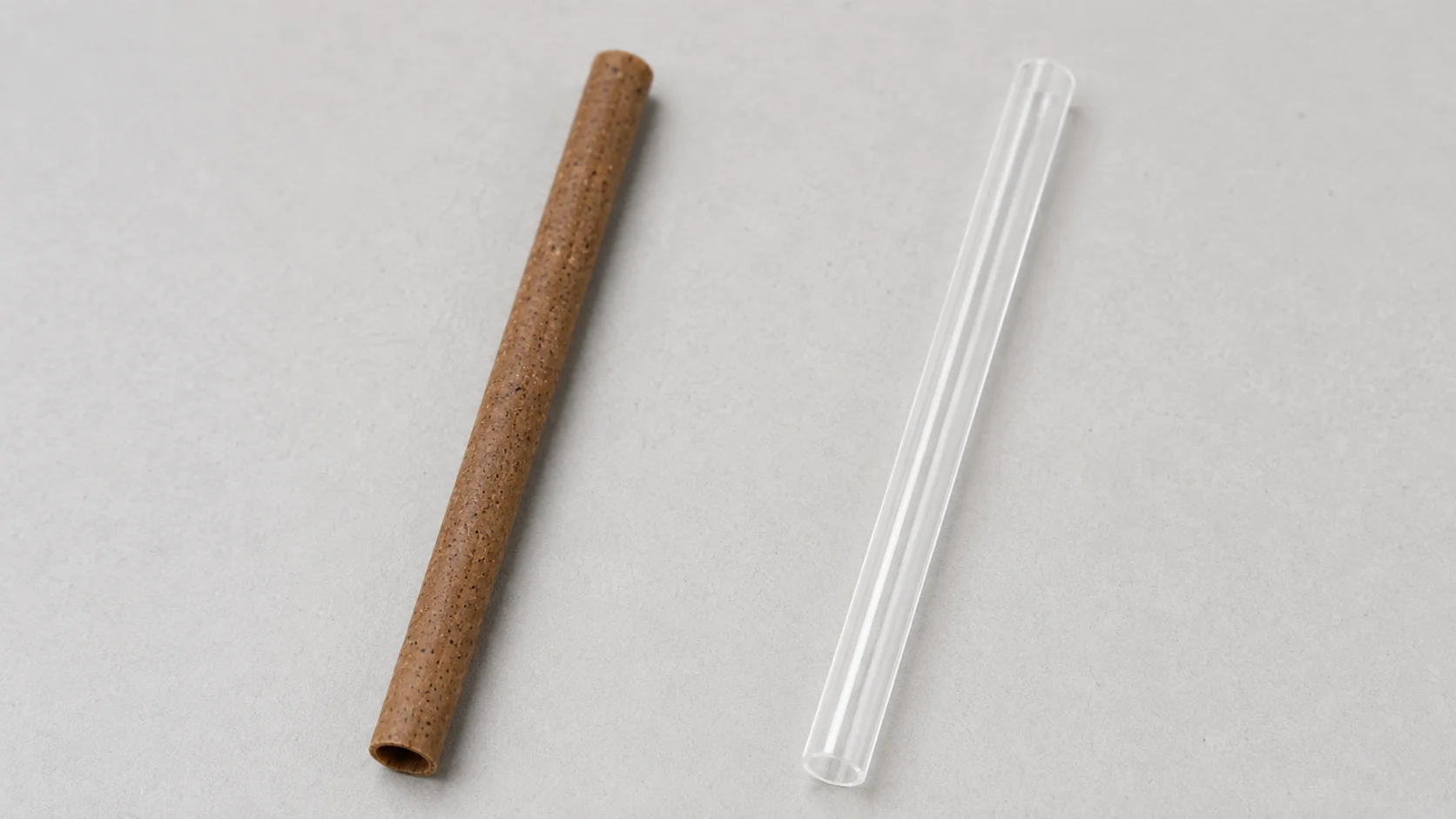
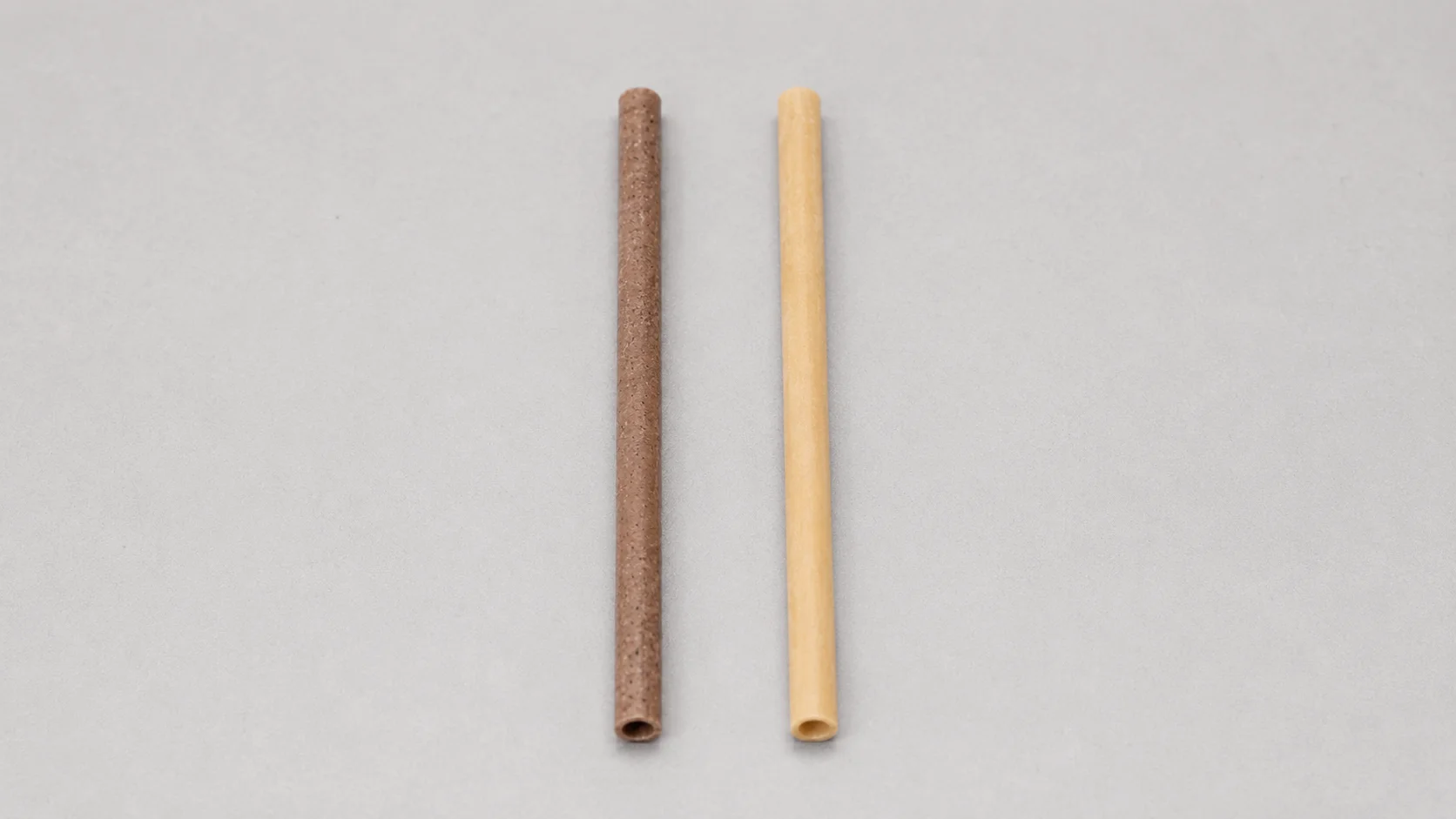
So, what exactly is a sugarcane straw? Imagine the sugarcane stalk, stripped of its sugary essence. What remains is bagasse, a fibrous byproduct often discarded. But here’s where ingenuity intervenes. This agricultural waste, this seeming detritus, becomes the very foundation of our eco-friendly hero. Sugarcane straws are crafted from bagasse, transforming waste into a valuable resource, embodying the principles of a circular economy.
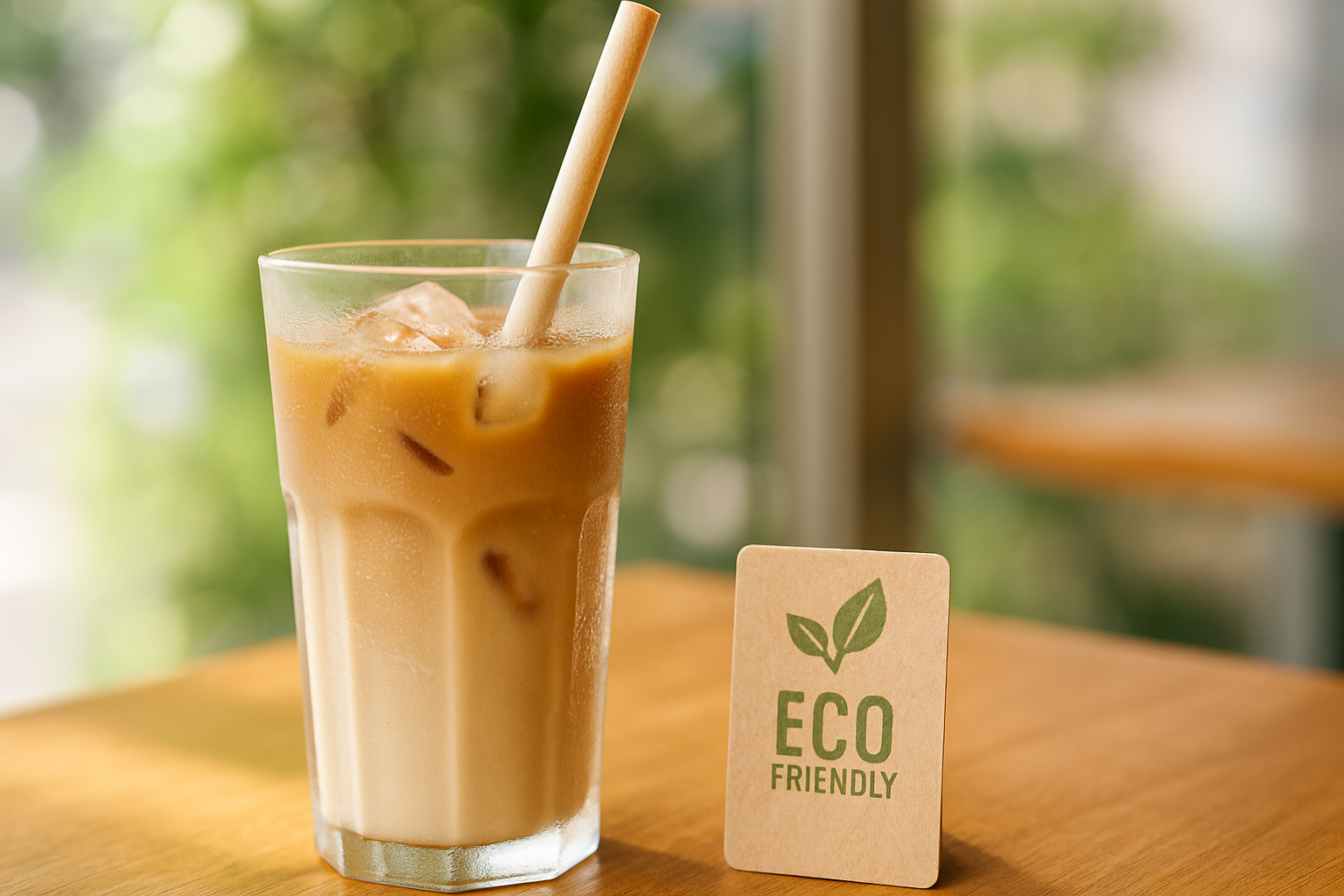
These straws are 100% plant-based, eschewing the harmful chemicals that plague plastic alternatives. They are free from BPA, PFAS, and those insidious petroleum-based plastics. But the true magic lies in their biodegradability. Unlike their plastic predecessors that linger for centuries, sugarcane straws return to the earth in a matter of months, sometimes even weeks in a home compost environment. Their carbon footprint is significantly lower, a testament to their environmental responsibility.
Sweet Deals: The Commercial Advantages for Your Bottom Line
Let’s talk brass tacks. While the initial cost may be slightly higher than plastic, consider the long game. Bulk purchasing brings the price down to a competitive level – we’re talking potentially $0.015 per unit. Factor in reduced waste management costs, thanks to their compostability. And then, there’s durability. These straws don’t dissolve into mush halfway through a drink. They hold their form, lasting hours, even a full day. The result? Fewer straws used per customer, translating to real savings.
Beyond cost, sugarcane straws simply perform. No more customer complaints about soggy straws. They are taste-free, gluten-free, ensuring a pure and unadulterated beverage experience. They are versatile, available in various sizes to accommodate everything from iced coffees to thick smoothies. Businesses, like the forward-thinking Farm-to-Table Co-op, have reported an impressive 85% reduction in customer complaints after making the switch.

And let’s not forget regulatory compliance. Over 127 countries already have some form of plastic regulation in place. Choosing sugarcane straws is not just environmentally sound, it’s fiscally prudent. It future-proofs your business, helping you avoid potentially hefty fines. For example, the Green Haven Café avoided $10,000 in annual fines by proactively embracing sustainable alternatives. Look for certifications like FDA approval, EU compliance, and compostability certifications (BPI, TÜV OK Compost) for added assurance.
Brand Power: How Sugarcane Straws Boost Your Reputation
In today’s market, sustainability is more than a buzzword; it’s a currency. By choosing sugarcane straws, you’re instantly signaling your commitment to environmental responsibility. Consumers are increasingly drawn to brands that align with their values, and studies show they are 70% more likely to support businesses with a visible dedication to sustainability.
Sugarcane straws offer a “guilt-free” sipping experience, resonating with environmentally conscious customers. This can translate into positive online buzz and increased social media engagement. It’s a tangible demonstration of corporate social responsibility, a powerful way to show your customers that you’re not just talking the talk.
Real-World Sips: Cafes and Fast-Food Chains Making the Switch
From independent cafes to global fast-food chains, the adoption of sustainable straws is gaining momentum. McDonald’s, Starbucks, and Burger King are all phasing out plastic straws, paving the way for alternatives. While paper straws were often the initial substitute, sugarcane straws offer a superior, more reliable option. They’re perfect for everything from iced coffees and thick smoothies to cold sodas and even hot teas.
The Sweet and Sour: Controversies & Practical Puzzles
No solution is without its nuances. The specter of “greenwashing” looms large. Not all “plant-based” straws are created equal. Some PLA-containing options require specific industrial composting facilities, creating confusion if improperly disposed of. The large-scale cultivation of sugarcane also raises questions about land and water usage. There’s a delicate balance to strike between utilizing bagasse for products and leaving it to enrich the soil. The higher upfront cost, while offset by long-term savings, can still be a hurdle. And perhaps most importantly, consumer education is essential. Ensuring customers understand proper disposal methods is crucial to maximizing the environmental benefits.
Sipping Towards Tomorrow: Future Innovations in Sustainable Straws
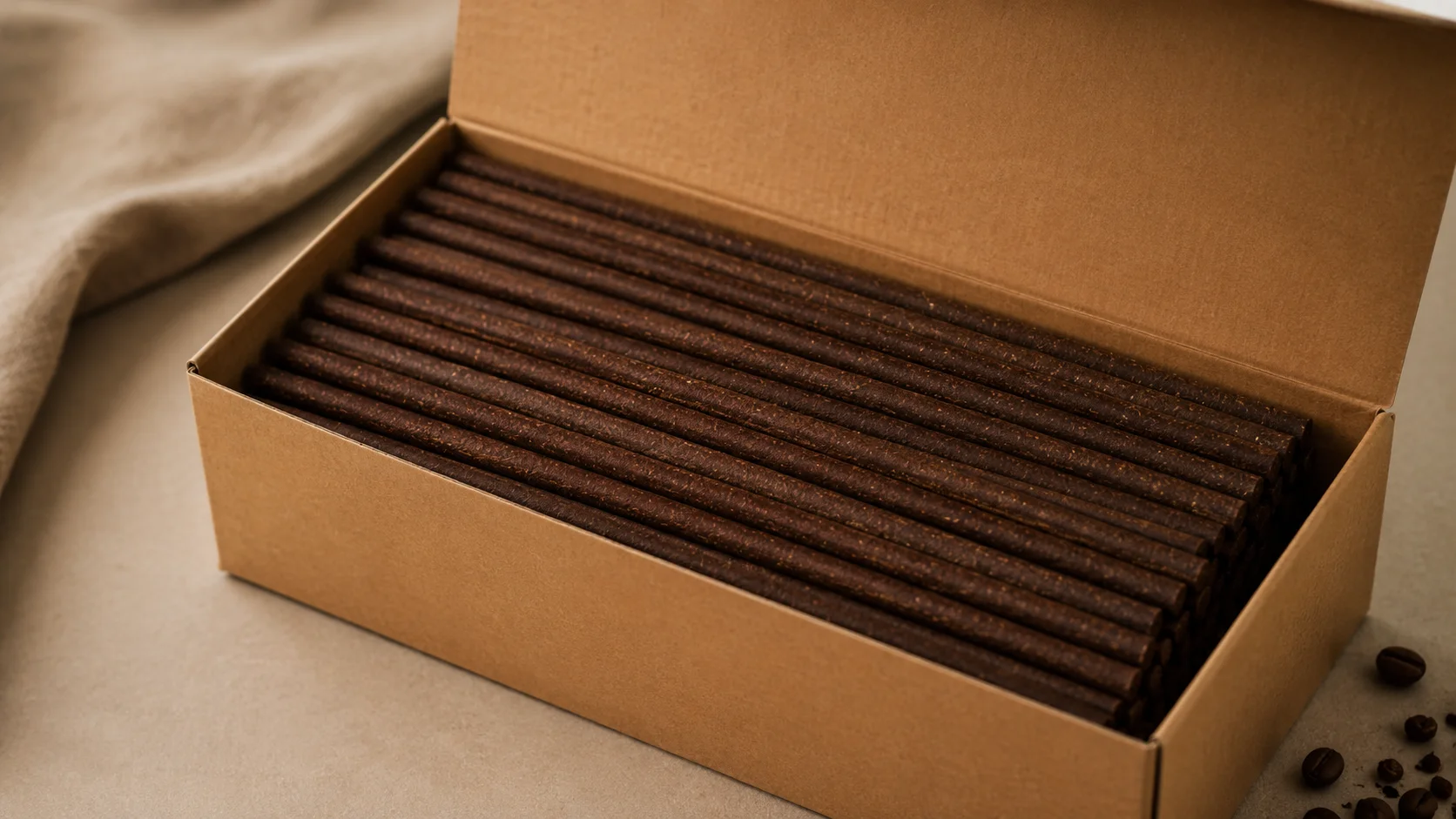
The eco-friendly straw market is booming, projected to reach a staggering $25.1 billion by 2035. This growth fuels innovation, pushing the boundaries of sustainable materials. We see the emergence of PHA, a biodegradable material that breaks down even in ocean environments. Bacterial cellulose, stronger than paper, eliminates the need for composting. And then there are the truly novel options: edible straws made from seaweed, rice, pasta, even coffee grounds. Advanced manufacturing techniques are making these sustainable options more accessible and affordable.
Conclusion: The Smart Sip for a Sustainable Future
Sugarcane straws offer a compelling blend of environmental responsibility, commercial advantages, and branding opportunities. They provide a tangible solution to the plastic waste crisis, enhance operational efficiency, and resonate with eco-conscious consumers.
For purchasing managers and B2B decision-makers, choosing sugarcane straws is not merely an eco-friendly gesture; it’s a strategic business decision. It aligns with evolving consumer values, anticipates stricter regulations, and contributes to a more sustainable future. Make the switch. Embrace the cane. Let your brand shine.