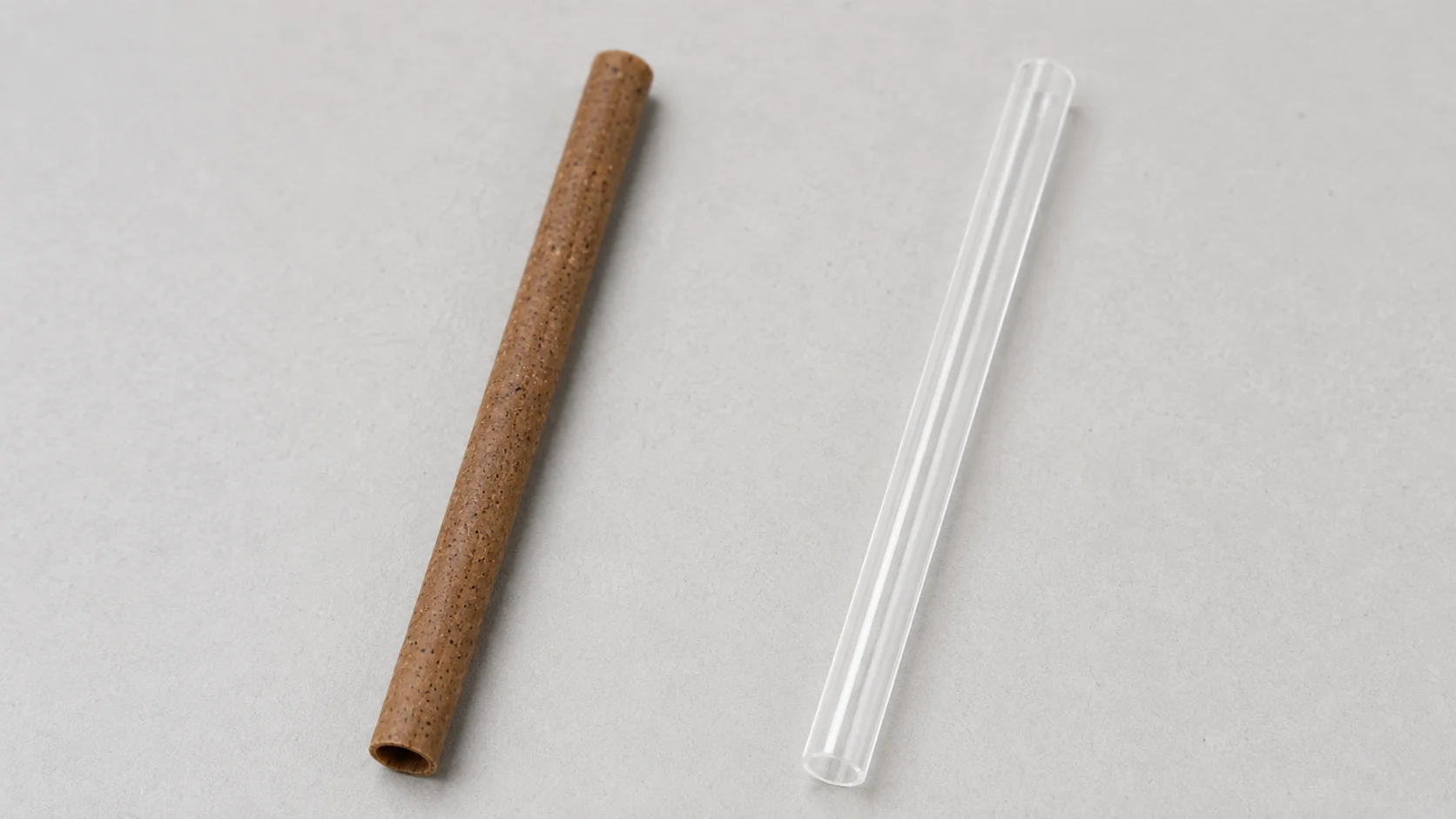
Als Beschaffungsmanager, Betriebsleiter, Nachhaltigkeitsbeauftragte und Lieferkettenmanager navigieren Sie durch ein komplexes Umfeld, in dem Umweltauflagen mit Kundenzufriedenheit und betrieblicher Effizienz zusammenpassen. Der weltweite Drang nach Nachhaltigkeit hat die Erwartungen verändert: Schätzungsweise 70 % der Verbraucher weltweit sind bereit, mehr für nachhaltige Marken zu zahlen. Doch der Übergang zu umweltfreundlichen Einwegartikeln bringt oft unvorhergesehene Herausforderungen mit sich, insbesondere in Umgebungen mit hohem Volumen wie in der Gastronomie und im Gastgewerbe.
Das Papierstrohhalm-Dilemma ist eine deutliche Erinnerung an Lösungen, die unzureichend sind. Als schnelle Lösung für das Verbot von Einwegplastik konzipiert, enttäuschen diese Alternativen häufig, da sie bei Flüssigkeiten schnell nachgeben, einen unangenehmen Geschmack hinterlassen und eine Flut von Kundenbeschwerden hervorrufen. Über die unmittelbare Unzufriedenheit hinaus führt dies zu versteckten Kosten: erhöhte Austauschraten, beschädigte Markenwahrnehmung und verschwendeter Aufwand bei der Suche nach „nachhaltigen“ Optionen, die nicht funktionieren.
Stellen Sie sich eine Lösung vor, die nicht nur Ihre Nachhaltigkeitsziele erfüllt, sondern auch das Kundenerlebnis steigert und eine kompromisslose Mahlzeit oder ein Getränk durchhält. Hier erweisen sich hochwertige Bambusstrohhalme als vielversprechende Kandidaten, die eine langlebige, natürliche Alternative zum allgegenwärtigen Problem dünner Einwegartikel bieten. Für Unternehmen, die ökologische Verantwortung mit betrieblicher Exzellenz in Einklang bringen möchten, stellt sich die entscheidende Frage: Werden Bambusstrohhalme wirklich durchnässt?
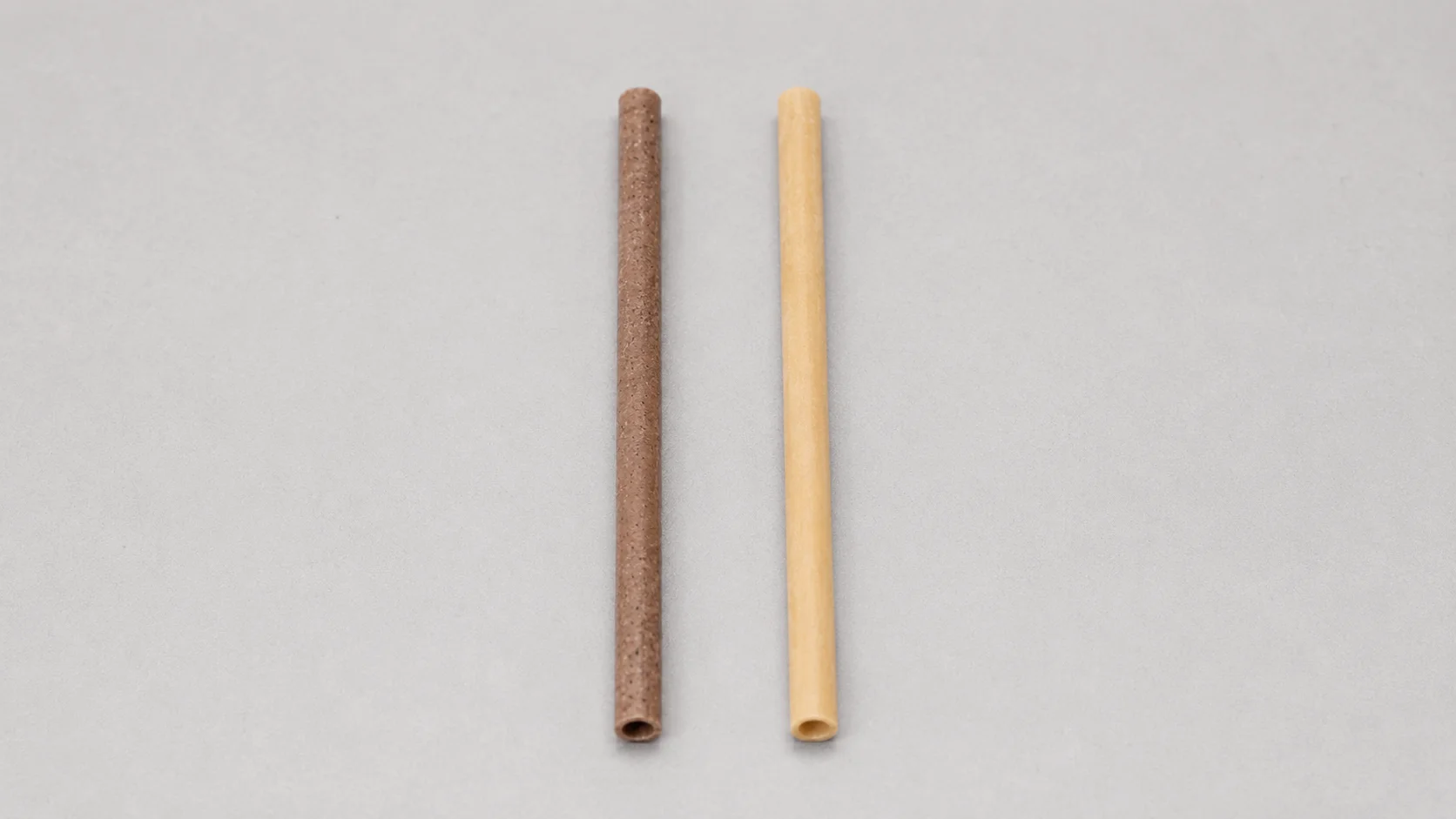
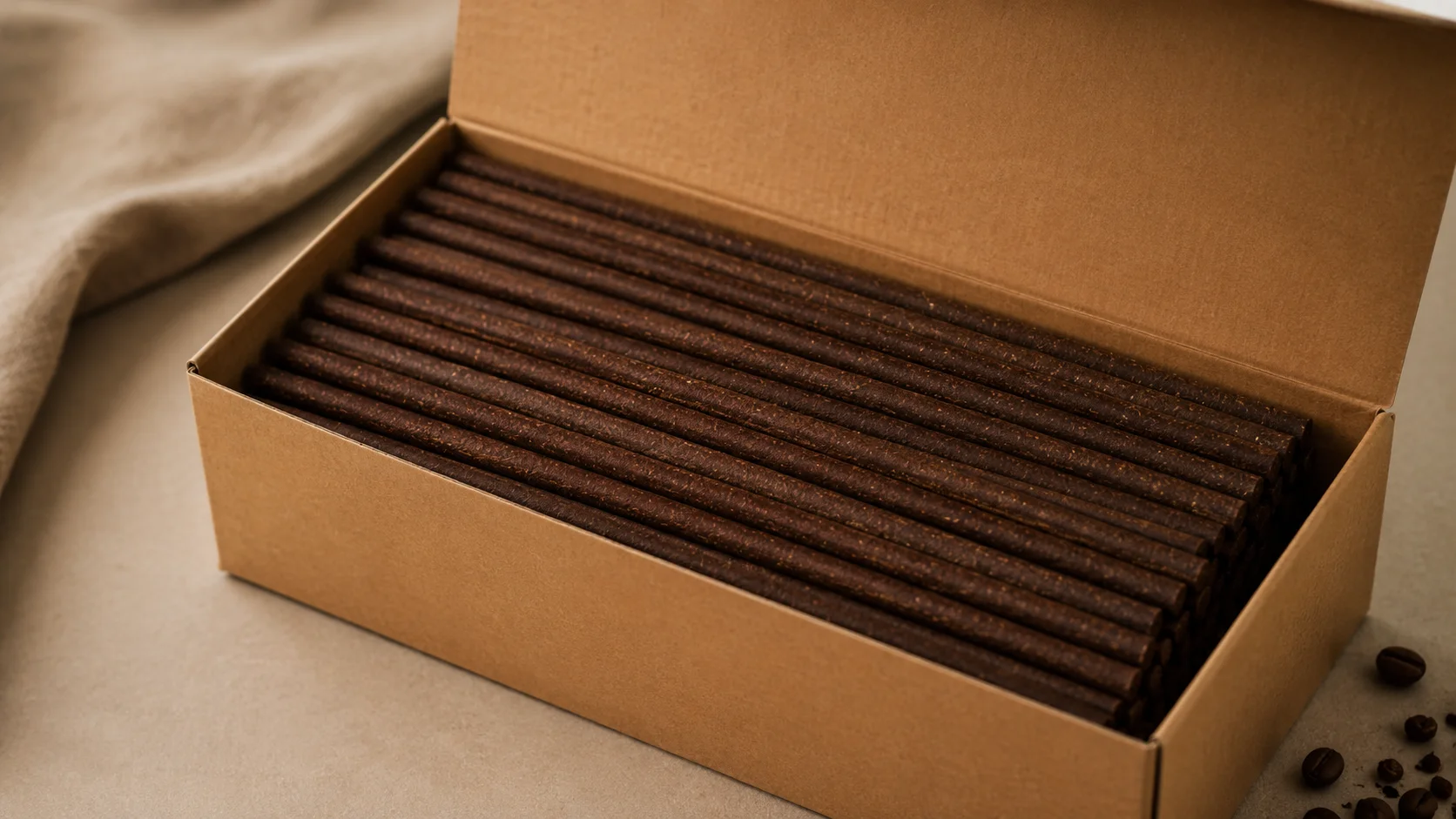
Die definitive Antwort lautet: Nein, nicht so, wie es bei herkömmlichen Papierstrohhalmen der Fall ist. Bambusstrohhalme werden aus robusten Naturfasern hergestellt und sind so konstruiert, dass sie ihre strukturelle Integrität deutlich länger bewahren, wenn sie Flüssigkeiten ausgesetzt werden. Diese inhärente Widerstandsfähigkeit macht sie zu einer überzeugenden Wahl für Organisationen, die sich für wirklich nachhaltige und qualitativ hochwertige Gästeerlebnisse einsetzen.

Die Abkehr von Einwegkunststoffen ist mehr als ein Trend; Es ist ein regulatorisches Gebot und ein Eckpfeiler der modernen Markenidentität in den USA und Europa. Unternehmen sehen sich einem zunehmenden Druck durch umfassende Richtlinien wie die Einwegkunststoffrichtlinie der EU und bundesstaatliche Verbote in den Vereinigten Staaten ausgesetzt. Das Versäumnis, robuste, nachhaltige Alternativen einzuführen, birgt nicht nur Compliance-Risiken, sondern auch die spürbaren Kosten für den Verlust des Vertrauens und der Loyalität der Kunden. Schwache Papierstrohhalme, die oft innerhalb von Minuten matschig werden oder sich auflösen, wirken sich direkt auf die Kundenzufriedenheit aus und signalisieren eine Diskrepanz zwischen den angegebenen Umweltwerten einer Marke und ihrer tatsächlichen Produktqualität.
Bamboo’s natural composition offers a compelling counterpoint to these challenges. Its unique fibrous structure provides inherent resistance to liquid absorption, allowing it to retain its form and functionality far longer than paper. Unlike paper, which relies on chemical treatments or thick layers to delay inevitable saturation, bamboo’s tough, natural fibers are inherently more water-resistant. While bamboo straws can absorb some liquid over prolonged periods, subtly altering their texture, this does not lead to the rapid disintegration or mushiness characteristic of their paper counterparts. Some innovative products, like “bamboo pulp paper straws,” even combine the benefits of bamboo’s resilience with the convenience of paper, designed specifically for enhanced durability and to resist sogginess.
Die Wissenschaft hinter der Stabilität von Bambus liegt in seiner dichten Zellstruktur. Dadurch hält er Temperaturschwankungen bemerkenswert gut stand und eignet sich daher für hochwertige Bambusstrohhalme sowohl für heiße als auch für kalte Getränke. Während die häufige Verwendung mit extrem heißen Getränken letztendlich ihre Lebensdauer verkürzen kann, da der Bambus austrocknet und möglicherweise Risse verursacht, übertrifft ihre allgemeine Leistung die von Papier bei weitem. Für die anspruchsvolle Gastronomie und das Gastgewerbe bedeutet dies einen zuverlässigen Strohhalm, der weder die Integrität noch die Temperatur des Getränks beeinträchtigt. Sie bieten eine natürliche Ästhetik, die die Präsentation verbessert, sind bei richtiger Pflege wiederverwendbar und, was noch wichtiger ist, sie verleihen Getränken keinen unerwünschten Geschmack, sodass der Kunde sein Getränk wie beabsichtigt genießt. Für Unternehmen, die sich für die Langlebigkeit ihrer nachhaltigen Entscheidungen einsetzen, ist es von größter Bedeutung zu verstehen, wie sie diese Produkte am besten pflegen. Unser Leitfaden zum ThemaDo Bamboo Straws Decompose B2B Sustainability?offers deeper insights into maximizing the life and end-of-life benefits of these natural alternatives.

Strategic procurement in today’s landscape demands a holistic view, balancing initial cost with long-term value, environmental impact, and unwavering customer satisfaction. When evaluating sustainable straw alternatives, a detailed comparison is crucial for B2B decision-makers.
Comparison of Sustainable Straw Alternatives: A B2B Perspective
| Besonderheit | Bambusstrohhalme | Papierstrohhalme | Strohhalme aus Edelstahl | Glasstrohhalme | Silikon Strohhalme | Edible Straws (e.g., pasta, seaweed) |
|---|---|---|---|---|---|---|
| B2B-Auswirkungen | Durable, reusable, natural aesthetic, no taste alteration, natural antibacterial. Enhances eco-friendly brand image. | Single-use, poor customer experience (soggy, taste), high replacement rate. Damages brand perception. | Highly durable, reusable, sleek, no taste. Appeals to premium segments. | Elegant, reusable, transparent for cleaning. Premium feel. | Flexible, safe for children, reusable. Good for specific demographics. | Novelty, zero waste. Unique selling point for certain experiences. |
| Compliance-Risiko | Low (biodegradable, compostable). Concerns regarding PFAS in some brands necessitate careful sourcing. | Moderate-High (PFAS common, microplastic shedding from coatings). Often fail performance expectations for bans. | Low (fully recyclable, no PFAS). | Low (recyclable). Concerns regarding PFAS in some brands. | Low (reusable, inert). Not biodegradable. | Low (biodegradable, compostable). |
| ROI -Potenzial | Higher initial cost, but reusability drives long-term savings. Improved customer loyalty & brand value. | Low initial cost, but high hidden costs (replacements, customer complaints, reputational damage). | High initial cost, very low replacement rate (long lifespan). Strong brand value proposition. | High initial cost, low replacement rate if handled carefully. | Moderate initial cost, good lifespan. | Variable initial cost (can be high), single-use. Higher novelty value than direct ROI. |
| Key Considerations | Proper cleaning & drying essential for reuse. Source PFAS-free. | Prone to sogginess, can alter drink taste. Widespread PFAS contamination concerns. | Heat/cold conductivity risk, potential for injury, not ideal for all demographics. | Fragile, breakage risk. | Less premium aesthetic for some brands. | Limited shelf life, can alter drink taste, specific storage requirements. |
Businesses evaluating these options must consider not just the material, but the full lifecycle implications. For example, while sugarcane straws offer a compelling biodegradable alternative, understanding their performance, especially regarding sogginess, is crucial. For a deeper dive into another popular choice, exploreDo Sugarcane Straws Get Soggy?
Industry Insights: Navigating the Sustainable Straw Market
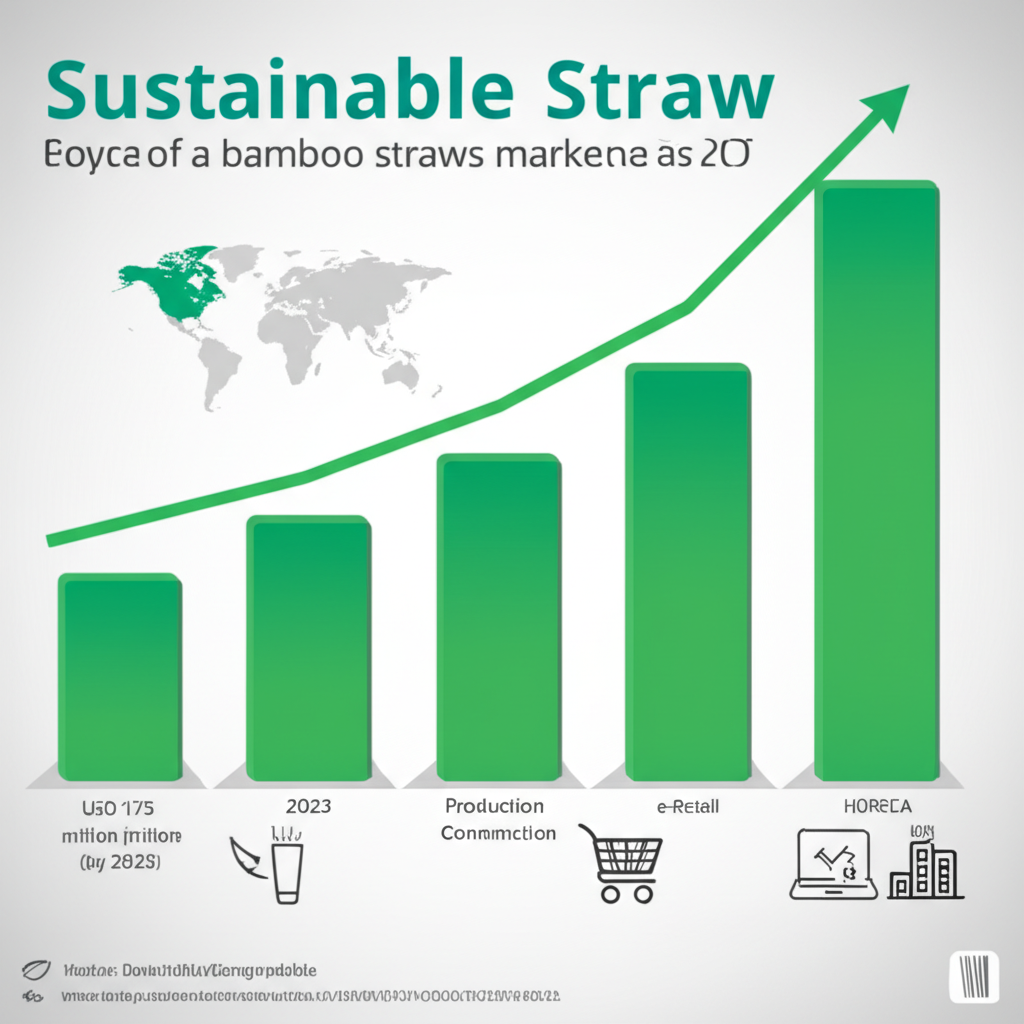
Der weltweite Bambusstrohmarkt verzeichnet ein starkes Wachstum, was das gestiegene Umweltbewusstsein und den dringenden Bedarf an nachhaltigen Lösungen widerspiegelt. Der Wert liegt im Jahr 2023 bei etwa 175 Millionen US-Dollar. Prognosen gehen von einem erheblichen Anstieg auf etwa 490 Millionen US-Dollar bis 2032 aus, angetrieben durch eine durchschnittliche jährliche Wachstumsrate (CAGR) zwischen 5 % und 12 % im nächsten Jahrzehnt. Dieses Wachstum ist vor allem auf strengere staatliche Vorschriften für Einwegkunststoffe in Regionen wie der EU und verschiedenen US-Bundesstaaten sowie auf die steigende Verbrauchernachfrage nach umweltfreundlichen Produkten zurückzuführen.
The foodservice industry, encompassing hotels, restaurants, and cafes (HORECA), stands as a primary catalyst, expected to account for a significant 58.6% of the market by 2025. E-retail also commands a substantial share, holding 38% in 2024. Regionally, Asia-Pacific dominates both production and consumption, while North America is poised to be the fastest-growing market. This regional dynamic underscores the importance of a globally informed procurement strategy. Further insights into comparative sustainability for hospitality can be found in our analysis ofZuckerrohr vs. Bambusstrohhalme für nachhaltige Gastfreundschaft.
Innovations and Future Outlook:
The sustainable straw industry is far from stagnant. Manufacturers are actively pursuing product differentiation and enhanced performance. Innovations include new lines of bamboo straws specifically designed for hot beverages to address durability concerns at higher temperatures. Research is also delving into hybrid materials combining plant-based polymers with water-resistant coatings, and even seed-embedded straws that can be planted after use to promote new plant growth, signaling a future where disposables actively contribute to ecological regeneration.
Addressing Business Concerns: Hygiene, Lifespan, and Quality Control
Even with their clear advantages, concerns around hygiene, lifespan, and quality control are valid for B2B applications.
- Hygiene Protocols: Bamboo’s porous nature necessitates diligent cleaning. For reusable bamboo straws in commercial settings, prompt cleaning after each use, using dedicated brushes, and occasional boiling for thorough sanitization are crucial. Proper air drying in a well-ventilated area, avoiding airtight containers, is vital to prevent mold growth. Fortunately, bamboo naturally contains “bamboo kun,” an antibacterial agent that helps limit germ proliferation.
- Maximizing Lifespan: With appropriate care, a high-quality reusable bamboo straw can last for several months to a year. Signs of degradation like visible cracks, splitting, persistent odors, or significant softening indicate it’s time for replacement.
- The PFAS Controversy and Quality Sourcing: A critical development for procurement professionals was a 2023 study published in Lebensmittelzusatzstoffe und Verunreinigungen journal, which revealed that four out of five bamboo straw brands tested contained “forever chemicals” (PFAS). This finding, alongside similar contamination in many paper straws, underscores the paramount importance of meticulous supplier vetting. Reputable companies like Bambu® have established rigid quality control practices and inspection processes since 2012, offering products like their “Precision Bamboo Straws” which are identical in size and shape, and crucially, are verified PFAS-free. Sourcing from suppliers with transparent manufacturing processes and third-party certifications is no longer optional; it’s a necessity. This ensures that your sustainable choice doesn’t inadvertently introduce other environmental or health hazards. You can find more information about the PFAS issue in various environmental and scientific publications, such as those from the U.S. Environmental Protection Agency (EPA) or European Chemicals Agency (ECHA).
- Carbon Footprint Considerations: While bamboo is a rapidly renewable resource, the carbon footprint associated with harvesting, processing, and particularly international shipping, must be acknowledged. Businesses should prioritize suppliers committed to sustainable cultivation practices, minimizing transport distances where possible, and utilizing eco-friendly packaging to mitigate this impact.

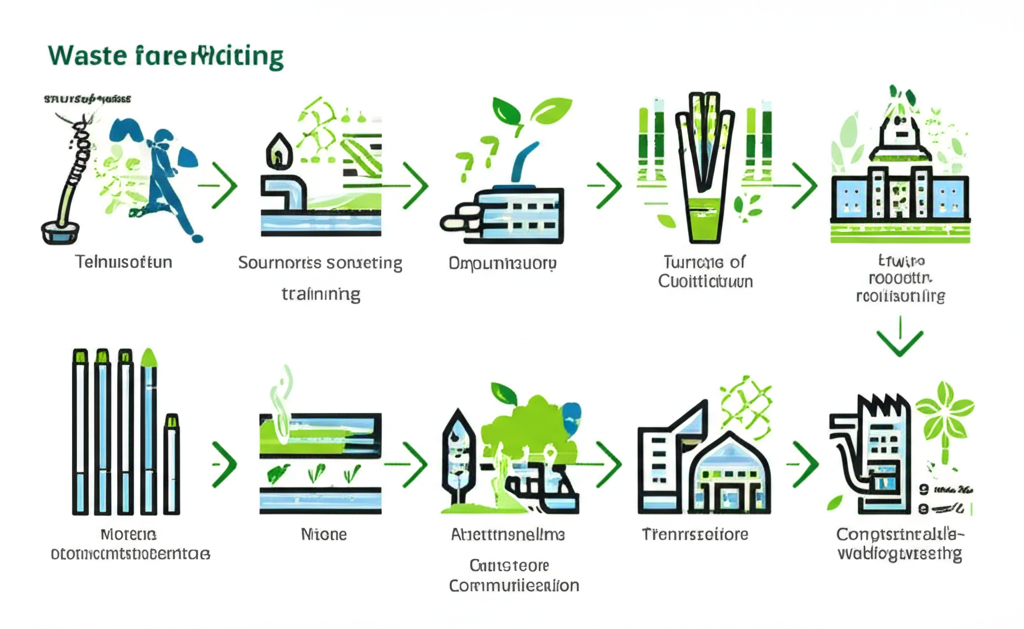
Der Weg zu einem wirklich nachhaltigen Betrieb erfordert einen strategischen Wandel von der reaktiven Problemlösung hin zur proaktiven, fundierten Entscheidungsfindung. Der Einsatz hochwertiger Bambusstrohhalme in Ihren Betrieben bietet einen konkreten Weg, dies zu erreichen. Der erste Schritt umfasst eine strenge Überprüfung der Lieferanten: Stellen Sie kritische Fragen zu Beschaffungstransparenz, Herstellungsprozessen und Qualitätskontrolle. Bestehen Sie auf Zertifizierungen Dritter, insbesondere solchen, die PFAS-freie Produkte und nachhaltige Forstwirtschaftspraktiken bestätigen.
Crucially, invest in staff training. Educate your team on the proper handling, cleaning protocols (including sanitization for reusable options), and optimal storage methods for bamboo straws to maximize their lifespan and maintain hygiene standards. Simultaneously, engage in clear and consistent customer communication. Inform your patrons about your commitment to sustainable choices and guide them on proper disposal for single-use bamboo straws or how to return reusable ones. By tracking waste reduction metrics and observing enhanced brand perception, you can quantify the positive impact of these initiatives.
Choosing high-quality bamboo straws is more than an eco-friendly gesture; it’s a strategic business decision that enhances your brand’s reputation, mitigates compliance risks, and delivers a superior customer experience. By embracing a durable, natural, and genuinely sustainable solution, your organization can significantly reduce operational costs associated with flimsy alternatives, safeguard brand value in an eco-conscious market, and capture a larger share of the growing demand for responsible consumer and business practices.
Take the next step towards sustainable excellence today.
Explore our curated selection of certified, high-quality bamboo straws, specifically engineered for B2B needs. Contact our experts for a personalized consultation on seamlessly integrating sustainable straw solutions into your operations, or request a sample kit to experience the difference firsthand and witness true durability.
Kontaktieren Sie unsere ExpertenFordern Sie ein Musterset an
Häufig gestellte Fragen
No, high-quality bamboo straws generally do not get soggy in the same way traditional paper straws do.
Their sturdy, natural fibers maintain structural integrity significantly longer when exposed to liquids,
although prolonged soaking can subtly alter their texture.
Yes, with proper care and maintenance, bamboo straws are reusable. For commercial use, this involves
prompt cleaning after each use, thorough drying, and occasional sanitization (e.g., boiling). They can
last for several months to a year under these conditions.
Bamboo straws offer several advantages for businesses, including enhanced brand image, compliance with
single-use plastic regulations, improved customer satisfaction due to their durability and neutral taste,
natural antibacterial properties, and the ability to reduce waste.
A 2023 study found PFAS in some bamboo straw brands. It is crucial for businesses to source bamboo straws
from reputable suppliers who provide transparent manufacturing processes and third-party certifications
ensuring their products are PFAS-free to avoid unintended environmental or health hazards.
For reusable bamboo straws, clean them promptly after each use with a straw brush and warm soapy water,
rinse thoroughly, and allow them to dry completely in a ventilated area. Store them in a dry, clean
container to prevent mold or bacterial growth. Occasional sanitization, such as boiling, helps extend
their lifespan and maintain hygiene.